DIY Lilac Linen and Room Spray: A Simple Spring Recipe
There's a short window every spring when lilac is in the air, literally, for maybe two or three weeks before the blooms fade. This little recipe is a way to hold onto that scent a bit longer. It's a simple linen and room spray built around lilac oil, distilled water, and a fixative that helps the scent disperse evenly instead of beading up on fabric. No special equipment, no complicated ratios to memorize, and it comes together in about ten minutes.
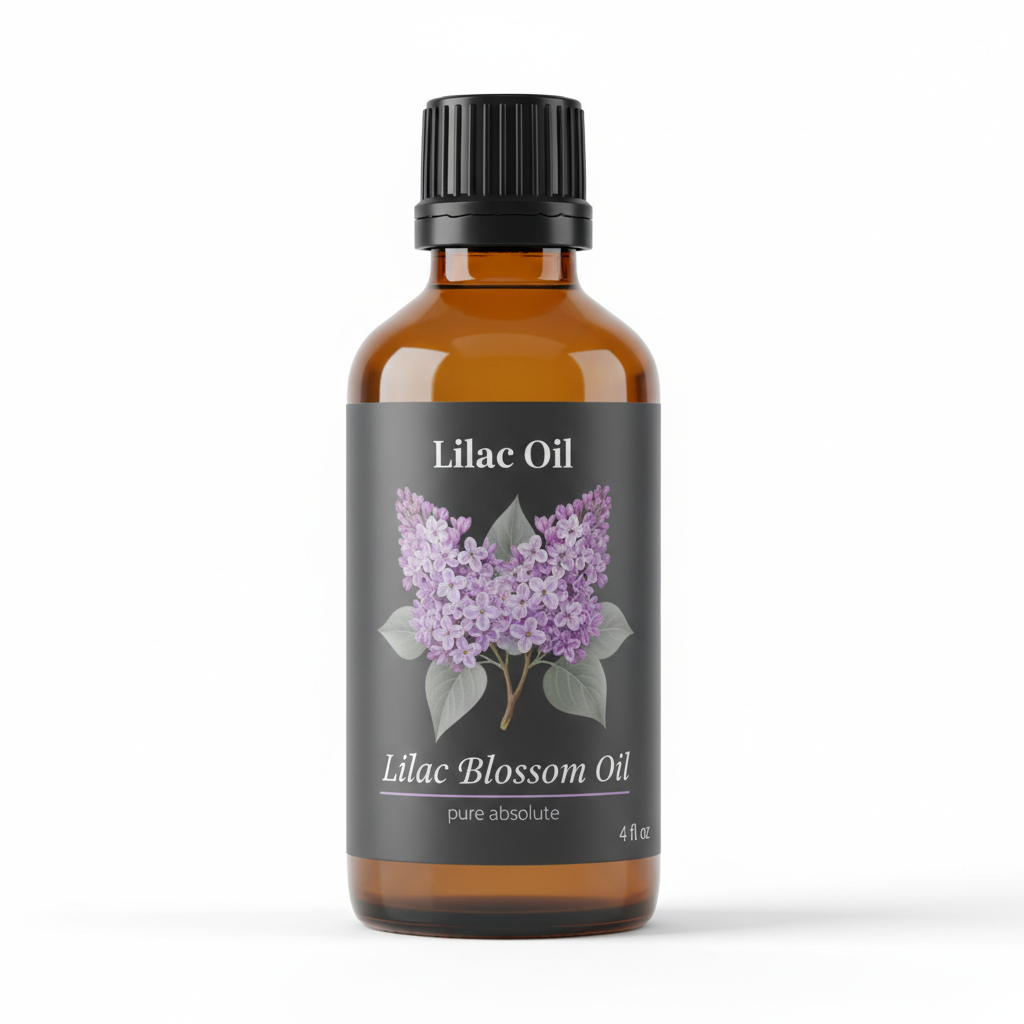
A quick note on sourcing, since we think this matters: true lilac blossoms give up very little oil to steam distillation, which is why most "lilac oil" on the market, including ours, is a perfume-style or infused oil rather than a classic single-note essential oil. That's not a downside. It's just worth knowing so you can shop with clear expectations and use the oil the way it's meant to be used: for scent, in cosmetic and aromatic applications, not as a substitute for anything medical.
Difficulty and Prep Time
- Difficulty: Beginner
- Prep time: 10 minutes
- Yield: One 4 oz (120 ml) spray bottle
- Shelf life: Roughly 4 to 6 weeks when stored properly (see below)
Why Make Your Own Lilac Room Spray
Most commercial linen sprays lean on synthetic fragrance and a long ingredient list you can't easily pronounce. Making your own gives you control over concentration, so you can dial it up or down depending on whether you're spritzing a pillowcase or a whole room. It's also just satisfying to have something on your shelf that you mixed yourself, especially with a scent as fleeting as lilac. If you've never made a DIY lilac linen spray before, this is a forgiving recipe to start with: three core ingredients, a basic dilution ratio, and a lot of room to adjust to your own preference.
Ingredients
| Ingredient | Amount | Purpose |
|---|---|---|
| Distilled water | 3 oz (90 ml) | Base of the spray |
| Witch hazel or high-proof vodka | 1 oz (30 ml) | Helps the oil disperse instead of floating on top |
| Lilac oil | 15 to 20 drops | Scent |
| Fine mist glass spray bottle | 4 oz (120 ml) | Storage and application |
Using distilled rather than tap water isn't just a nicety. Tap water carries minerals and trace bacteria that can shorten the spray's usable life and, in some cases, cloud the mixture within days. If you only have tap water on hand, boil it and let it cool completely before using.
A glass bottle is worth the extra dollar or two over plastic. Undiluted oils can degrade certain plastics over time, and glass simply holds scent better over the life of the bottle.
Step-by-Step Instructions
- Sanitize your bottle. Rinse the spray bottle and cap with hot water, or run it through a dishwasher cycle if it's dishwasher-safe. Let it air dry completely before adding anything.
- Add the witch hazel or vodka first. Pour 1 oz into the empty bottle. This step matters more than it looks: adding the alcohol or witch hazel before the water helps the lilac oil bind evenly rather than pooling on the surface once the water goes in.
- Add the lilac oil. Drop in 15 to 20 drops directly into the witch hazel or vodka. Swirl gently to combine before adding water.
- Top with distilled water. Fill the rest of the bottle with distilled water, leaving a little headspace below the sprayer neck so the pump has room to work.
- Cap and shake. Secure the lid and shake for about 15 seconds. The mixture won't stay perfectly blended between uses (that's normal for a water-based spray without an emulsifier), so plan to give it a quick shake every time before you spray.
- Label the bottle. Write the date and contents on a small piece of tape or a label. It's an easy step to skip and an easy one to regret later when you're trying to remember how old the bottle is.
- Test before full use. Spray a small, hidden section of fabric first (see the safety section below) and let it dry to check for any spotting or discoloration, especially on silk, wool, or anything delicate.
How to Use It
Hold the bottle 8 to 10 inches from the fabric and mist lightly. For a lilac room spray recipe application rather than linens specifically, a few spritzes into the air of a room works well, aimed upward and away from furniture and electronics. Avoid saturating any single spot; a light, even mist goes further than a heavy one and dries faster.
Safety Warnings
Please read this section fully before making or using the spray.
- Dilution ratio: This recipe sits around a 1% dilution, which is an appropriate starting concentration for a spray intended for fabric and air, not direct skin contact. Do not increase the drop count significantly without understanding how concentration affects sensitivity, and never apply lilac oil undiluted (neat) to skin or fabric.
- Patch test first: Before spraying an entire pillowcase, curtain, or piece of furniture, test on a small hidden area (an inside seam or the underside of a cushion) and let it dry fully to check for staining or fabric reaction. Separately, if any of the mixture will contact skin, apply a small diluted amount to the inside of your forearm and wait 24 to 48 hours before broader use, watching for redness, itching, or irritation.
- Not for direct skin application: This recipe is formulated as a linen and room spray. It is not intended to be sprayed directly onto skin.
- Keep away from eyes and mucous membranes. If the spray gets in the eyes, rinse thoroughly with water.
- Ventilation: Use in a well-ventilated space, particularly if spraying multiple times in a small room.
- Around children and pets: Scented sprays can be more noticeable and potentially bothersome to children and animals, whose senses of smell are more sensitive than an adult's. Use sparingly around cribs, pet beds, and small enclosed spaces, and keep the bottle itself out of reach.
- Pregnancy and nursing: If you are pregnant, nursing, or have any sensitivity to fragrance, check with a qualified healthcare provider before regular use of any scented product.
- Do not ingest. This spray is for external, environmental use only.
- Fabric compatibility: Avoid use on silk, suede, leather, and other delicate or dry-clean-only materials unless you've patch tested and are comfortable with the risk.
This article is educational and reflects general aromatic and cosmetic use practices. It is not medical advice. Always consult a qualified healthcare provider with questions about fragrance sensitivities or before introducing new scented products into your home.
Storage and Shelf Life
Store the bottle away from direct sunlight and heat, a linen closet or bathroom cabinet away from a window works well. Because this recipe uses distilled water rather than a purely alcohol-based formula, it has a shorter shelf life than a pure perfume spray: expect 4 to 6 weeks of good quality before the scent starts to fade or the mixture separates more than a quick shake can fix.
If you want a longer-lasting version, you can swap the water-to-alcohol ratio (see variations below) for a formula that keeps closer to 3 to 4 months. Either way, if the spray ever develops an off smell, changes color, or looks cloudy in a way a shake doesn't resolve, discard it and mix a fresh batch rather than trying to use it up.
Variations and Substitutions
Once you're comfortable with how to make lilac spray at home using the base recipe, there's a lot of room to adjust it.
- Longer shelf life: Swap the ratio to 2 oz witch hazel or vodka and 2 oz distilled water. The higher alcohol content extends how long the spray stays fresh and helps it dry faster on fabric.
- Softer floral blend: Add 5 drops of geranium or a small amount of rose oil alongside the lilac oil for a rounder, more complex floral note.
- Green, fresh accent: A drop or two of a green, leafy-scented oil can play up lilac's natural green undertone, since fresh lilac blossoms carry a slightly grassy note alongside the floral one.
- Alcohol-free version: Replace the witch hazel or vodka with an equal amount of a mild, unscented liquid castile soap base or a commercial solubilizer made for water-based sprays. Note this changes the texture and may leave a very light residue on some fabrics, so patch test again if you switch formulas.
- Visual touch: Adding a few dried lilac buds or a small dried flower to the bottle is popular for gifting, though be aware dried botanicals can occasionally introduce sediment, so strain the spray before use if you go this route.
- Stronger scent throw: If 15 to 20 drops feels too light for a large room, increase gradually in increments of 5 drops rather than doubling the amount all at once, keeping the overall dilution reasonable for fabric and air contact.
Troubleshooting
| Problem | Likely Cause | Fix |
|---|---|---|
| Spray separates quickly | Not enough witch hazel or vodka relative to water | Shake before every use, or increase the alcohol ratio in your next batch |
| Scent fades fast | Oil settled at the bottom or bottle stored in a warm spot | Shake well, store in a cooler, darker location |
| Fabric shows a faint mark | Spray applied too heavily in one spot | Mist more lightly and from a slightly greater distance next time |
| Mixture looks cloudy after a few weeks | Water used wasn't fully distilled, or bottle wasn't sanitized | Discard and remake with distilled water and a freshly sanitized bottle |
A Simple Spring Ritual
This lilac oil linen spray is one of those small, repeatable rituals that ends up marking the season for a lot of people: a quick mist over the sheets before bed, a spritz through the living room before guests arrive, a way of carrying a bit of the garden indoors once the blooms themselves are gone. It costs a fraction of a bottled commercial spray, takes ten minutes to put together, and you'll know exactly what's in it.
Keep your first batch simple. Once you've got the base ratio down, experimenting with blends and stronger or lighter concentrations is easy from there.