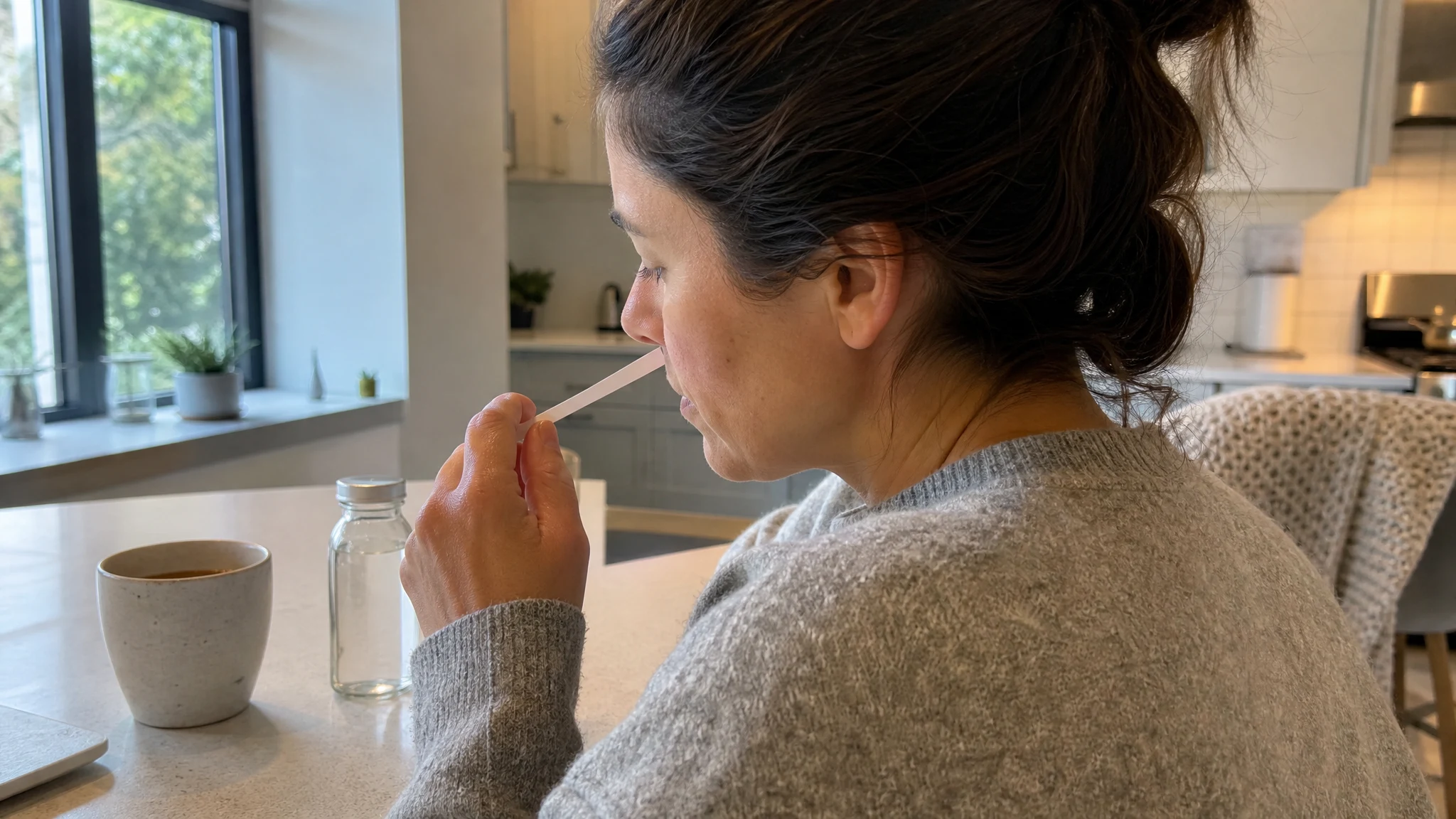
Does Lilac Oil Go Bad? How to Tell When It Has Turned
A bottle of lilac oil rarely fails all at once. It drifts. Learn what changes first, how to spot it by nose, and how to keep a reference for comparison.
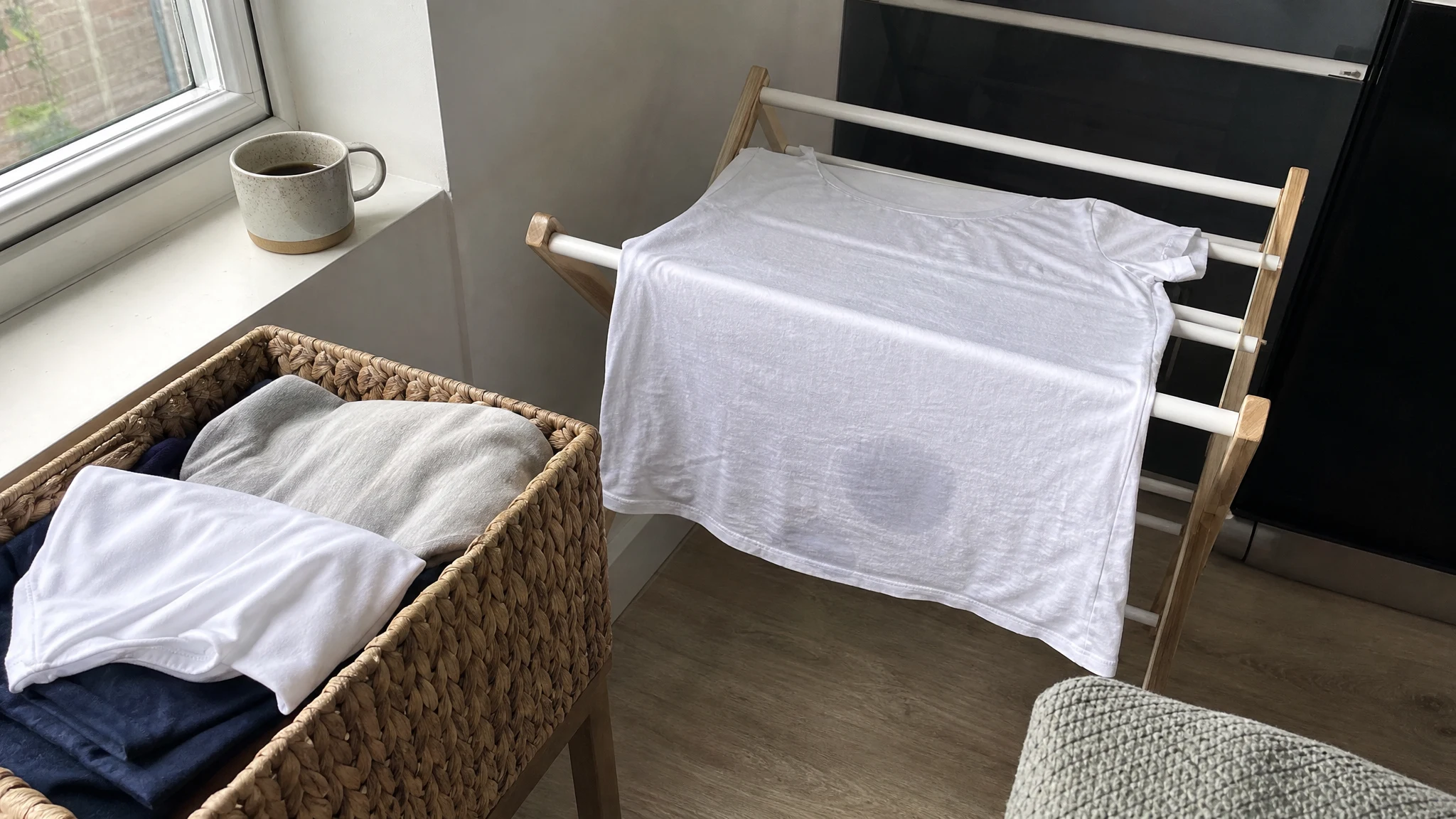
Does Lilac Oil Stain? Getting It Out of Fabric and Wood
A spilled drop of lilac oil leaves a grease-type mark. See what lifts it from cotton, what to test first, and when a silk scarf belongs with a dry cleaner.
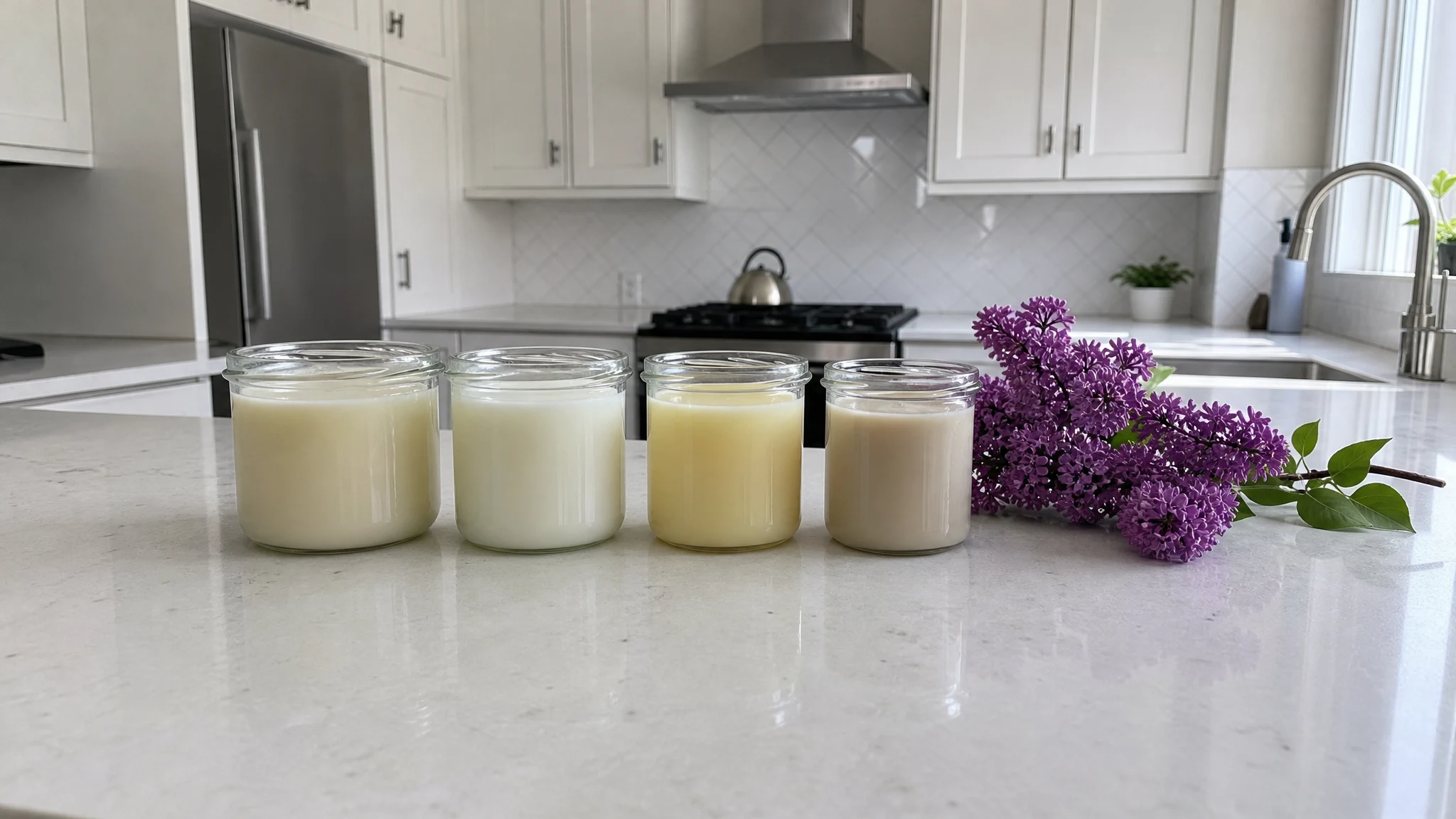
Best Wax for Lilac Candles? Read the Load Limit
Ask ten candle makers for the best wax and you get ten answers. A delicate lilac does better when you pick by job and by the printed load limit.

Weak Lilac Candle Scent: Five Checks Before More Oil
Before pouring another lilac candle with more oil, run five checks: wait time, wick and melt pool, load against the wax ceiling, add temperature, room.
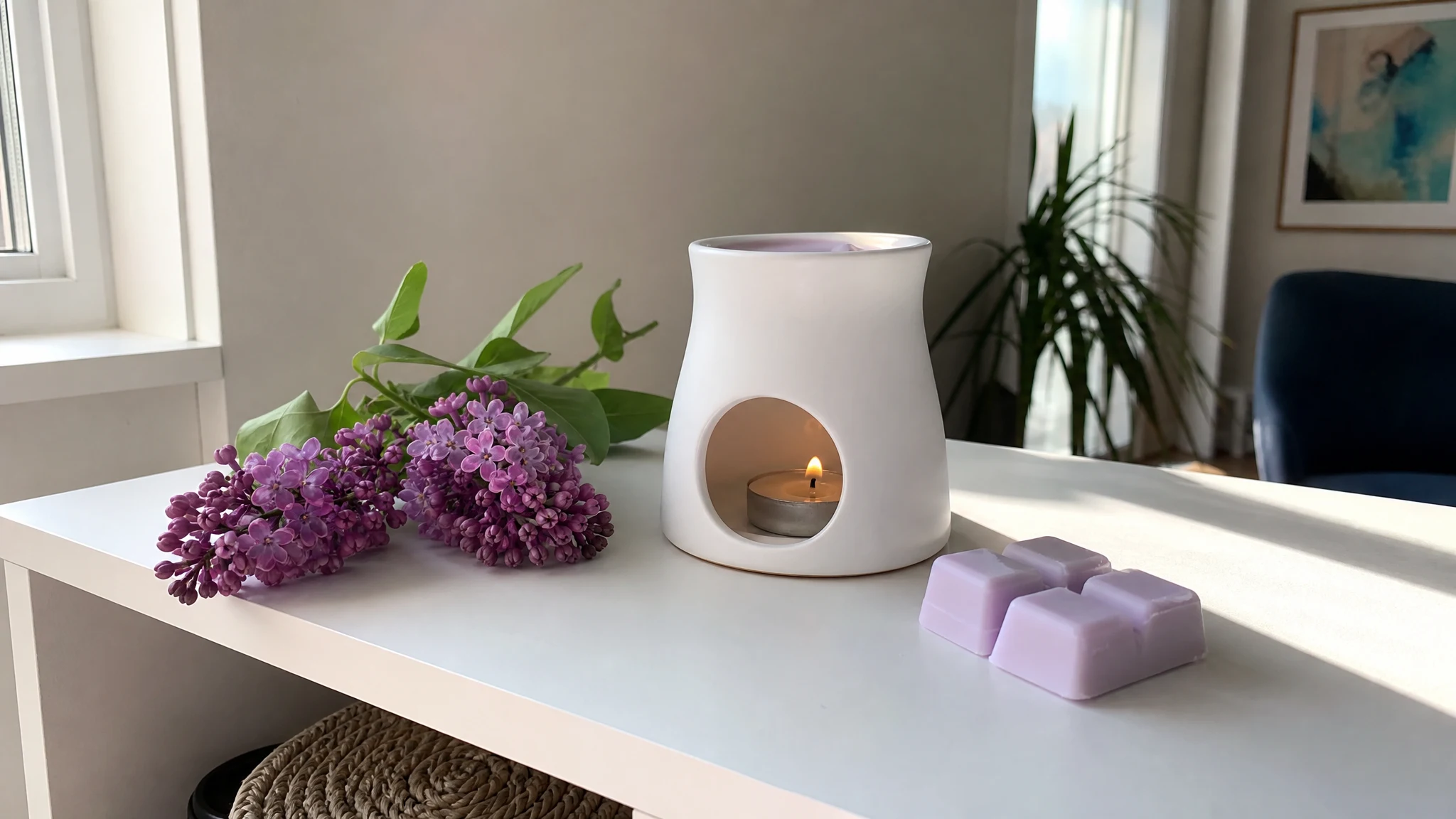
Lilac Wax Melts: How Much Oil, Which Wax, What Order
Wax melts are a friendly way to try lilac. Here is the right wax, the grams of oil per 100 g, the pour and rest steps, and what to ask before selling.
Flash Point for Candle Makers: What the Number Means
Flash point is the number everyone worries about and few explain. What it measures, where it sits on a safety data sheet, and what it leaves out.
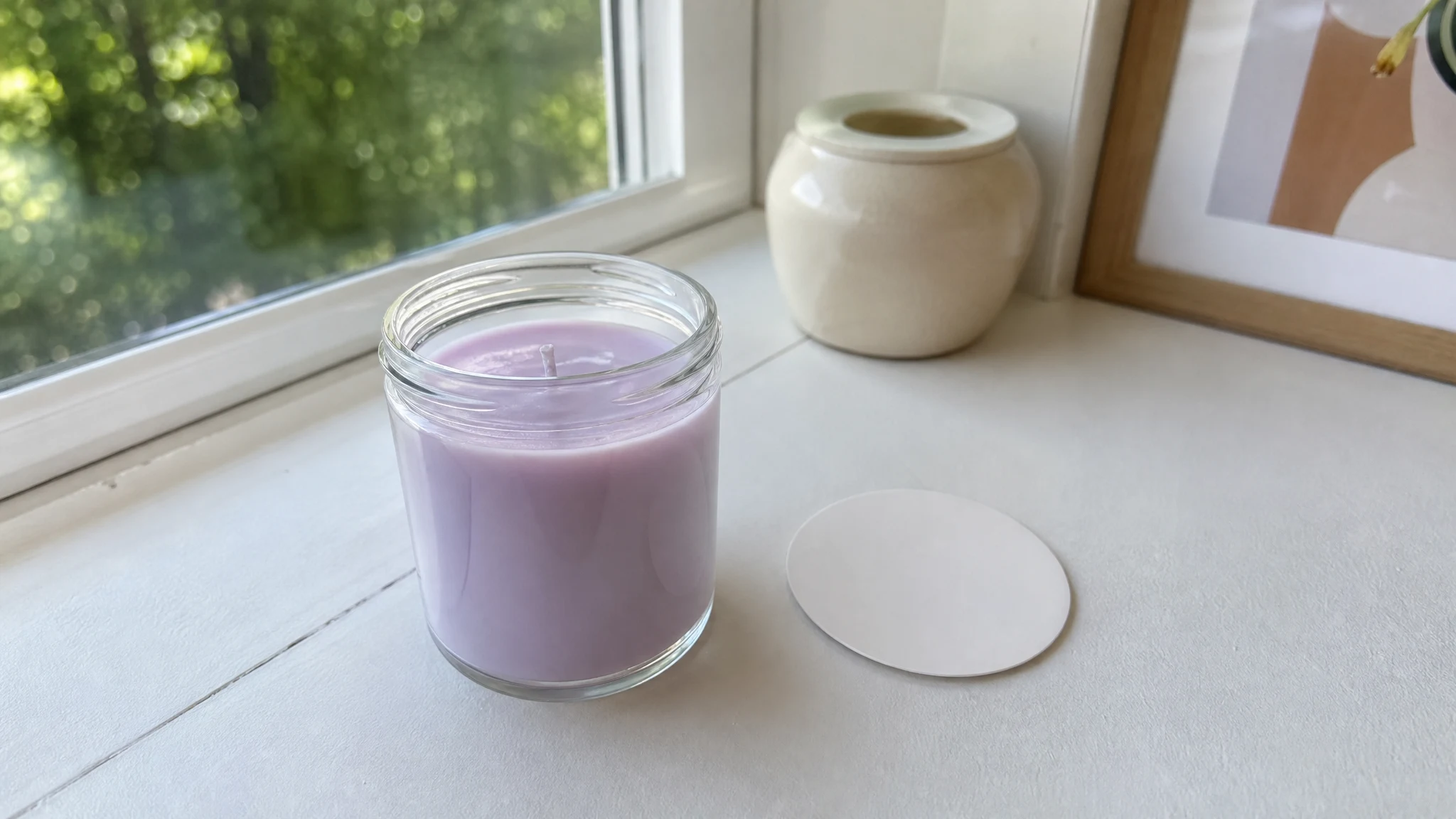
Candle Warning Labels: What Is Law and What Is Standard
Some candle labeling is federal law and some is a voluntary standard. A clear map of which is which, and the supplier papers to collect before you draft.
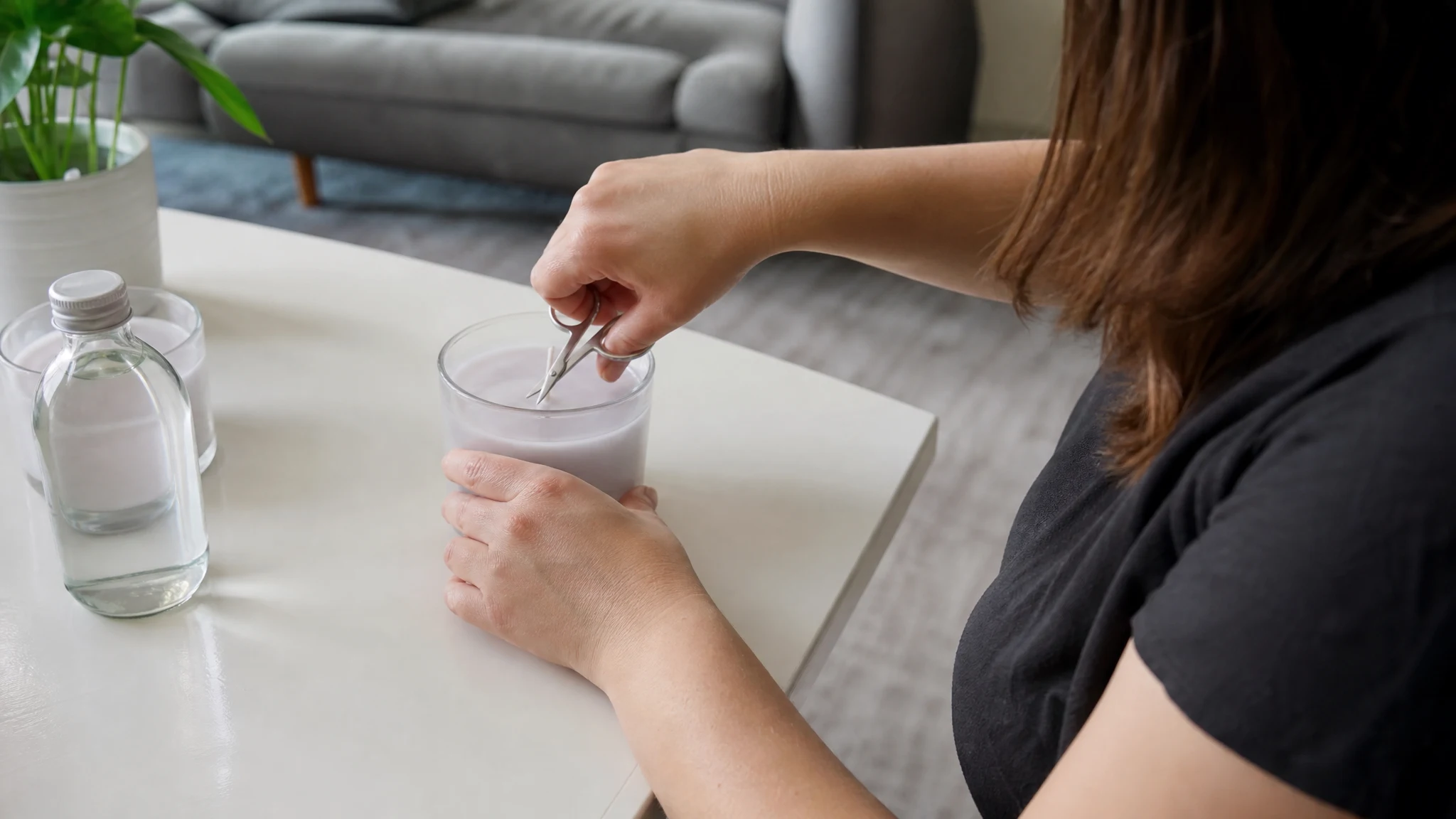
Wick Size for Lilac Soy Candles: A Burn Test Guide
A wick chart is a starting point. See what load it assumes, how dye and fragrance change the size, and a burn test that settles it before judging throw.
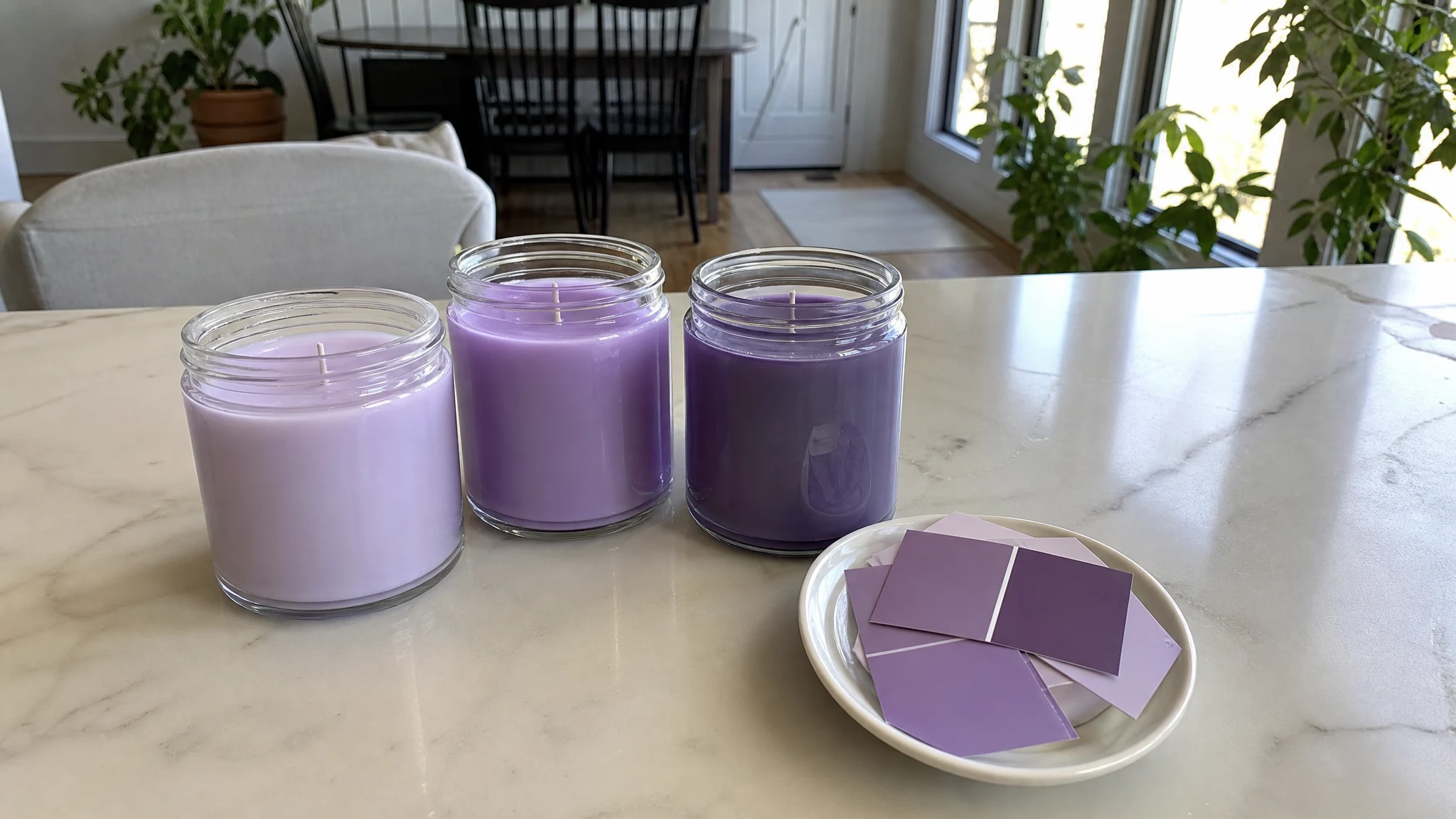
Coloring Lilac Candles: Why Less Dye Wins
A pale lilac wants a whisper of dye. See the per-pound math, why dye changes your wick choice, and how to judge the shade with the oil in the wax.
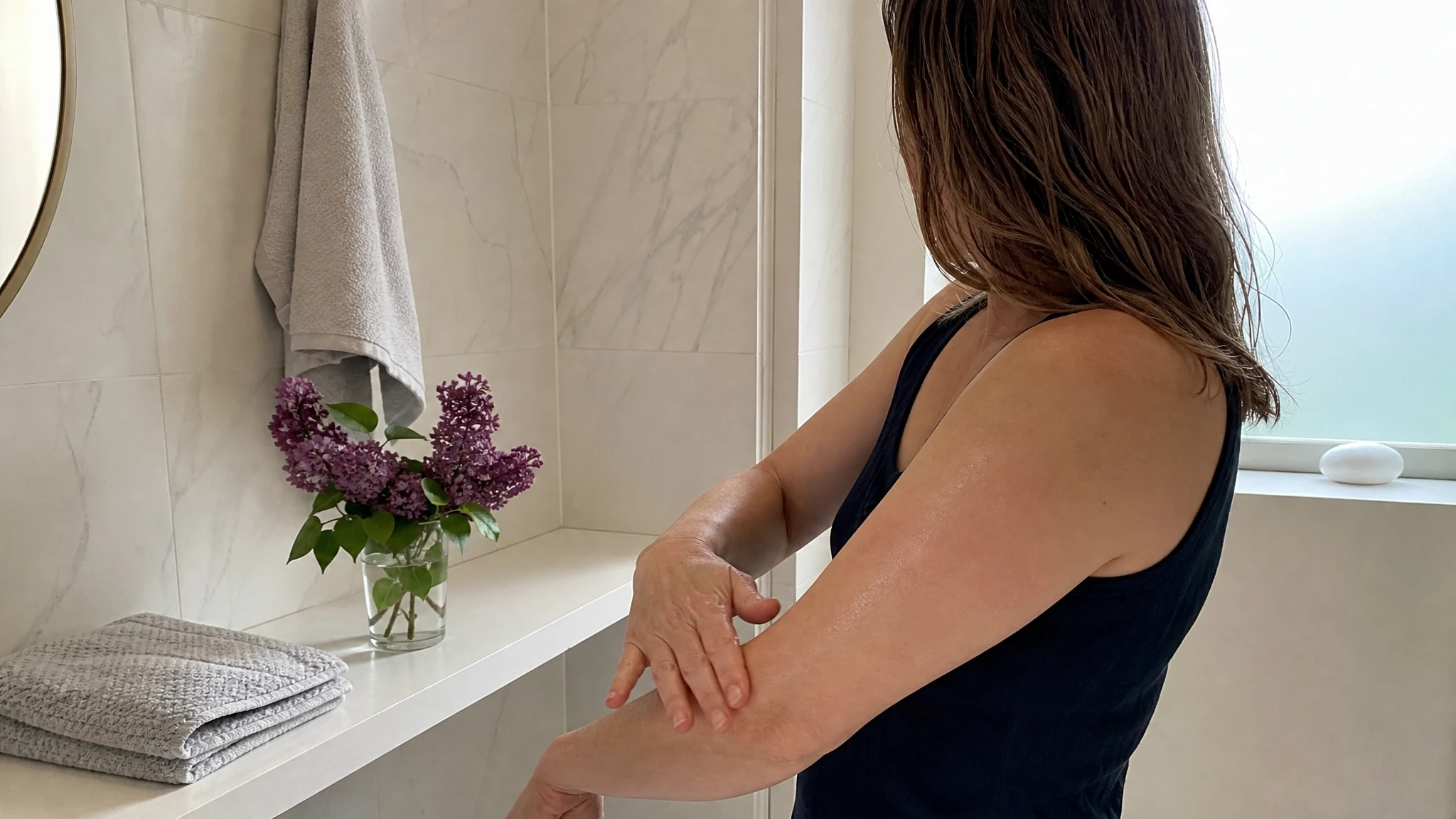
Lilac Oil for Body Products: Dilution and Patch Testing
Our line for lilac oil in body products is 0.5% to 2% in a carrier, starting low. Here is why the right number depends on the formula and how to test it.
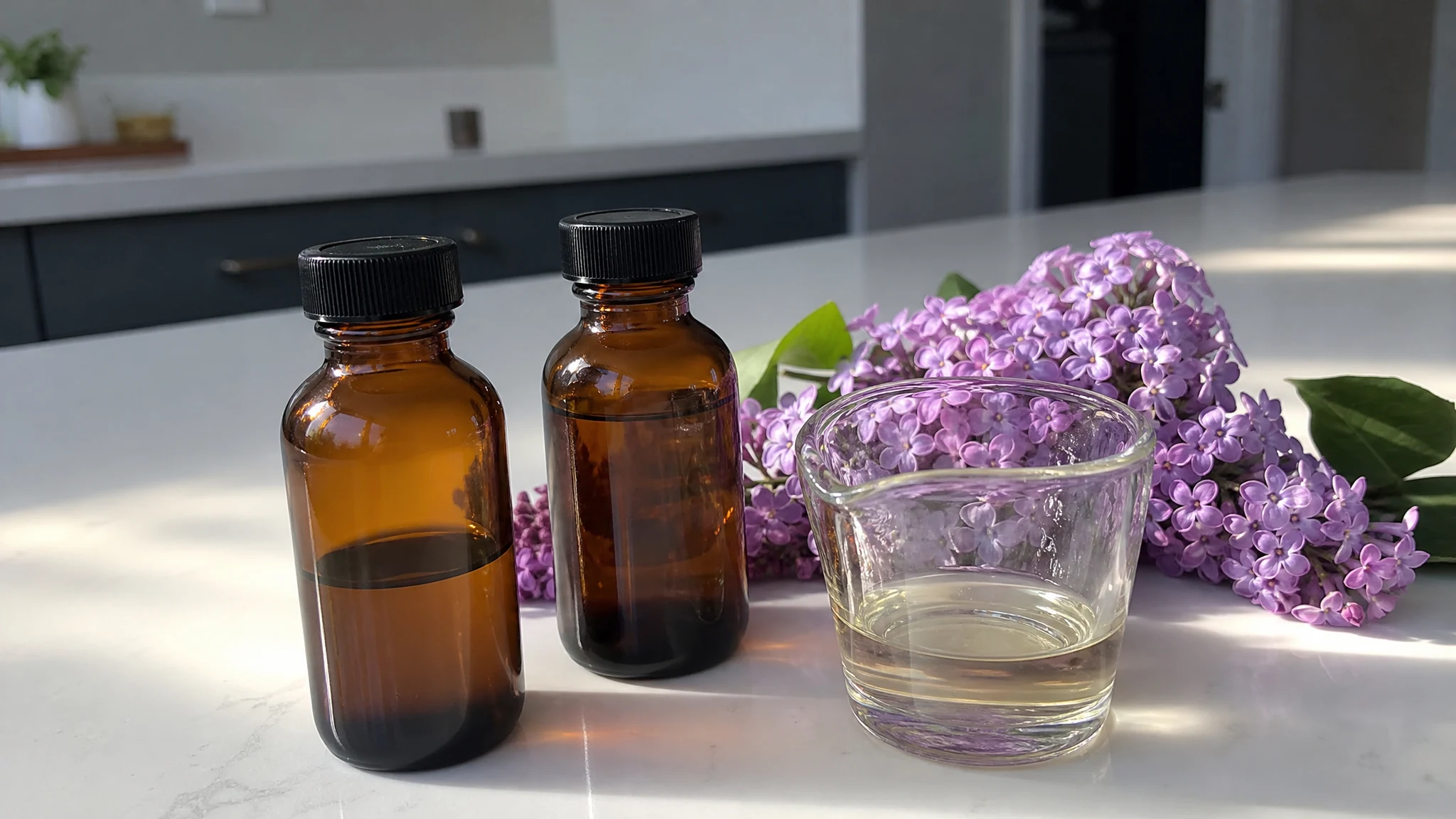
Lilac Oil Dilution Chart: Drops for Every Bottle Size
A dilution chart for 10 to 100 ml batches with ml, drops and grams, plus where to start in our 0.5% to 2% range and why the 10 ml roller is the tricky row.
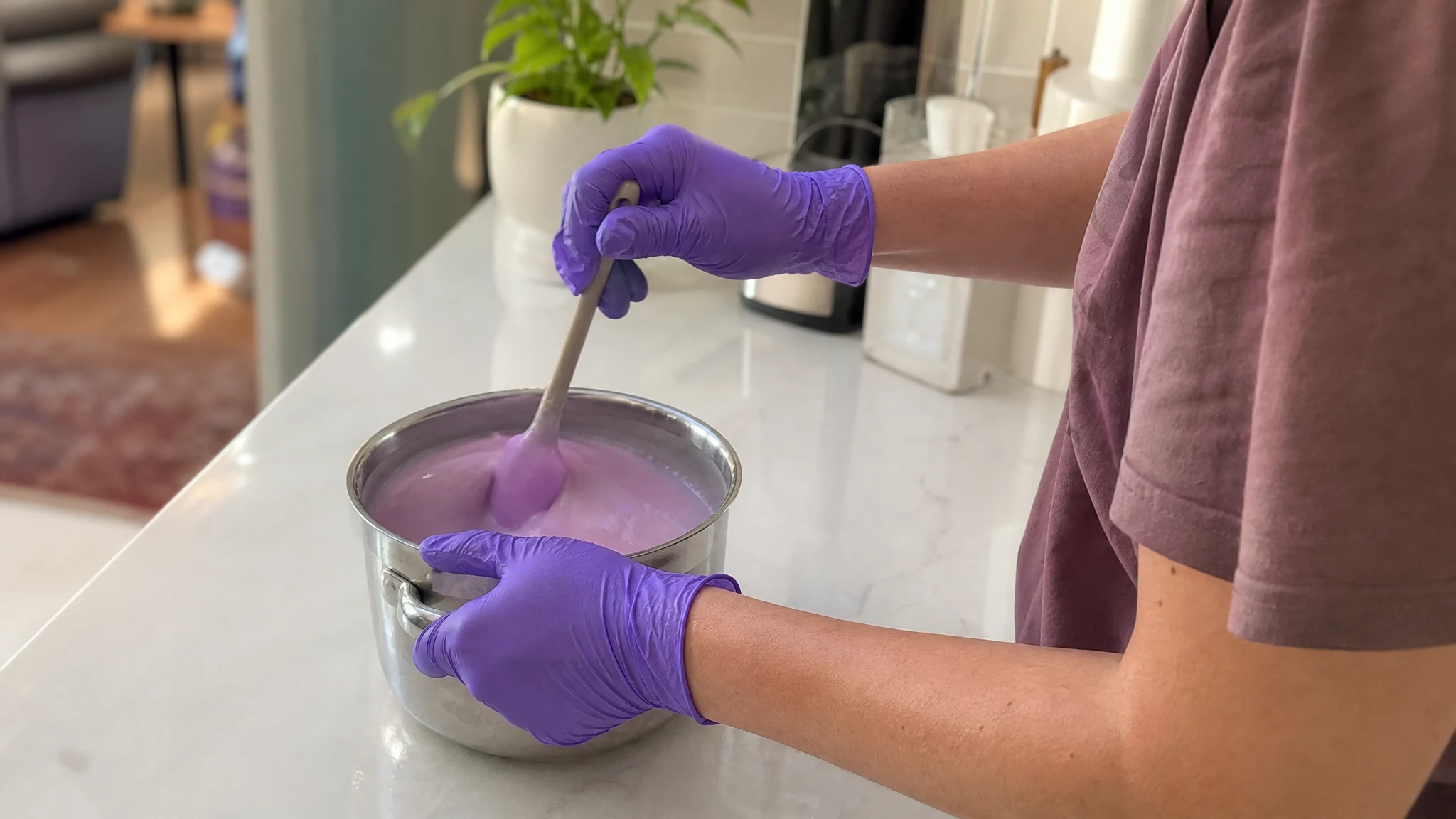
Lilac Cold Process Soap: A Small First Batch
A 500 g starter batch with the lye math done, fragrance amounts in grams, and what a soft floral like lilac tends to do once it meets raw soap batter.
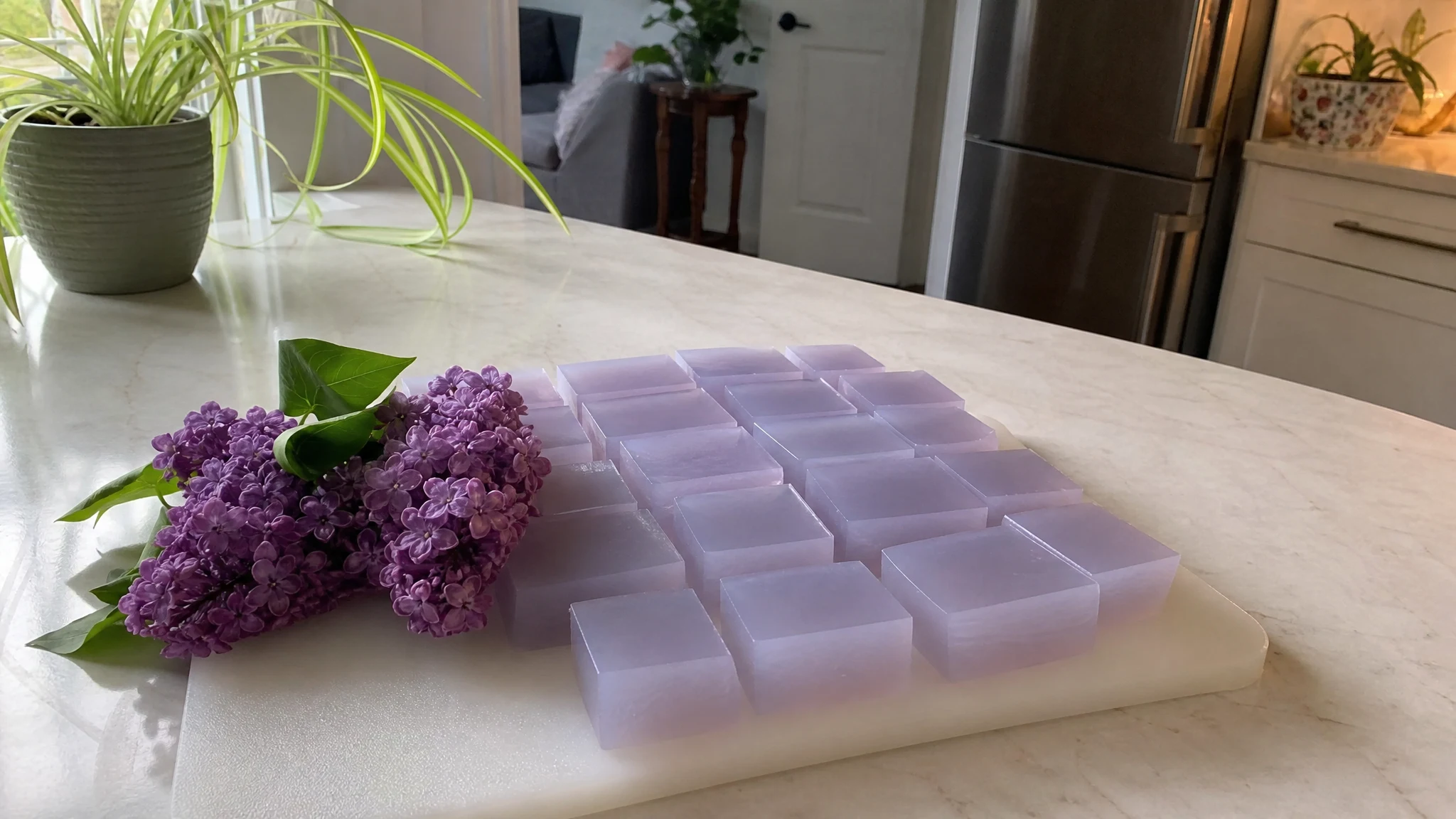
Melt and Pour Lilac Soap: A Step-by-Step Guide
No lye, no weeks of curing. Your base sets the fragrance limit, so here is how to read it, do the gram sums, and add lilac late for a bar ready to unmold.
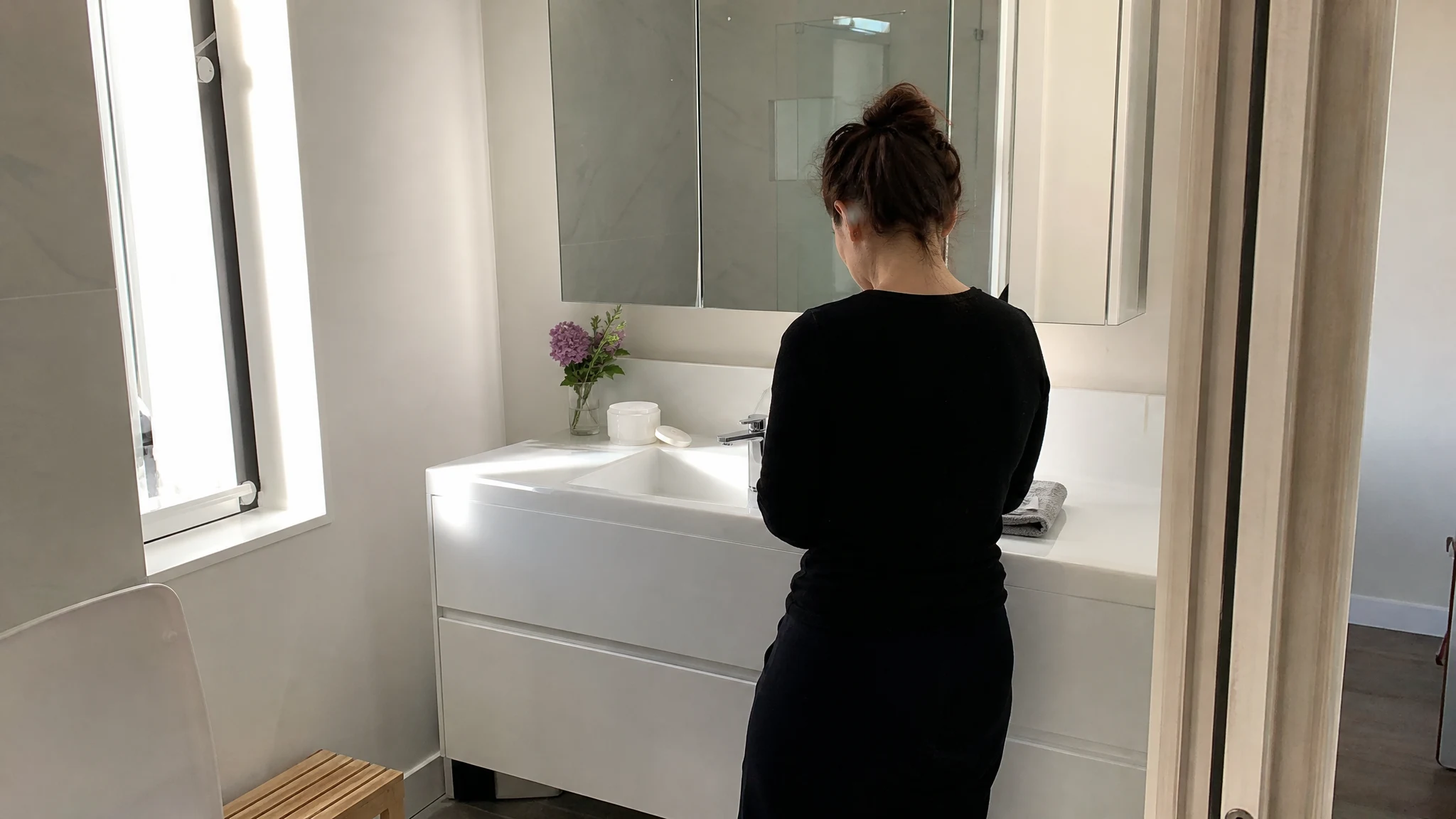
Lilac Lotion: Scenting a Ready-Made Base
The easiest lilac lotion starts with an unscented base that is already preserved. Here is how much lilac oil to add, how to weigh it, and why.
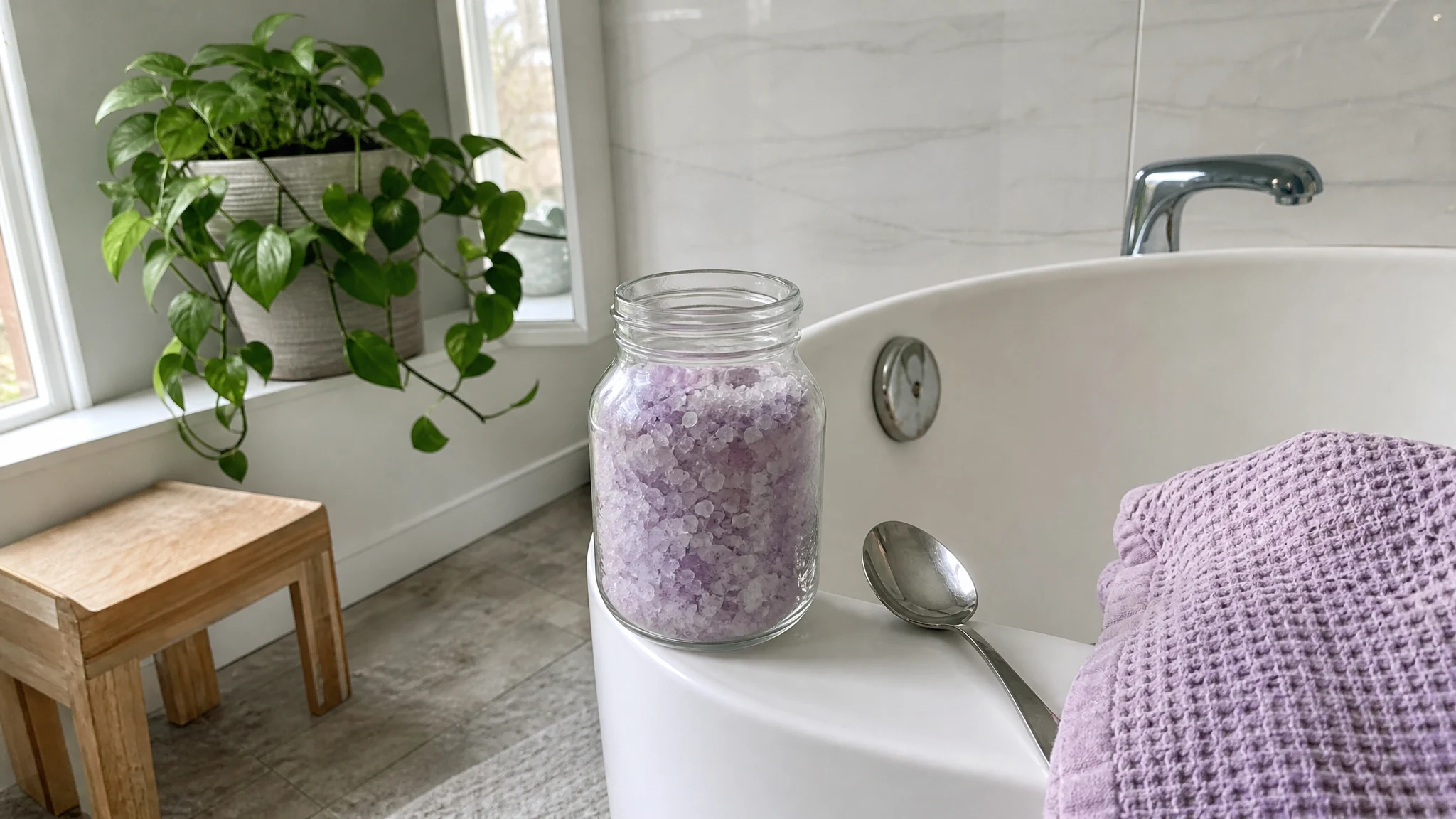
Lilac Bath Salts: How to Scent Them the Right Way
If you want lilac in the bath, make salts first. Here is how to mix the oil into a carrier so it spreads through the tub, plus the drops per batch.
Lilac Oil Benefits: What Research Does and Does Not Say
Lilac oil is made for its scent. Here is what research exists on lilac, why lavender studies do not carry over, and how to read big aromatherapy claims.
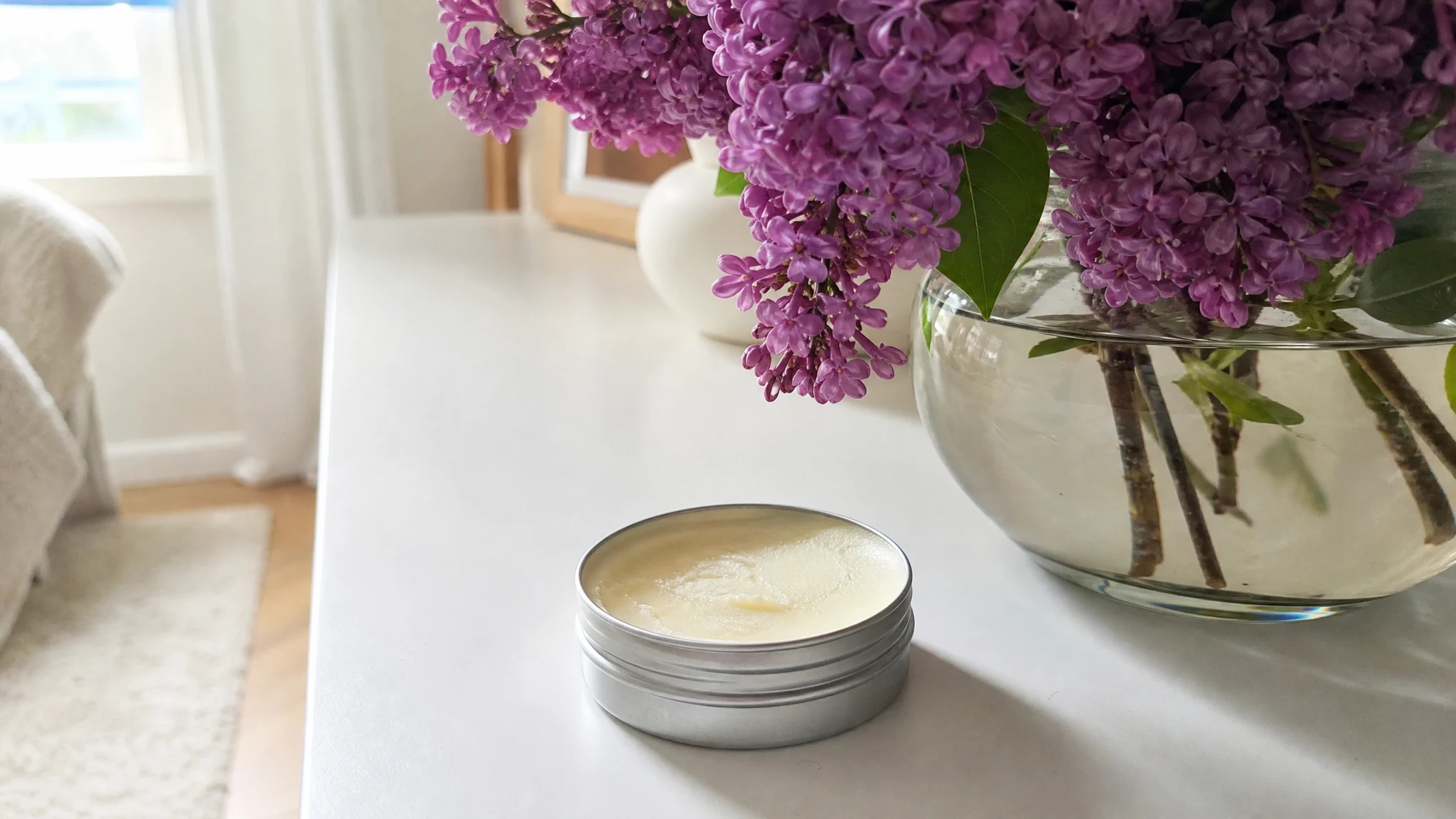
Lilac Solid Perfume: A Simple 30 g Tin Recipe
A solid perfume keeps lilac close and gentle. Here are the wax and carrier ratios, the grams for a 30 g batch, and where to land on strength.
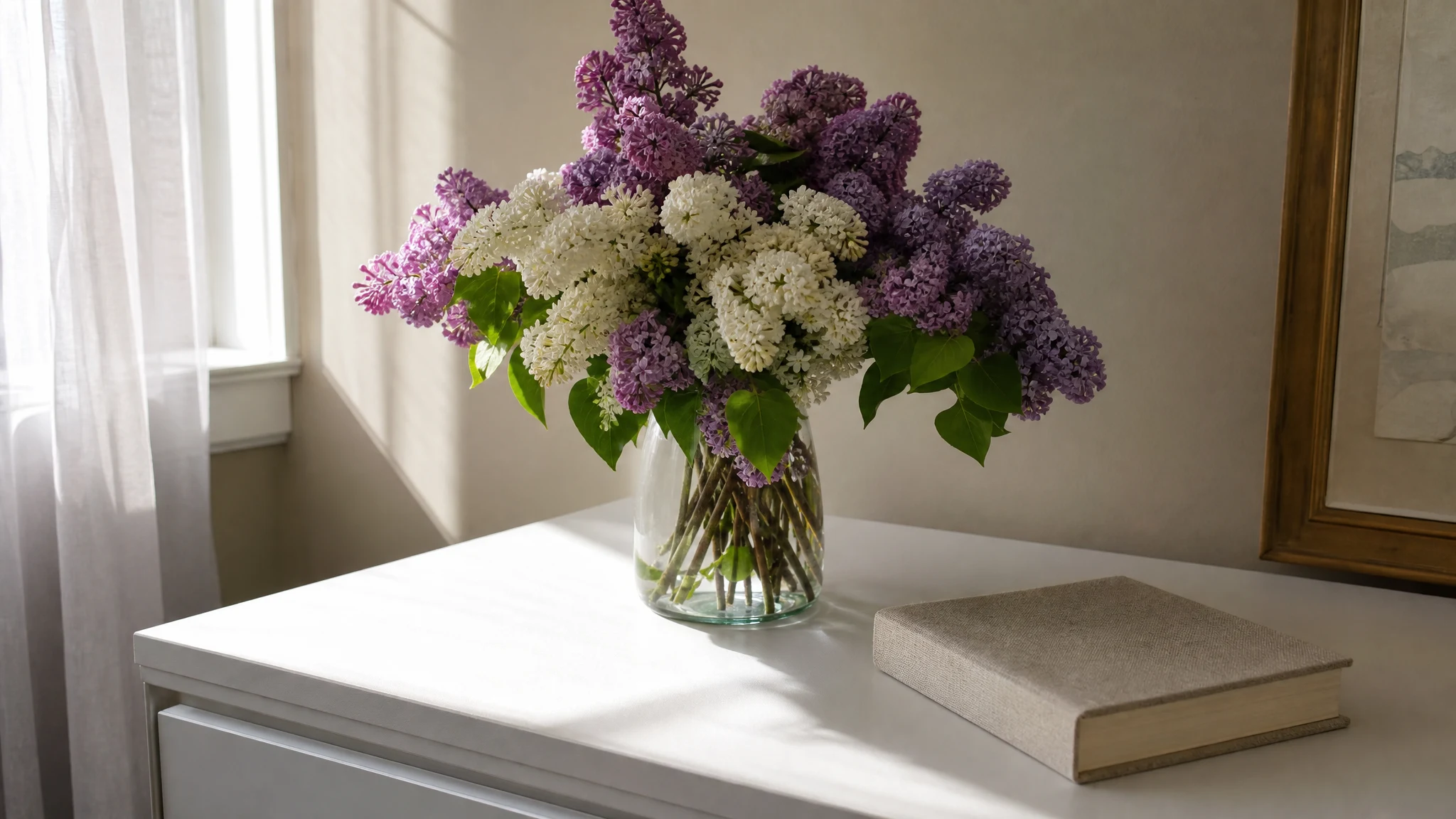
Lilac Perfume History: Why Perfumers Rebuild the Flower
Lilac will not give up its scent like a rose does, so perfumers learned to rebuild it molecule by molecule. A short tour of how that craft works.
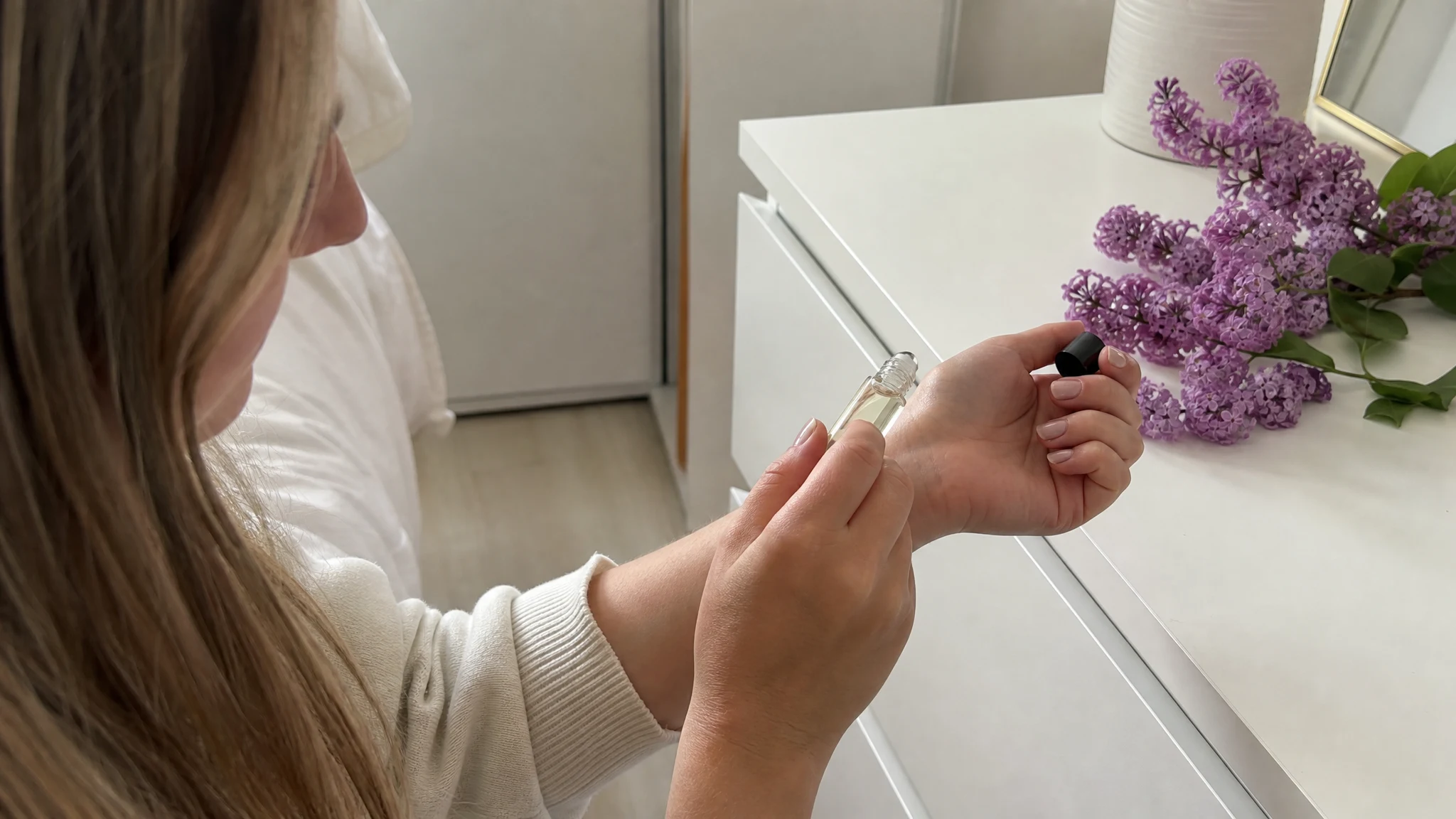
Make Lilac Scent Last: Why More Oil Is Not the Fix
Doubling the oil buys a third longer wear at best. Changing the base can double it. See the simple model and a short routine for making lilac last on skin.
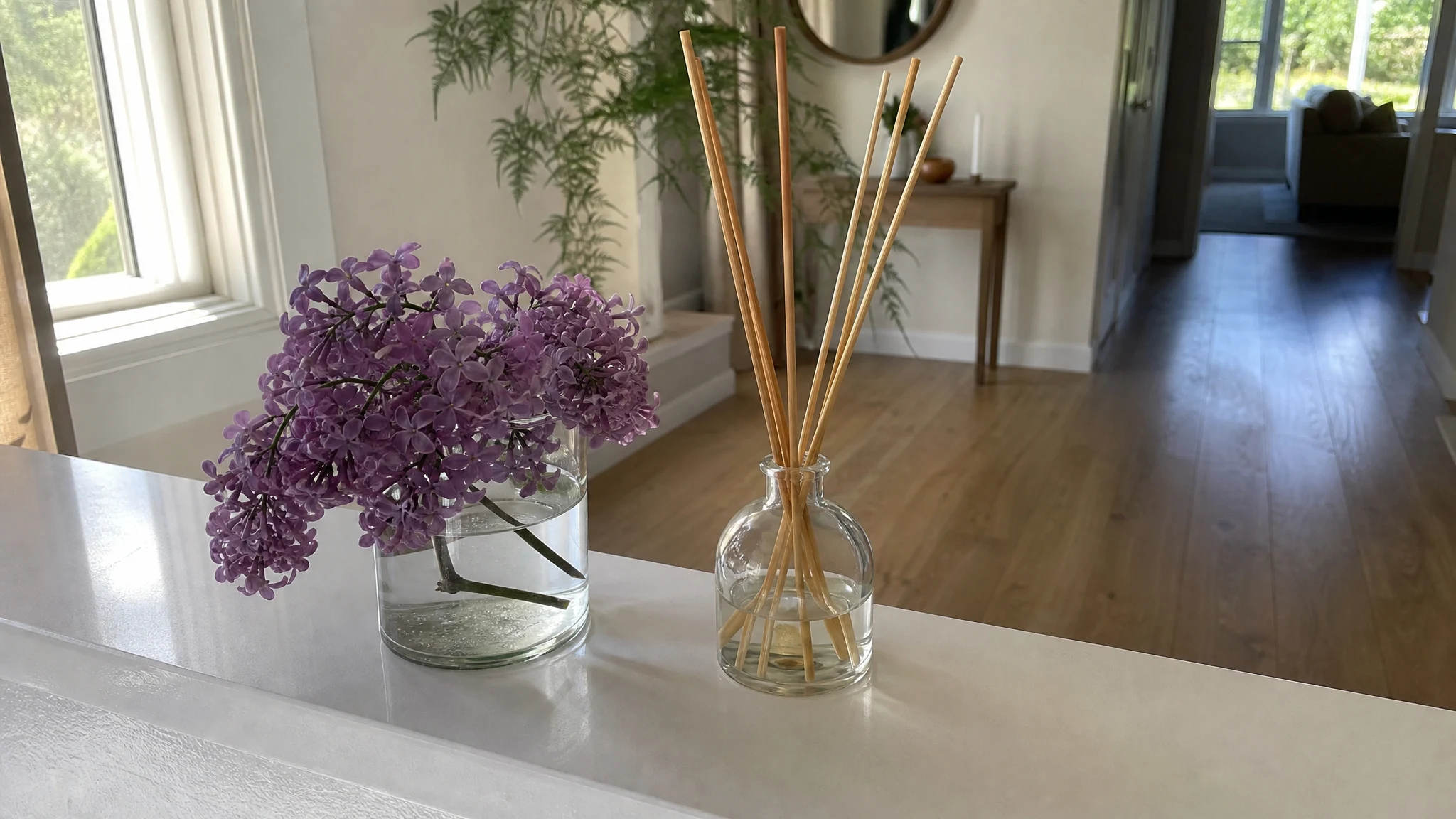
Lilac Reed Diffuser: How to Mix and Test a Small Batch
A reed diffuser can carry lilac through a room. Here is the base, the grams for a 100 g fill, and a small 10 g test mix to try before you commit a bottle.
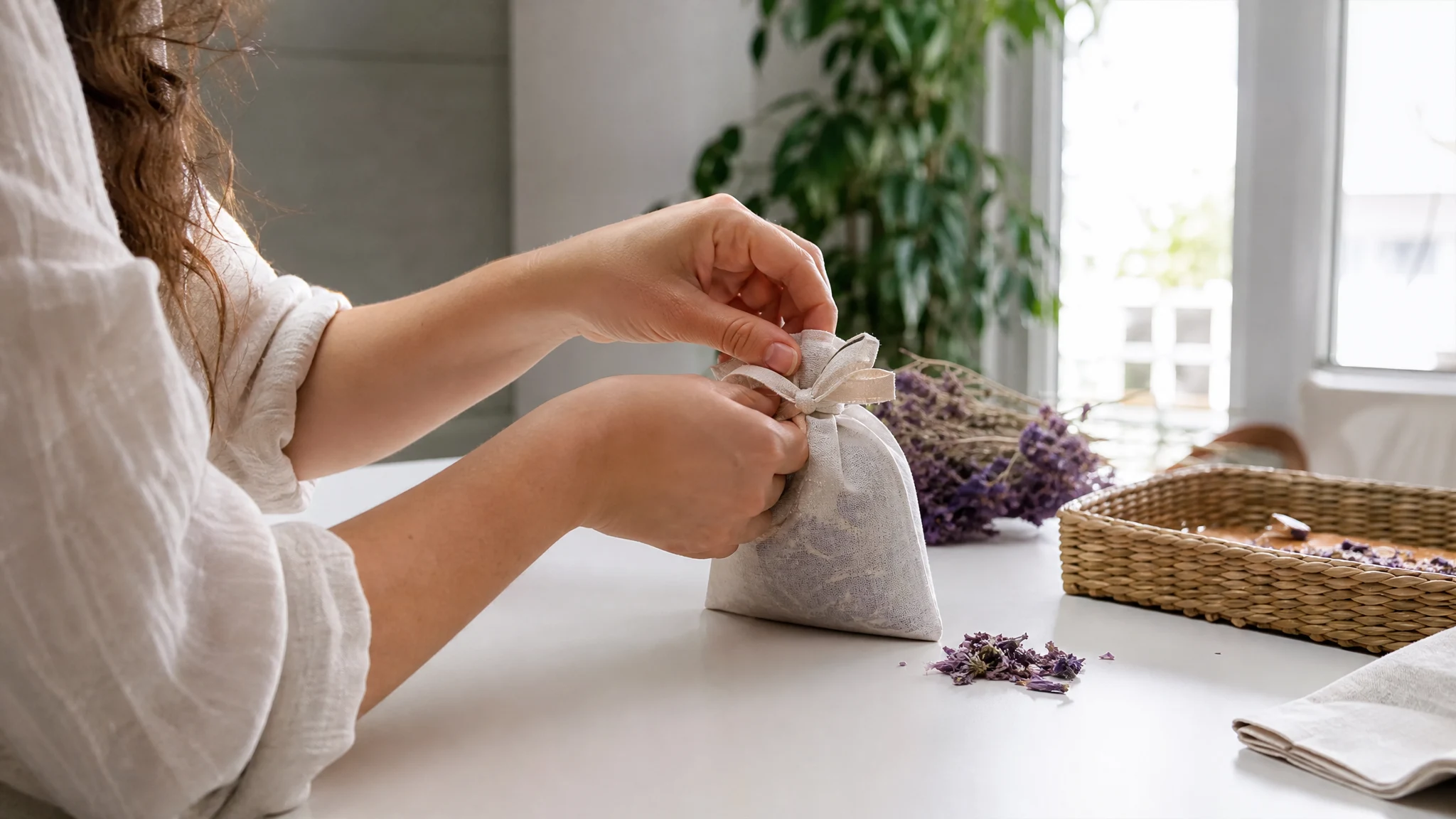
Lilac Sachets and Potpourri: How to Make Them Last
Lilac scent lives in the fixative, not the petals. Here is the order of work, the extension recipe amounts in grams, and how long to let the jar rest.
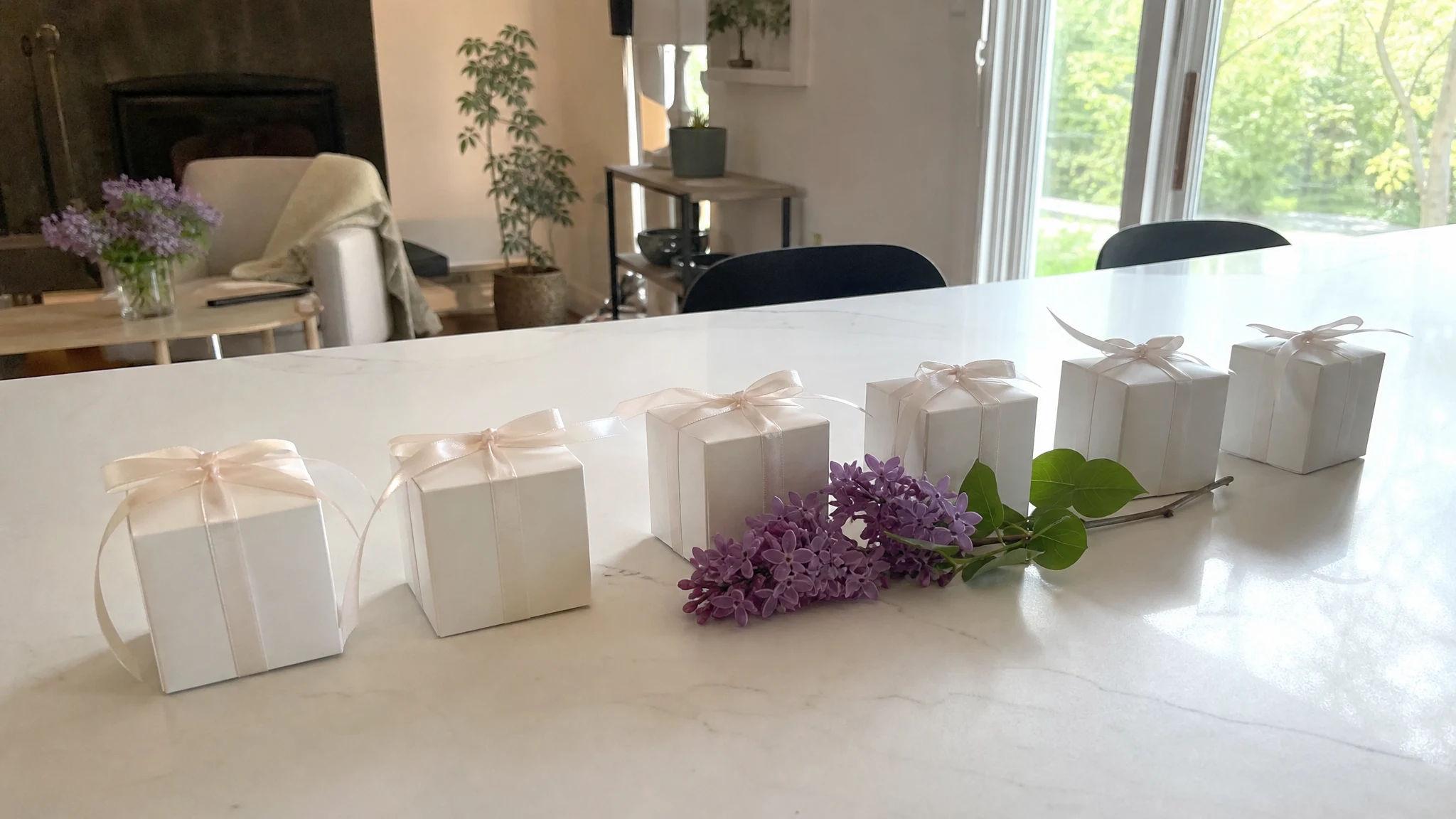
Lilac Wedding Favors: Sachets, Candles and Timing
Sachet, candle or balm? How to pick a lilac wedding favor, work out how much oil 100 will take, and count back twelve weeks from the day.
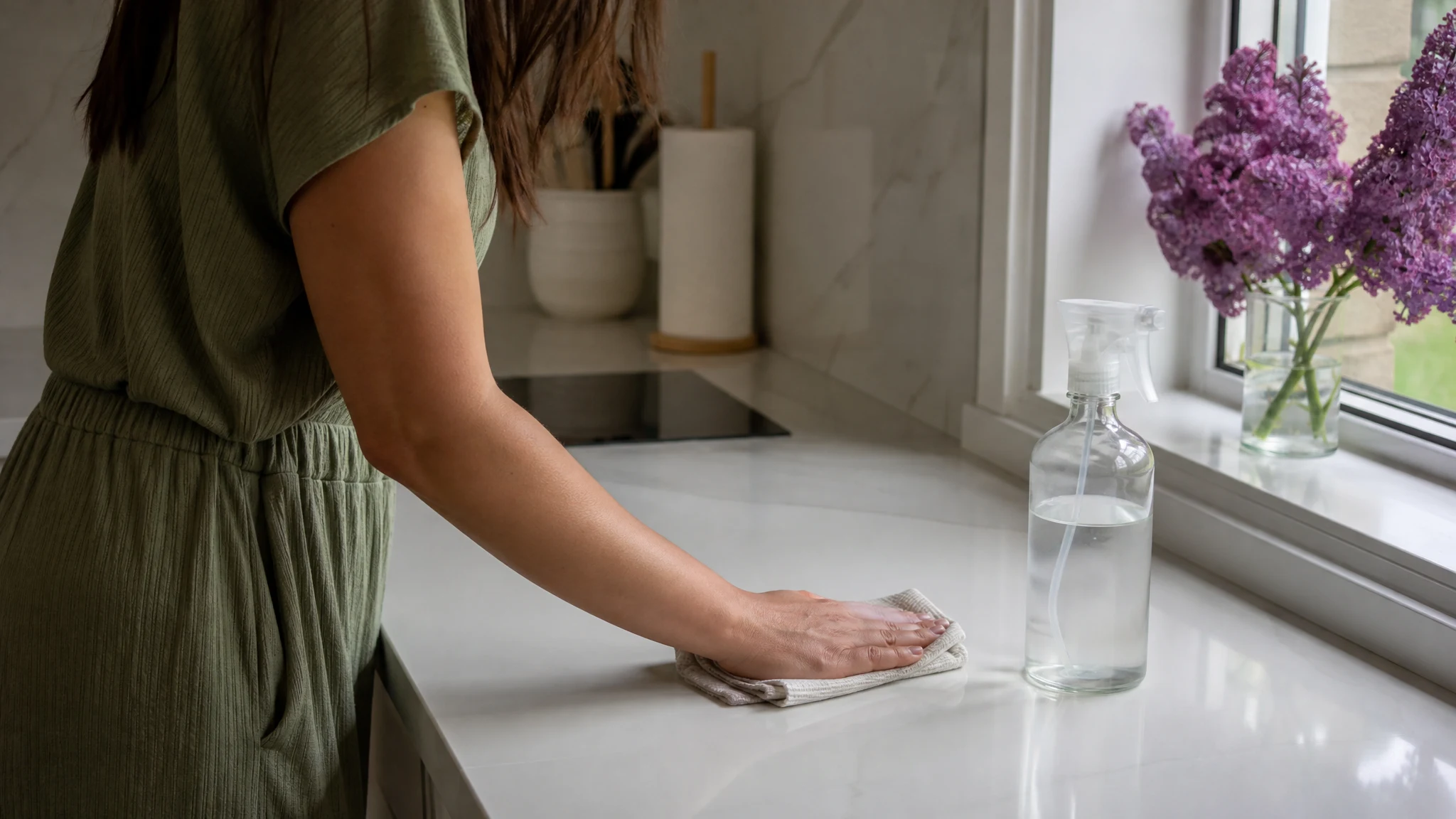
Lilac Cleaning Spray: A Homemade Recipe for Spring
Lilac oil gives a homemade cleaning spray a spring-morning scent. Here is the simple base, the drops per bottle, and the label wording to keep it honest.
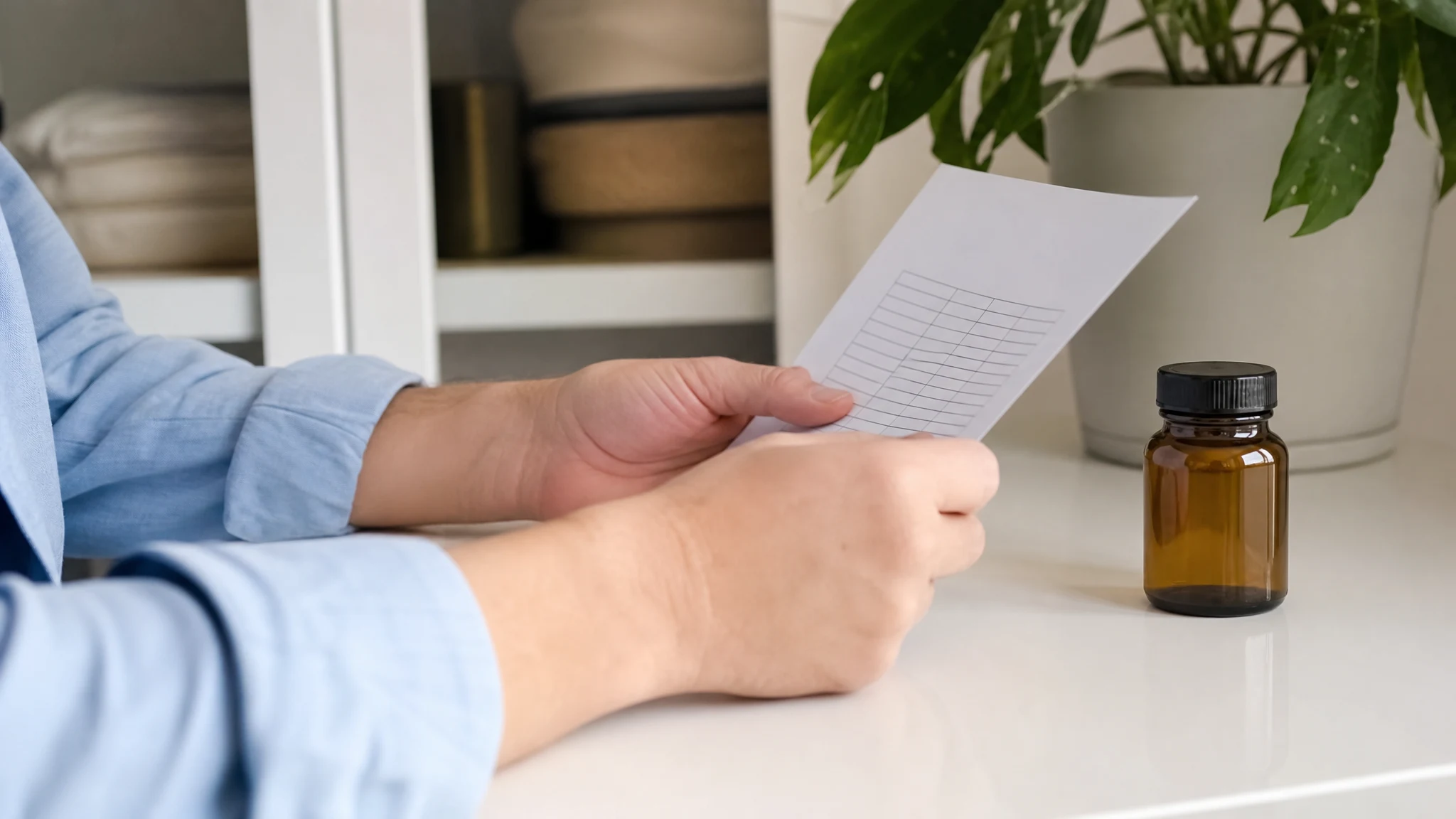
Fragrance Oil COA vs SDS: How to Read Each One
A COA is a receipt for a few measurements. Read ours line by line, then see how a safety data sheet and an IFRA certificate answer other questions.
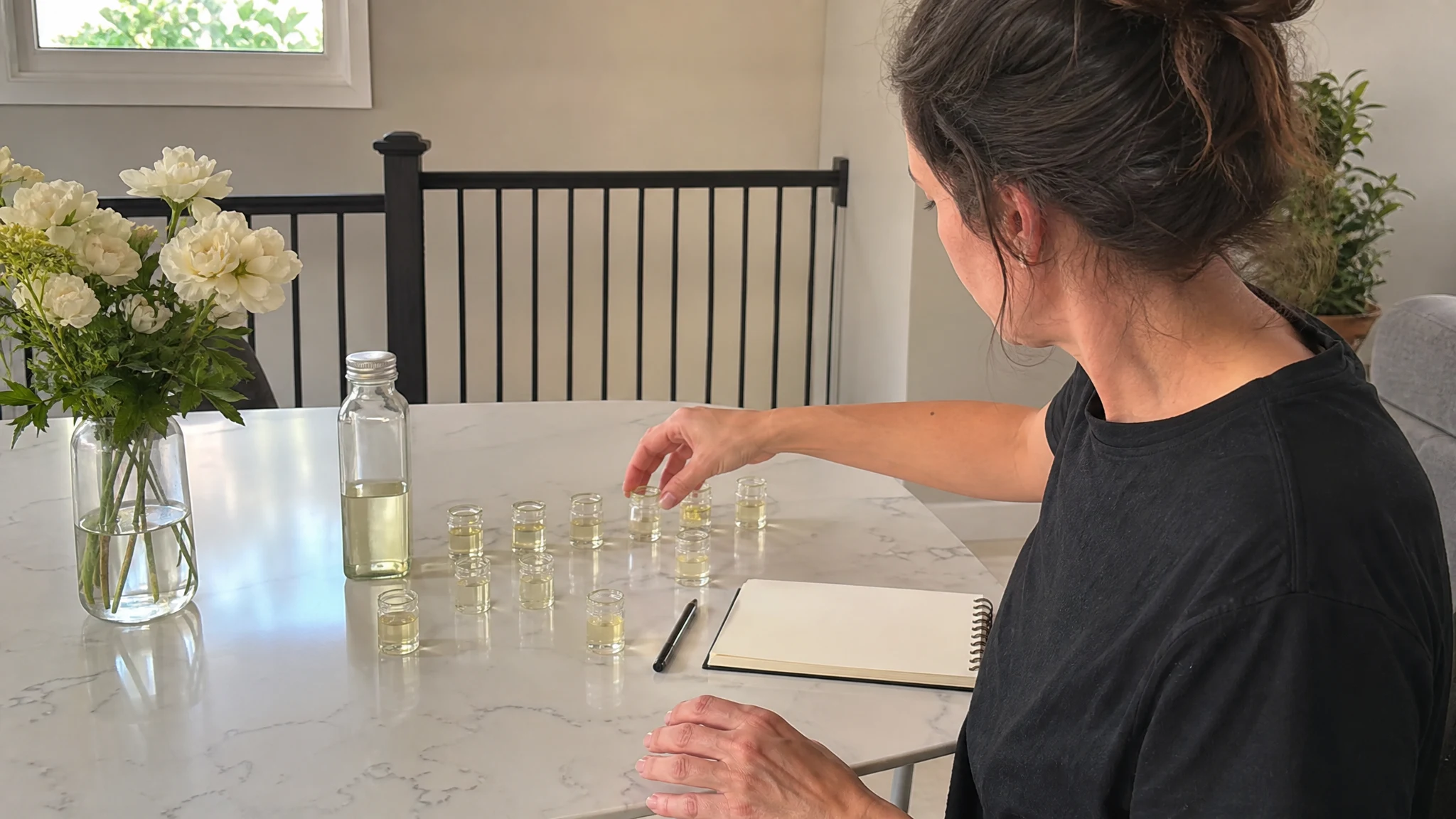
Testing Fragrance Oil Before Bulk: A Three-Stage Plan
Buy small, then pilot, then check a second lot before pounds. Write your pass rules first and keep a log, with the arithmetic for each stage.
Lilac Candle Pricing: Markup, Margin and Oil Cost
Markup is not margin. See how fragrance load, wax weight and your own labor decide what a lilac candle should sell for, with worked numbers.

Planning a Spring Lilac Collection: Start in Autumn
Launching a lilac collection? Count back from your date: sample, two test rounds, wax set time and photos. Ordering in autumn leaves weeks of slack.
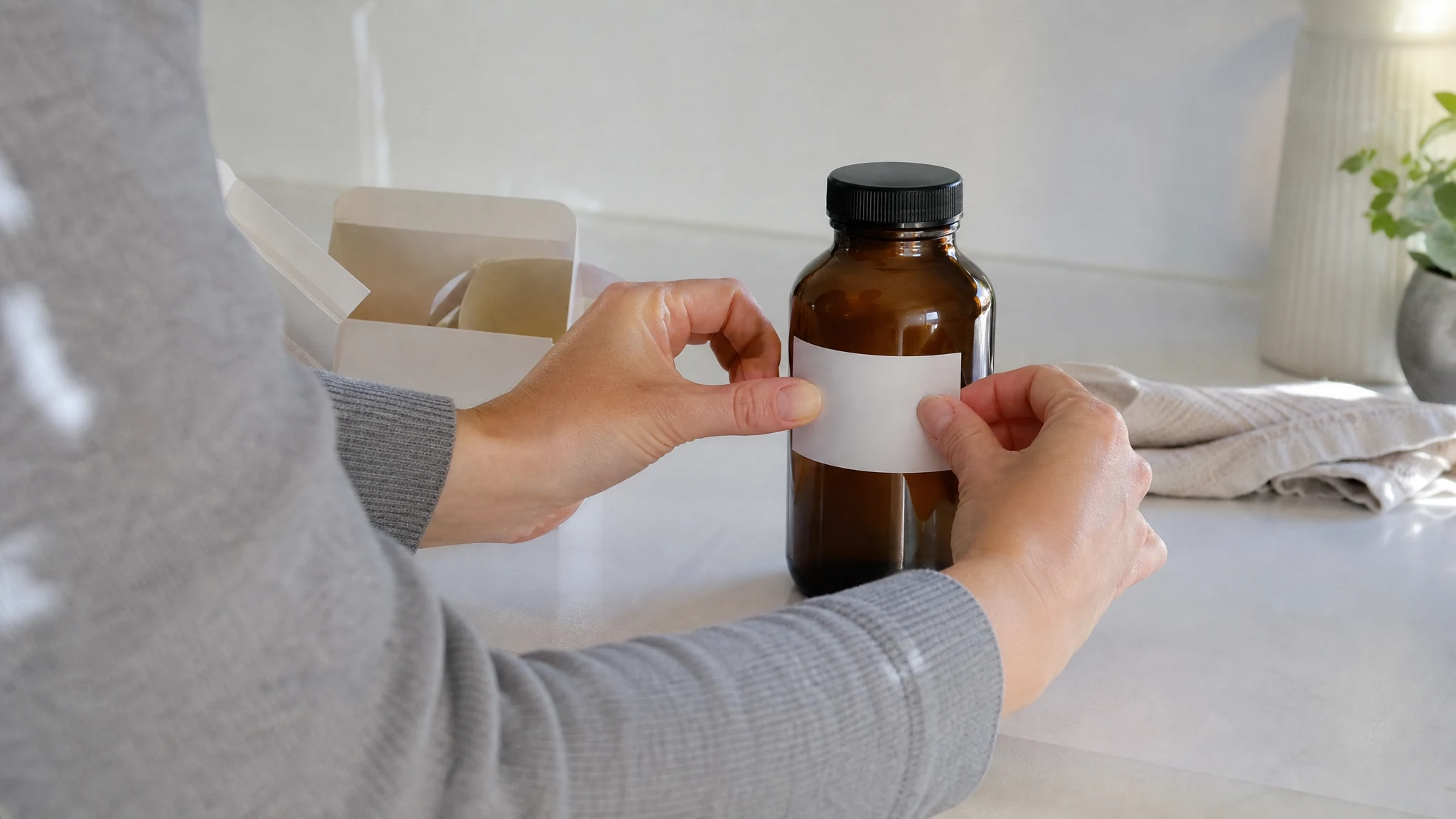
Private Label Lilac Oil: What to Ask Before You Launch
Putting your name on lilac oil makes you the responsible person. Here is what we offer, what FDA expects on the label, and what to ask first.
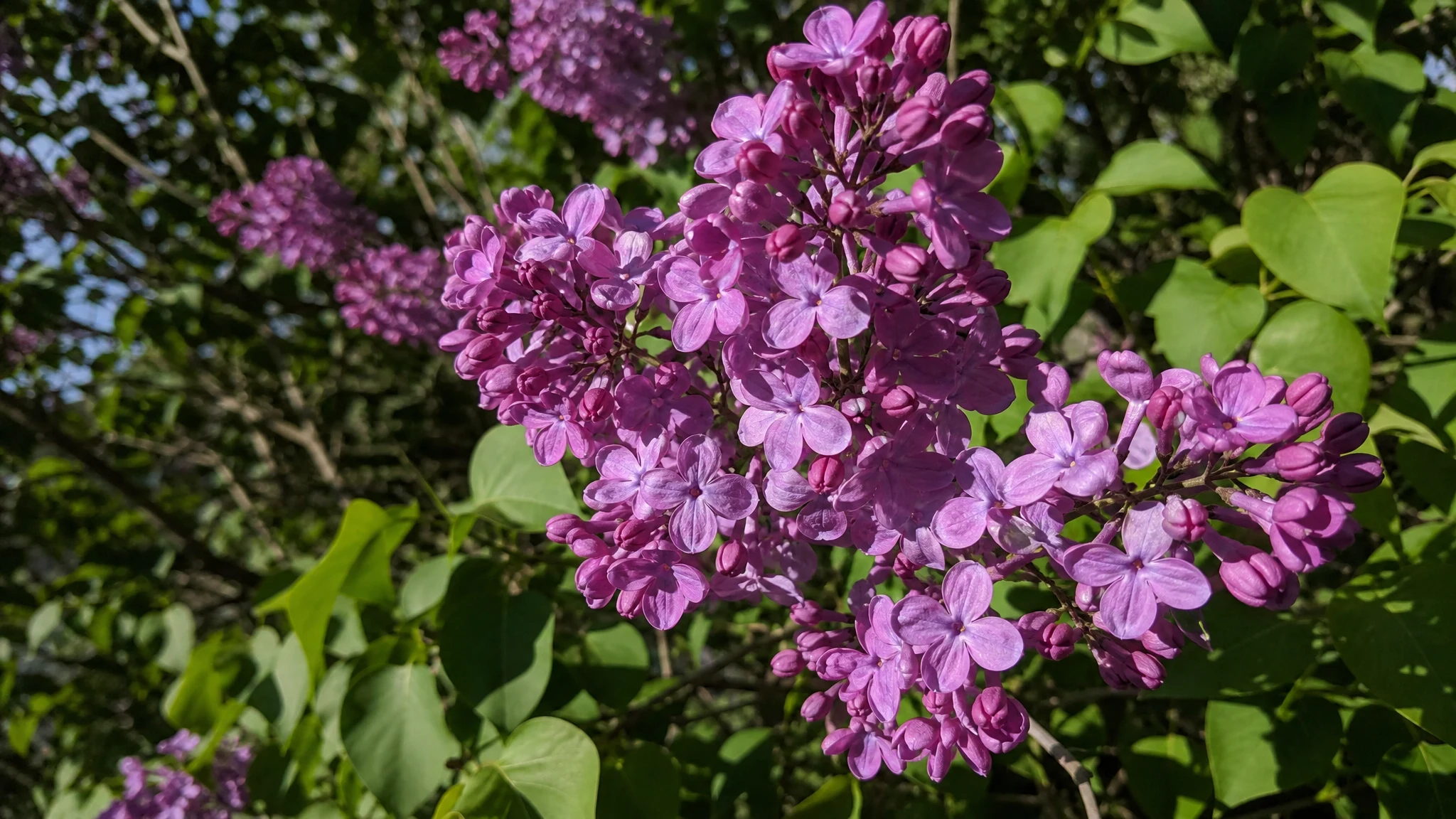
Most Fragrant Lilac Varieties: How to Choose Yours
No measured ranking of lilac scent exists, but the bloom calendar and plain-spoken extension notes help. Here is how to choose by season and by nose.
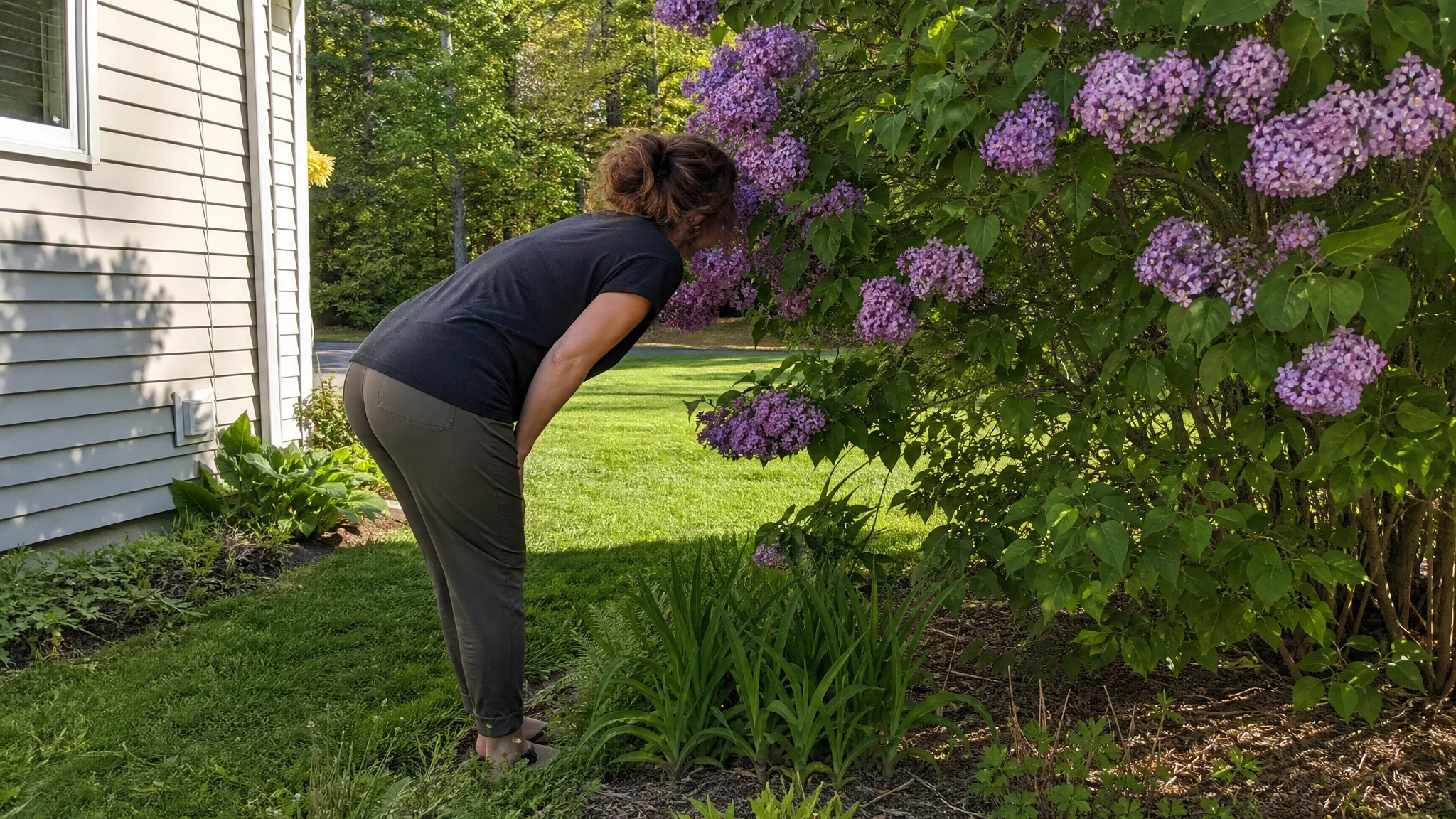
Why Do Lilacs Smell Stronger Some Days?
Some days a lilac hedge stops you at the gate, others you must lean in. Flower age and a nose that tires quickly explain more than the weather does.
Lilac Oil Glossary: Plain-English Terms for First Orders
From COA and flash point to accord and dilution, the words you meet when buying a scented oil, defined plainly with notes on how they apply to our lilac.
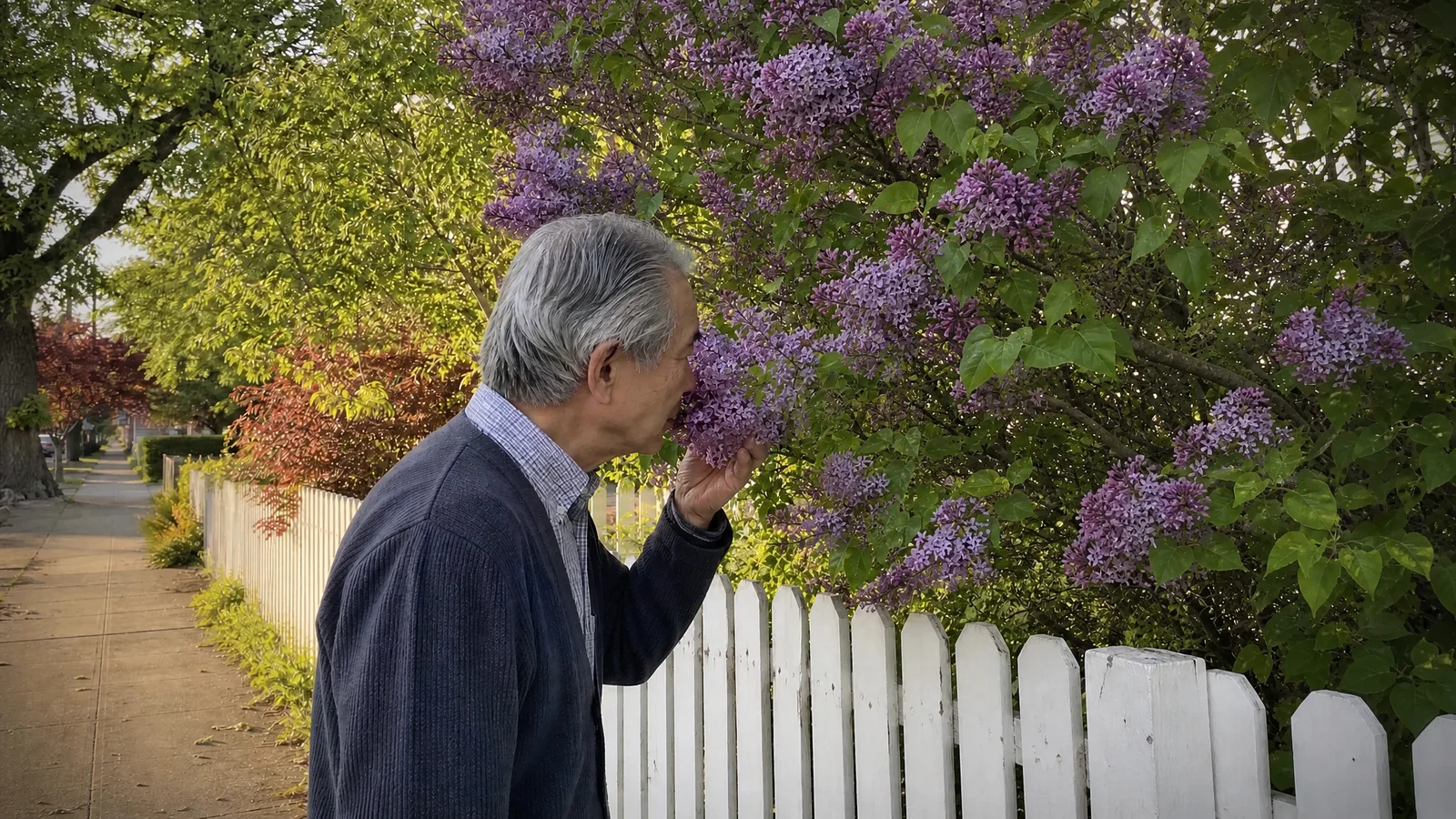
What Is Lilac Oil? Reading the Name on the Bottle
Unlike lavender or peppermint, "lilac oil" does not name one material. Here is how to read the label and what our crafted lilac blossom oil is.
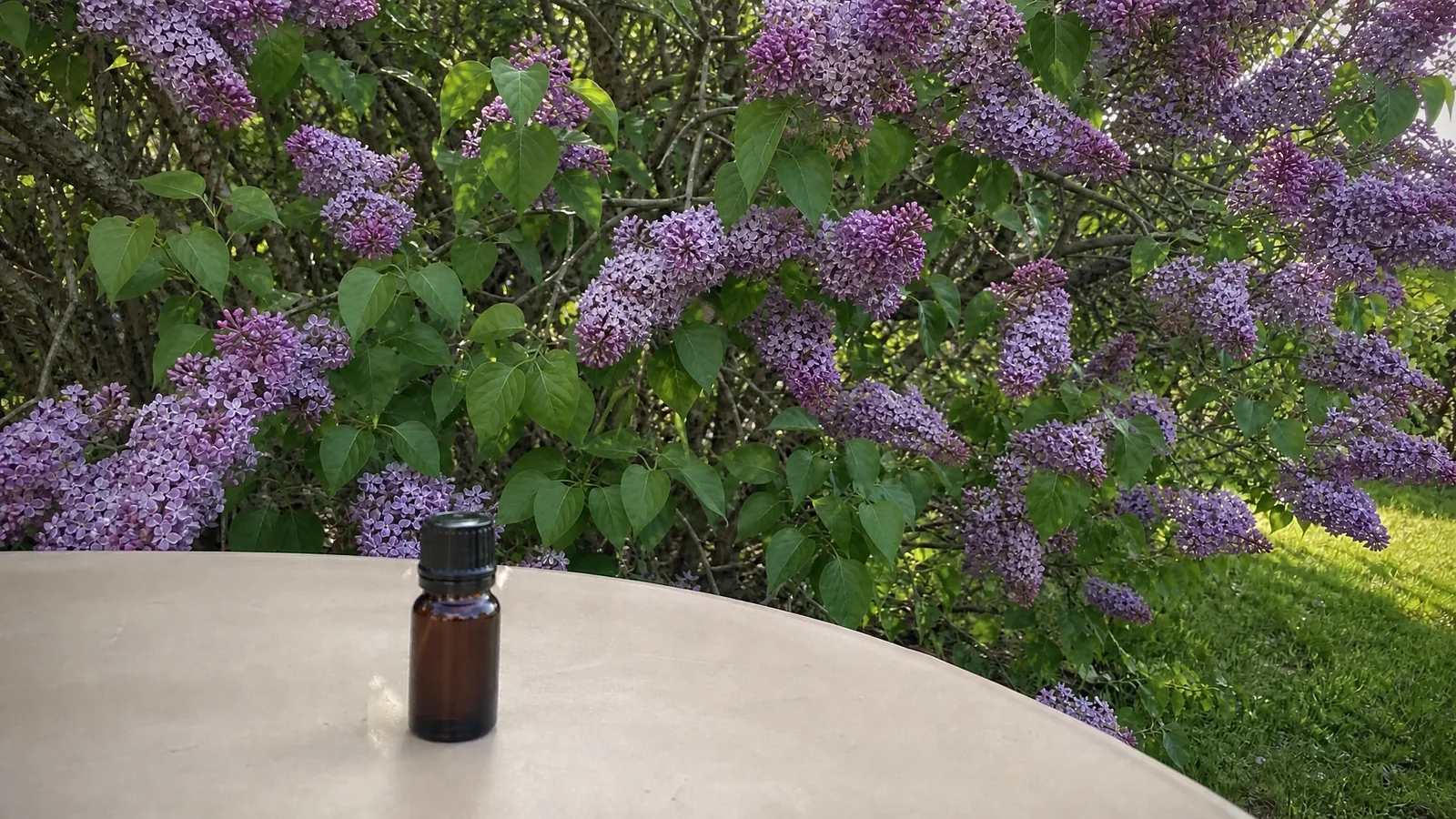
Is There a Real Lilac Essential Oil? What Is in the Bottle
Lilac flowers do not yield an oil you can buy like lavender. What a lilac oil label can mean, and three questions that work on any listing.

What Does Lilac Smell Like? How to Judge It Yourself
Sweet, a little green, softly powdery: the words people reach for when they smell lilac, why the scent shifts, and an easy way to judge a bottle yourself.
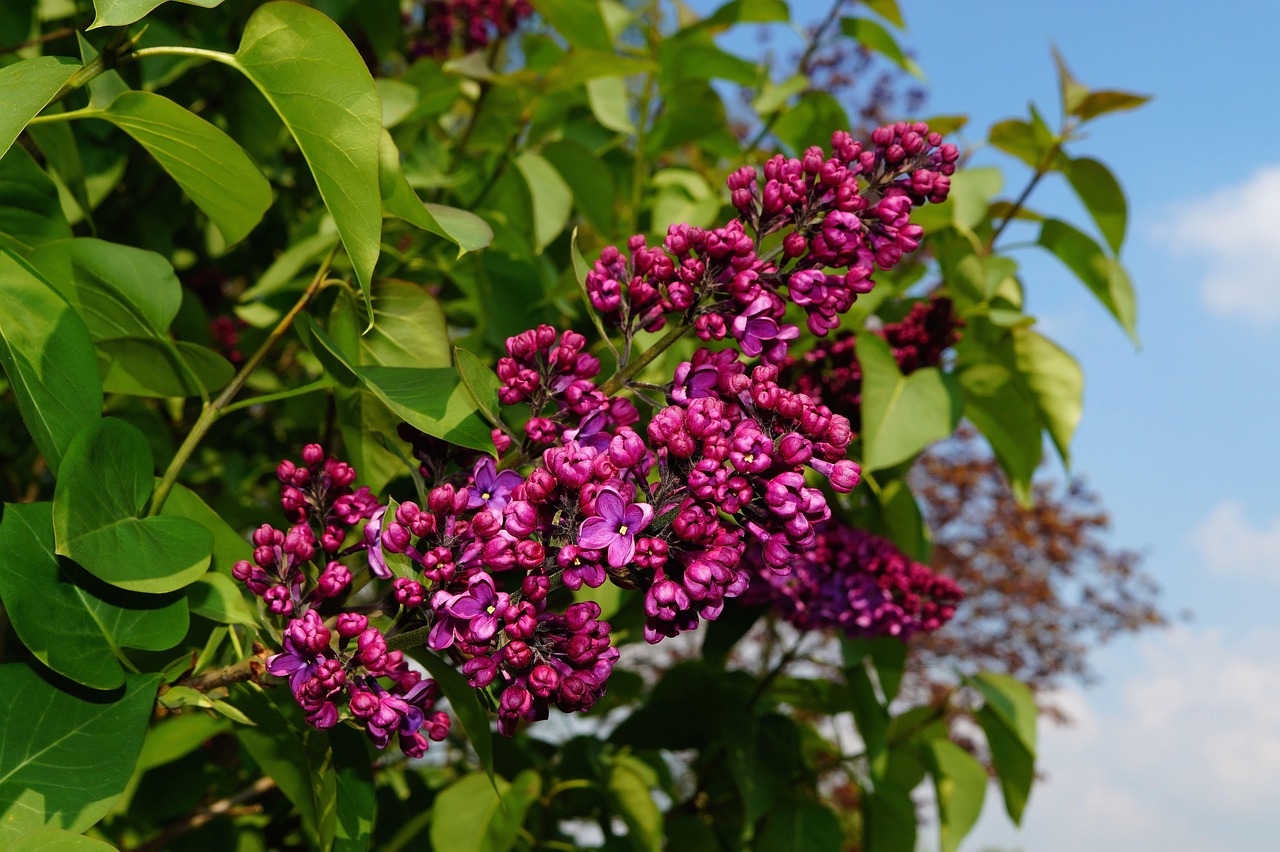
Syringa Vulgaris: What the Name Means on a Label
Syringa vulgaris is the shrub in everyone's garden memory. Meet the plant, learn what its scent is made of, and how to read its name on a bottle label.
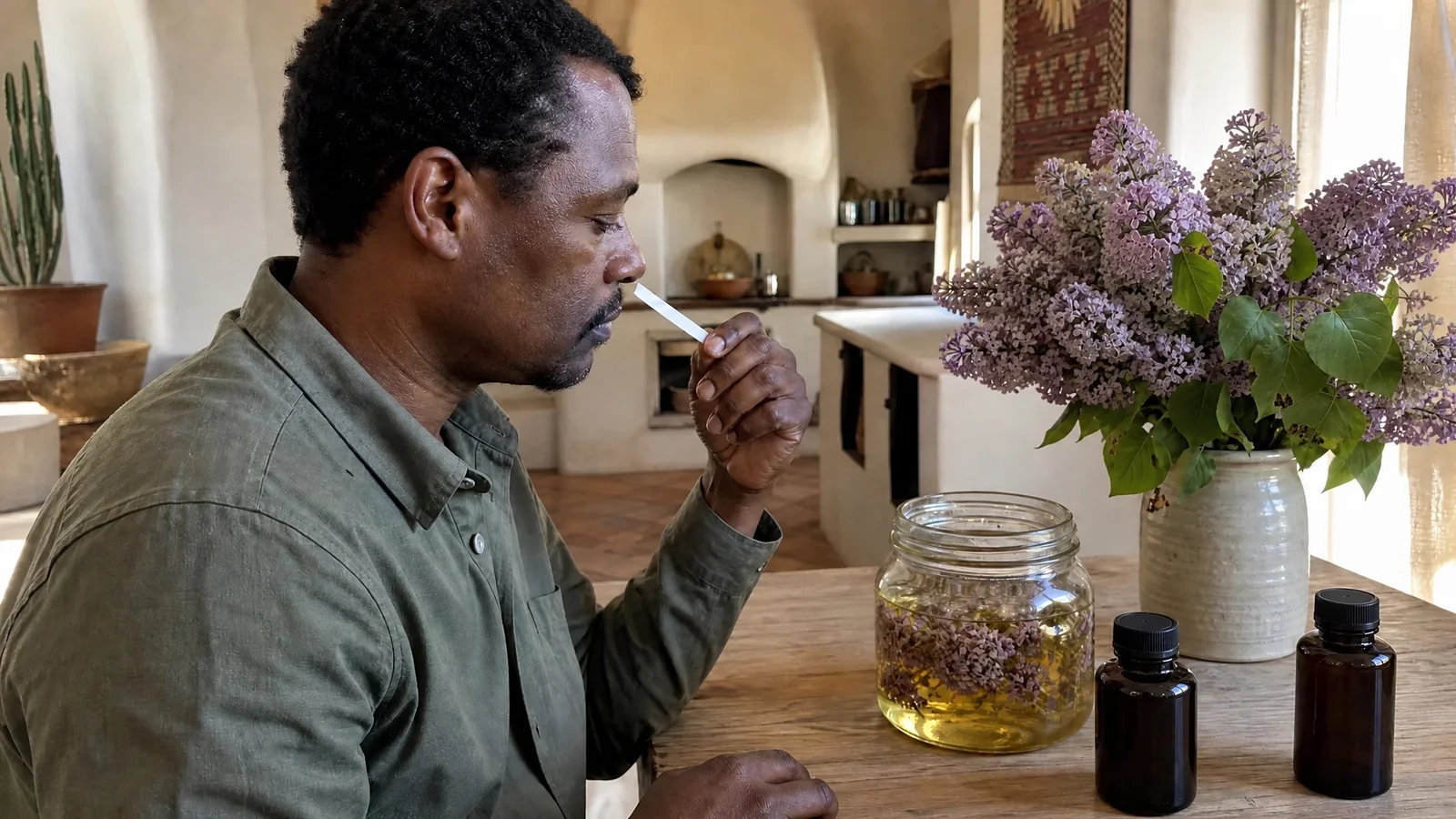
How Lilac Oil Is Built: A Composed Scent Explained
Lilac will not give up its scent to a still, so the oil is composed. Learn what an accord is and how we balance ours, from green stem to musky base.
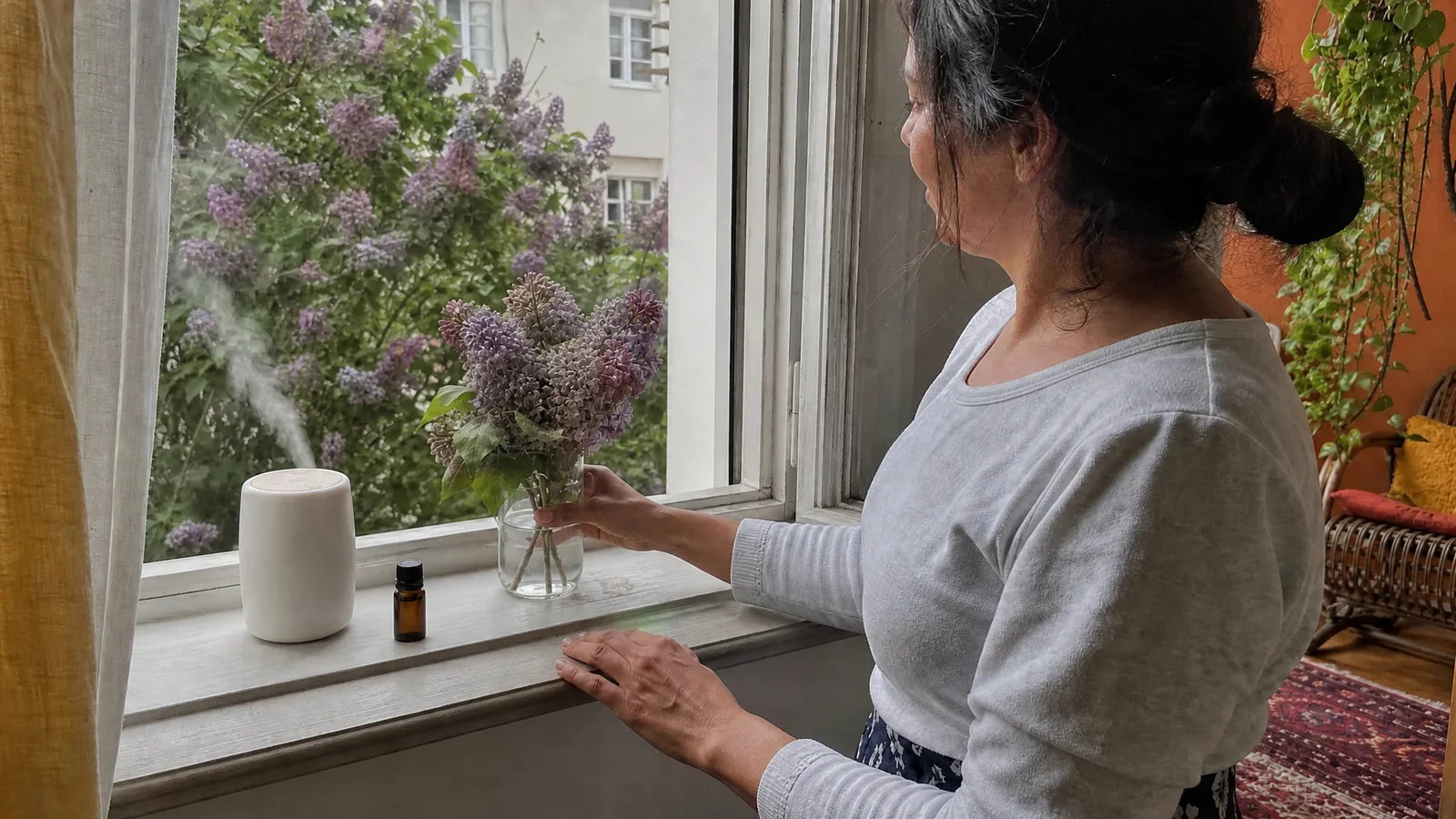
What Is Lilac Oil Used For? Room, Body and Craft Ideas
Lilac oil for rooms, candles, perfume, body oil and bath products, sorted by how close each use sits to skin, with sensible dilution and boundaries.
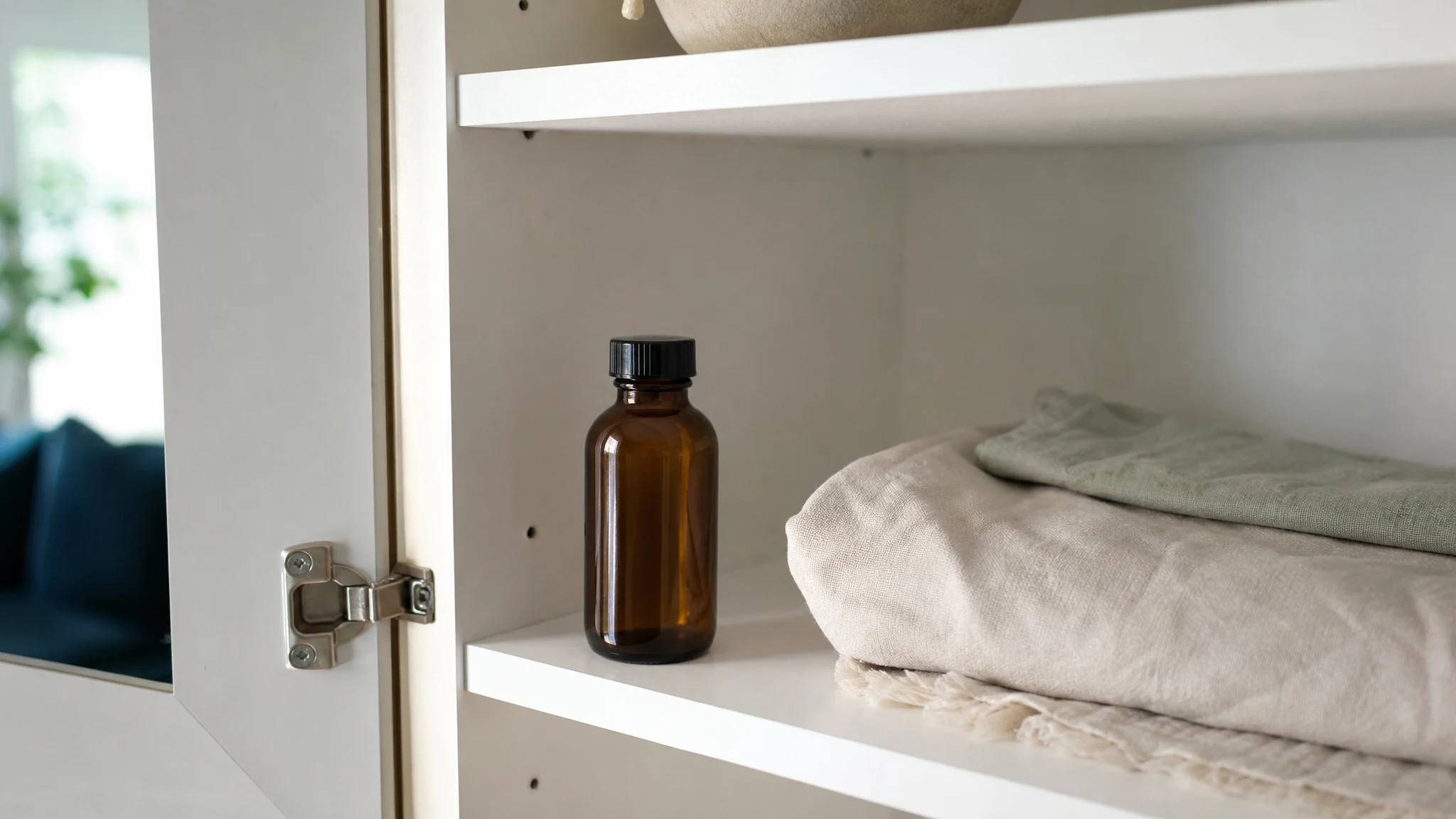
How to Store Lilac Oil So It Keeps Its Scent
Heat, light and air age a delicate floral oil. Here is where to keep your bottle, how to decant bulk, and how to tell when it is time to retire it.
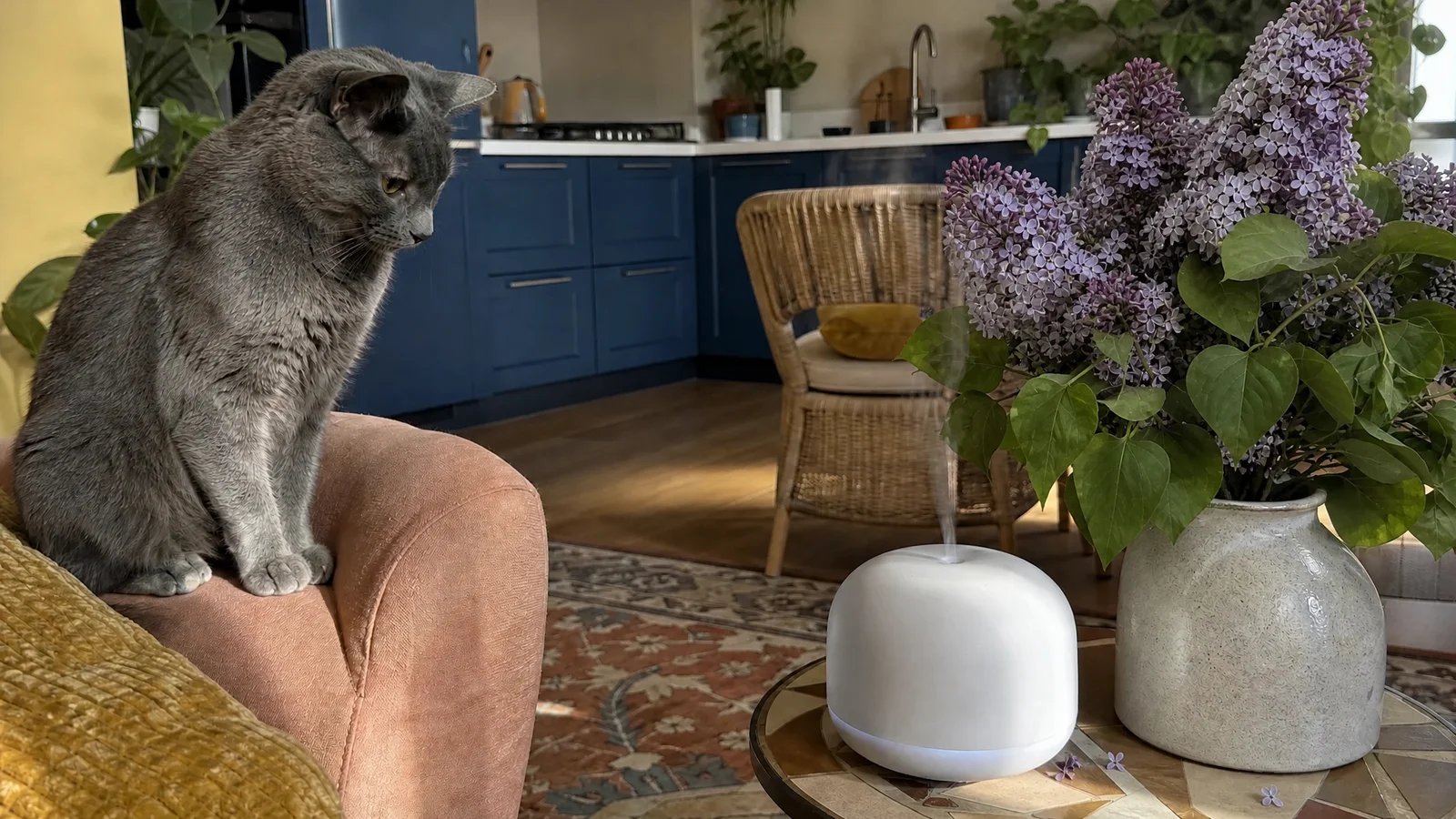
Is Lilac Oil Safe for Pets? What Owners Should Know
Cats and dogs react to oils differently from us. What veterinary sources document, what they cannot tell us about lilac, and the simple habits that help.
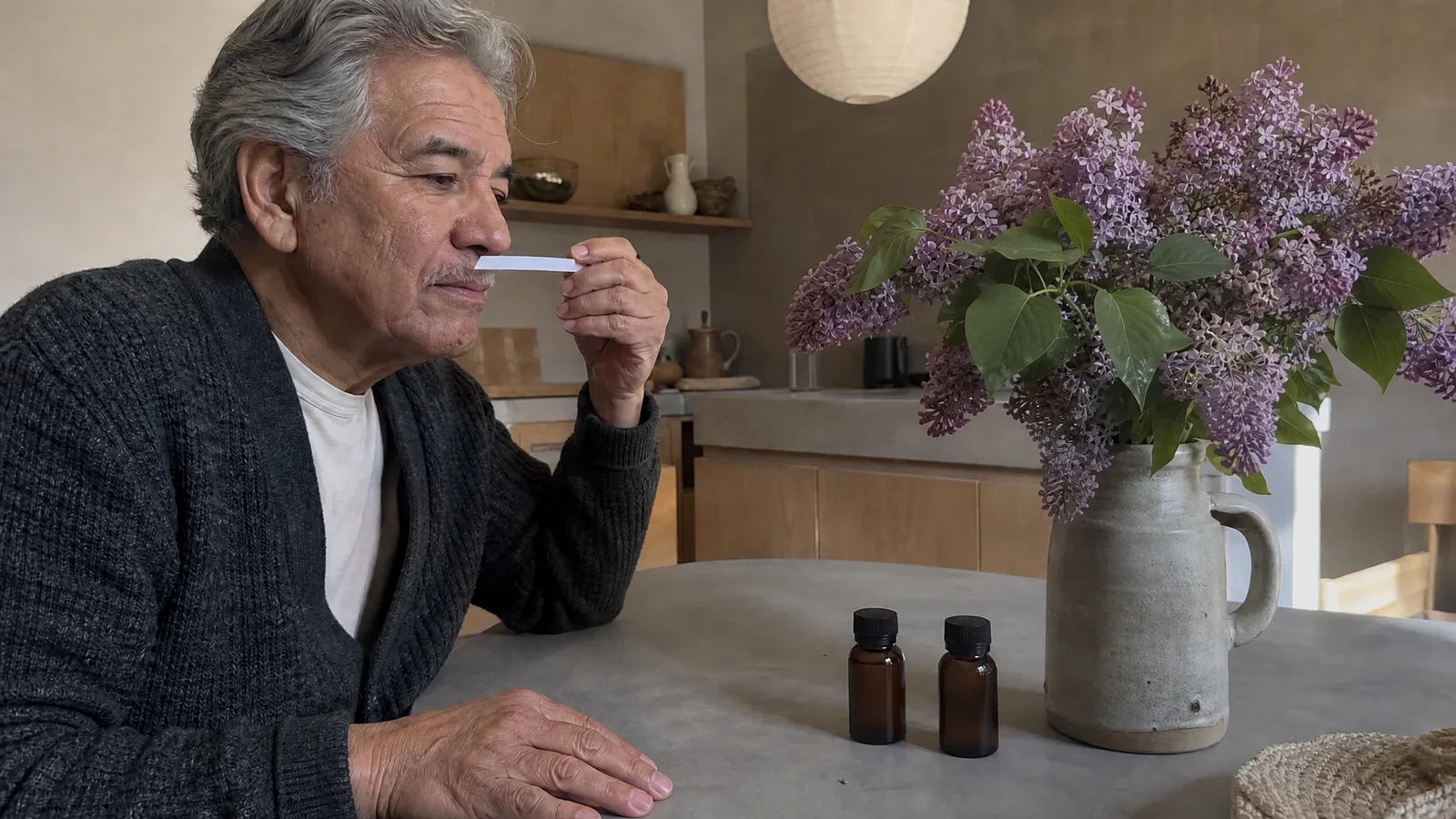
Lilac Oil FAQ: Answers to the First Questions We Get
What it is, how to dilute it, whether it suits candles or soap, how long it keeps, and where wholesale begins. Our answers to the questions we hear first.

Why Lilac Brings Memories Back: Whitman, Scent and Season
A Whitman elegy, a Harvard Lilac Sunday since 1908, and a recent review of scent and memory: why one spring flower means so much to so many people.
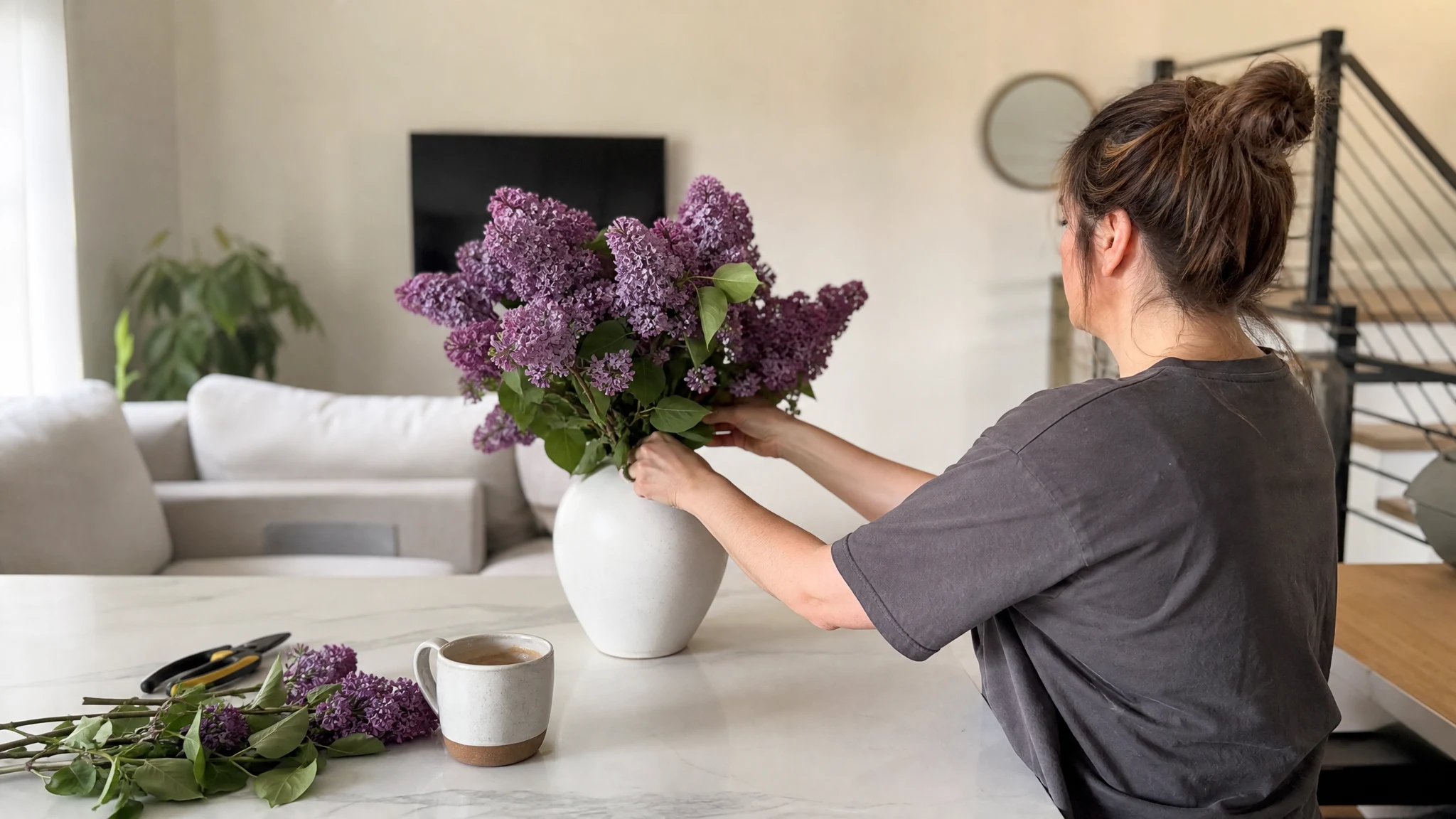
Making With Lilac Oil: Pick Your Craft First
Candle, soap, body oil or diffuser? The craft you choose sets the limits, the paperwork and what else to buy. Here is how to pick and start small.
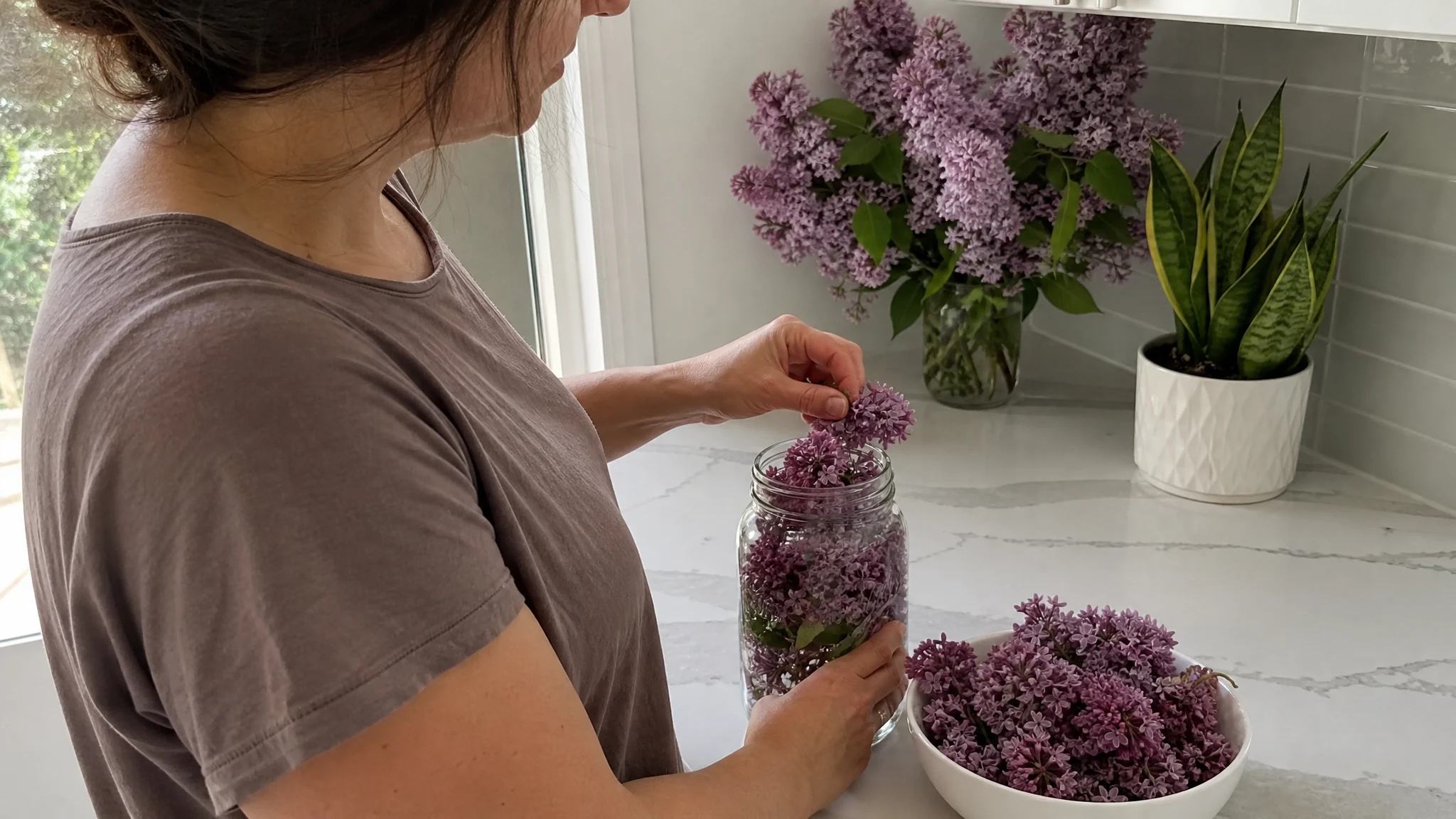
Lilac Infused Oil: Can You Steep Blossoms at Home?
Steeping lilac blossoms in oil is a pretty idea with one safety rule to know first. Here is the guidance, the scent to expect and a short method.
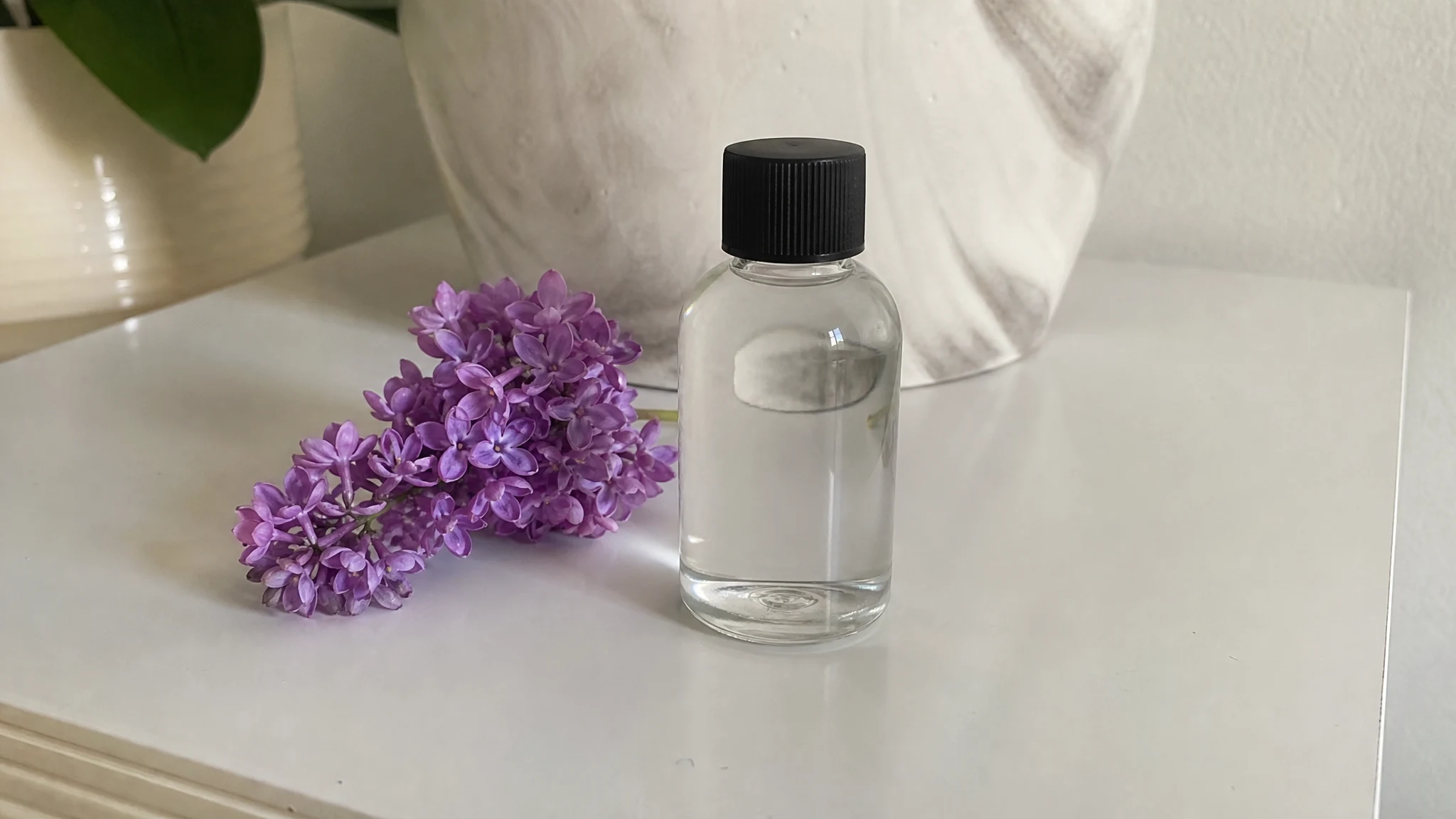
Lilac Rollerball Perfume: A 10 ml Recipe Drop by Drop
A lilac rollerball takes only a few drops. Here is the arithmetic for a 10 ml bottle, a no-water method, and how to keep the scent soft and wearable.
Lilac Body Oil Recipe: A Light, Weighed Blend
One carrier oil, a small weighed amount of lilac, no water and no heat. Here is the arithmetic for a 100 g batch and how to keep the scent light.
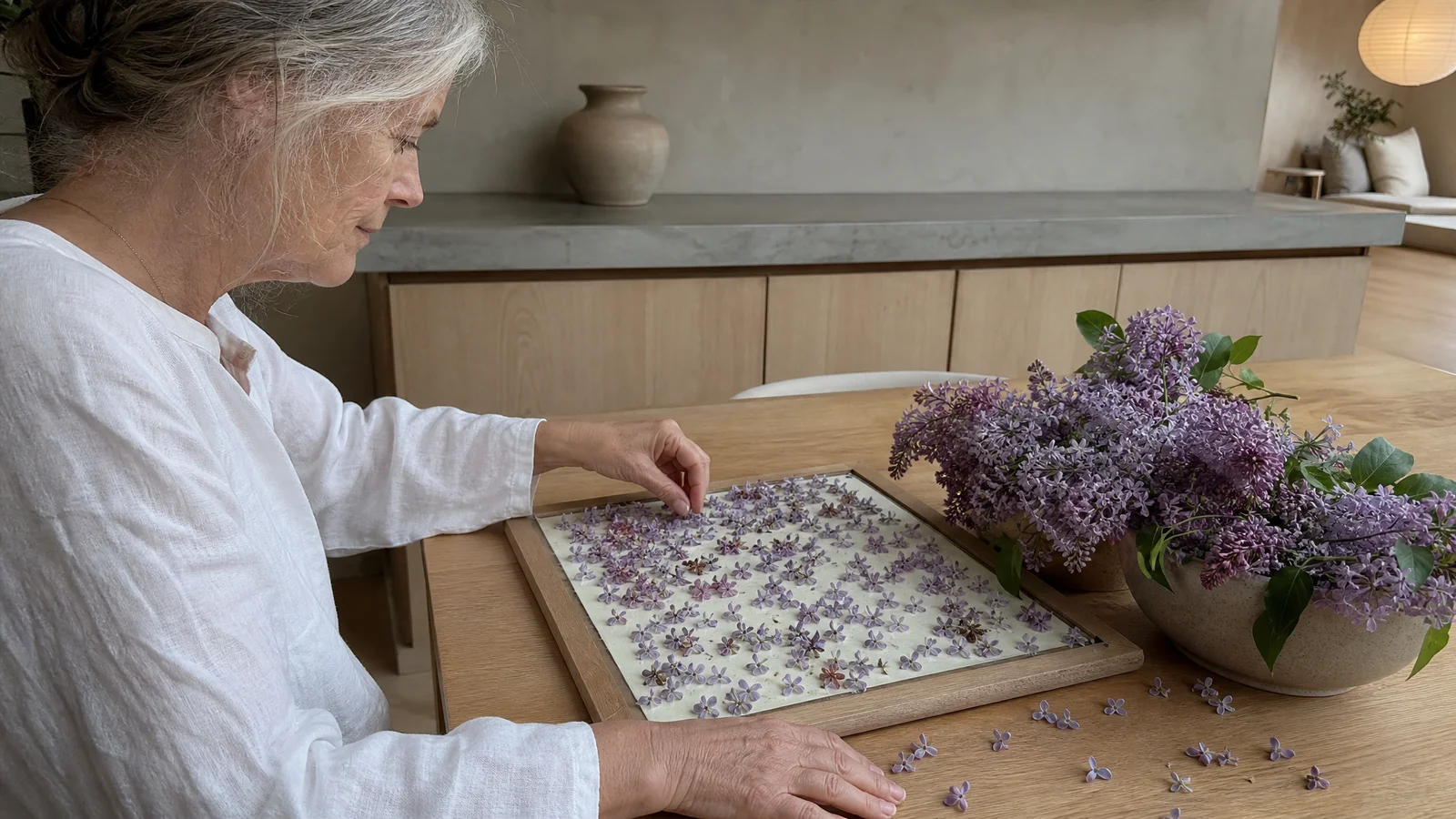
Lilac Enfleurage: How Perfumers Captured Flowers in Fat
Grasse perfumers pressed flowers into fat to catch their scent. How the method worked, what we know about lilac, and why fresh blossoms in fat need care.
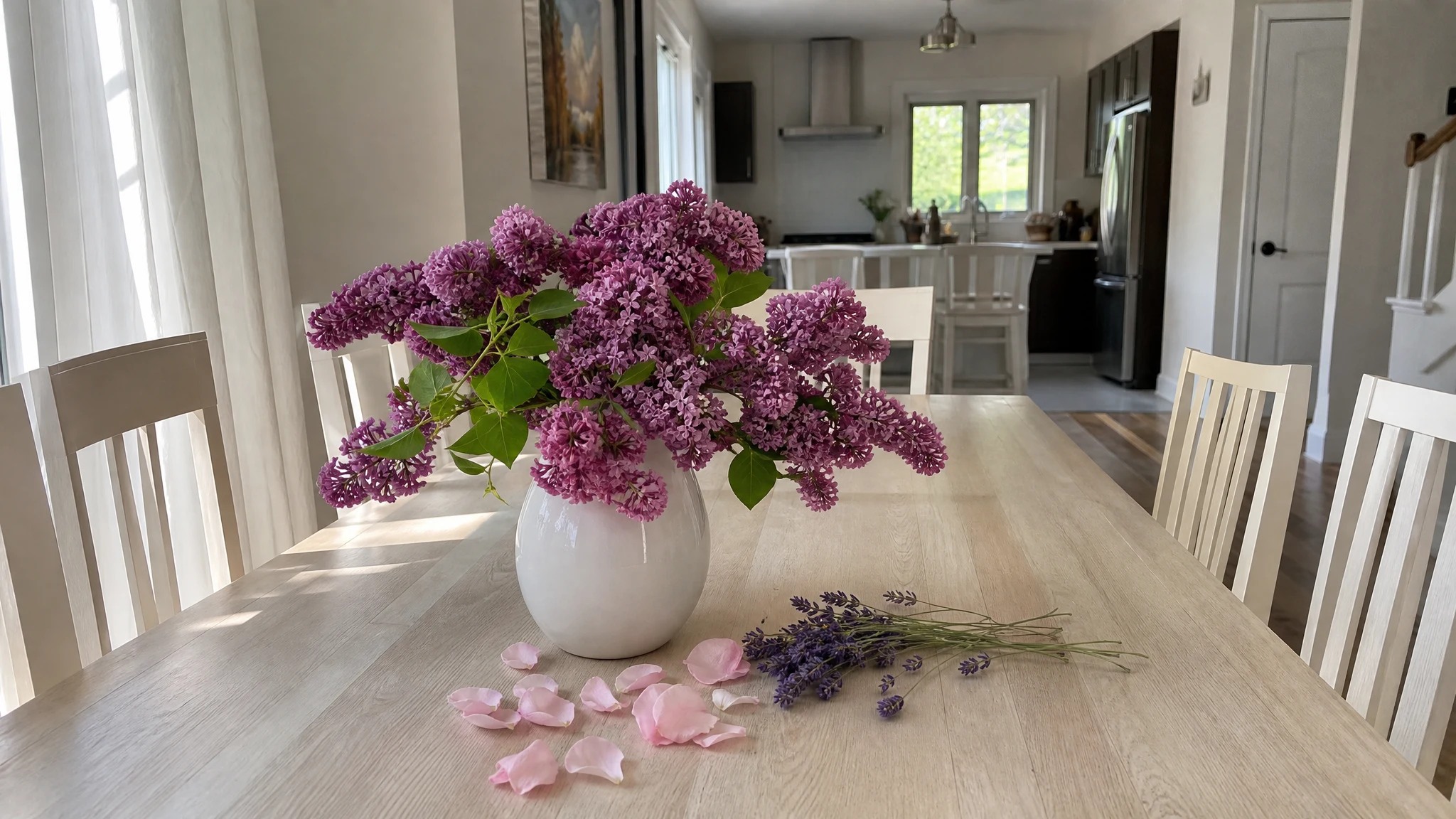
What Blends With Lilac Oil? Partners by Job
Nine partners for lilac, sorted by what each does: freshen, add green, widen the floral heart or hold the scent, with a word on citrus rules.
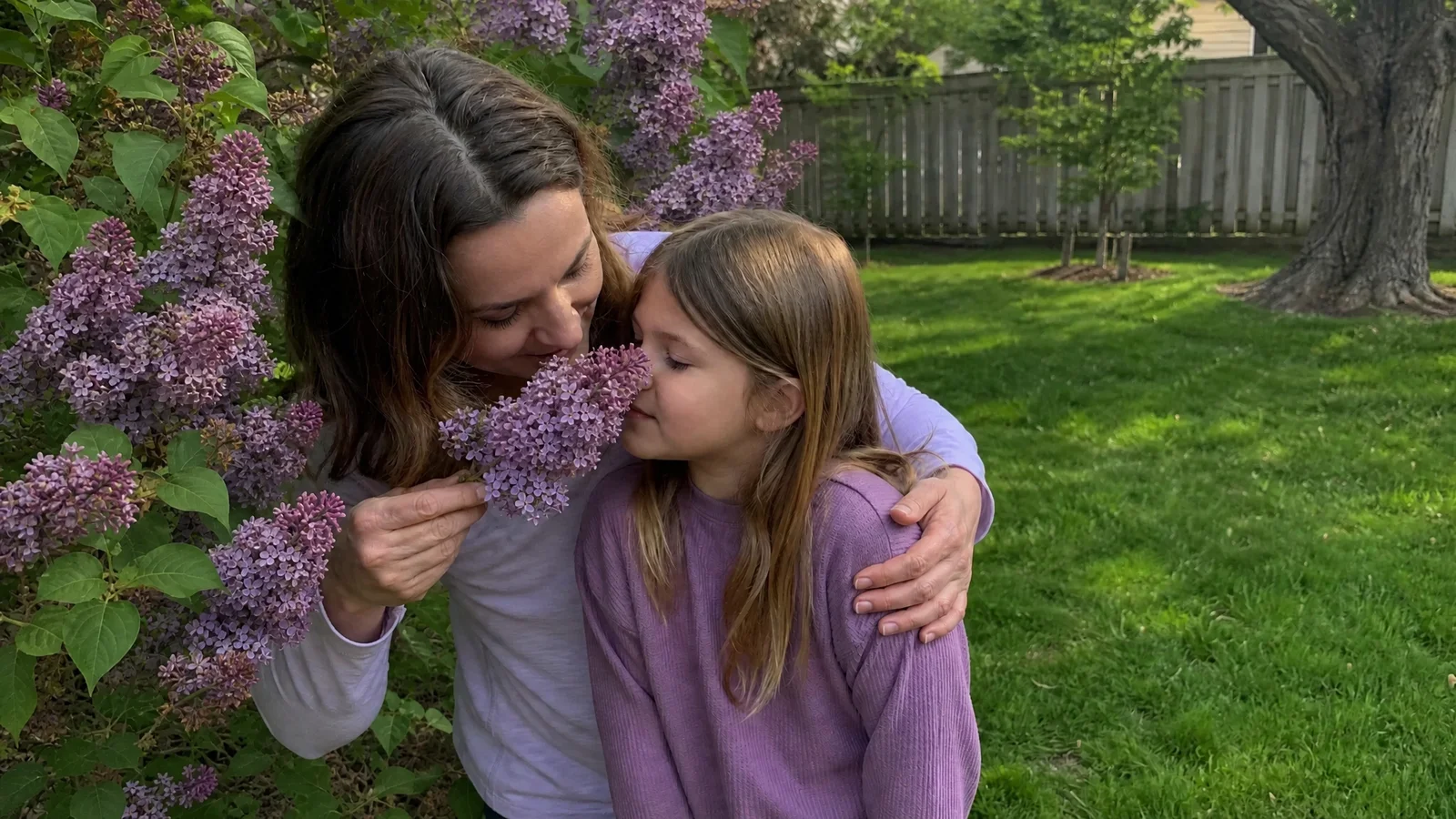
Short Lilac Season? Four Ways to Enjoy the Bloom
Lilac is generous and brief. Smell it twice, cut a few stems, and know why the bloom itself never ends up in a bottle of true lilac oil.
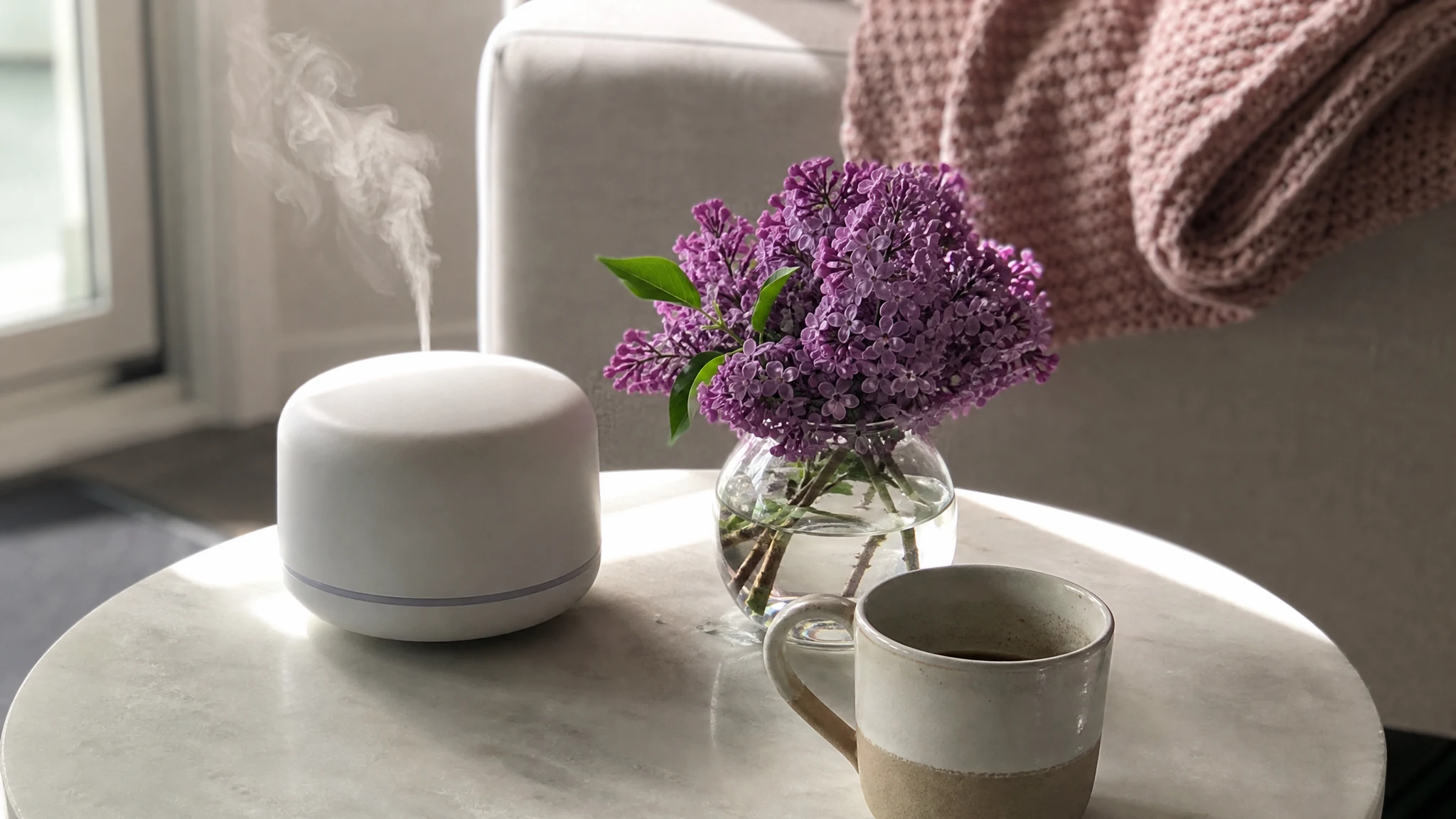
Lilac Oil in a Diffuser: How Much, How Long, Fresh Air
Lilac suits a diffuser. Start at the low end of your manual, mind the water and the air, and see what studies measured about what diffusers release.
Testing a Lilac Blend on Paper Strips First
Skip the borrowed recipe. Pick one partner for lilac, weigh four stepped ratios, and smell them on paper across an hour before you mix a bottle.

Can You Bottle Lilac? Why the Scent Is Rebuilt
Two weeks of bloom, a scent that shifts once cut, and a reason perfumers rebuild lilac rather than press it. Here is how a spring becomes a bottle.
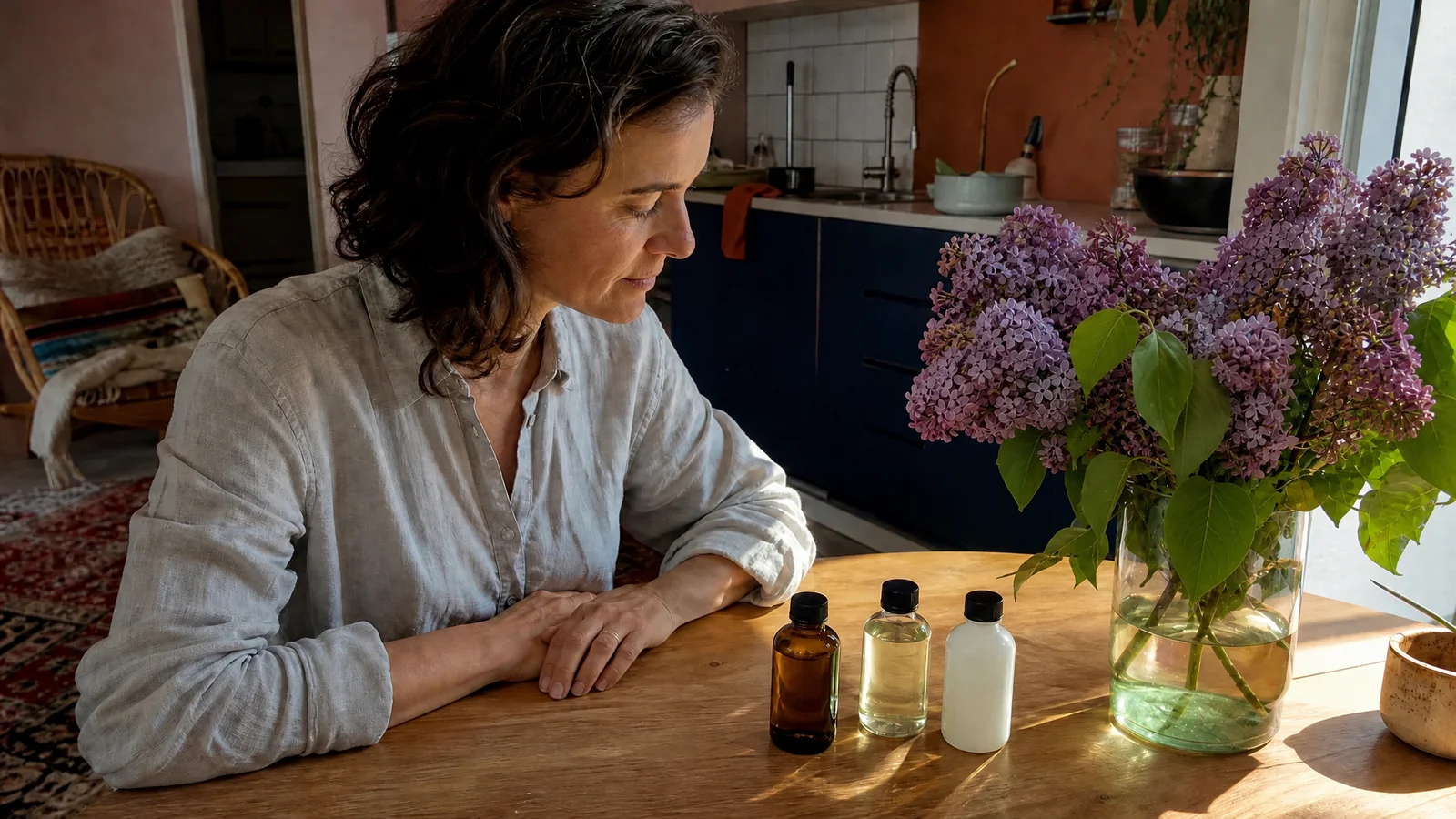
Judging Lilac Oil: Which Papers Matter for Your Project
A composed scent has no grade to read off the label. What you can do is match the seller's paperwork to what you plan to make. Here is how.
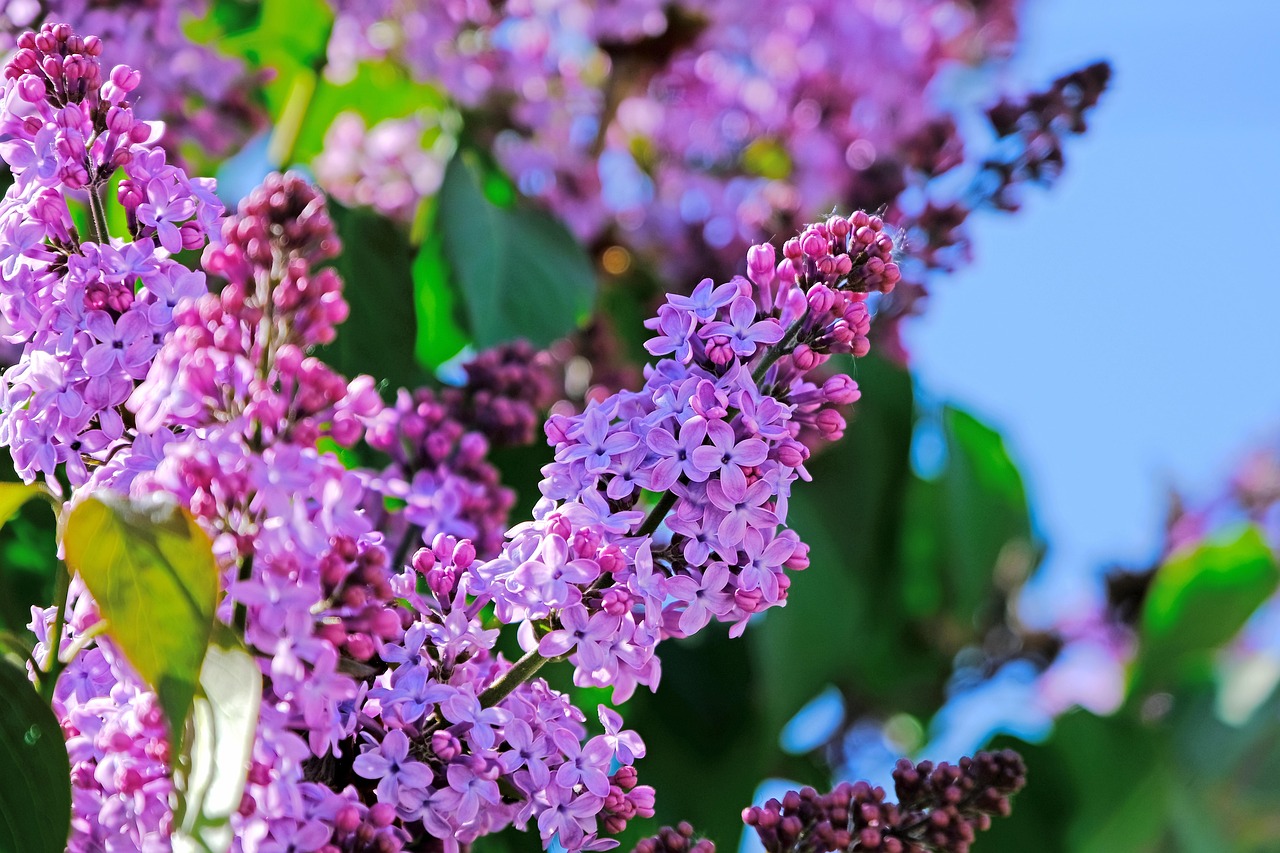
Lilac Oil vs Fragrance Oil: What Really Differs
Natural versus synthetic is the wrong fight. Compare a lilac fragrance oil and a crafted lilac oil by what each seller will put in writing.
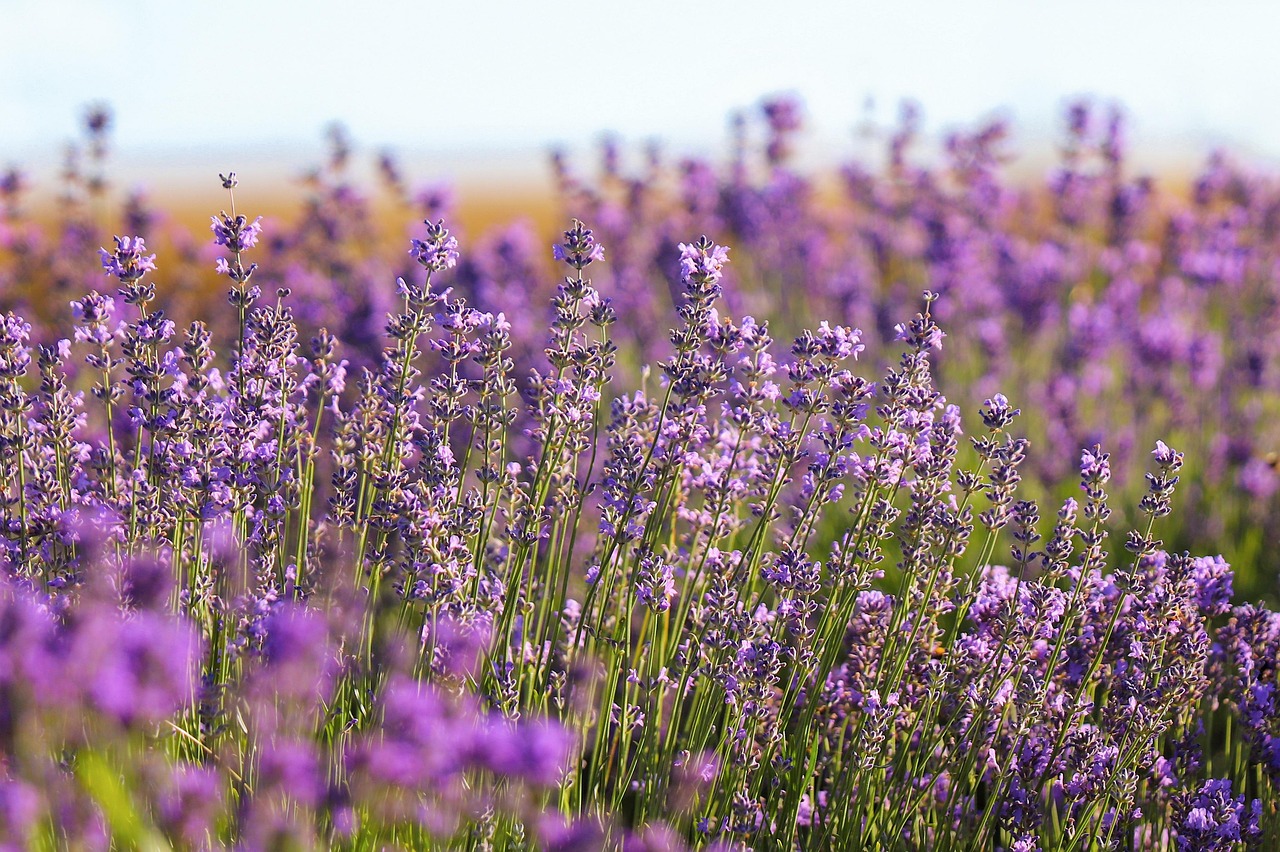
Lilac vs Lavender Oil: How the Two Really Differ
Lavender is an essential oil with well-measured chemistry. Lilac is a crafted scent. Here is what that means for the nose and your project.
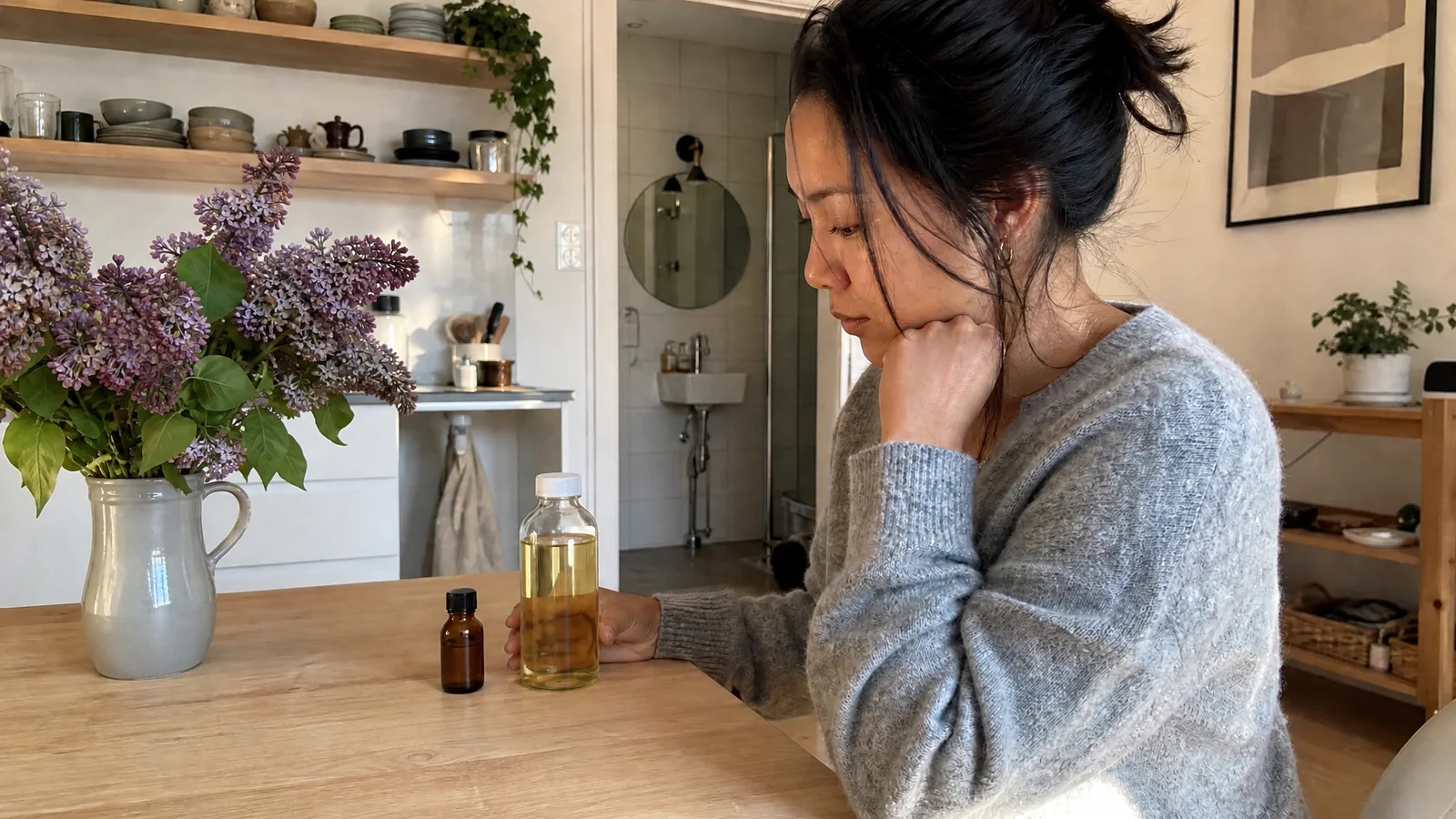
Comparing Lilac Oil Prices: A Fair Way to Do It
Three listings say lilac oil and the prices differ wildly. Compare by type, then cost per ml, then cost per batch, and see what to ask sellers.
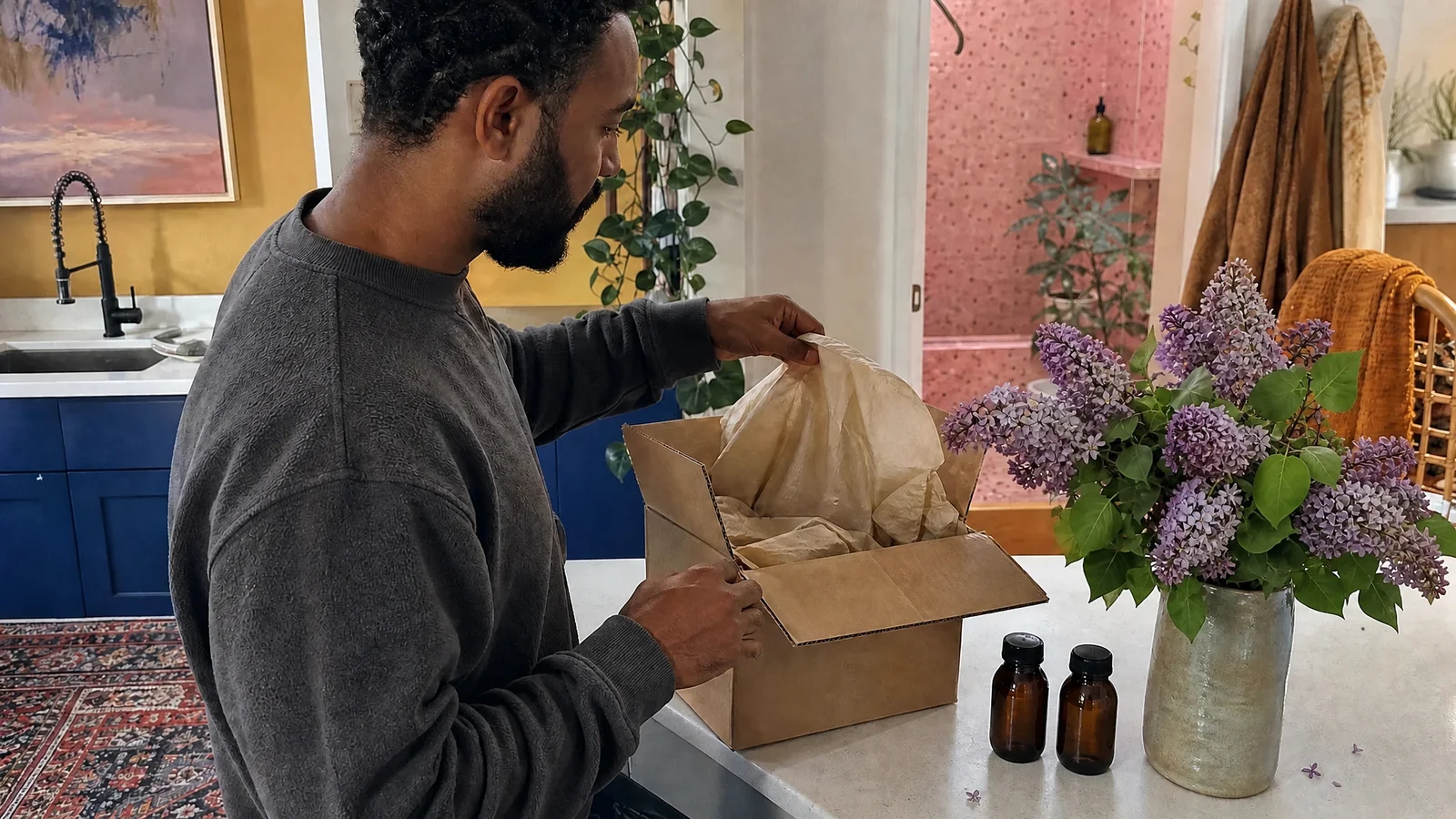
Is Lilac Oil Organic? What the Word Means
FDA does not define organic for cosmetics. Learn what USDA rules require, where our lilac oil stands, and four questions for any seller.

Lilac Oil Online: What to Ask Before You Order
Three tabs, three bottles called lilac oil. These questions on type, lot, paperwork and testing small help you choose, ours or anyone else.
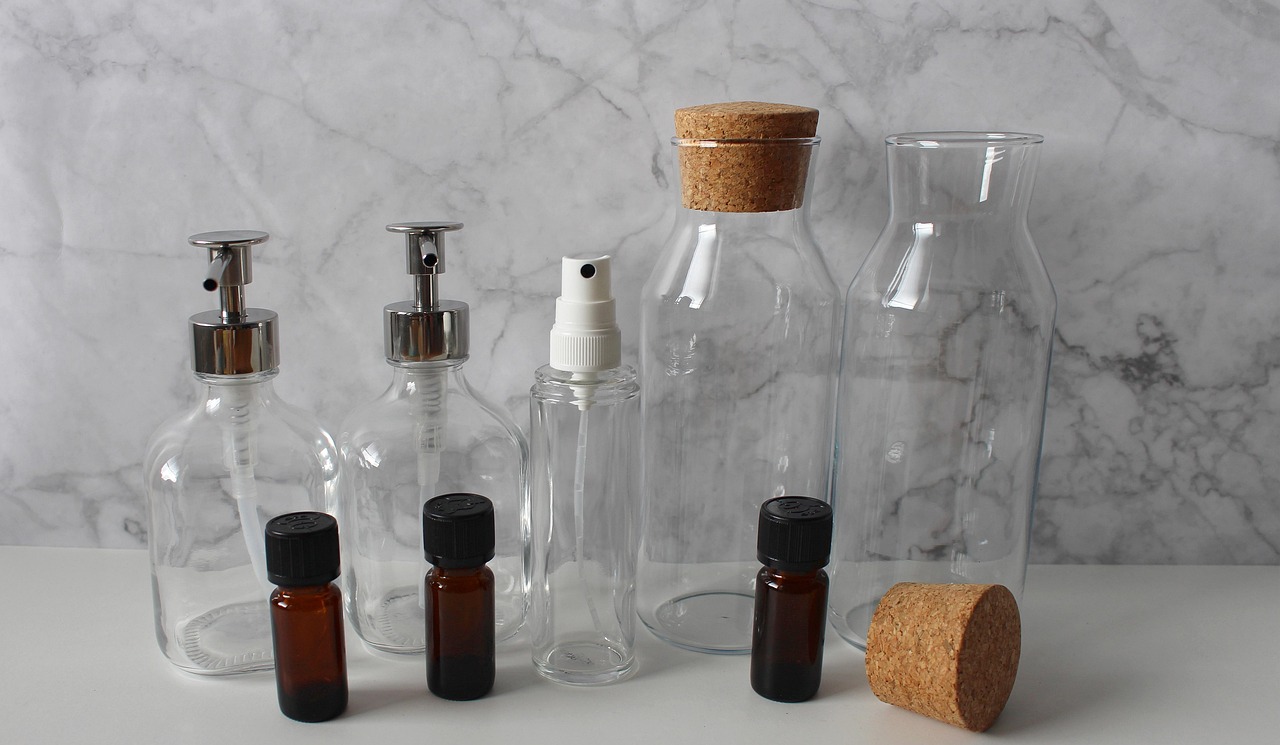
Your First Bottle of Lilac Oil: What Size to Start With
Smell it before you commit. We work out how far each bottle goes and which size suits a first perfume, a body oil, a soap or a candle test.

Lilac Oil Labels Decoded: What Each Line Tells You
A label asks for less than you would expect. See which lines US rules require, which are voluntary, and what to ask a seller that no label will ever show.