Private Label Lilac Oil: What to Ask Before You Launch
Putting your name on a bottle of lilac oil, a candle or a bar of soap is one of the more satisfying things a small brand does. It is also the moment the rules start treating you as the party answerable for the product, whoever filled the bottle. Here is how we would think it through, and what we can offer along the way.
What we offer
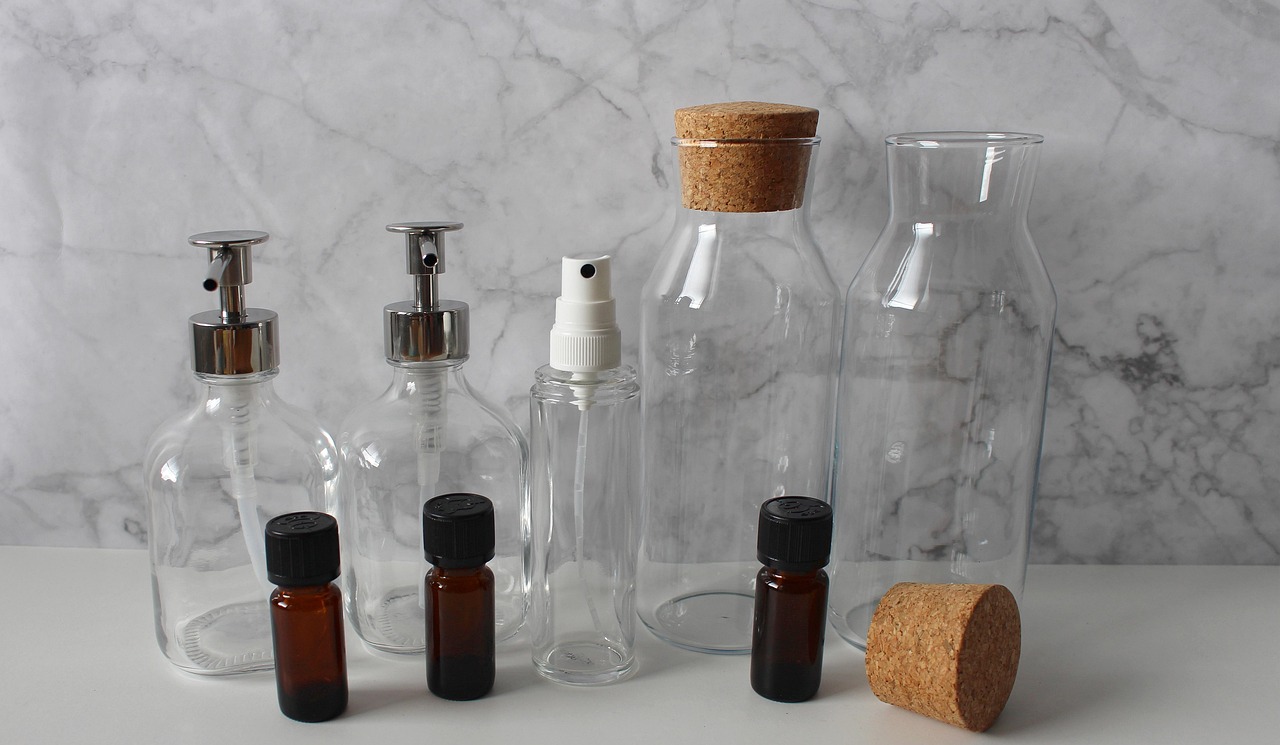
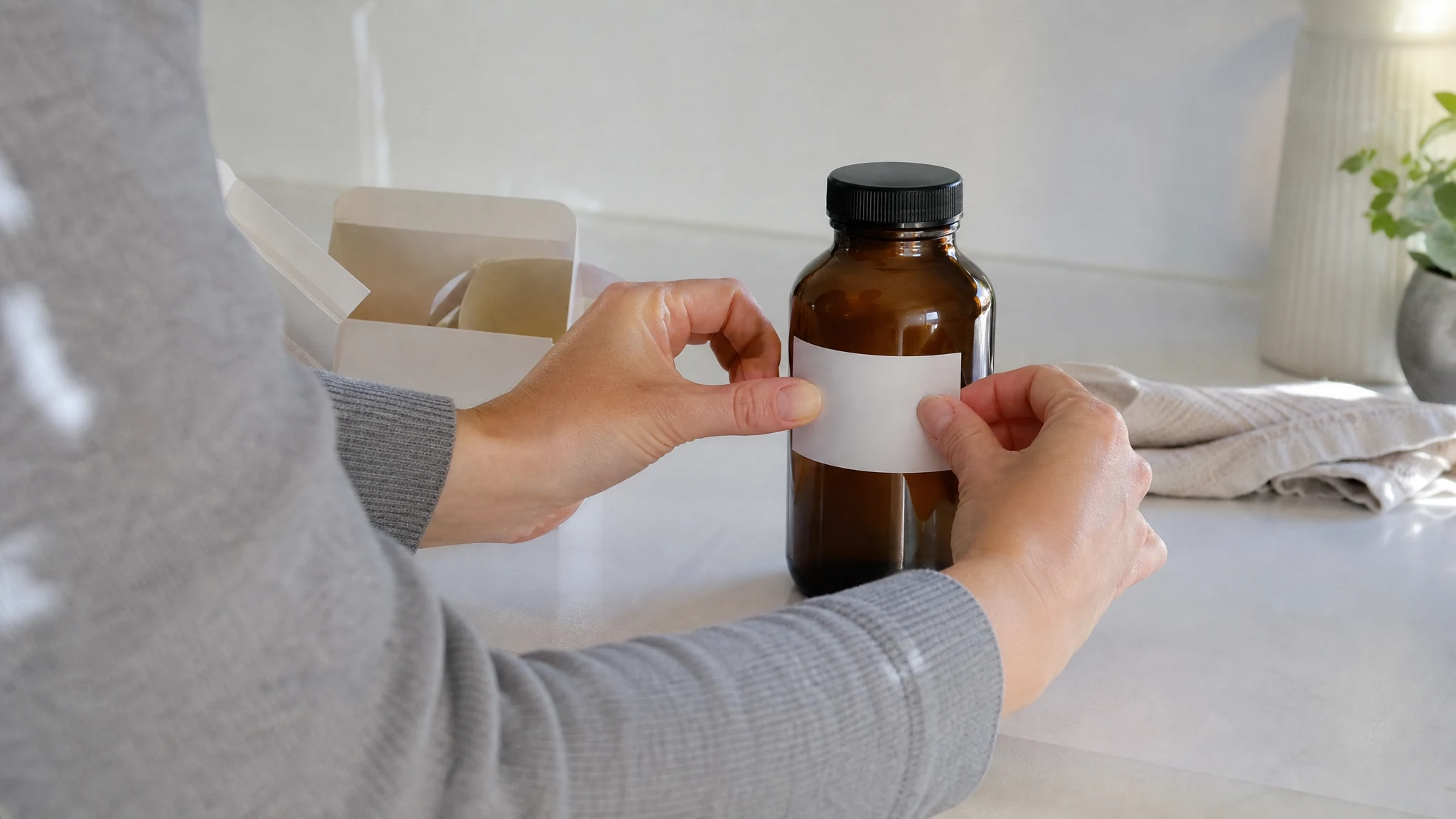
For private label, we can customize your labels, bottles and packaging. We fill and cap in-house on an automated line built for oil production at our U.S. facility. We offer sample bottles in any retail size so you can try the oil in your own product first, custom formulations where we can help, an account manager, and volume pricing on every size. Start with the consultation form on our wholesale page, and put questions about minimums, lead times and label formats in writing so you have the answers on file.
Start with the sample, and let your nose lead
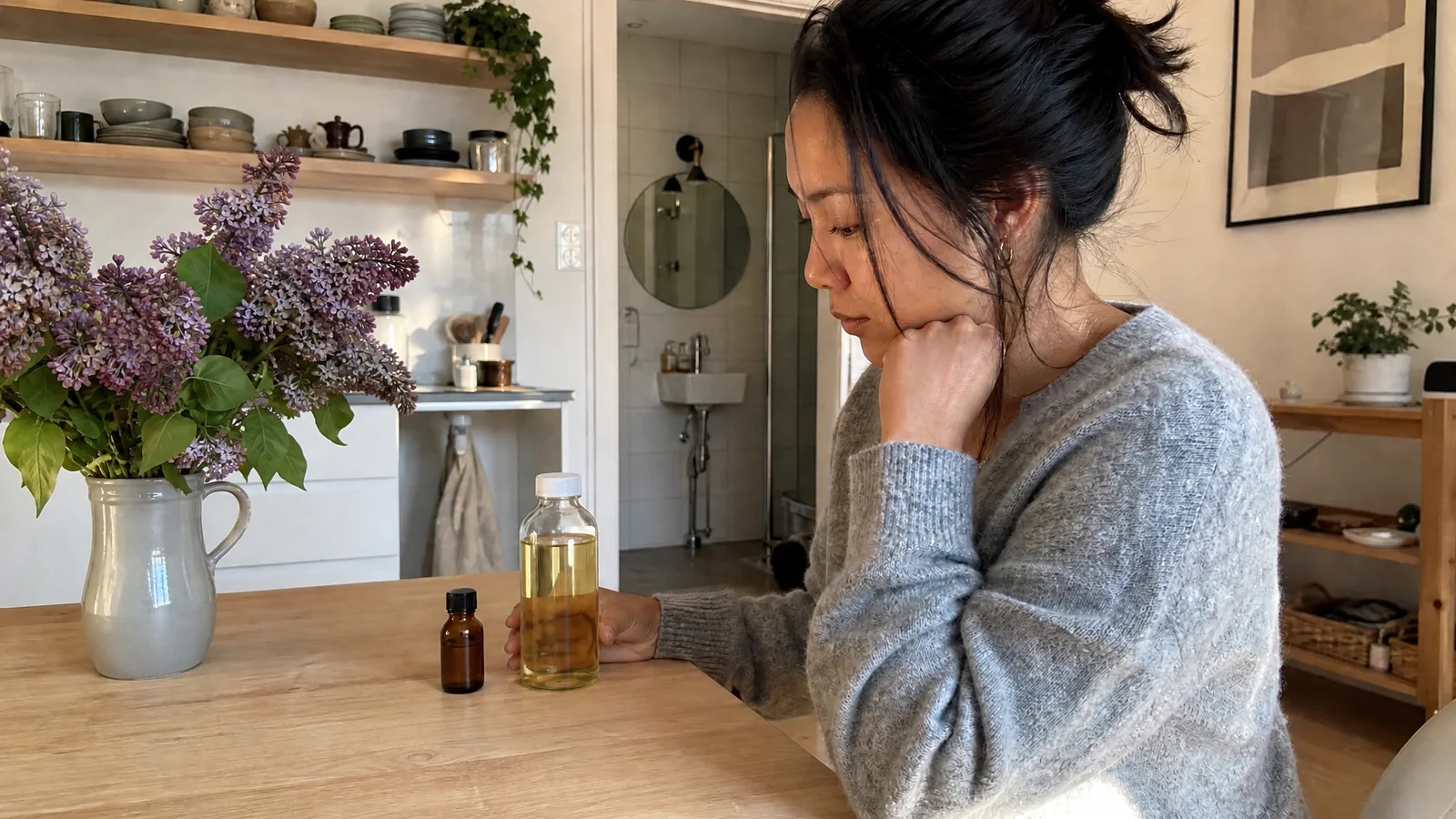
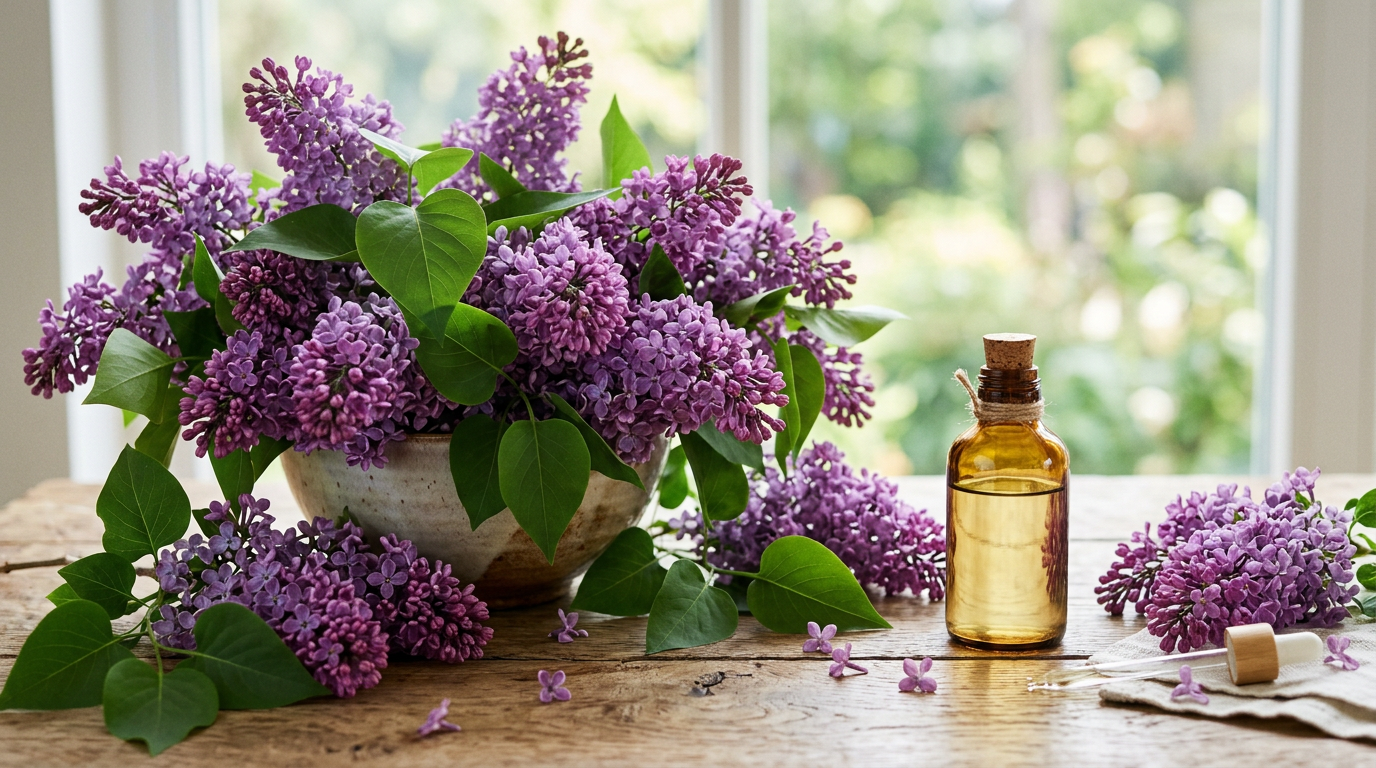
Before you think about labels, open a sample bottle and spend some time with it. We describe the aroma as soft, powdery and springlike, with fresh purple florals, green stems, a hint of almond sweetness and a clean musky base, and it sits as a heart note. Smell it on a paper strip, then again after an hour, then on the following day. Ask yourself whether this is the lilac you picture on your own shelf, because a private label brand lives on whether the scent matches the story on the front of the package.
It is also worth deciding what you want to be known for. A single, soft lilac in a clear, simple format is easier to explain and easier to photograph than a crowded line of ten scents. Starting small leaves room to grow, and it means every question you send us is about one product, which keeps the answers easy to file.
Your name makes you the responsible person
FDA defines the responsible person for a cosmetic as the manufacturer, packer or distributor whose name appears on the label. That person must report serious adverse events to FDA within 15 business days, with a copy of the label (Modernization of Cosmetics Regulation Act of 2022 (MoCRA) | FDA). FDA's fact sheet for small businesses adds that you are legally responsible for making sure your cosmetics are safe and properly labeled, and that the firm on the label must ensure adequate substantiation of safety and keep records that support it (Small Businesses & Homemade Cosmetics: Fact Sheet | FDA). That is the main idea of private label: the work of standing behind the product moves to you, so choose a supplier who answers questions in writing.
What goes on the label
FDA's labeling summary asks for a statement of identity, net quantity, ingredients in descending order of predominance, and the name and place of business of the firm marketing the product. If that firm did not make or pack it, the label needs a phrase such as "Manufactured for" or "Distributed by" (Summary of Cosmetics Labeling Requirements | FDA).
The ingredient line is where a scent oil is most interesting. Our oil is a composition of botanical extracts and infused aromatics, and we do not publish a formula. Fragrance may be declared as "fragrance" in the right circumstances, but whether that fits your product is a regulatory judgment for a consultant or cosmetics attorney, not something we can decide for you. What we can do is take your written question about what ingredient information we can supply for your declaration.
Claims on your label are your claims
A cosmetic is defined by its intended use, so what your label and listing say matters. We make no medical claims for the oil, and its purpose is scent. If your own wording says a lilac product relaxes, calms or helps with anything, that wording is yours to defend, which is a good reason to keep aroma language on your packaging.
Questions to send before a first run
- Minimum order, lead time and label format for private label.
- What ingredient information can you give me for my declaration?
- Is there a flash point, safety data sheet, IFRA statement or allergen information I can have in writing?
- How are lots tracked from your bottle to my branded one?
- How will I hear about a formulation change before my label goes out of date?
Habits that keep a small brand tidy
Keep one folder for each product. Put the dated emails with our answers in it, the lot number from the bottle you received, and a photo of the bottle label. When your own batch is labeled, write the lot number of the oil beside your batch date. It is a tiny habit, and it makes any later question, from you, a customer or a regulator, far easier to answer calmly.
Before any of that, run a sample through your own product at small scale. Our staged plan for testing before bulk shows how, and reading a COA and SDS shows how to judge the answers. If your plan involves candles, they follow a different rulebook from cosmetics, and our candle warning label guide covers the label side. The glossary defines the terms along the way.
A small label that launches in weeks is a lovely goal. A sample, a written list of questions and an hour with a regulatory consultant make it a safer one.
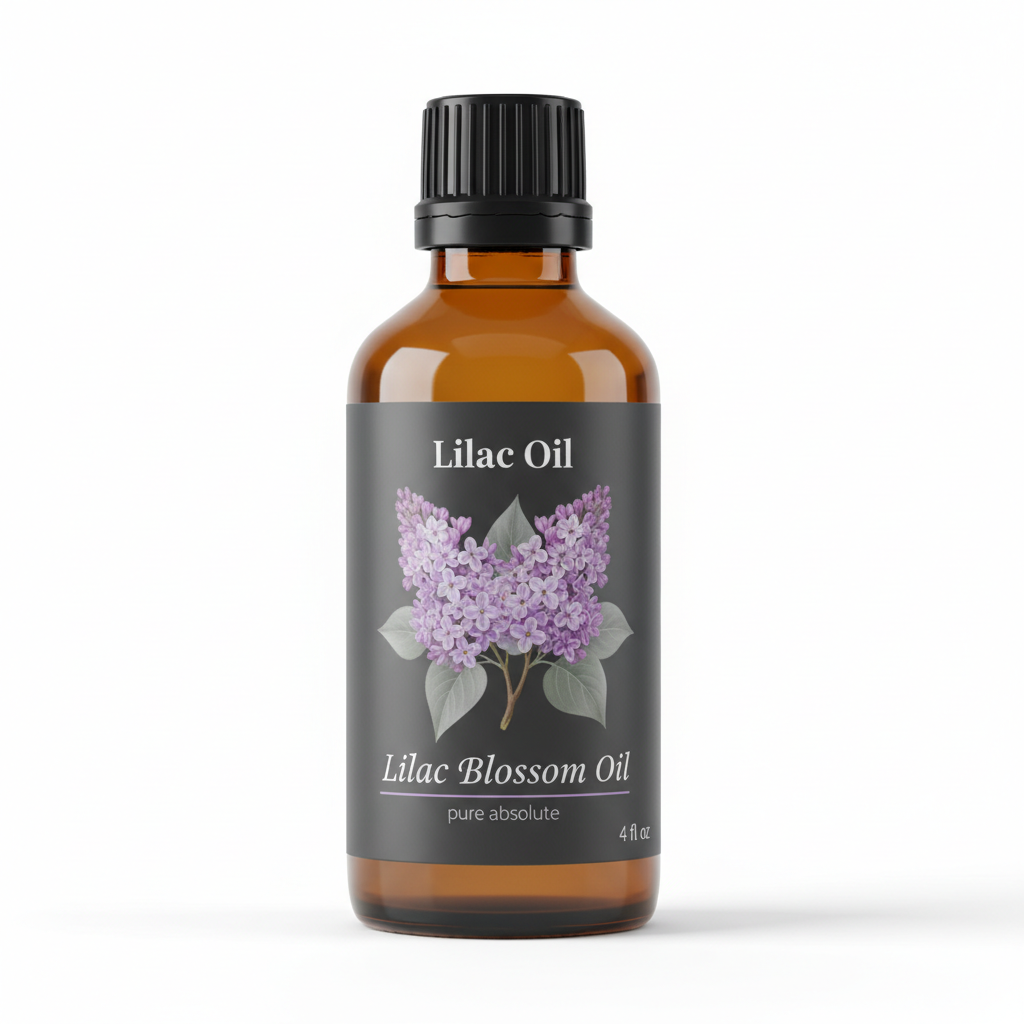
Lilac Blossom Oil
Lilac Blossom Oil from our own shop, in sizes from 0.5 oz to bulk.
From $15.99
Shop Now →