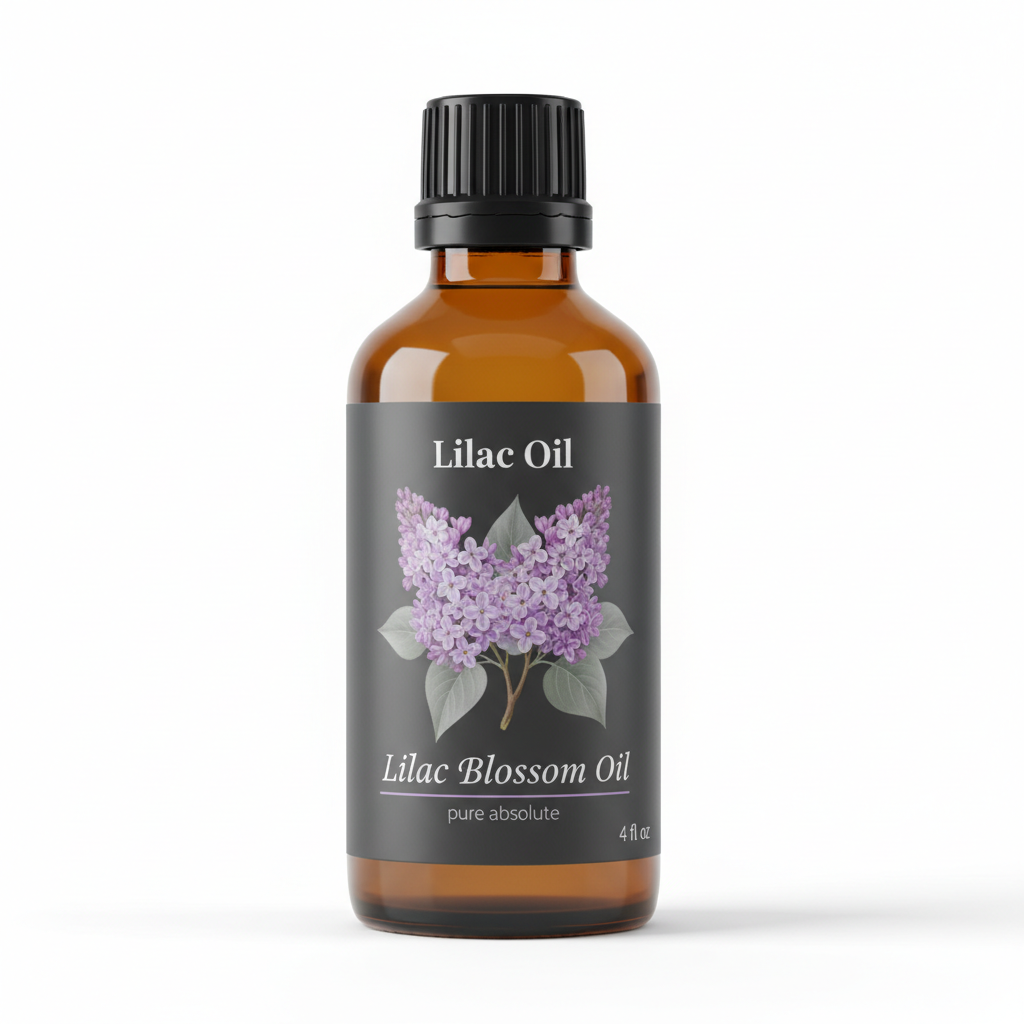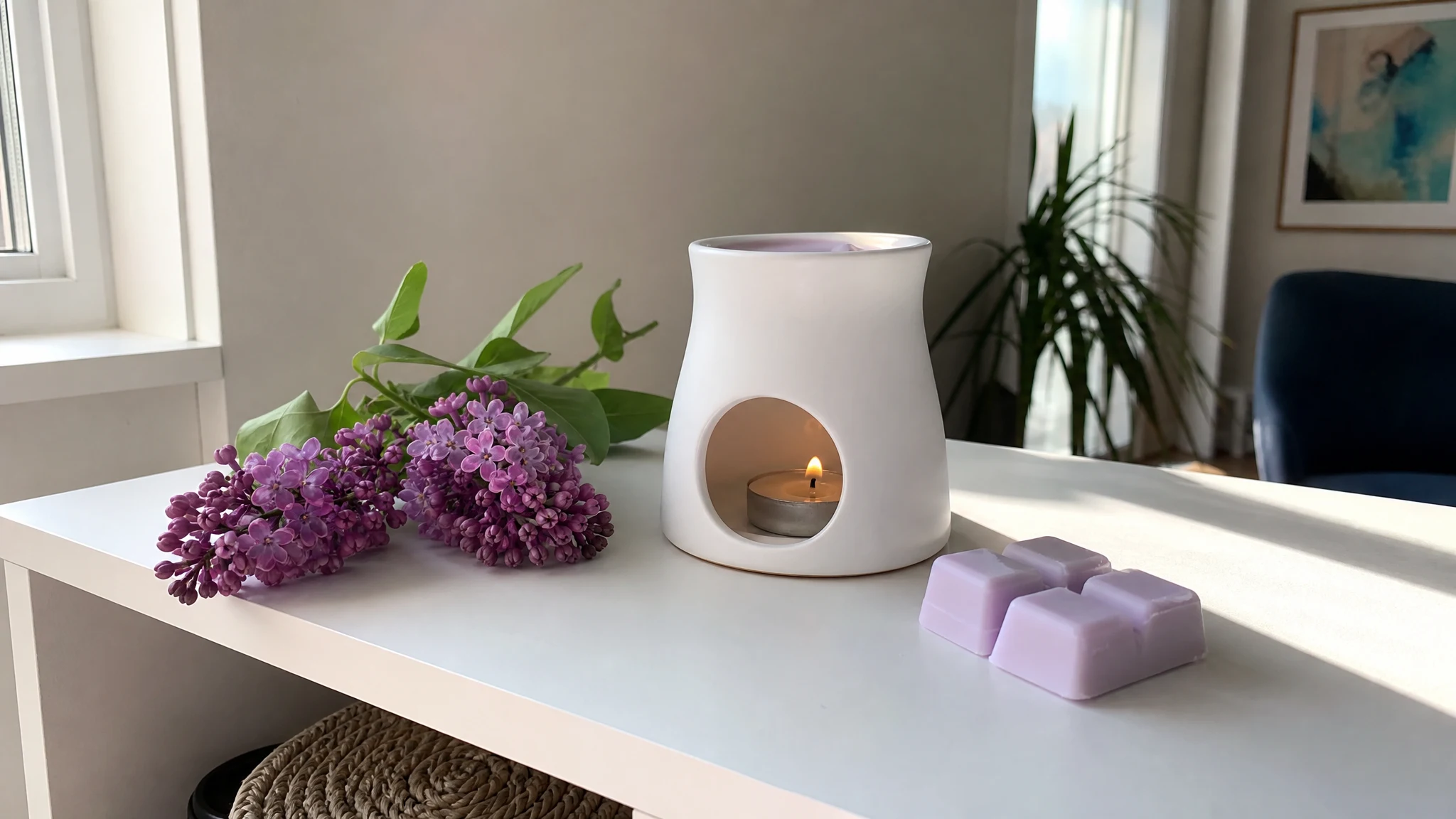
Lilac Wax Melts: How Much Oil, Which Wax, What Order
Wax melts are a friendly way to try lilac. Here is the right wax, the grams of oil per 100 g, the pour and rest steps, and what to ask before selling.
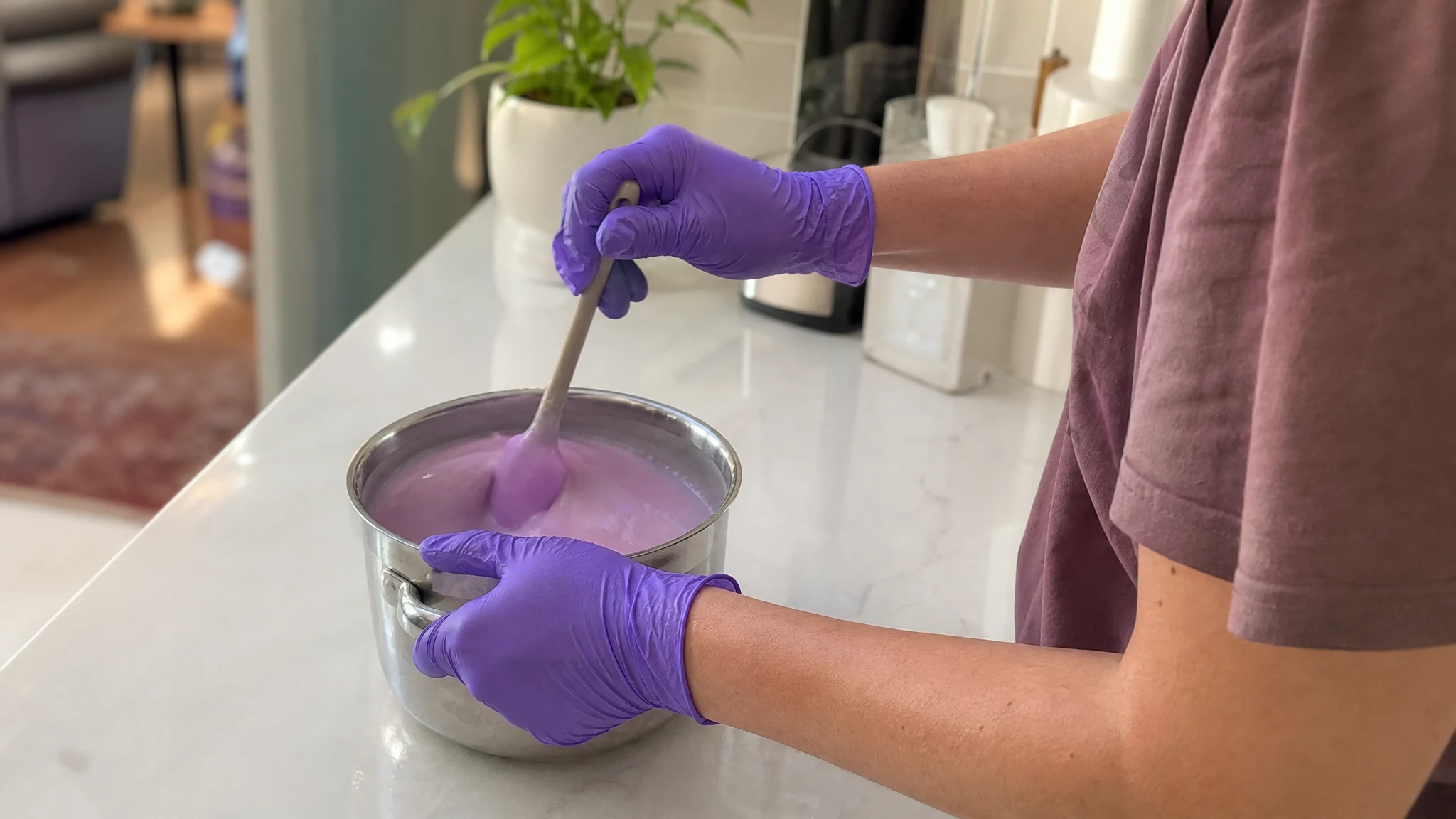
Lilac Cold Process Soap: A Small First Batch
A 500 g starter batch with the lye math done, fragrance amounts in grams, and what a soft floral like lilac tends to do once it meets raw soap batter.
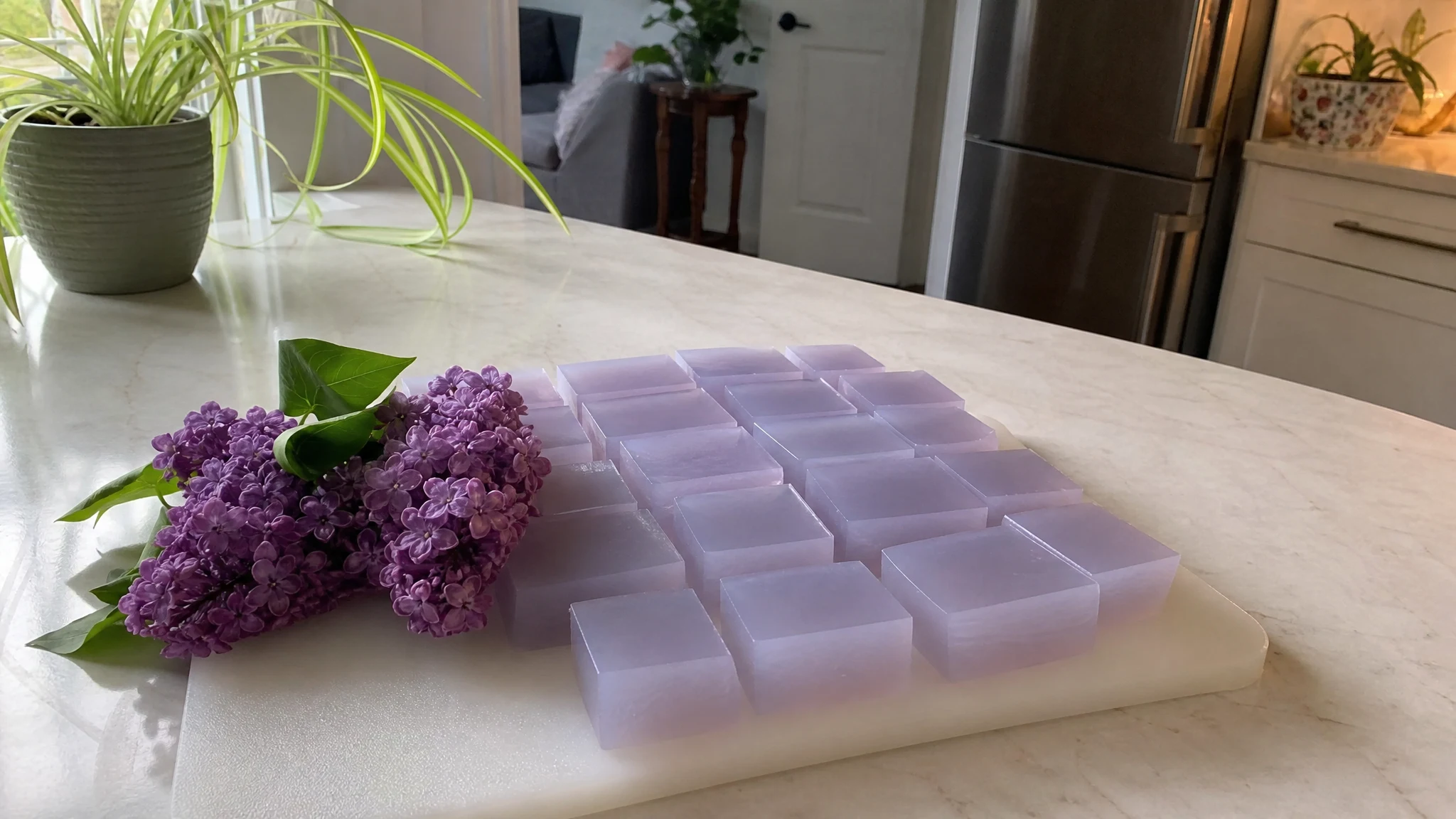
Melt and Pour Lilac Soap: A Step-by-Step Guide
No lye, no weeks of curing. Your base sets the fragrance limit, so here is how to read it, do the gram sums, and add lilac late for a bar ready to unmold.
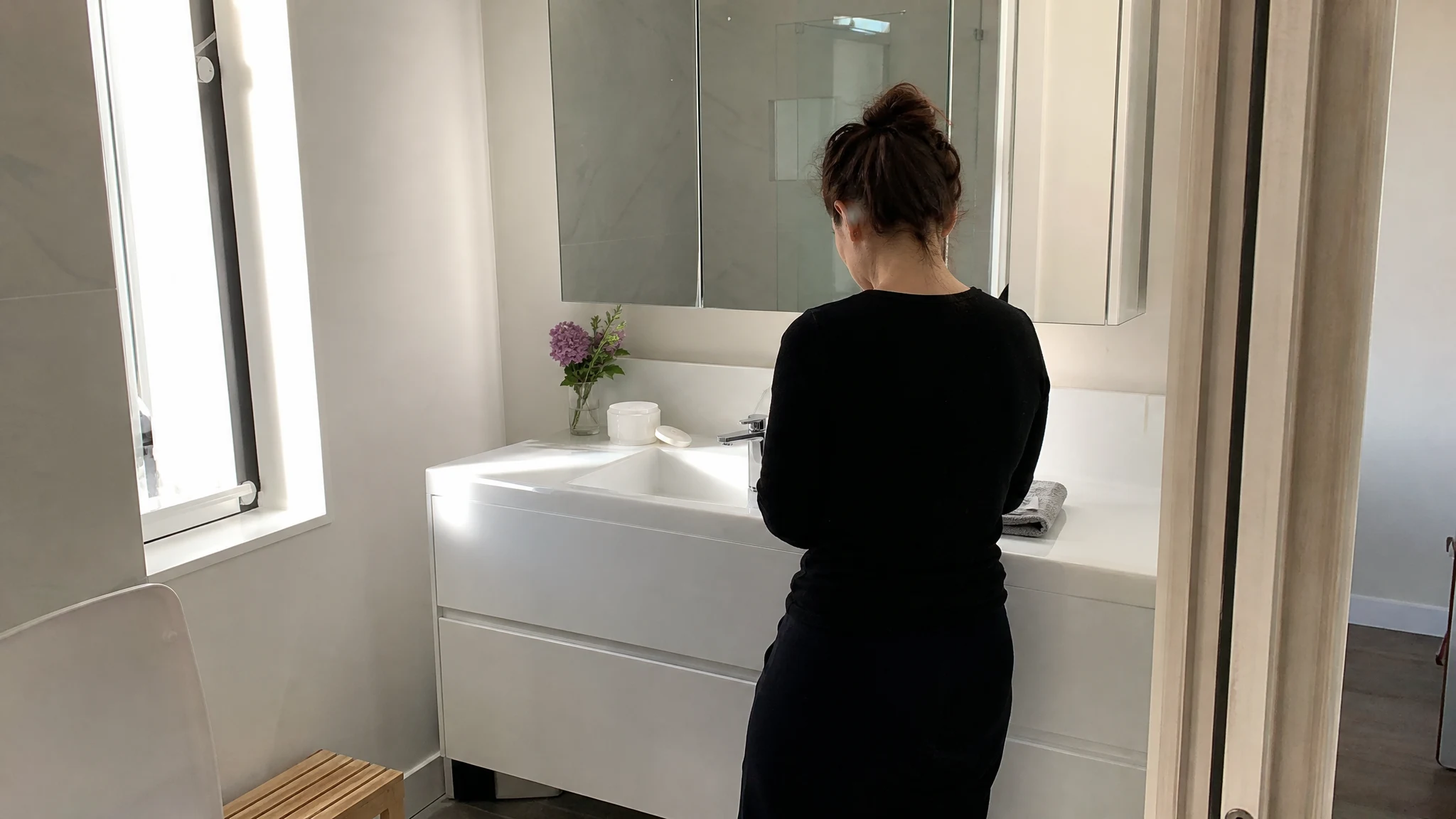
Lilac Lotion: Scenting a Ready-Made Base
The easiest lilac lotion starts with an unscented base that is already preserved. Here is how much lilac oil to add, how to weigh it, and why.
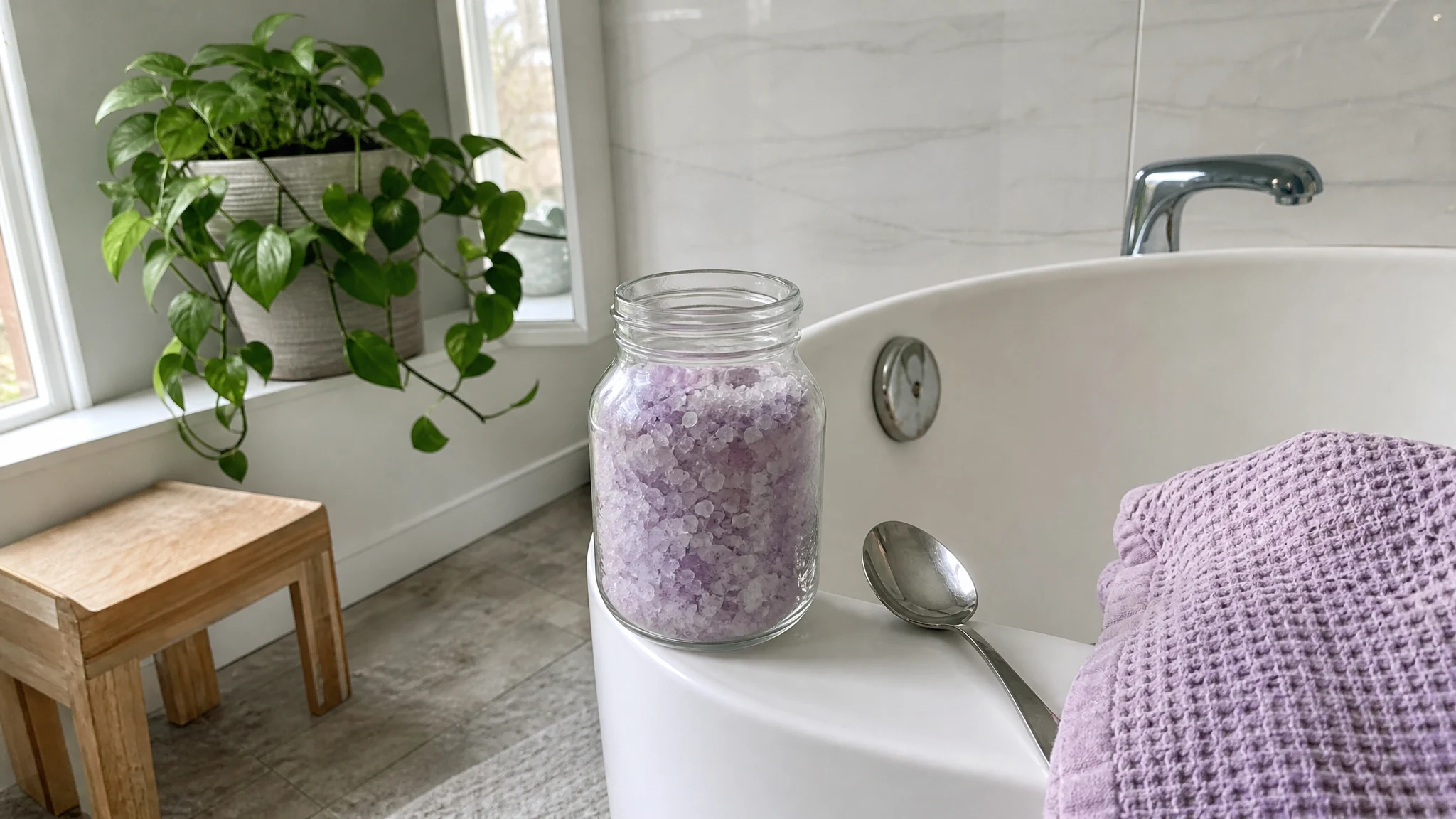
Lilac Bath Salts: How to Scent Them the Right Way
If you want lilac in the bath, make salts first. Here is how to mix the oil into a carrier so it spreads through the tub, plus the drops per batch.
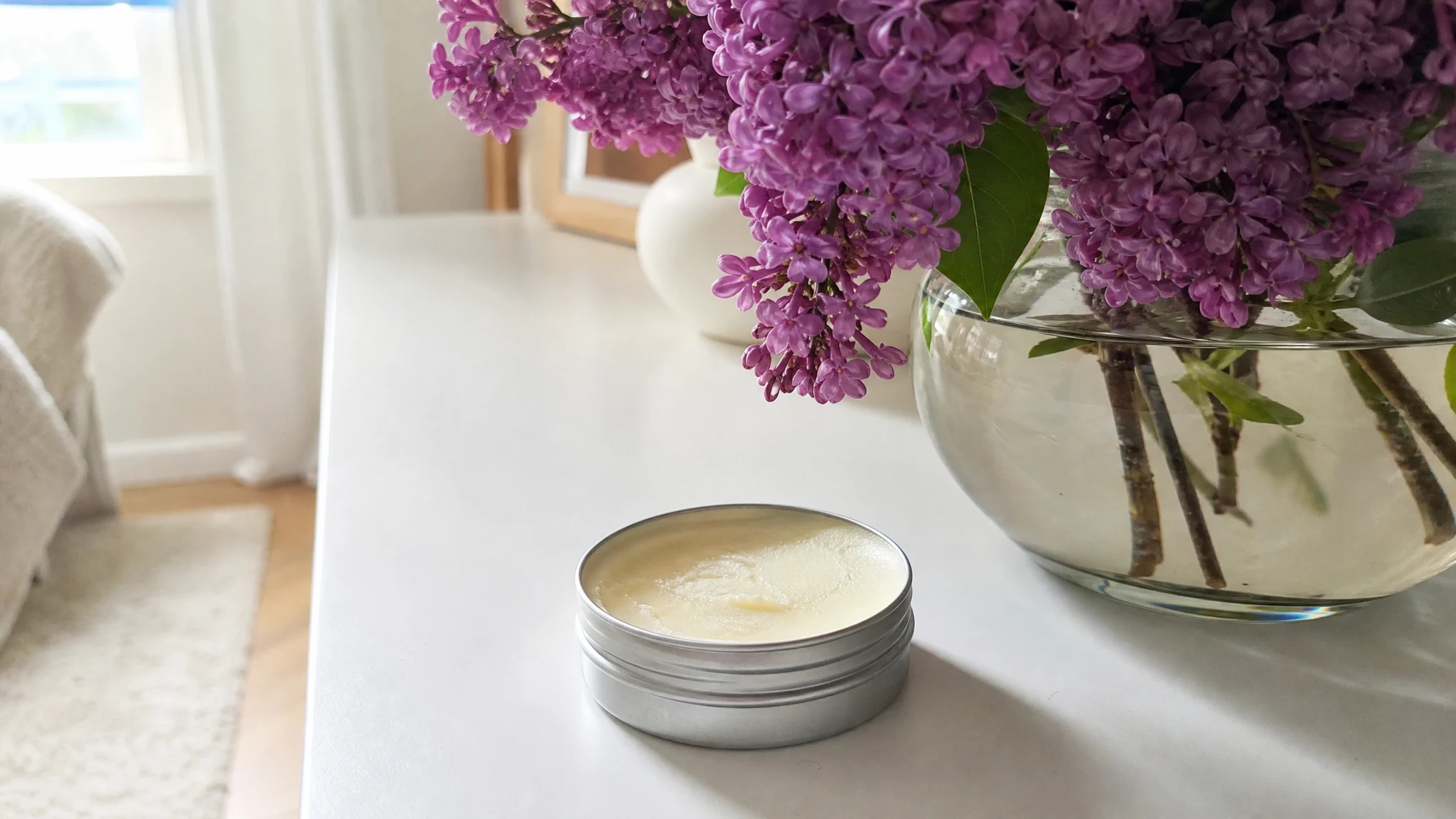
Lilac Solid Perfume: A Simple 30 g Tin Recipe
A solid perfume keeps lilac close and gentle. Here are the wax and carrier ratios, the grams for a 30 g batch, and where to land on strength.
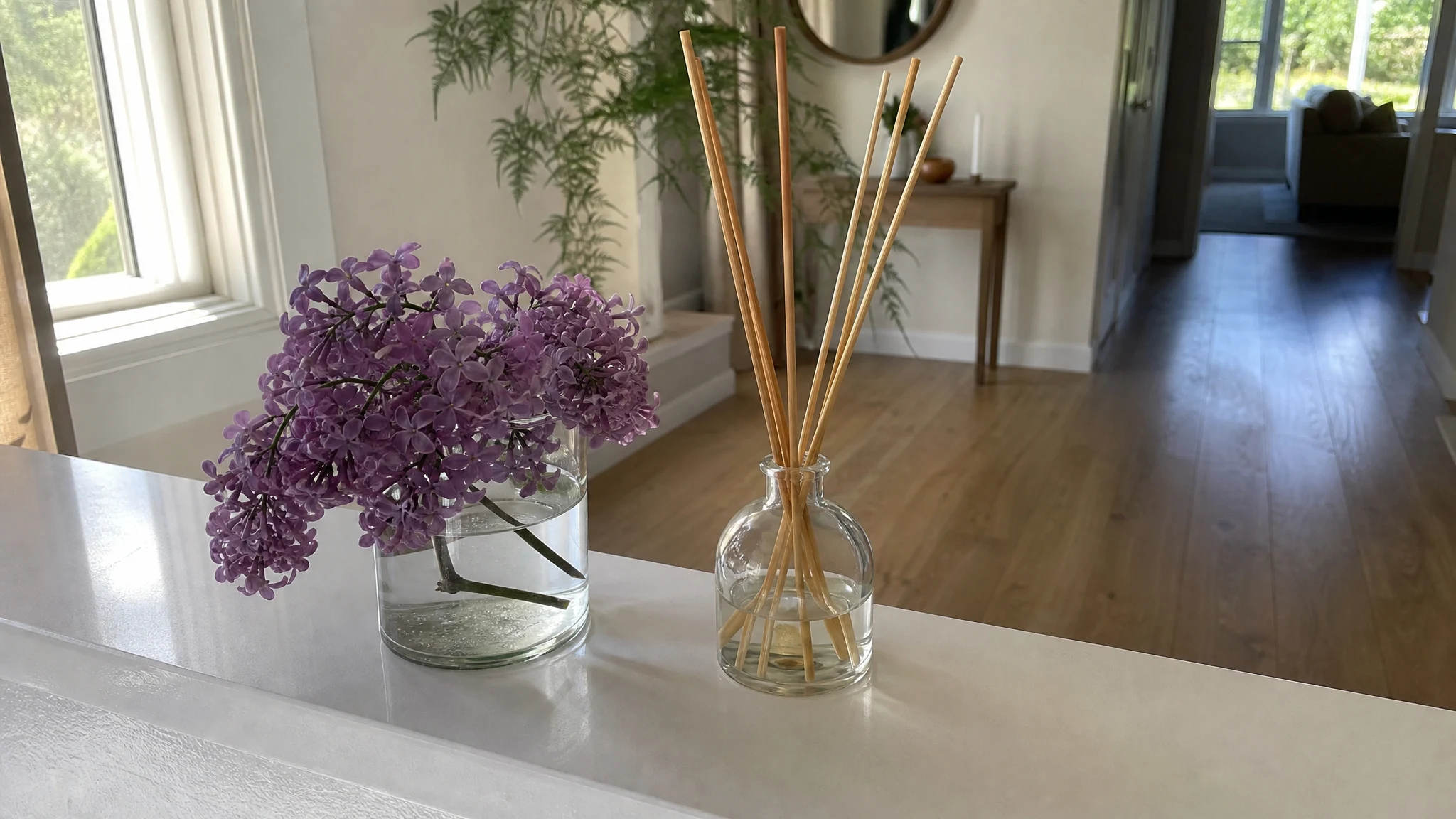
Lilac Reed Diffuser: How to Mix and Test a Small Batch
A reed diffuser can carry lilac through a room. Here is the base, the grams for a 100 g fill, and a small 10 g test mix to try before you commit a bottle.
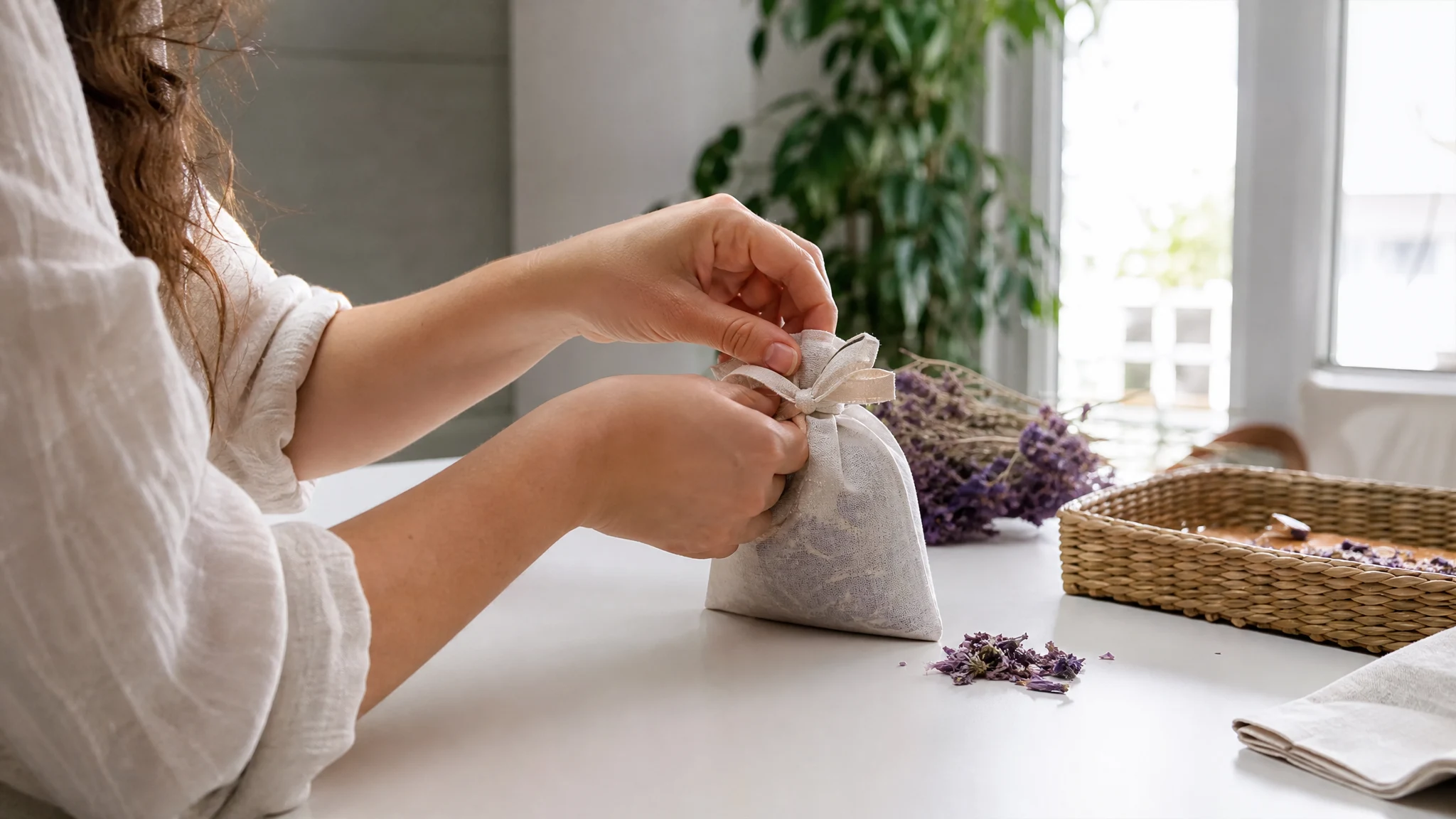
Lilac Sachets and Potpourri: How to Make Them Last
Lilac scent lives in the fixative, not the petals. Here is the order of work, the extension recipe amounts in grams, and how long to let the jar rest.
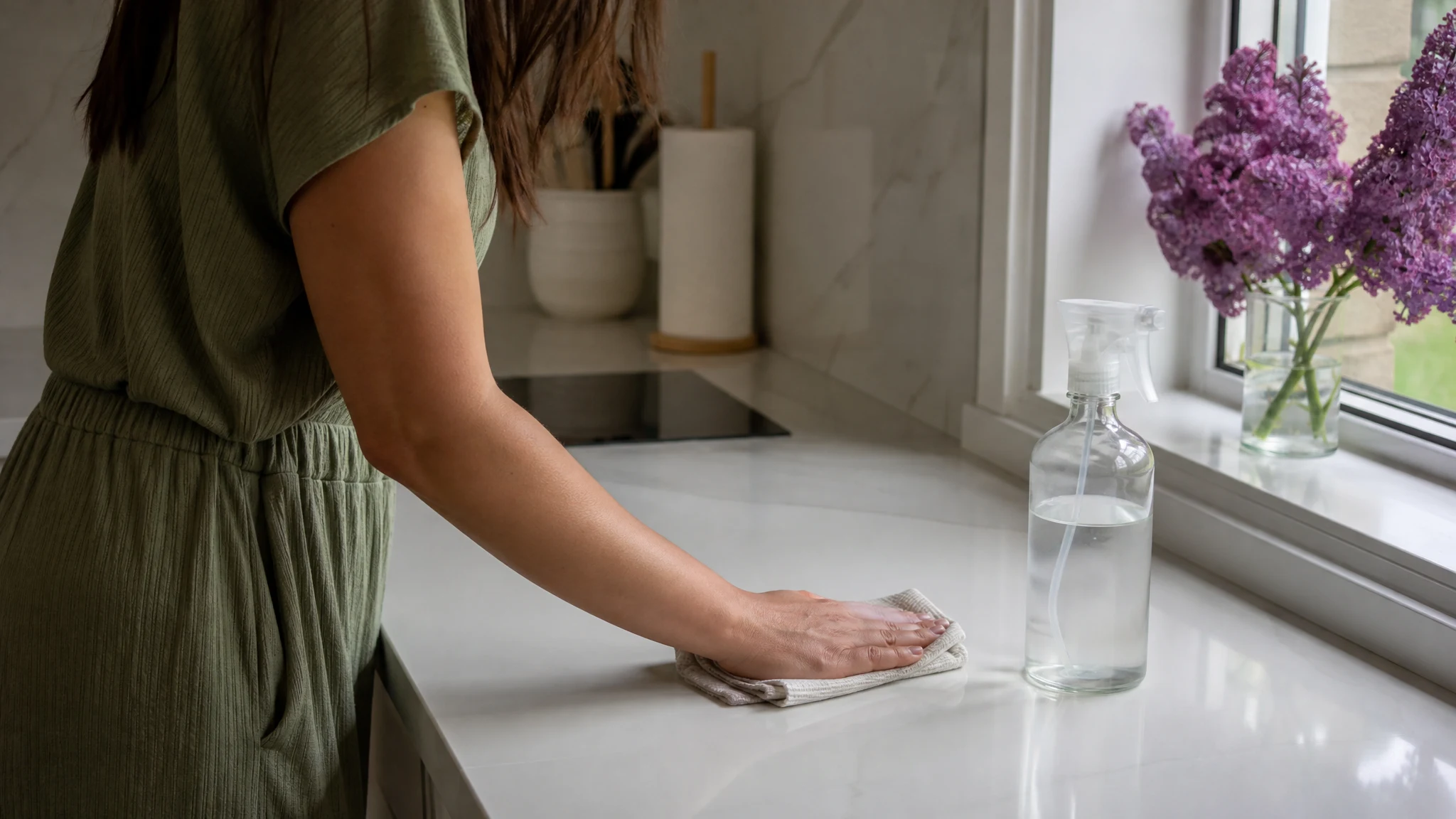
Lilac Cleaning Spray: A Homemade Recipe for Spring
Lilac oil gives a homemade cleaning spray a spring-morning scent. Here is the simple base, the drops per bottle, and the label wording to keep it honest.
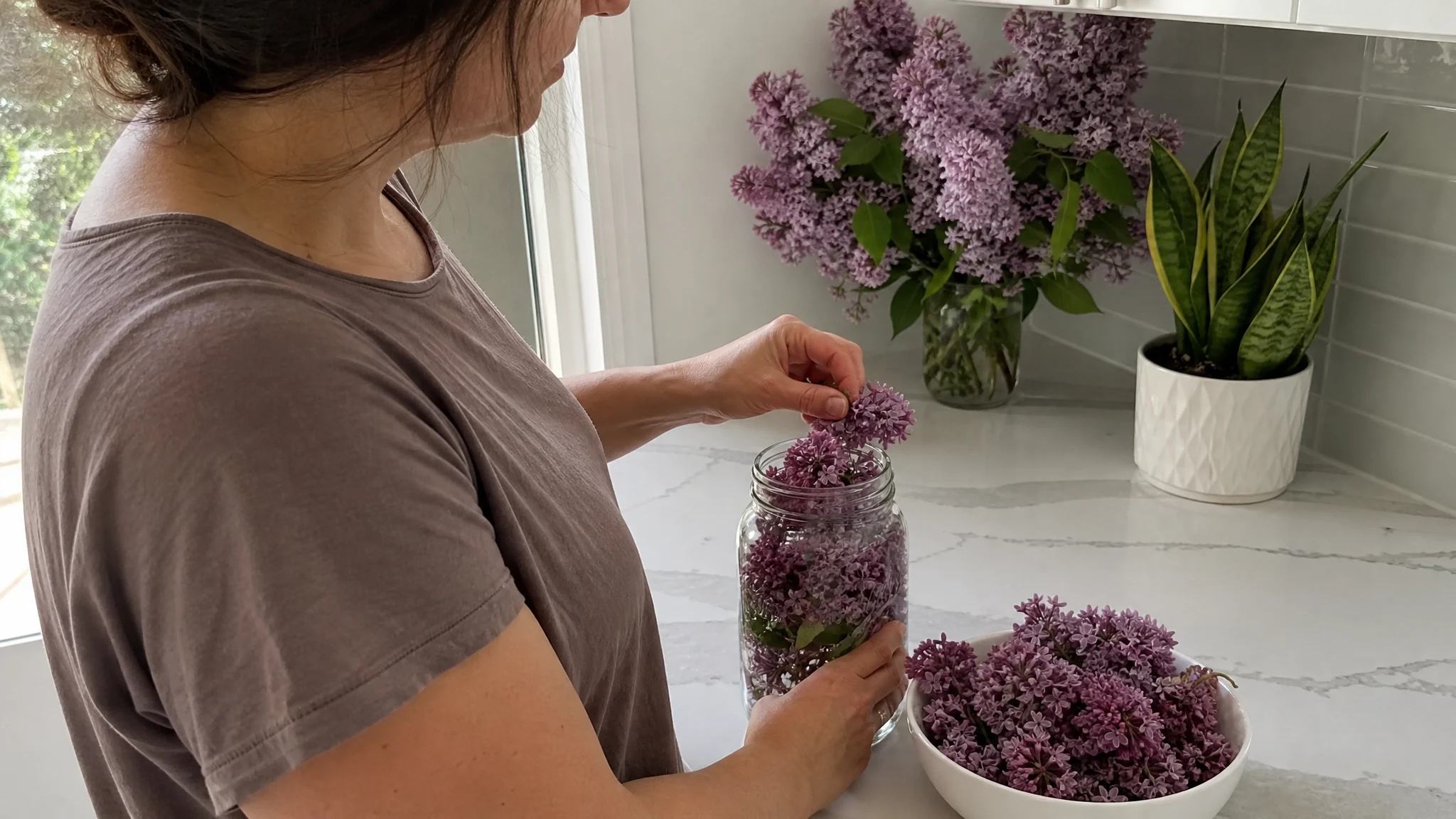
Lilac Infused Oil: Can You Steep Blossoms at Home?
Steeping lilac blossoms in oil is a pretty idea with one safety rule to know first. Here is the guidance, the scent to expect and a short method.
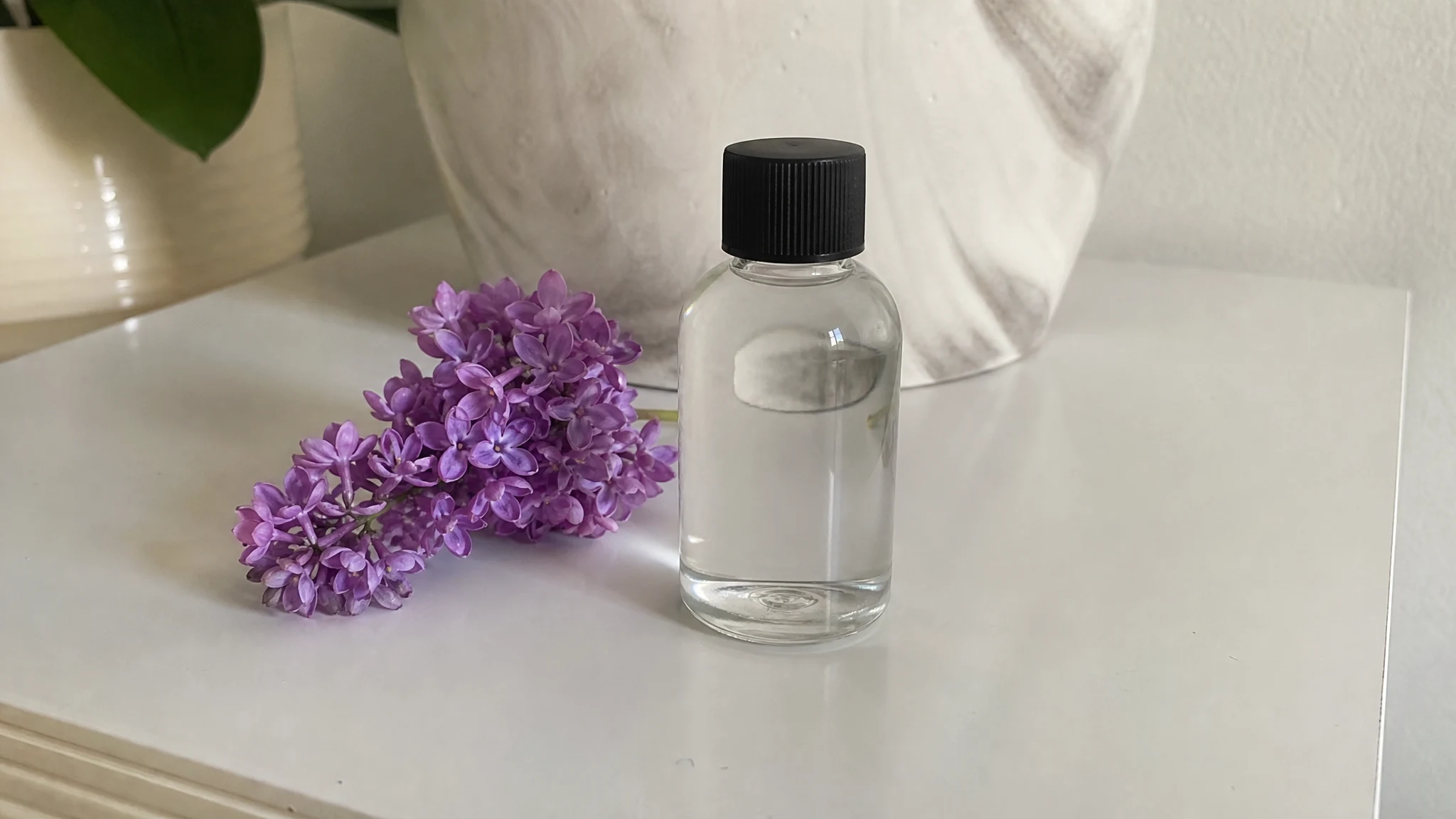
Lilac Rollerball Perfume: A 10 ml Recipe Drop by Drop
A lilac rollerball takes only a few drops. Here is the arithmetic for a 10 ml bottle, a no-water method, and how to keep the scent soft and wearable.
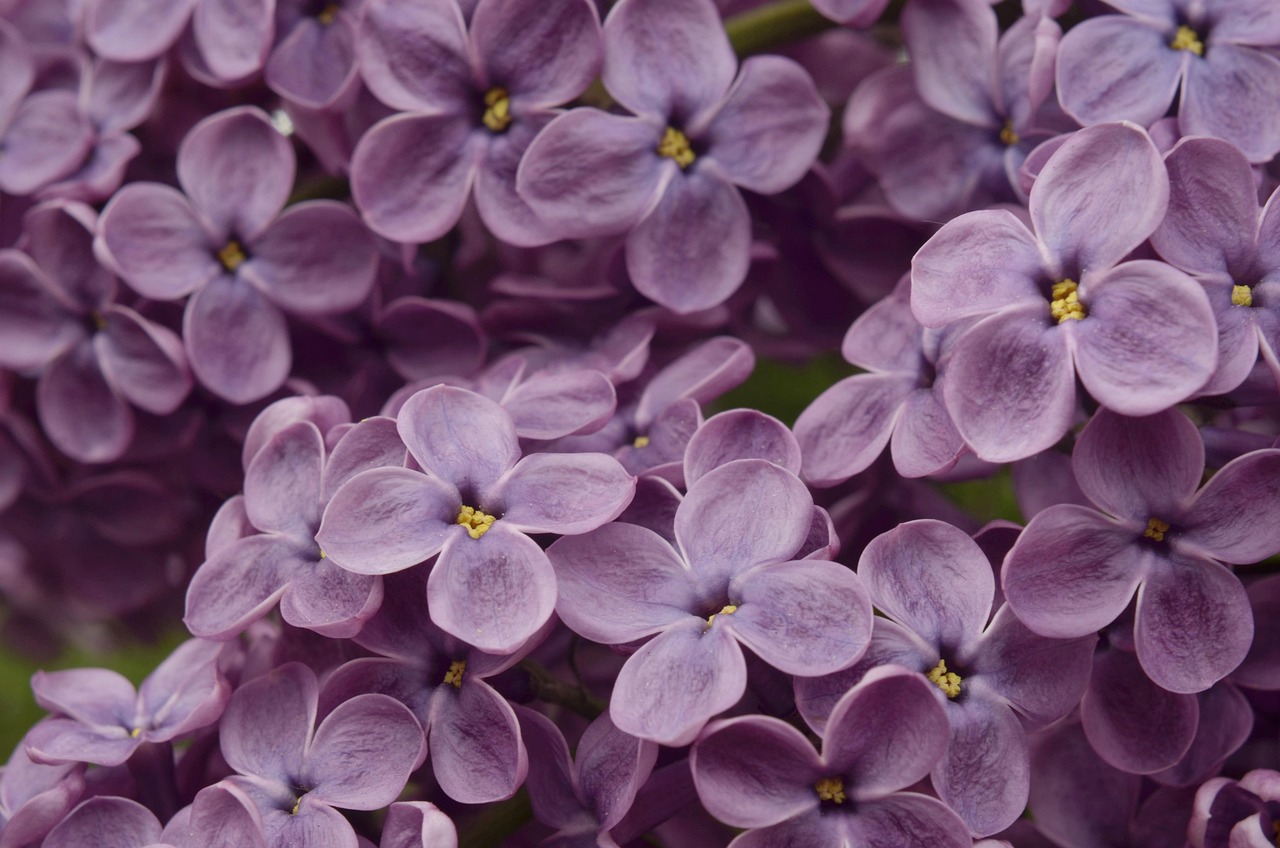
Lilac Body Oil Recipe: A Light, Weighed Blend
One carrier oil, a small weighed amount of lilac, no water and no heat. Here is the arithmetic for a 100 g batch and how to keep the scent light.