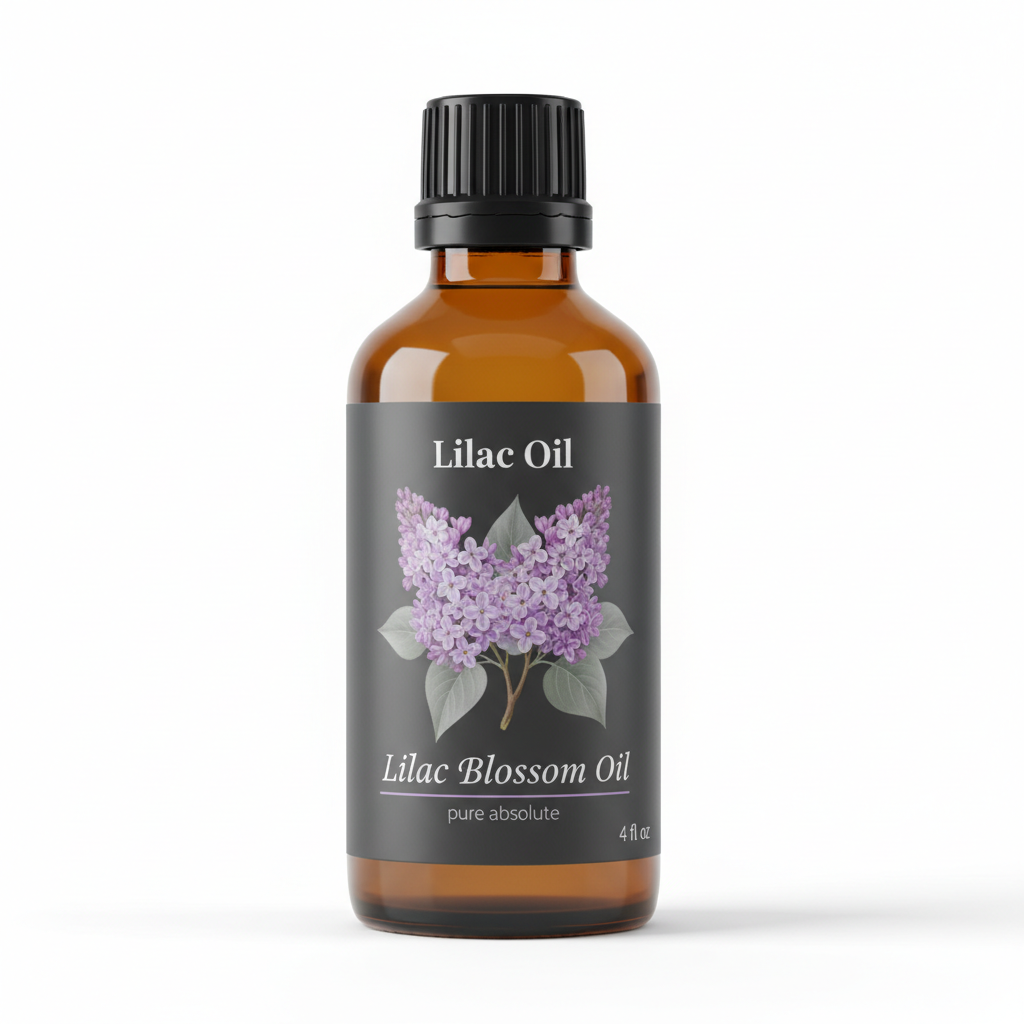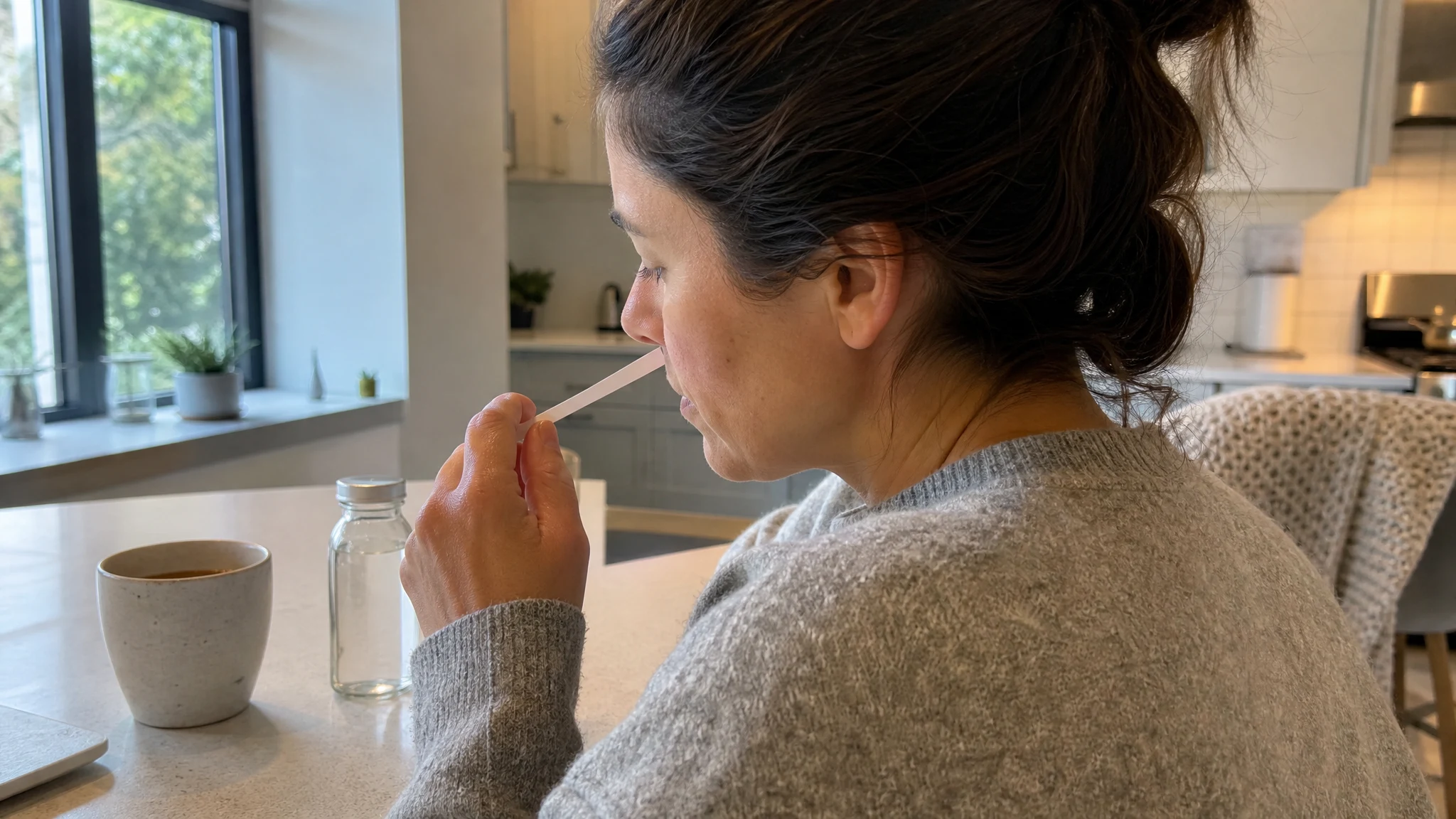
Does Lilac Oil Go Bad? How to Tell When It Has Turned
A bottle of lilac oil rarely fails all at once. It drifts. Learn what changes first, how to spot it by nose, and how to keep a reference for comparison.
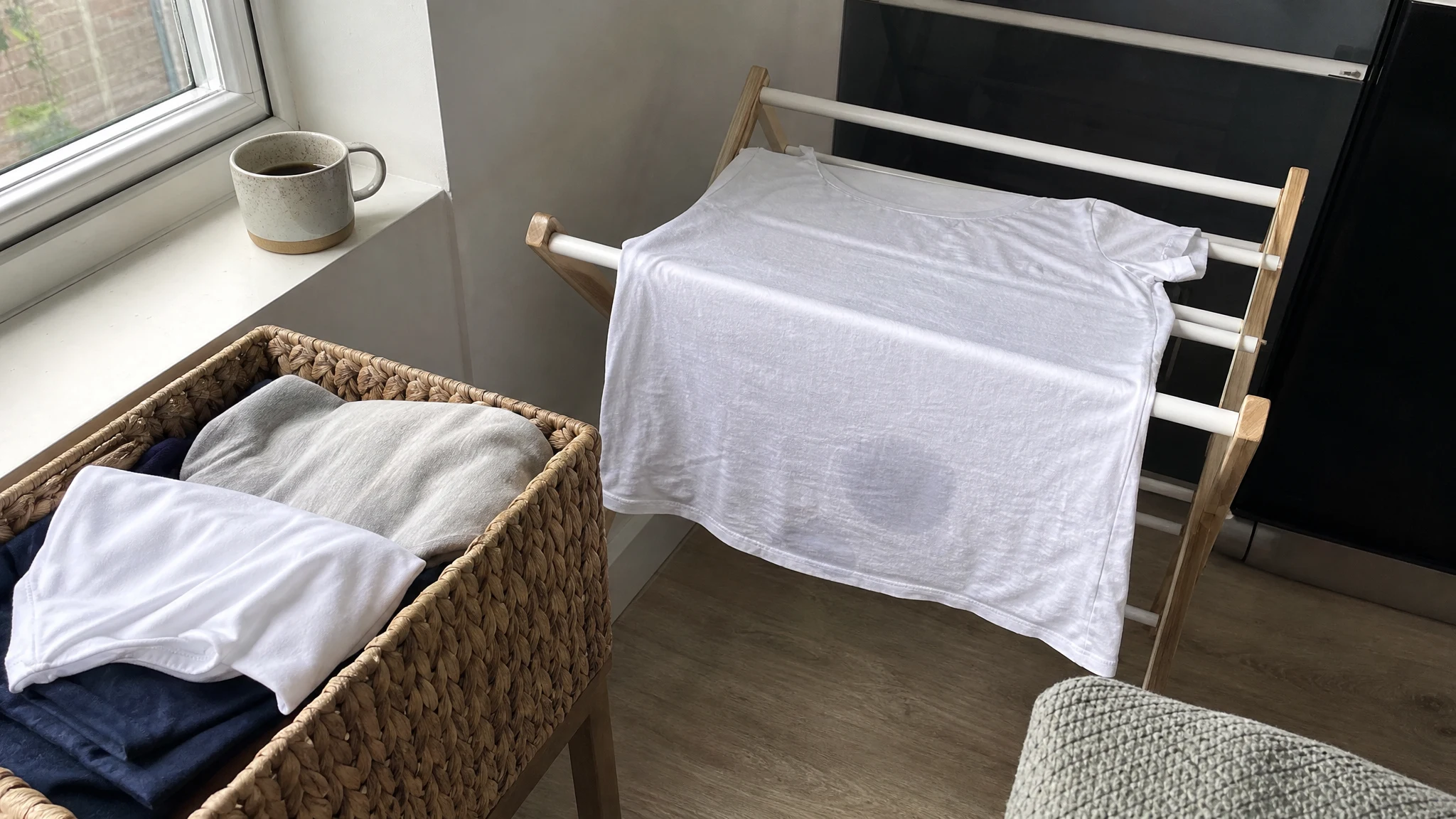
Does Lilac Oil Stain? Getting It Out of Fabric and Wood
A spilled drop of lilac oil leaves a grease-type mark. See what lifts it from cotton, what to test first, and when a silk scarf belongs with a dry cleaner.

Weak Lilac Candle Scent: Five Checks Before More Oil
Before pouring another lilac candle with more oil, run five checks: wait time, wick and melt pool, load against the wax ceiling, add temperature, room.
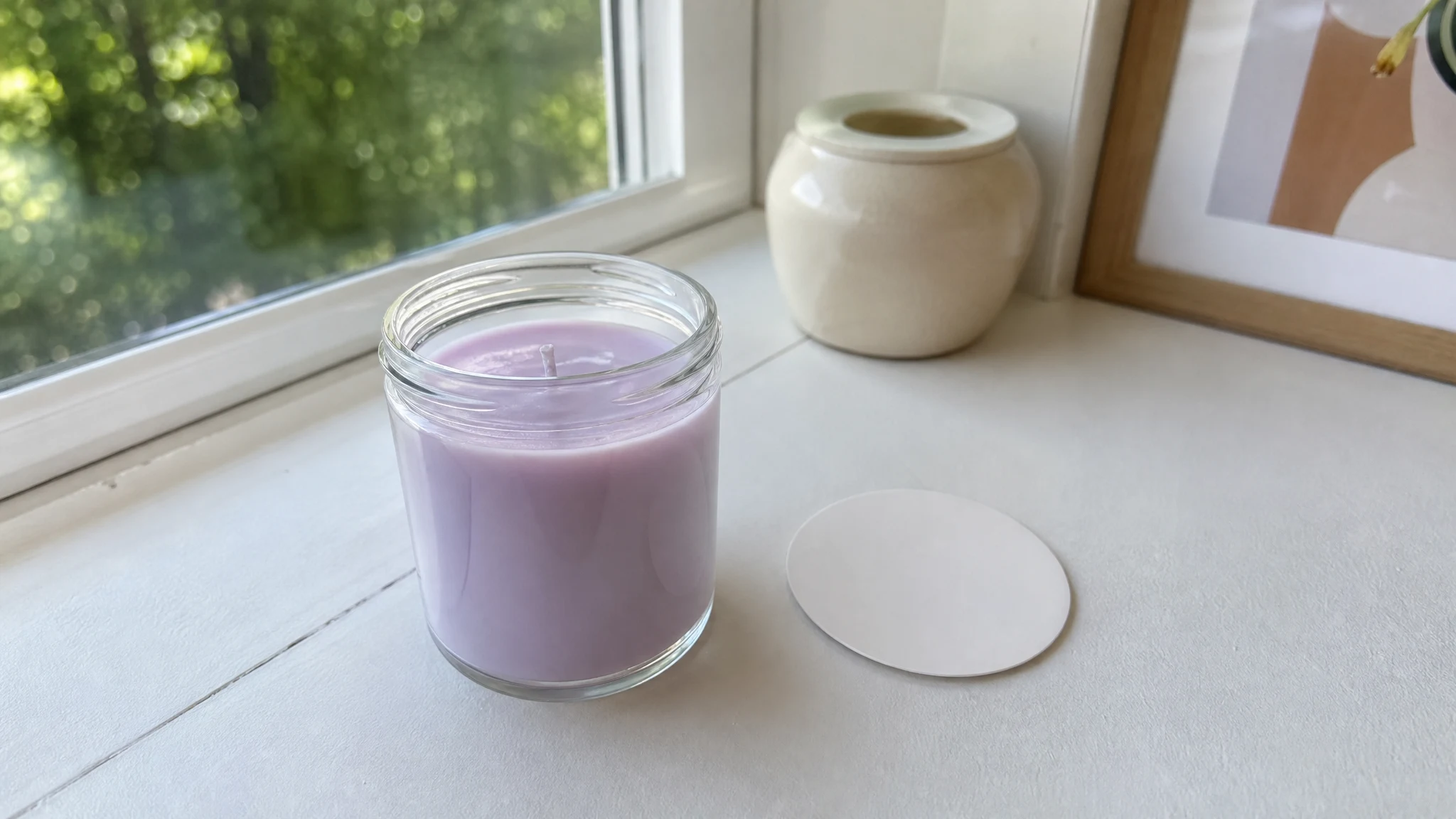
Candle Warning Labels: What Is Law and What Is Standard
Some candle labeling is federal law and some is a voluntary standard. A clear map of which is which, and the supplier papers to collect before you draft.
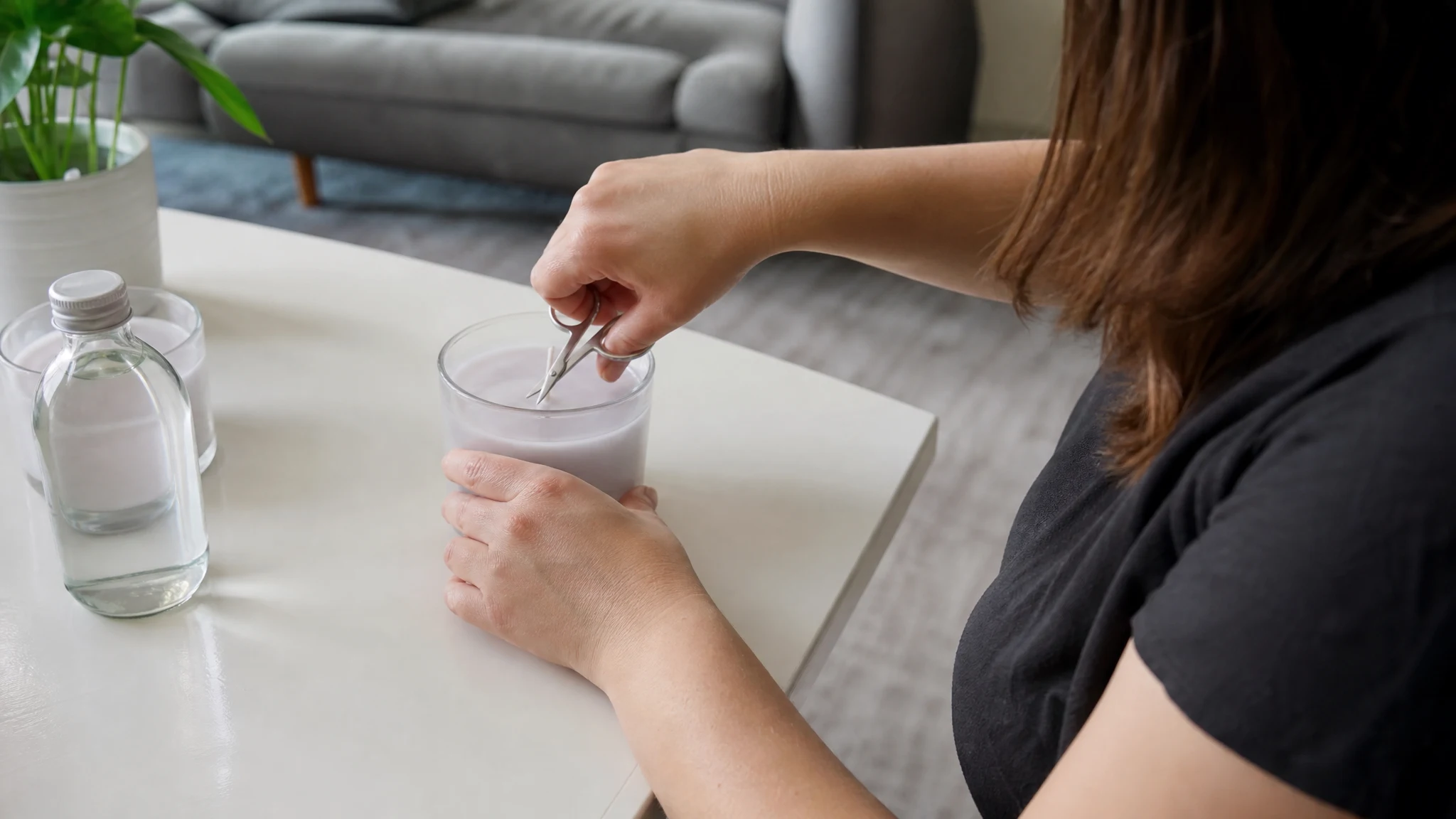
Wick Size for Lilac Soy Candles: A Burn Test Guide
A wick chart is a starting point. See what load it assumes, how dye and fragrance change the size, and a burn test that settles it before judging throw.
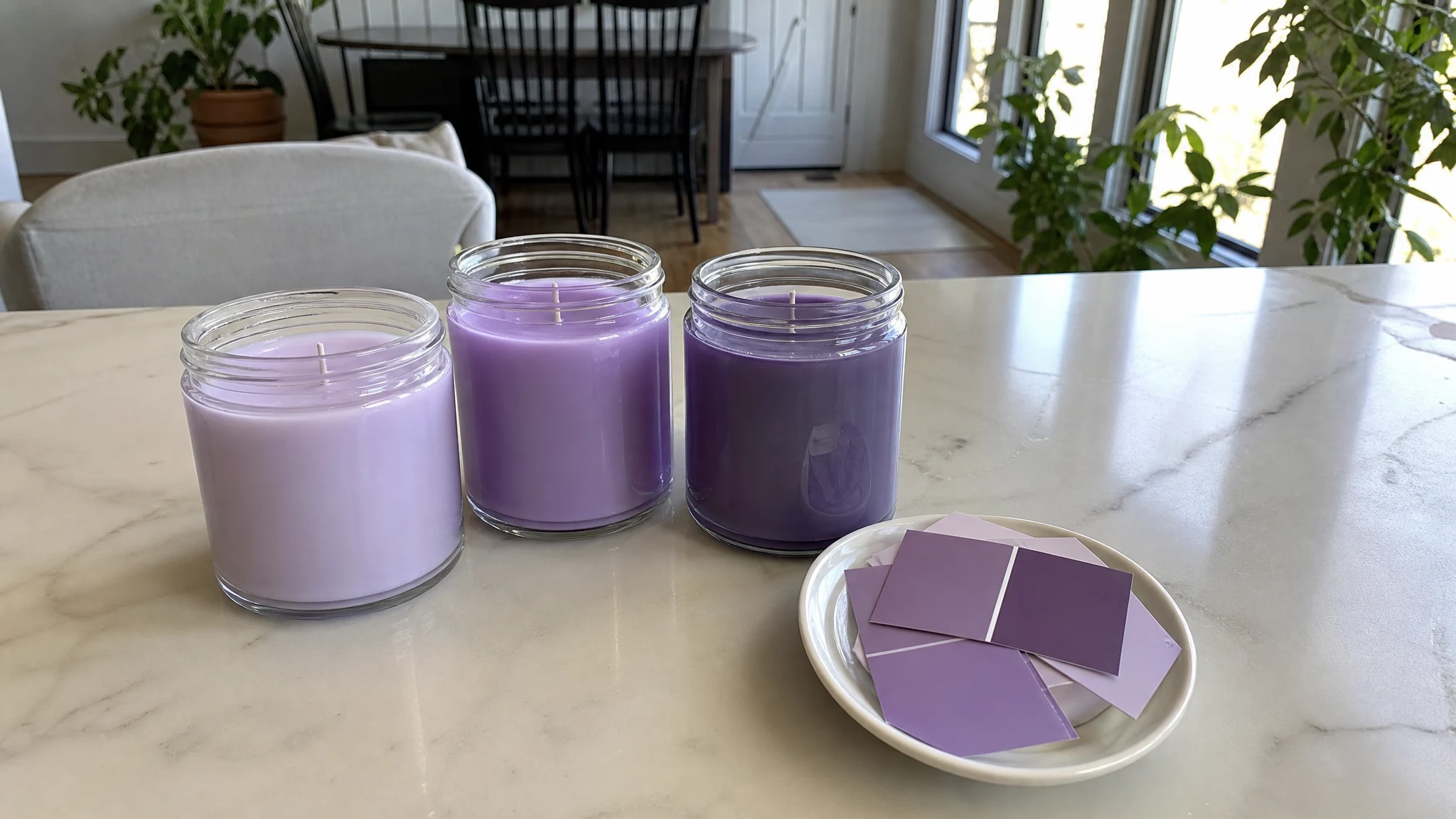
Coloring Lilac Candles: Why Less Dye Wins
A pale lilac wants a whisper of dye. See the per-pound math, why dye changes your wick choice, and how to judge the shade with the oil in the wax.
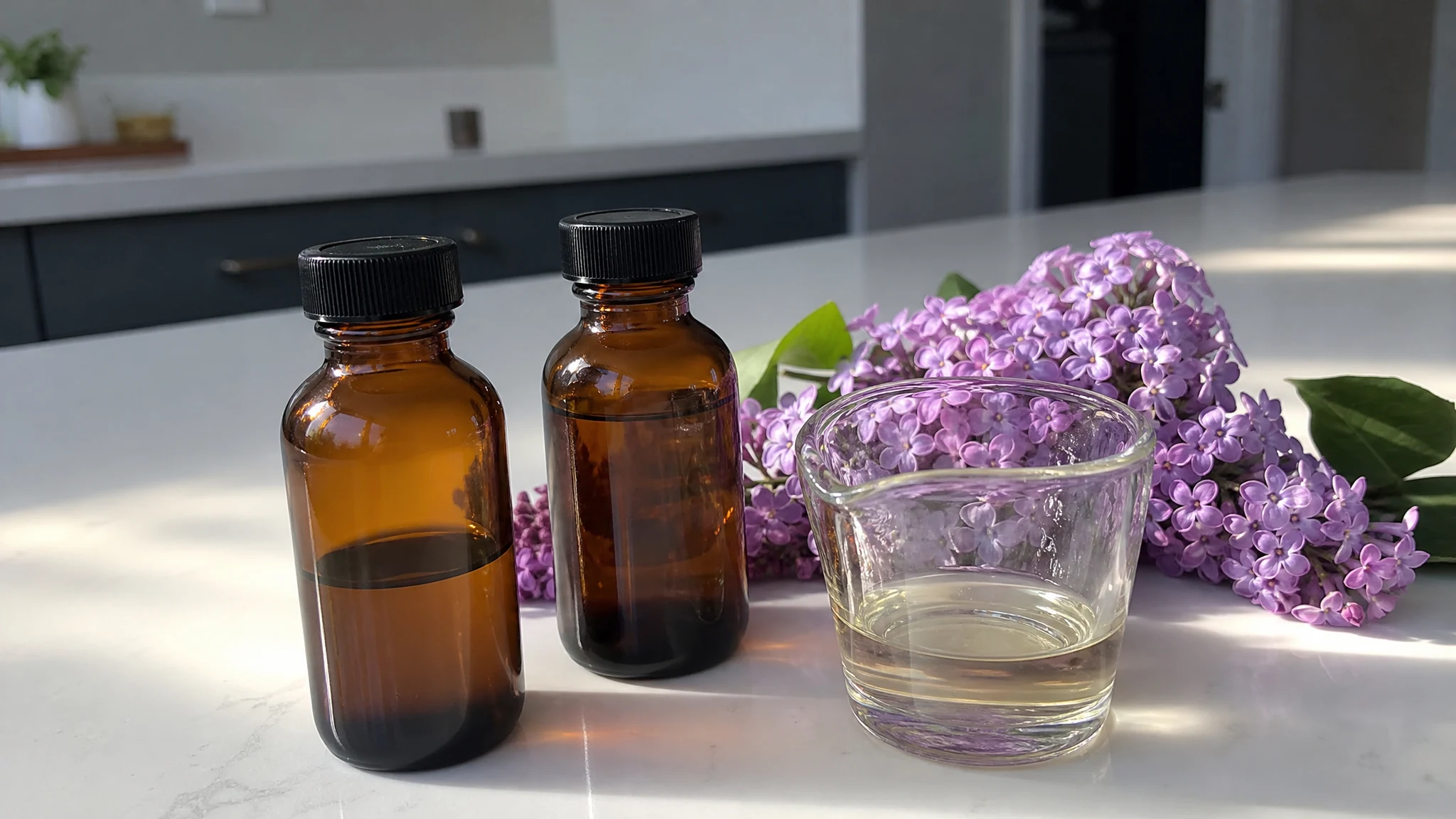
Lilac Oil Dilution Chart: Drops for Every Bottle Size
A dilution chart for 10 to 100 ml batches with ml, drops and grams, plus where to start in our 0.5% to 2% range and why the 10 ml roller is the tricky row.
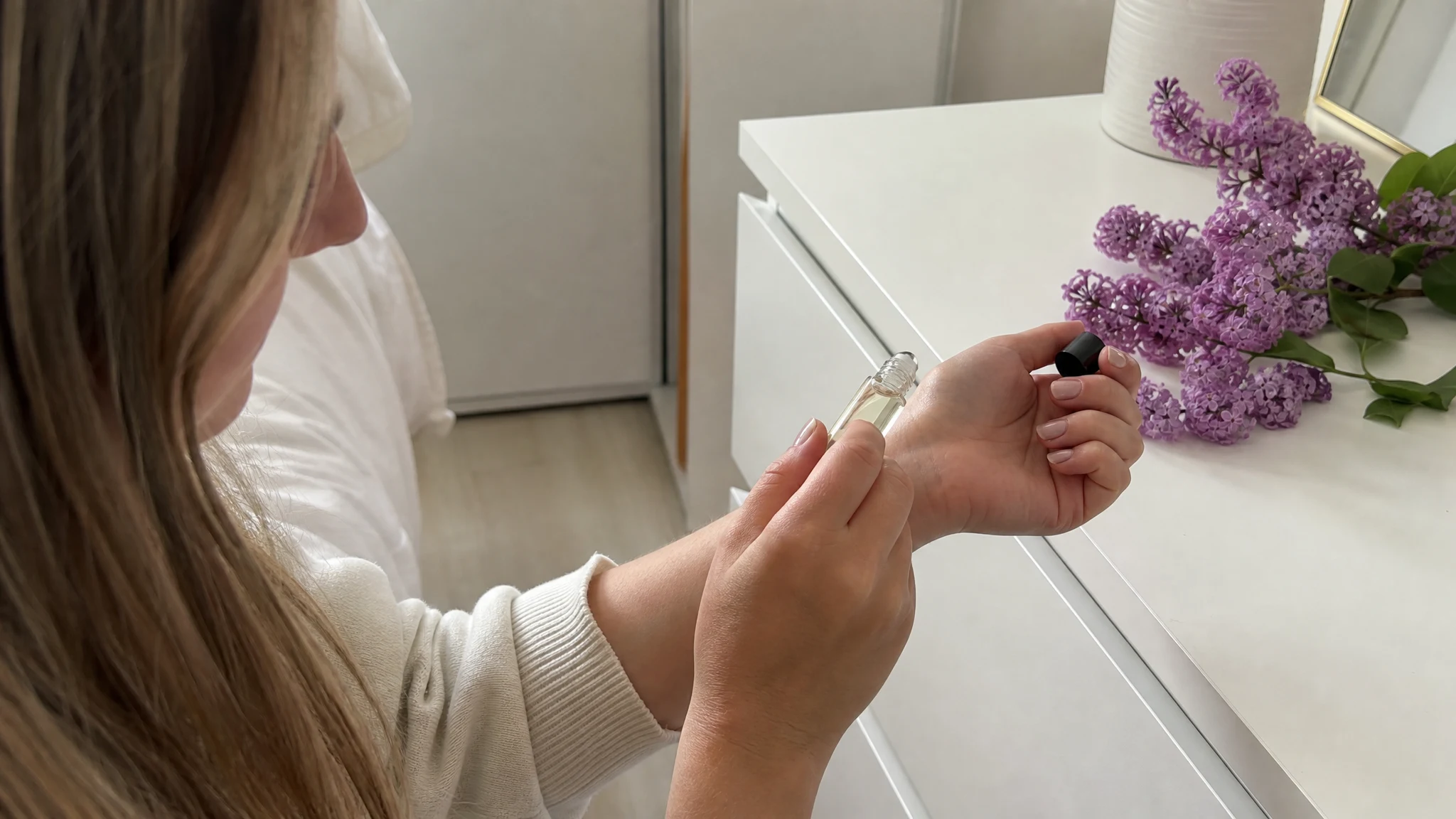
Make Lilac Scent Last: Why More Oil Is Not the Fix
Doubling the oil buys a third longer wear at best. Changing the base can double it. See the simple model and a short routine for making lilac last on skin.
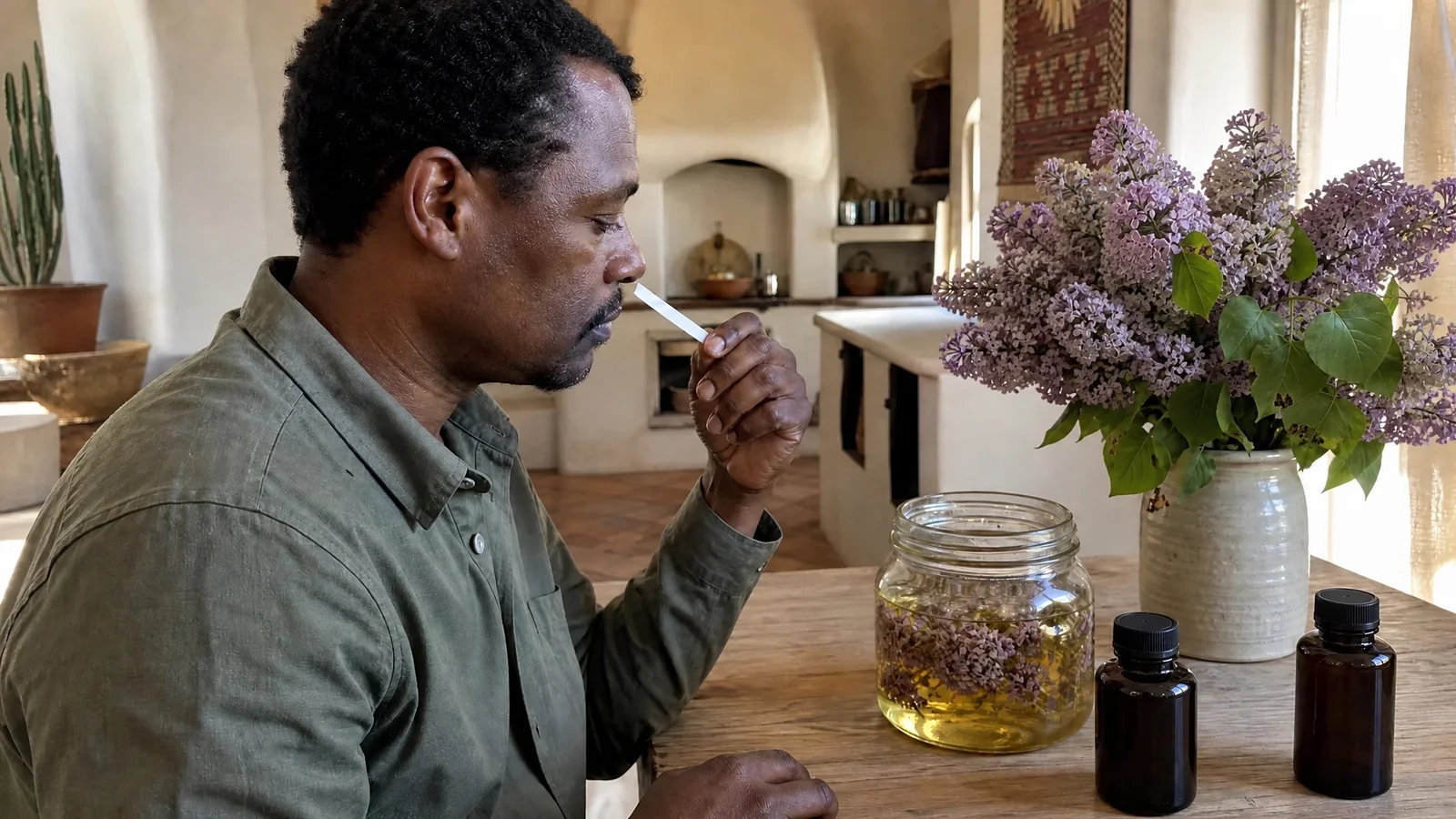
How Lilac Oil Is Built: A Composed Scent Explained
Lilac will not give up its scent to a still, so the oil is composed. Learn what an accord is and how we balance ours, from green stem to musky base.
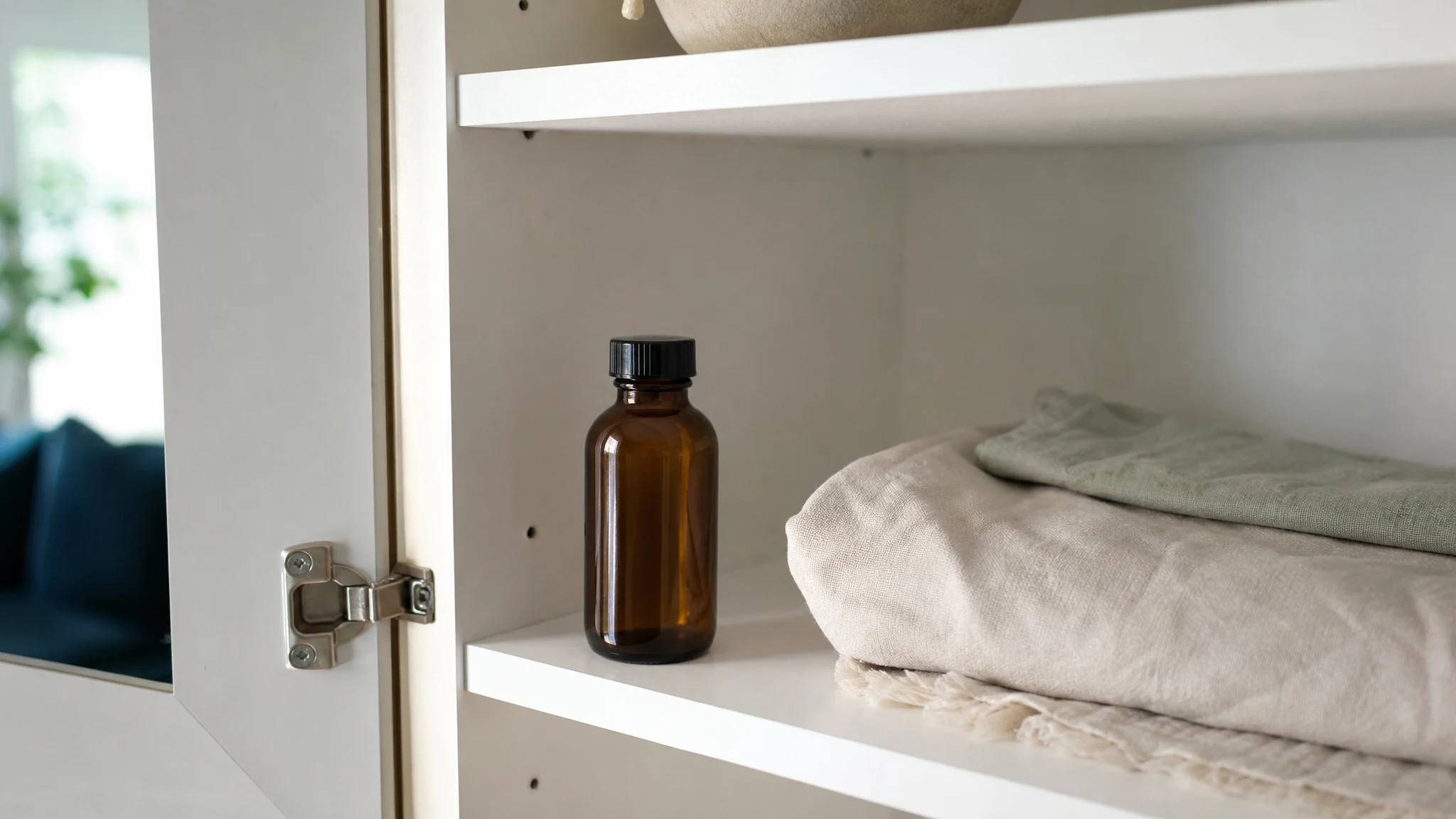
How to Store Lilac Oil So It Keeps Its Scent
Heat, light and air age a delicate floral oil. Here is where to keep your bottle, how to decant bulk, and how to tell when it is time to retire it.
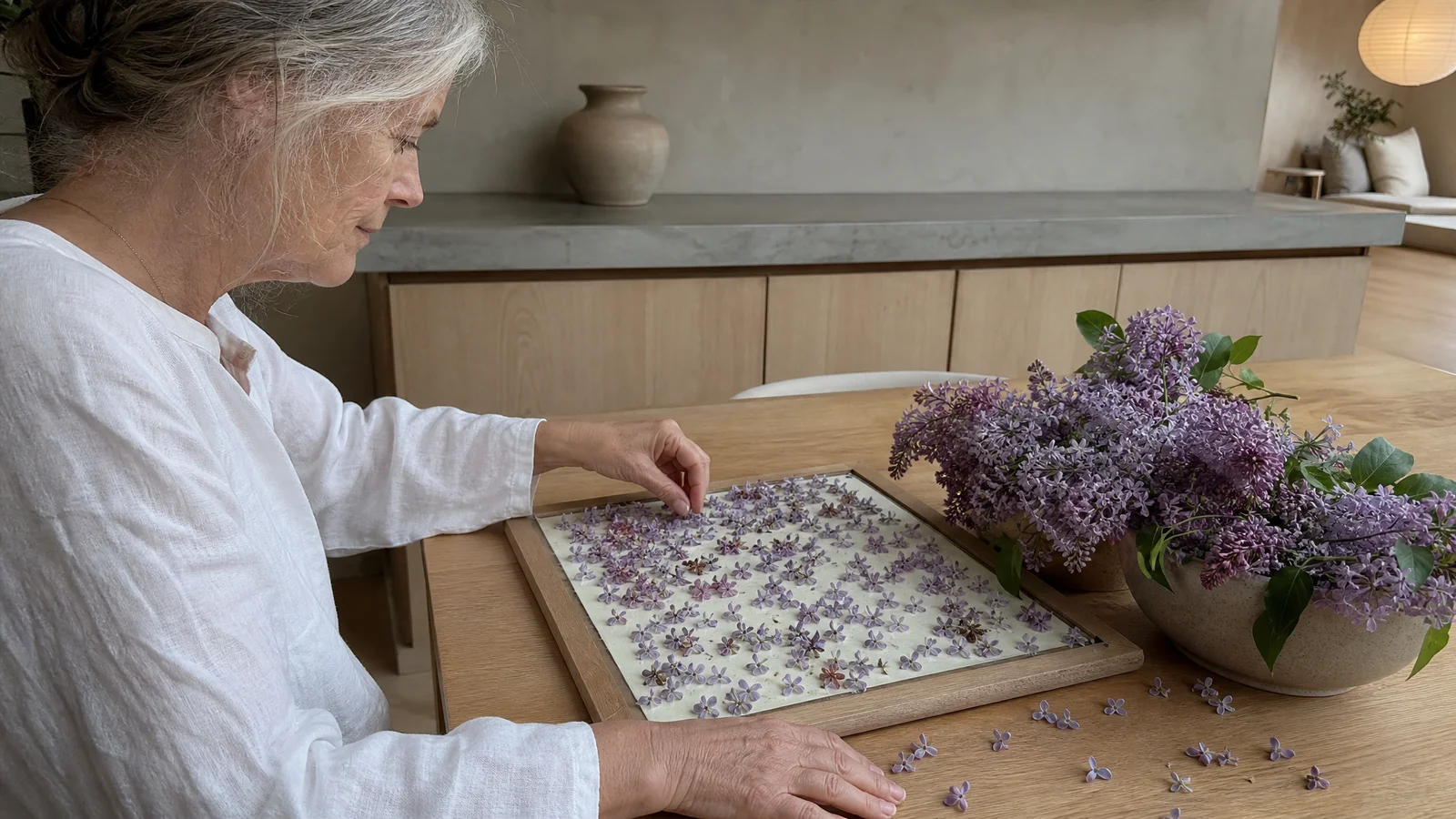
Lilac Enfleurage: How Perfumers Captured Flowers in Fat
Grasse perfumers pressed flowers into fat to catch their scent. How the method worked, what we know about lilac, and why fresh blossoms in fat need care.
Lilac Oil Labels Decoded: What Each Line Tells You
A label asks for less than you would expect. See which lines US rules require, which are voluntary, and what to ask a seller that no label will ever show.