Lilac Enfleurage: How Perfumers Captured Flowers in Fat
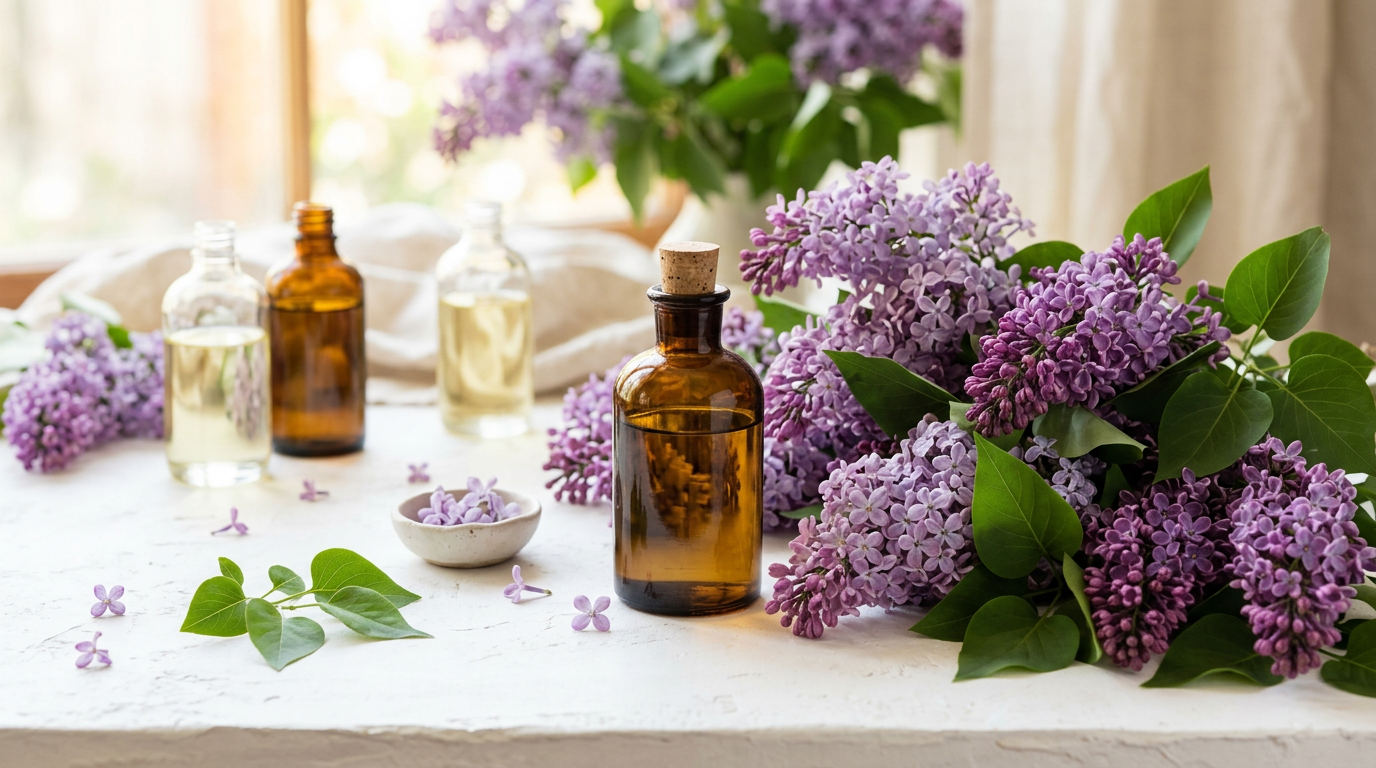
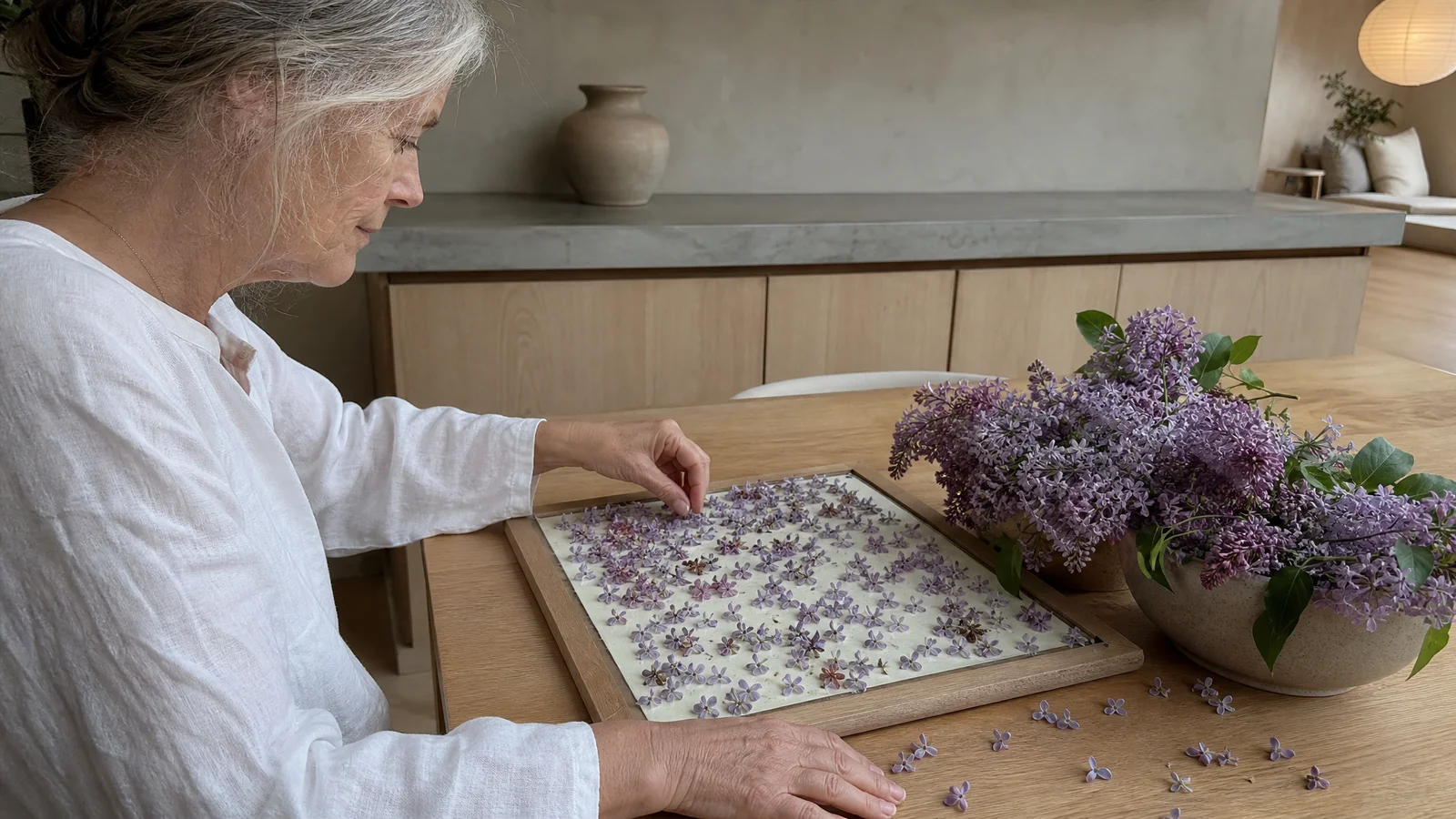
Pressing flowers into fat to catch their scent sounds like a kitchen-counter craft, and the image is lovely. In the perfume houses of Grasse, though, enfleurage was a factory method with a very particular product at the end, and that history is the best guide to what a lilac version would actually involve.
How perfumers did it
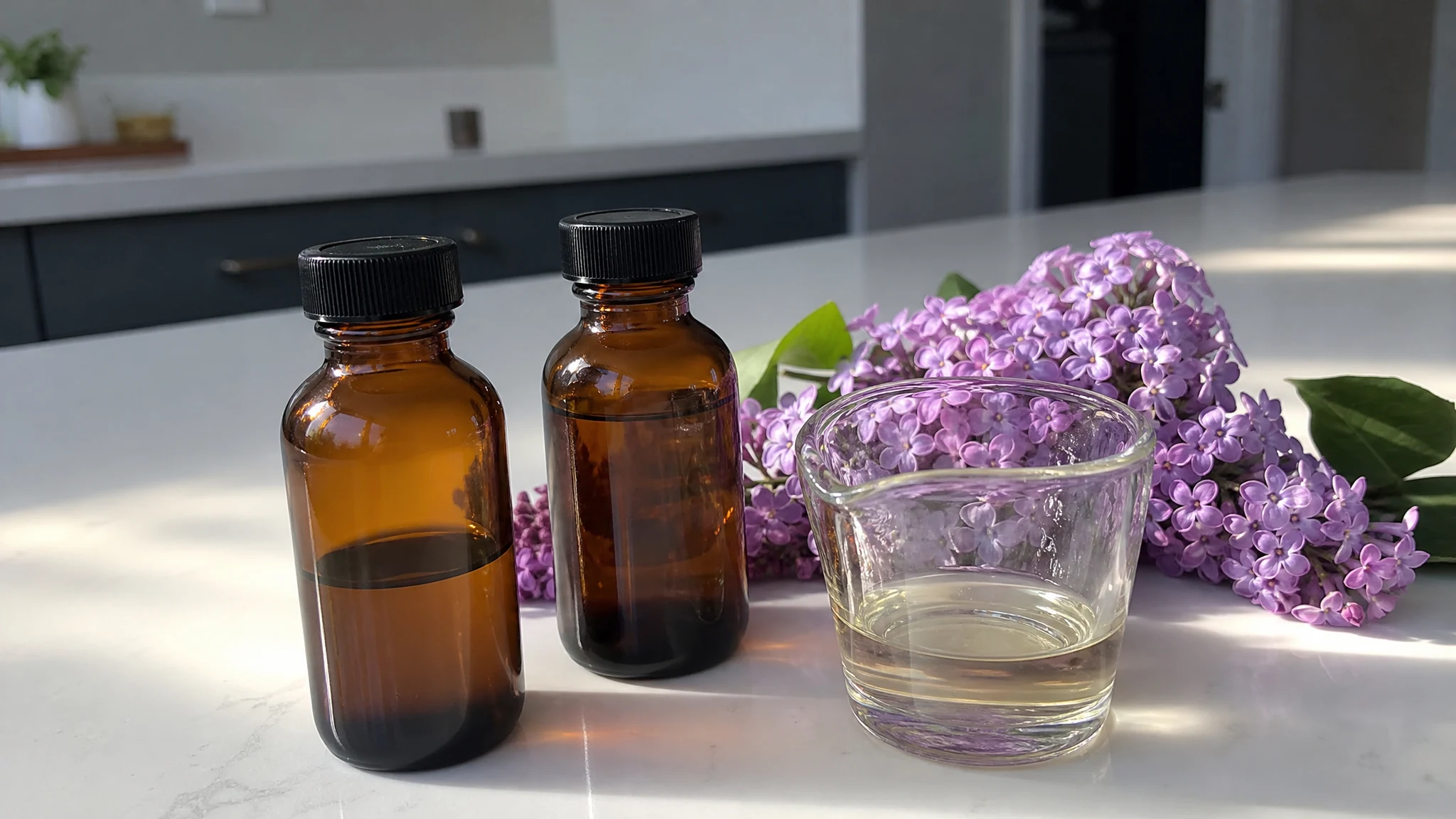
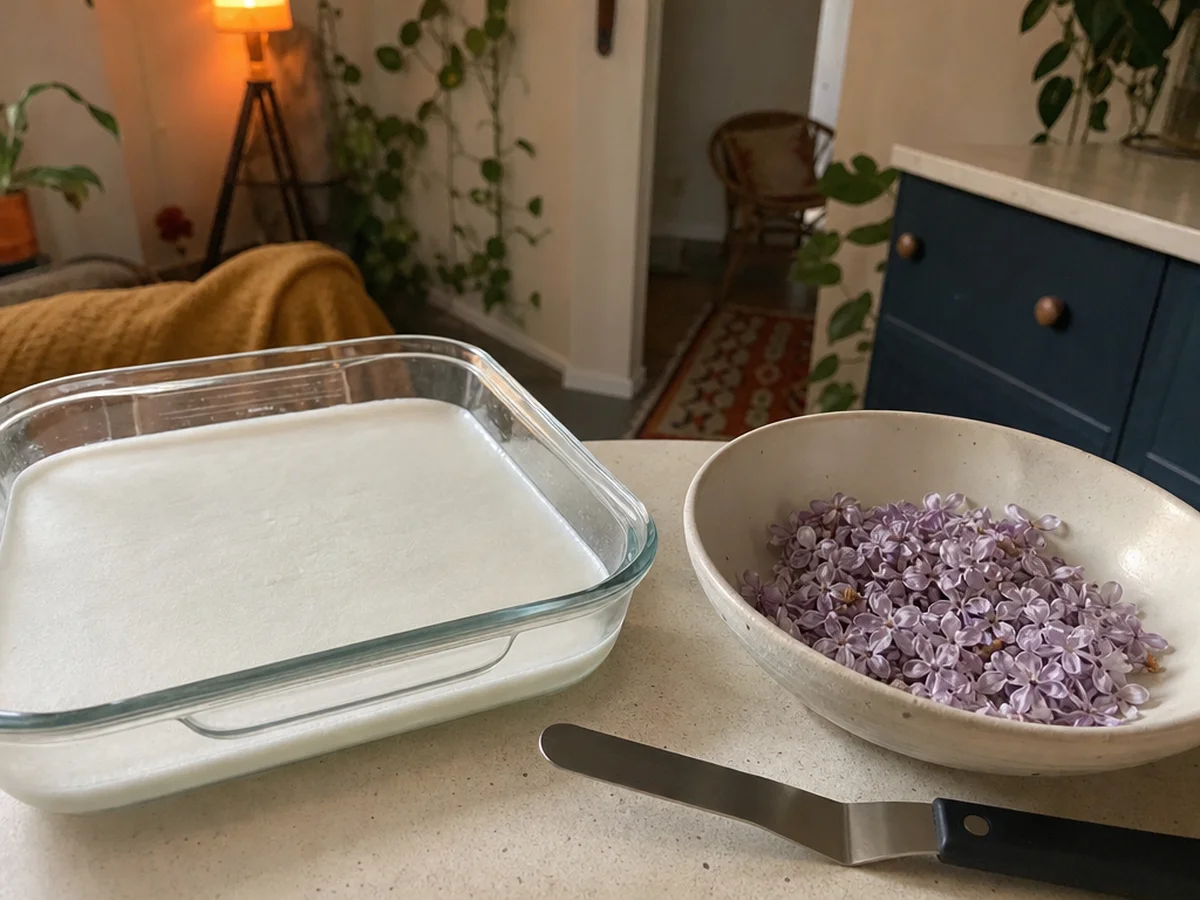
Fragonard, a Grasse perfume house, describes cold enfleurage on its factory-museum page. Odorless fat is spread on glass frames, fresh flowers are laid on top and replaced daily until the fat is saturated, and that scented fat, called pommade, is then processed to extract the absolute used in perfumery. The method was kept for fragile flowers whose scent changes with heat, such as jasmine, tuberose and daffodils. It was widely practised from the 18th century to the late 1950s, before solvent and supercritical CO2 extraction largely replaced it around 1950, and the page notes it is making a comeback today.
Three details stand out. What perfumers wanted was an absolute, so the alcohol step after the fat mattered. The flowers were replaced until the fat could hold no more, and the page gives no ratio and no number of days. And the fat is simply called odorless, with no type named. That leaves a home cook with the most important choices still open.
What we know about lilac
The clearest lilac fact is chemical. A 2021 paper on lilac aldehydes says they are considered the principal olfactory molecules of lilac flowers, that they were first isolated in 1974 from an oil of lilac flowers (Syringa vulgaris), and that synthetic versions are used almost exclusively in perfumery. The same paper notes the natural (5'S) forms have an odor threshold one to two orders of magnitude lower than the (5'R) forms, so the shape of the molecule changes how strongly it smells.
The paper says nothing about capturing lilac in fat, so we cannot tell you how well it works. What we can say from the Fragonard description is that enfleurage suits flowers whose scent is damaged by heat, and that is a fair reason to be curious about lilac, not a verdict on it. For the wider story, our article on why there is no true lilac essential oil and our history of lilac in perfumery are good companions.
The question to settle first: water
Fresh blossoms carry water, and fat does not mix with it. That is where a pantry project turns into a food-safety question. The CDC's botulism prevention page, dated 26 February 2026, advises refrigerating homemade oils made with garlic or herbs and throwing them away after 4 days. It names garlic and herbs, not flowers, so we do not stretch it into a lilac rule. Our reasoning is simply that fresh plant material in oil is the situation it addresses, so a floral jar should get the same care. Our infused oil article looks at the same question for oil instead of fat.
Fat can also go off on its own. A 2026 storage study of Huajiao seed oil compared 4, 25 and 37 C, light exposure and three container types: cold slowed oxidation, light speeded up rancidity, and glass did better than PET or iron. That is a different oil, so the numbers do not carry over, but the direction does. A scented fat prefers a cool, dark shelf.
A patient craft with a lovely picture
It is worth pausing on how beautiful the old method looks on paper. Picture long wooden frames of glass, each smeared with a pale layer of fat, and fresh petals pressed down in rows, day after day, until the whole room is heavy with flowers. It was slow work and it demanded attention from morning to night. That patience is what makes the story so appealing, and it is also why most of us are happy to enjoy the history rather than repeat the process.
If what you love is the idea, there are gentler ways to honor it. Press a few lilac florets in a heavy book and keep them in a drawer, or simply tuck a paper strip with a drop of the oil into a small box. You get the pleasure of the old tradition without a jar of fat and fresh flowers to worry about.
If you want to try it
- Decide what you want at the end. A scented balm for a drawer is a fine small experiment. A perfumer's absolute needs an alcohol extraction that is not a kitchen job.
- Treat the jar as perishable. Make a very small amount, keep it refrigerated, and discard it on the CDC's herb oil schedule.
- Keep it away from food and mouths. It is a cosmetic project, not a culinary one.
- Patch test before it touches skin. A five-country European study of 3,119 randomly selected adults found fragrance contact allergy at about 1.9 percent, and a homemade scented fat has no stated concentration to work from.
We do not give quantities because the sources we read give none.
Where our oil fits
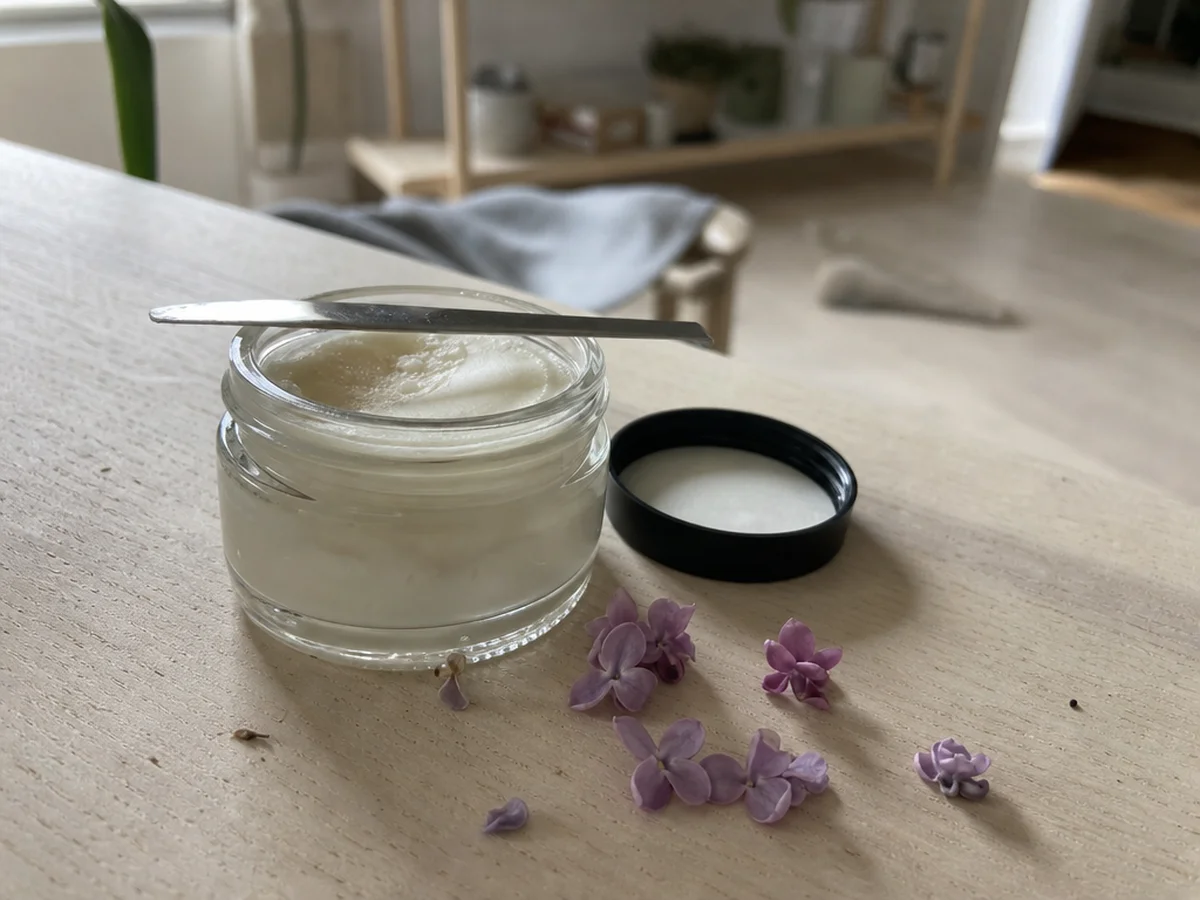
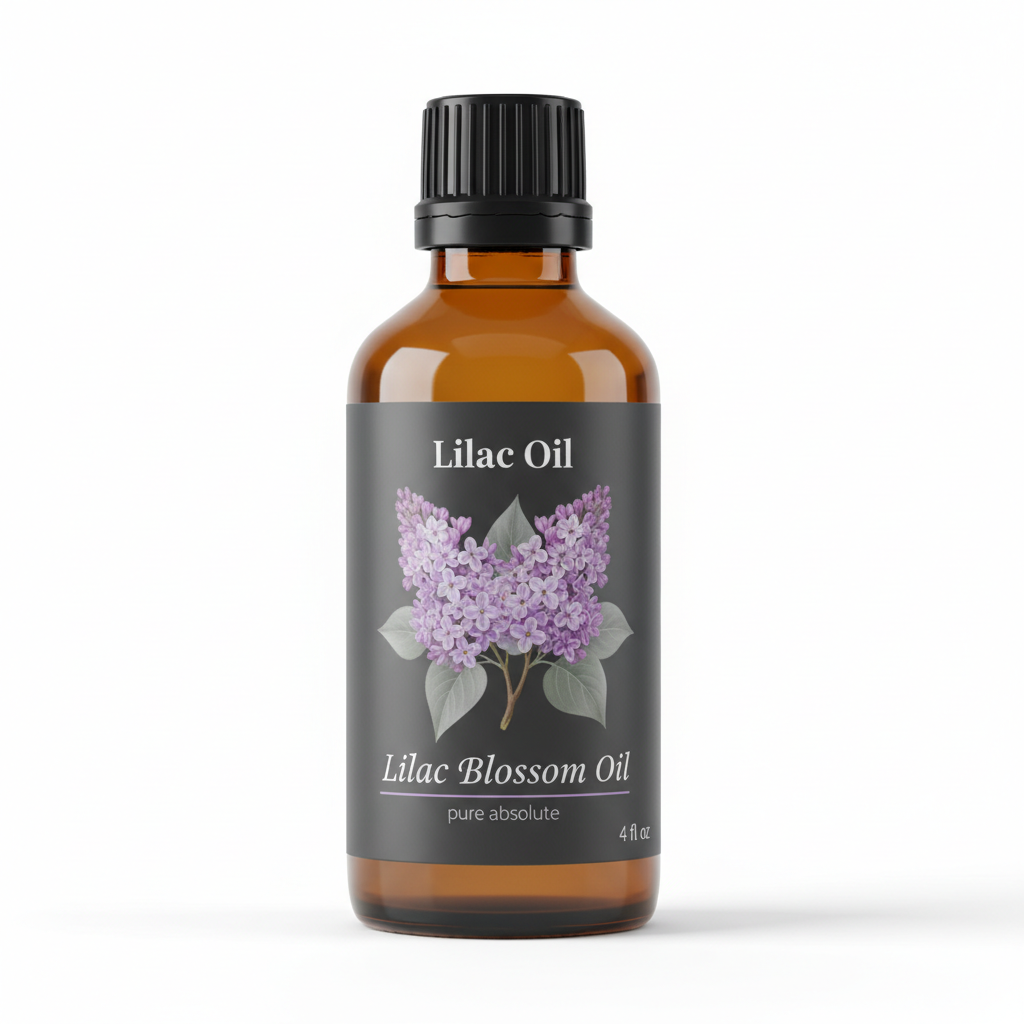
Our Lilac Blossom Oil is a composition of botanical extracts and infused aromatics, built to be faithful to the common lilac in bloom. It is not an absolute and not a distillate, and enfleurage is not part of how we describe it. For skin use, our guidance is 0.5% to 2% in a carrier oil, starting at the low end, with a patch test first. The Certificate of Analysis we publish for one batch gives appearance, smell, relative density, refractive index and optical rotation. For how a crafted lilac oil comes together, read how crafted lilac oil is built.
Whether you try the old fat method or simply enjoy its story, it is a lovely reminder of how much patience went into capturing a flower's scent before modern methods arrived.
Lilac Blossom Oil
Lilac Blossom Oil from our own shop, in sizes from 0.5 oz to bulk.
From $15.99
Shop Now →Sources & Further Reading
- Fragonard Parfumeur. Flowers and Extraction Methods
- Dacho and Szolcsányi, 2021, Molecules. Synthesis and Olfactory Properties of Seco-Analogues of Lilac Aldehydes
- CDC. Preventing Botulism
- Peng et al., 2026, Foods. Evaluation of Quality Changes in Huajiao Seed Oil During Different Storage Conditions
- Diepgen et al., 2015, British Journal of Dermatology. Prevalence of fragrance contact allergy in the general population of five European countries: a cross-sectional study