Is There a Real Lilac Essential Oil? What Is in the Bottle
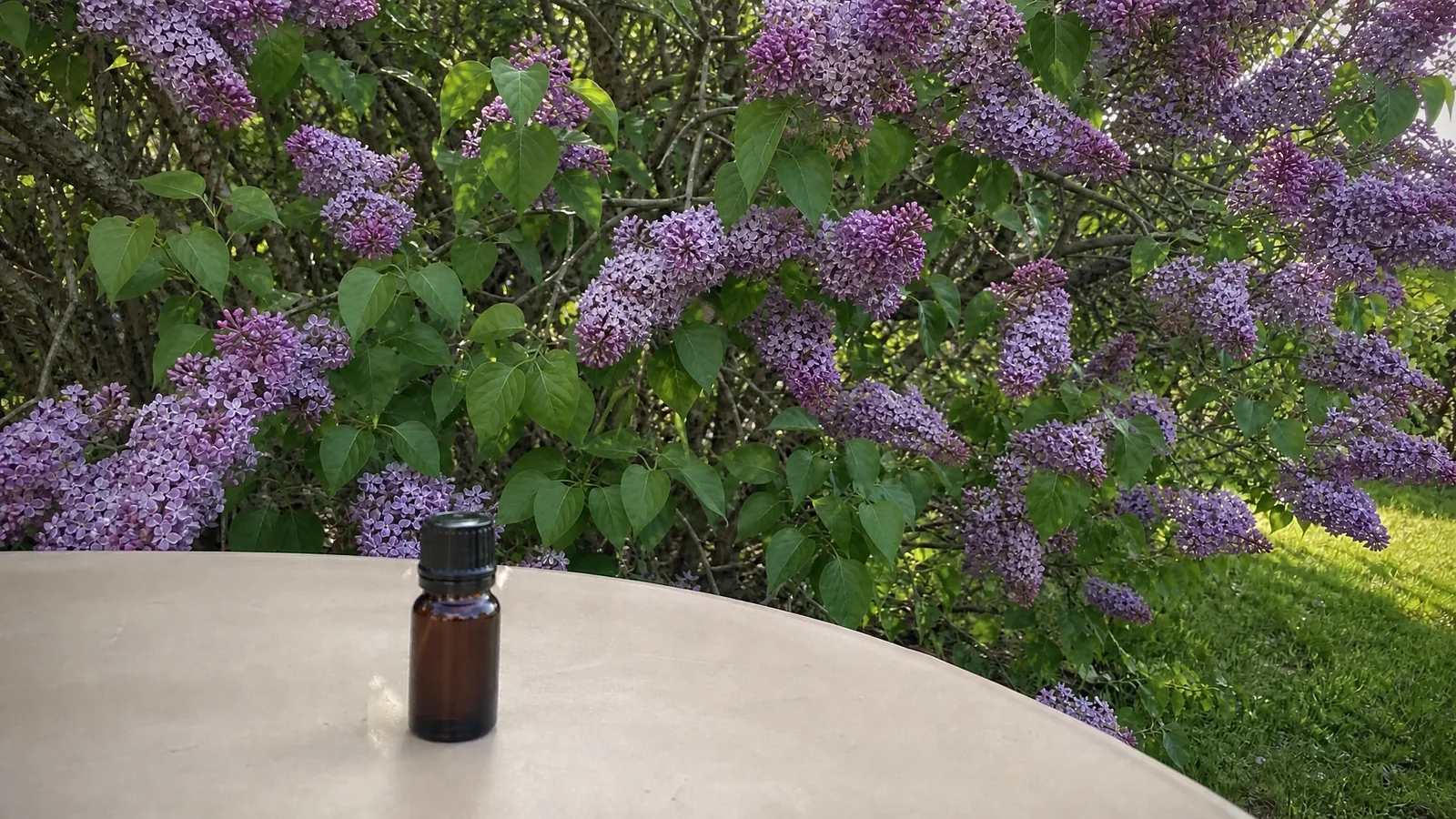
Lilac smells so strongly on the shrub that it seems obvious you could buy its oil the way you buy lavender or peppermint. You can find bottles labeled lilac oil, but what is inside is a more interesting story than a simple distillation, and knowing it makes you a better shopper for any floral.
What a lilac flower gives off
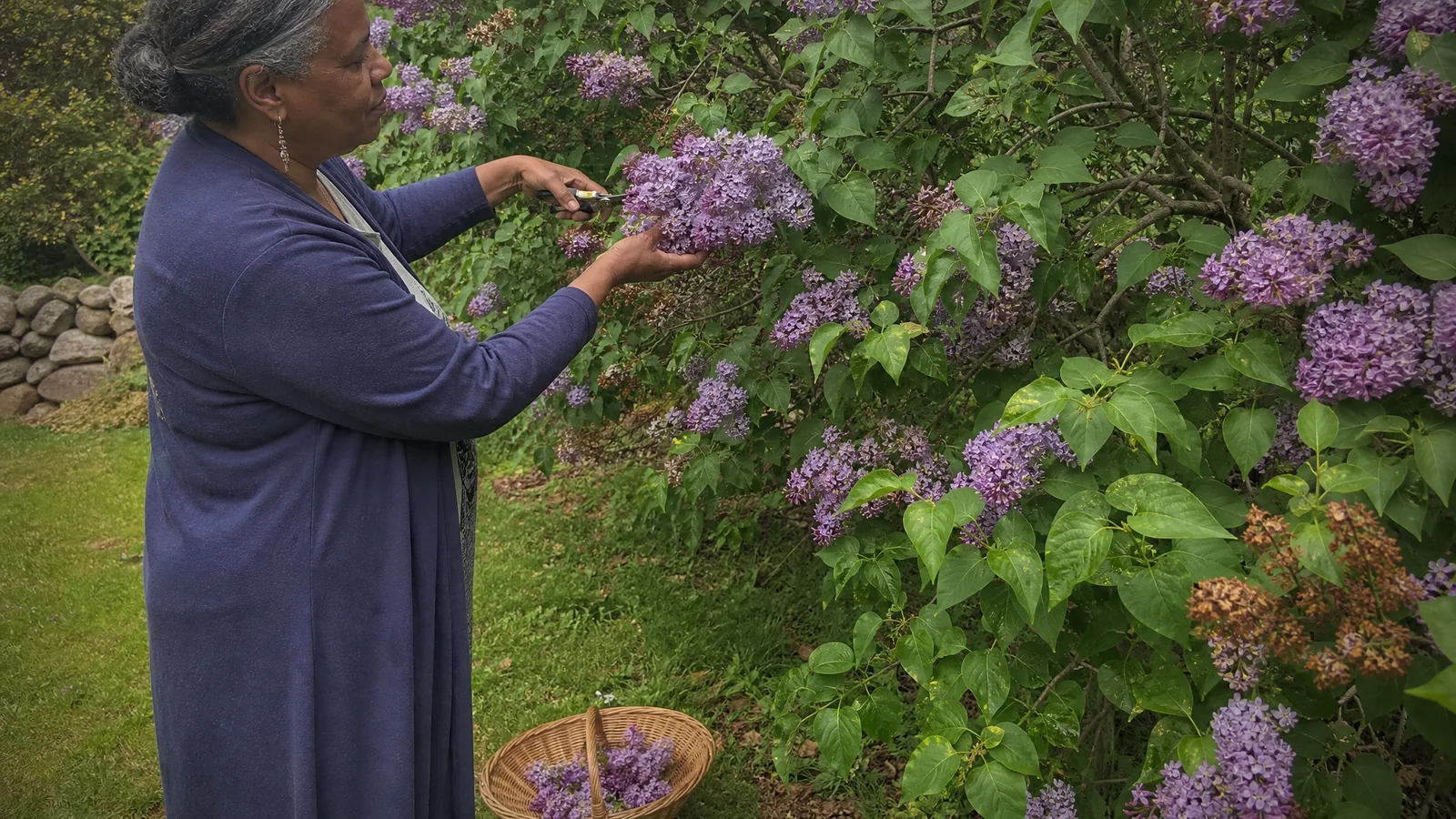
The scent of lilac has been studied closely, and the results vary by species. In Syringa oblata, researchers sampled the headspace of frozen, ground flowers and found lilac aldehyde and lilac alcohol to be the most abundant terpene volatiles (Syringa oblata genome provides new insights into molecular mechanism of flower color differences among individuals and biosynthesis of its flower volatiles, Chen et al., Frontiers in Plant Science, 2022). In Syringa villosa, a 2026 study found (E)-beta-ocimene to be the predominant flower volatile (Establishment of a Virus-Induced Gene Silencing (VIGS) System in Syringa villosa and Functional Characterization of the Floral Scent-Associated Gene SvTPS3, Liu et al., Plants, 2026). A chiral-chromatography study of 15 plant species found patterns of lilac aldehyde and lilac alcohol forms that differed by species (Linalool and lilac aldehyde/alcohol in flower scents. Electrophysiological detection of lilac aldehyde stereoisomers by a moth, Dotterl et al., J Chromatogr A, 2006).
So there is no single lilac recipe in nature, and these measurements describe what a flower releases, not how to produce a saleable oil. Our post on the molecules behind the bloom goes deeper.
The one oil in the literature
A 2021 chemistry paper says the lilac aldehydes were first isolated in 1974 from an oil of lilac flowers, Syringa vulgaris, and that for perfumery purposes synthetically prepared lilac aldehydes are used almost exclusively (Synthesis and Olfactory Properties of Seco-Analogues of Lilac Aldehydes, Dacho and Szolcsanyi, Molecules, 2021). A perfume retailer says lilac flowers do not release enough essence to be distilled cost-effectively (Lilac perfume: guide and best picks, Tendance Parfums). Taken together, that is why our range has no true lilac essential oil, and why none is produced commercially to our knowledge. It is a statement about our range and how the trade works, not a law of nature.
What can sit under the name
With no standard material behind the word, a lilac oil listing can mean several things.
- A fragrance oil. FDA notes that fragrance formulas are the components most likely to be trade secrets, and that labeling law cannot be used to make a company reveal them (Fragrances in Cosmetics, FDA). A lilac fragrance oil is a composed scent, and its label may say only "fragrance." Our post on fragrance oil versus crafted blossom oil compares the two.
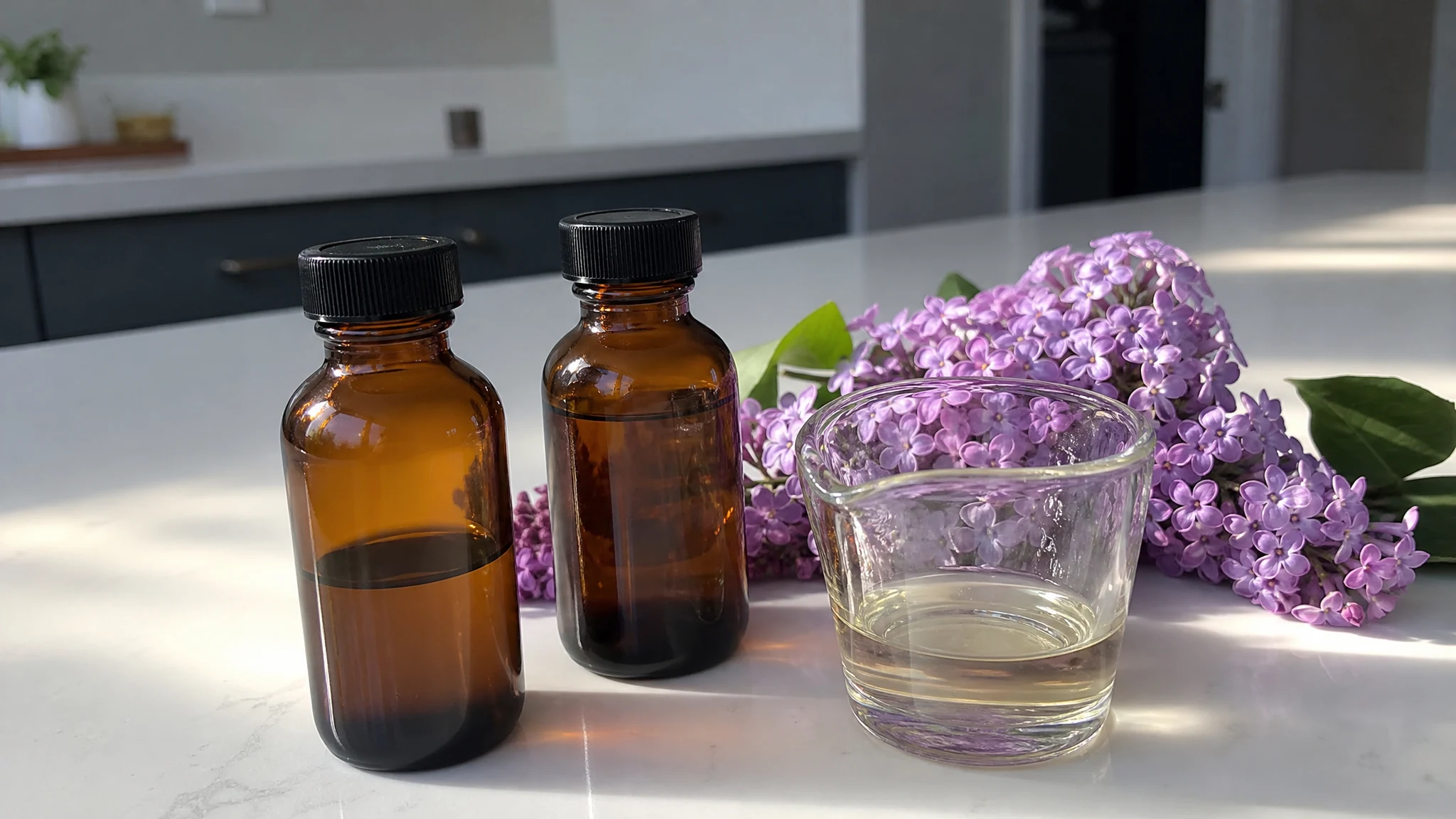
- A composed, crafted oil. This is where ours belongs: a composition of botanical extracts and infused aromatics, built to be faithful to the common lilac in bloom, not a distillate and not an absolute.
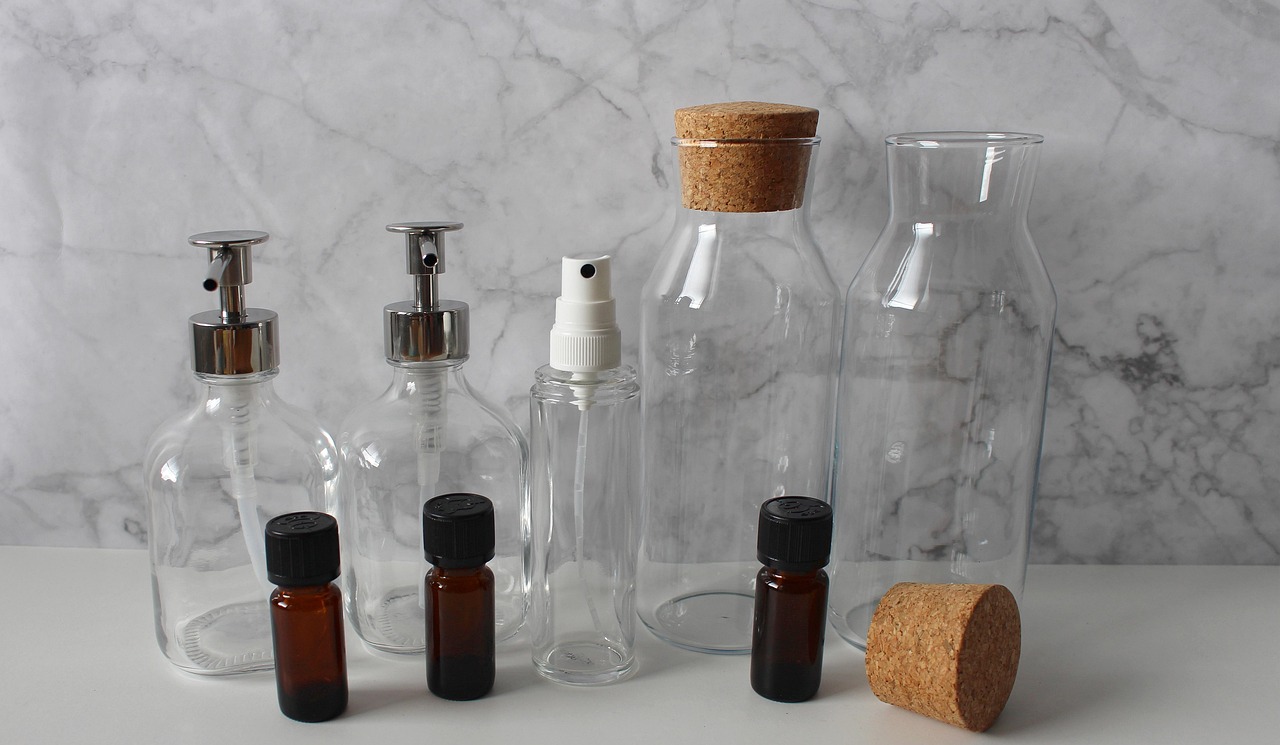
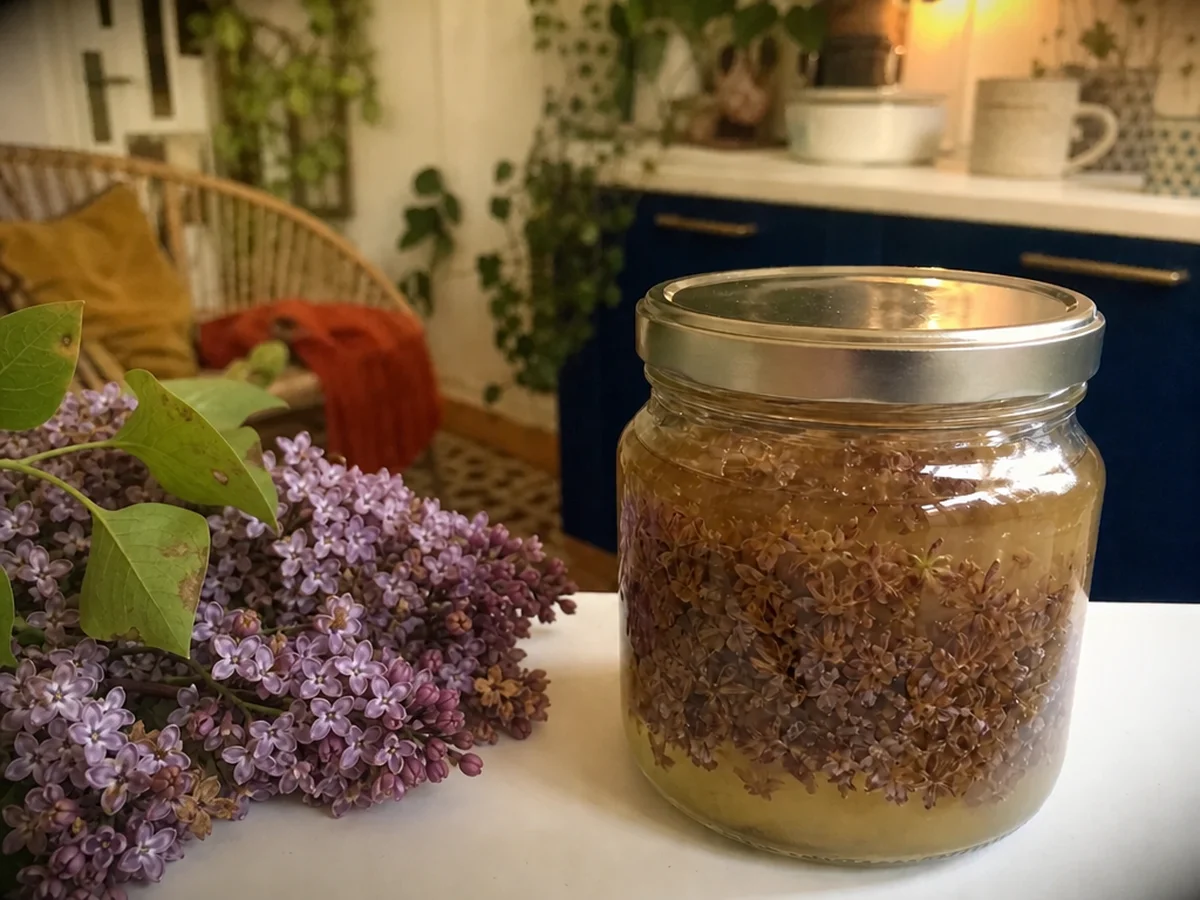
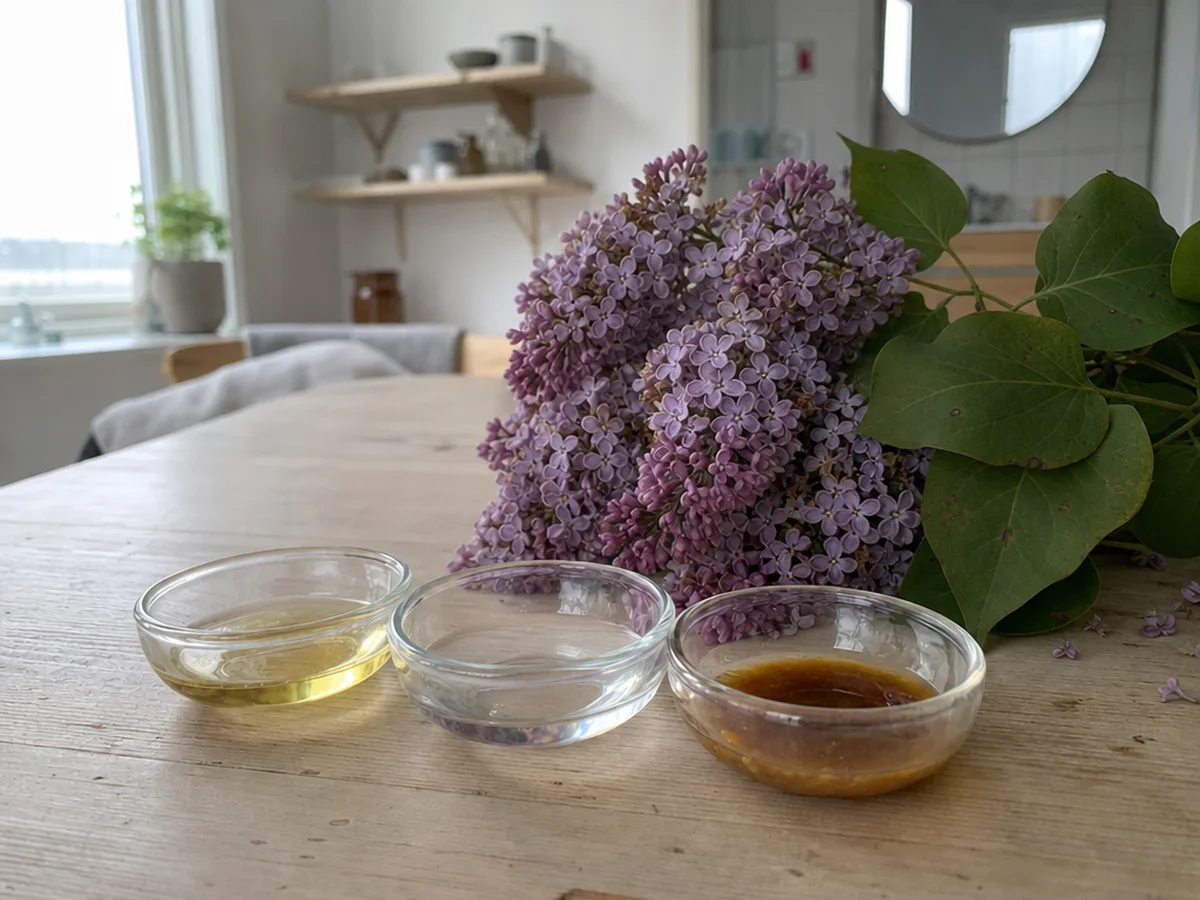
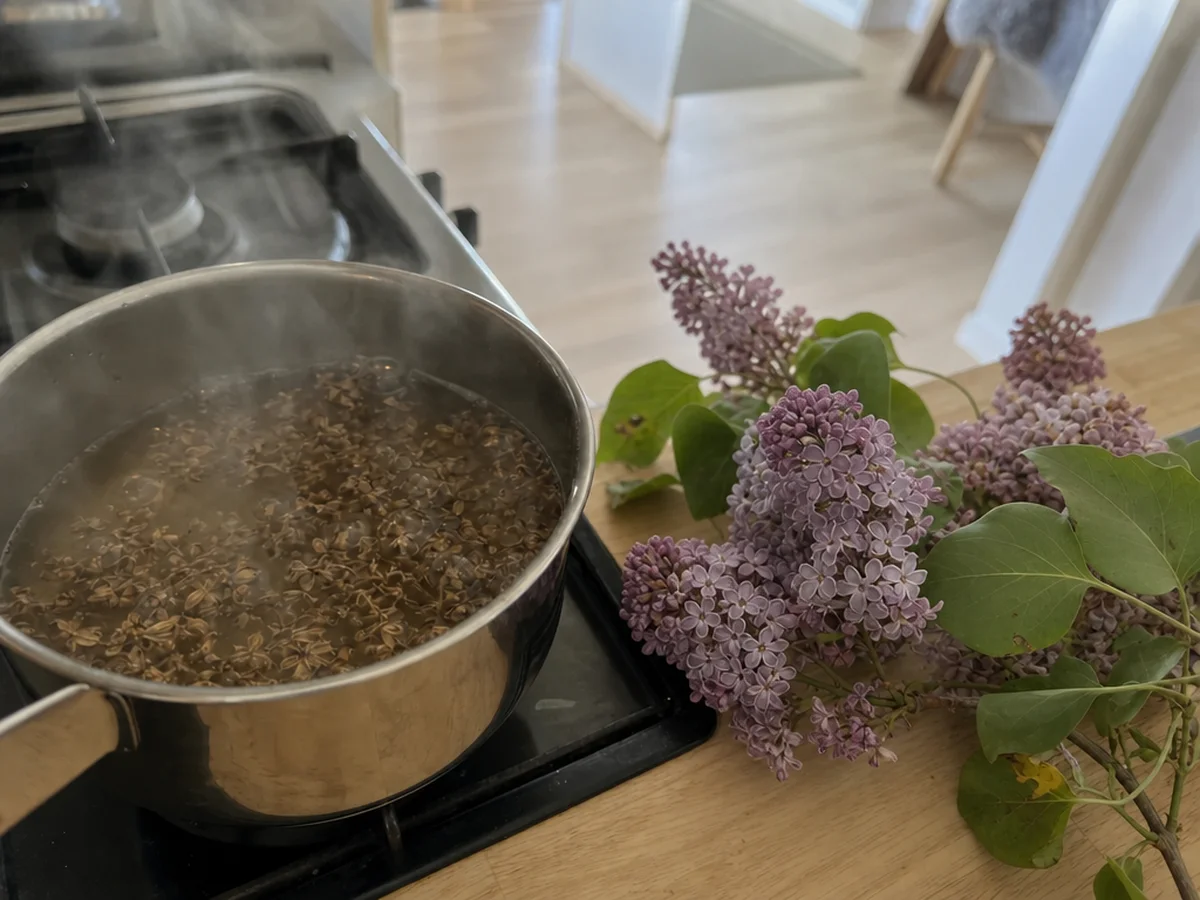
- An infused oil. Blossoms steeped in a carrier oil at home, which has its own spoilage question, covered in our home infusion post.
- A listing that says absolute or essential oil. We have not found a source documenting a commercial lilac absolute or essential oil, so it is fair to ask the seller what the material is and how it was made.
A flower on the label is not the measure
It is tempting to treat "from the flower" as the sign of quality. FDA's page on organic cosmetics says an ingredient's source does not determine its safety ("Organic" Cosmetics, FDA), and a synthetic origin is not a defect in itself. What you want from a seller is a plain description of what the material is.
Ours is short. The Certificate of Analysis we publish for one batch gives appearance, smell, a relative density of 0.973, a refractive index of 1.501 and an optical rotation of -0.72 degrees, with the extraction method listed as "Blended." Those describe the batch's physical properties, and our guide to reading a COA and SDS walks through what each line does and does not establish.
Smelling it for yourself
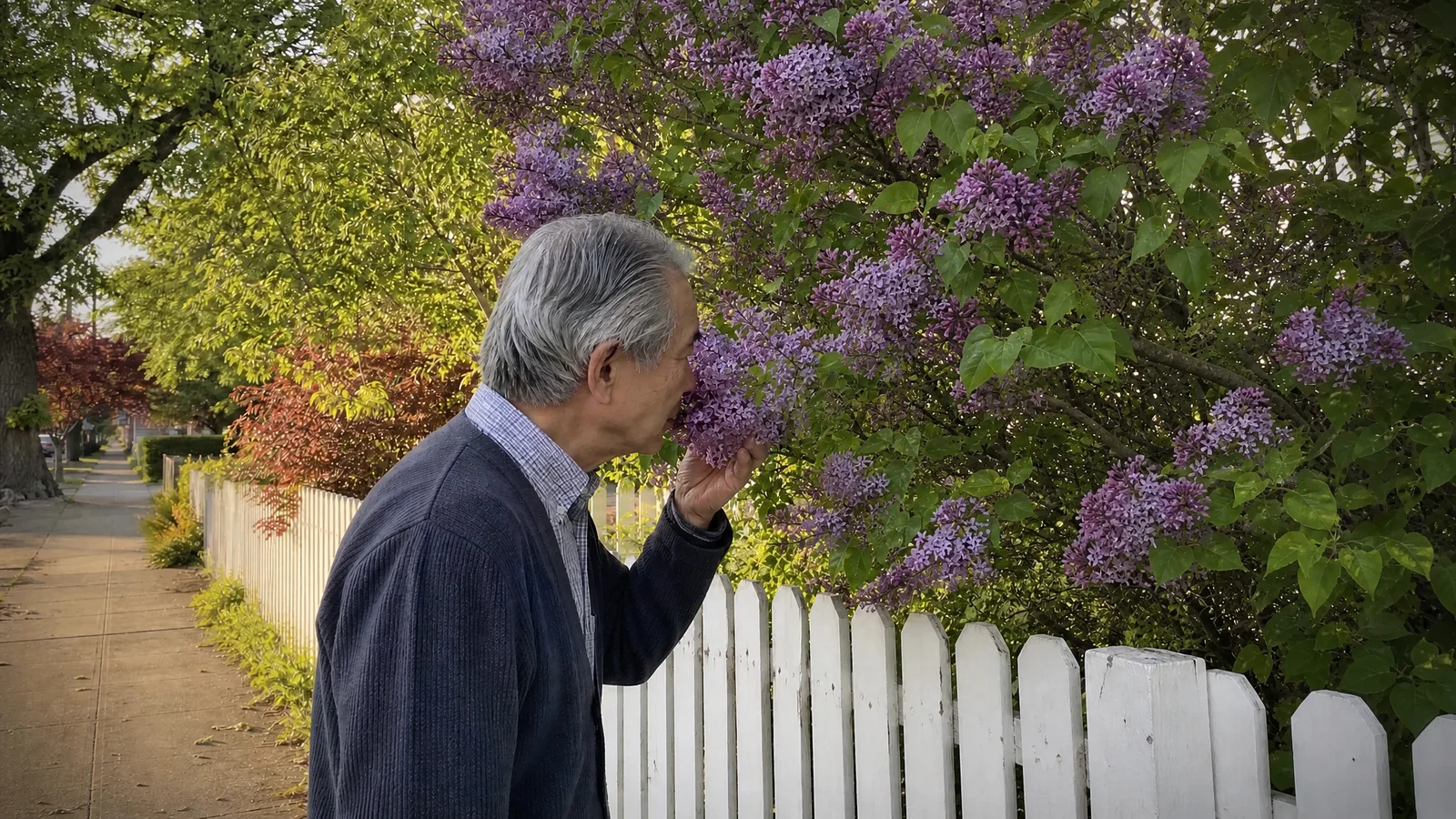
Whatever the label says, your nose is the quickest judge. Open the bottle, wave it a few inches below your face, and give it a moment. Our lilac reads soft, powdery and springlike, with fresh purple florals first, then something green like a snapped stem, a hint of almond sweetness, and a clean musky base that hangs around longest. If a lilac oil smells sharp, soapy or like a scented candle aisle, that tells you something too.
Three questions for any listing
- What kind of material is it, in one sentence? Composition, fragrance oil, infused oil or something else. A seller who cannot say has told you something.
- Is a plant named, and is the listing consistent about it? Our certificate names Syringa vulgaris as the botanical name, and we describe the oil as composed to recreate that flower's scent, not as made from its blossoms.
- What documents exist? If you plan to make something to sell, ask in writing before ordering, from us or anyone, and keep the answer. You can write to us through the contact page.
For skin, our guidance is to dilute to 0.5 to 2 percent in a carrier oil, start low and patch test, and keep it away from eyes, children and pets. If you need a documented single-species botanical oil for a regulated product, a composition is not the right material. If you want the scent of lilac in a body oil, a candle or a room spray, it is a lovely way to get it, and our history of lilac in perfumery shows it is how perfumers have always done it.
The flower's scent is real and measurable, the bottled oil is a human craft, and the best thing on any label is an honest account of how it was made.
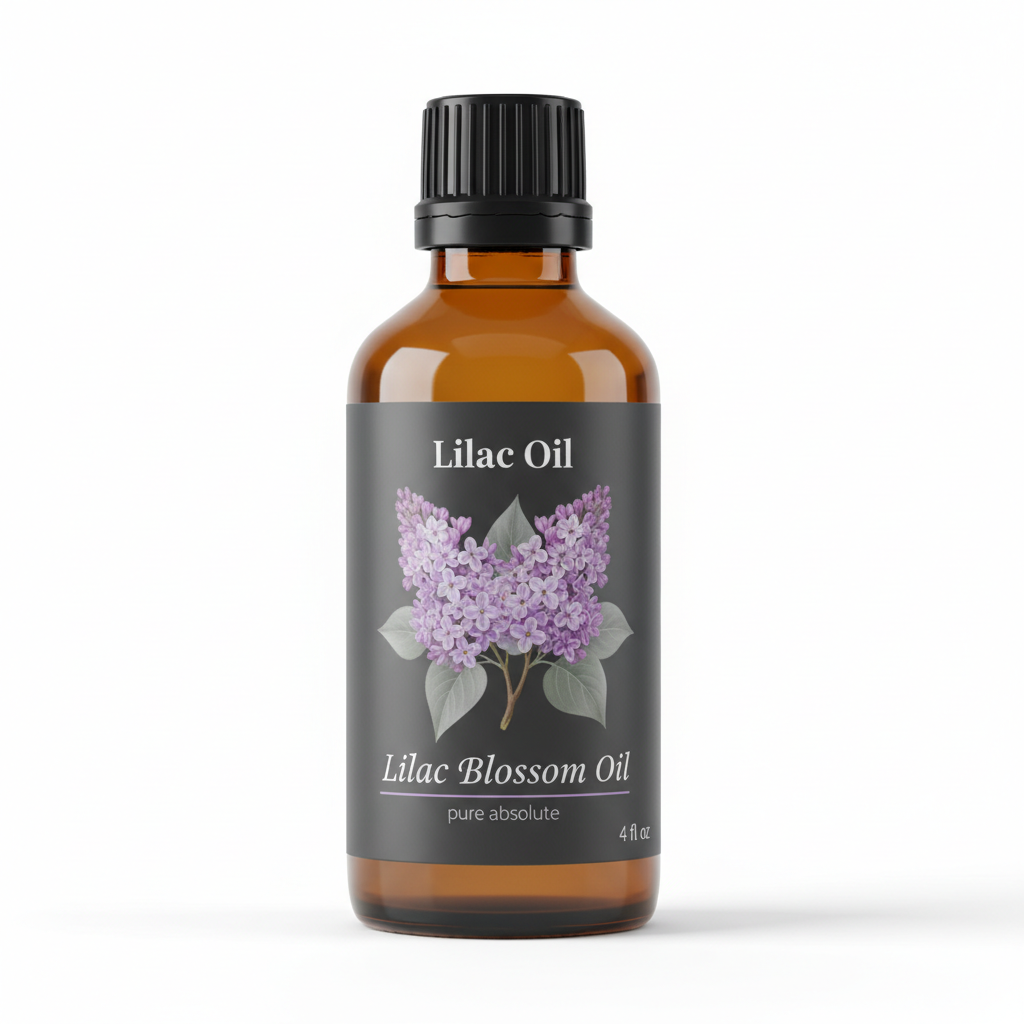
Lilac Blossom Oil
Lilac Blossom Oil from our own shop, in sizes from 0.5 oz to bulk.
From $15.99
Shop Now →Sources & Further Reading
- Syringa oblata genome provides new insights into molecular mechanism of flower color differences among individuals and biosynthesis of its flower volatiles (Chen et al., Frontiers in Plant Science, 2022)
- Establishment of a Virus-Induced Gene Silencing (VIGS) System in Syringa villosa and Functional Characterization of the Floral Scent-Associated Gene SvTPS3 (Liu et al., Plants, 2026)
- Linalool and lilac aldehyde/alcohol in flower scents. Electrophysiological detection of lilac aldehyde stereoisomers by a moth (Dotterl et al., J Chromatogr A, 2006)
- Synthesis and Olfactory Properties of Seco-Analogues of Lilac Aldehydes (Dacho and Szolcsanyi, Molecules, 2021)
- Lilac perfume: guide and best picks (Tendance Parfums)
- Fragrances in Cosmetics (FDA)
- "Organic" Cosmetics (FDA)