Fragrance Oil COA vs SDS: How to Read Each One
A certificate of analysis is a receipt for a few measurements, and the trick to reading one is knowing exactly which measurements. Ours is a good example to start with, because it is short enough to read in a minute and honest about how much it says.
Our COA, line by line
The Certificate of Analysis we publish is for one batch, LILIBCUNINC001A, headed "Lilac Oil (Syringa vulgaris) - Analytical Data." It gives five results. Appearance complies with "yellow liquid," and smell complies with "floral, sweet, fresh," both judged by eye and nose. Relative density at 20 C is 0.973 against a window of 0.950 to 0.990. Refractive index is 1.501 against 1.480 to 1.520. Optical rotation is -0.72 degrees against a window of 0 to -10. The best-by date is 05/31/2027, and the extraction line reads "Blended."
Think of these as a fingerprint of how the liquid behaves, not a list of what it contains. Density is how heavy a measured volume is, refractive index is how much the liquid bends light, and optical rotation is how far it turns polarized light. They are useful for checking that one lot looks like another, and they are wide windows: at 0.973, 20 ml weighs about 19.5 g, while the window allows anything from 19.0 to 19.8 g. That is arithmetic you can do on your own bench with a scale, which makes density the most practical line on the page.
What the COA does not give is a list of ingredients or percentages. If you need a GC-MS report for your formulation, ask us in writing through the contact page before ordering, and keep our reply in writing. We describe the COA as the record for the batch it names, and we would never ask you to assume another lot reads identically.
How we would read it in a minute
Start at the top and find the batch number, because everything below belongs to that one lot. Then look at the measured lines and notice where each one sits inside its window. Then find what is missing and write it down. A short list of what a certificate leaves out is more useful than a long list of what it says, because the missing items are your questions for the seller.
Keep a copy of every certificate you receive, filed by lot number, with the date it arrived. Months later, when a bottle on your shelf carries a lot number you cannot place, you will be glad of the habit.
The safety data sheet is a different document
A safety data sheet answers a different question: how do I handle this material safely? Under the U.S. Hazard Communication Standard it follows a fixed sixteen-section order, from identification and hazard identification through composition, fire-fighting measures, handling and storage, physical and chemical properties, toxicology, disposal and regulatory information, ending with a section for other information including the date of preparation (29 CFR 1910.1200 - Hazard communication.). For a candle maker, the sections to find first are fire-fighting measures, handling and storage, and physical and chemical properties, where a flash point belongs. The rule defines flash point as the minimum temperature at which a liquid gives off enough vapor to form an ignitable mixture with air, so it tells you how a liquid behaves near heat. Our post on flash point for candle makers explains why that number matters at the pour.
Whether a particular scent oil needs a safety data sheet for a particular buyer is a regulatory question, and a regulatory consultant is the right person to answer it. What we can say is that a sheet and a COA overlap in one place, density, so you can compare the two and see that they agree.
Where an IFRA certificate fits
IFRA describes its Certificate of Conformity as a document established by companies creating fragrance mixtures, based on the relationship between a fragrance supplier and its customer, and applicable to mixtures meant to go directly into a finished consumer product. It declares compliance with the IFRA Standards but, in IFRA's words, does not replace a safety assessment (Certification of IFRA Standards | IFRA). So it answers "may this go in this product category at this level," which is a separate question from "what is it" or "will it burn well."
If a seller sends you an IFRA certificate, glance at the products it names. A certificate written for one product category is a different thing from one written for another, so check that the category matches what you plan to make.
Five questions worth sending before you order
- Is there a flash point, measured by which method, and for which lot?
- Is there a safety data sheet?
- Is there an IFRA certificate, and for which product categories?
- What ingredient or allergen information can I use on my label?
- Will the COA I receive carry the lot number printed on my bottle?
An answer without a method, or a COA without your lot number, is an incomplete answer, from us or anyone else. For label wording, reading a lilac oil label picks up where this leaves off, and testing before bulk shows how to keep lot records.
Read a COA for what it measures and it is a handy tool. Ask for the other documents early, in writing, and you will never be surprised by what is missing.
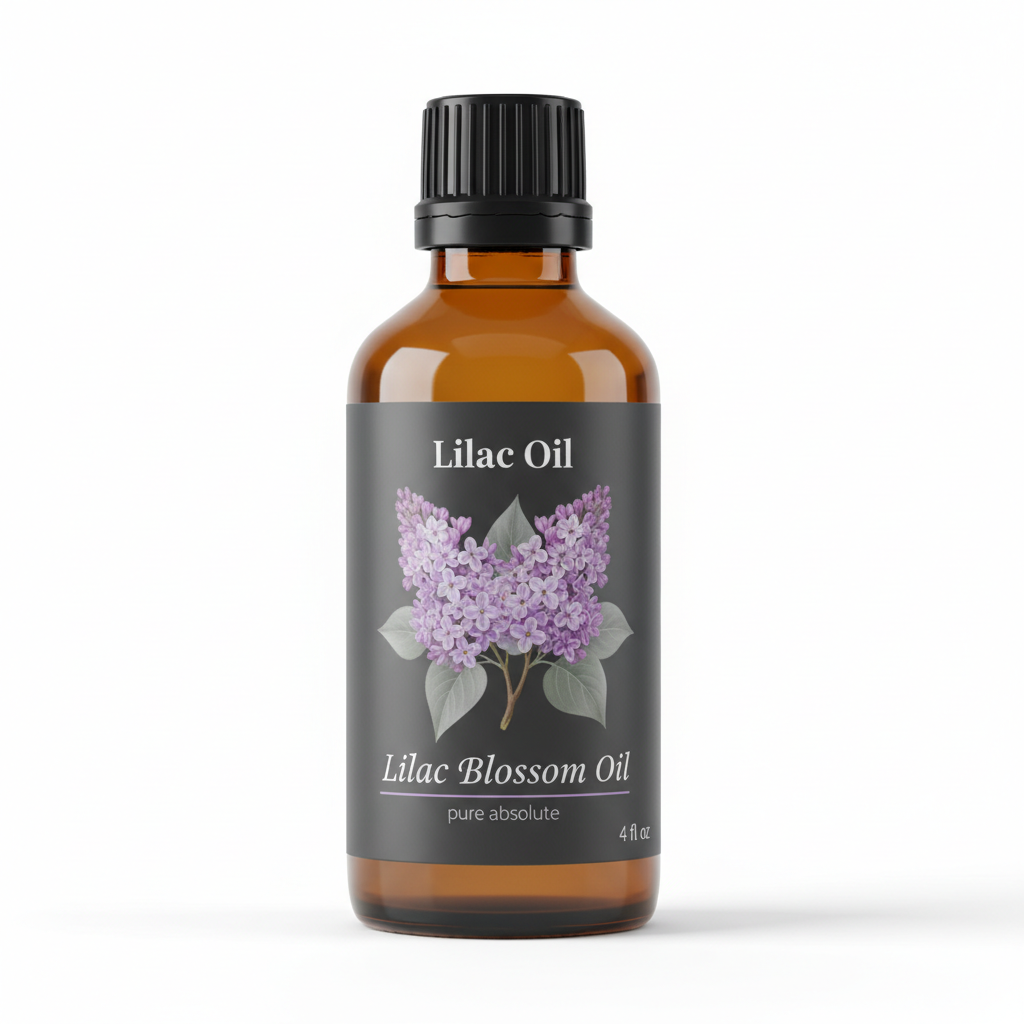
Lilac Blossom Oil
Lilac Blossom Oil from our own shop, in sizes from 0.5 oz to bulk.
From $15.99
Shop Now →