Is Lilac Oil Organic? What the Word Means
"Organic lilac oil" is a search people make in good faith, and the honest answer starts with a small surprise: the word organic is not defined by FDA for cosmetics at all. It comes from USDA, and it means something specific. Understanding it takes a couple of minutes and saves you from paying extra for a word.
Who defines organic, and how
FDA says plainly that it has no definition of "organic" for cosmetics. The USDA National Organic Program rules supply one, and a product claiming organic status has to meet them as well as FDA's labeling and safety rules ("Organic" Cosmetics | FDA). Under the USDA product composition rule, "100 percent organic" means every ingredient is organically produced apart from water and salt, "organic" means at least 95 percent, and "made with organic" means at least 70 percent (7 CFR 205.301 Product composition). Those are percentages of a whole product, which means a claim needs an itemised ingredient chain behind it, and a seal is only as good as the paperwork it points to.
Where our lilac oil stands
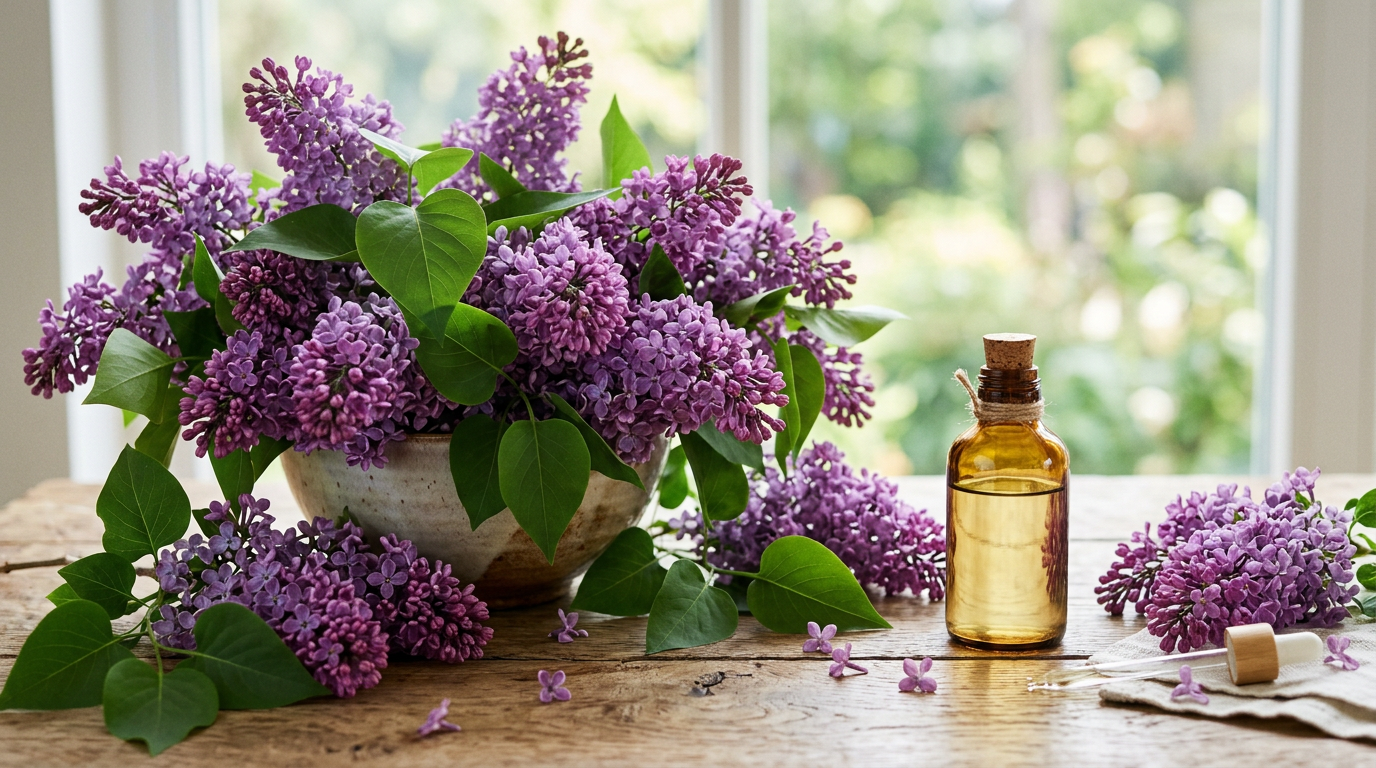
We do not offer our Lilac Blossom Oil as organic. It is a composition of botanical extracts and infused aromatics, built to be faithful to the common lilac in bloom, and there is no true lilac essential oil to certify in the first place. Our post on why there is no true lilac essential oil goes through the types of product that carry the name. If certified organic is a requirement for your household or your brand, our oil will not meet it, and we would rather say so than leave you reading around the gap.
Questions to ask any seller who says organic
- Who certified it, and can I see the certificate number? A real claim can be traced.
- Does the claim cover the scent, or something else on the page, such as the carrier oil?
- What does the ingredient list say? A single word, "fragrance," is normal under the labeling rule, but it cannot be read as an organic ingredient unless the seller documents it.
- Will the answers come in writing?
A seller who answers all four plainly has told you more than any badge.
Organic is not a safety finding
FDA is direct on this: an ingredient's source does not determine its safety, and many plants, organically grown or not, contain substances that may be toxic or allergenic. For skin, what matters is what is in the finished bottle and how much you apply. Our dilution guidance is 0.5% to 2% in a carrier oil, starting at the low end, with a patch test first, away from eyes, children and pets, and never for internal use. If your skin is reactive or you have a history of fragrance allergy, a dermatologist is the right person to ask. Our guide to lilac in skin and body products covers the rest.
What we would look for if we were shopping
If we were choosing a scented product and organic mattered to us, we would do something very simple: read the label slowly. Look for a certifier's name and a seal on the packaging, check that the seal sits beside the product and not just a nearby ingredient, and see whether the company says the same thing everywhere it talks about the product. A claim that shifts between a web page, a label and an email is worth a second look. None of this takes long, and it spares you from paying for a word that nobody stands behind.
Other words worth a pause
Organic is not the only word that gets stretched in scent shopping. "Clean" and "plant-based" appear on all sorts of bottles and mean different things to different sellers. We use the word botanical because that is how our pages describe the oil, and we say plainly what it is: a composition of botanical extracts and infused aromatics. When a seller tells you what a product is in simple terms, you are in a better position to decide whether it suits your purpose.
Making an organic product with ours in it
If you are building a product that you want to label organic, that claim applies to your whole formula under the USDA rules, so it is a conversation for your certifier before you choose a scent. You can still pick a certified carrier or base from a craft or soap supply shop and scent it with ours at a rate you can document. We sell only the lilac oil, so carriers, butters and bases come from your supplier.
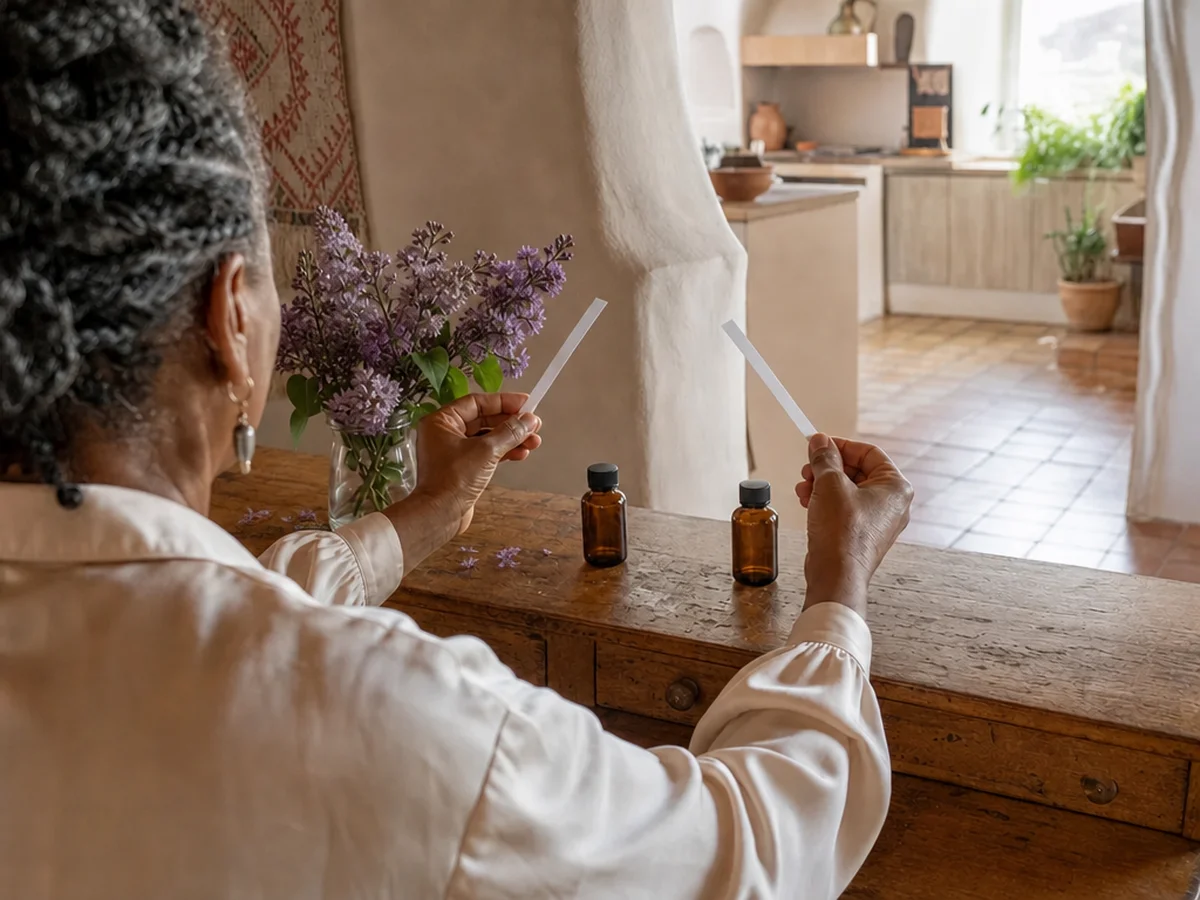
What we can offer in place of an organic seal is something you can check: a lot number on every bottle, amber glass at every size, and the Certificate of Analysis we publish for one batch, which lists density, refractive index and optical rotation. Our guide to reading a COA and SDS shows what those do and do not tell you.
If organic is your priority
If organic is the deciding factor for you, that is a perfectly good reason to look elsewhere for this one, and we would rather you found what you want than something that was not right. It also helps to remember that the same word weighs differently in different projects. A scented balm for a coat pocket, a sachet for a drawer and a product for a sensitive household are three very different decisions. Whatever you choose, ask for the answers in writing and keep them with your records.
Organic can be a perfectly good reason to choose a product. For a lilac scent, though, the better first questions are what the bottle is, what you can get in writing, and how it smells at the strength you will use.
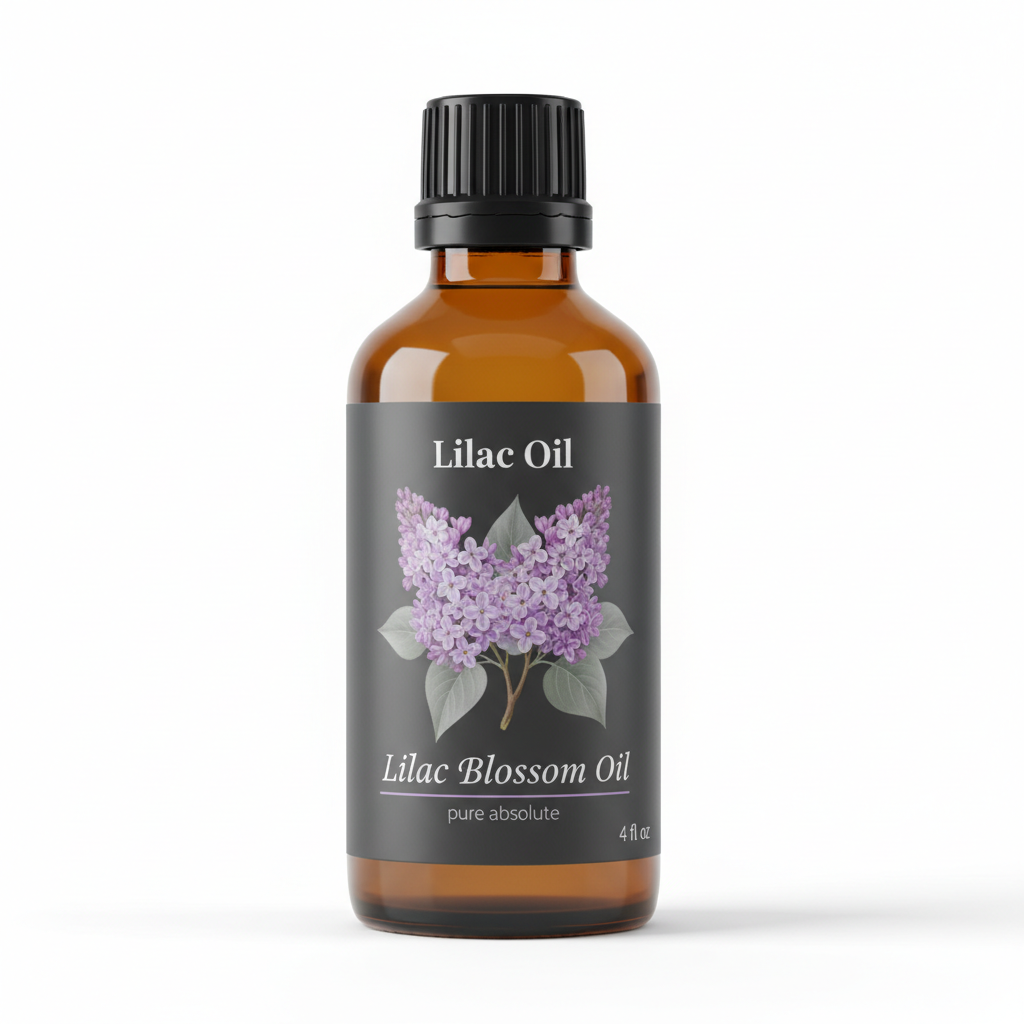
Lilac Blossom Oil
Lilac Blossom Oil from our own shop, in sizes from 0.5 oz to bulk.
From $15.99
Shop Now →