Your First Bottle of Lilac Oil: What Size to Start With
Lilac is a scent people buy on memory, and memory is a demanding judge. The bottle you order has to smell like the shrub by a farmhouse door, and nothing on a product page can promise that on your behalf. So our advice for a first order is simple: buy small, smell it, and let your own nose decide whether a bigger bottle is worth having.
What you are actually getting
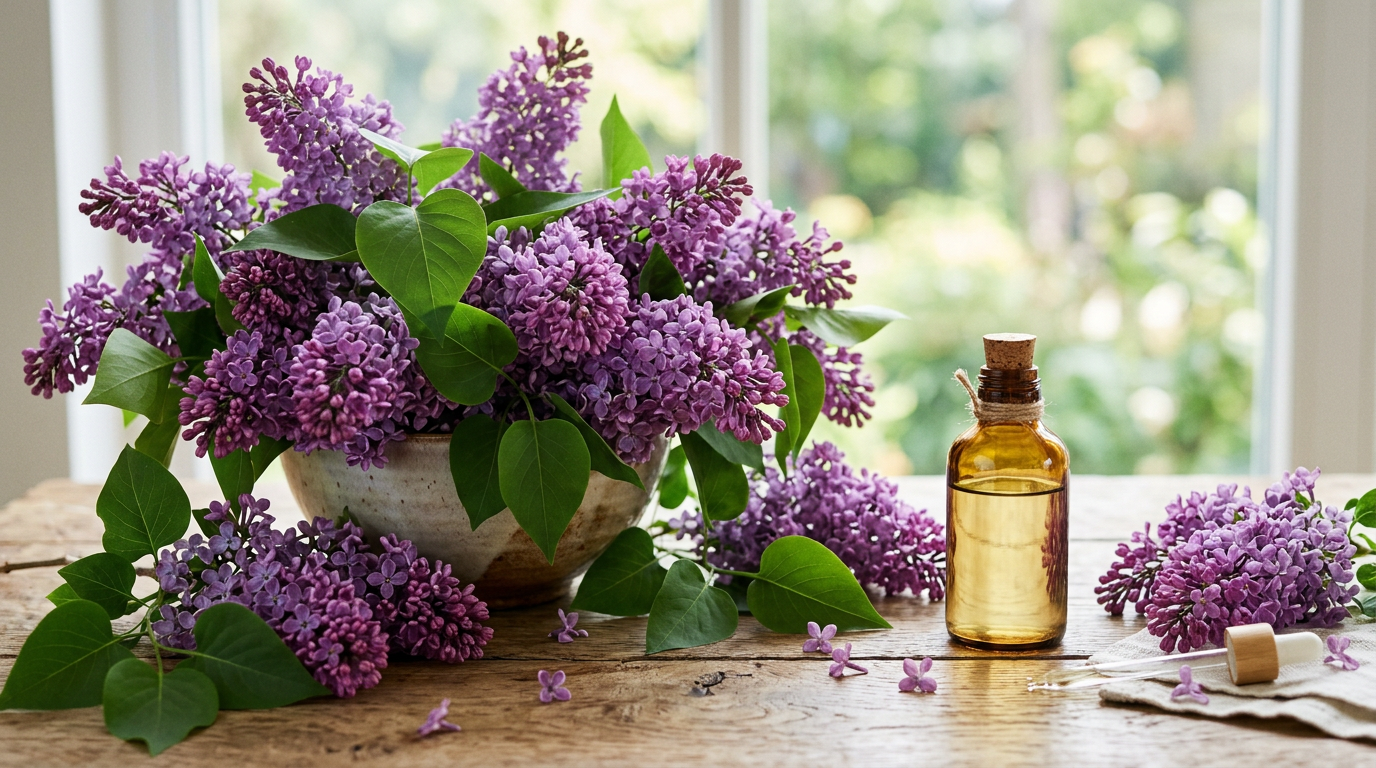
We sell one product, Lilac Blossom Oil. It is a composition of botanical extracts and infused aromatics, built to be faithful to the common lilac in bloom. It is not a distillate and not a true lilac essential oil, because no such oil exists. We describe the aroma as soft, powdery and springlike, with fresh purple florals, green stems, a hint of almond sweetness and a clean musky base, and we call it a heart note. If you want the longer story of what the name means on a label, our guide to what lilac oil is goes through it.
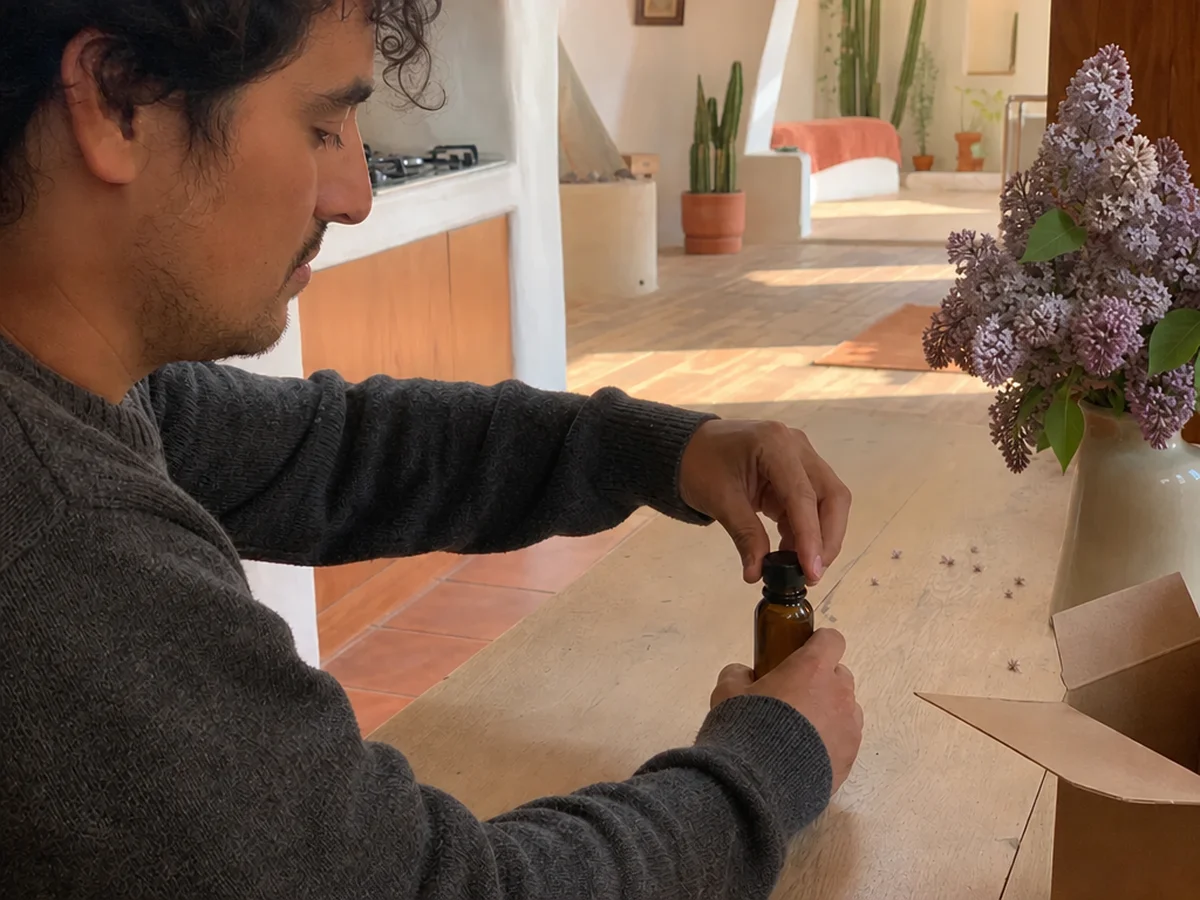
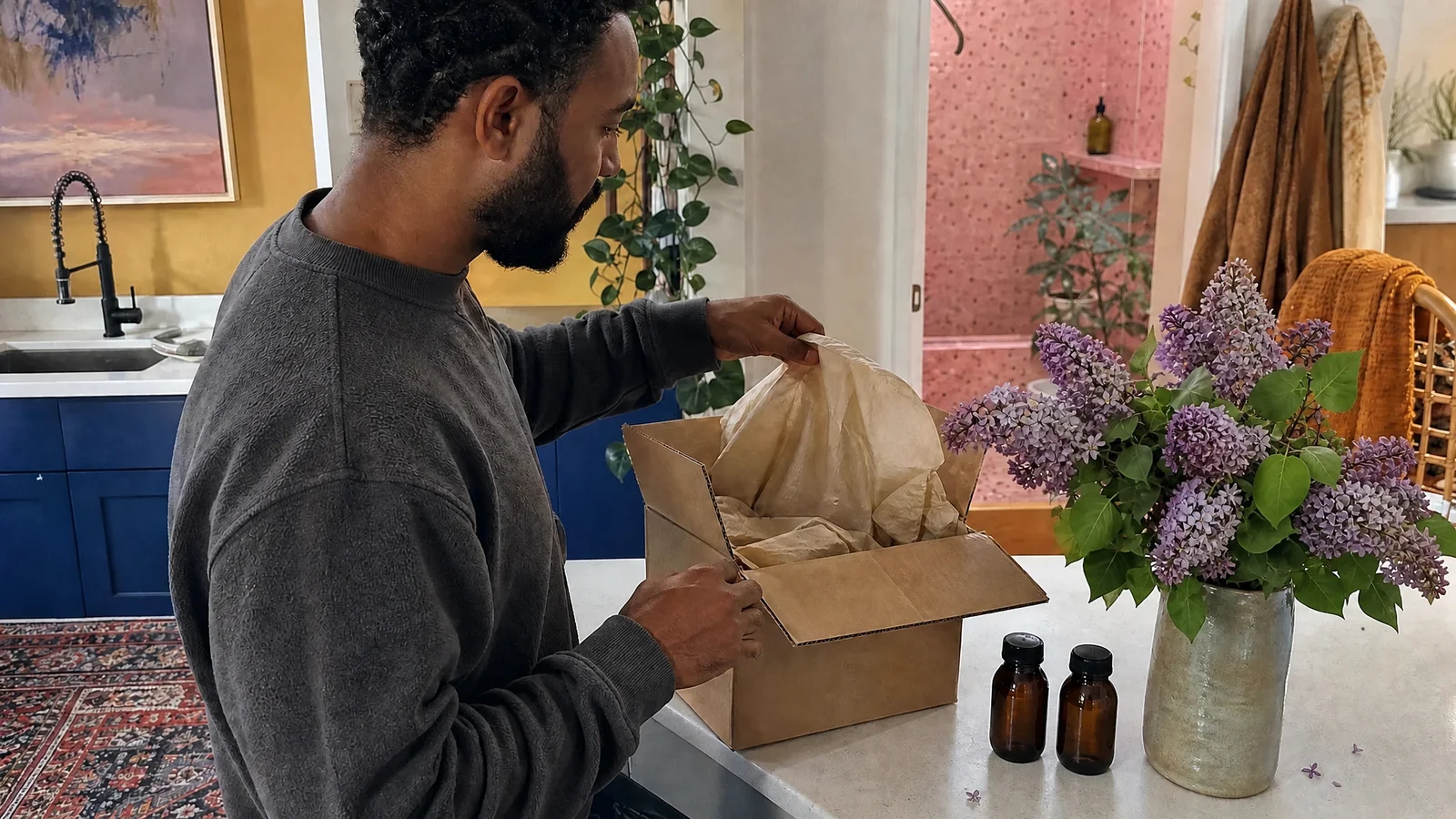
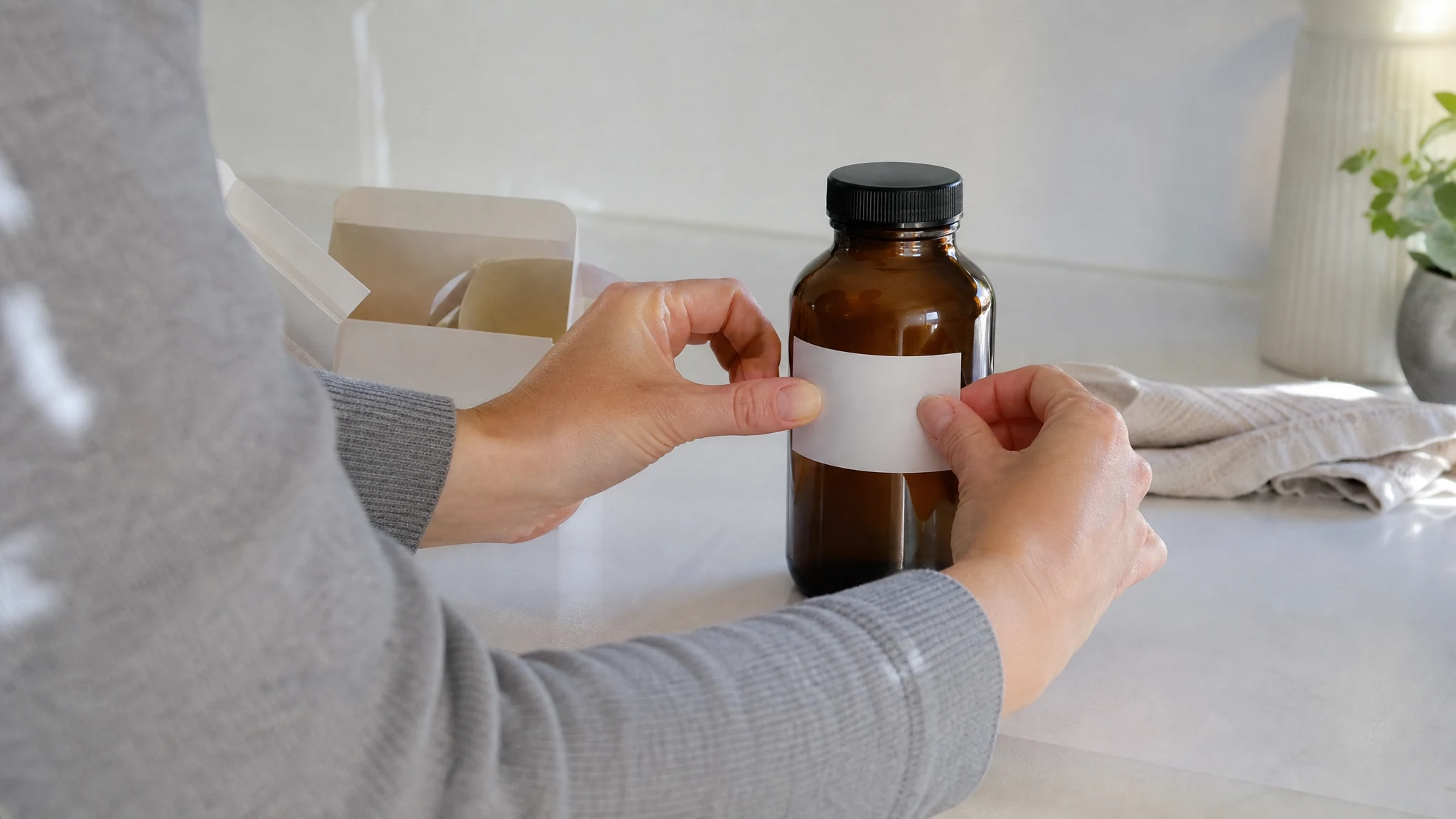
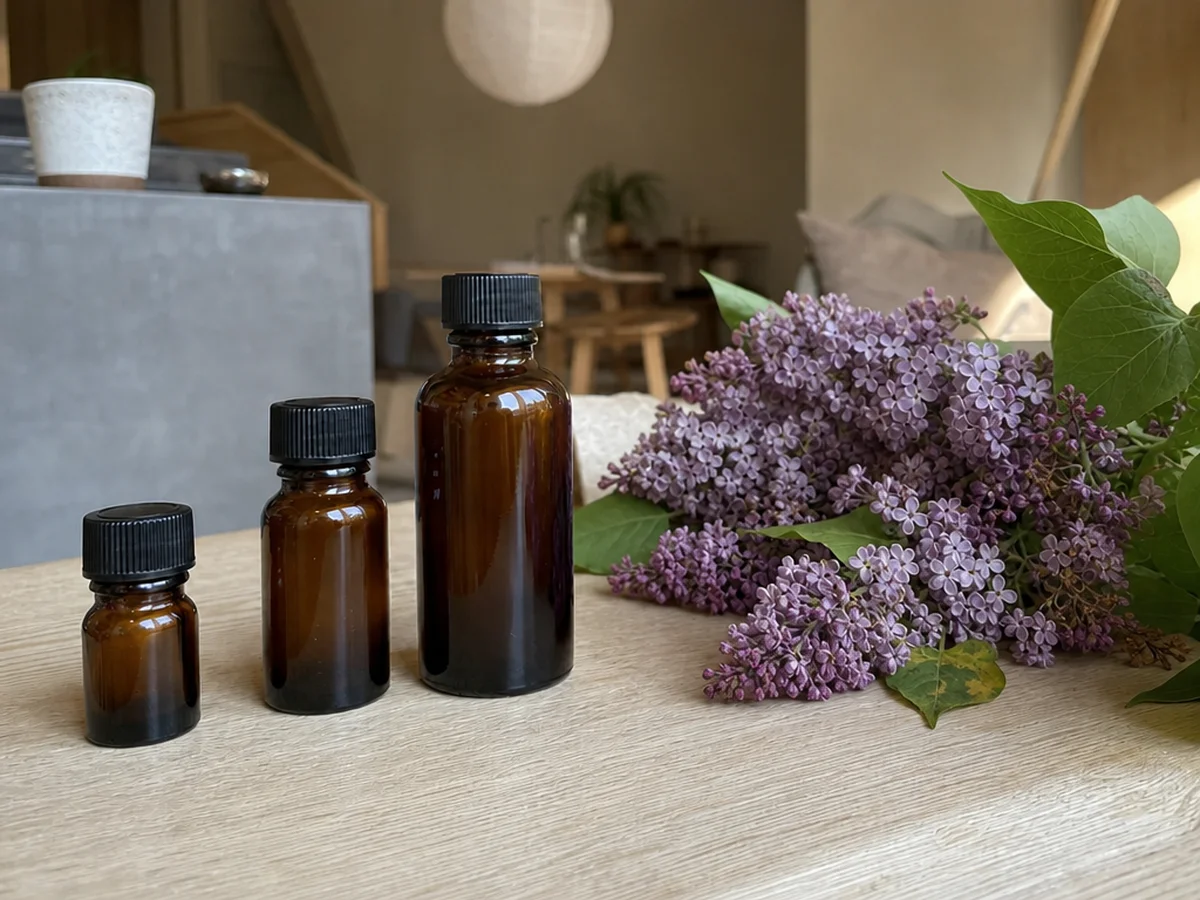
It comes in nine sizes: 0.5, 1, 2, 4, 8 and 16 oz, then 5, 25 and 400 lb. Every size is amber glass with the lot number on the bottle, and every size is the same oil from the same lots, so a small bottle is an honest preview of a large one.
A little goes a very long way
Here is the surprise that changes most first orders. For skin use we recommend diluting to 0.5% to 2% in a carrier oil, starting at the low end and patch testing first. The arithmetic below uses that range, so treat it as a suggestion for planning and not a prediction of what you will make.
A 0.5 oz bottle holds about 14.8 ml. A 30 ml bottle of body oil at 2% needs 0.6 ml of lilac oil, so the smallest bottle covers roughly two dozen of those bottles. At 0.5% it covers around a hundred. A 1 oz bottle doubles both numbers. Even if you make lilac body oil every month for a year, you will not reach the bottom of a 1 oz bottle in a hurry.
Bigger bottles run into the clock instead. We put the shelf life at typically 1 to 2 years when the bottle is kept tightly capped in a cool, dark place, and we advise decanting working amounts from a large container into smaller airtight bottles. On that arithmetic, finishing an 8 oz bottle in two years means about sixteen 30 ml batches a month at 2%. That is a business pace, not a hobby pace.
Matching the bottle to the plan
- Just getting to know it, or one perfume or body oil. The 0.5 oz or 1 oz bottle. A rollerball takes a few drops, and our dilution chart turns percentages into drops and grams so you are not guessing.
- A season of small projects. The 1 oz or 2 oz bottle, ideally with a stock solution made up once so you are not counting drops each time.
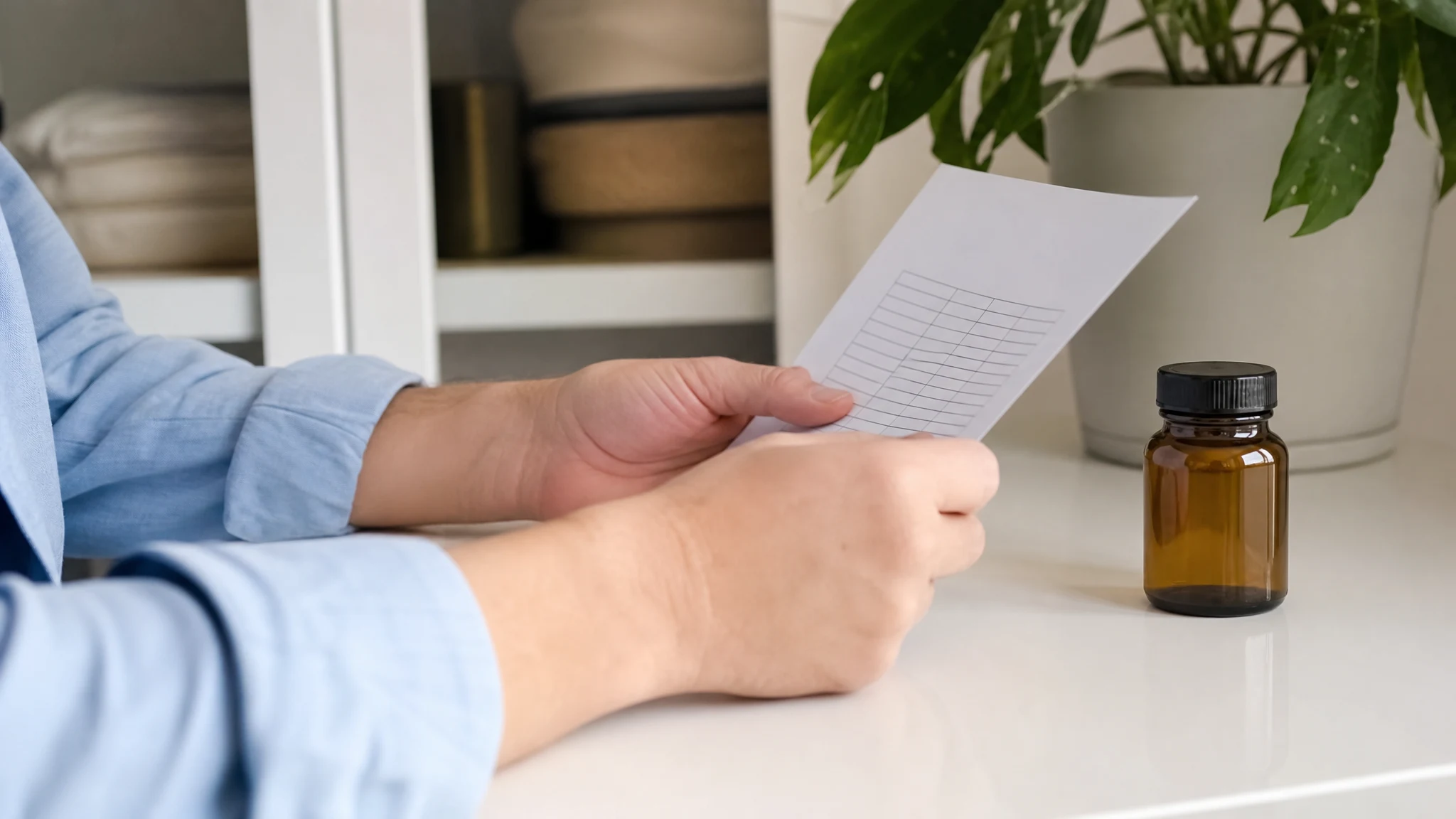
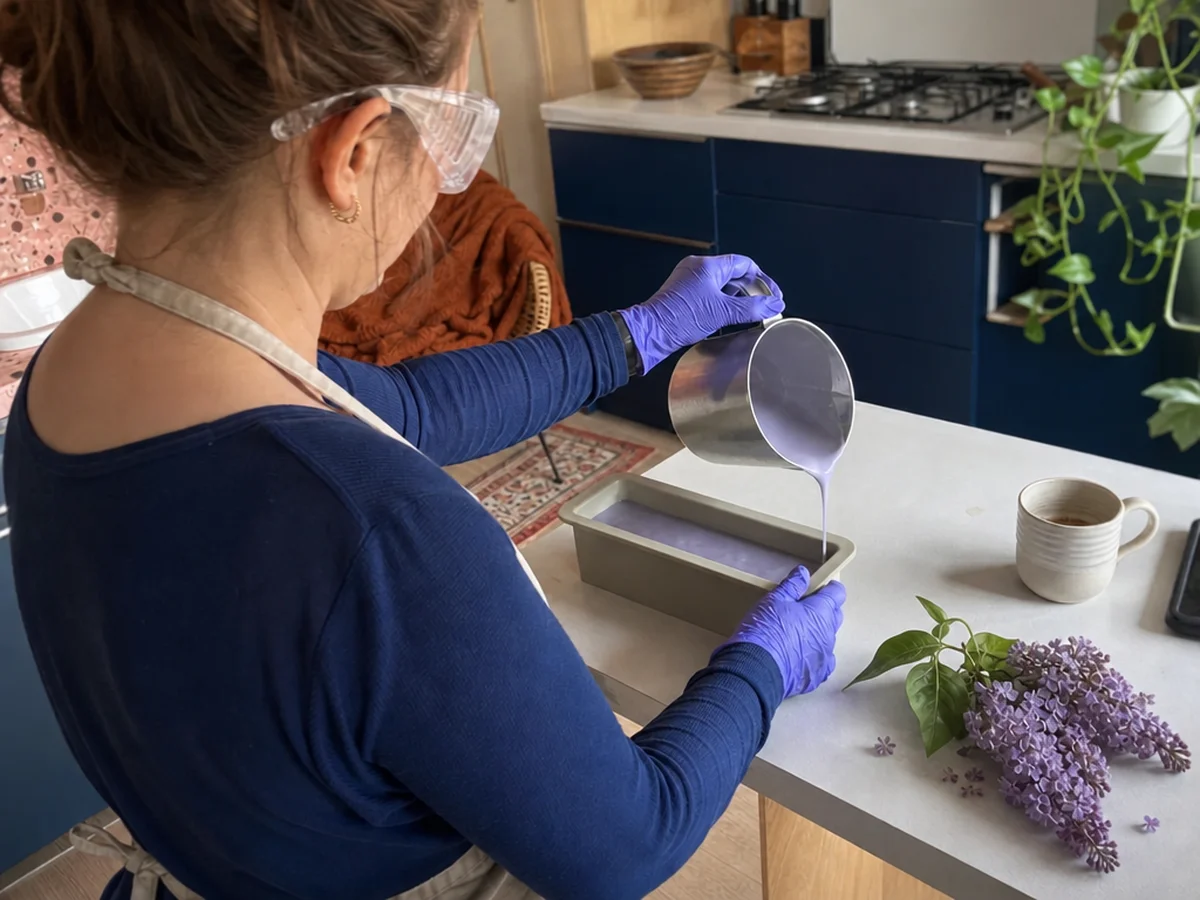
- Candles, soap or sprays you will sell. Start with 1 oz or 2 oz for test batches. Usage rates for those come from your wax, soap or spray base, so check with that supplier. Before you pour or cut for sale, ask us in writing through the contact page for the flash point, safety data sheet and IFRA statement your product needs, and keep our reply with your records. Our staged plan for testing before bulk shows how to take it step by step.
- A product line. Our bulk page offers sample bottles in any retail size, which is the cheapest way to find out whether the scent fits before you commit to pounds.
Smelling it properly when it arrives
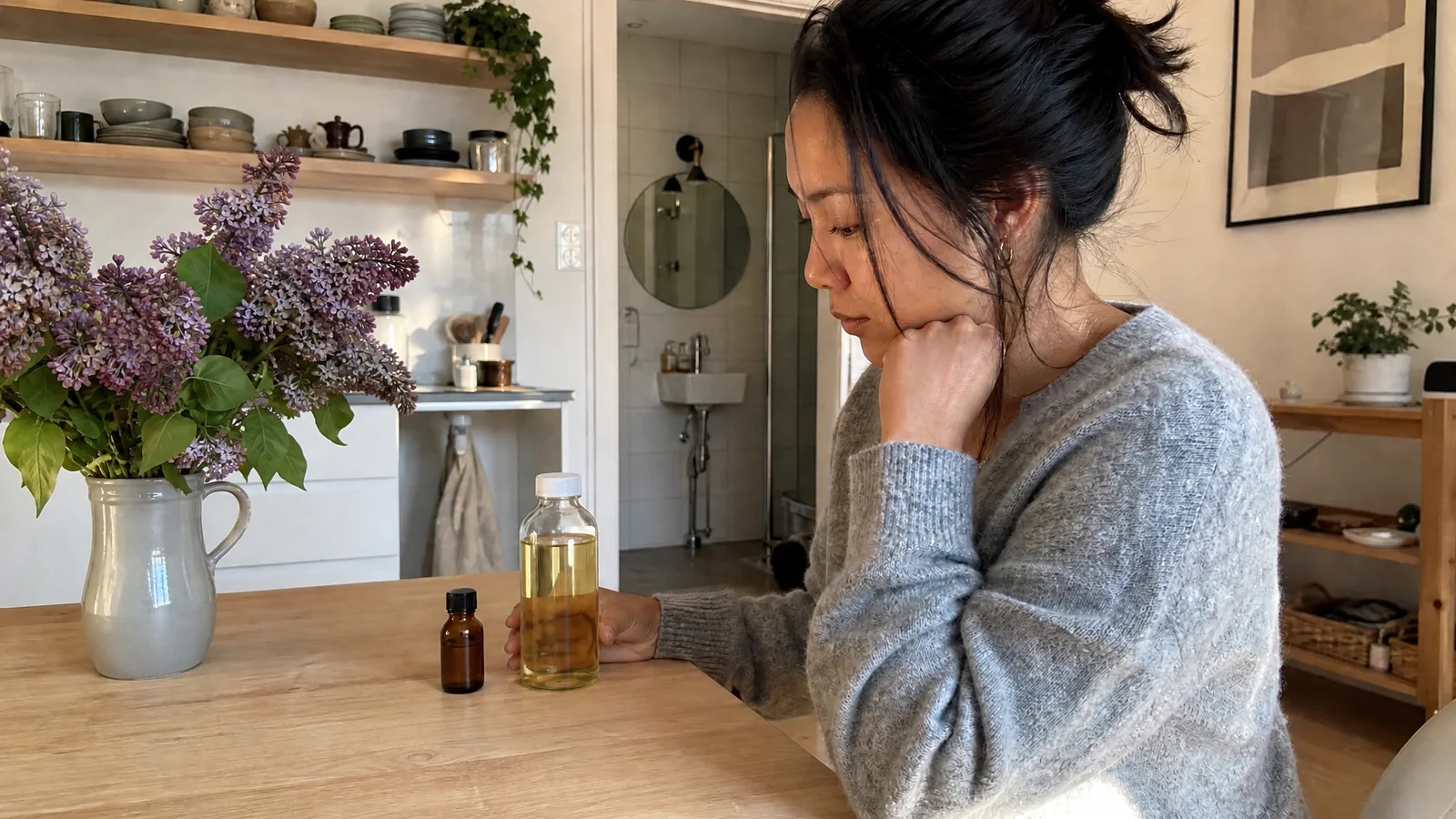
Do it in three passes. Smell the bottle, then a paper strip, then a drop in your carrier at the low end of the range. Neat oil and a diluted one can read quite differently, so judge the scent at the strength you plan to use, and come back to it the next day with a fresh nose before you decide.
A simple first-week plan
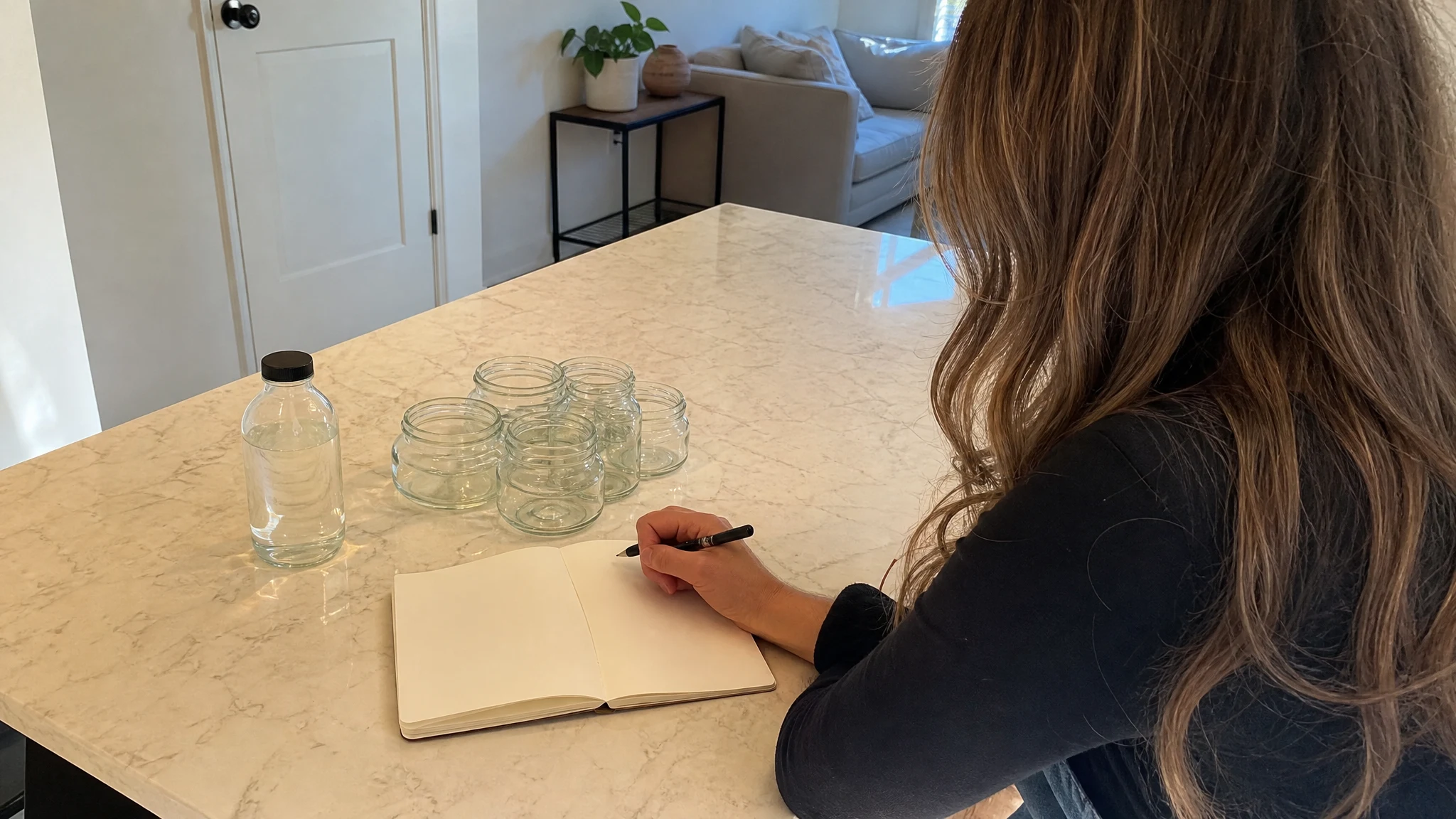
You do not need a lab notebook, but a few minutes of attention in the first week will tell you more than any description can. Here is how we would do it:
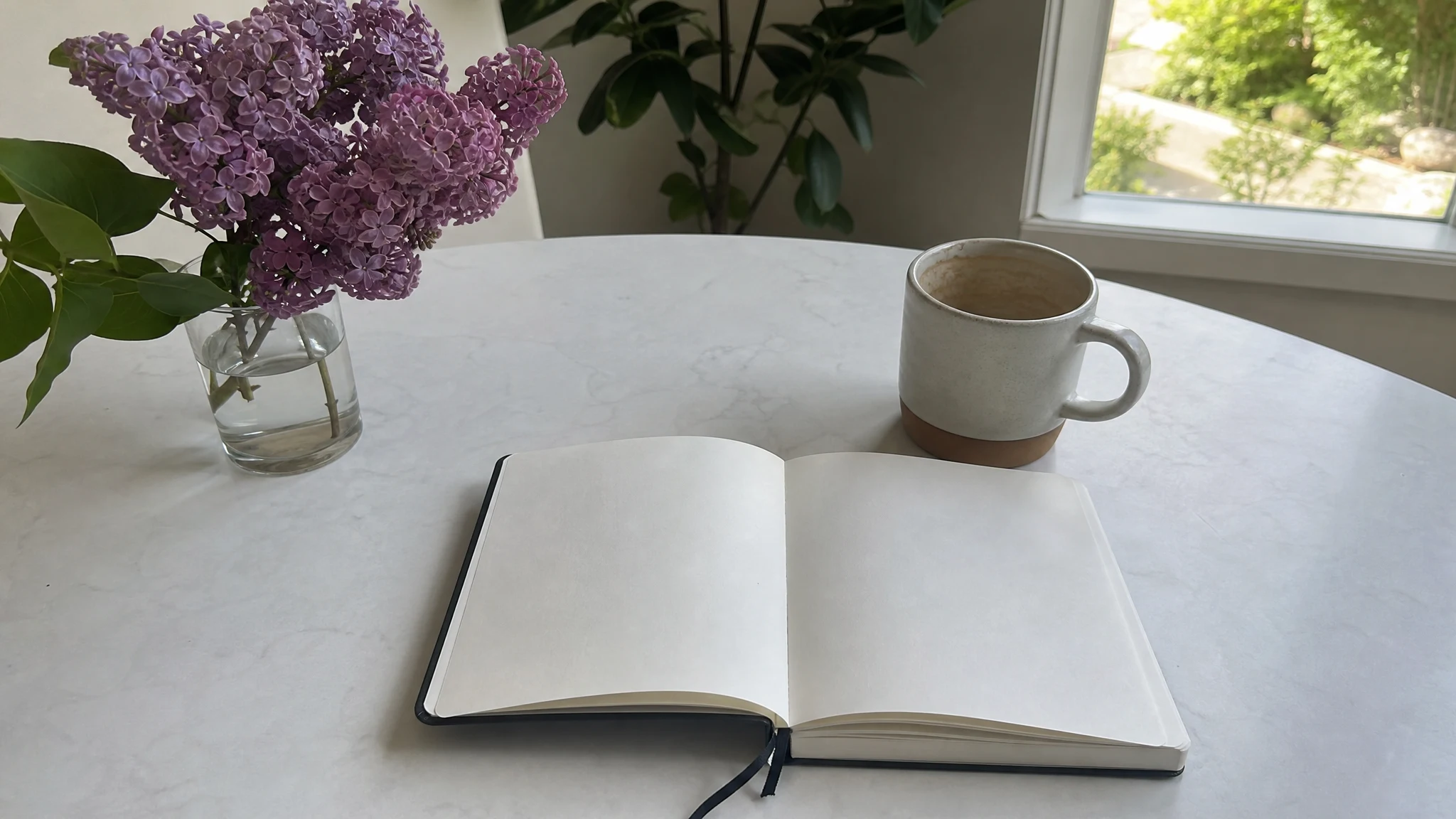
- Day one: smell the bottle and a paper strip, and write the lot number from the bottle on the first page of a notebook.
- Day two: go back to the strip with a fresh nose and write down what you notice, in your own words.
- Day three: make a tiny test blend in a carrier at the low end of the range and smell it on the strip, then patch test as described below.
- End of the week: decide what you want to make, and only then think about a second bottle.
Your notes do not have to be clever. "Green at first, then powdery" is a perfectly good tasting note, and a month from now it will help you decide whether you want a larger bottle or a different project altogether.
Keep a few things in mind about how we sell it. It is an external aromatic and cosmetic oil, never for internal use, and it should stay away from eyes, children and pets. We make no medical claims for it, and its purpose is scent. If you have reactive skin or a fragrance allergy history, a dermatologist is the right person to ask, and fragrance sensitivity can show up with any scented product. FDA notes that a cosmetic label may show only the word "fragrance" in place of the full scent formula, which is why a patch test matters more than the ingredient line (Fragrances in Cosmetics, FDA).
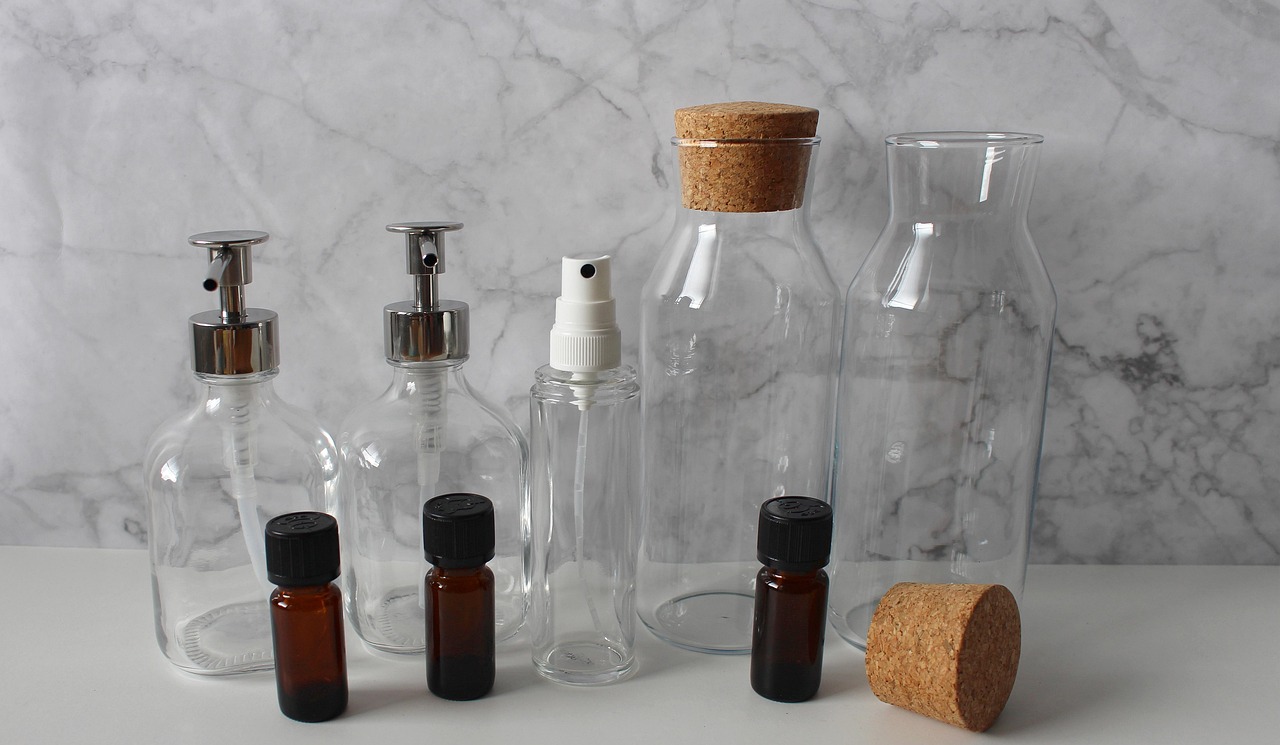
We also sell only the lilac oil, so carrier oils, bottles, droppers, wax and bases come from your local craft or supply shop or pharmacy. Order the small bottle, enjoy the first week with it, and let what you find out guide the second order.
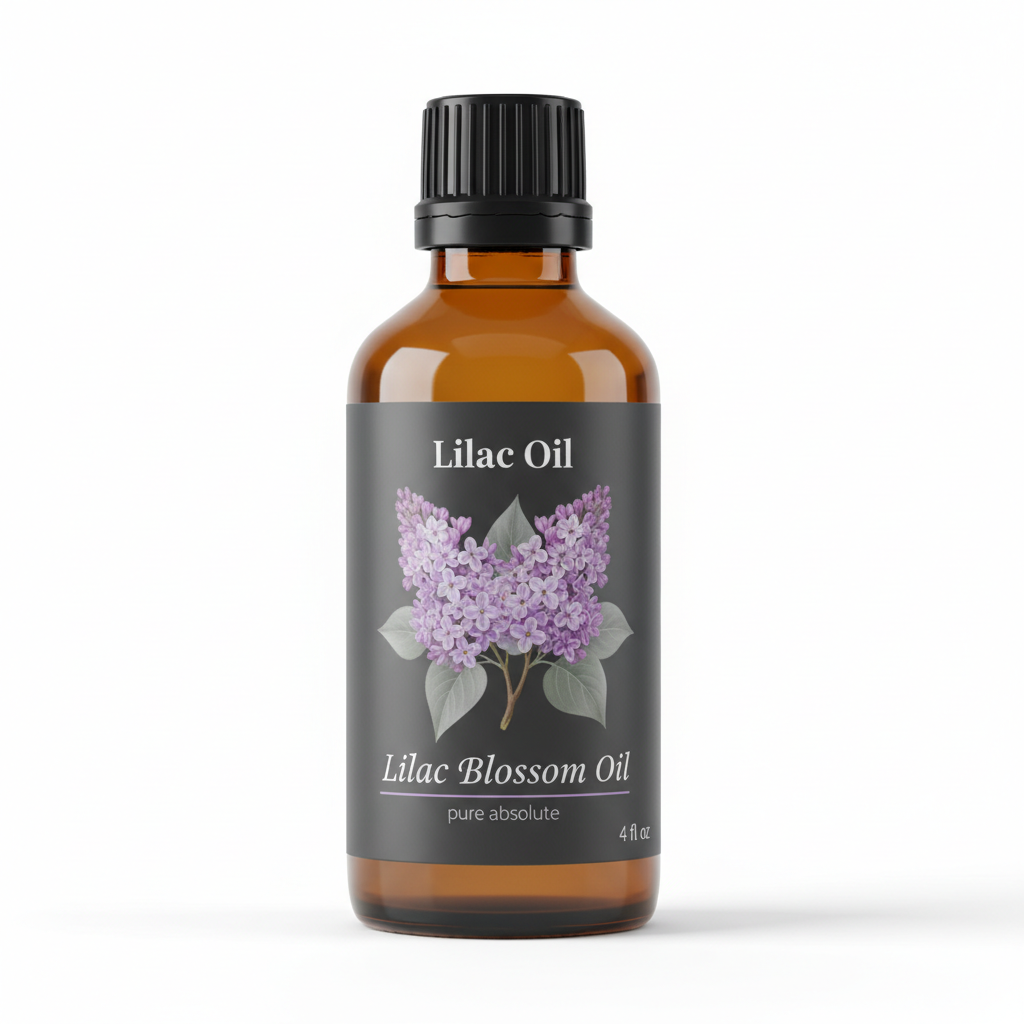
Lilac Blossom Oil
Lilac Blossom Oil from our own shop, in sizes from 0.5 oz to bulk.
From $15.99
Shop Now →