Lilac Oil Online: What to Ask Before You Order
Picture three browser tabs, each selling a bottle called "lilac oil." The photos match and the adjectives match, so the page cannot settle it. A handful of questions can, and they work on our listing as well as anyone else's.
Start by naming what is in the bottle
Look for the word that says what the product is: essential oil, absolute, fragrance oil, composition, infused oil. Ours is a composition of botanical extracts and infused aromatics, built to be faithful to the common lilac, and our post on why there is no true lilac essential oil sorts the terms. A listing that says "lilac essential oil" with no plant part, process or batch paperwork has given you a label rather than a fact. None of the types is dishonest in itself, and each can be a sound choice for a candle or a room spray. What counts is that the type is stated. If it is not, your first email is "what exactly is this, in one sentence, and is it diluted?"
Read the ingredient line the way the law allows
U.S. rules let a cosmetic list "fragrance" instead of itemising the scent (21 CFR 701.3 Designation of ingredients), because, as FDA explains, fragrance formulas are the components most likely to be trade secrets (Fragrances in Cosmetics | FDA). So a one-word ingredient line is normal. It also means a missing allergen list does not tell you there are none, which is why anyone with fragrance sensitivity should talk to a dermatologist or allergist before using a scented product.
Photos tell you less than you think
Amber glass bottles all look alike on a screen, and a pretty label can sit on almost anything. So treat the photo as decoration and the words as the product. Before you order from any seller, ours included, save or screenshot the listing as it reads that day. If the bottle that arrives does not match the description, you will have the exact wording in front of you, and the conversation with the seller becomes short and friendly instead of a debate about what the page used to say.
Check the packaging, the lot and the size
- Container. Ours is amber glass at every size. If a listing shows clear glass or plastic, ask why.
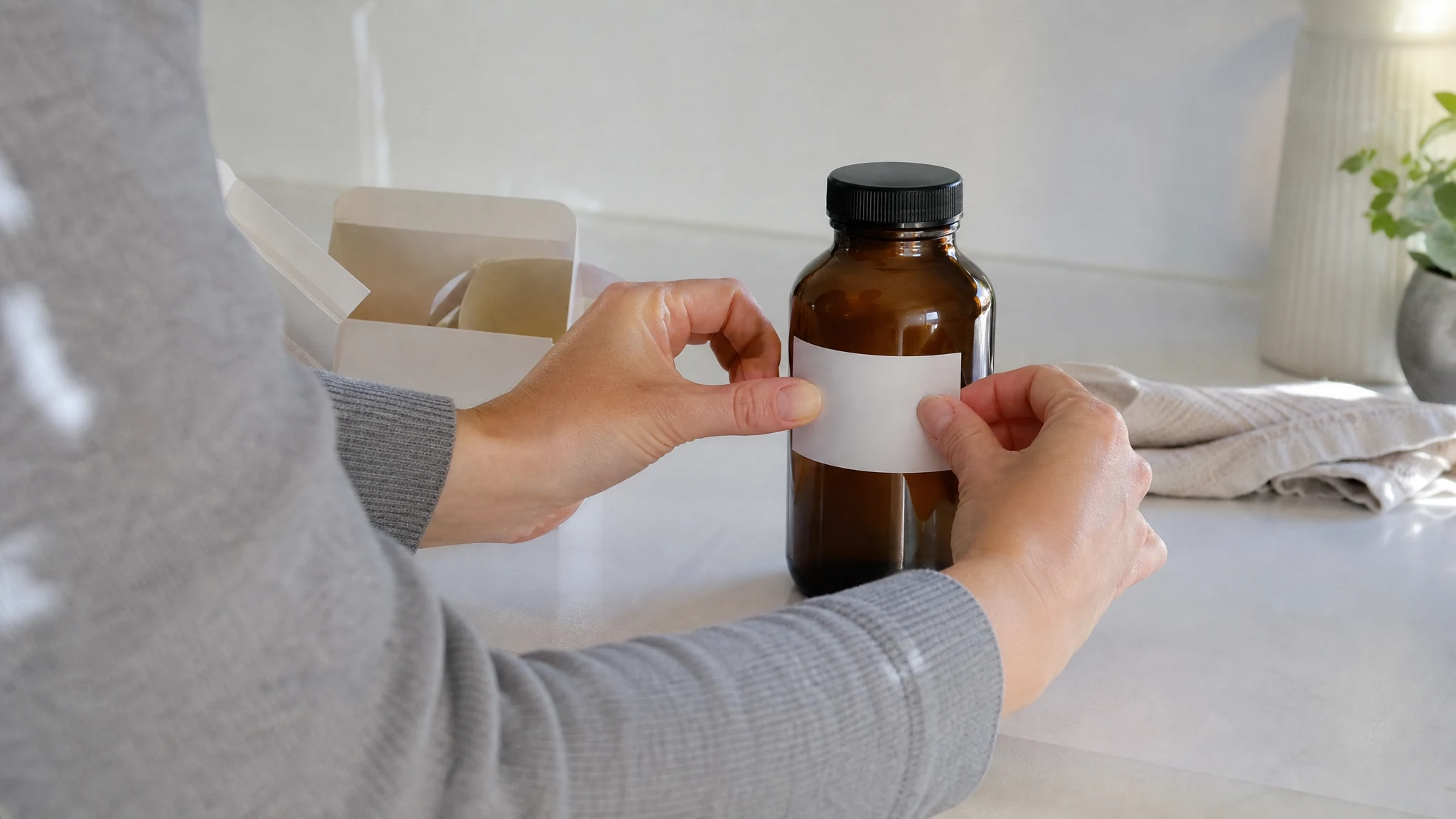
- Lot number. Ours is on the bottle, which lets a seller answer a question about the bottle you were sent.
- Size. Ours run from 0.5 oz to 400 lb. A 0.5 oz bottle is about 14.79 ml and 1 oz about 29.57 ml, so divide before comparing, as in our guide to comparing lilac oil prices.
- Shelf life. We put ours at typically 1 to 2 years kept tightly capped in a cool, dark place. Ask other sellers how they arrived at their figure.
Look at the paperwork and what it covers
A certificate of analysis is a record for one batch, so ask what it measures. The one we publish covers appearance, smell, relative density, refractive index and optical rotation for a single batch. It is a consistency record, and any COA described as proof of what is inside deserves a second look. Our guide to reading a COA and SDS has a worked example.
A safety data sheet is a separate document, following a 16-section format that starts with identification and hazards and includes physical and chemical properties (29 CFR 1910.1200 - Hazard communication.). Whether a given scented oil needs one for a given buyer is a regulatory question, so ask the seller what exists for the lot you would receive and get the answer in writing before you order. If you need one from us, our contact page is the place to ask.
Judge how the questions are answered
Three questions do most of the work: what is it and is it diluted, which documents exist for my lot and can I have them in writing, and what happens if the scent is not what I expected. A seller who answers directly and says what they do not have is giving you more than a badge on the page.
When the bottle arrives
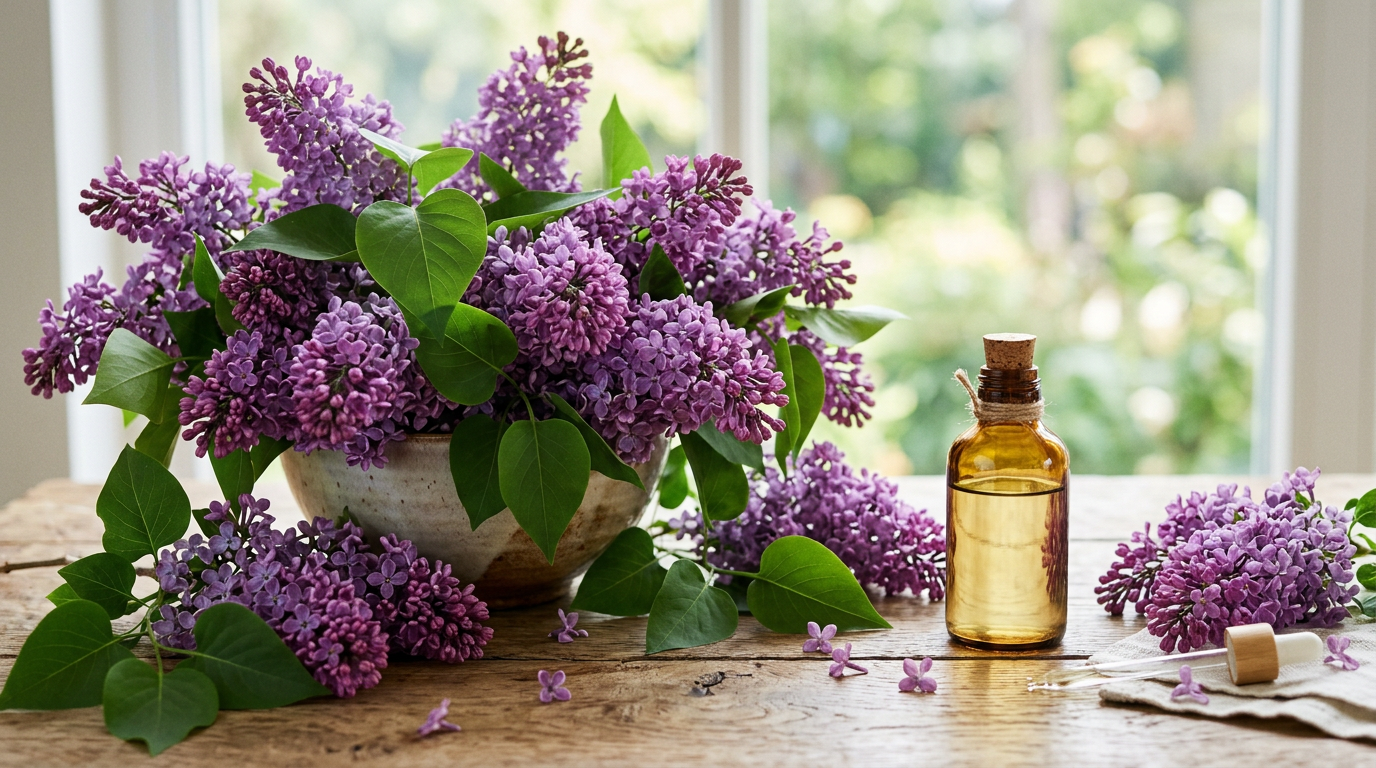
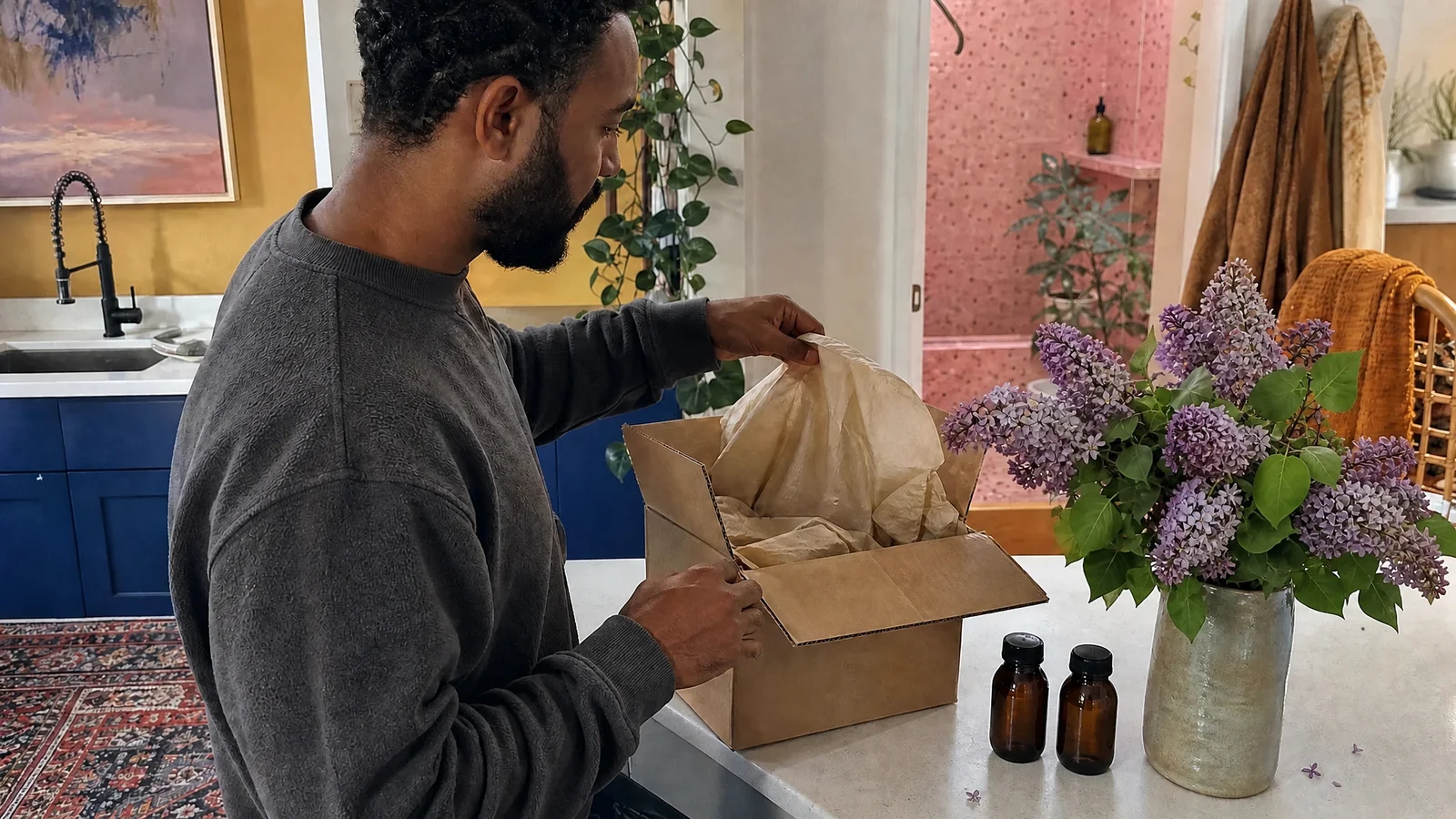
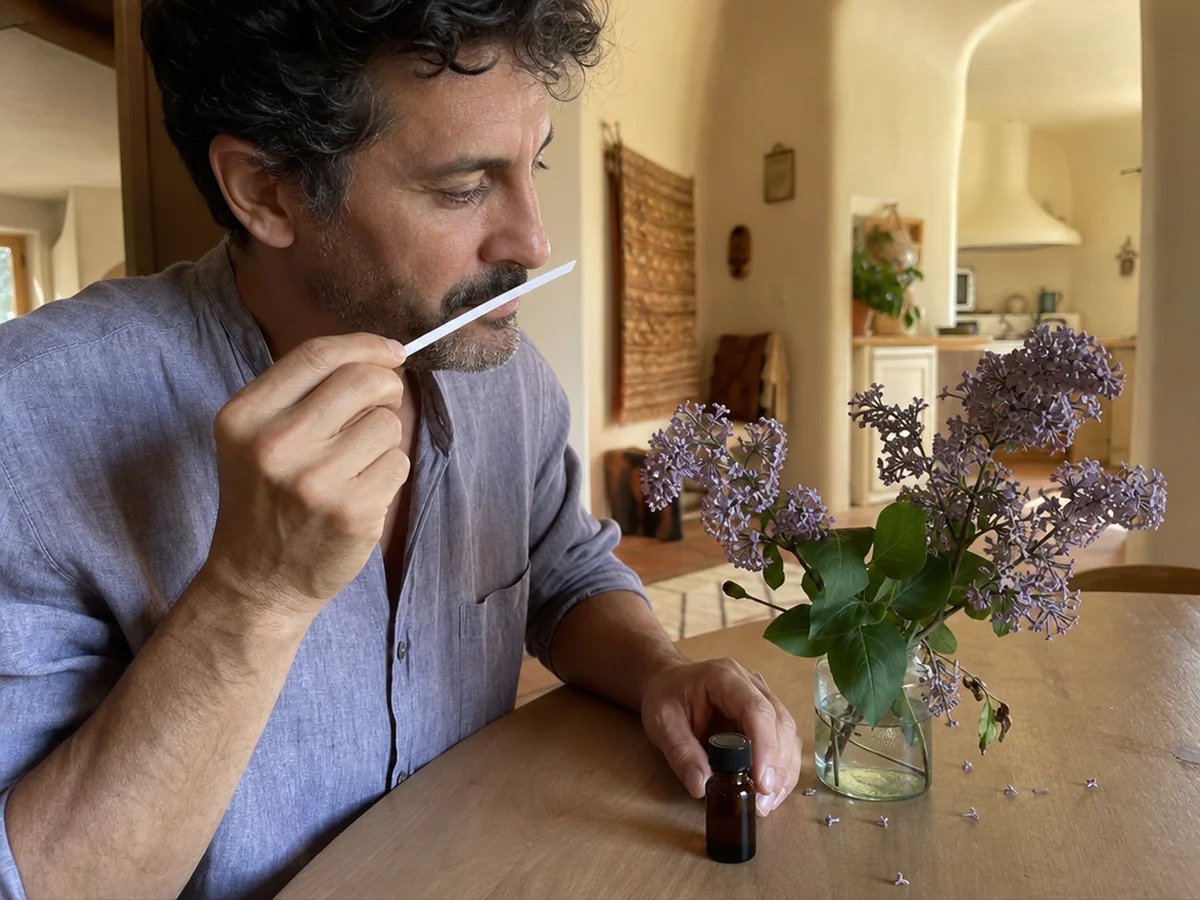
Take a minute with it before you put it on a shelf. Check that the cap is snug, that the lot number is on the bottle, and write that number in a notebook with the date. Then open it and smell the bottle itself, and put a drop on a paper strip. We describe ours as soft, powdery and springlike, with fresh purple florals, green stems, a hint of almond sweetness and a clean musky base. Your nose may pick out those parts in a different order, and that is perfectly normal. Come back to the strip an hour later and again the next morning, because a floral reads differently once the first burst has settled.
If anything about the bottle or the scent surprises you, write to the seller while the details are fresh. Most small shops would much rather hear from you in the first week than after the bottle is half empty.
Test small first
A floral cannot be judged from a photograph. Start with the smallest bottle, or ask about the sample bottles on our bulk page. For skin use, our guidance is 0.5% to 2% in a carrier oil starting at the low end, with a patch test first; our dilution chart turns that into millilitres and grams. For anything you will sell, testing before bulk gives a staged plan. A dermatologist is the right person for reactive skin, a veterinarian before scent is used around pets, and a regulatory consultant if you are putting your own label on a product.
If the listing in front of you is clear about what it sells and what it can show, it has cleared a bar that many do not.

Lilac Blossom Oil
Lilac Blossom Oil from our own shop, in sizes from 0.5 oz to bulk.
From $15.99
Shop Now →