Can You Bottle Lilac? Why the Scent Is Rebuilt
Anyone who has stood next to a lilac in full bloom has had the same thought: I wish I could keep this. The shrub gives you about two weeks, and then the scent is simply gone until next May. It is a lovely idea that one spring's flowers could be turned into a bottle, and it is worth understanding why they cannot, because the reason is also why a composed lilac scent exists at all.
A very short calendar
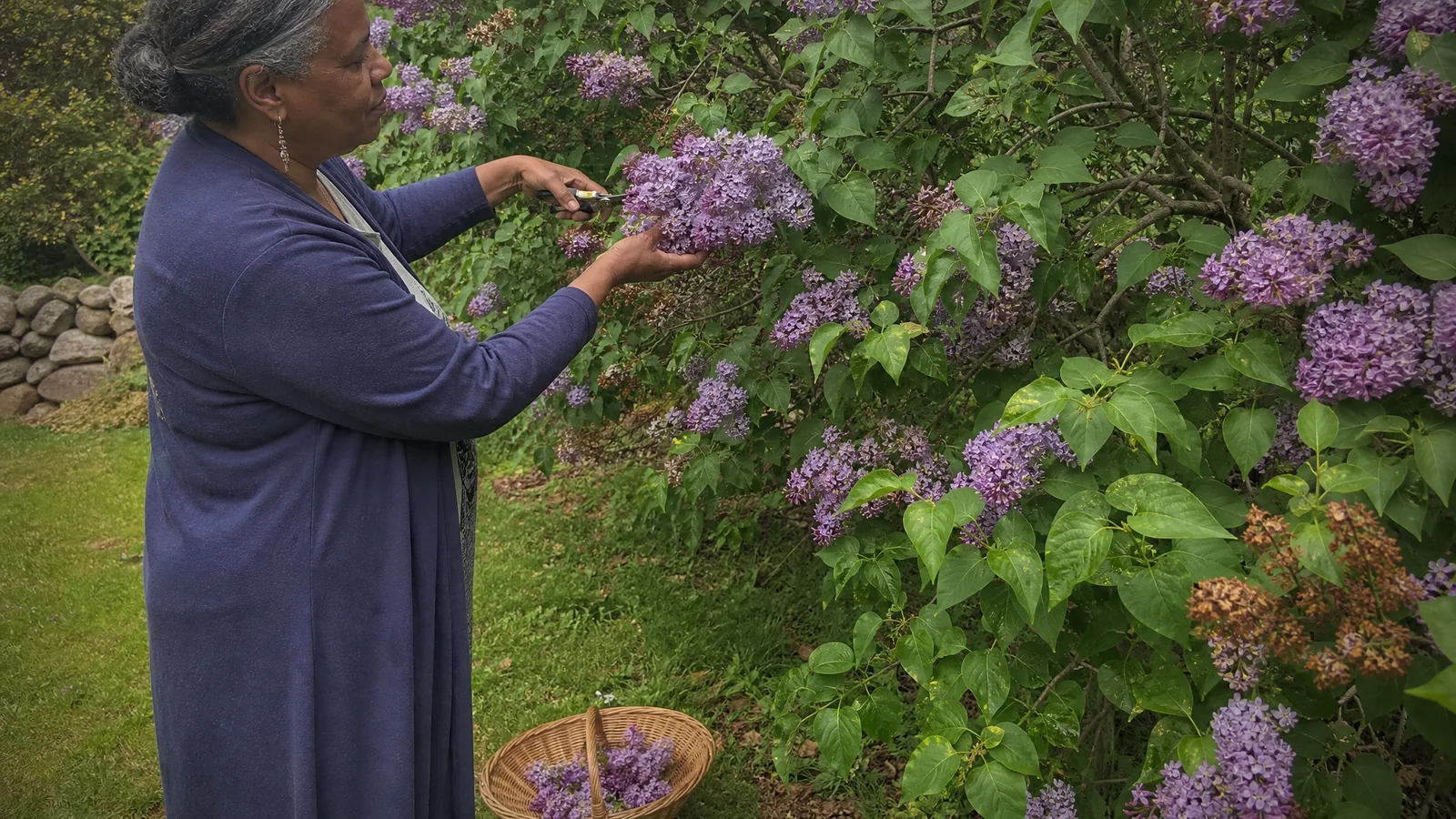
University of Minnesota Extension puts lilac bloom at roughly 10 to 14 days, depending on the weather, with the earliest types opening from April to mid-May and the common lilac in mid to late May. One rainy week can swallow much of that window. The plants carry their own busy lives too: NC State Extension lists scales, borers, leaf miners, thrips and caterpillars among the visitors, and notes that powdery mildew is common on the leaves. Whatever you might hope to make from one spring's flowers, you would have a fortnight to make it in.
If you would like to enjoy the season itself, we wrote about that in making the most of lilac season. This post is about what happens after the flowers are cut.
The scent on the branch is not the scent in the vase
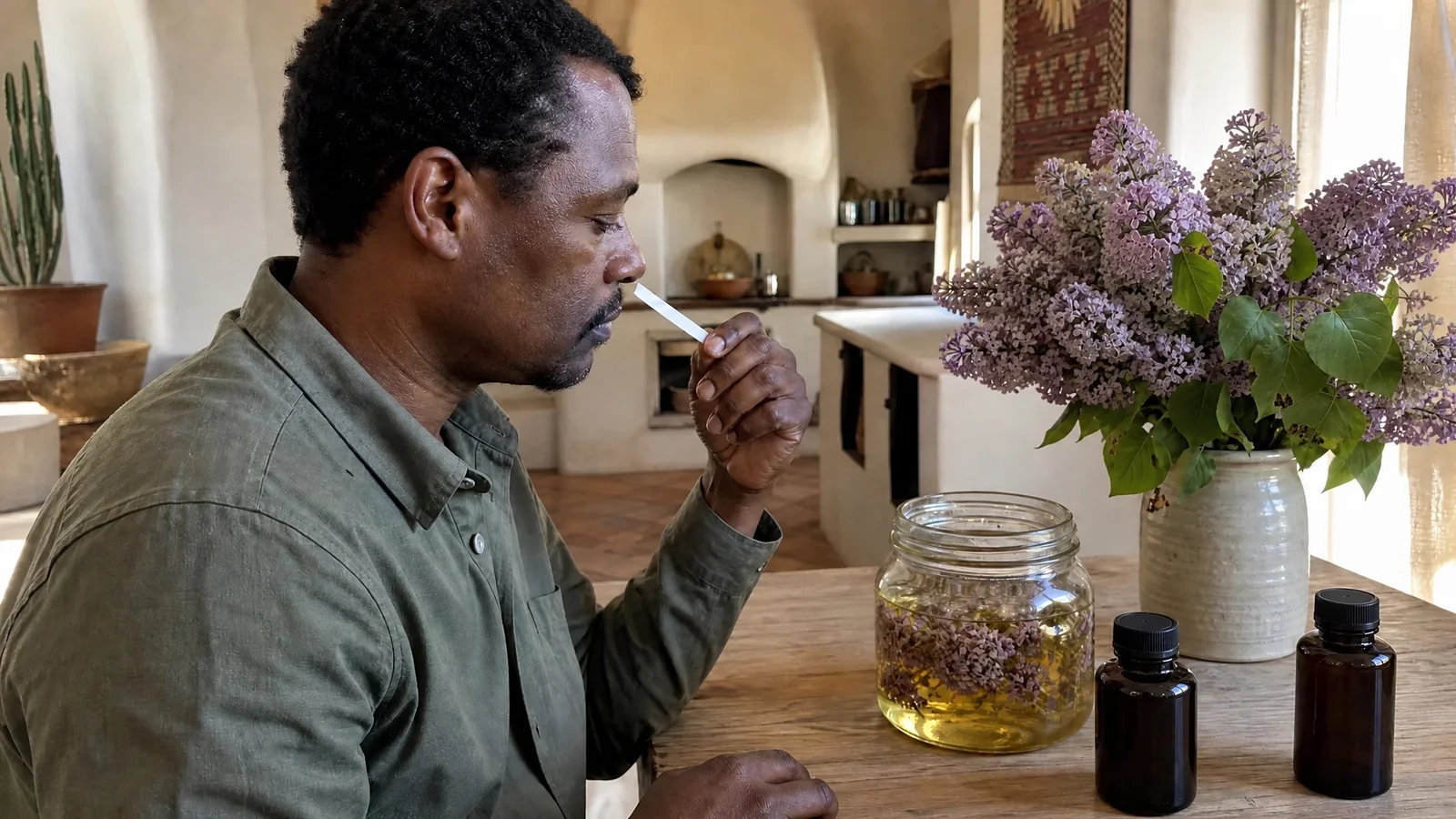
It is tempting to picture a blossom as a little jar of fragrance that careful hands could simply pour out. Measurements say it is more like a conversation. A headspace study of nine lilac species and varieties found that scent amounts and ingredients differed a good deal from one kind to the next, with a single compound, beta-ocimene, making up more than 70 percent of the floral scent in three of them. When detached flowers of one cultivar were left to dry, what they gave off was mostly alcohols, a different mixture from what a fresh flower breathes out.
A second study took yet another route, grinding frozen lilac flowers and warming the powder before measuring what came off. Put the studies side by side and the practical lesson is easy to see: the scent around a living bloom, the scent of a cut and wilting one, and what you can coax out of crushed petals are three different smells. Someone who picks a basket of flowers and hopes the result will smell like standing beside the shrub is hoping three different things will match. That connection to a home project is our own reasoning, since none of these papers tested a maker's method, but we think it holds up.
Why distillation does not rescue it
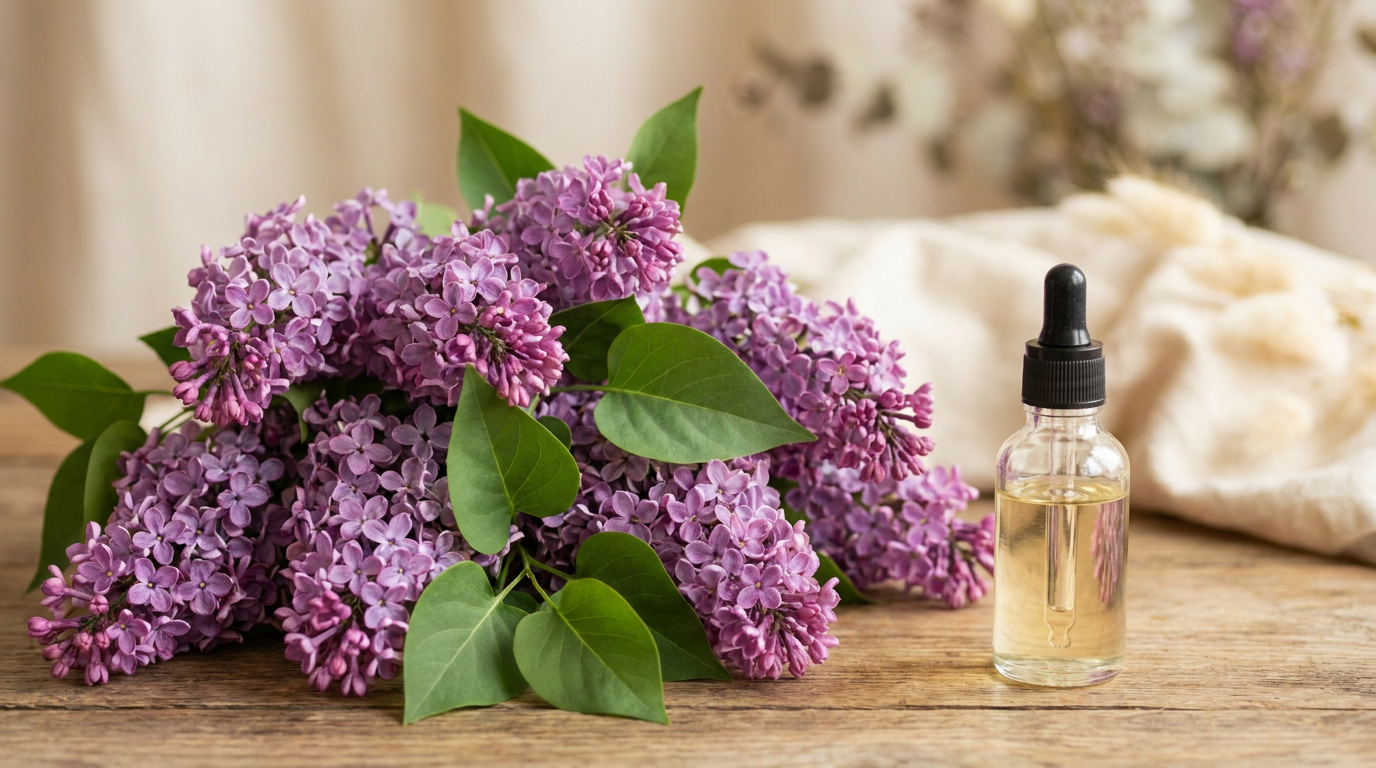
Perfumery has a name for flowers like this. Tendance Parfums calls lilac one of the so-called "mute" flowers, because its clusters do not release enough essence to be distilled cost-effectively, so perfumers recreate the scent by blending natural materials and synthetic molecules. That is exactly how we describe our own oil: there is no true lilac essential oil, and our Lilac Blossom Oil is a composition of botanical extracts and infused aromatics, built to be faithful to the common lilac in bloom. If you are curious, why there is no true lilac essential oil goes into it, and the history of lilac in perfumery shows how the craft grew up around that fact.
What about a home infusion?
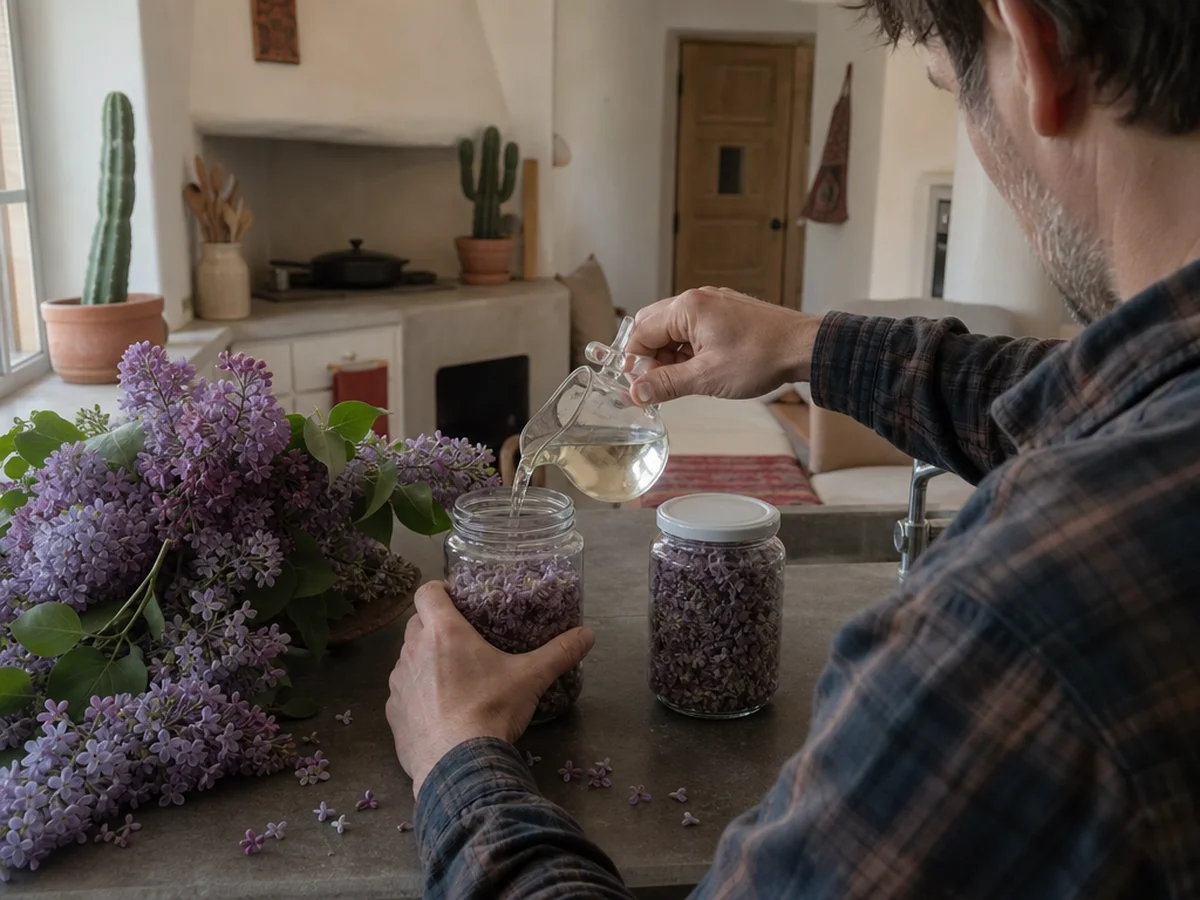
Some people reach for blossoms steeped in oil, and it is a charming craft project. It is also food-safety territory. The CDC's botulism guidance says plainly to refrigerate homemade oils made with garlic or herbs and to throw them away after 4 days. Flowers are not named on that page, so applying it to lilac is our judgment, but fresh plant material holds water and microbes, and oil keeps air away, which is the situation the guidance is about. Our advice is to treat a blossom infusion as a short-lived keepsake for your own room, not something to put on skin or sell. We walk through the details in making lilac infused oil at home.
Keeping the season another way
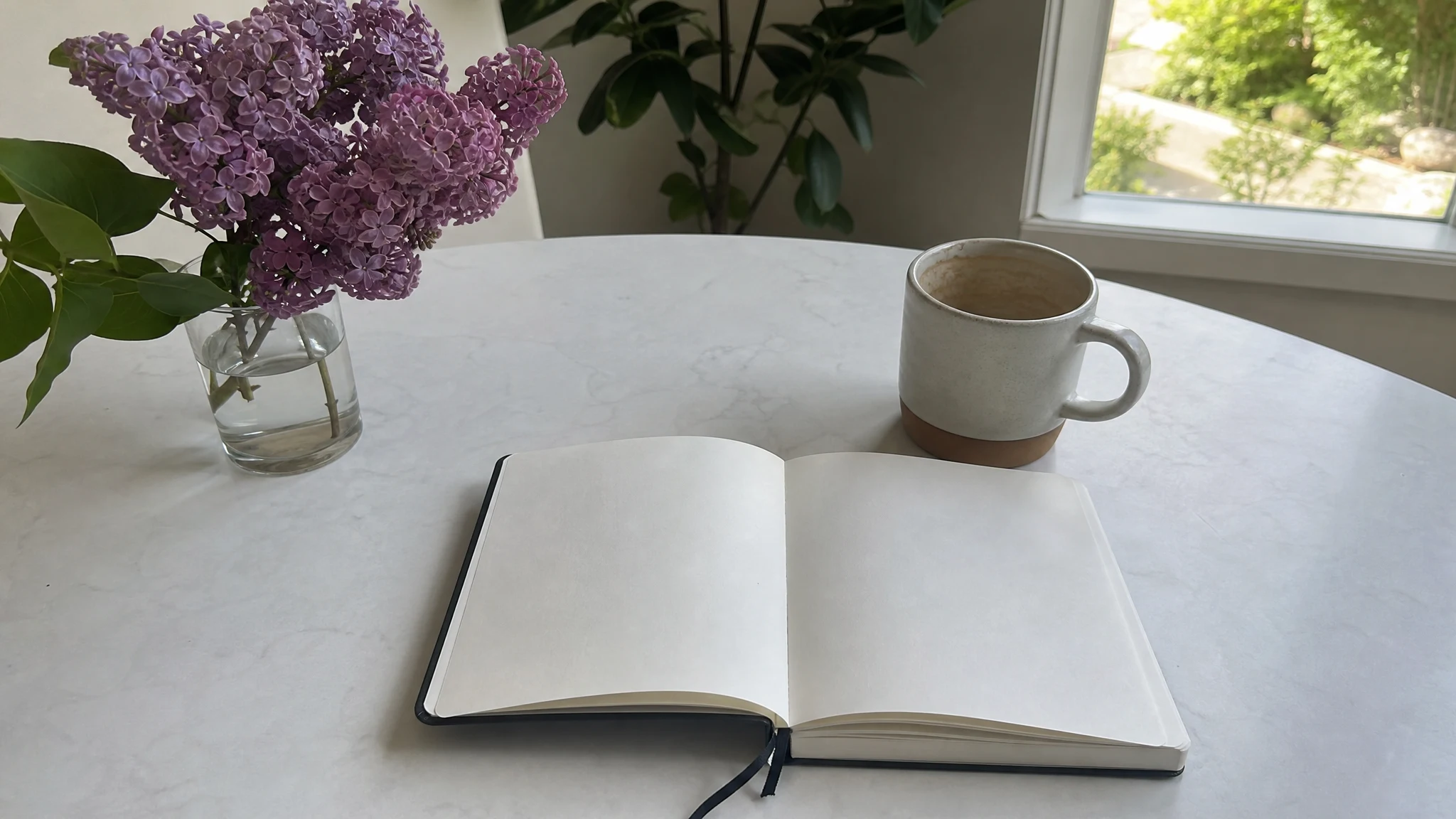
If the bloom is outside your window right now, there is a gentle way to hold on to it that needs no equipment. Cut a small cluster, put it in a jar of water on the kitchen table, and sit with it for a few minutes each day. Notice how the scent changes as the flowers open and then fade. Write a line or two each time: sweet, green, faint, gone.
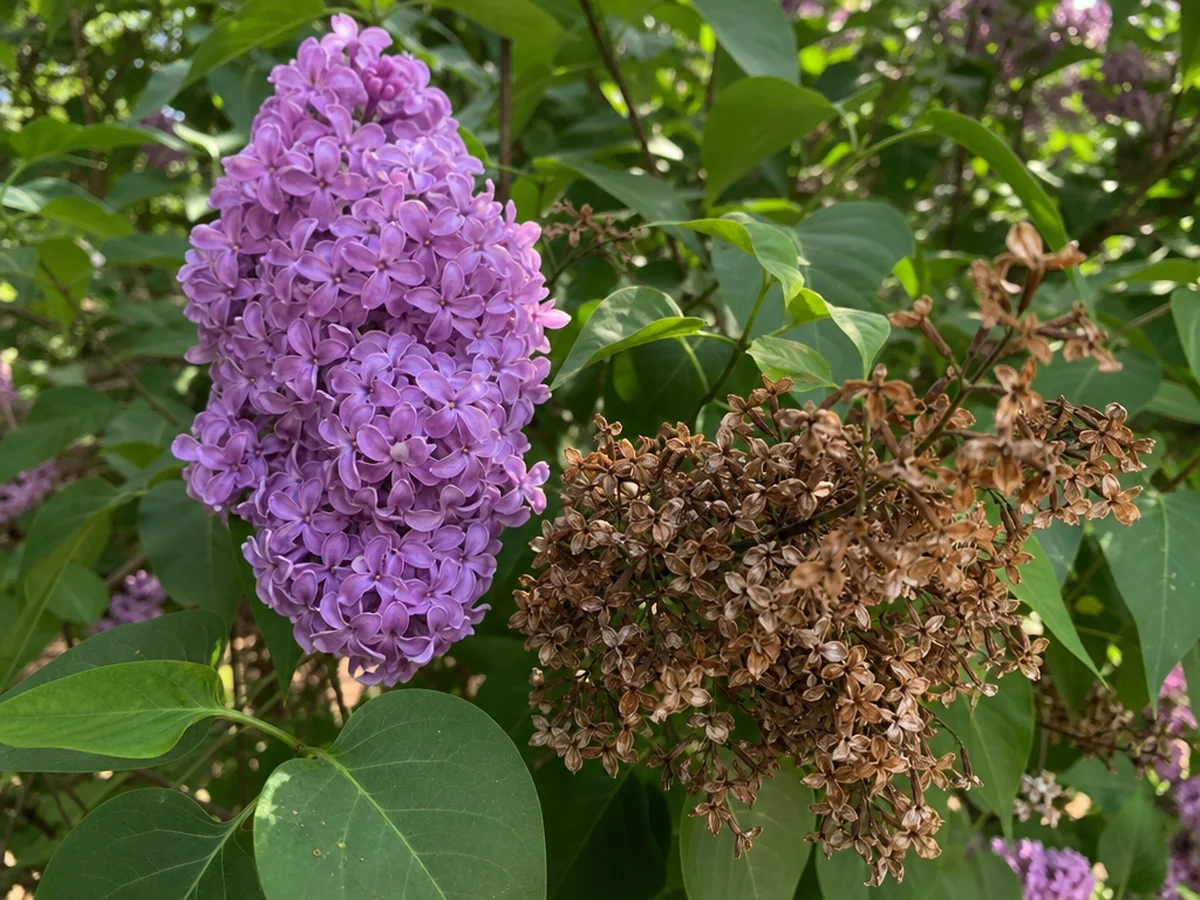
Those notes become useful later. When you smell a lilac candle, a bottle of oil or a paper strip in February, you will have your own words for the real thing to compare it with. We find that a person who has paid attention to the living flower is the best judge of any scent made in its honor.
What a bottle can honestly be
A bottle cannot be this year's bloom, and we would rather say so than pretend. What it can be is a careful reading of lilac: soft, powdery and springlike, with fresh purple florals, green stems, a hint of almond sweetness and a clean musky base, which is how we describe ours. It is a different object from the shrub, built to remind you of it in the other eleven months. If you want the real thing, cut a cluster for the kitchen table while the bloom lasts. When the petals have dropped, a small bottle is a gentle way to bring May back.
For skin use we suggest diluting to 0.5% to 2% in a carrier oil, starting at the low end and patch testing first, and keeping it away from eyes, children and pets.
The season is short because the bloom is short, and that is a good part of why we love it.
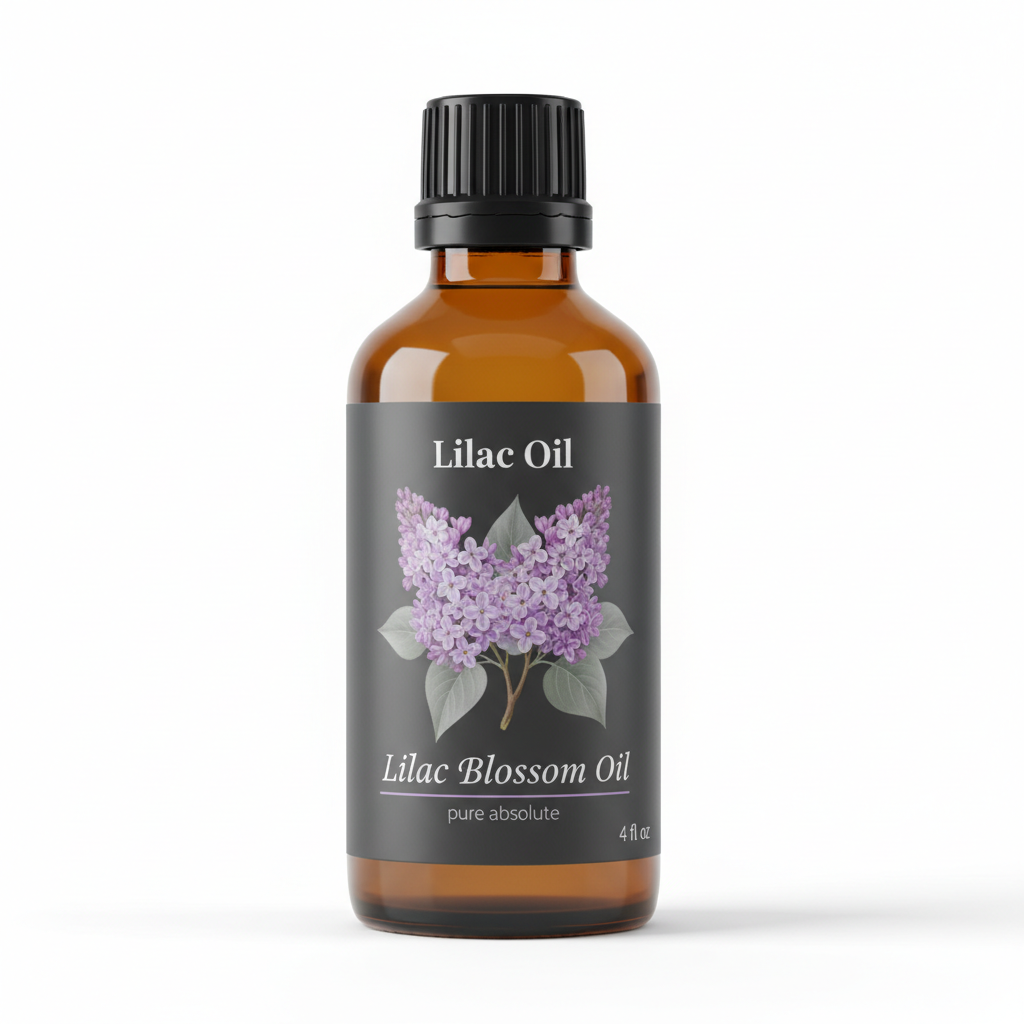
Lilac Blossom Oil
Lilac Blossom Oil from our own shop, in sizes from 0.5 oz to bulk.
From $15.99
Shop Now →Sources & Further Reading
- University of Minnesota Extension, Lilacs
- North Carolina Extension Gardener Plant Toolbox, Syringa vulgaris (Common Lilac)
- Yang et al., Analysis of floral scent emitted from Syringa plants, Journal of Forestry Research (2016)
- Chen et al., Syringa oblata genome provides new insights into molecular mechanism of flower color differences among individuals and biosynthesis of its flower volatiles, Frontiers in Plant Science (2022)
- Tendance Parfums, Lilac perfume: guide and best picks
- CDC, Botulism Prevention