Lilac Infused Oil: Can You Steep Blossoms at Home?
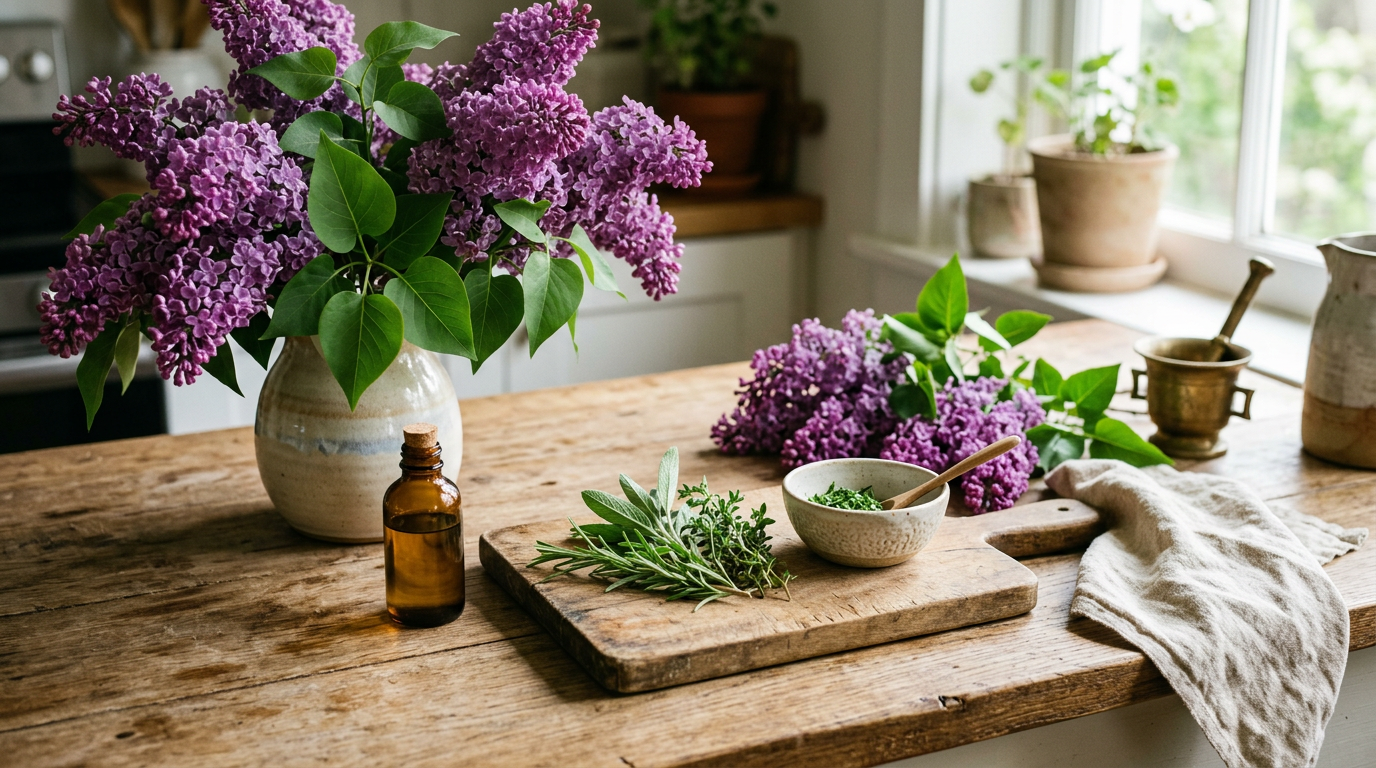
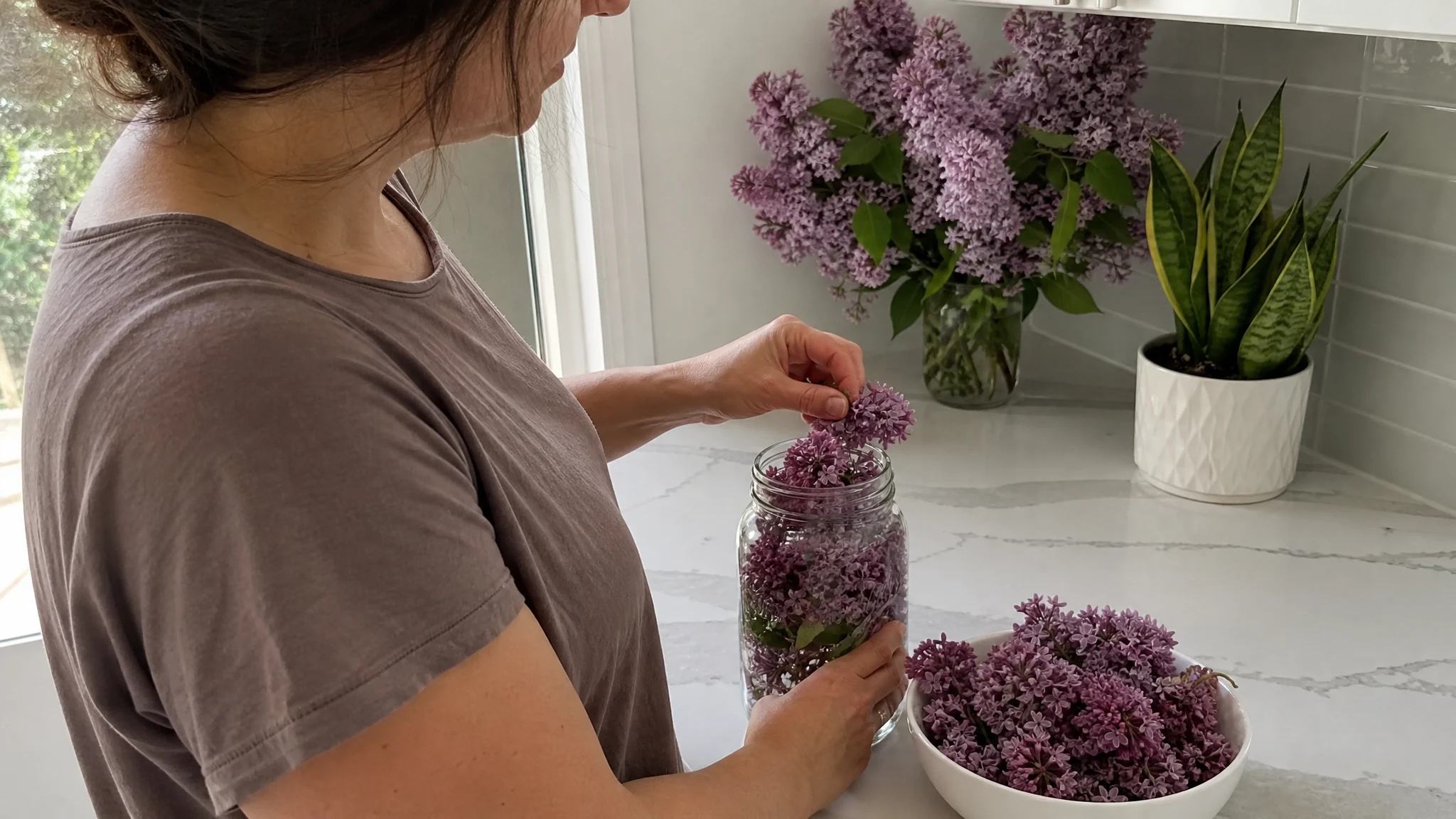
Every May, someone stands under a lilac in full bloom, nose in the flowers, and thinks: I should capture this. Steeping the blossoms in oil is the obvious thought. It is a lovely idea with one rule to know before you begin, and a realistic picture of the scent will help you decide whether the project is for you.
Start with the water
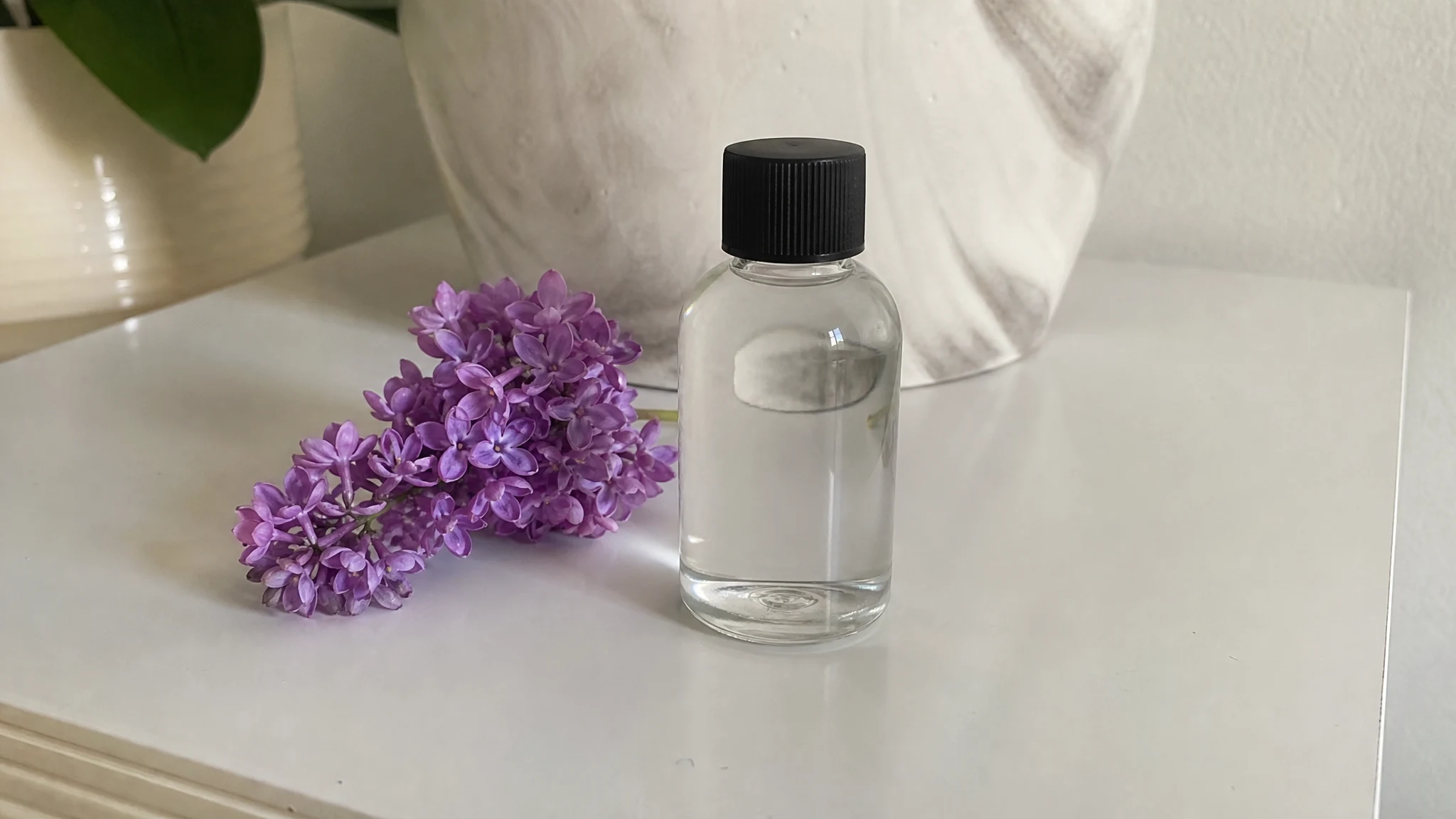
Fresh petals are wet, and wet plant material sitting in oil is the situation food-safety agencies warn about. The US Centers for Disease Control and Prevention puts it plainly in its botulism prevention guidance: refrigerate homemade oils made with garlic or herbs, and throw them away after four days. That advice is written for food, and applying it to a lilac oil for skin is our reasoning by analogy, but it is the cautious reading and the one we would follow.
Research on flavored oils shows why neither panic nor shrugging fits. A 2023 study stored olive oil flavored with rosemary, garlic or lemon for 12 months at 20 C and found no Clostridium botulinum or Salmonella in that time, yet the herbs themselves carried far more microbes than the finished oils, and the authors still say herbs stored in oil must be properly treated because of the botulism risk. It involved a few culinary herbs and lemon, not lilac, so the useful lesson is the careful one: treat a jar of petals in oil as a short-lived preparation.
Why the garden moment is hard to bottle
Standing beside a lilac in full bloom, you get warmth, humidity, a breeze and the whole shrub at once. A jar on a kitchen counter has none of that. It helps to go in expecting a keepsake rather than a replica, and to be pleased by whatever faint sweetness turns up. Smell it fresh, then again a day later, and notice how much of the first impression has already faded.
What scent to expect
Lilac is intensely fragrant on the shrub, which is why people try this. The scent of the living flower comes from volatile molecules, and a 2021 paper on lilac aldehydes calls them the principal olfactory molecules of lilac flowers, first isolated in 1974 from an oil of lilac flowers (Syringa vulgaris). The same paper notes that perfumers use synthetic lilac aldehydes almost exclusively. Volatile means they leave easily, which is what lets a flower scent a whole garden, and it is also why a jar of soaked petals tends to smell more of its carrier oil than of the bush.
So plan for a faint, short-lived note and enjoy it as a keepsake. Our own Lilac Blossom Oil is not made this way. It is a composition of botanical extracts and infused aromatics that we compose to be faithful to lilac in bloom. Our post on why there is no true lilac essential oil explains why a strongly scented flower does not give a simple bottled oil.
Where the blossoms come from
If you do try it, think about where you are picking. A hedge along a busy road or beside a neighbour's sprayed lawn is not the place. Pick in the morning once the dew has dried, from a shrub you know, and bring only as many clusters as the small jar needs. Shake each cluster gently outdoors first and check for insects. Leaving the rest on the bush means there are still flowers to enjoy for the rest of their short season.
If you would like to try anyway
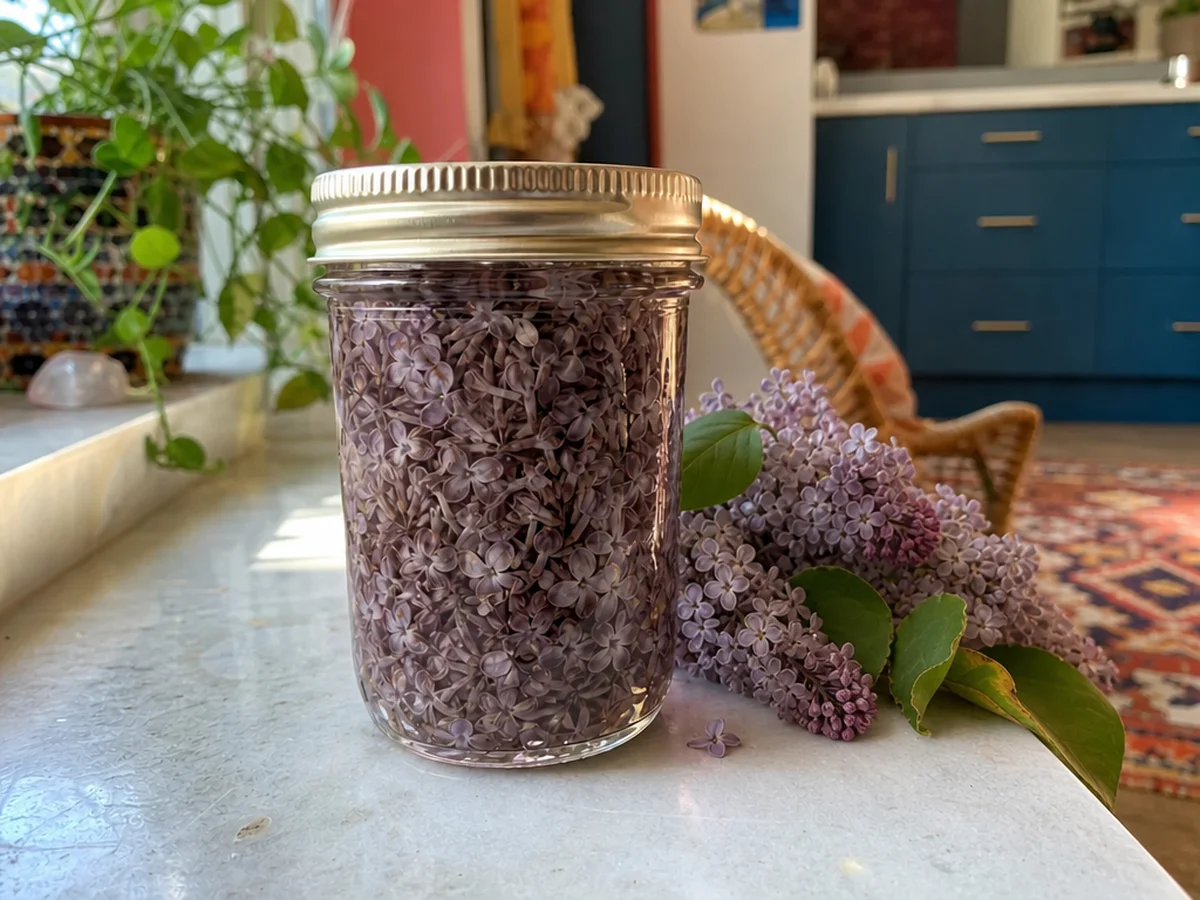
Here is a short set of rules drawn from the sources above, as a floor rather than a recipe:
- Choose blossoms you can identify as common lilac, from a plant nobody has sprayed.
- Make a small jar, a few tablespoons of carrier oil, so a four-day limit does not waste much.
- Refrigerate it from the first day and write the date on the label.
- Discard it on day four.
- Use it on skin only, never in food, and patch test on a small area first.
- Keep it for yourself. The FDA's small-business fact sheet notes that you are legally responsible for the safety and labeling of what you sell, and a four-day product is not one a customer can keep.
We sell only the lilac oil, so blossoms and carrier come from your garden and a grocery or craft shop.
Other ways to keep the memory
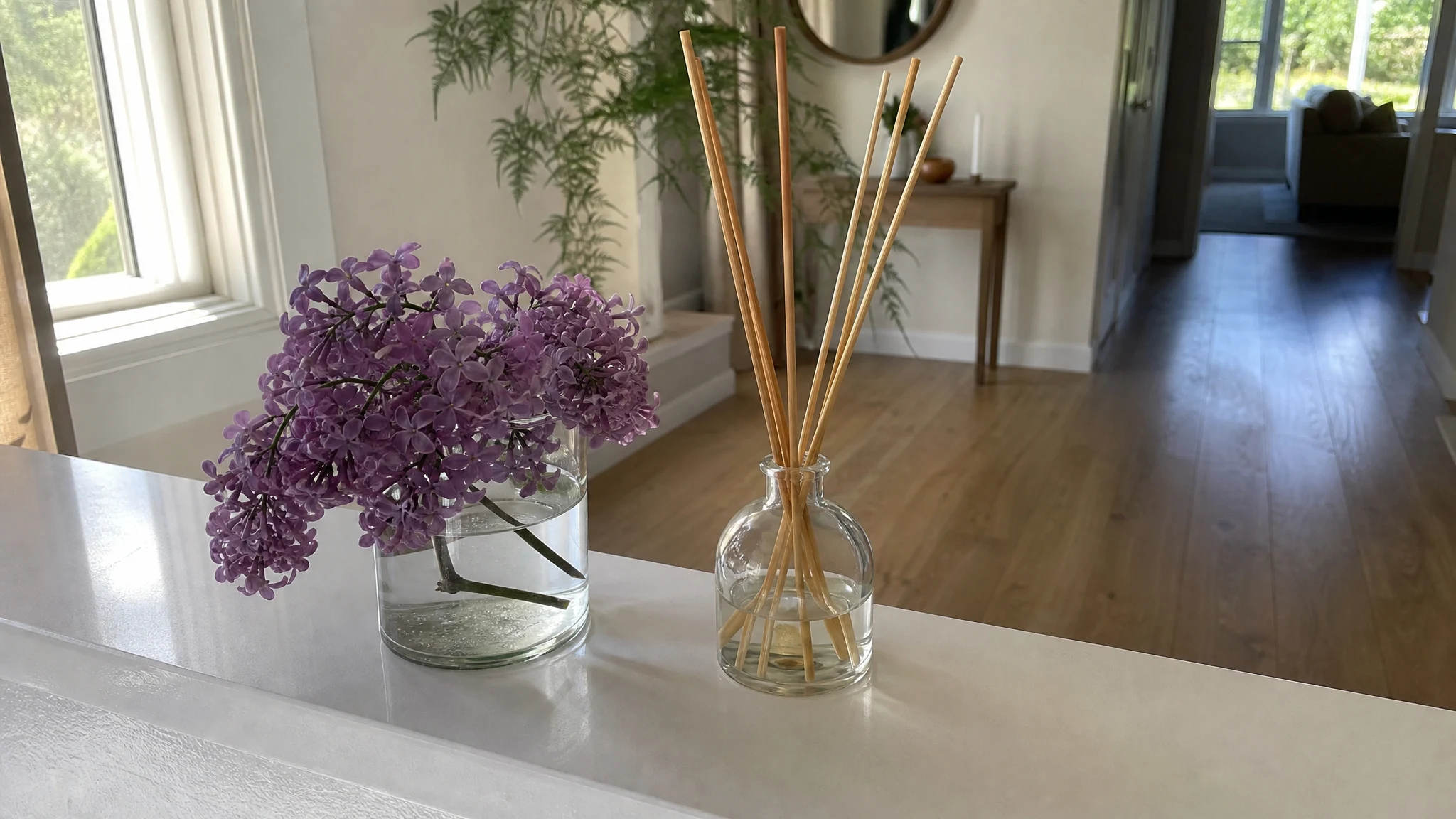
A pressed sprig between the pages of a book keeps the colour for years, and a cut stem in a vase fills a room for a few days. A handwritten note of the date and where you picked them is a surprisingly good keepsake too. None of these needs refrigeration, and all of them let the flower do what it does best without a clock ticking over the jar.
Why our dilution line does not carry over
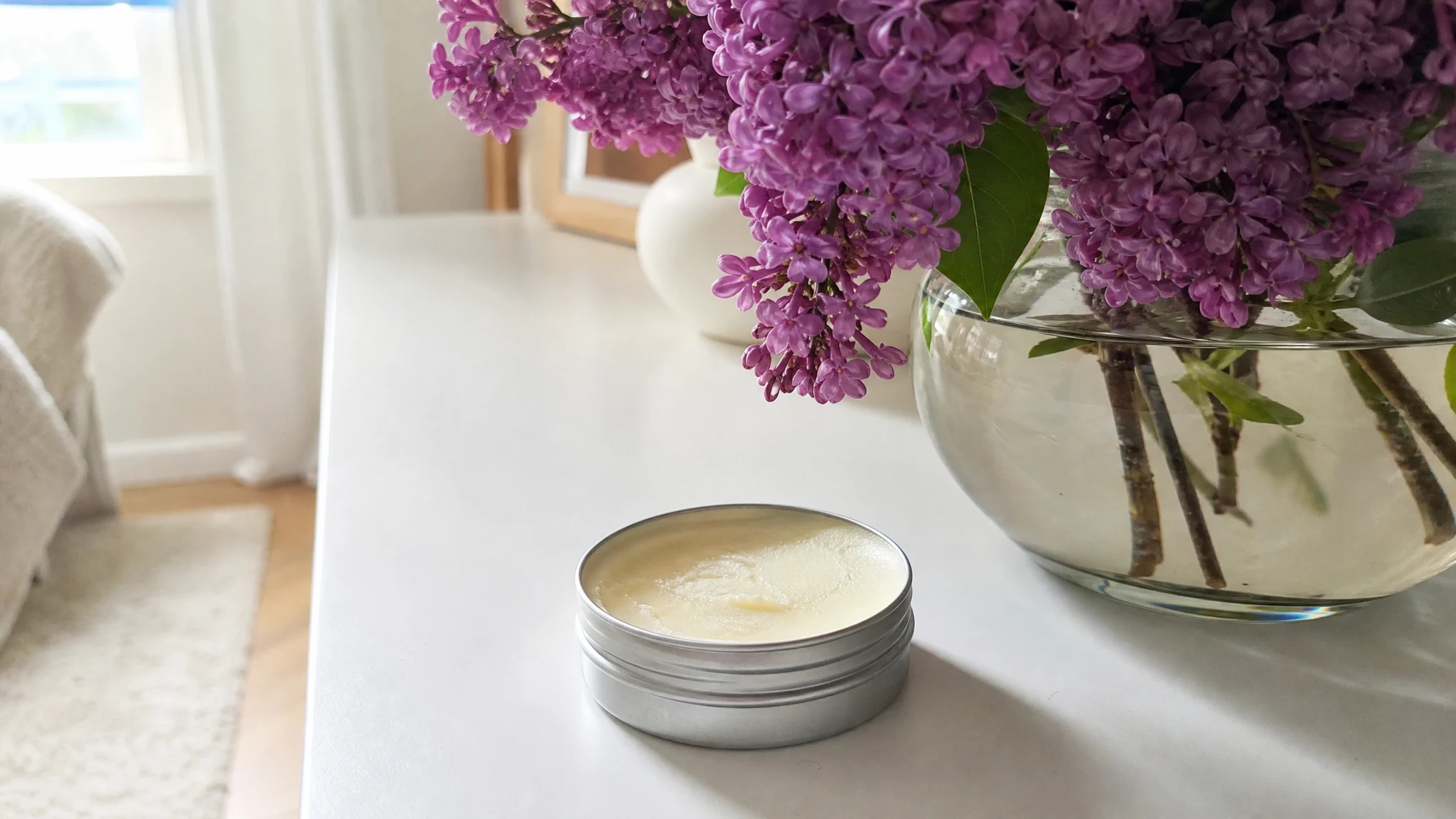
Our 0.5% to 2% guidance is for our lilac oil measured into a carrier. A jar of steeped petals has no known percentage of anything, so there is no number to compare. If what you want is a dependable lilac scent in a body oil or balm, measuring a composed oil into a carrier gives you control that steeping cannot. Our post on a softly floral body oil shows the weighing, and our dilution chart has the drops.
The flower is at its best on the branch, and a cut stem in a vase is a nice use of the first week of bloom.
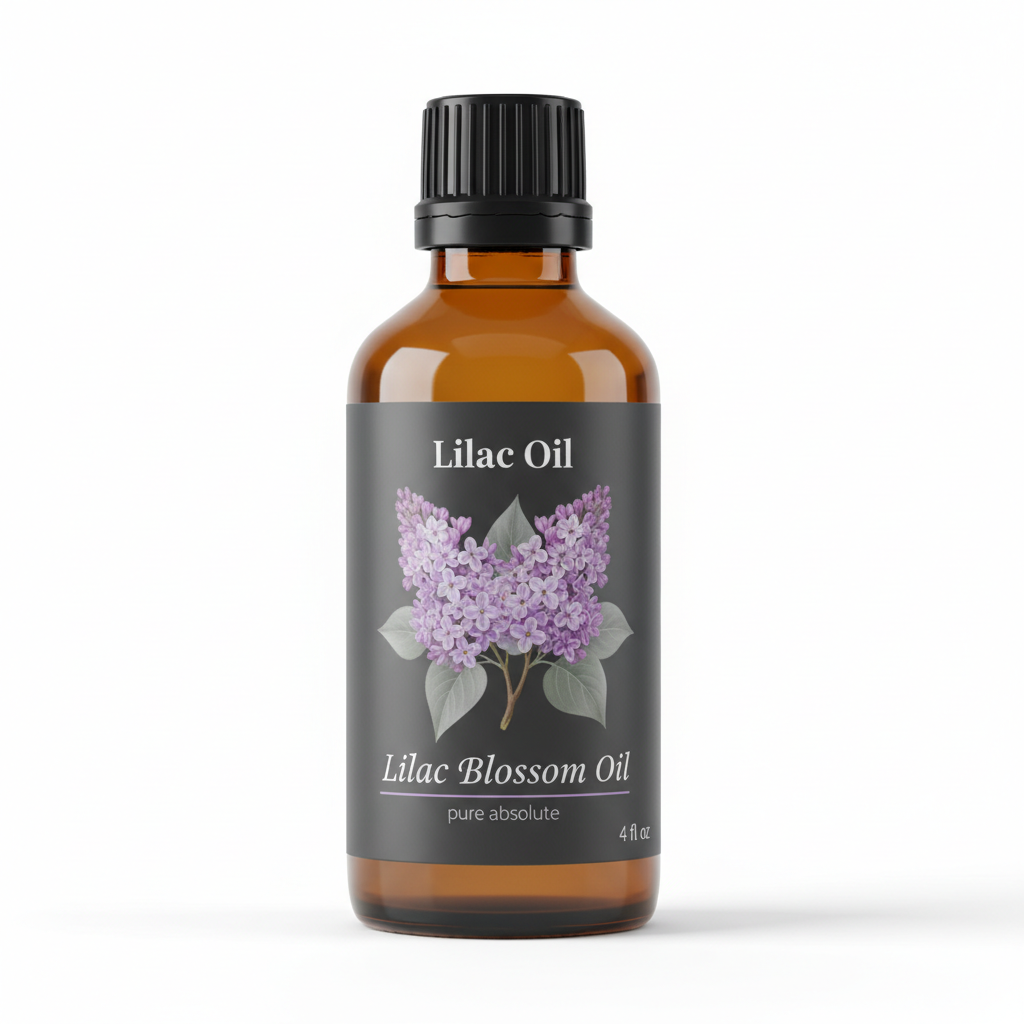
Lilac Blossom Oil
Lilac Blossom Oil from our own shop, in sizes from 0.5 oz to bulk.
From $15.99
Shop Now →Sources & Further Reading
- Botulism Prevention (CDC)
- The effect of form and method of flavoring on microbiota of olive oil (Kacalova et al., Food Science and Nutrition, 2023)
- Synthesis and Olfactory Properties of Seco-Analogues of Lilac Aldehydes (Dacho and Szolcsanyi, Molecules, 2021)
- Small Businesses & Homemade Cosmetics: Fact Sheet (FDA)