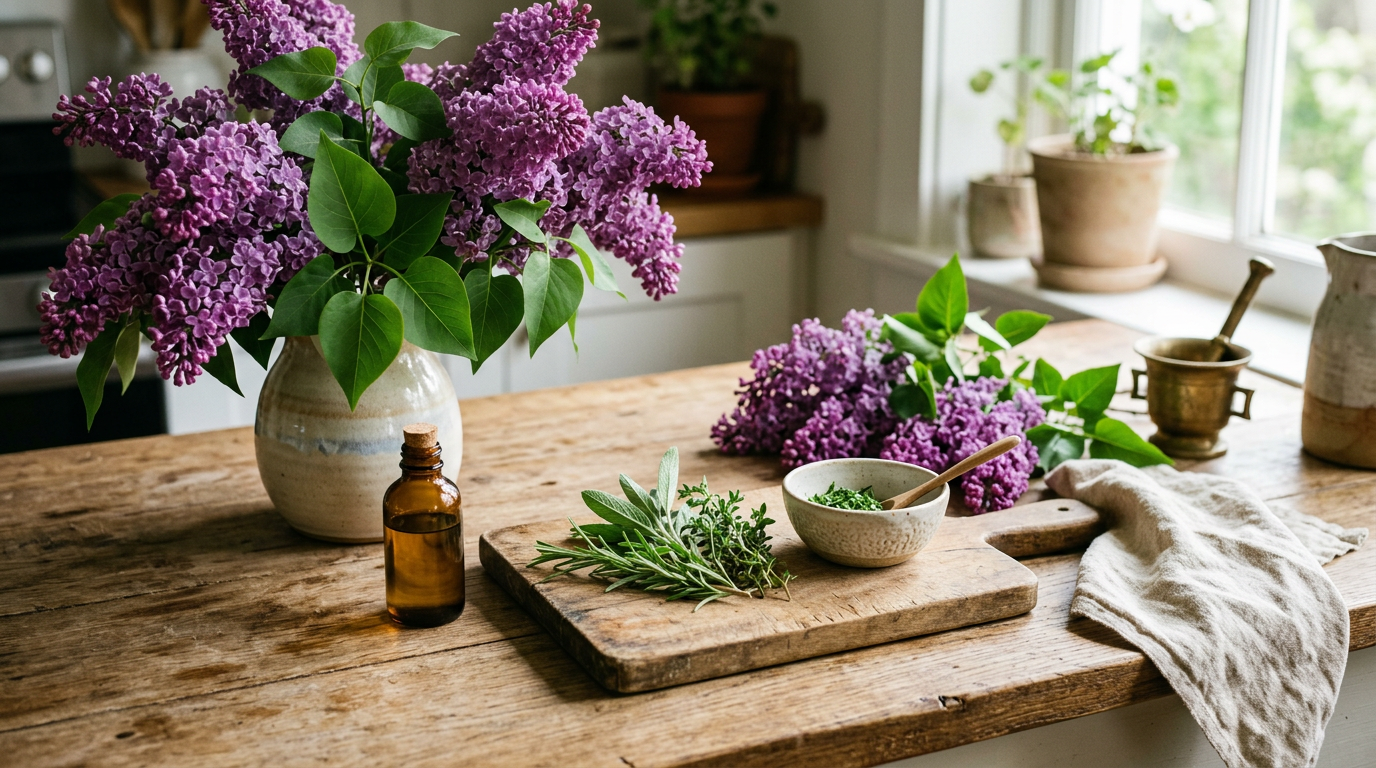
Lilac Linen Spray: A Clear, Fresh DIY Method
There is a particular pleasure in opening a linen cupboard and catching a breath of spring. A lilac linen spray can deliver it, but the recipe has two quiet chemistry problems that decide whether the bottle is a delight or a disappointment. Oil does not mix with water, and a bottle with water in it needs protecting. Solve those two and the rest is easy.
Getting oil to stay in water
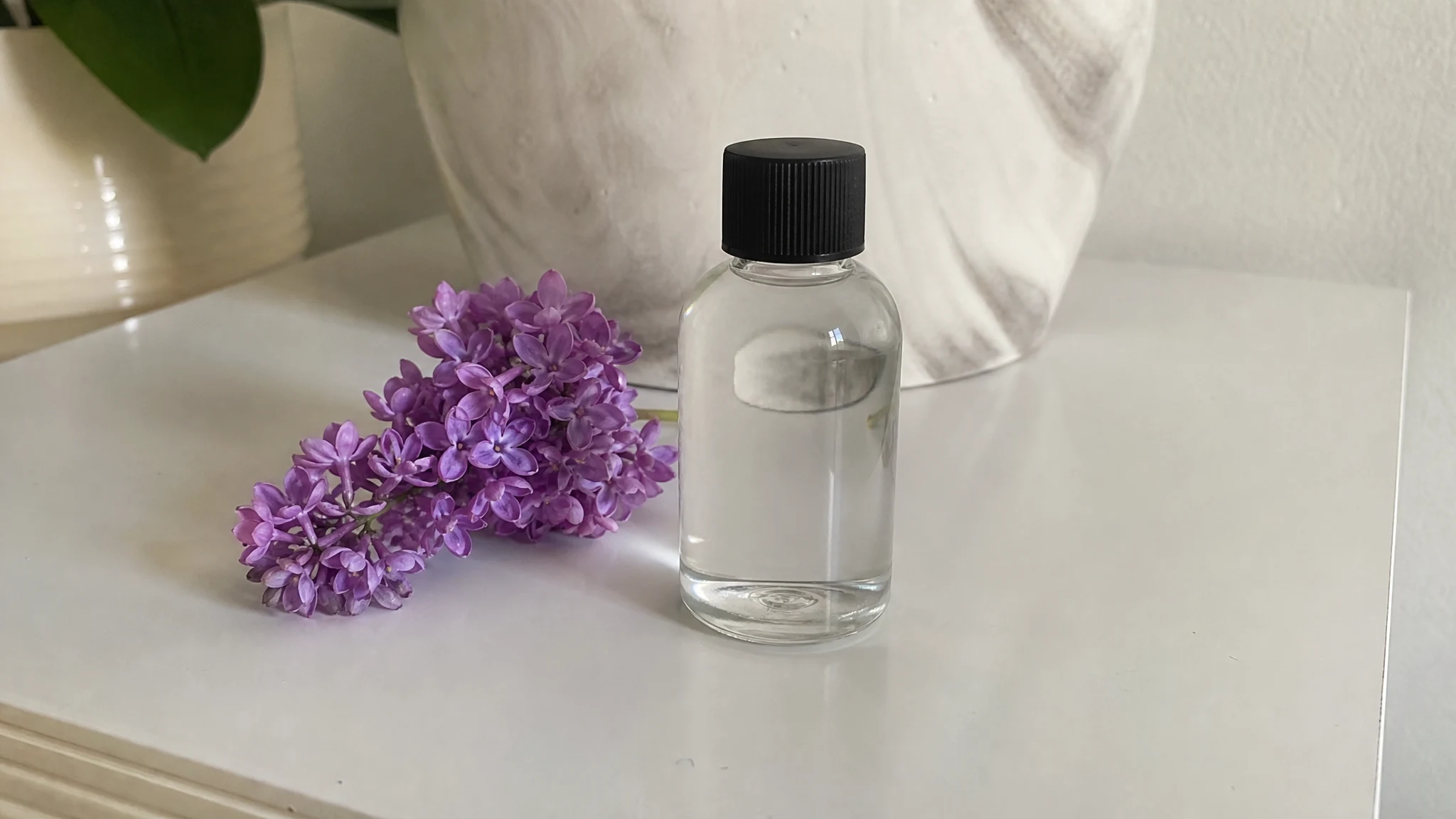
Shake lilac oil straight into water and you get droplets that float, spot your fabric and clog the nozzle. Craft recipes solve this with a solubilizer, most often polysorbate 20, a surfactant that disperses fragrance so the spray stays clear. The formulation below is built from one supplier's published recipe, a "Springtime Room Spray" from Soap Queen dated April 3, 2014. Its method is the part worth borrowing: stir the fragrance into the polysorbate 20 first, add water only once that mixture is clear, and if the finished spray turns milky, add a few more drops of polysorbate. It also says to shake the bottle before each use (Soap Queen, Springtime Room Spray).
That recipe was written for its own fragrance oils, so treat it as a method rather than a promise about any particular oil. Our lilac is a composition of botanical extracts and infused aromatics, and whether it clears in a given surfactant is something you find out in a small jar. That is why the first step is a premix test, before you invest in a full set of ingredients.
A small batch, scaled from the recipe
The source recipe lists 1.5 oz rose water, 0.8 oz isopropyl alcohol, 0.5 ml of a preservative called Optiphen ND, 5.5 ml polysorbate 20 and 2 ml of fragrance. Those amounts add up to about 77 ml, more than the 2 oz bottle the page names, so we scale by ratio rather than by bottle. Halved, with distilled water in place of rose water (our swap), a batch looks like this.
| Ingredient | Source recipe | Half batch |
|---|---|---|
| Lilac oil | 2 ml | 1 ml (about 20 drops) |
| Polysorbate 20 | 5.5 ml | 2.75 ml |
| Isopropyl alcohol | 0.8 oz (23.7 ml) | 11.8 ml |
| Water | 1.5 oz (44.4 ml) | 22.2 ml |
| Optiphen ND | 0.5 ml | 0.25 ml, or your supplier's stated rate |
The oil is about 2.6 percent of the liquid either way. Because our Certificate of Analysis gives a relative density of 0.973 for the batch it covers, a milliliter weighs about 0.97 grams. Drops vary from dropper to dropper, so weigh if you want to be exact.
Our suggestion: start lighter and premix first
A soft floral like lilac is easy to judge in a room, and you can always add a second spritz more cheaply than you can undo an overloaded bottle. We suggest starting at half the source load, about 0.5 ml of oil in the 38 ml batch, which works out to roughly 1.3 percent. Treat that as a starting suggestion and not a tested rate.
- In a small glass jar, stir 0.5 ml of oil into about 1.4 ml of polysorbate 20, the same ratio as the source.
- Look at it. If it is cloudy, add polysorbate a few drops at a time. If it never clears, that surfactant is not the match for this oil and the recipe stops there.
- Once the premix is clear, stir in the alcohol, then the water, then the preservative at your supplier's rate.
- Rest the bottle for a day, shake it and check again for haze or an oily ring. Date it.
Why the preservative is not optional
Soap Queen's own page says that without a preservative you risk mold and bacteria growing in the solution. FDA agrees on the principle for cosmetics: microbial contamination is a common reason for recalls, ineffective preservation is one cause, and some microorganisms grow faster in warm or damp conditions while preservatives can break down (FDA, Microbiological Safety and Cosmetics). A spray bottle on a bathroom shelf is both. If you would rather skip the preservative, a waterless format is simpler, and our posts on reed diffusers and sachets and potpourri are good places to go.
Linen counts as skin contact
The fragrance industry's standards body, IFRA, sorts products by how much fragrance reaches skin. Its guidance lists manual air freshener sprays in Category 10B, for household products with mostly hand contact. Pillow sprays sit in a separate category, 11B, because the guidance assumes you spray the pillow and rest your face on it before the fabric dries, with 20 percent of the product assumed to remain on skin (IFRA, Guidance for the use of IFRA Standards). Reasoning from that, a spray meant for sheets and pillowcases behaves more like a pillow spray than a room spray, and a bottle labeled for both would be held to the stricter category.
For a spray you plan to give away or sell, ask your fragrance supplier in writing which IFRA category its documentation covers and at what concentration. If you are working with our oil, ask us in writing through the contact page before you order, and keep the answer with your batch record. Our 0.5 to 2 percent guidance is for oil diluted in a carrier on skin, and it does not translate to fabric. Anyone with a known fragrance allergy should skip scented bedding, and a bedroom where a pet sleeps is worth a conversation with your veterinarian first; our pets article collects what we found.
Using it well once it is made
Mist the air above a folded stack, not the cloth itself, and let it settle for a minute. On a warm day the scent rises quickly, so a light touch is plenty. Keep a small bottle by the linen cupboard rather than in a sunny bathroom, since heat and light are hard on any floral. If a spray ever smells off, looks cloudy or develops a film, retire it and mix a fresh small batch.
One more thing to keep straight: scent is not sanitizing. This spray freshens fabric, and our cleaning spray post explains why it should not be treated as a cleaner. Make 38 ml, let the clear premix be your pass or fail, and enjoy the first breath of lilac from the cupboard. Our lilac oil is in the shop; if you make sprays regularly, larger sizes are on our bulk page and our guide to buying lilac blossom oil in bulk explains what to check first.
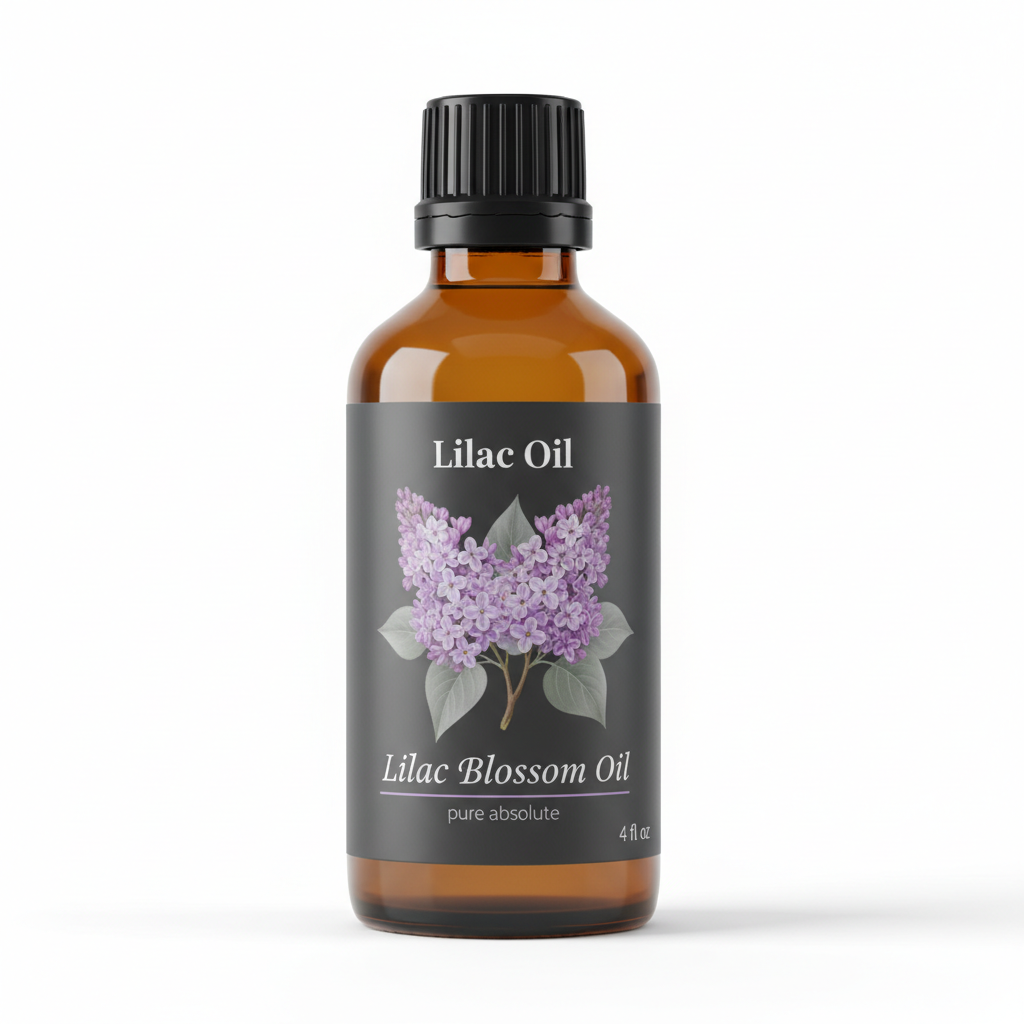
Lilac Blossom Oil
Lilac Blossom Oil from our own shop, in sizes from 0.5 oz to bulk.
From $15.99
Shop Now →Sources & Further Reading
- Springtime Room Spray (Soap Queen, April 3, 2014)
- Microbiological Safety and Cosmetics (FDA)
- Guidance for the use of IFRA Standards (IFRA, 51st Amendment, 2023)