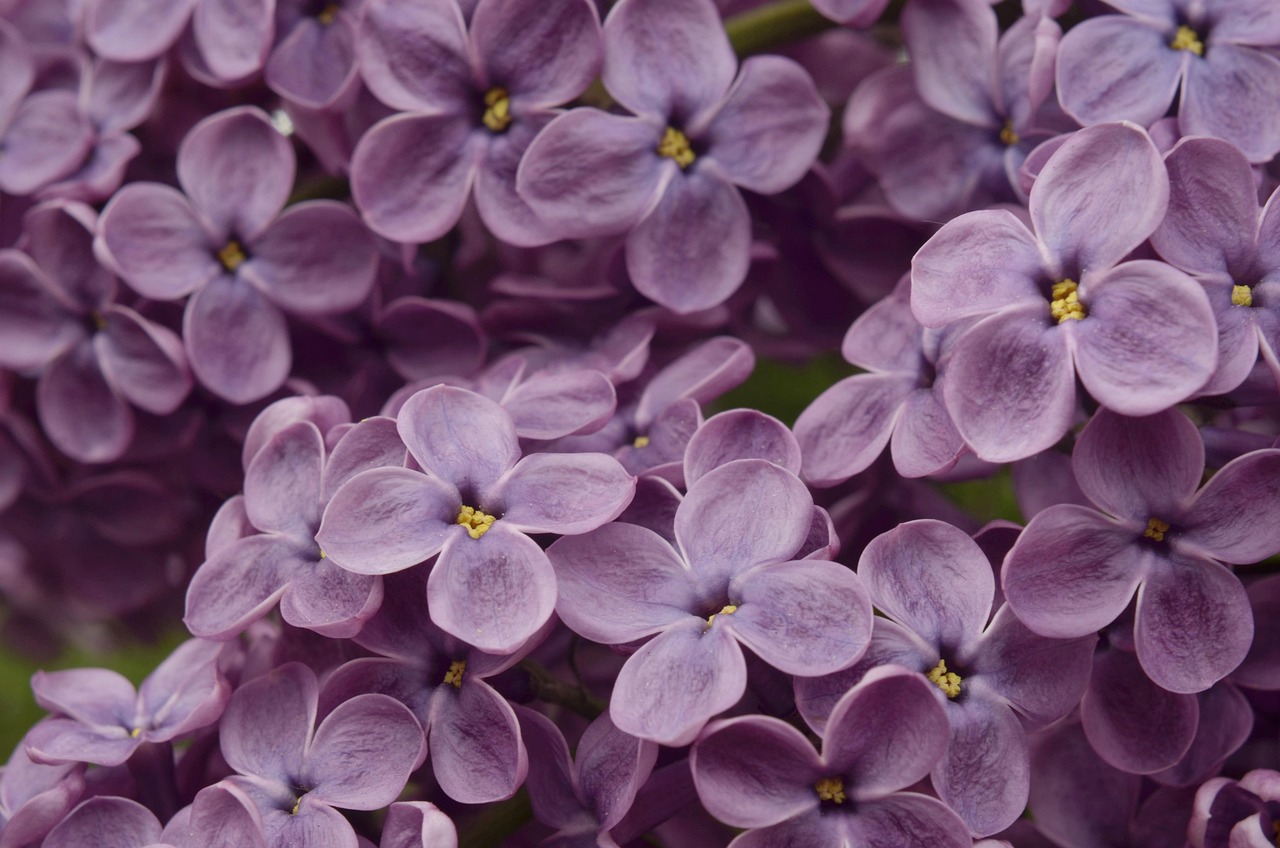
Lilac Body Oil Recipe: A Light, Weighed Blend
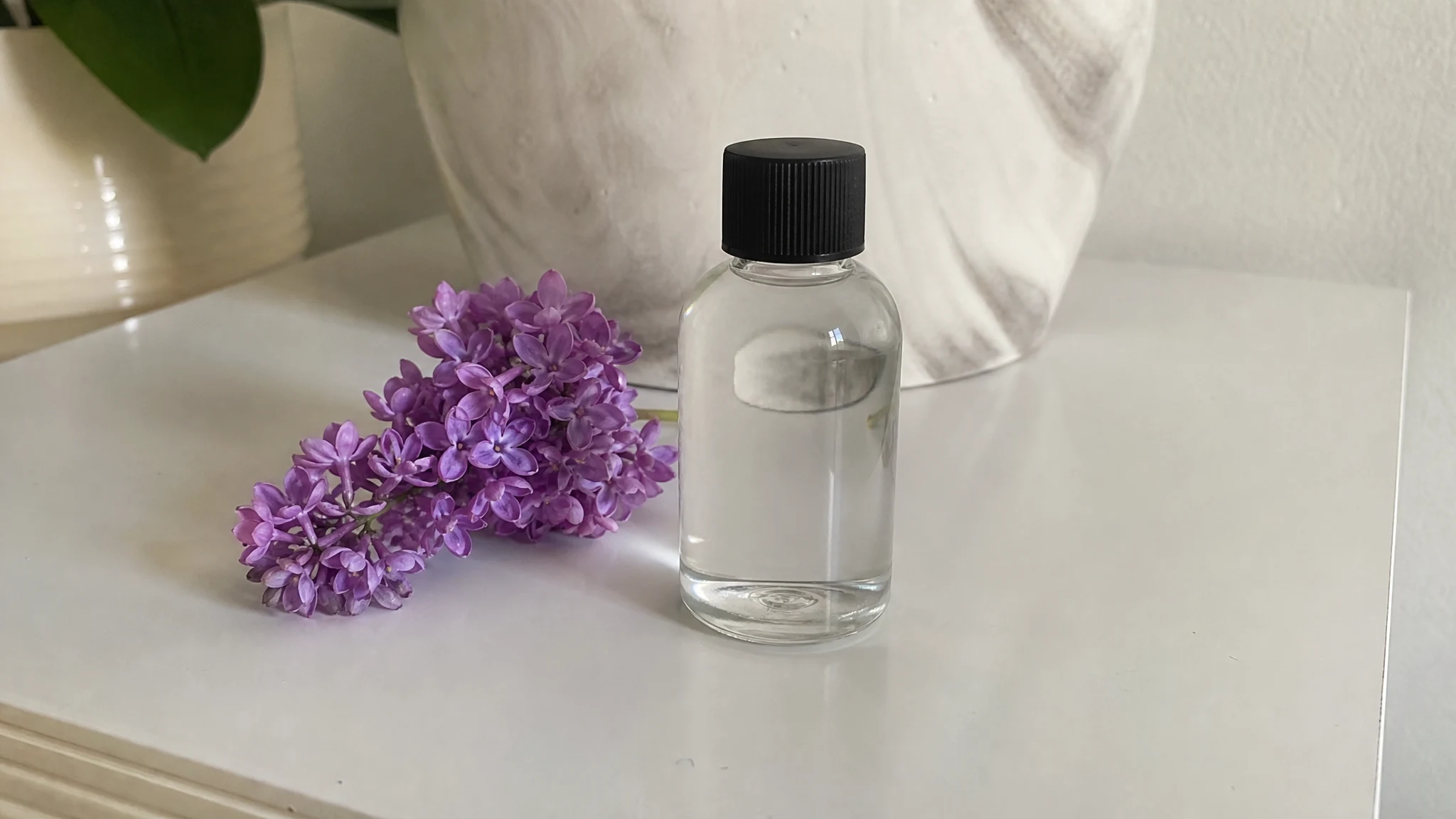
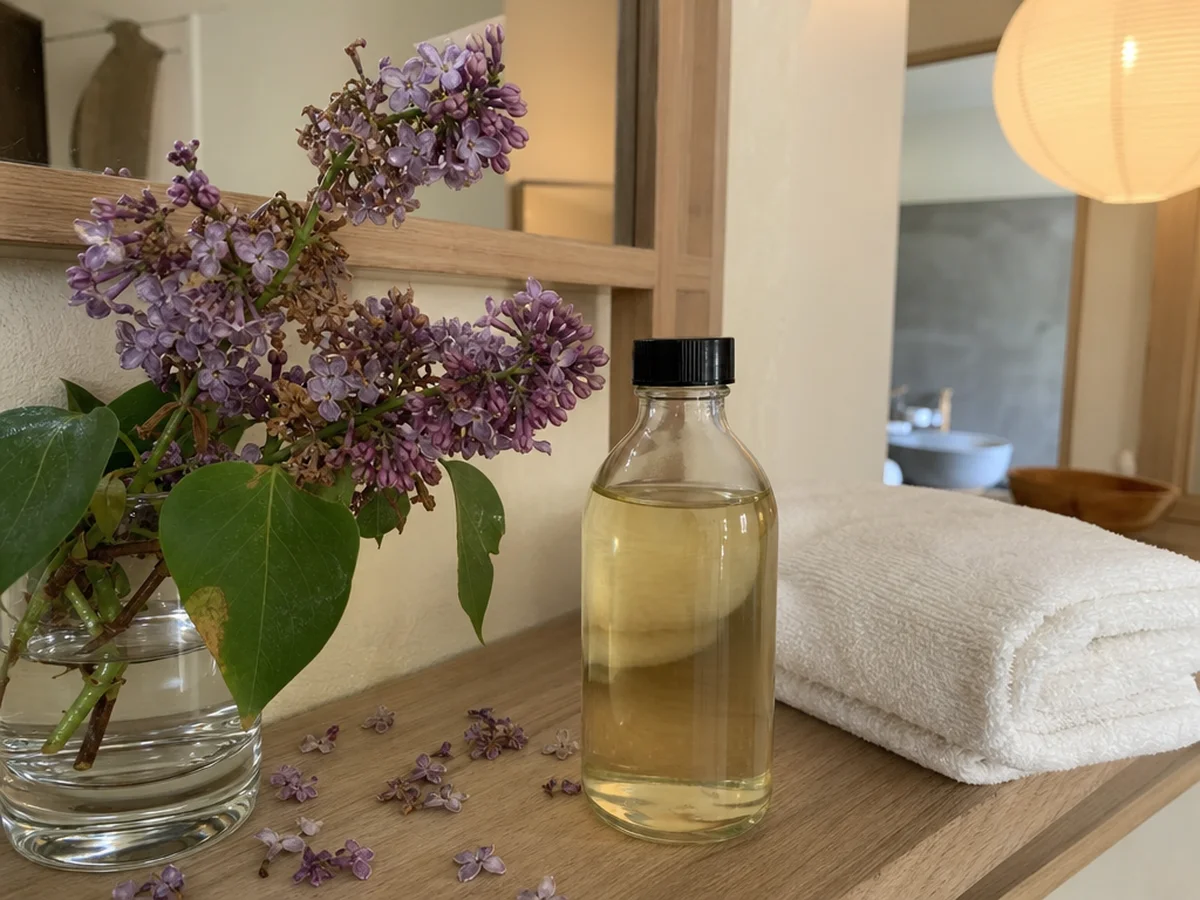
A lilac body oil is the simplest leave-on project you can make with our Lilac Blossom Oil: one carrier oil, a small weighed amount of scent, no water and no heat. Because it stays on skin for hours, the sensible way to make it is light, weighed and patch tested, and that is what this walk-through covers.
Is this project right for you?
Skip it if the oil is for a baby or child, if you are pregnant or nursing and want a clinician's view first, if you have a history of fragrance allergy, or if you were thinking of the face or broken skin. We keep our oil away from children and pets and for external use only. A dermatologist is the right person for fragrance-allergy questions, and a pediatrician for anything involving a child. If you plan to sell what you make, have a regulatory consultant look at your label before the first sale.
Choosing your percentage
Our dilution guidance is 0.5% to 2% in a carrier oil, patch test first, starting at the low end. For comparison, the Tisserand Institute lists 1% to 3% for body oils and lotions in general and 0.2% to 1% where skin is sensitive, which is part of why we suggest 0.5% or 1% for a first batch. A leave-on oil should be as lightly scented as pleases you, and 2% is a ceiling, not a target. IFRA places body creams, oils and lotions in Category 5A, where limits are worked out for a specific fragrance formula, and ours is not published, so we do not call any percentage safe for your product. If you need more information for a formula, ask us in writing through the contact page. Our guides to skin and body products and the dilution chart go further.
The recipe, by weight
This is a formulation worked out from our dilution guidance and arithmetic. It has no water, so it does not need the preservative system a lotion does; for a water-based product, see the lotion post.
| Batch of 100 g | 0.5% | 1% | 2% |
|---|---|---|---|
| Lilac Blossom Oil | 0.5 g (about 10 drops) | 1.0 g (about 21 drops) | 2.0 g (about 41 drops) |
| Carrier oil | 99.5 g | 99.0 g | 98.0 g |
The weights use the relative density of 0.973 on the Certificate of Analysis we publish for one batch, so 1 g of oil is about 1.03 ml. The drop counts use the rough convention of 20 drops per ml, which varies with the dropper, so treat them as a cross-check on the scale and not as the method.
Picking a carrier, and a word on nuts
We do not sell carrier oils, so buy from a supplier you like, ideally one that prints a date or lot on the bottle. Sweet almond oil is a popular choice, and it is also a tree nut. Food Allergy Research and Education notes that tree nut oils such as walnut and almond, which are often not highly refined, are sometimes used in lotions, hair care products and soaps. FDA also says it lacks the same legal authority to require allergen labeling for cosmetics that it has for food. Putting those together, a gift for someone with a nut allergy is better made with a carrier that is not a nut oil, and their allergist can advise on any specific choice.
Method
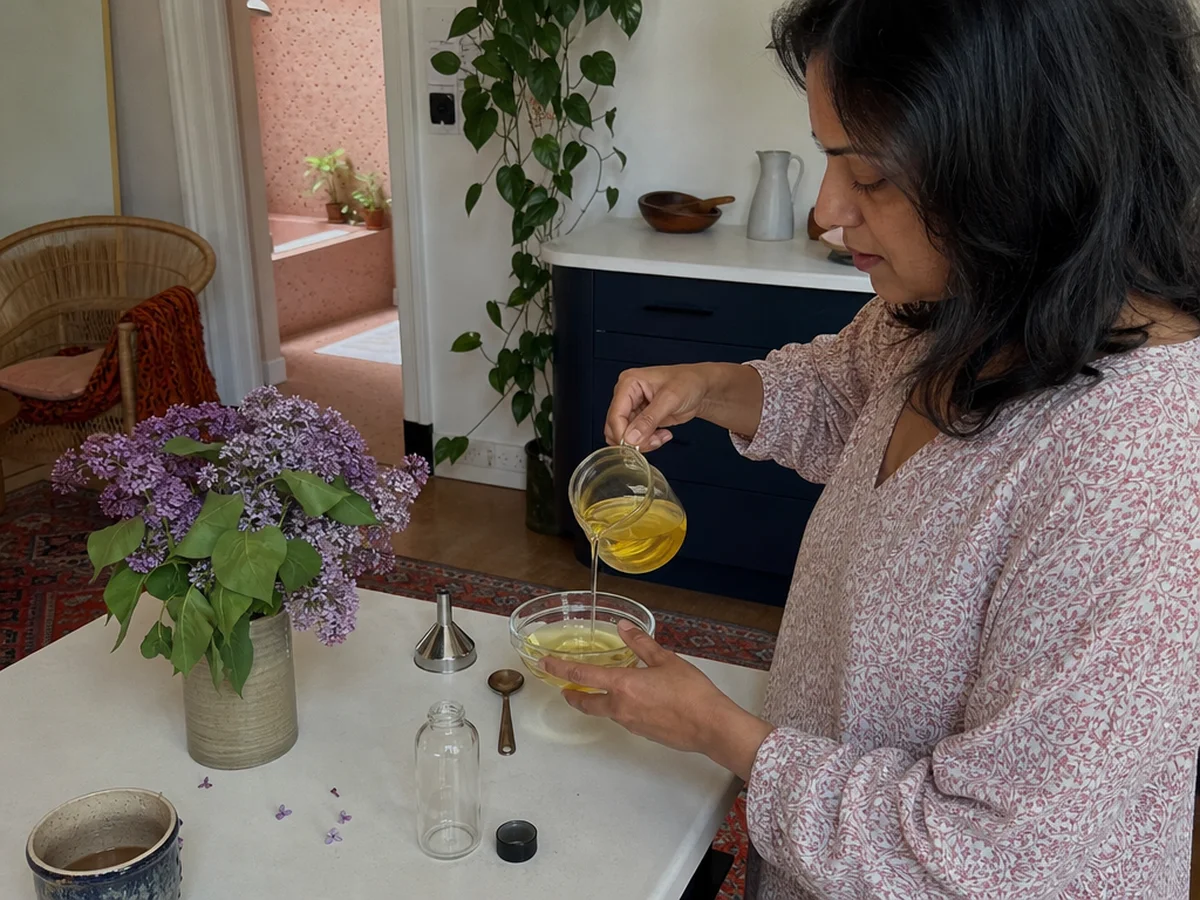
- Wash and dry a clean bottle, set it on the scale and zero it.
- Weigh in the carrier oil to the amount in the table.
- Add the lilac oil by weight, or by drops if your scale cannot read to 0.1 g, then weigh again.
- Cap and turn the bottle gently to mix.
- Label it with the date, the percentage, and the lot of each oil.
- Patch test a small area before wider use.
If it smells mostly of the carrier
At 0.5%, there is 99.5 g of carrier for every 0.5 g of scent, so a carrier with a strong smell of its own can take over. That is a matter of arithmetic. The first fix is a milder carrier, not a higher percentage, and the second is to stay at the percentage you tested. Neither calls for going past 2%.
Give it a day before you judge it
Scent shifts a little as a blend settles, so resist the urge to judge it the minute you cap the bottle. Make it in the evening, set it somewhere cool and out of the sun, and smell it again the next morning. The carrier will have had time to hold the lilac, and you will be smelling the blend as it will actually be on your skin, not the sharp first impression from the dropper.
If you like it, write the date and percentage on the label. If you wish it were softer, make the next batch at a lower percentage instead of adding more carrier to this one, so you can compare the two side by side. A glass bottle with a dropper or small pump, from a craft or supply shop, is easy to handle in a bathroom. A dark bottle suits the oil best, since light is not kind to a floral.
Keeping it fresh, and scaling up
We say our oil typically keeps 1 to 2 years when capped tightly and stored cool and dark. A blended body oil lasts only as long as its shortest-lived ingredient, so the carrier's own date is the one to watch; discard anything that smells off. To make 250 g, multiply every weight by 2.5, so 1% is 2.5 g of lilac oil and 247.5 g of carrier. We would rather you make three small batches at 0.5%, 1% and 2% and compare them than one big batch on a guess. The weighing habit is the same one we describe in choosing the craft before the blend.
Using it
Smooth a little onto the skin after bathing, away from the eyes. If your skin reddens, itches or stings, stop and see a dermatologist if it does not settle. We sell the oil for its scent and make no claims about what it does for skin. If you want the fragrance to linger without a heavier dose, more oil is not the lever, and a balm is a nice option; see the solid perfume arithmetic.
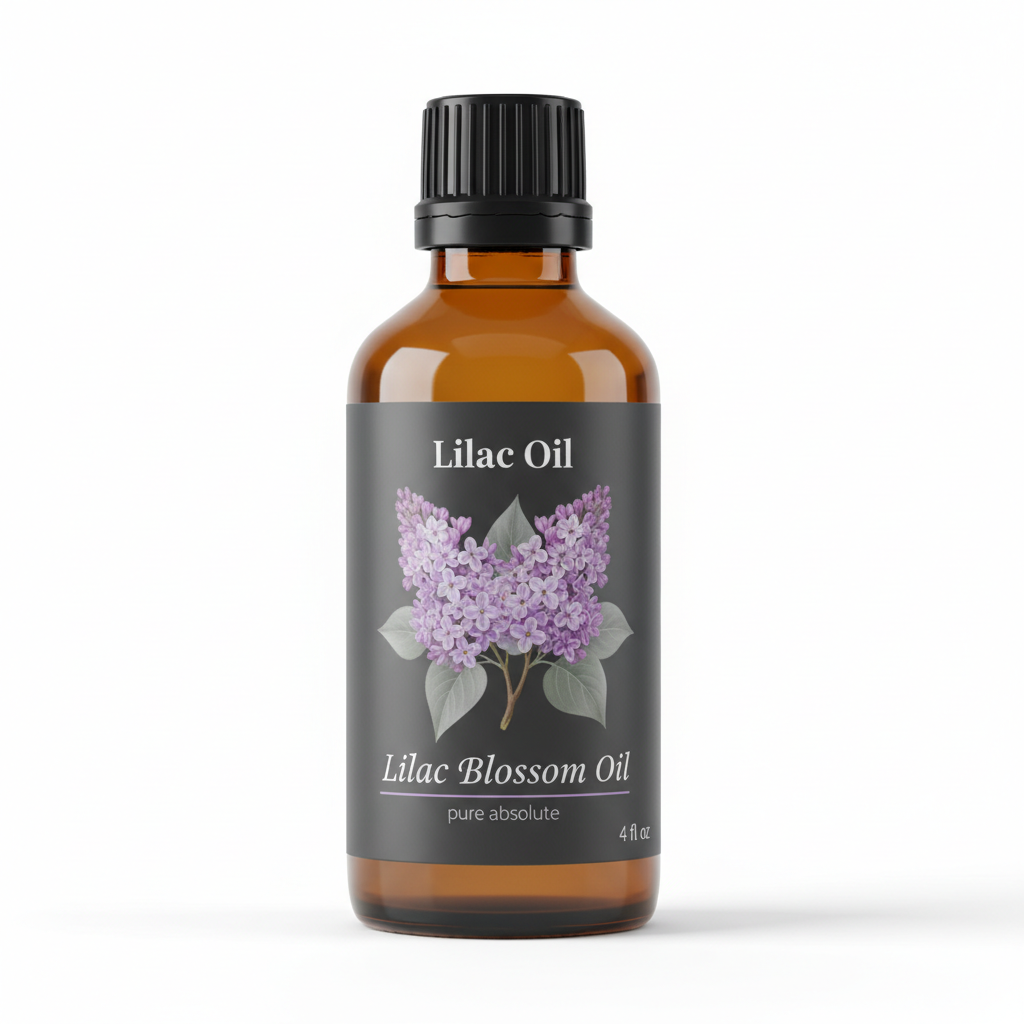
Lilac Blossom Oil
Lilac Blossom Oil from our own shop, in sizes from 0.5 oz to bulk.
From $15.99
Shop Now →Sources & Further Reading
- IFRA, Guidance for the Use of IFRA Standards (51st Amendment, June 30, 2023). ifrafragrance.org guidance PDF
- Tisserand Institute, Dilution for essential oils. tisserandinstitute.org/safety/dilution
- Food Allergy Research & Education, Tree Nut. foodallergy.org
- U.S. Food and Drug Administration, Fragrances in Cosmetics. fda.gov