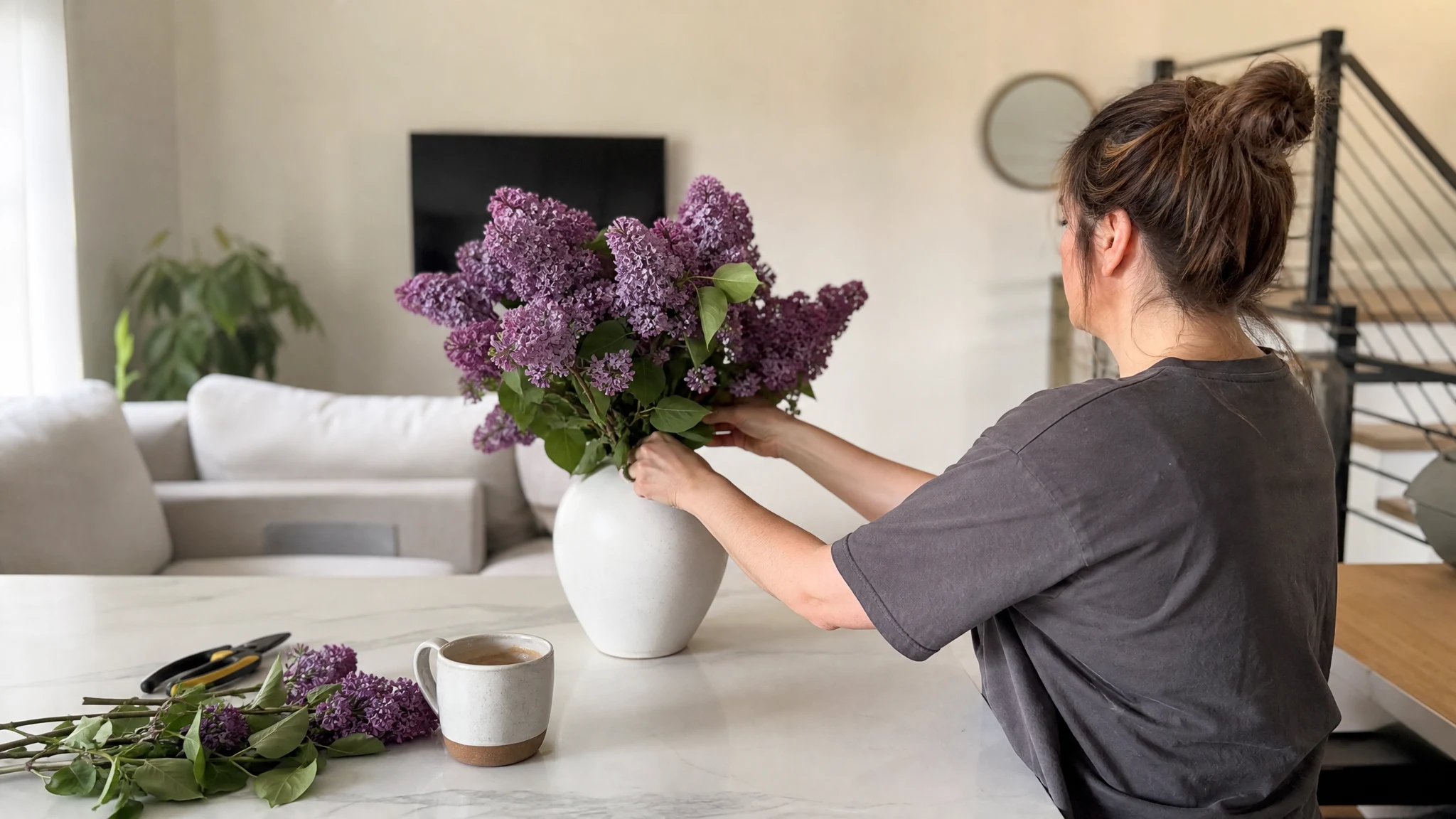
Making With Lilac Oil: Pick Your Craft First
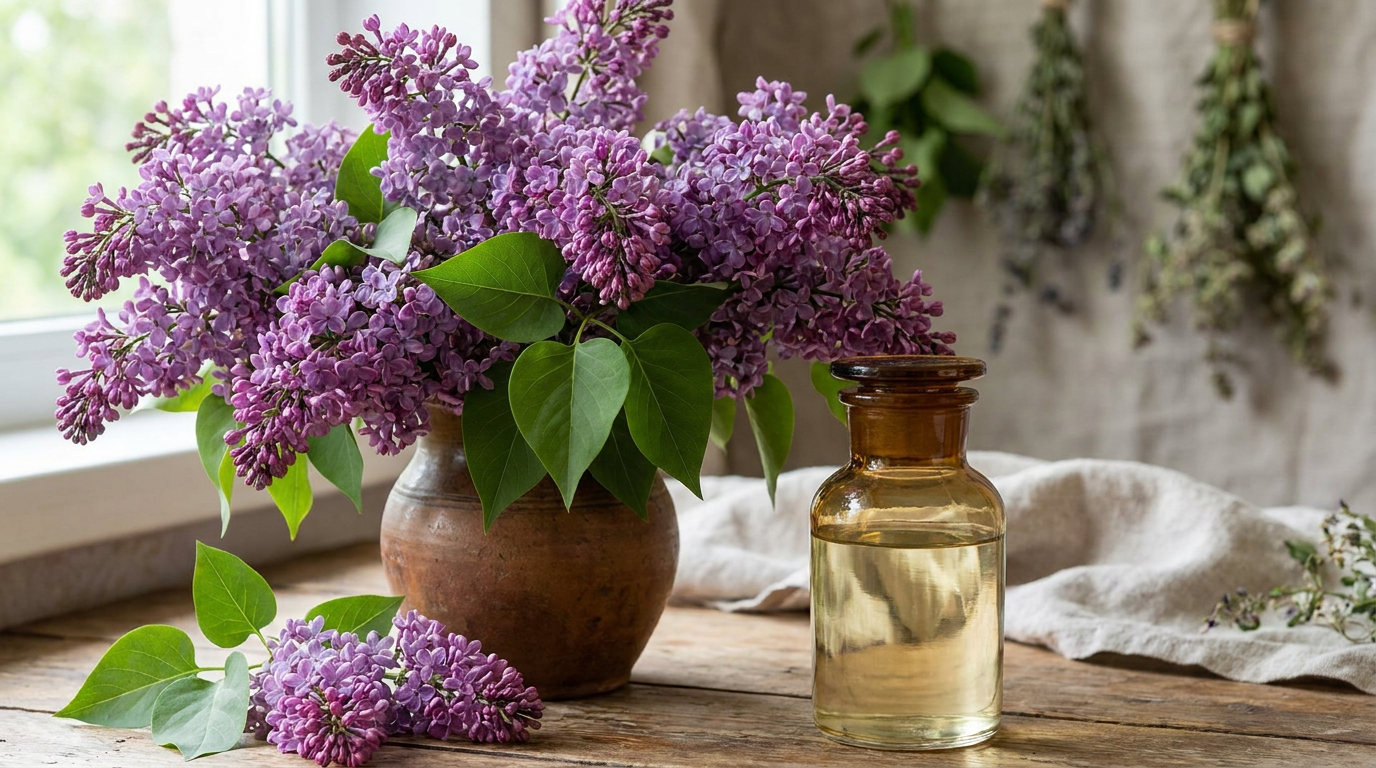
A bottle of lilac oil could end up in a candle, a bar of soap, a body oil or a diffuser, and the temptation is to start with a scent recipe. We would start one step earlier, with the craft itself, because that choice decides the limits, the paperwork and the other supplies you will need.
Why the craft comes first
The same drop of oil is a different decision in a rinse-off bar than in a leave-on oil worn all day, and a different one again in a candle that never touches skin. IFRA's guidance for the 51st Amendment groups products by contact: body creams, oils and lotions in Category 5A, bar soap and bath products in 9, reed diffuser oils in 10A, manual air-freshener sprays in 10B, and candles, incense and sachets in 12. For candles it expects negligible skin exposure and does not restrict fragrance concentration in the finished product, while skin products are limited ingredient by ingredient. That is the logic behind starting with the craft.
| If you want to make | Skin contact | Start here | Buy elsewhere |
|---|---|---|---|
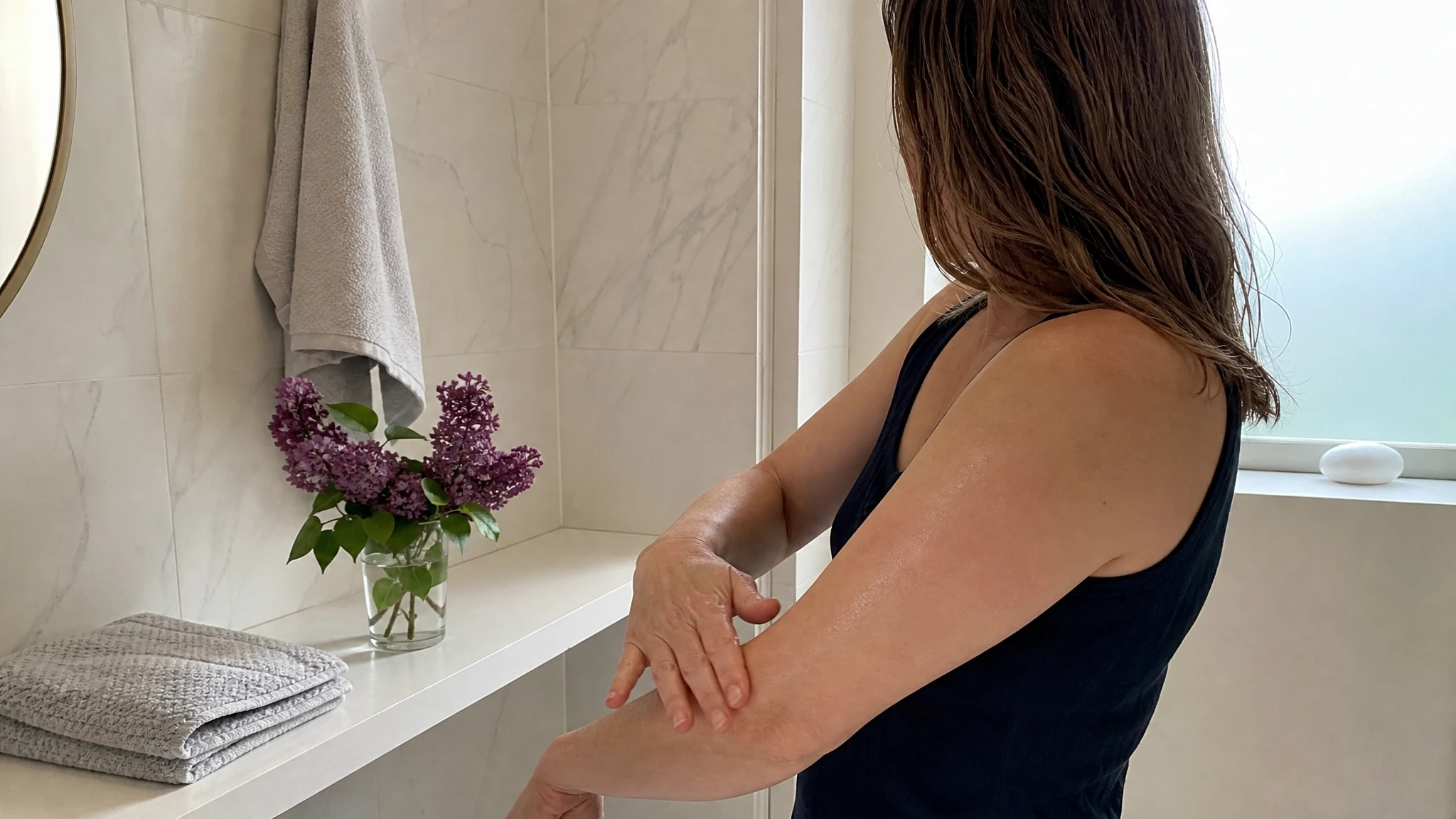
| Scented body oil | Leave-on | DIY lilac body oil | Carrier oil, bottle |
| Solid perfume | Leave-on | Solid perfume arithmetic | Beeswax, carrier, tin |
| Lotion | Leave-on | Scenting a preserved base | A finished, preserved lotion base |
| Cold process soap | Rinse-off | Cold process soap | Oils, lye, moulds |
| Melt and pour soap | Rinse-off | Melt and pour soap | Soap base |
| Wax melts or candles | None expected | Wax melts | Wax, wicks, containers |
| Reed diffuser | None expected | Reed diffuser | Base liquid, reeds, bottle |
We sell the lilac oil only, so waxes, wicks, bases, lye and carriers come from a craft or soap-supply shop, and a pharmacist can answer questions about a skin product you are unsure of.
What to settle before you mix
First, the skin ceiling. Our dilution guidance is 0.5% to 2% in a carrier oil with a patch test first, starting at the low end. Because skin limits are worked out for a particular formula and ours is unpublished, we treat 2% as the top of what we say and not as a statement that any percentage is safe for your product.
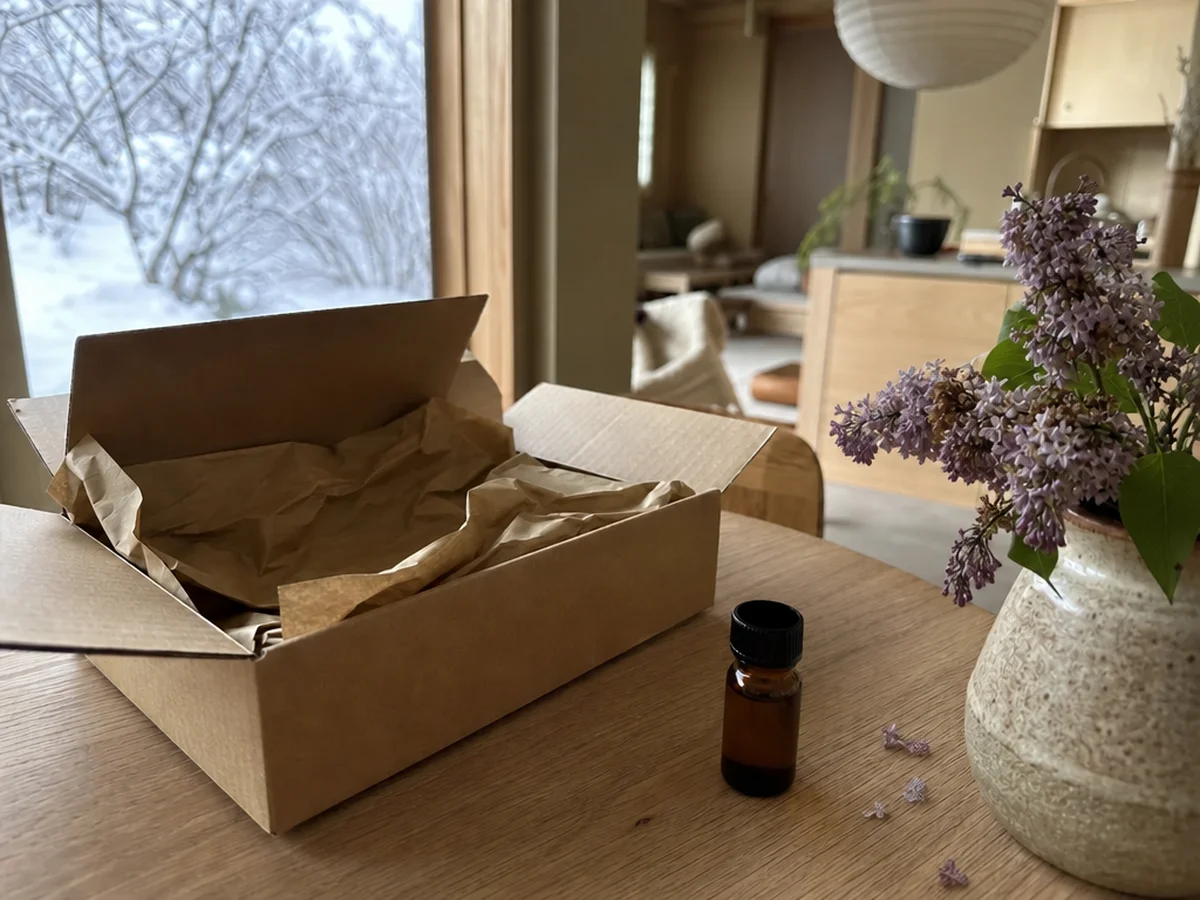
Second, the paperwork. If you plan to sell, ask us in writing through the contact page for the flash point, safety data sheet or IFRA statement you need, and keep the reply. Our guide to judging a lilac oil explains which paper matters for which craft.
Third, the label. FDA's fact sheet for small businesses says making cosmetics at home is not illegal, but the maker is responsible for safety and labeling, and products intended to affect how the body works are regulated as drugs. We keep lilac to scent, and your label should as well.
A 10 g test, worked once
Every project is better for a small first run, so here is the arithmetic once. In 10 g of finished mixture, 0.5% is 0.05 g of oil, 1% is 0.10 g and 2% is 0.20 g. The Certificate of Analysis we publish for one batch gives a relative density of 0.973, so those weights are about 0.051, 0.103 and 0.206 ml. At the loose convention of roughly 20 drops per ml that is about one, two and four drops, and since one extra drop shifts a 10 g batch by half a percentage point, we would weigh instead. A scale reading to 0.01 g gives a number you can repeat; a dropper gives you a hope. Keep a written line for each test: date, grams of every ingredient, the percentage and what you noticed after a day.
It also means a small bottle goes a long way. There is no need to scale up until a test has told you something, and a 10 g batch is the cheapest place to find out.
Blending around lilac
If you want lilac inside a larger scent, we describe it as a heart note. We list rose, violet leaf, bergamot, sweet orange, jasmine and ylang ylang as blending partners, and for larger projects sweet pea, lily of the valley and neroli. How you weigh them against each other is a perfumery judgment, so work in small weighed batches and write everything down. When a result is faint, adding more oil is rarely the answer; our post on making lilac scent last longer covers what to check first.
Setting up a small workbench
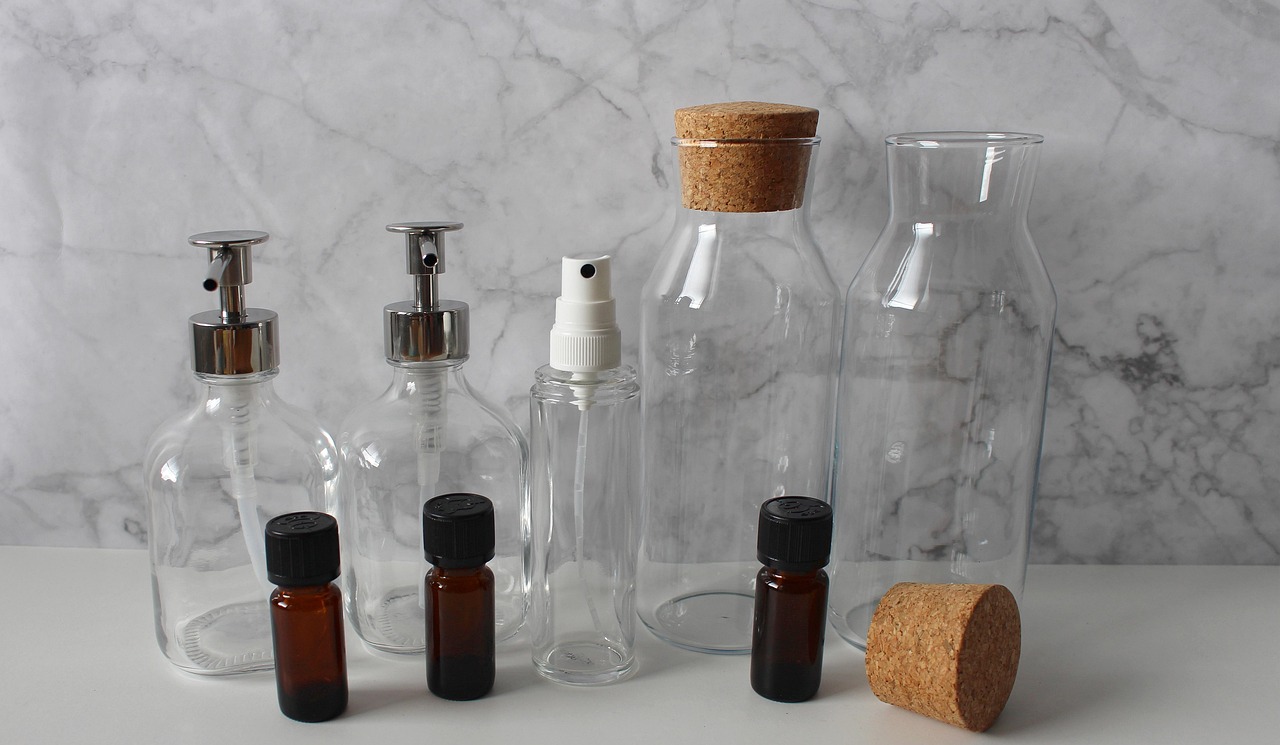
Half of a good result is a tidy space. Clear a table, lay down paper you do not mind spoiling, and put the scale, jars, spoons and labels within reach before the bottle comes out. Use glass or stainless steel for anything that touches the oil, and keep a few clean cups so you never reuse one that smells of a past project. Open a window if the room is small. A few paper towels, a pen and a pot of hot water for cleanup complete the kit. It sounds fussy, but a calm bench makes the making a pleasure.
Choosing your first project
If you have never made anything with fragrance before, start with whichever project has the fewest moving parts. A wax melt or a tiny batch of body oil asks very little of you, while soap and lotion ask for more equipment and more care. Pick the one you will enjoy finishing. A first result you love is the best reason to make a second.
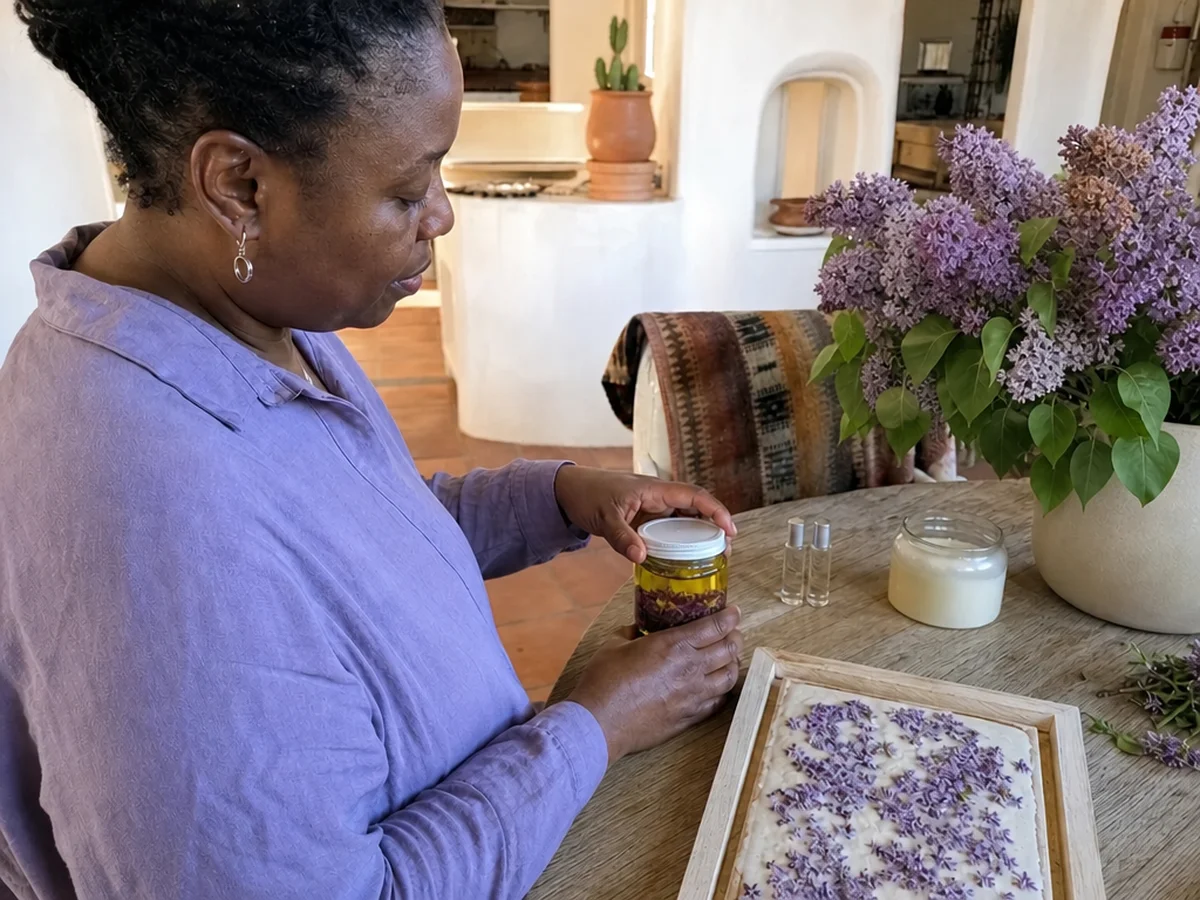
Who should skip a project
We keep our oil away from children and pets, and for external aromatic and cosmetic use only, never for internal use. If a project is for a baby, a lip product, a pet or anything edible, choose a different route. If you need documented allergen information before you start, ask us first. Once you have chosen your craft, our dilution chart turns percentages into grams.

Lilac Blossom Oil
Lilac Blossom Oil from our own shop, in sizes from 0.5 oz to bulk.
From $15.99
Shop Now →Sources & Further Reading
- IFRA, Guidance for the Use of IFRA Standards (51st Amendment, June 30, 2023). ifrafragrance.org guidance PDF
- U.S. Food and Drug Administration, Small Businesses & Homemade Cosmetics: Fact Sheet. fda.gov