Lilac Oil FAQ: Answers to the First Questions We Get
People ask us the same handful of things before a first order, usually in this order: what is it, how do I use it, and what should I know. Here are our answers, with links to the longer articles when a question deserves more room.
What exactly is Lilac Blossom Oil?
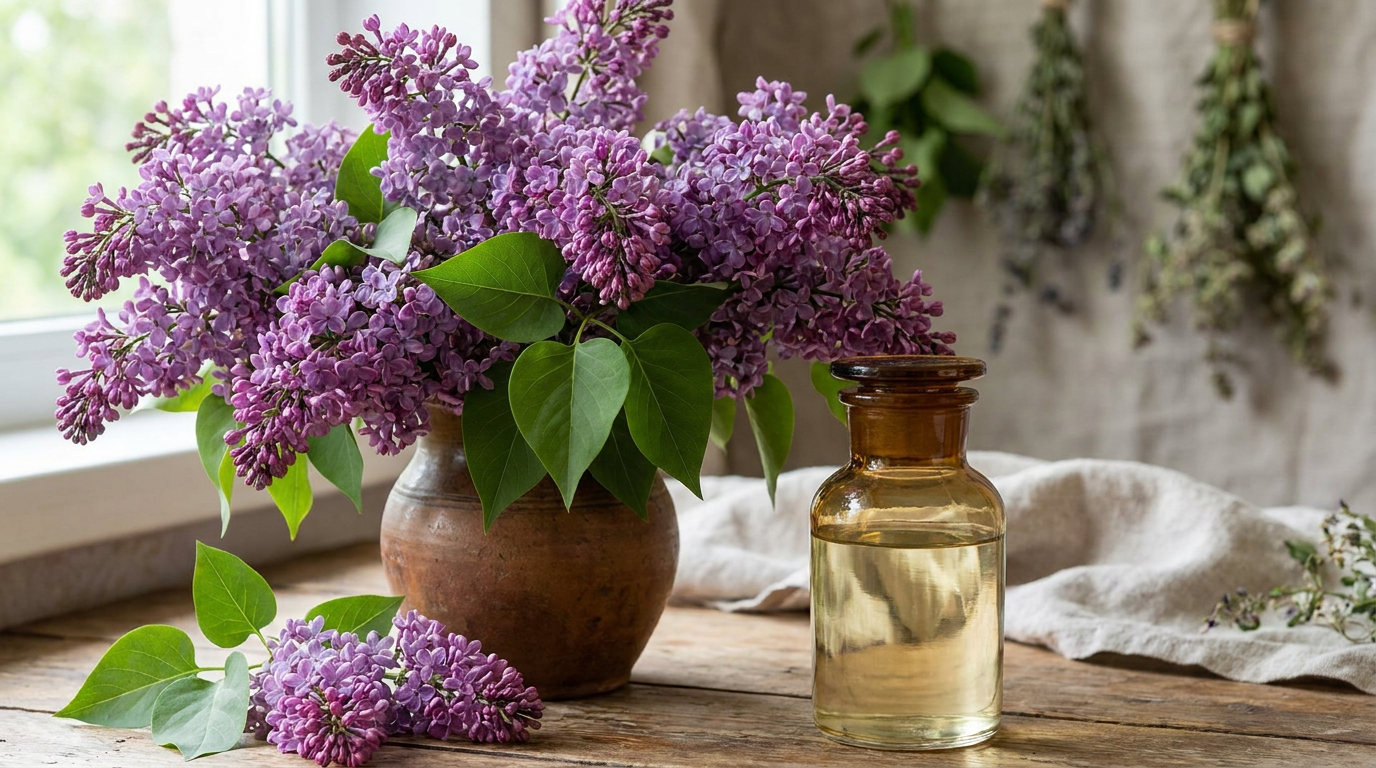
It is the one product we sell: a composition of botanical extracts and infused aromatics, built to be faithful to the common lilac in bloom. It is not a distillate and not an absolute, and we do not publish a formula. We sell it neat, in nine sizes from 0.5 oz to 400 lb, in amber glass with a lot number on the bottle. We describe the scent as soft, powdery and springlike, with fresh purple florals, green stems, a hint of almond sweetness and a clean musky base.
Is there a true lilac essential oil?
Not in our range, and none is produced commercially. Lilac's scent has been studied in the flower itself, and a 2021 paper notes that lilac aldehydes, considered the principal olfactory molecules of lilac flowers, were first isolated in 1974 from an oil of lilac flowers, and that perfumery uses synthetic ones almost exclusively. Our article on why there is no true lilac essential oil tells the whole story.
What does your Certificate of Analysis tell me?
The one we publish covers a single batch. It lists appearance, smell, relative density (0.973 at 20 C), refractive index (1.501) and optical rotation (-0.72 degrees), with the extraction method given as "Blended." It is a physical-properties sheet, so it does not list ingredients, and it does not claim to cover every batch. How to read a COA and SDS explains how to read documents like it.
How do I use it on skin?
Dilute it to 0.5% to 2% in a carrier oil, start at the low end, patch test on a small area first, and use it externally only. The Tisserand Institute's published ranges for essential oils run from 0.5% to 1.2% for facial cosmetics and 1% to 3% for body oils and lotions, which gives a sense of where the usual bands sit. Our dilution chart does the arithmetic for you.
Can I use it in candles, soap or room spray?
Those are the uses our pages list, along with wax melts, perfume and body oils. IFRA sorts finished products by how they touch the body, from Category 9 for bar soap to Category 12 for candles, where skin contact is negligible. If your product needs a flash point, safety data sheet or IFRA statement, ask us in writing through the contact page before you order, and make a small test batch first. Our bulk page suggests exactly that before you commit a full pour.
Why does lilac fade, and what helps?
Florals are softer than heavy musks and woods, and heat and sun speed up the drift of a composed floral scent. Adding more oil is not usually the answer. Making lilac scent last longer covers what to check.
Is it safe for children, pregnancy or pets?
We make no such claim, and our guidance is to keep it away from eyes, children and pets and never to take it internally. Ask a pediatrician about a child, an OB/GYN or midwife if you are pregnant, a dermatologist if you have a fragrance allergy or skin condition, and a veterinarian about animals. Our pet article shares what veterinary sources say.
Is it organic?
We do not make that claim. Under USDA's organic regulation, a "100 percent organic" product has all organically produced ingredients, and "organic" requires at least 95 percent organic agricultural content, excluding water and salt. What certification can and cannot mean goes further.
Does it do anything for sleep, stress or skin?
We make no medical claim, and its purpose is scent. The research that exists on lilac is summarized in our article on the evidence.
Which size should I start with, and how long will it keep?
The smallest one that lets you run your project once; a 0.5 oz bottle covers many small tests, and 1 oz is about 29.57 ml. Keep it tightly capped in a cool, dark place, where we expect typically 1 to 2 years for a floral oil. For bulk, keep it in its sealed container and decant working amounts into smaller airtight bottles. Current sizes are on the shop page.
What does it smell like out of the bottle?
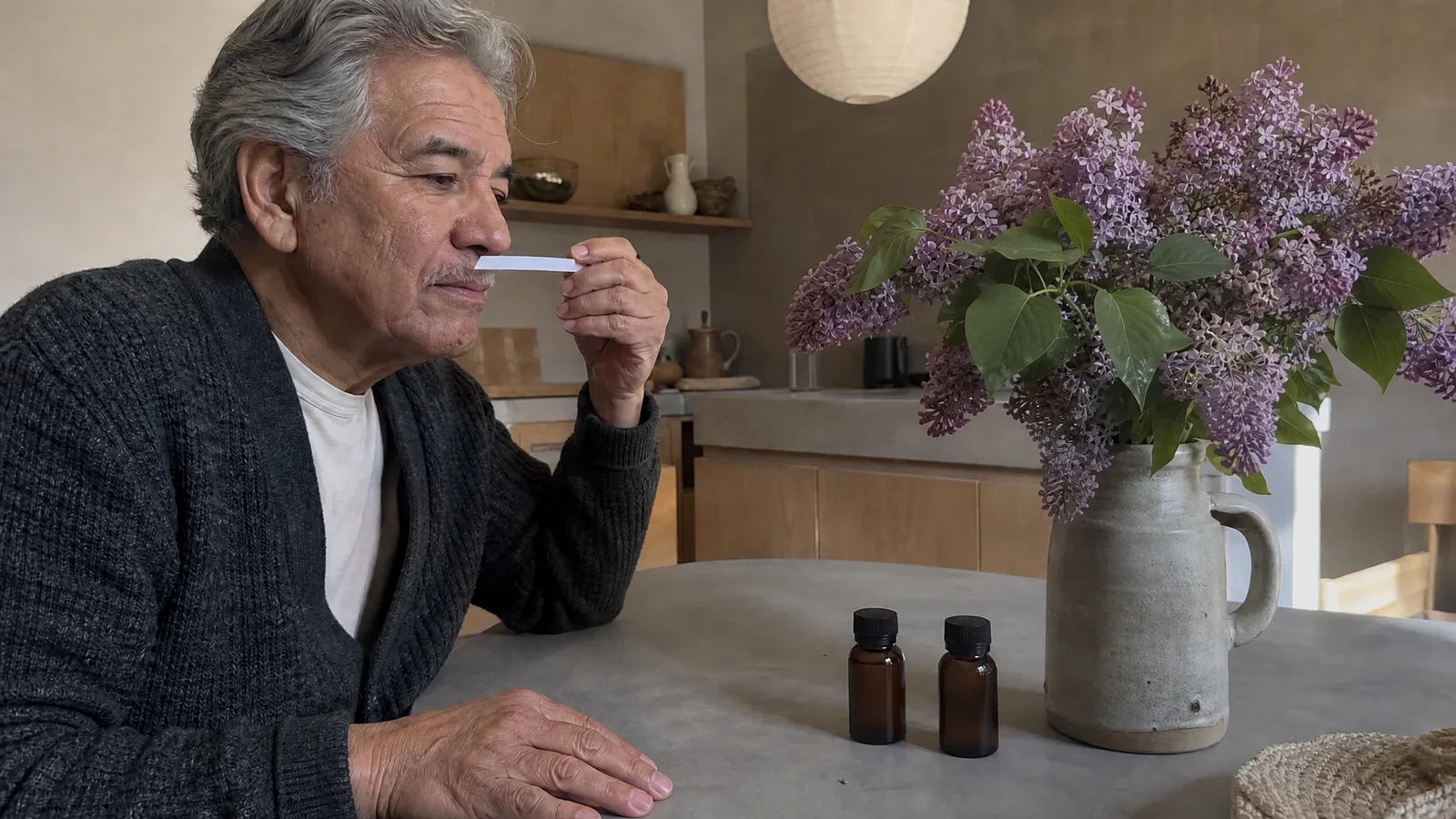
Soft and powdery first, with fresh purple florals and a little green, then a hint of almond sweetness and a clean musky base underneath. Open the bottle a few inches from your nose rather than breathing in deeply, and give it a minute to settle. It is a gentle scent that rewards being smelled twice.
Will it smell exactly like the lilac in my garden?
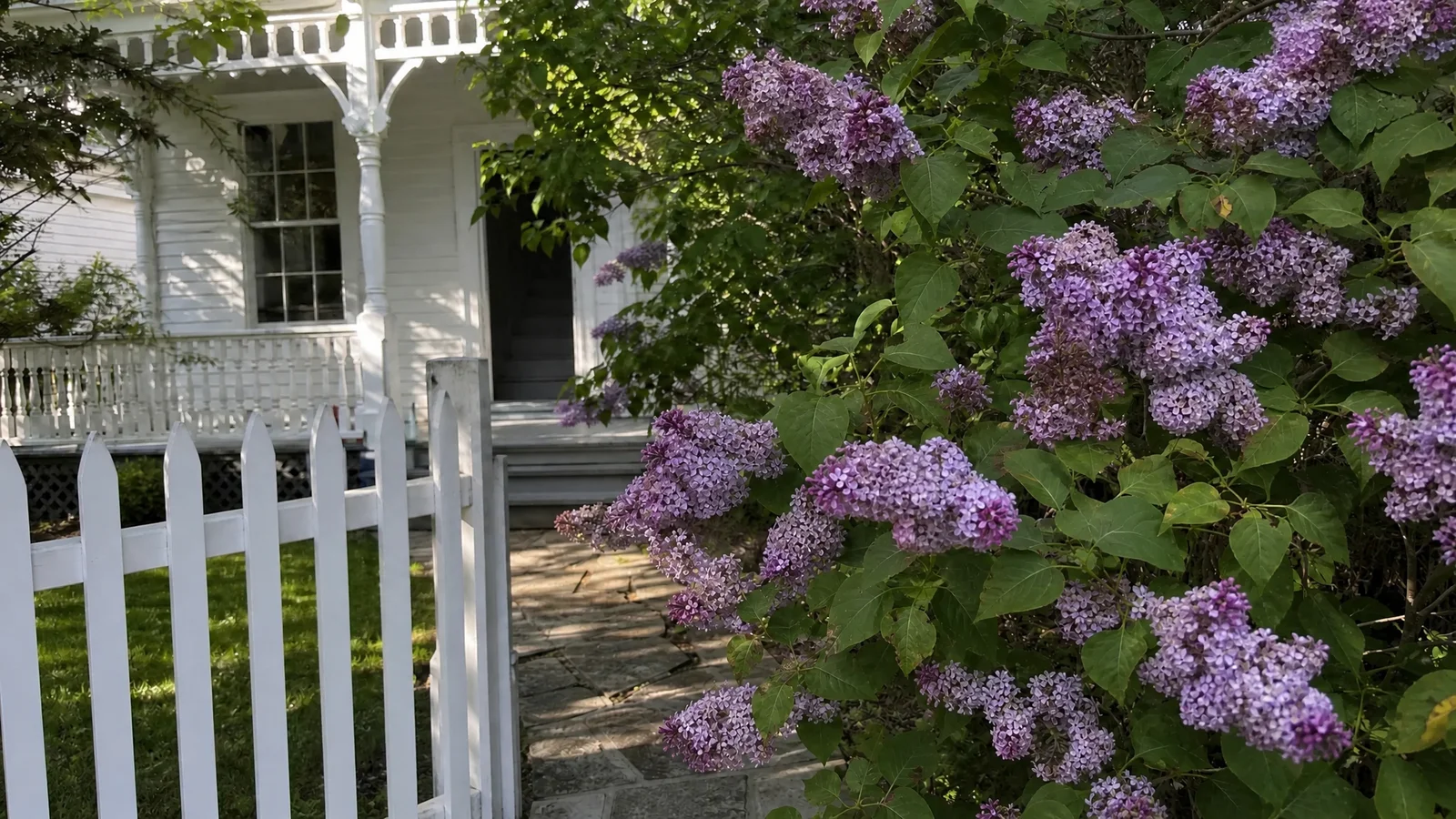
It is built to be faithful to lilac in bloom, and many people find that familiar. Every shrub smells a little different, though, so expect a close portrait rather than a copy of your own bush.
Do you offer wholesale, samples or private label?
Yes. We offer 5, 25 and 400 lb sizes with larger quantities on request, sample bottles in any retail size, a free consultation form, private label and custom formulations where we can help. Start at bulk, wholesale or contact. If you sell what you make, FDA's fact sheet for small businesses says you carry the legal responsibility for the safety and labeling of your products.
What do you not sell?
Only lilac oil. Carrier oils, wax, wicks, jars, soap base, bottles and any other oil or fragrance come from a craft, soap or candle supply shop.
If your question is not here, write to us through the contact page and we will do our best to answer it.
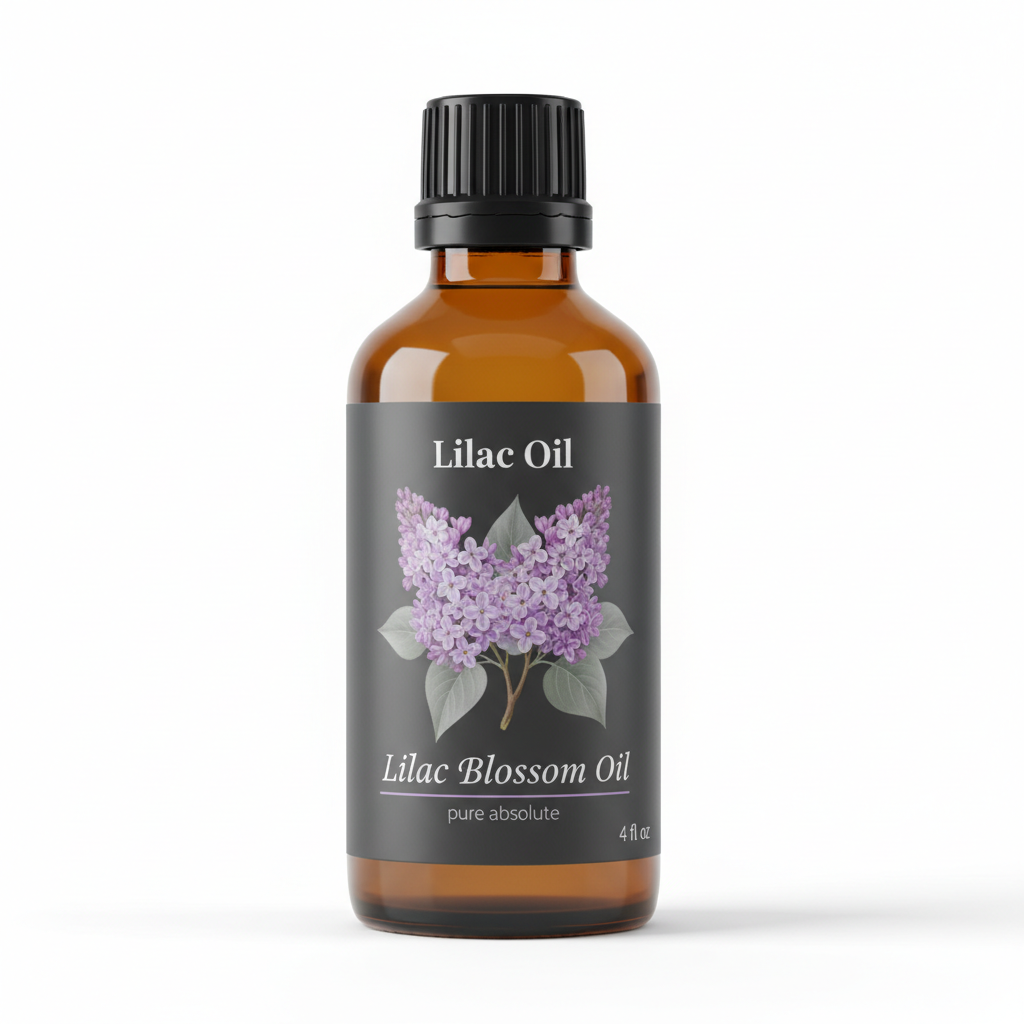
Lilac Blossom Oil
Lilac Blossom Oil from our own shop, in sizes from 0.5 oz to bulk.
From $15.99
Shop Now →Sources & Further Reading
- Dacho and Szolcsányi, 2021, Molecules. Synthesis and Olfactory Properties of Seco-Analogues of Lilac Aldehydes
- Tisserand Institute. Dilution
- IFRA, 2023. Guidance for the use of IFRA Standards, 51st Amendment
- eCFR. 7 CFR 205.301, Product composition
- FDA. Small Businesses & Homemade Cosmetics: Fact Sheet