Lilac Oil Benefits: What Research Does and Does Not Say
Search for lilac oil benefits and you will find pages promising calm, sleep and glowing skin. We take a simpler view: our Lilac Blossom Oil is made for its scent, a soft, powdery, springlike one that we love, and we make no health claims for it. It still helps to know what research does and does not exist, so you can read other pages with a sharper eye.
What research on lilac actually covers
The studies on lilac we found are laboratory work on plant extracts, which is a different material from a scented oil. A 2026 paper in Nutrients tested an extract of Syringa vulgaris flowers on human blood plasma in the laboratory and measured changes in oxidation markers. A 2021 paper in Molecules profiled the chemistry of several lilac extracts and tested them on cells and in chemical assays. Both are interesting plant science. Neither tested a scent, neither involved a person smelling anything, and neither says anything about a composed oil like ours. A result in a test tube or a dish is a starting point for scientists, not a statement about how a product behaves.
When it comes to people smelling lilac, a search of the research literature turned up no study on mood, sleep or stress, though databases can miss work in other languages and journals. So sentences like "lilac relieves stress" have little under them, and we do not write them.
What we do love about it
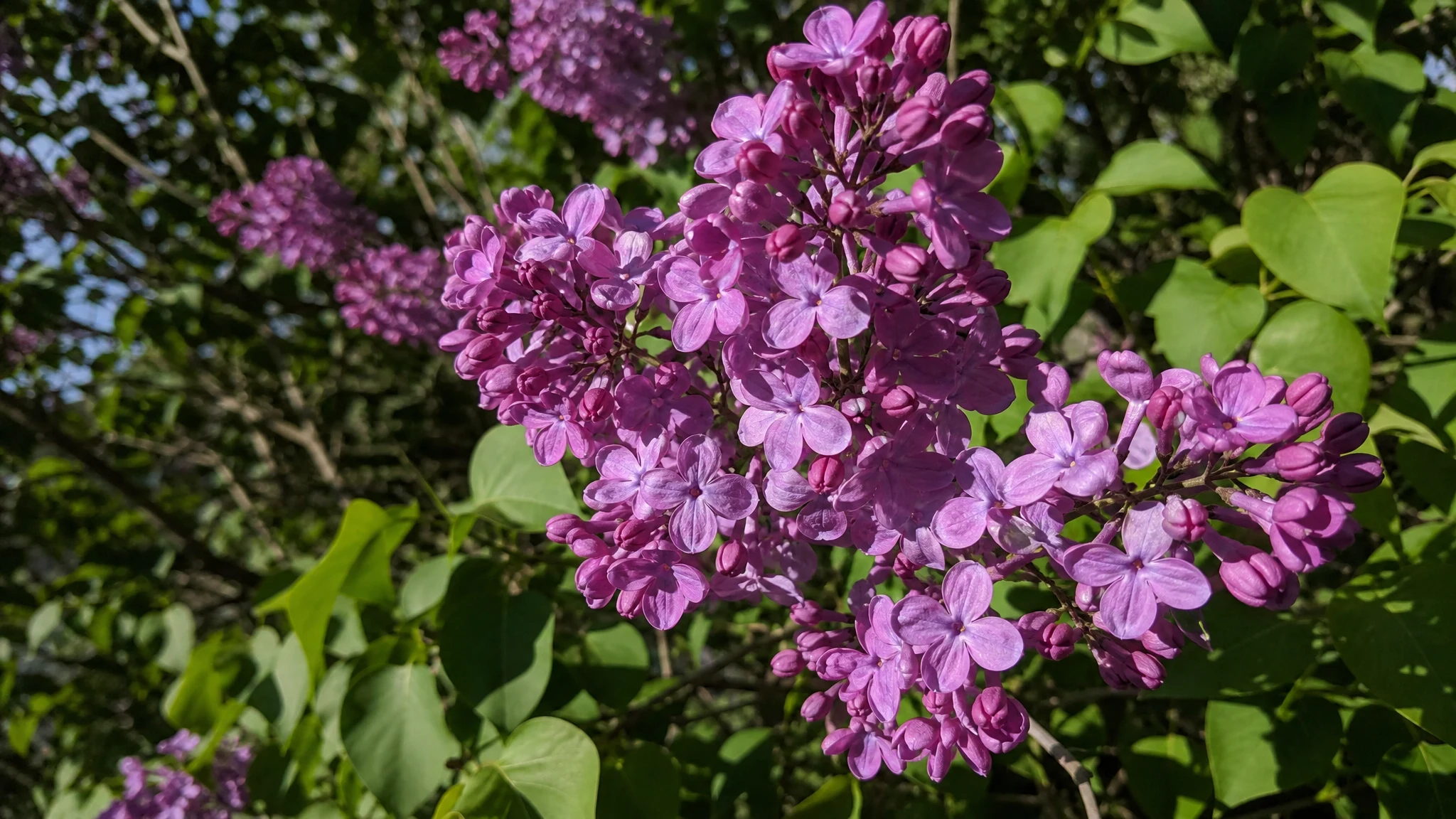
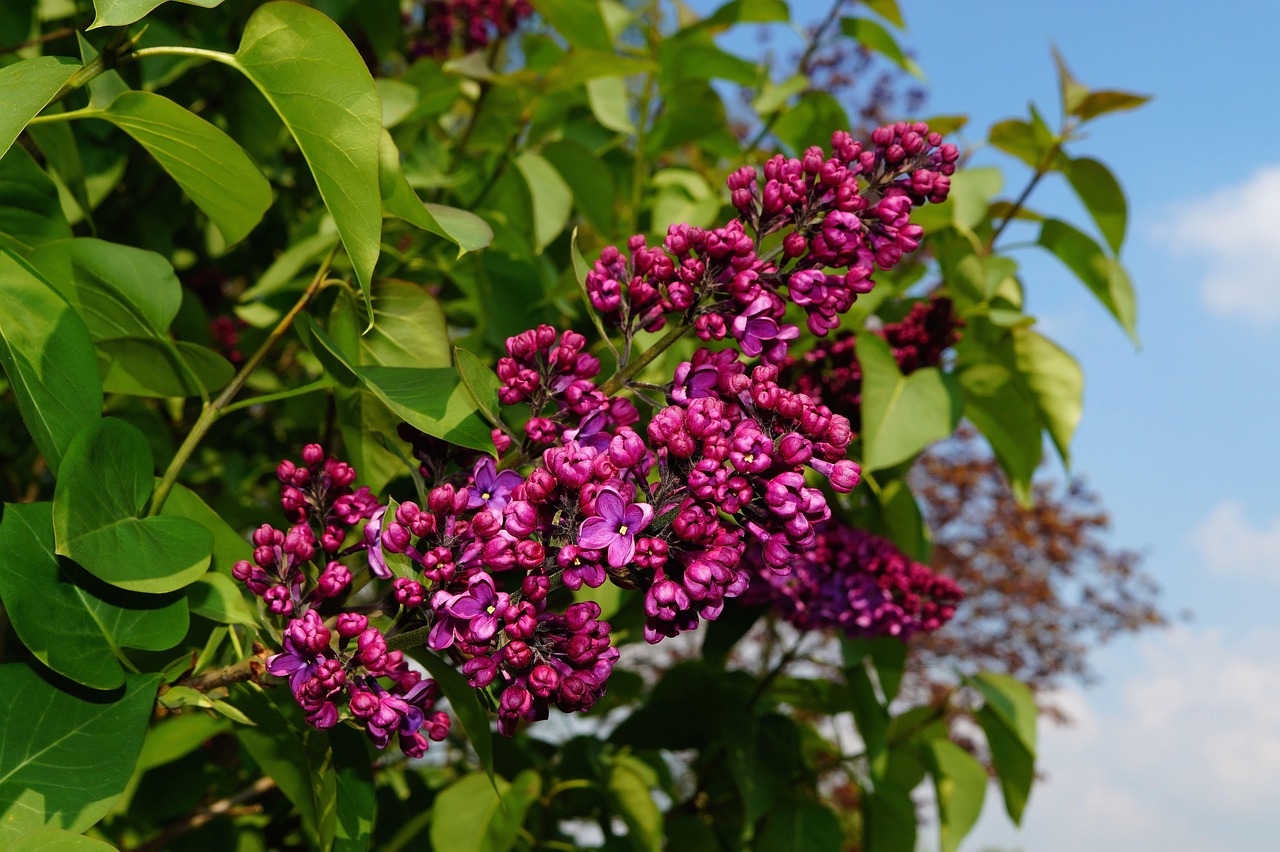
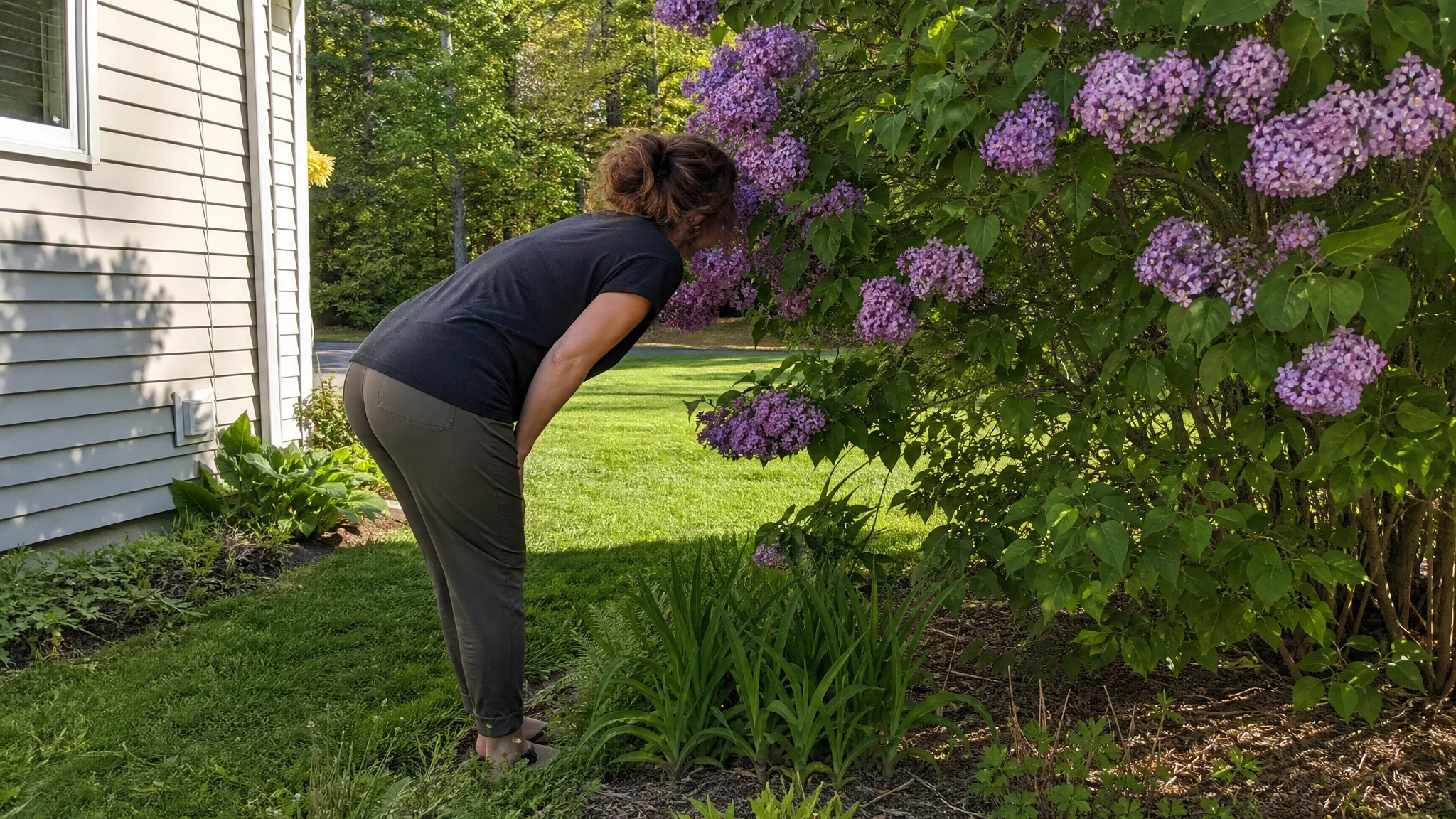
It is easy to be skeptical of grand claims and still love a scent. When you open the bottle, lilac smells like the first warm week of spring: soft, powdery and green, with a hint of almond sweetness. That small moment of pleasure is the only thing we promise. Many people just want a favourite smell on a shelf, in a little jar or on the wrist, and that is a perfectly good reason to bring a bottle home.
Why lavender evidence does not transfer
Most of what is written about aromatherapy is really about lavender, and it is tempting to assume lilac behaves the same way. It is a reasonable instinct, but it is an assumption. Even for the scents most studied, the picture is modest. The Cochrane review "Aromatherapy for dementia" looked at 13 trials with 708 participants, mostly using lavender or lemon balm, and concluded there is no convincing evidence that aromatherapy benefits people with dementia. That is a different group of people and a different question, so it says nothing about lilac either way, but it shows how carefully claims about any scent should be read.
The National Center for Complementary and Integrative Health says something similar on its aromatherapy page: aromatherapy is sometimes used for insomnia, but little rigorous research has been done, so it is not known whether it helps. It describes a study of lemon and lavender scents in stressed people in which lemon had a positive effect on mood, and neither scent changed stress indicators. If your question is about sleep, anxiety or a health condition, a physician or pharmacist is the right person to ask, because we sell an external cosmetic oil and nothing more.
How to read a bold claim
When you meet a page promising wonders from an oil, ask three plain questions. Who is making the claim? What exactly did they test? And does it match what you are buying? If the answers are vague, treat the page as marketing. A good seller will tell you what the product is and leave it at that.
How the FDA draws the line
The FDA's aromatherapy page explains that how an "aromatherapy" product is regulated depends mainly on how it is intended to be used, judged from its labeling, website and advertising. A product intended only to cleanse or make a person more attractive is a cosmetic, while one intended for a therapeutic use, such as treating or preventing disease, is a drug. The page gives claims like easing pain or helping sleep as drug claims, and says plant origin does not exempt a product. That is why you will not find those promises here, and why our pages say the oil's purpose is scent.
What we can tell you about our oil
Our oil is a composition of botanical extracts and infused aromatics, built to be faithful to the scent of the common lilac. It is not a distillate and not an absolute. The Certificate of Analysis we publish for one batch lists appearance, smell, relative density, refractive index and optical rotation. It has no ingredient list, so none of the extract studies above can be mapped onto our oil, and we do not try. If you enjoy the aroma, that is a preference, and a perfectly good reason to buy a scent. For skin we suggest diluting to 0.5% to 2% in a carrier oil, starting at the low end, patch testing first and keeping it away from eyes, children and pets.
To learn how the oil is made, read why there is no true lilac essential oil. For using it in body products, see lilac oil in skin and body products, and the FAQ covers the practical questions.
Enjoying it simply
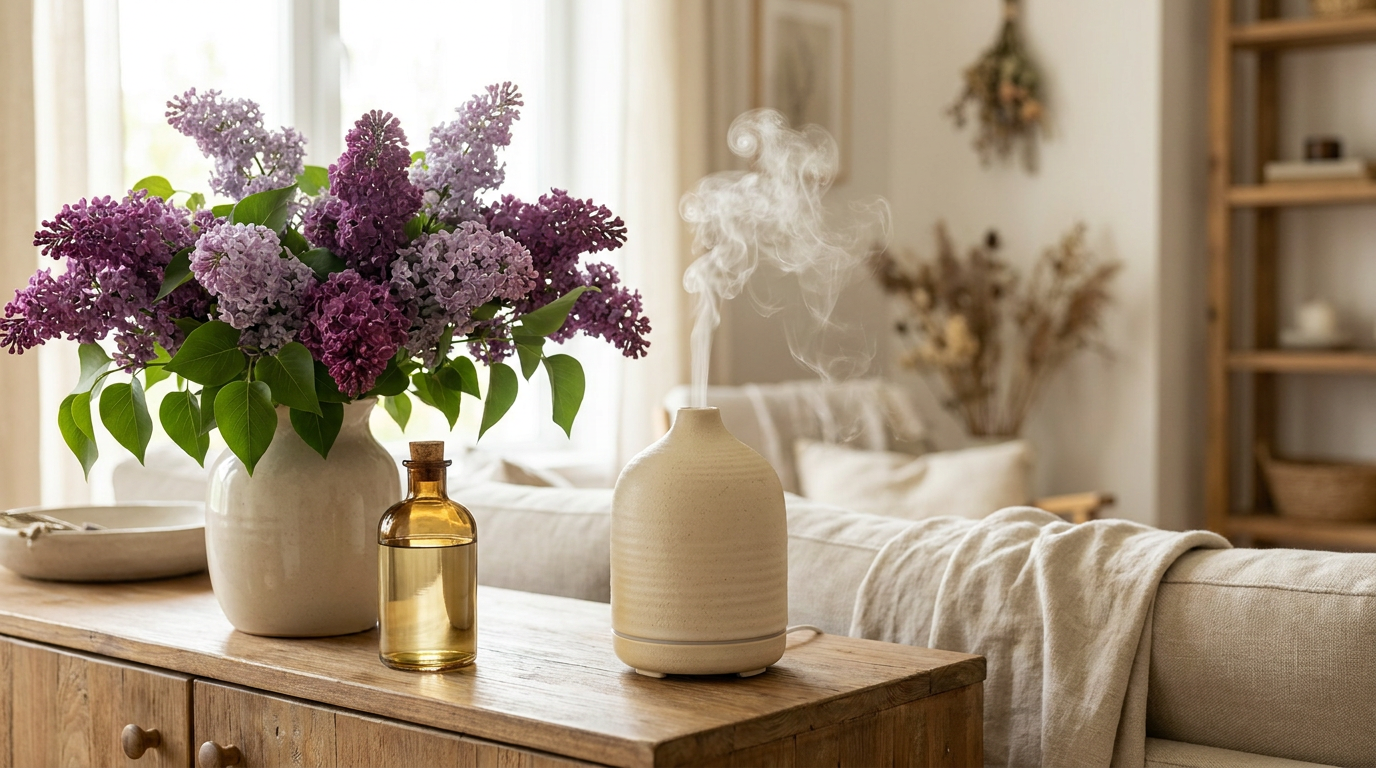
Try the bottle on a paper strip, smell it on a quiet afternoon, and see what it reminds you of. Add a few drops to a diluted body oil, or set it in a reed diffuser, and notice whether you reach for it again. If you do, you have your answer.
A scent can simply be something you enjoy, and that is reason enough to love it.
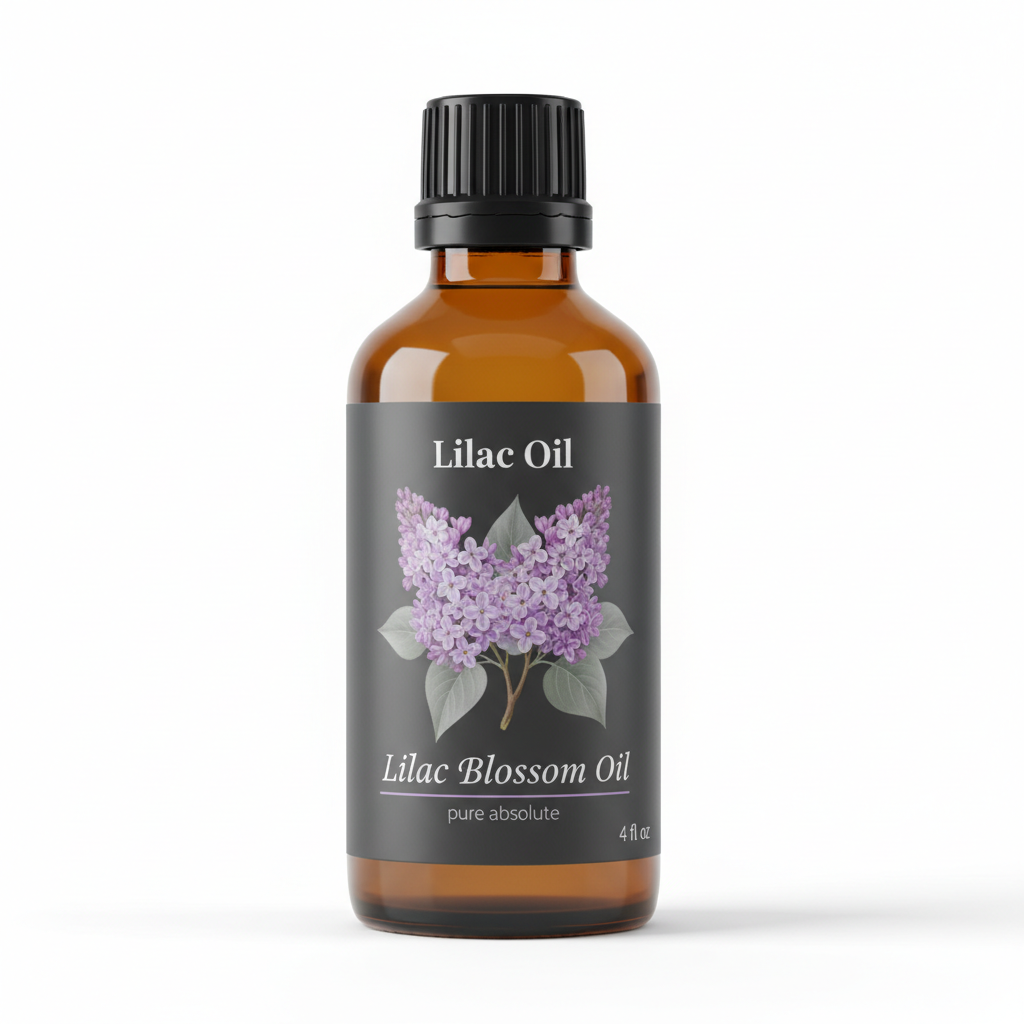
Lilac Blossom Oil
Lilac Blossom Oil from our own shop, in sizes from 0.5 oz to bulk.
From $15.99
Shop Now →Sources & Further Reading
- NCCIH, Aromatherapy
- FDA, Aromatherapy
- Sławińska et al., Extract from Syringa vulgaris L. Flowers-A Special Emphasis on Its Biological Activity: Evaluation of Antioxidant Properties and Modulation of Coagulation Process in Human Plasma In Vitro, Nutrients (2026)
- Hanganu et al., Chemical Profile, Cytotoxic Activity and Oxidative Stress Reduction of Different Syringa vulgaris L. Extracts, Molecules (2021)
- Ball et al., Aromatherapy for dementia, Cochrane Database of Systematic Reviews (2020)