Most Fragrant Lilac Varieties: How to Choose Yours
Ask which lilac is the most fragrant and you will get a confident answer from nearly everyone, usually the variety growing by their back door. The honest picture is more interesting. We could find no source that ranks lilacs by measured scent strength, so what follows is what gardeners and extension services describe, and a simple plan for choosing: pick by bloom season first, then trust your own nose.
Five kinds, five seasons
Lilacs do not bloom together, and that is the most useful thing to know. University of Minnesota Extension sorts them roughly into groups by timing: the early hyacinth lilacs (Syringa x hyacinthiflora) open from April to mid-May, the common lilac (Syringa vulgaris) follows in mid to late May, and later types stretch the season on into early summer.
- Early lilac. NC State Extension says it blooms up to ten days before common lilac and tags the flowers as fragrant, though it gives no description of the scent.
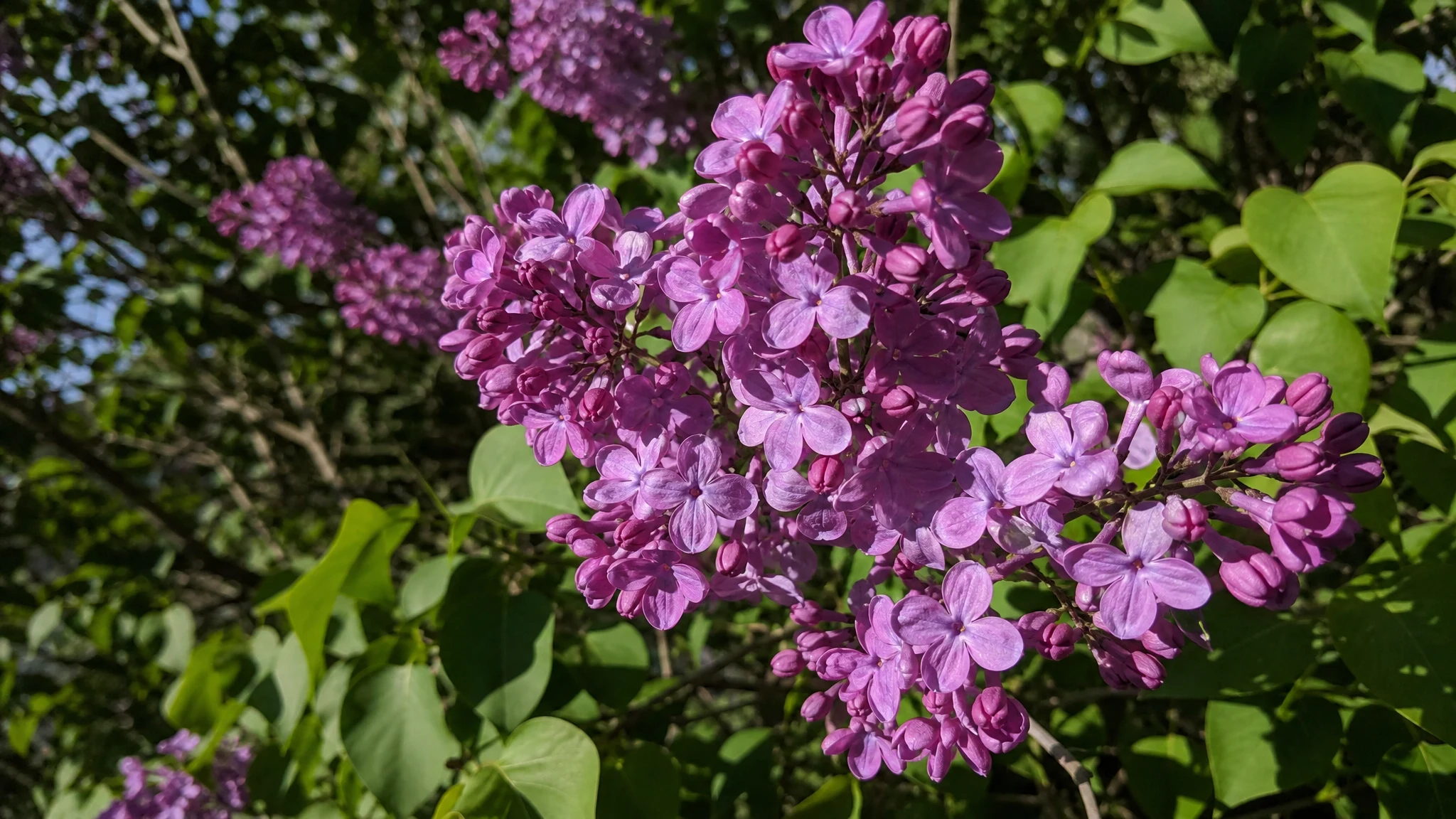
- Common lilac. NC State calls the fragrance "pungently sweet" and adds that it can be overpowering to some individuals. This is the classic, nostalgic lilac, and it is hardy in zones 3a to 7a.
- Manchurian or Korean lilac, including 'Miss Kim'. NC State describes sweetly fragrant flowers that bloom in late spring to early summer, with a spicier scent than common lilac. The University of Nebraska-Lincoln calls it a strong, pleasant fragrance.
- Japanese tree lilac. This one comes in June and lasts about two weeks, and NC State says the creamy flowers lack the sweet fragrance typically associated with lilacs and have a more privet-like odor. It is a reminder that "lilac" is not one smell.
Notice that the descriptions come from different writers with different noses. They are lovely guides, not measurements, and they disagree in tone as well as degree.
What measurement exists
The closest thing to data is a headspace study of nine lilac species and varieties, four of them cultivars of the common lilac. Scent amounts and ingredients differed significantly among them, and in 'Bright Centennial' a single compound, beta-ocimene, made up more than 70 percent of the floral scent. That tells you what is in the air above a flower. It does not tell you how strong a person finds it, and it does not rank varieties, which is why we would not pick a plant by a cultivar name alone. We dig into this in why lilacs smell stronger at times.
How we would choose
Our suggestion, which is reasoning from the sources rather than a sourced rule, is to start with the calendar. Plant an early type, a common lilac and a later one, and you get a month or more of flowers rather than three shrubs peaking in the same week. Our post on making the most of lilac season has more on that rhythm. Then use your nose:
- Visit a nursery or arboretum while the lilacs are open. A pot in winter has no scent to judge.
- Smell several plants in one visit, resting your nose between them, because noses tire quickly.
- Check your zone and summer heat with your local extension office. A lovely scent matters less if the plant struggles where you live.
A smelling walk, step by step
The best research you can do costs nothing but an afternoon. If there is an arboretum, botanical garden or well-stocked nursery near you, plan a visit during bloom and treat it as a small scent tour.
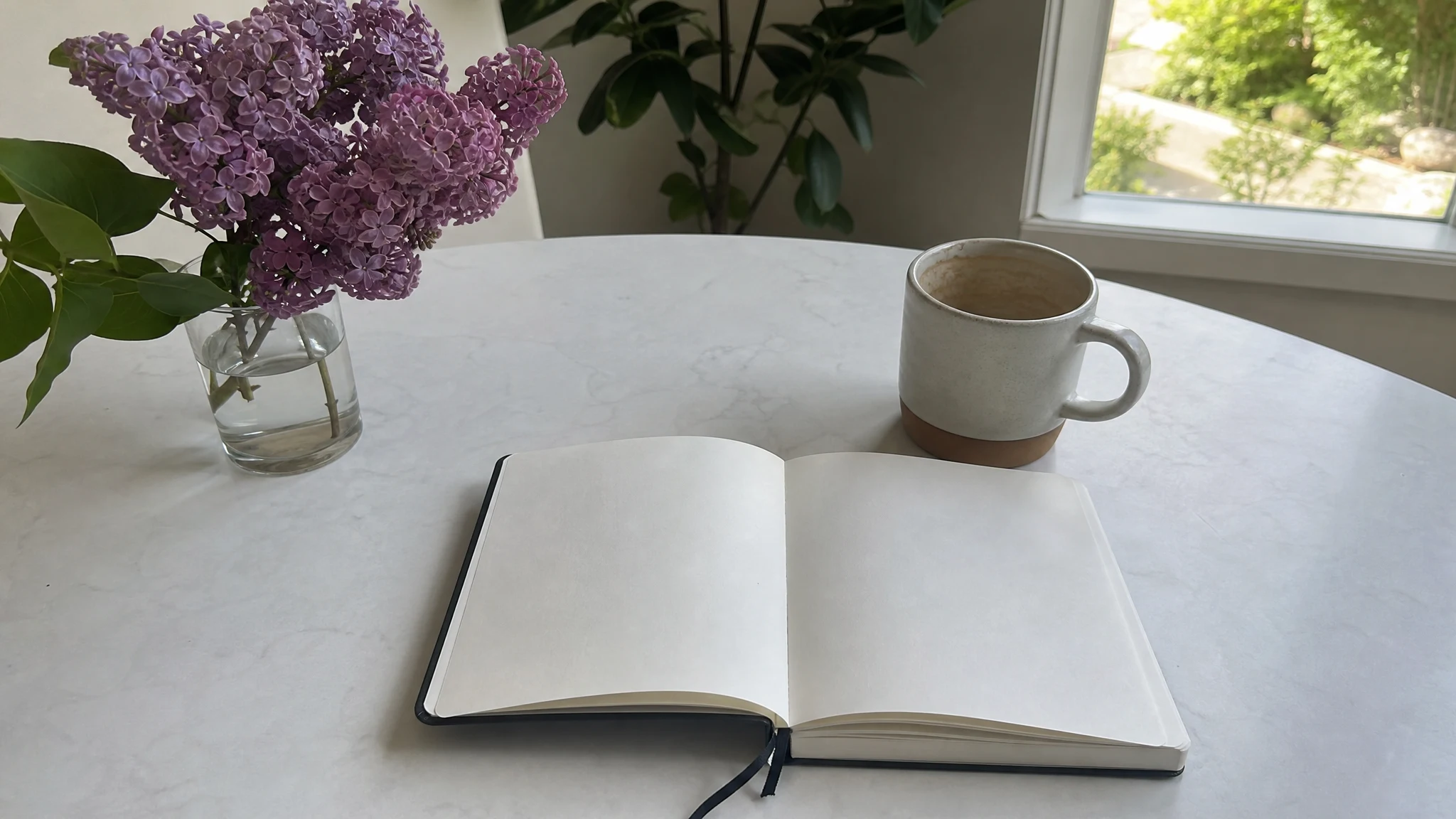
- Bring a notebook and a pencil, and write the name of each plant before you smell it.
- Smell one cluster, write two or three words, and walk on before you smell the next.
- Pause every few plants. Step away, look at something else, and let your nose reset.
- Take a photo of each plant tag so you can look the variety up when you get home.
- Circle your favorite, then go back to it at the end of the visit and smell it once more.
Keep a lilac notebook
You may notice that the same shrub smells different at different moments, a little sweeter in one visit and greener in another. That is part of the charm, and it is a good reason to jot down the time of day and the weather beside each note. Over a season, the notebook becomes your own private ranking, which is worth more than any list written by a stranger. It also becomes a gentle reference when you later smell a lilac candle, a body oil or a bottle of lilac oil and want to say what you are smelling and why you like it.
Where our oil fits
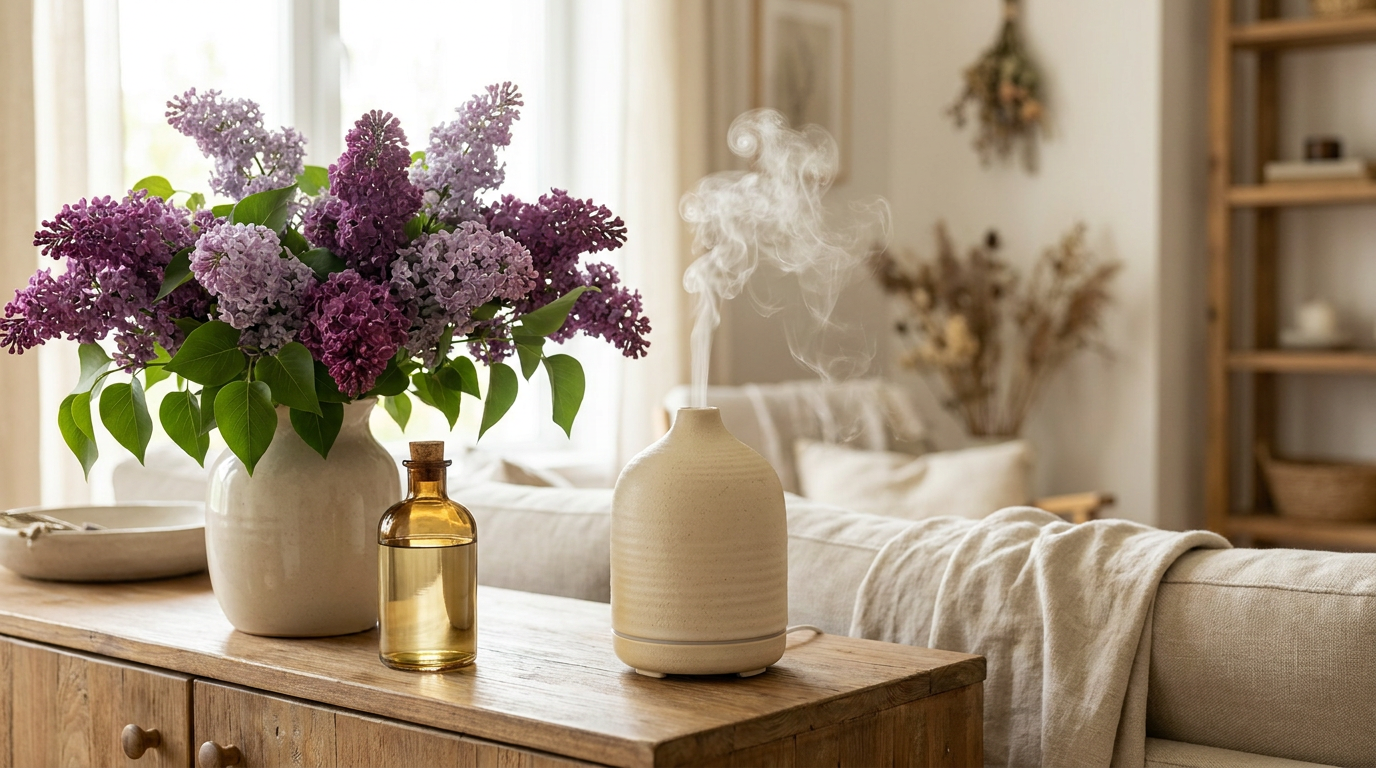
Our Lilac Blossom Oil is a composition of botanical extracts and infused aromatics, built to be faithful to the scent of the common lilac in bloom. It is not made from any one variety, and we do not specify a cultivar. We describe the aroma as soft, powdery and springlike, with fresh purple florals, green stems, a hint of almond sweetness and a clean musky base. Our scent profile goes into the words people use for it, and the post on Syringa vulgaris covers the shrub itself.
The shrubs come from a nursery and the oil is for scenting candles, soap, body products and rooms. If you can only have one, plant the shrub, and let a little bottle carry you through the months when the bloom is over.

Lilac Blossom Oil
Lilac Blossom Oil from our own shop, in sizes from 0.5 oz to bulk.
From $15.99
Shop Now →Sources & Further Reading
- University of Minnesota Extension, Lilacs
- North Carolina Extension Gardener Plant Toolbox, Syringa vulgaris (Common Lilac)
- North Carolina Extension Gardener Plant Toolbox, Early Flowering Lilac - Syringa x hyacinthiflora
- North Carolina Extension Gardener Plant Toolbox, Syringa pubescens subsp. patula
- North Carolina Extension Gardener Plant Toolbox, Syringa reticulata
- Backyard Farmer (University of Nebraska-Lincoln), Miss Kim Lilac (Syringa pubescens subsp. patula ‘Miss Kim’)
- Yang et al., Analysis of floral scent emitted from Syringa plants, Journal of Forestry Research (2016)