Flash Point for Candle Makers: What the Number Means
Few numbers on a fragrance oil listing cause more worry than the flash point. Candle makers see "flash point 140 F" and wonder whether their fragrance will catch fire in the pouring pot, or burn away before it reaches the jar. The truth is calmer and more useful: a flash point is a handling and shipping classification for the liquid in the bottle, and it says much less about your candle than you might expect.
What the number measures
The flash point is the lowest temperature at which a liquid gives off enough vapor to ignite briefly when a flame or spark is introduced. It is measured on the neat oil, usually in a closed cup. The rules that make the number matter are mostly about transport. US hazardous materials rules define a Class 3 flammable liquid as one with a flash point of not more than 60 C (140 F), which is why low flash point oils can face shipping restrictions. Nothing in that definition sets a candle pouring temperature, and nothing speaks to oil that has already been stirred into wax.
Where to find it
A safety data sheet follows a standard sixteen section layout under OSHA's Hazard Communication rule, and Section 9 covers physical and chemical properties. Flash point lives there, alongside appearance, odor, relative density and similar entries. If a supplier gives you a sheet, turn to Section 9 first and look for two things: the number, and the test method. A figure with no method printed is only half a number, so ask which one was used.
A small practice example helps. Suppose a sheet read "Flash point: 62 C (143.6 F), closed cup." That is a made-up figure to rehearse with, not any real oil. Converting is easy: 62 times 1.8, plus 32, gives 143.6 F. That is above the 60 C shipping line, so it would not be a Class 3 flammable liquid by that definition. A 58 C oil would fall under the line, which changes how a supplier ships it, not what your candle does.
The pouring-pot worry
You will hear people say that adding fragrance to wax above its flash point is dangerous, and others say it is nothing to worry about. CandleScience's support page takes the calm view: adding fragrance oil to wax above the oil's flash point will not cause it to combust, and low flash point fragrances do not burn off as long as the oil goes into wax that is poured soon after. It also explains why suppliers list the number at all: for gel candle makers, and because fragrances with a flash point of 141 F or less cannot ship through USPS and need ground services. That is one supplier's account of its own practice, but it matches the shipping definition above.
Our own reasoning points the same way. The flash point comes from a test on the neat liquid with an ignition source. A few grams of oil stirred into a pot of wax is a different situation from a cupful of oil, so the number does not translate directly. That is an inference rather than a test, and it does not make careless handling harmless, so keep heat sources and open flames sensible in the pouring room. For your wax temperature, follow the wax maker. Golden Brands 464 soy, for example, tells you to add fragrance at 185 F (85 C) and stir for two minutes. The oil's flash point is for storage, shipping and a calm pouring room, and the wax sheet is for temperature.
A habit worth keeping
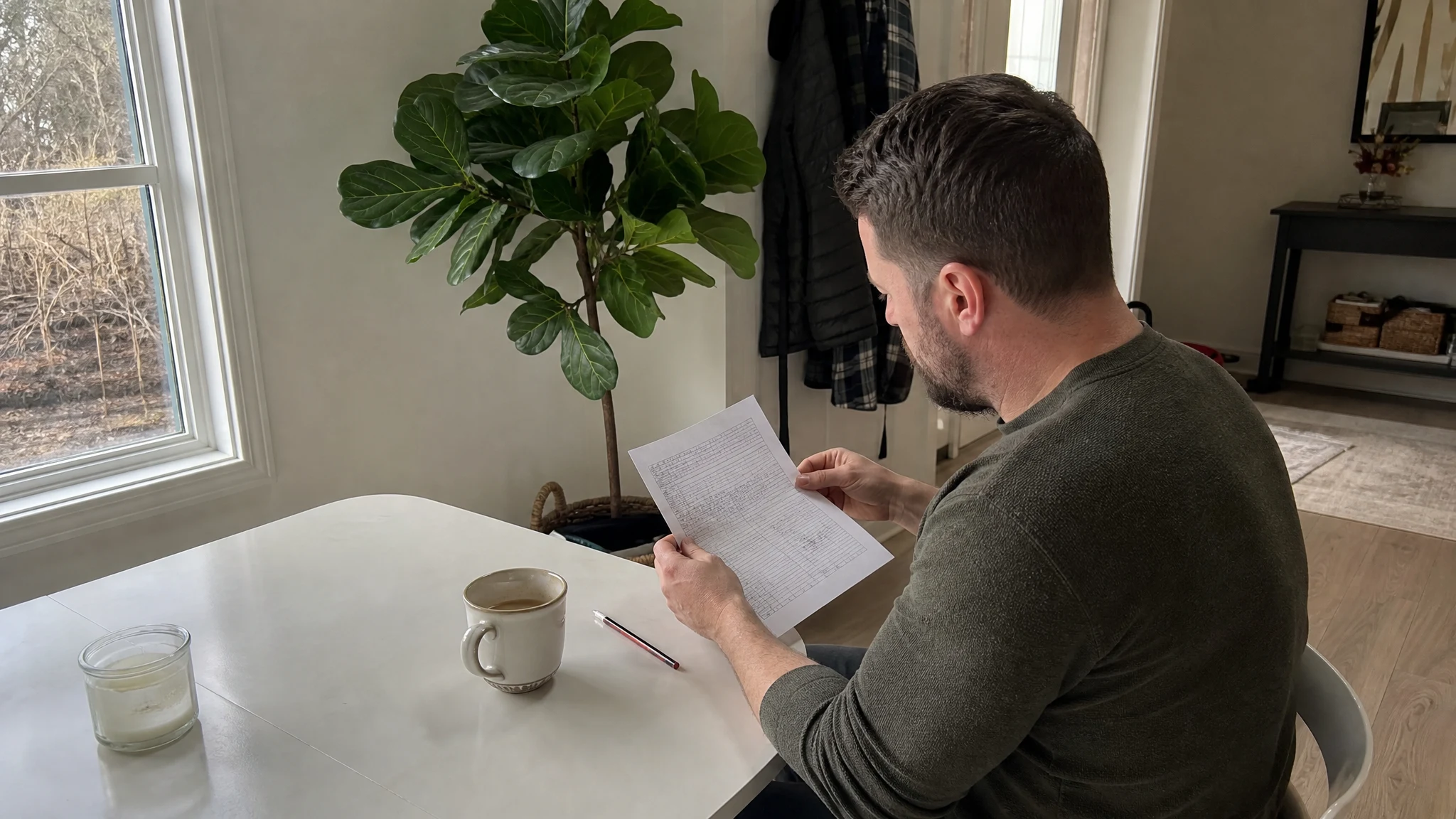
Candle making goes more smoothly with a little paper discipline, and the flash point is a good place to start building it. Keep one folder, paper or digital, for every oil you pour with. Put the safety data sheet in it, note the date it arrived, and write the lot number from the bottle on the first page. When you pour a test candle, jot the lot number on a sticky note under the jar so you can match the candle to the paperwork months later.
It also helps to keep the flash point somewhere you will actually see it, such as the label of the storage box that holds your oils. You will not think about it every day, but on the day you are packing a parcel or tidying the workroom, a number you can find in ten seconds is worth having. None of this is complicated. It is the quiet side of a craft that smells lovely and looks relaxed, and a little order here keeps it that way.
Asking for it in writing
If you pour candles to sell, a flash point, test method and safety data sheet are things you are entitled to ask any supplier for, before you order. The Certificate of Analysis we publish for our Lilac Blossom Oil covers one batch and lists appearance, smell, relative density (0.973), refractive index and optical rotation. For a flash point or safety data sheet, please ask us in writing through the contact page before ordering, and keep the answer with your production records. Then pour one small test before a full batch. If you are still choosing a fragrance, testing a fragrance oil before you buy bulk lays out a sensible sequence.
When a finished candle seems faint, the oil's flash point is rarely the reason. What to check before adding more oil covers the usual suspects, how to read a COA and SDS goes line by line through the paperwork, and candle warning label requirements covers what a candle you sell must carry. Questions about shipping classification belong with a transport or product safety professional.
In short, treat the flash point as the number that tells you how to ship and store the bottle, and let your wax maker's sheet set the temperature.
Lilac Blossom Oil
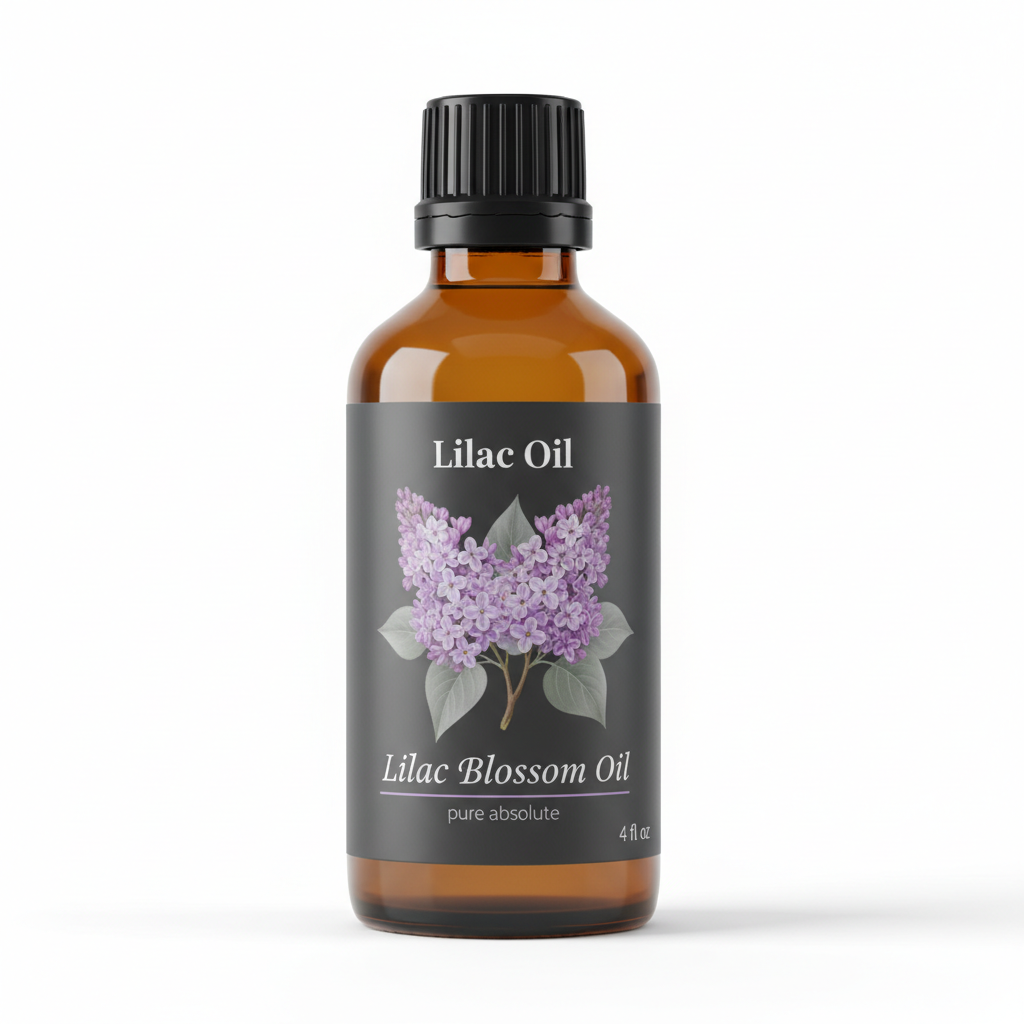
Lilac Blossom Oil from our own shop, in sizes from 0.5 oz to bulk.
From $15.99
Shop Now →