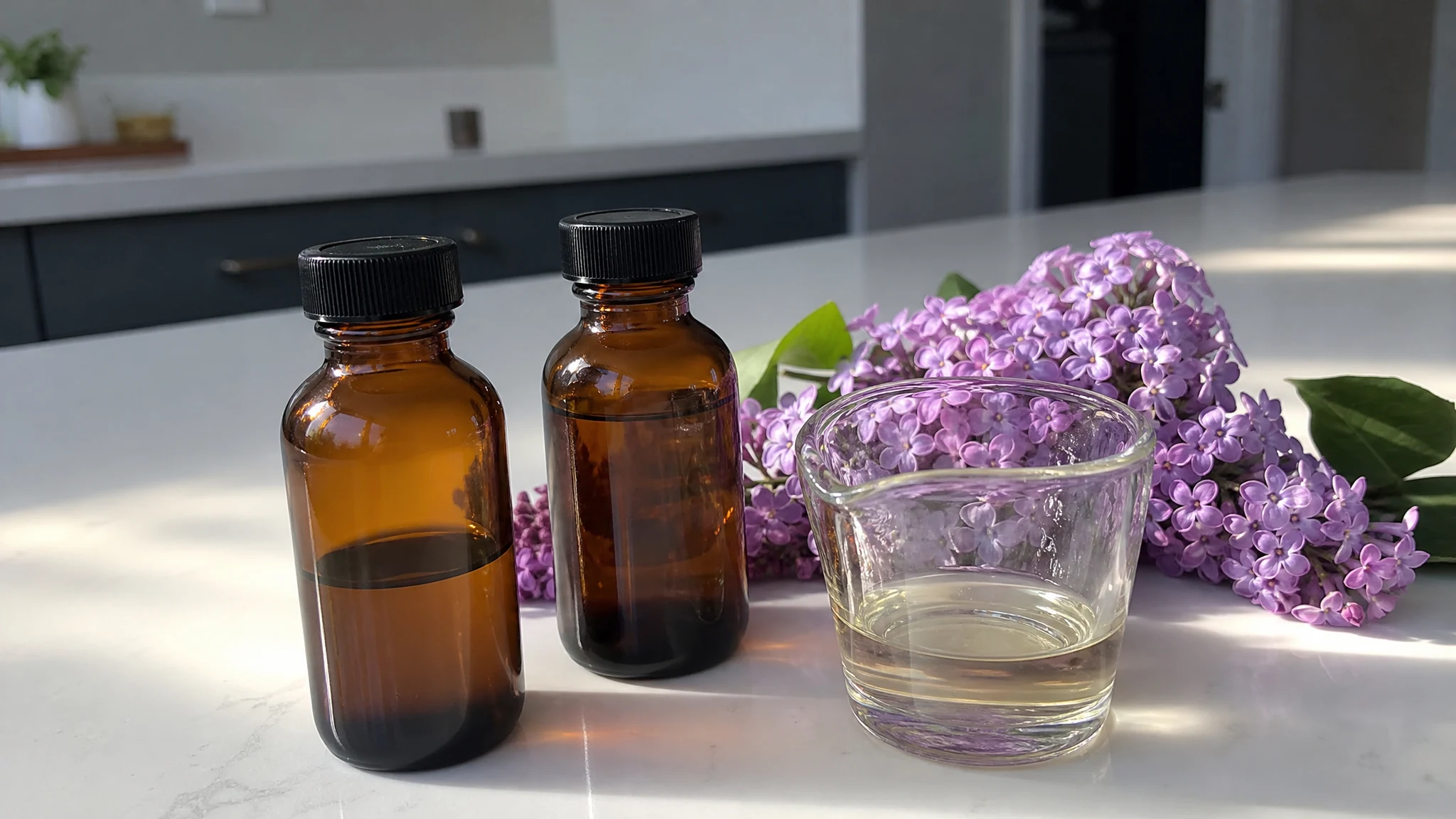
Weak Lilac Candle Scent: Five Checks Before More Oil
You poured a lilac candle, lit it, and the room smells of almost nothing. The instinct is to pour another one with more oil. Hold off, because the fix is usually somewhere cheaper, and five quick checks, in this order, will find it.
First, is it the cold throw or the hot throw?
Cold throw is what you smell from the unlit candle. Hot throw is what fills the room once the wax melts. They fail for different reasons, so decide which one is weak before changing anything. Cold throw mostly depends on the wax and its cure. Hot throw mostly depends on the flame and the melt pool.
Second, has it cured long enough?
Cure times vary by wax. CandleScience asks for two weeks of curing on Golden Brands 464 soy to get the best fragrance throw, while it lists far shorter times for its coconut-apricot blend. A candle sniffed on day three is a fair test in one wax and an unfair one in the other. Read the cure time for your wax and mark the pour date on the jar. Our post on scenting soy candles with lilac oil covers the pour itself.
Third, is the wick making a full melt pool?
This is where we would look first for weak hot throw. Fragrance has to leave the liquid wax to reach your nose, and Nature's Garden notes that a wick's size has a direct effect on hot scent throw, that a small melt pool is a sign the wick needs to be larger, and that a hot-burning wick is the best way to release fragrance. It also adds that a wick chart should never replace your own testing. CandleScience adds that light floral oils flow easily and can make the same wick burn hotter, so with a floral it helps to test one size down as well as one up. Our wick post gives the full routine.
Change one wick size at a time so you know which change did what, and judge the candle on a full burn.
Fourth, is your load right for the wax?
Compare the grams of oil you added with the wax maker's printed ceiling. For 464 in containers, CandleScience states 10%. A 250 g candle at 6% holds 15 g of oil, and at 10% it holds 25 g, so going from 6% to 10% is 67% more oil. Doubling a 6% load would mean 12%, which is past that ceiling. So "just double it" is not an option, and a faint candle at 6% will not turn loud at 10%.
A bigger load also has a cost. Wholesale Supplies Plus says that going beyond a wax's maximum can lead to poor burning characteristics and fragrance seeping out as sweat. Always weigh the oil rather than measuring by volume.
It also helps to know what to expect from lilac. Like most florals, lilac reads softer than heavier musks or woods, so a gentle throw is a floral behaving like a floral, and the fixes below beat reaching for more oil.
Fifth, what temperature did the oil go in at?
CandleScience lists weak throw among the things to check on its 464 page, along with curing, wicking and judging the scent in a room that suits the candle's size. It asks you to add fragrance at 185 F (85 C) and stir for two minutes. Follow your own wax maker's temperature, and treat the oil's flash point, when you have it, as a separate safety figure. Our flash point post explains the difference.
The room matters too. A small candle in a big open space can read as weak simply because the scent is spread thin.
Judge it in the right room
Your nose is part of the equipment, and it gets tired. If you have been working over hot wax all afternoon, everything starts to smell faint. Step outside for a few minutes, take a breath of plain air, and come back to the candle. Better still, light it in a room you have not been in, close the door, and wait twenty minutes before you walk in. A candle can only be judged fairly by someone who has just arrived.
Keep a test log
Write down the wax, the wick, the weight of oil, the pour date and the day you first lit it. When you change only one thing at a time, the log tells you which change mattered. It sounds fussy, but a few lines on an index card taped to the shelf turn a frustrating hobby into a calm one, and you will stop wondering which jar was which.
The fix order
- Wait out the cure for your wax.
- Check the melt pool and wick up one size if it is starved.
- Check your grams against the wax ceiling.
- Check the add temperature against the wax sheet.
- Only then think about a different wax or a stronger scent family.
If a bigger wick starts producing soot, stop and go back a size. If you plan to sell candles, you will also want a label that meets the rules (see candle warning label requirements) and safety information on your fragrance, so write to us through the contact page before ordering and tell us what you need. Choosing a wax for lilac candles is the other big lever.
A lilac that starts soft is a normal floral. Get the wick, the cure and the arithmetic right and it will fill a room the way it should.
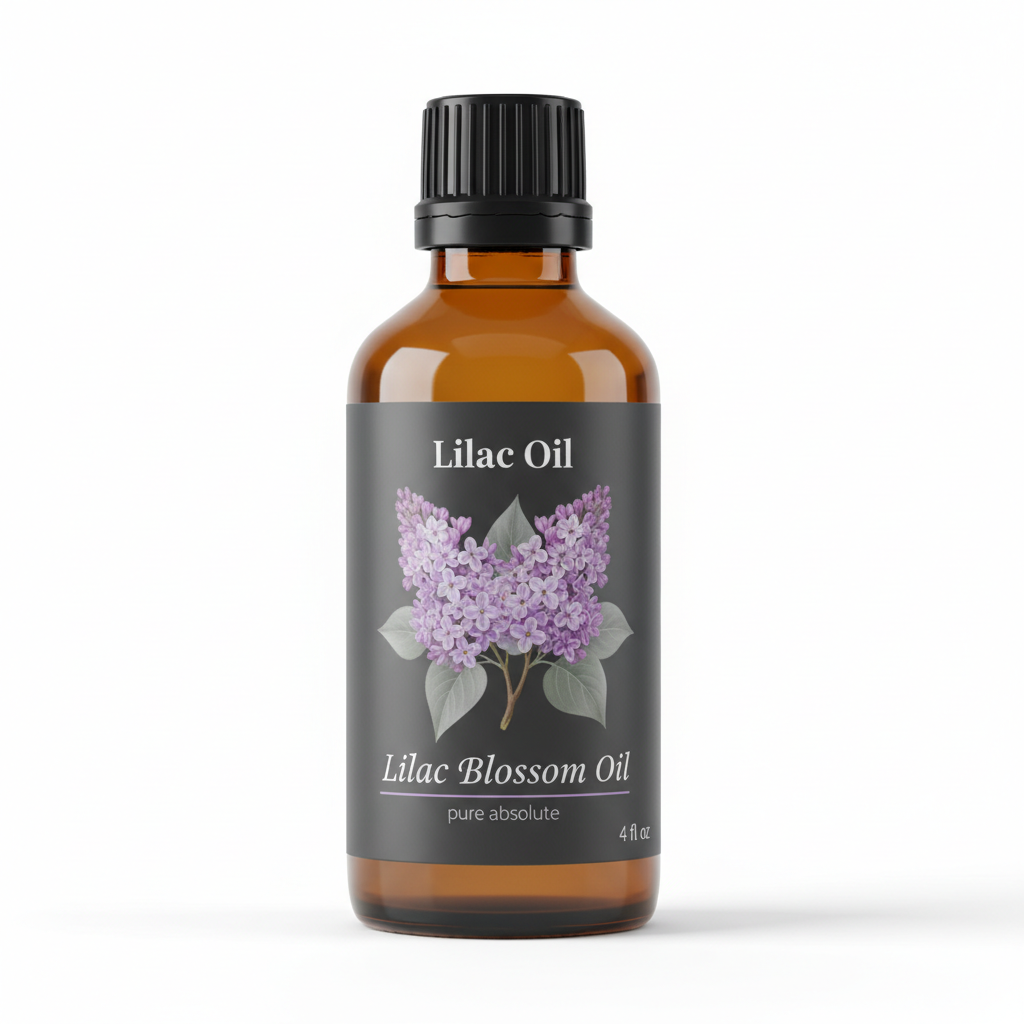
Lilac Blossom Oil
Lilac Blossom Oil from our own shop, in sizes from 0.5 oz to bulk.
From $15.99
Shop Now →Sources & Further Reading
- CandleScience, Golden Brands 464 Soy Wax
- CandleScience, Wick Guide - Find The Right Candle Wick For Your Candles
- Nature's Garden, When Does Wick Size Matter
- Wholesale Supplies Plus, What Does The Maximum Fragrance Load Or Fragrance % Of A Wax Mean?