Best Wax for Lilac Candles? Read the Load Limit
Ask ten candle makers which wax is best and you will hear ten different names, which tells you the question is slightly off. A soft, powdery floral like lilac does not need a famous wax; it needs a wax whose printed limits fit the candle you want to make. Once you know how to read that one number, the choice gets much easier.
The number that decides everything
Every wax comes with a maximum fragrance load, the most scent oil by weight that its maker says it can hold. Wholesale Supplies Plus describes it as the manufacturer's recommended maximum, and notes that going past it can lead to poor burning and to oil seeping out of the candle so it looks as if it is sweating. The same page points out that many waxes are pre-blended with additives so they can carry up to 12%, while straight paraffin tops out around 3% unless an additive such as Vybar is mixed in.
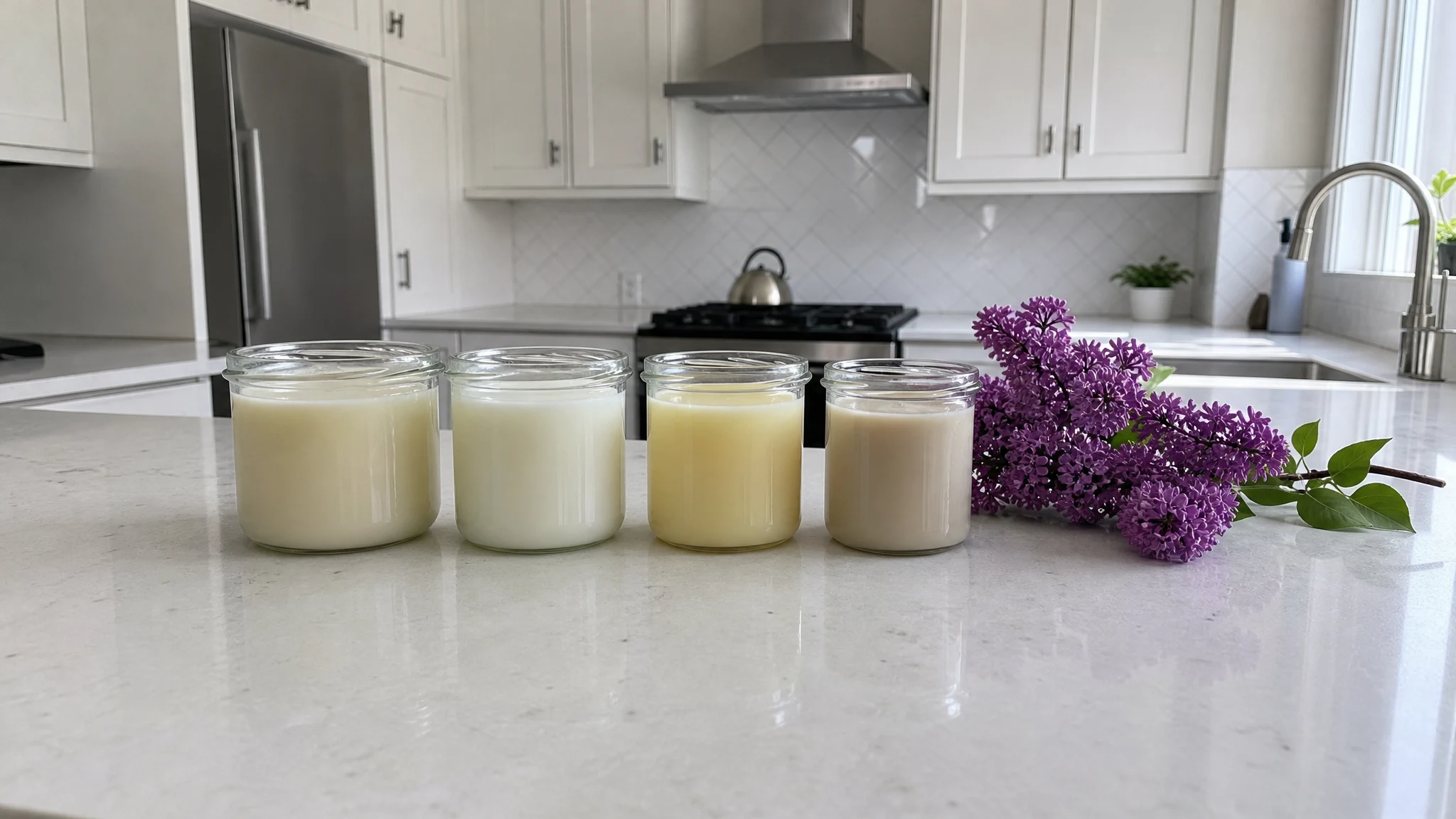
That last detail is worth sitting with. The single word "paraffin" on a listing tells you almost nothing, because a formulated container wax and a plain slab of paraffin behave very differently. The ceiling comes from the specific product's sheet, so that is where we would always begin.
One soy wax, read closely
CandleScience's Golden Brands 464 soy wax is a good example of how much a product page can tell you. It lists a melt point of 113 F (45 C), a 10% load for containers and 6% for tealights, fragrance added at 185 F (85 C) and stirred for two minutes, and a pour at 135 F (57.2 C). It also asks for a two-week cure before you judge the candle. Notice how much practical planning is already in those few lines: how much oil to weigh, when to add it, when to pour, and how long to wait before deciding whether the scent is any good.
That cure time matters more than most people expect. A candle sniffed on pour day tells you little, so give any wax the cure its maker asks for before you decide it is too quiet.
What a ceiling means in grams
Take a container holding 250 g of wax. At a 6% load that is 15 g of oil, and at 10% it is 25 g. Going from 6% to 10% adds 10 g, which is about two thirds more oil, and it puts you right at the edge of that soy wax's stated limit. To double a 6% load you would need 12%, which is the very top of what even pre-blended waxes are described as carrying. So "just add more" has very little room to work, and a faint candle is better answered by looking at cure, temperatures and wick than by pouring in extra oil. Our post on what to check before adding more oil walks through that order.
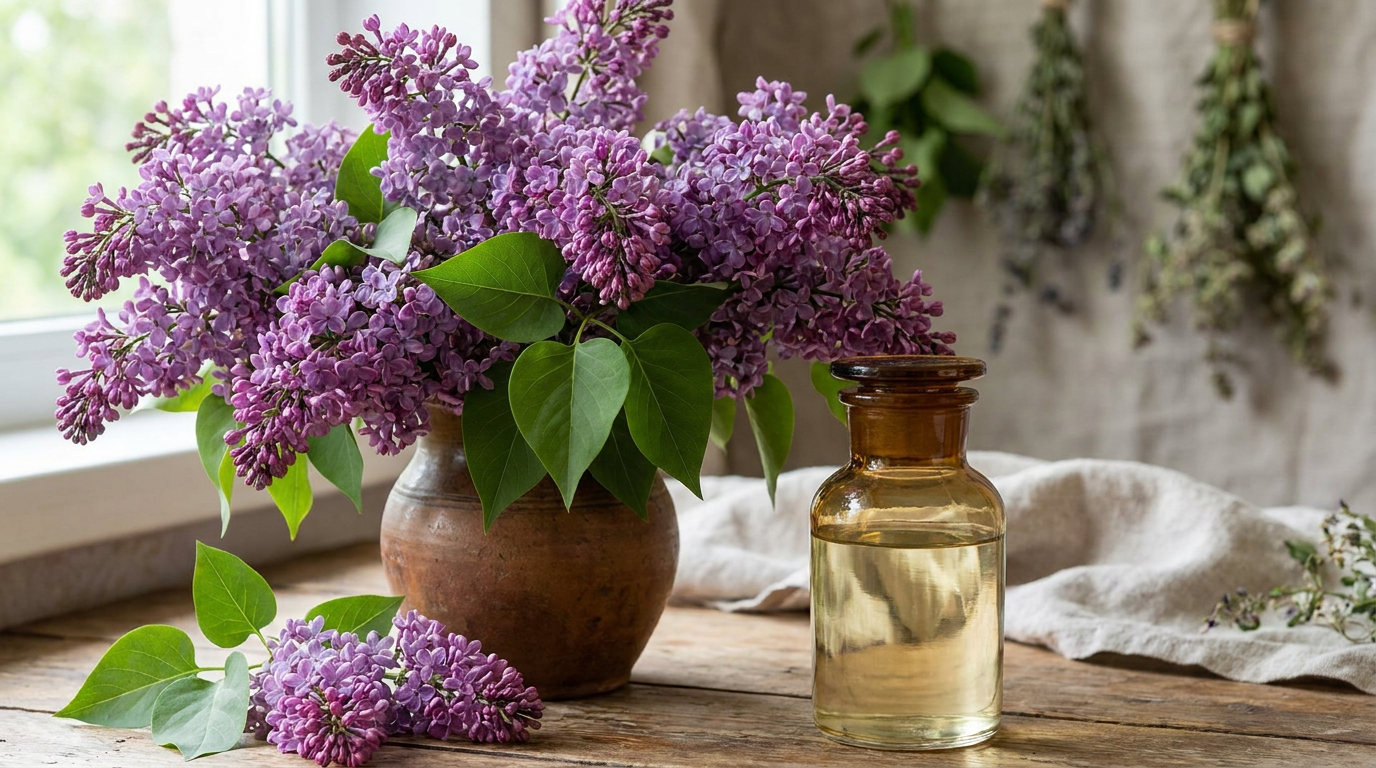
For a starting point, Wholesale Supplies Plus suggests testing with 1 oz of fragrance per pound of wax, which works out to roughly 6.3%. Always weigh the oil rather than measuring by volume. If you are using our Lilac Blossom Oil, the Certificate of Analysis we publish for one batch gives a relative density of 0.973, so 15 g is about 15.4 ml, or roughly 308 drops at the usual rough convention of 20 drops per ml. Treat that as arithmetic, not a recommended load, and trust the scale over the dropper.
Matching the wax to the job
Container candles are the friendliest place to start, because the glass holds the wax in place and the sheets for container waxes are the most detailed. Choose one with a printed container load and a cure time you can live with, and follow its temperatures exactly. Tealights usually carry a lower printed load, as the soy example shows.
Pillars and melts are different jobs with different waxes, so look for sheets written for those uses instead of borrowing numbers from a container wax. We describe our lilac oil as having decent throw in wax melts, though like most florals it reads softer than heavier musks or woods, which is a good reason to run a small test before you commit to a big batch. Our post on making lilac wax melts covers the order of steps, and the one on scenting soy candles covers a pour day in detail.
Choosing with your eyes and your calendar
Not every decision is about numbers. Think about how the candle will look on the shelf, how soon you want to sell it and how much cure time you can live with. Write down what matters most to you, whether that is a short cure, a certain look or simply the easiest instructions, and let that shortlist narrow the field before you read any sheets.
Paperwork for candles you plan to sell
If the candles are going to customers, a flash point and a safety data sheet matter, and so does a usage statement from whoever supplies your fragrance. Ask us in writing through the contact page for the safety paperwork you need before you order, and keep the reply with your batch records. Our explainer on flash point for candle makers shows what that number does and does not decide. Wax, wicks and jars come from a candle supply shop, since we sell only the lilac oil.
Pick the wax for the job, respect the ceiling on its sheet, and let a small test pour tell you the rest.
Lilac Blossom Oil
Lilac Blossom Oil from our own shop, in sizes from 0.5 oz to bulk.
From $15.99
Shop Now →Sources & Further Reading
- CandleScience, Golden Brands 464 Soy Wax. candlescience.com
- Wholesale Supplies Plus, What Does The Maximum Fragrance Load Or Fragrance % Of A Wax Mean? help.wholesalesuppliesplus.com