Lilac Oil vs Fragrance Oil: What Really Differs
Most arguments about lilac oil run along one line: botanical on one side, laboratory on the other. It makes for a tidy story, but it is not how fragrance actually gets made, and it is not the most useful way to choose a bottle. We sell a crafted lilac blossom oil, so we have a stake here, and we would rather show you a fairer comparison than a flattering one.
Why "natural versus synthetic" falls apart
The IFRA Transparency List is the industry's published inventory of ingredients used in fragrance creation. Its 2025 edition covers 3,691 ingredients, of which 1,021 are natural complex substances, the rest being individual fragrance and functional ingredients. IFRA describes it as an overview built from anonymous industry survey data, not anyone's formula. The takeaway is simple: perfumers draw on plant-derived complex materials and on single aroma molecules together, so a scent can lean either way, and a product name rarely tells you which.
What each name tells you
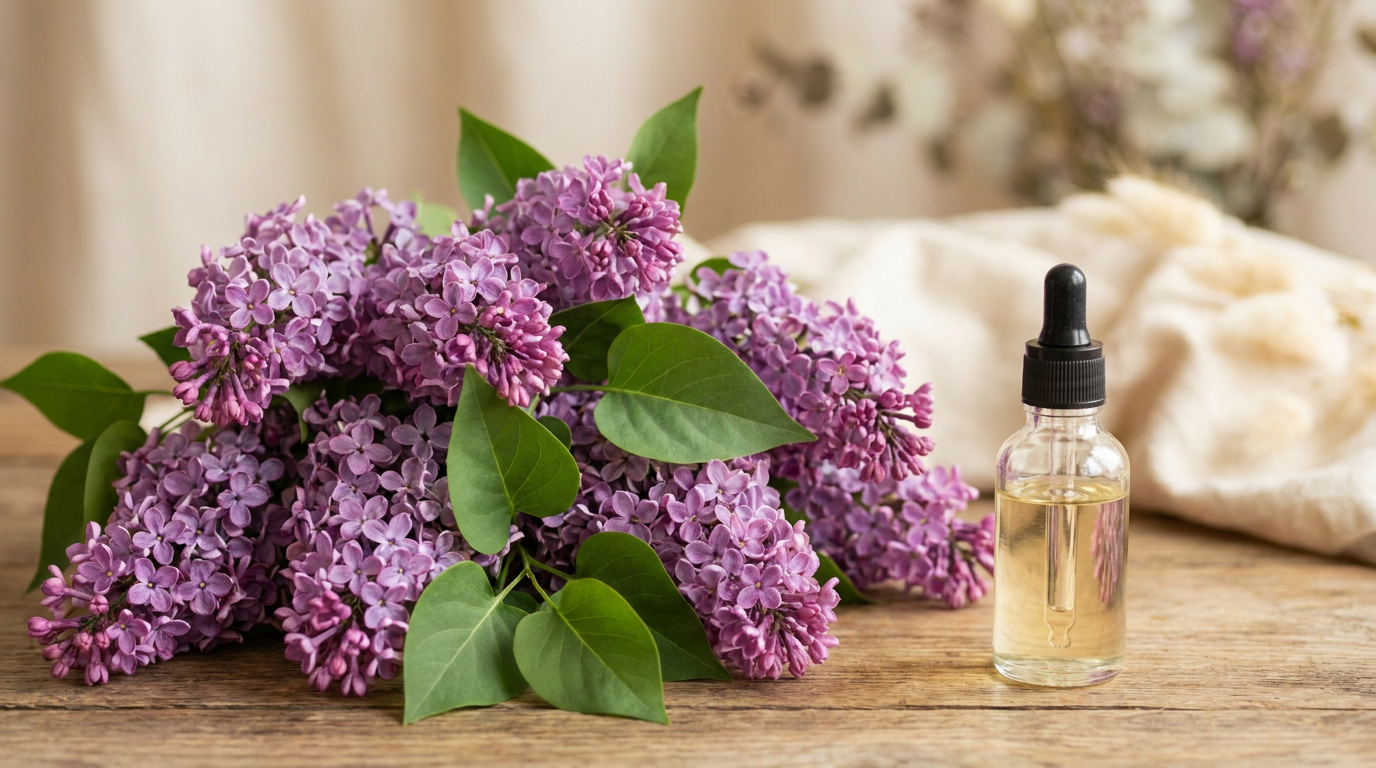
A lilac fragrance oil is a scent built to smell like the flower; it makes no claim about a plant behind it. Our Lilac Blossom Oil is a composition of botanical extracts and infused aromatics, built to be faithful to the common lilac in bloom. It is not a distillate and not an absolute, and we do not publish a formula. Neither product is a true lilac essential oil, because the flower does not give one up in any practical way.
So the two are closer cousins than the marketing makes them sound. What separates a good purchase from a poor one is how much the seller will put in writing, and that is something you can check.
Why the ingredient line will not settle it
In the United States a cosmetic can list "fragrance" instead of naming each scent component, as long as the word is used the way consumers commonly understand it (21 CFR 701.3). FDA explains the reason: fragrance formulas are among the components most likely to be trade secrets, and the labeling law cannot be used to force a company to reveal them. FDA also notes that it does not have the same legal authority to require allergen labeling for cosmetics that it has for food. A fragrance oil and a crafted oil will therefore both reach you with a short label and a private recipe, and you need another way to compare them.
Trust your nose, but check it twice
Smell is the heart of this choice, and a fresh nose is easily fooled. After three or four sniffs everything starts to blur together, so work with short breaks, step into fresh air, and smell a neutral thing like your own sleeve to reset. Come back after a break and see whether your first favourite is still the one.
Comparing by paperwork
For us, the document is a Certificate of Analysis for one batch. It lists appearance, smell, relative density (0.973 at 20 C), refractive index (1.501) and optical rotation (-0.72 degrees), each against a stated range. Those are physical measurements, so they help you see whether a second bottle sits in the same window as the first, and they do not list ingredients. If you need more for a particular formula, such as a flash point or allergen information, ask us in writing through the contact page before ordering and keep the answer. Any fragrance-oil supplier can be held to the same standard: ask what documents exist for your use, and get the reply in writing. A supplier with a full document set can be an easier purchase for a candle line than a botanical-sounding oil with a thin one, and that is worth knowing even when the oil in question is ours. Our guide to reading a COA and SDS shows what each sheet is for.
Choosing by use
Candles and melts call for a flash point and a usage guideline in hand, so read our note on flash point before you pour. Soap behaves differently from one batch to the next, which is why we suggest a small trial first, as in our worked test batch. For body and perfume oils, dilution is the key question: our guidance is 0.5% to 2% in a carrier with a patch test first, starting at the low end, and our skin and body guide explains how to think about it. For room sprays and diffusers, scent is the main judge, and your nose is the right instrument.
A fair side-by-side
Order the smallest size of each oil you are weighing. Put a drop of each on its own paper strip, label the backs, and smell them fresh, after ten minutes and after an hour. Then smell them again at the dilution you plan to use. Write down your favourite before you look at the labels. It is a home exercise, not a validated test, but it takes the category name out of the decision, and our staged plan for testing before bulk carries the same idea to larger orders.
Whichever you choose
A good lilac is one you reach for again. Keep the bottle capped, cool and dark, write the date you opened it on the label, and enjoy the way a soft floral changes in the first few weeks.
We describe our oil as soft, powdery and springlike, with fresh purple florals, green stems, a hint of almond sweetness and a clean musky base, a heart note. Whether that suits your project is something a small trial will settle faster than any argument, ours included. If you also wonder where organic claims fit, our piece on what a seal can and cannot tell you takes that up.
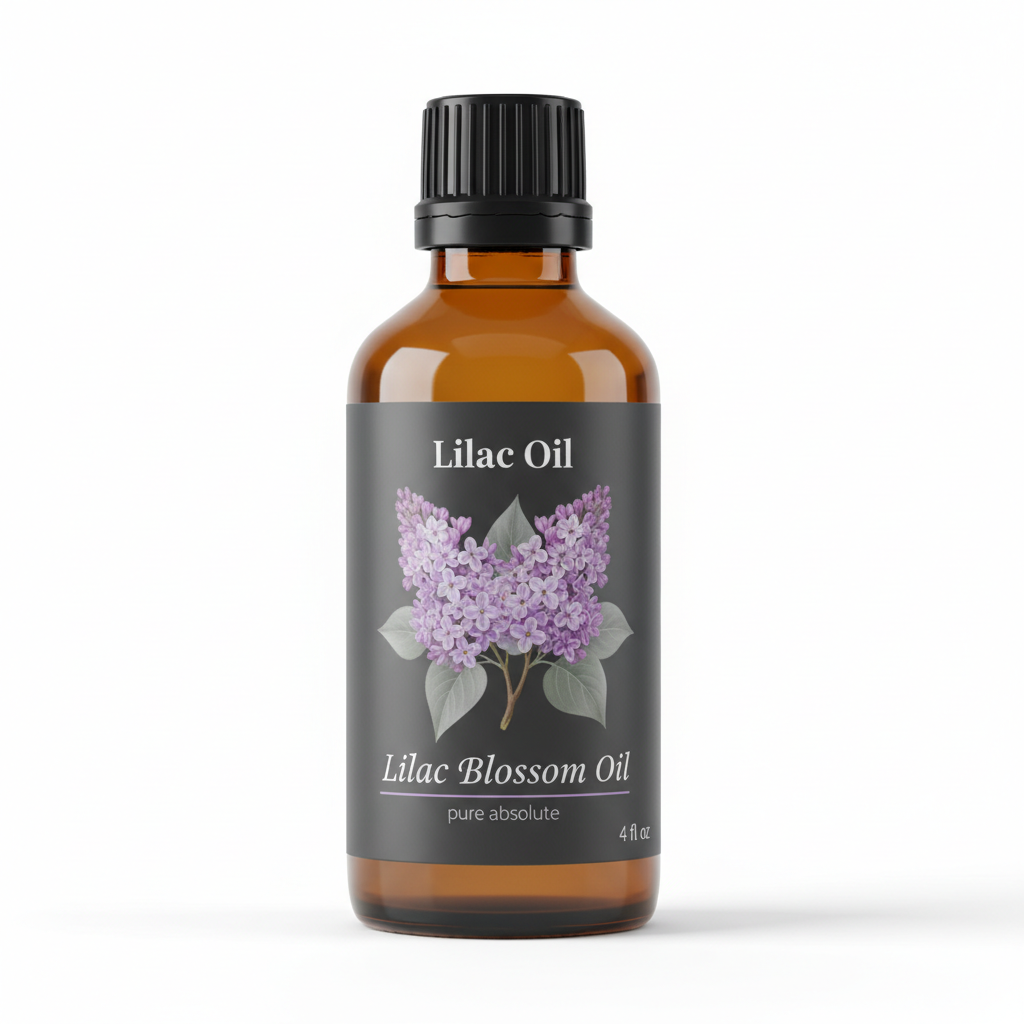
Lilac Blossom Oil
Lilac Blossom Oil from our own shop, in sizes from 0.5 oz to bulk.
From $15.99
Shop Now →Sources & Further Reading
- IFRA, About the IFRA Transparency List. ifrafragrance.org
- Electronic Code of Federal Regulations, 21 CFR 701.3 Designation of ingredients. ecfr.gov
- U.S. Food and Drug Administration, Fragrances in Cosmetics. fda.gov