Lilac vs Lavender Oil: How the Two Really Differ
Lilac and lavender show up in the same spring garden, wear nearly the same shade, and get shelved side by side in plenty of scent catalogues. Open the bottles and the similarity ends. One is a named essential oil with a long paper trail, and the other, ours included, is a composed scent built to capture a flower that does not give up an oil of its own.
A defined oil and a crafted one
Lavender essential oil comes from Lavandula angustifolia, and its main components have been measured again and again. In a 2026 Molecules study of ten L. angustifolia oils of different origins, linalool ran from 16.00% to 35.95% and linalyl acetate from 18.15% to 43.61%. That spread says something useful: even a named oil varies a lot from lot to lot, which is why a lavender buyer who cares about the details asks for a GC-MS report.
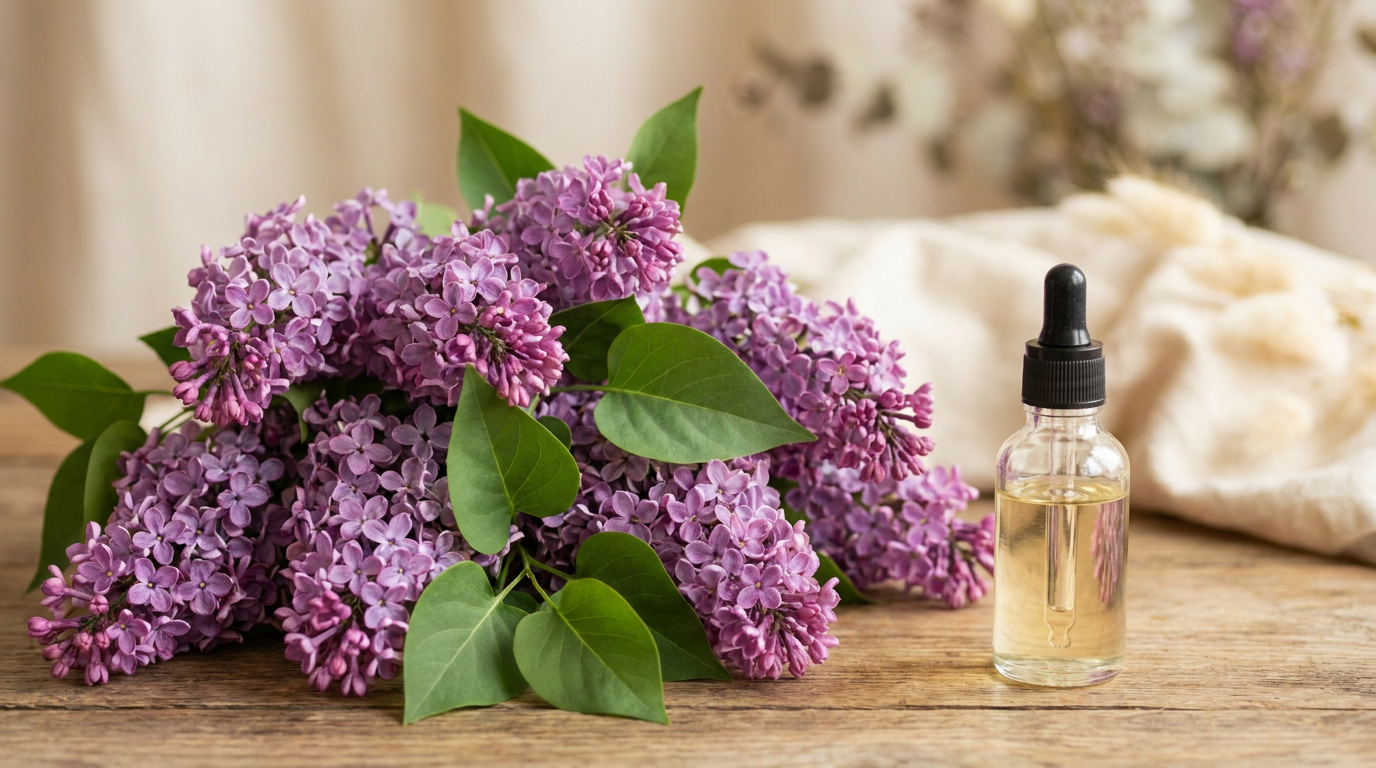
Our Lilac Blossom Oil is a composition of botanical extracts and infused aromatics, built to be faithful to the common lilac in bloom. We call it composed because that is what it is: not a distillate, not an absolute, and not a single-plant oil. We do not publish a formula, so the right way to compare is by scent and by use, with the batch Certificate of Analysis we publish (density, refractive index and optical rotation) as a consistency record.
How they smell
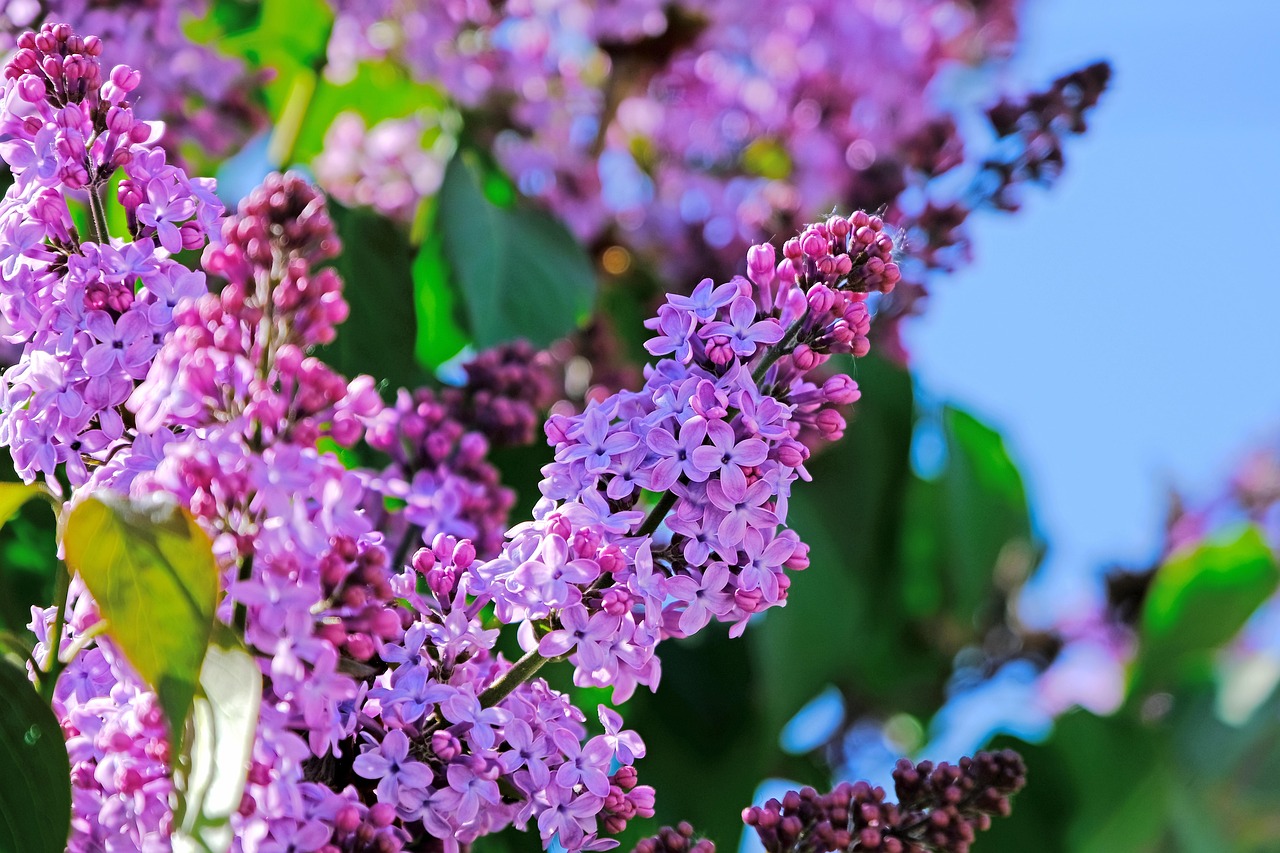
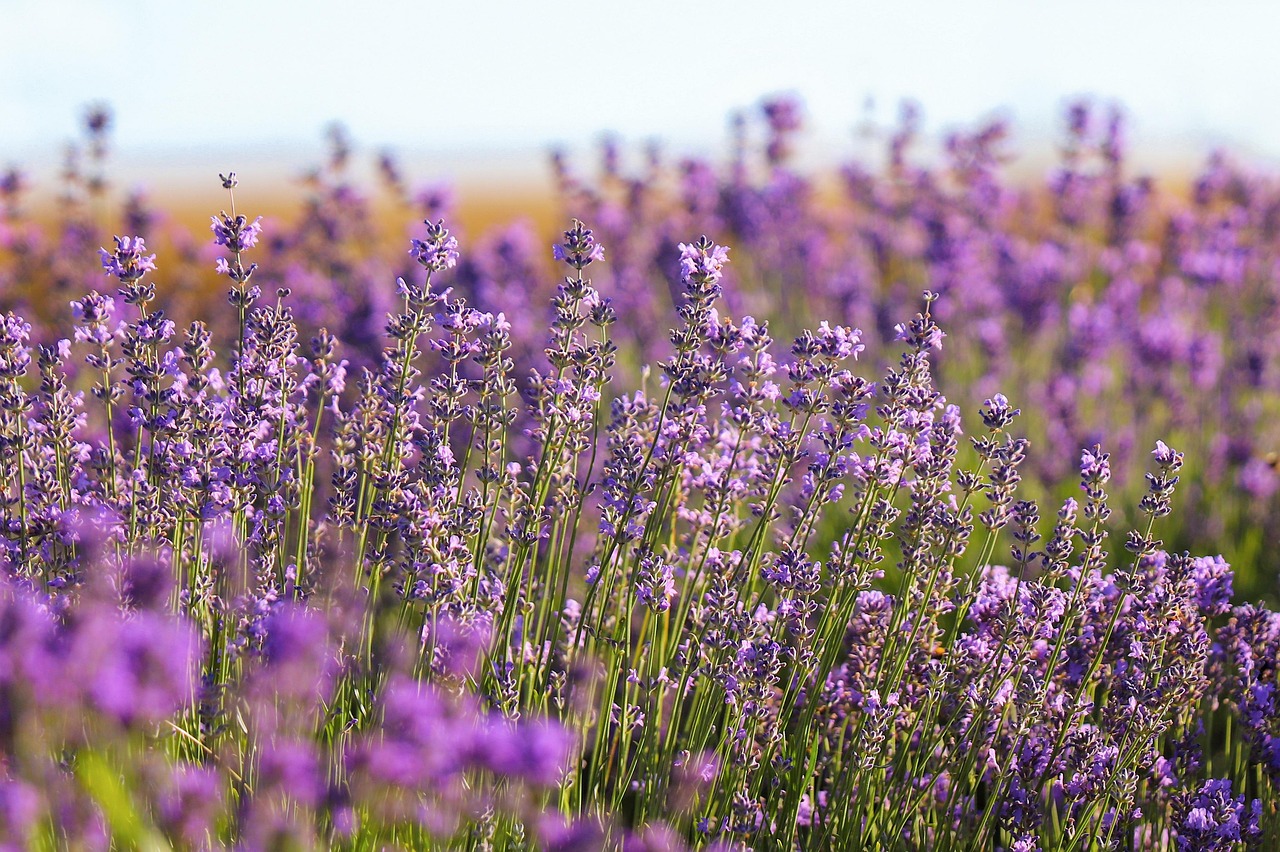
Lavender reads herbal and clean. Lilac is the soft, powdery side of spring: fresh purple florals, green stems, a hint of almond sweetness and a clean musky base, sitting as a heart note. If lavender is a breeze through a herb garden, lilac is the dooryard in late May. They can share a room happily, but they will not stand in for one another. Our scent profile goes through the lilac notes in detail, and fragrant lilac varieties shows how the living flower differs from any bottle.
Two ways to picture them
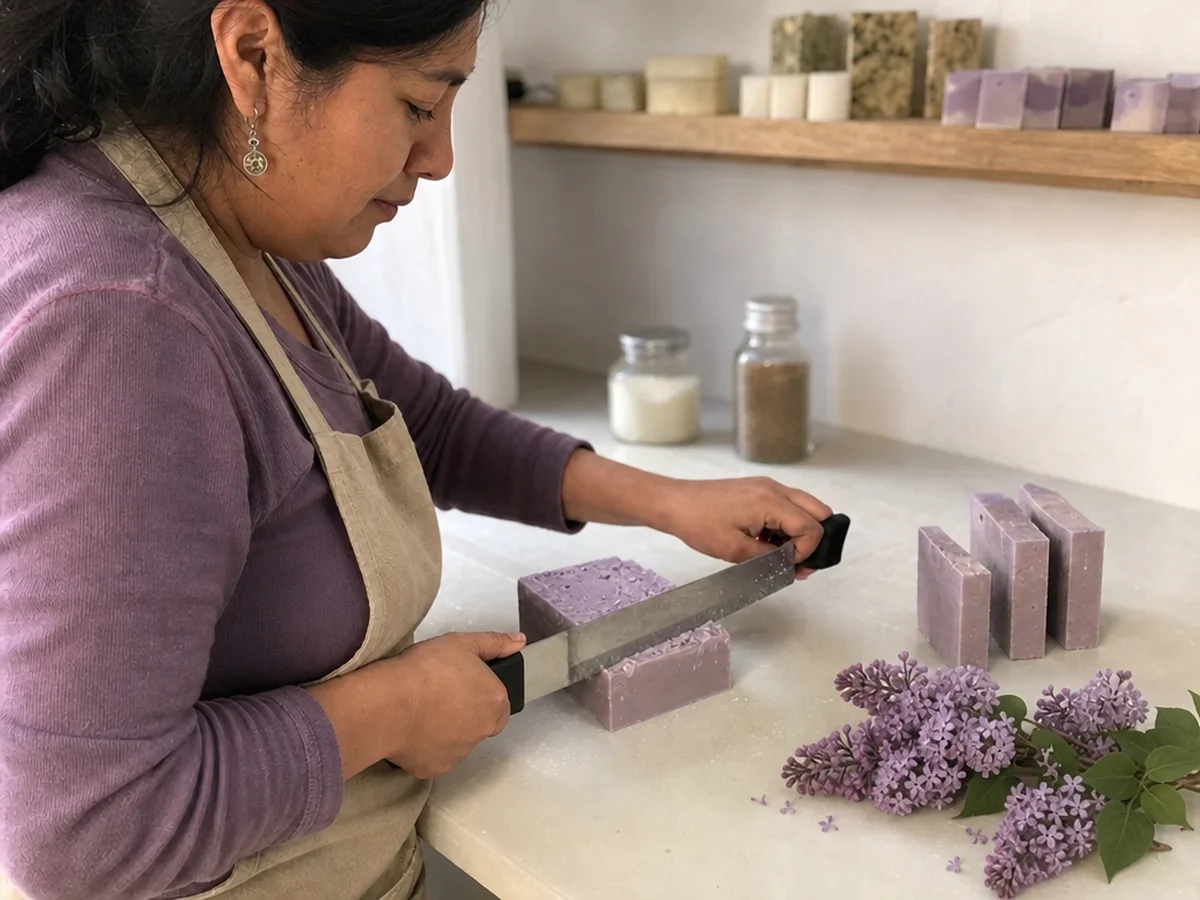
It sometimes helps to stop thinking about oils and think about places. Lavender is a sunny hillside in summer, dry and clean, a little herbal, the smell you get from crushing a stem between your fingers. Lilac is a garden gate in late spring, soft and sweet, with the powder of a flower that has just opened. Put like that, you can see why they are not substitutes. A lilac sachet in a drawer says something different from a lavender one, even though the bags look alike.
If you are a regular lavender person and curious about lilac, approach it as a different mood and not a replacement. Lilac is gentler and sweeter, with a powdery softness lavender does not share.
Storage matters more for some oils
Lavender's main components react with oxygen in the air. A patch-test study of patients with suspected contact dermatitis found oxidized lavender oil at 6% in petrolatum gave a positive reaction in 2.8% of them, which is a clinic population, not a general rate. It does explain why lavender should be kept tightly capped, cool and out of light. The same advice suits lilac: we say typically one to two years in a cool, dark place with the cap on tight, so both oils reward good storage habits.
Skin and safety, briefly
Lavender has an established record in the patch-test literature, and lilac, as a composed scent, does not. For our oil, our dilution guidance is 0.5% to 2% in a carrier with a patch test first, and we suggest starting at the low end. Neither oil should be chosen to produce a health effect; we sell ours for scent, and if you are shopping for sleep, mood or skin concerns, a physician or pharmacist is the right first call. Our skin and body guide covers lilac in more depth.
Smelling them side by side
The easiest way to understand the difference is to put each on its own clean blotter, label them, and smell them a few minutes apart. Smell one, rest your nose with a breath of fresh air, then the other. Come back after ten minutes and again after an hour. You may find the lavender feels sharper and cleaner at the start, while the lilac feels rounder and sweeter as it settles. Write down your first reaction before you read about either, because the first impression is the one that matters when you pick a scent for a project.
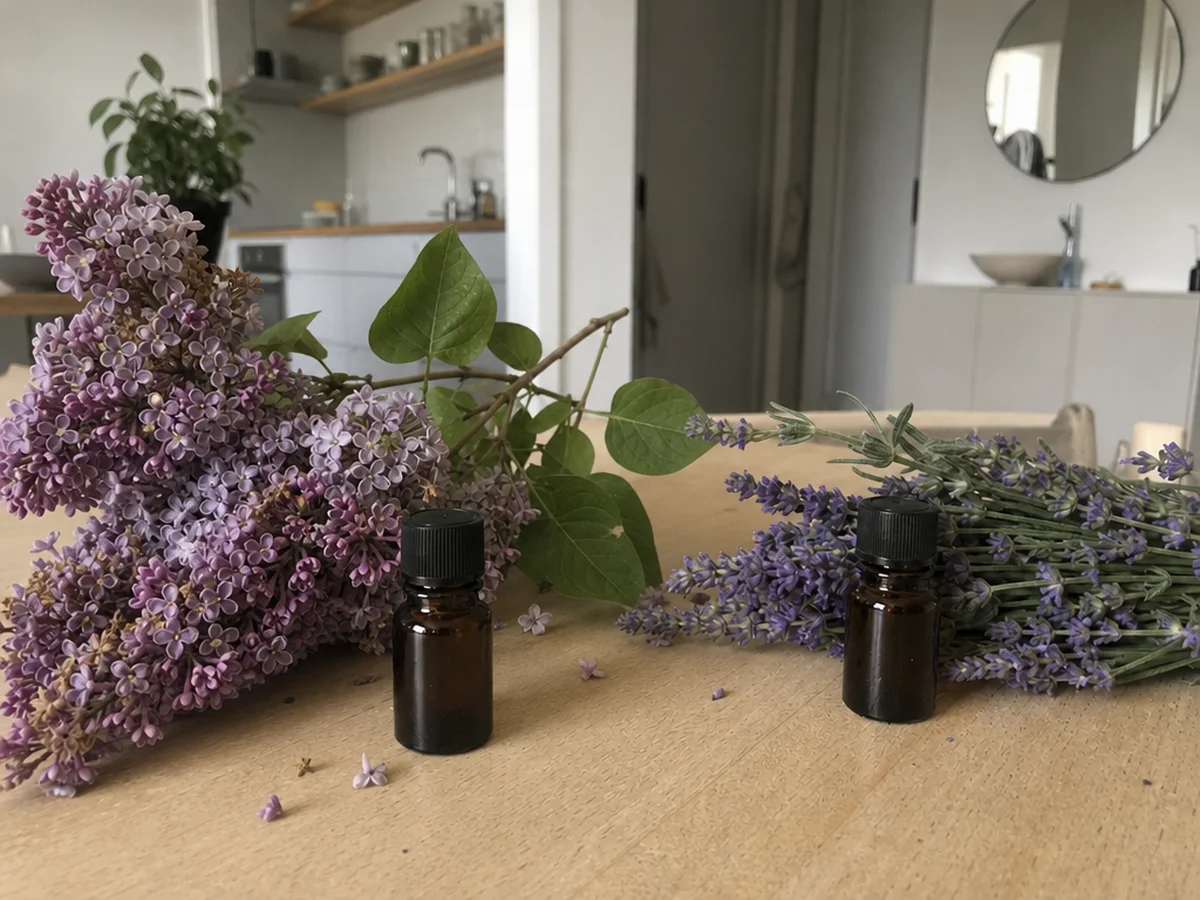
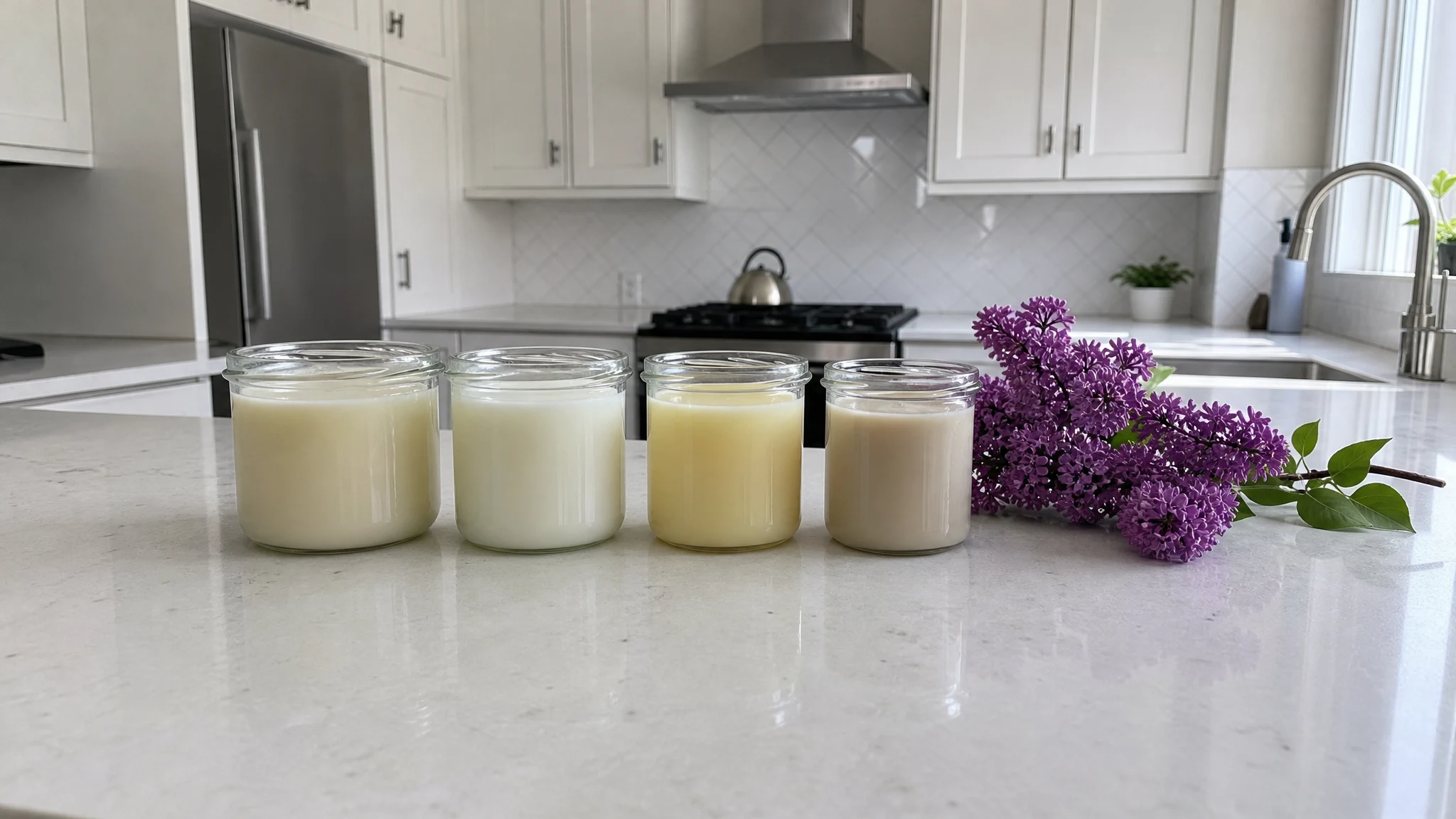
Keep the blotters apart, since the two scents will mingle in the air. A small lidded jar for each makes it easy to revisit them across a few days.
Choosing by job
Want the smell of May in a candle, spray or diffuser? Lilac is the one, and you can ask us in writing for the safety paperwork you need before you pour for sale. Our note on flash point for candle makers shows why. Want a herbal, clean smell backed by published chemistry? Lavender from a seller who will show a GC-MS report for the lot. Want both in one blend? Start with tiny weighed amounts: we list rose, violet leaf, bergamot, sweet orange, jasmine and ylang ylang as lilac's partners, so lavender is a creative experiment rather than a pairing we describe. Our post on why there is no true lilac essential oil explains why the two bottles are such different things.
Both are lovely, and they do different jobs. Let the project choose, and let a small test have the last word.
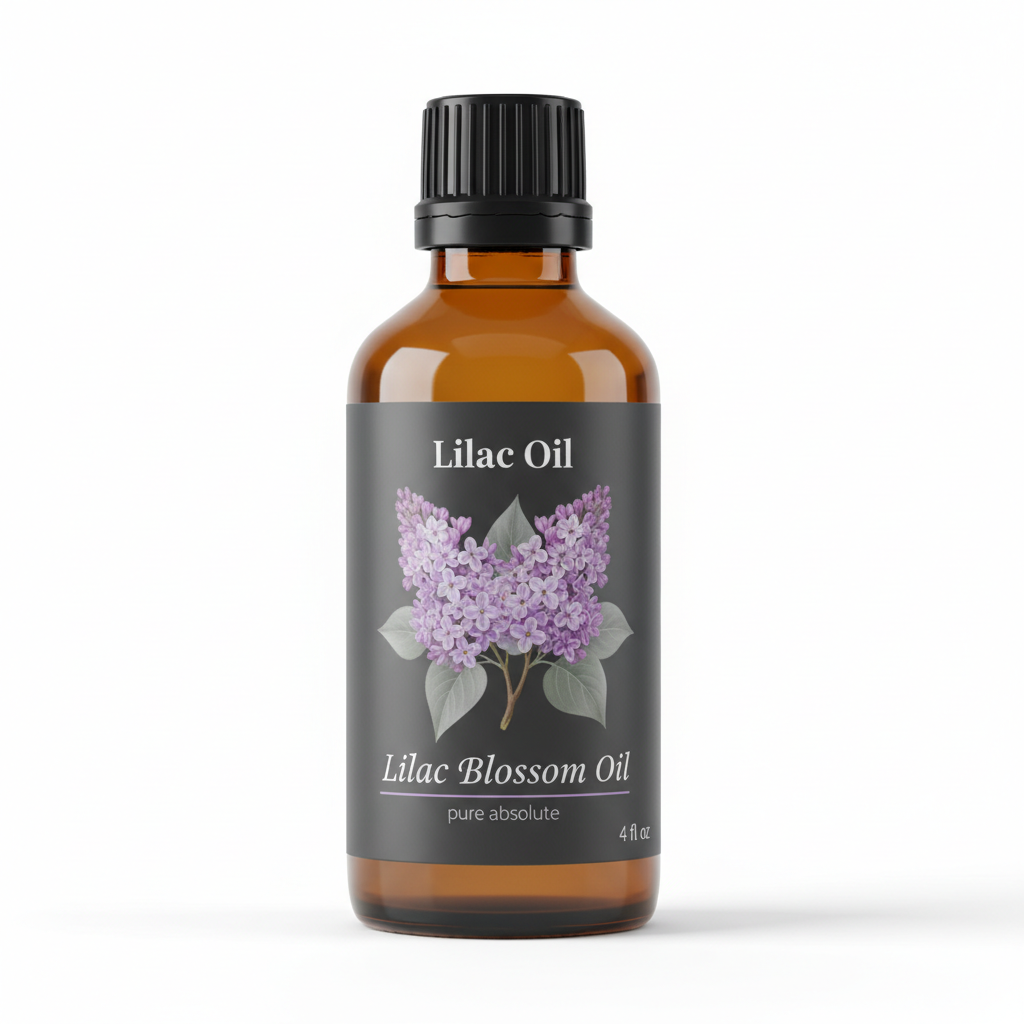
Lilac Blossom Oil
Lilac Blossom Oil from our own shop, in sizes from 0.5 oz to bulk.
From $15.99
Shop Now →Sources & Further Reading
- Adaszyńska-Skwirzyńska M, Dzięcioł M, Zych S, 2026. Evaluation of Different Chemotypes of Lavandula angustifolia Essential Oils as Phytobiotics for the Control of Clinical Escherichia coli Strains Isolated from Commercial Poultry Production. Molecules. pmc.ncbi.nlm.nih.gov/articles/PMC13666156
- Hagvall L, Christensson JB, 2016. Patch Testing with Main Sensitizers Does Not Detect All Cases of Contact Allergy to Oxidized Lavender Oil. Acta Dermato-Venereologica. europepmc.org/article/MED/26671837