Lilac vs Hyacinth Oil: Which Spring Scent Is for You?
Lilac and hyacinth are the two flowers people mean when they say "spring" with their eyes closed. Both are heavily scented, both arrive in a rush, and both are fond memories for anyone who grew up near a garden. They are also very different plants, and it helps to know how before you decide which scent you want.
Two plants, two different lives
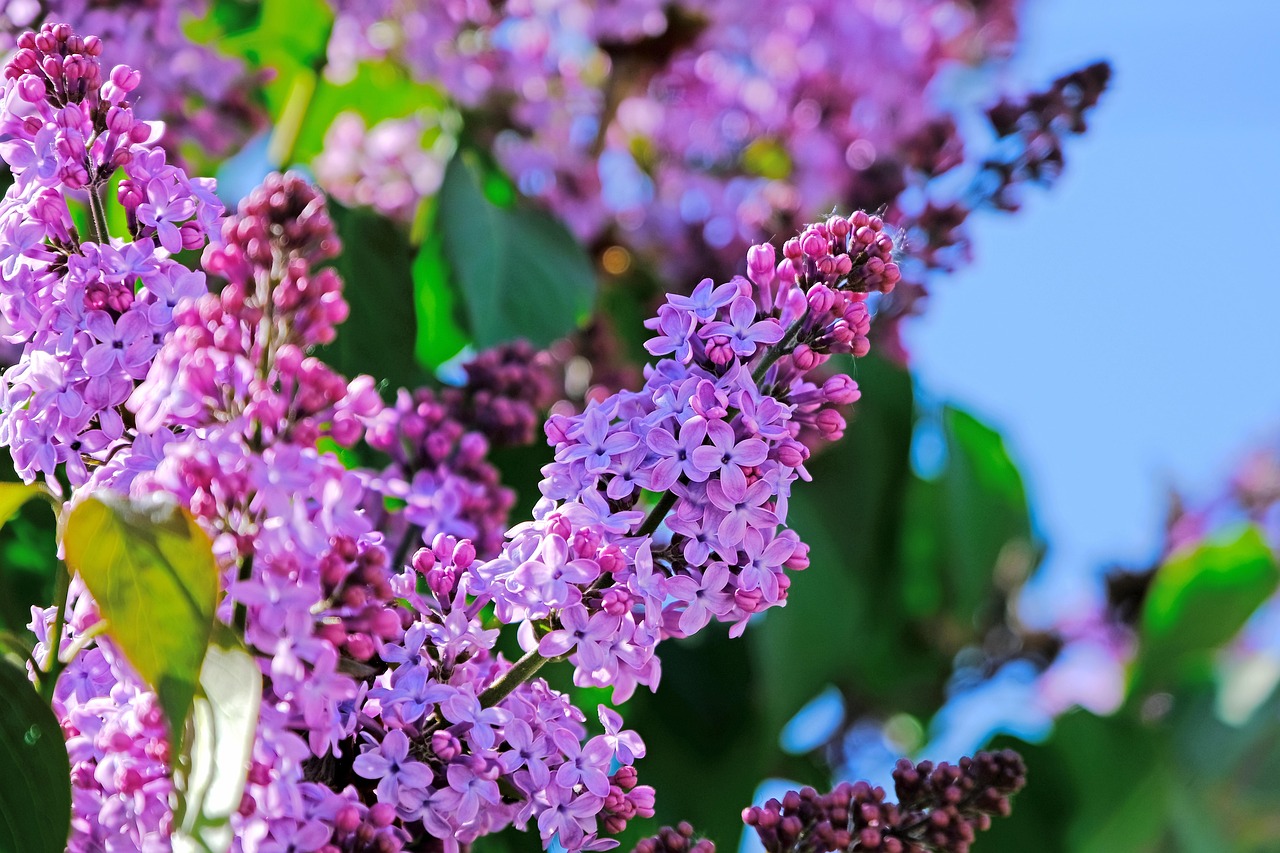
Common lilac is a woody shrub. NC State Extension places it in the olive family, gives the Balkan Peninsula as its origin, lists a mature height of 8 to 16 feet, and calls the flowers highly fragrant (Syringa vulgaris (Common Lilac, English Lilac, French Lilac), North Carolina Extension Gardener Plant Toolbox). Garden hyacinth is a bulbous herb of Eurasia, the Mediterranean and southern Turkey, about 8 to 12 inches tall, flowering in mid-spring for two to three weeks, and described as incredibly fragrant and heavily scented. The same page notes the scent may overpower sensitive noses (Hyacinthus orientalis (Common Hyacinth, Dutch Hyacinths, Garden Hyacinth, Hyacinth), North Carolina Extension Gardener Plant Toolbox).
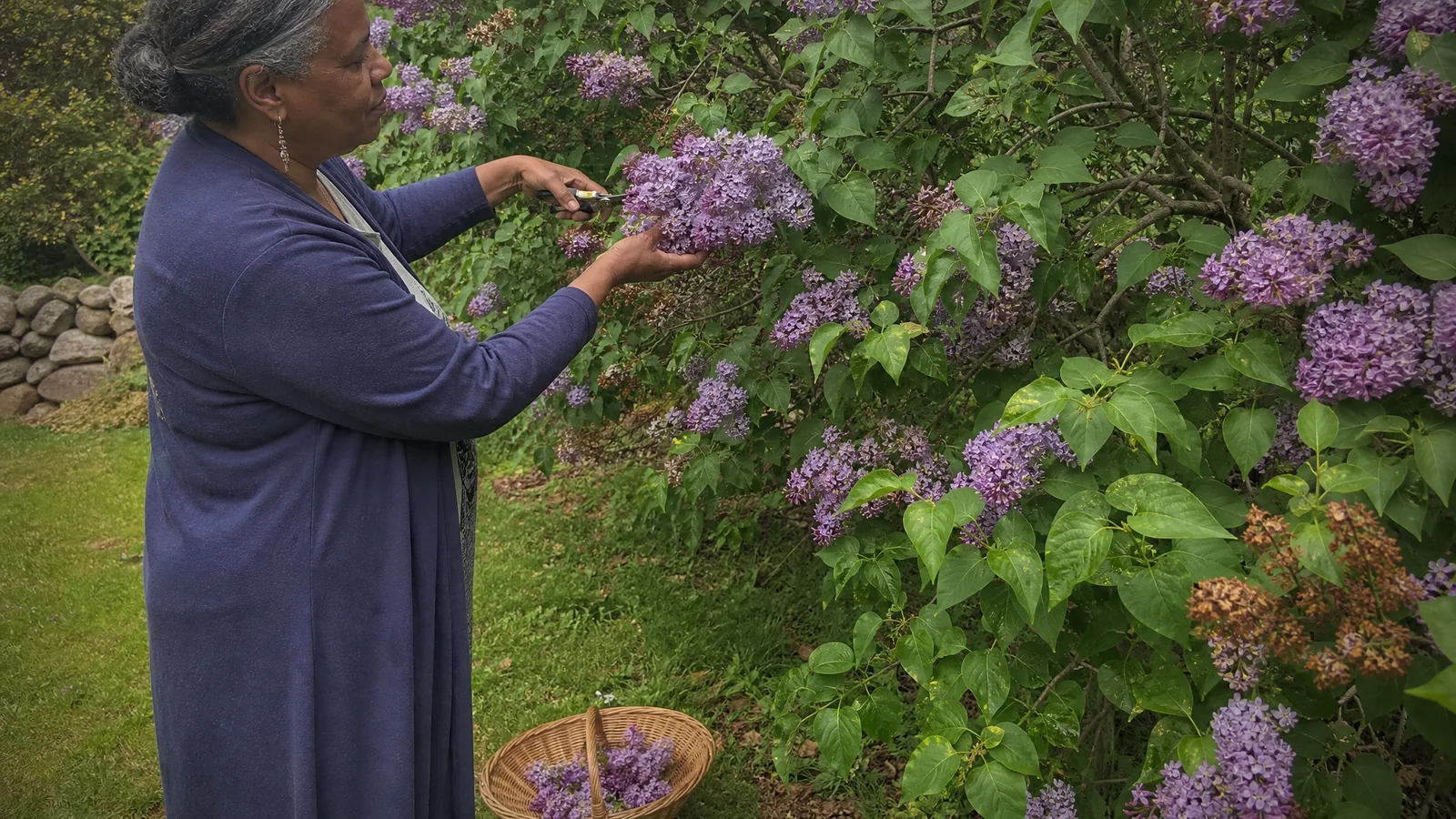
That contrast has a practical side. A shrub covered in flower clusters and a single stalk rising from a bulb are very different things to imagine harvesting. Neither plant page says anything about making oil from them, and perfumery tells a similar story for lilac, as we explain below.
How they smell, in words
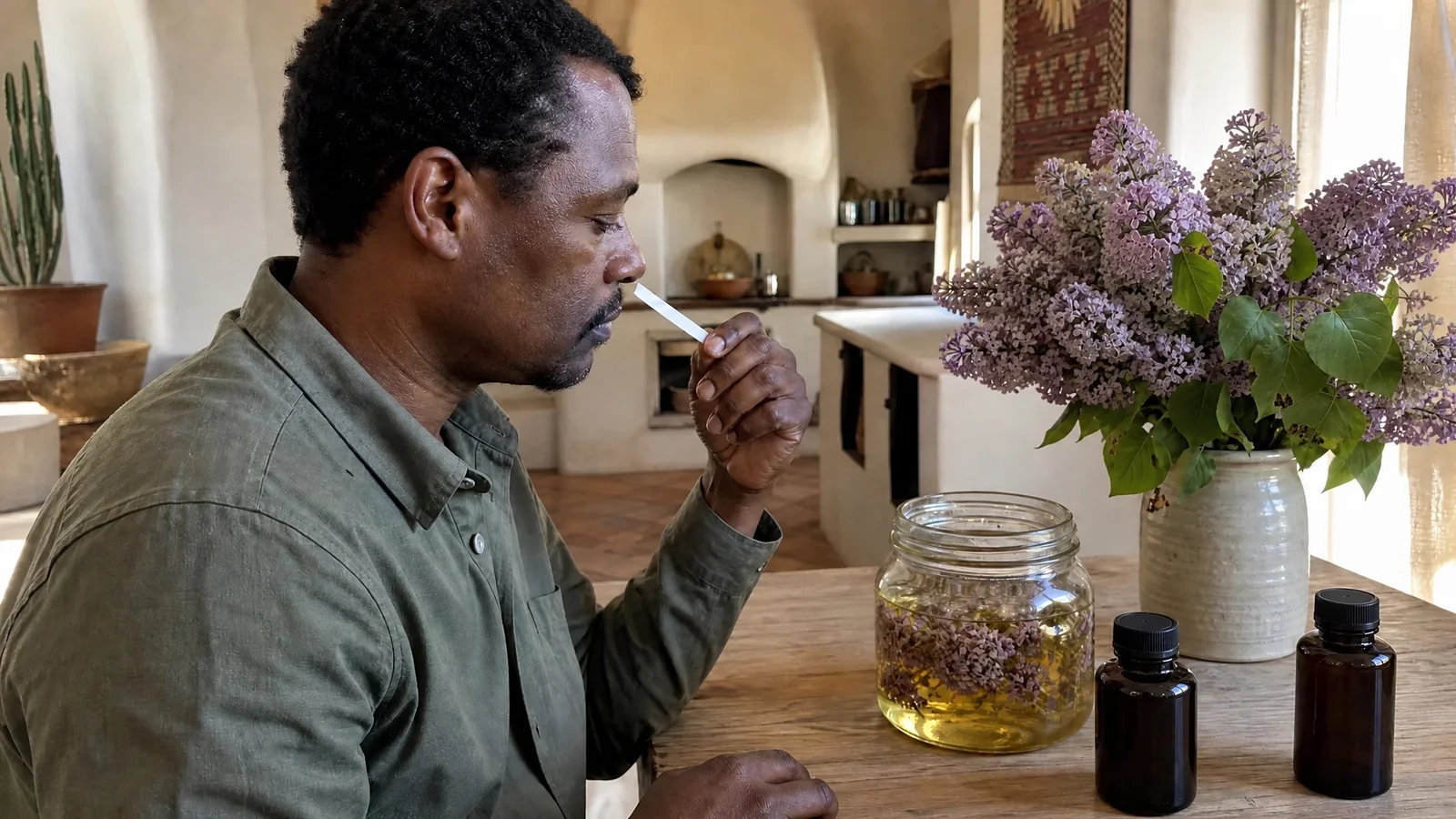
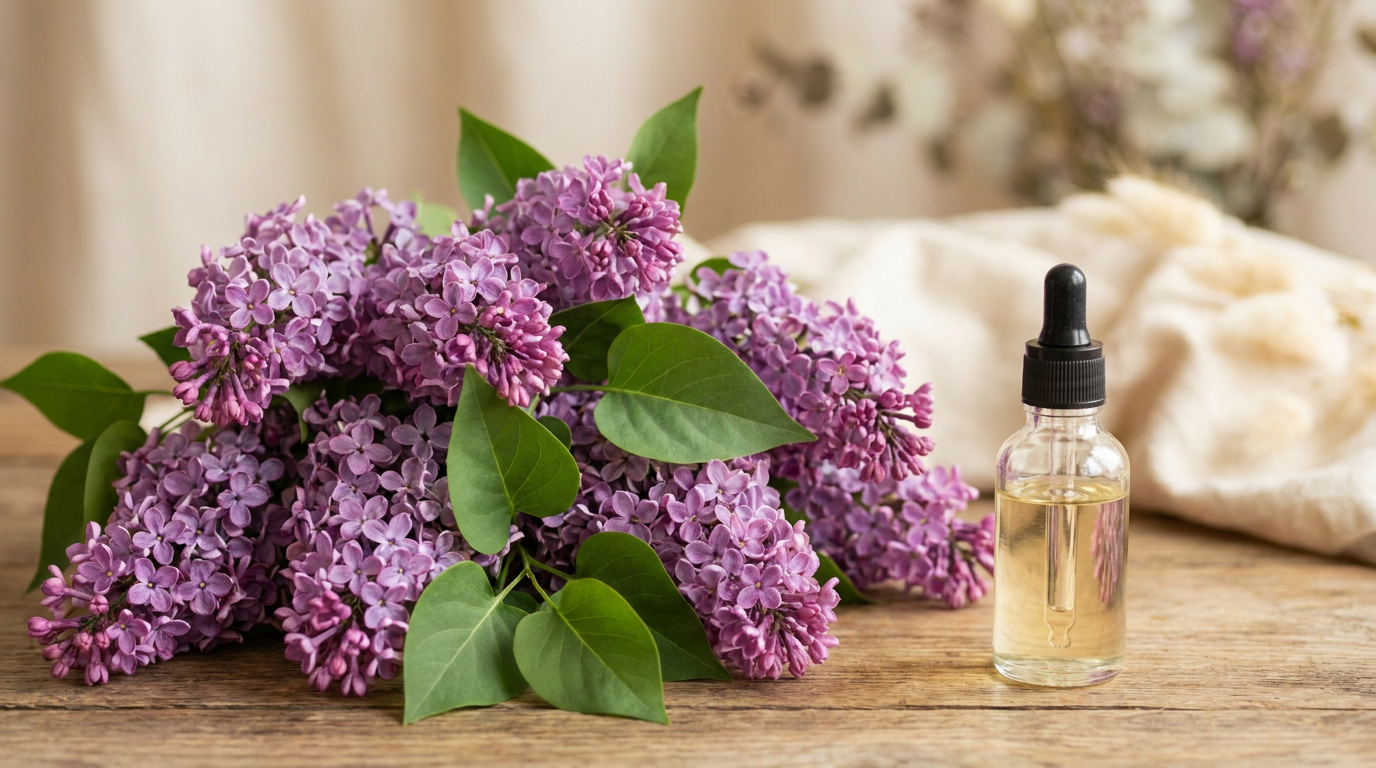
Words overlap a lot when you describe spring florals: sweet, green, powdery. Smelling both on a blotter beats any description in print, and we would encourage that if you can. Here is how we describe ours. Lilac Blossom Oil is soft, powdery and springlike, with fresh purple florals, green stems, a hint of almond sweetness and a clean musky base, a heart note that sits at a gentle volume. The extension page describes hyacinth as "heavily scented," which tells you it announces itself, where lilac tends to drift.
The chemistry of lilac is better documented than most flowers'. A 2021 review calls the lilac aldehydes the principal olfactory molecules of lilac flowers and notes that synthetically prepared lilac aldehydes are used almost exclusively in perfumery (Synthesis and Olfactory Properties of Seco-Analogues of Lilac Aldehydes, Dacho and Szolcsanyi, Molecules, 2021). Our post on the molecules behind the bloom goes further.
Using a scent the way you picture it
How you plan to use a scent changes how it feels. A loud flower in a small room can be a lot, while a quiet one in a big room can vanish. If you are picturing a hallway, a drawer or a gift, a soft heart note like our lilac is easy to live with. If you want a scent that announces itself the minute you walk in, you may be thinking of a heavier flower altogether. Hold a blotter in the room you have in mind, because a scent in a kitchen, a bedroom and a hallway can feel like three different things.
Why both are built, not squeezed
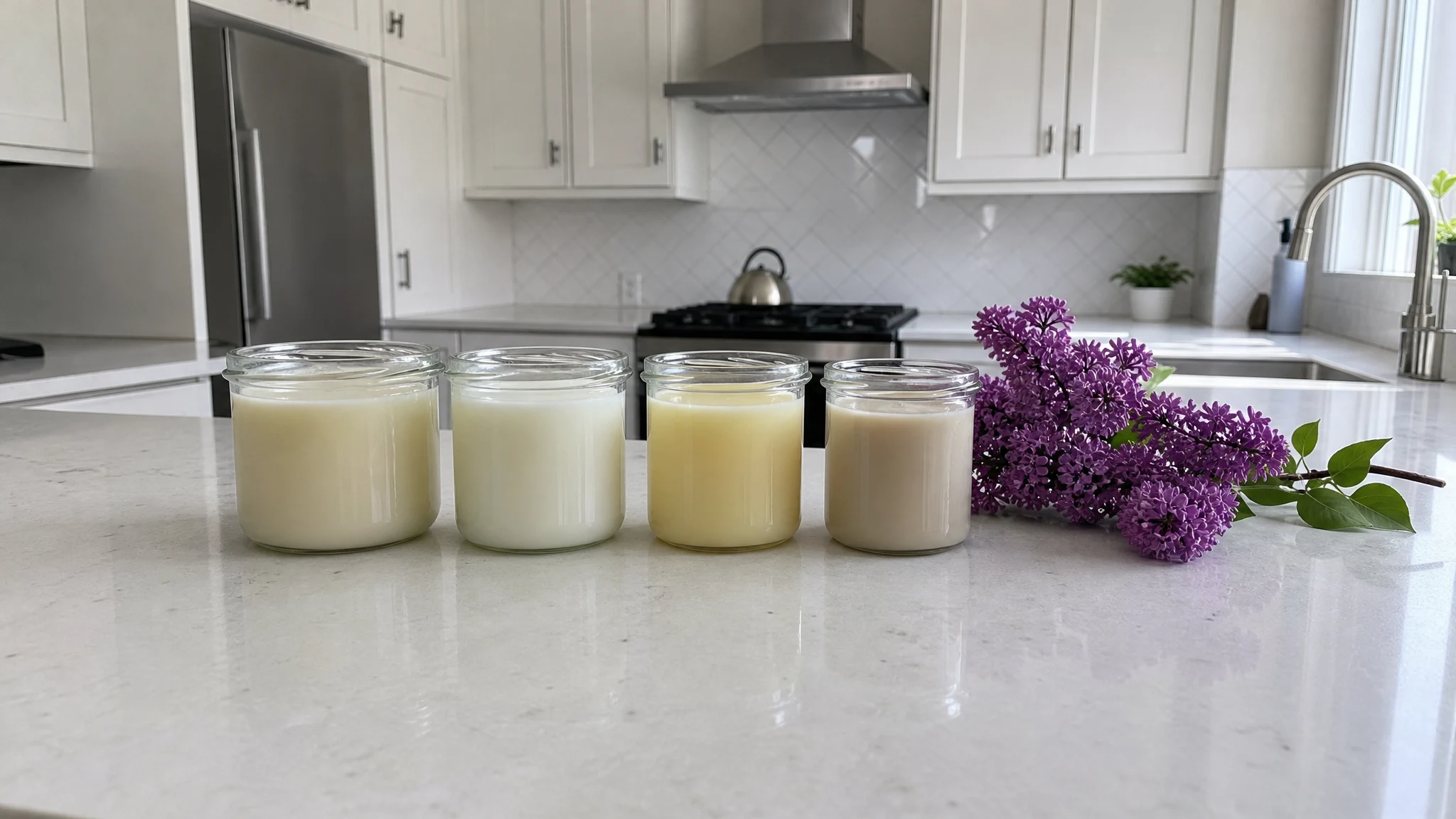
A perfume retailer's note page says lilac flowers do not release enough essence to be distilled cost-effectively, which is why perfumers recreate the scent from a blend of materials (Lilac perfume: guide and best picks, Tendance Parfums). That fits how we make ours: a composition of botanical extracts and infused aromatics, not a distillate, and our post on why there is no true lilac essential oil explains the idea. The practical test works for either flower: if a listing for hyacinth oil or lilac oil does not say whether it is a composition, an extract or a fragrance oil, treat the name as a scent description and ask.
The plant is not the bottle
Hyacinth the plant has a documented toxicity profile. The ASPCA lists it as toxic to dogs and cats, with intense vomiting, diarrhea and tremors among the signs (Toxic and Non-toxic Plants: Hyacinth, ASPCA), and NC State notes the bulbs carry alkaloids and can irritate skin. Those statements are about eating or handling the plant, and they do not transfer to a scent product. The same is true of lilac: a plant fact is not a bottle fact.
For our own oil, we keep it for external aromatic and cosmetic use, away from eyes, children and pets. Dilute to 0.5 to 2 percent in a carrier oil for skin, start at the low end and patch test first. A pet that has chewed a plant needs a veterinarian or ASPCA Poison Control at (888) 426-4435, and our pets article collects what we found.
A garden memory test
Before you choose, it helps to ask which flower you actually remember. Close your eyes and picture the first warm week of spring. Is it a bed of hyacinths by a doorstep, or a single stalk in a pot on a windowsill? Or is it a lilac hedge by a fence, with the heavy clusters leaning over a path? The memory you reach for first usually points to the scent you want. Lilac tends to belong to late spring and a taller, softer picture; hyacinth belongs to the early, cool days when the garden is just waking.
Choosing between them
Decide on the job first. For a candle, soap or spray, the bigger question is the paperwork, and our posts on reading a COA and SDS and on testing before you buy bulk apply to any floral. If you want lilac, we sell it. We list rose, violet leaf, bergamot, sweet orange, jasmine and ylang ylang as oils that blend well with ours.
If you need hyacinth, buy it from a supplier who documents what it is. If lilac is the spring you remember, a soft composed lilac is a faithful way to bring it back.
Whichever spring flower you reach for, let a small test and a quiet minute with your own nose make the choice.
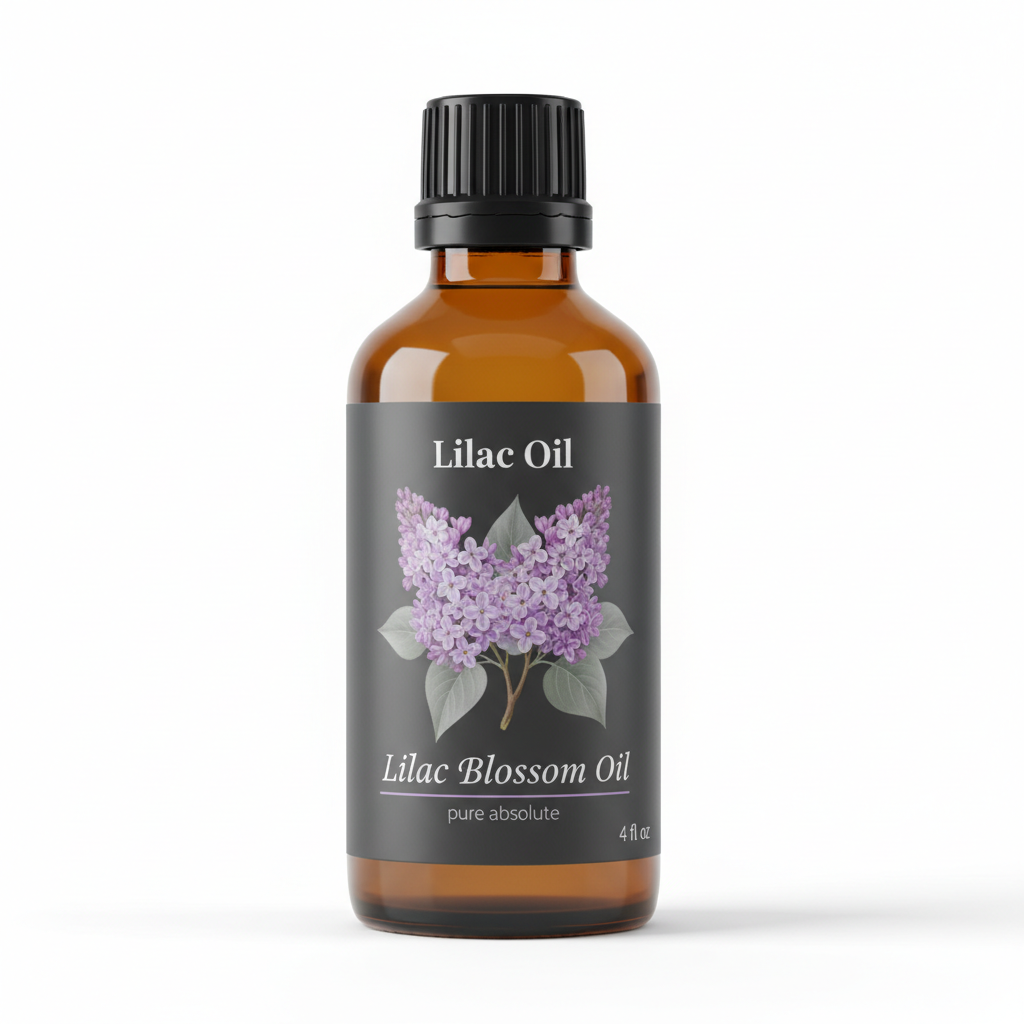
Lilac Blossom Oil
Lilac Blossom Oil from our own shop, in sizes from 0.5 oz to bulk.
From $15.99
Shop Now →Sources & Further Reading
- Syringa vulgaris (Common Lilac, English Lilac, French Lilac) (North Carolina Extension Gardener Plant Toolbox)
- Hyacinthus orientalis (Common Hyacinth, Dutch Hyacinths, Garden Hyacinth, Hyacinth) (North Carolina Extension Gardener Plant Toolbox)
- Synthesis and Olfactory Properties of Seco-Analogues of Lilac Aldehydes (Dacho and Szolcsanyi, Molecules, 2021)
- Lilac perfume: guide and best picks (Tendance Parfums)
- Toxic and Non-toxic Plants: Hyacinth (ASPCA)