Lilac Wax Melts: How Much Oil, Which Wax, What Order
Wax melts are an easy first project with a new scent: no wick to size, no flame to trim, just wax, oil and a mould. A warm wax warmer and a soft lilac, drifting through a spring afternoon, is the whole idea. A few small choices, the right wax, careful arithmetic and some patience after the pour, decide whether it smells the way you hoped.
Choose a wax made for melts
Melt waxes and candle waxes are different products. A soy wax made for melts, Golden Brands 494 from AAK, is described on a Voyageur Soap and Candle listing as developed specifically for wax melts and tarts, with a melt point of 120 to 130 F, a manufacturer-recommended pour temperature of 155 to 165 F, and a recommended scent load of 8% to 12%, about 12% at most. The listing also says the wax is not suited to wicked candles. So use a melt wax for melts, and a container wax for candles, which is covered in our wax comparison. Wax makers revise their sheets, so ask your supplier for the current one and let it override anything here. We sell only the lilac oil, so wax and moulds come from a candle supply shop.
Grams of wax to grams of oil
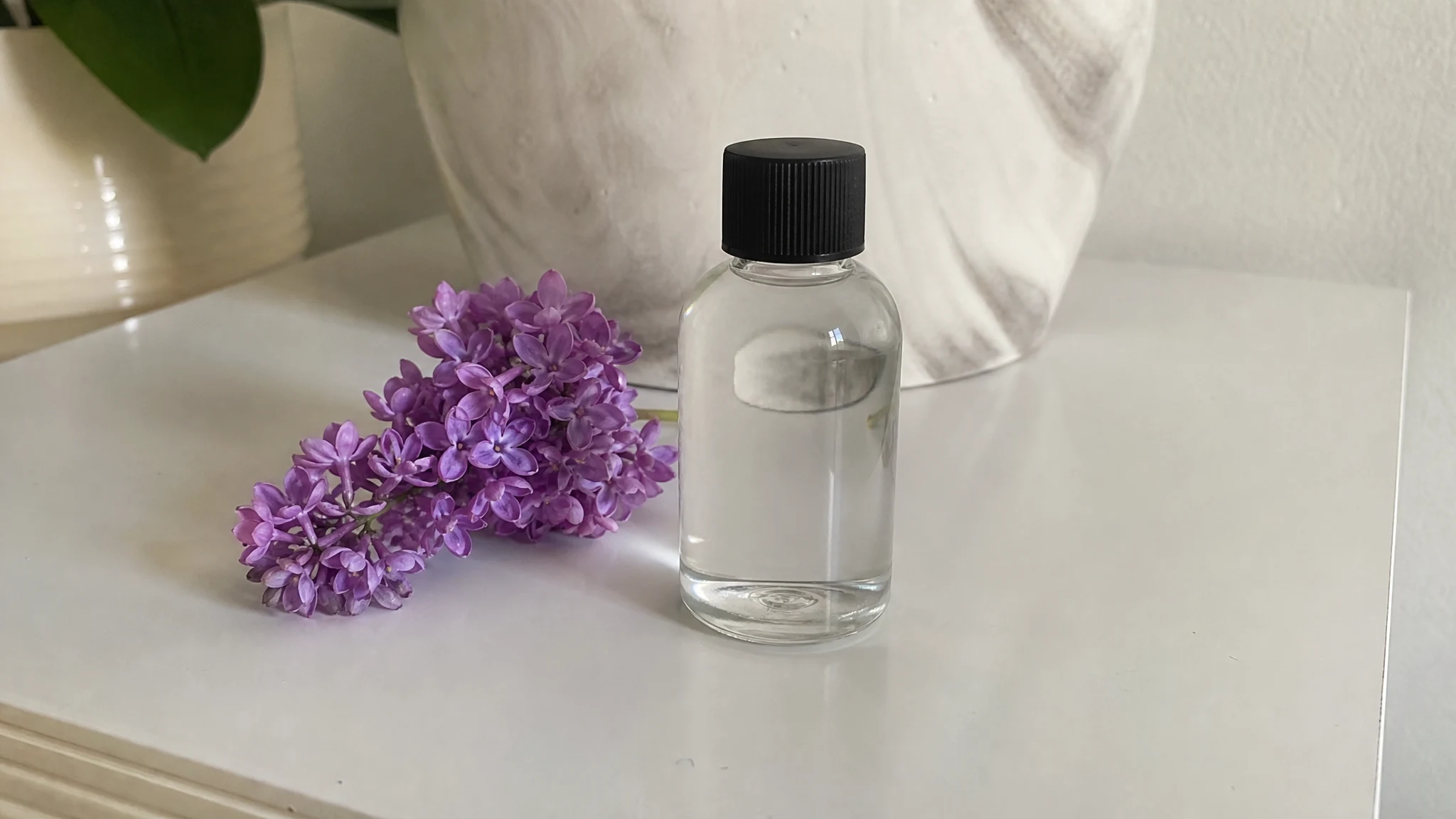
Oil weight is wax weight times the load percentage, so weigh both. The Certificate of Analysis we publish for one batch gives a relative density of 0.973, so a milliliter of our oil weighs about 0.97 g, and about 20 drops make a milliliter. For 100 g of melt wax:
| Load | Oil by weight | Oil by volume | Drops, about |
|---|---|---|---|
| 3% | 3 g | 3.1 ml | 62 |
| 6% | 6 g | 6.2 ml | 123 |
| 8% | 8 g | 8.2 ml | 164 |
| 12% | 12 g | 12.3 ml | 247 |
These rows are a conversion table, not a recommended load. Lilac is a soft floral. We describe it as having decent throw in wax melts, though like most florals it reads softer than heavier musks or woods, and we suggest testing your fragrance load at a small scale before committing to a full batch. A half-ounce bottle holds about 14 g of oil, which covers roughly 180 g of wax at 8%.
Why melts are a forgiving first test
Because a melt has no wick, you are judging scent alone. Candle makers juggle wick size, burn pool and glass temperature along with fragrance, and a melt takes all of that away. It also means a small batch is quick to make. A 100 g pour fills a handful of moulds, costs you an evening, and tells you how lilac behaves in your particular wax before you scale up to a kilo. Write the load, the wax, the pour temperature and the date on a label, so that when you compare batches you are comparing real differences.
Moulds, clamshells and tidy habits
Half the fun of wax melts is the shape. Silicone moulds in simple rounds or flowers release cleanly, and plastic clamshells give you a ready-made pack. Whatever you choose, set the moulds on a flat tray before you pour so you can move them without spilling. Pouring from a jug with a spout makes the job much tidier, and a dedicated jug and spoon for scented wax will save you a lot of scrubbing later.
Wipe the moulds clean and dry before you start. A stray drop of water or a smear of old wax can leave a rough surface on the finished melt.
Melt, stir, pour, wait
- Melt the wax gently and check it with a thermometer, not by guessing.
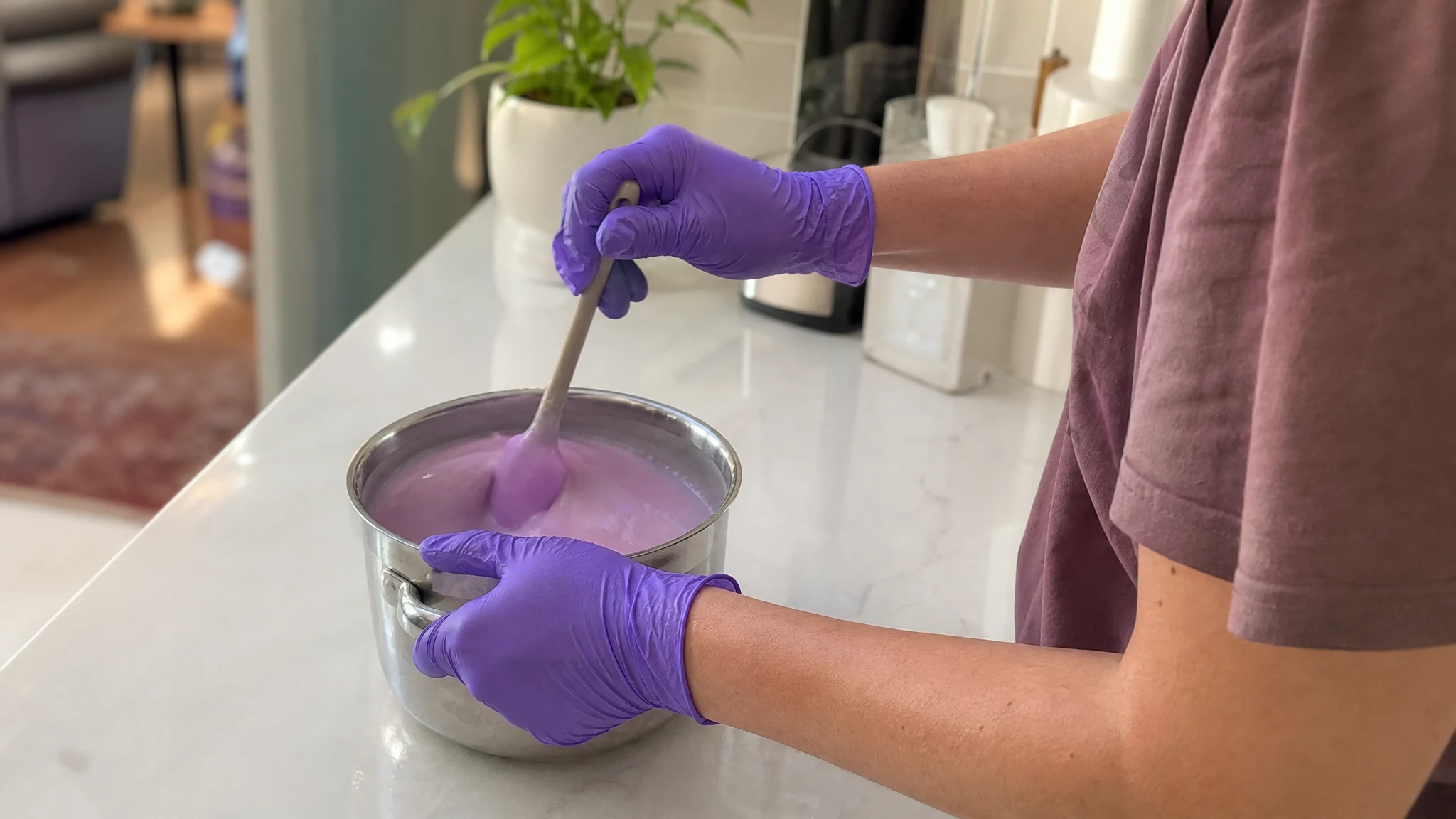
- Take it off the heat, weigh in the oil, and stir for a good minute.
- Pour within the maker's pour range into your mould or clamshell.
- Cool undisturbed, then wait before judging.
That last step is the one people skip. Wax makers commonly ask for a rest period before you judge scent, so check your supplier's sheet, and avoid deciding on day one that a melt is weak. If the throw still seems faint after a few days, our post on what to check before adding more oil walks through the usual suspects.
About the warmer
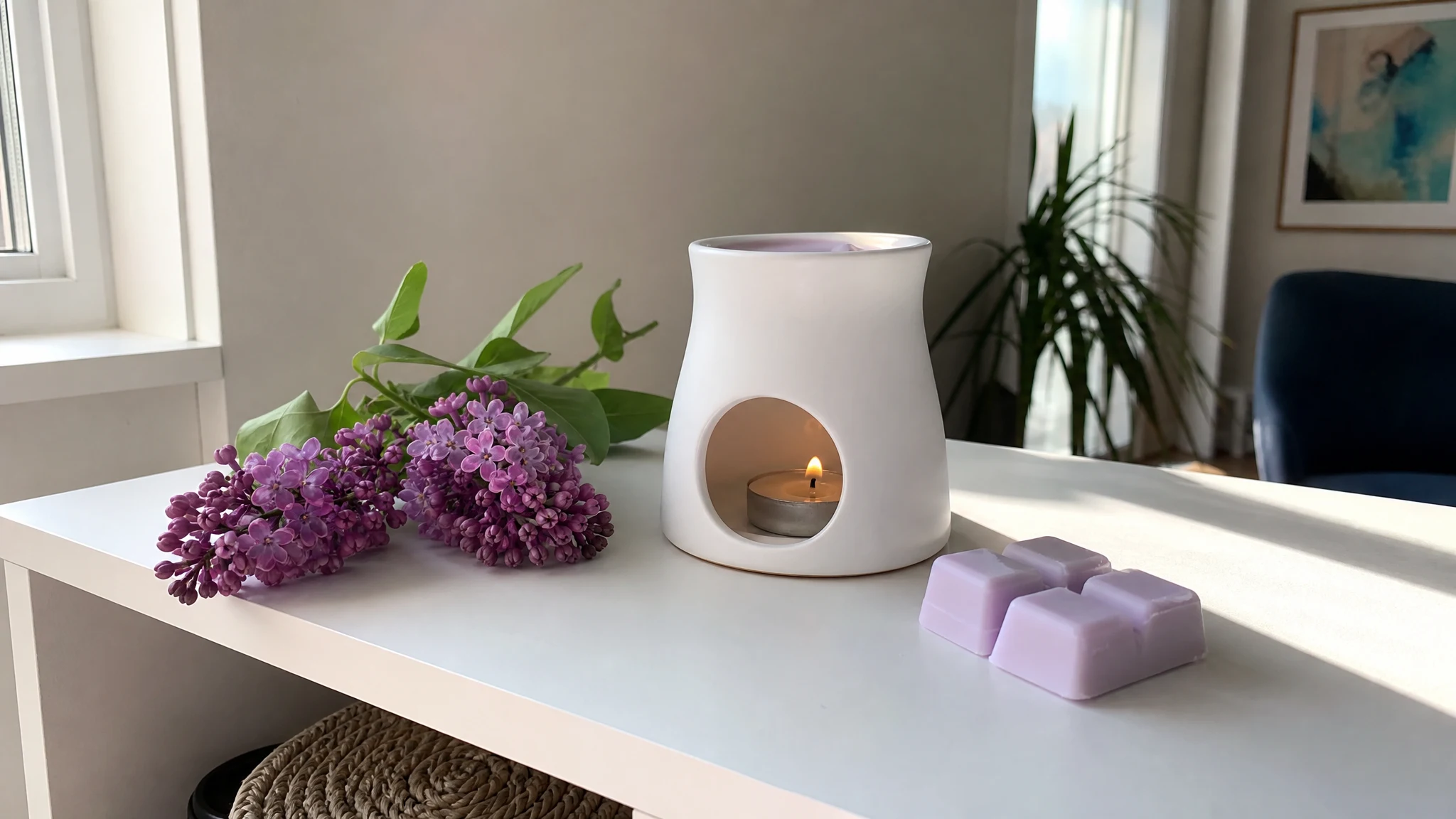
A wax warmer heats the wax from a plate for hours, so use the warmer as its maker directs and choose one that carries a recognized certification mark. If you sell finished melts, the question to put to any oil supplier is the flash point and the safety data sheet that carries it. We do not state a flash point for our oil. Ask us in writing through the contact page before ordering, get the answer in writing, and read fragrance oil flash point explained to see what that number does and does not tell you. Sold melts also need proper labeling, covered in our post on candle warning labels.
Choosing where the melt will live
Think about the room before you think about the recipe. A small bedroom, a bathroom and an open kitchen all hold a scent differently, so a lilac melt that feels quiet in a big living room can feel generous in a tiny hallway. Start with one melt in the warmer, not a whole handful, and walk away for an hour. When you come back, notice whether the lilac greets you at the door or only whispers near the warmer. That one visit tells you more than a table can. Lilac is soft and springlike, so a quieter result is normal, and a second melt can be added later.
Keep the warmer on a stable, heat-safe surface, well away from curtains, and never leave it running where small children or pets can reach it. Put your notes on the label: wax, load, date, and how the room felt.
Make one 100 g pour first, give it its week, and then decide what lilac in wax means for your shelf this spring.
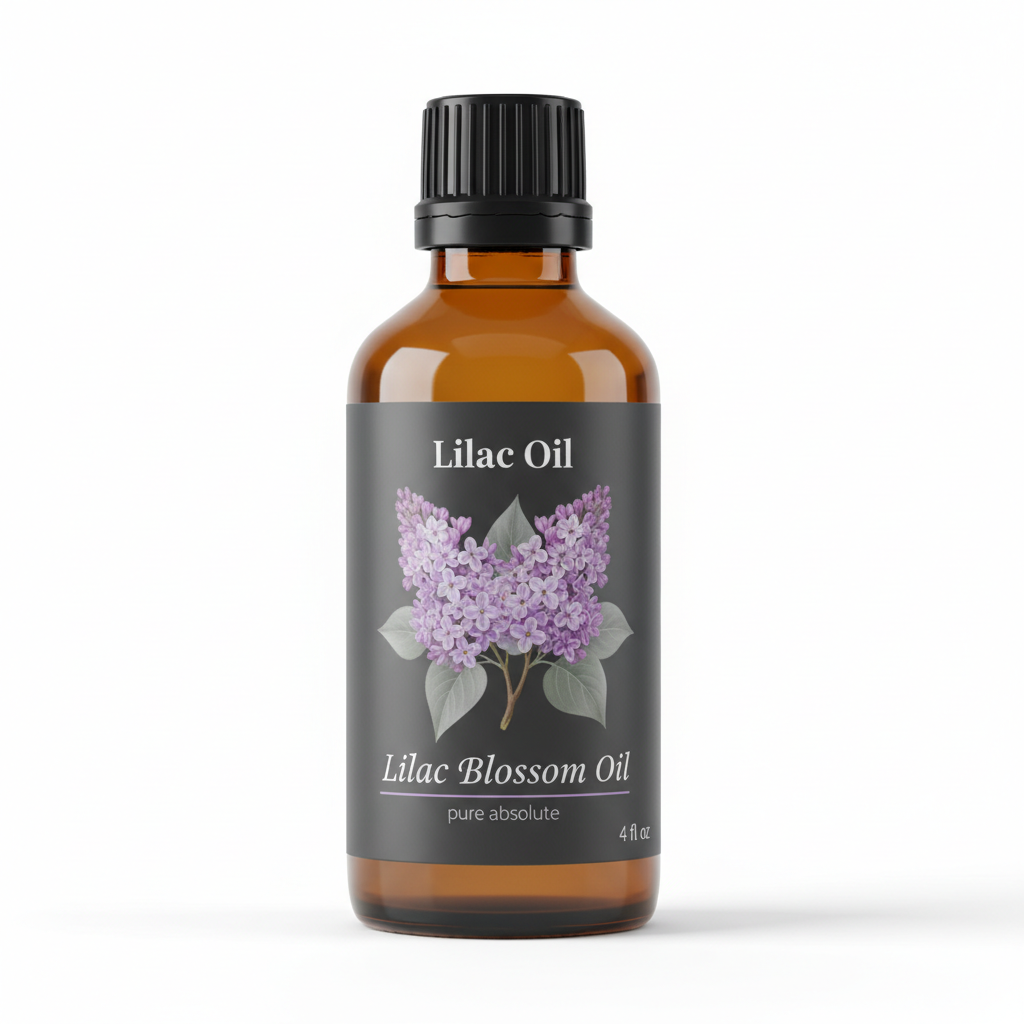
Lilac Blossom Oil
Lilac Blossom Oil from our own shop, in sizes from 0.5 oz to bulk.
From $15.99
Shop Now →Sources & Further Reading
- Golden Brands - GW 494 Wax Melt and Tart Soy Wax (Voyageur Soap & Candle)