How to Store Lilac Oil So It Keeps Its Scent
A bottle of lilac oil on a sunny windowsill looks lovely and keeps badly. Heat and light are the two things that nudge a delicate floral off course, and the fix is as simple as moving the bottle to a cabinet. The rest of good storage is a few small habits, and they depend on what exactly you are keeping.
What we recommend for the bottle
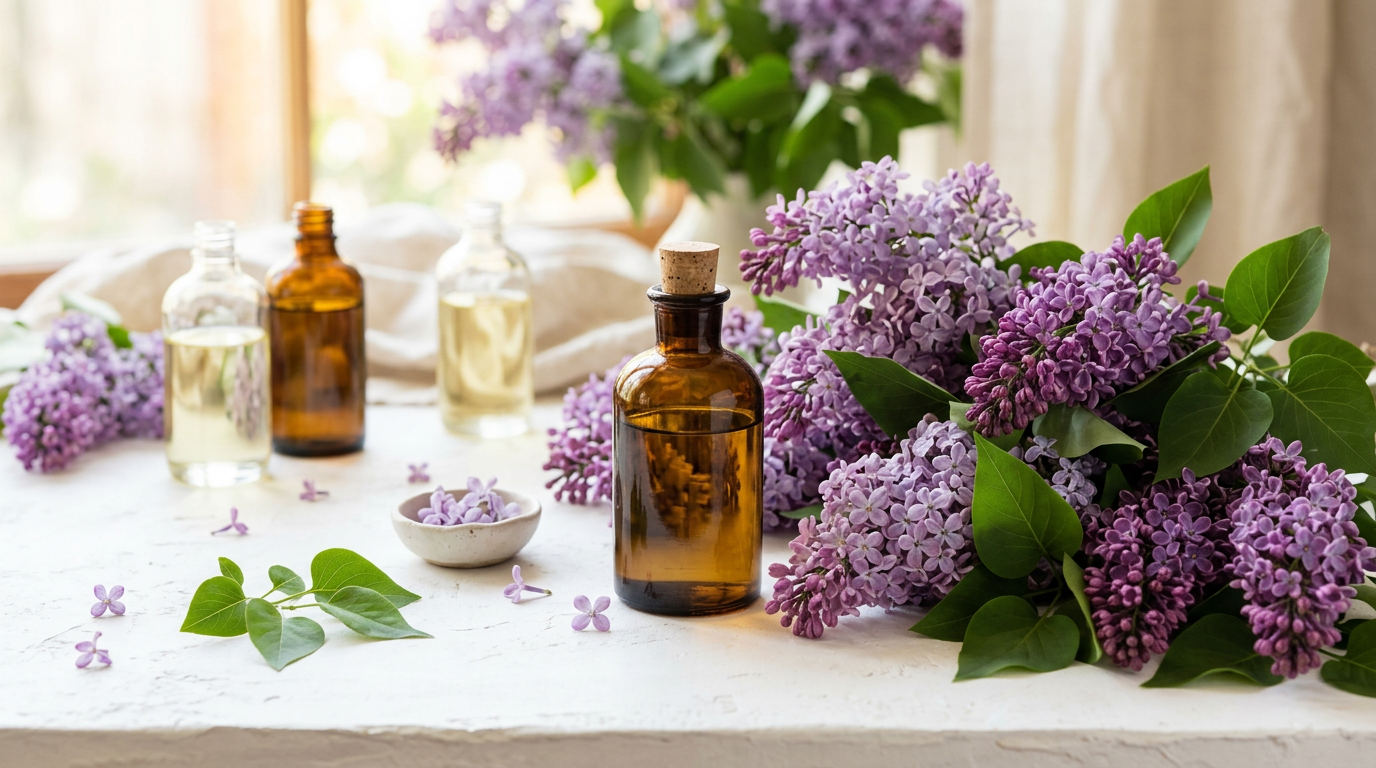
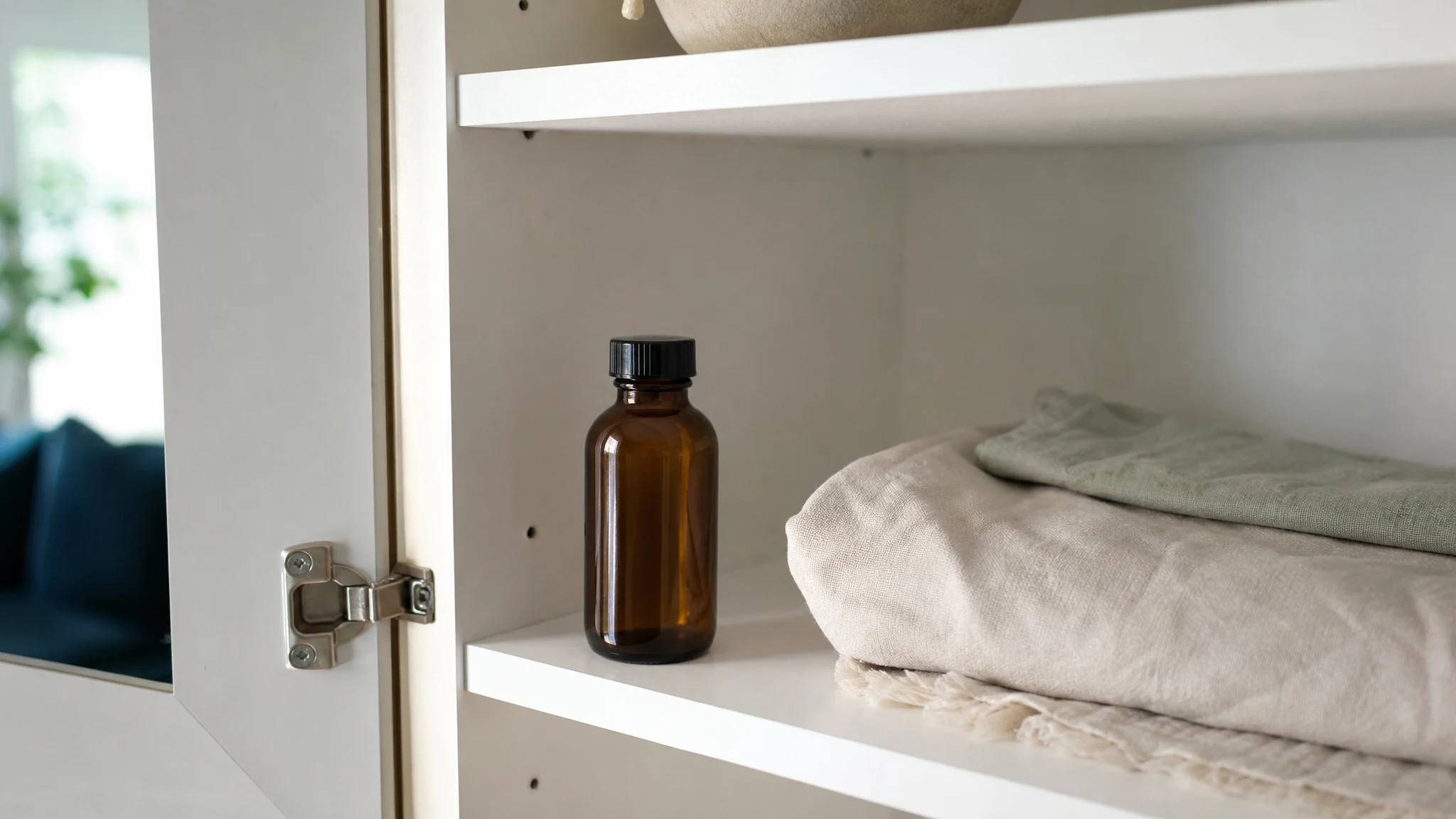
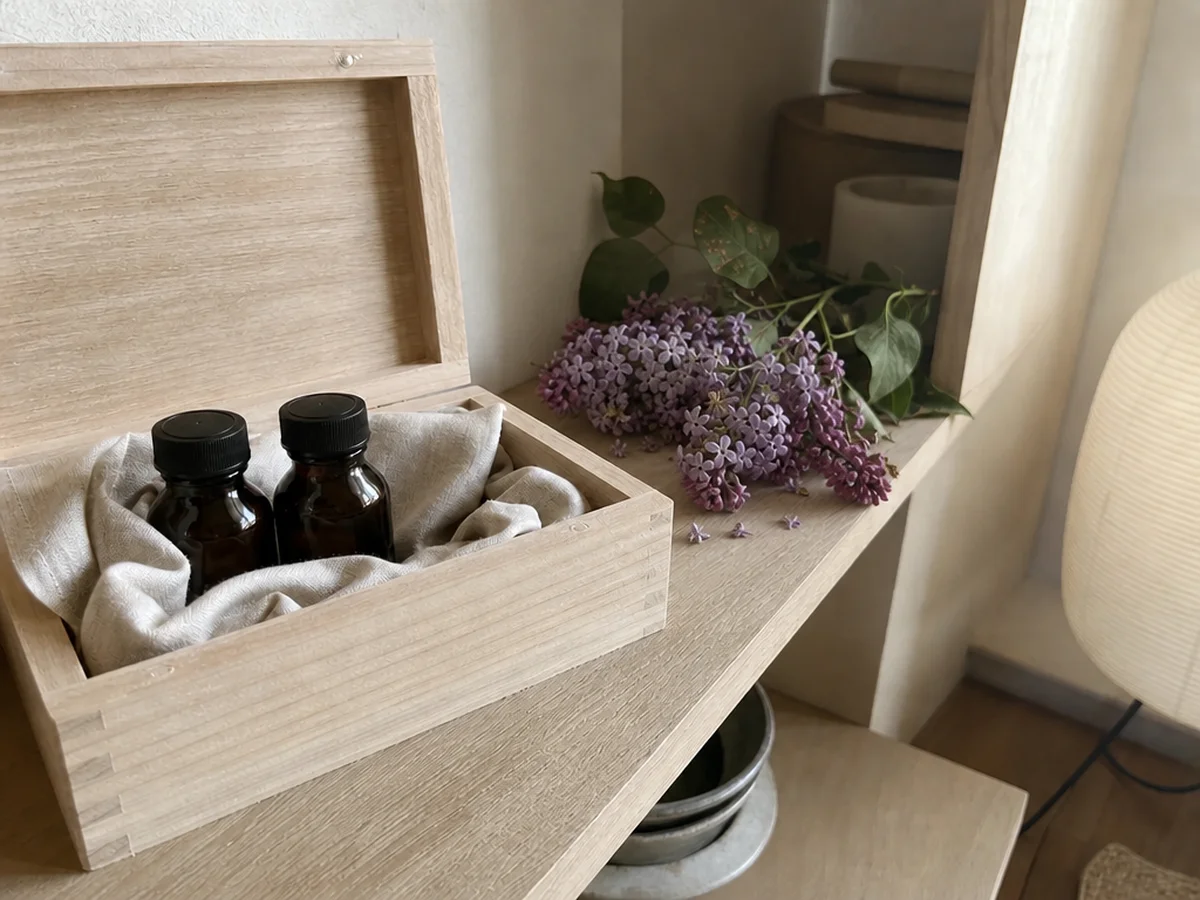
Keep the cap on tight, and keep the bottle somewhere cool and dark, away from heat and sunlight. We say that floral oils typically keep for 1 to 2 years under those conditions, in a dim, temperature-stable cabinet away from windows and heat sources. Treat that as a sensible expectation rather than a promise. We put our oil in amber glass at every size, small bottles through to bulk, because dark glass is part of the job, and every bottle carries a lot number you can quote if you write to us.
If you have bought bulk, keep the main container sealed and decant working amounts into smaller airtight bottles. Heat and sun speed up drift in a composed floral scent, so the less often the main container is opened and warmed, the better.
Why air matters, and a little arithmetic
Every time you open a bottle, air goes in, and the emptier the bottle, the more air it holds. A 4 oz bottle with 1 oz of oil left has about 3 oz of air above it. A nearly full one has well under 1 oz. So a mostly empty large bottle is the one most worth decanting into a smaller one. For a 16 oz bottle you will use over a year, a 1 oz working bottle holds about 28.8 g of oil at the 0.973 relative density on our Certificate of Analysis, which means the main bottle gets opened only a few times.
The reason people worry about air is documented in other oils. A 2016 dermatology study describes the main components of lavender oil, linalool and linalyl acetate, as autoxidizing in air into compounds that can sensitize skin; oxidized lavender oil at 6 percent in petrolatum gave positive patch-test reactions in 2.8 percent of patients being tested for suspected allergic contact dermatitis. That was lavender, not lilac, and a deliberately oxidized sample, so it does not describe our oil. It does show that old, air-exposed oil on skin is a reasonable thing to avoid.
Light, warmth and the container
A 2026 storage study on huajiao seed oil, a plant oil, compared three temperatures, light and dark, and glass, plastic and metal containers. Low temperature slowed the rise in oxidation markers, prolonged light accelerated rancidity, and glass did better than plastic or metal. It is a different oil from ours, but the pattern matches ordinary common sense: cool, dark and glass.
A bottle, a working bottle and a blend
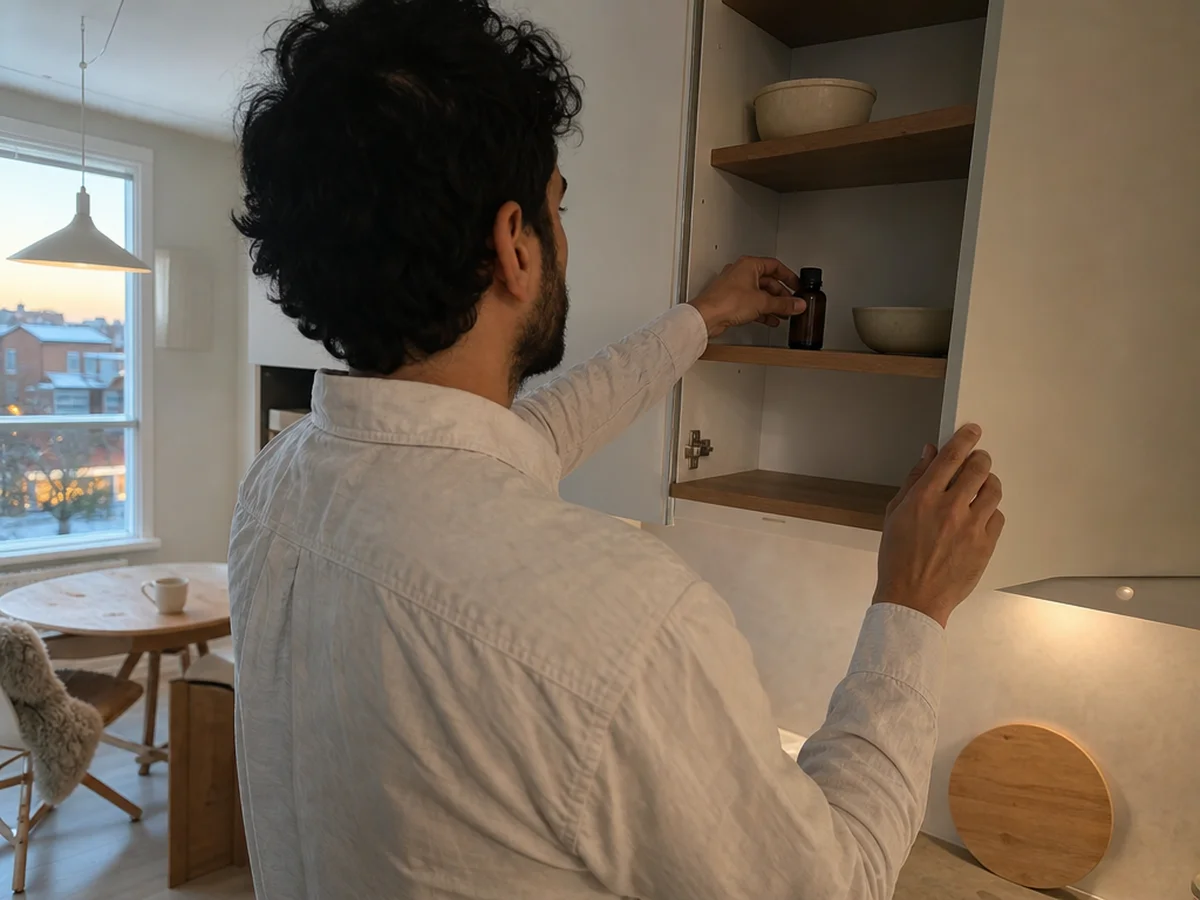
The sealed bottle. Keep it in a cabinet. A windowsill is the worst shelf in most homes, and a hot car or a box by a sunny shipping door fails the same test.
The opened bottle. Cap it promptly and, as the level drops, consider moving what is left to a smaller bottle.
The blend you made. Once you dilute the oil, you have a different material. In a finished product it is usually the carrier oil that goes off first, so mix small batches and write the date on the bottle. A 30 ml bottle at 2 percent uses about 0.6 ml of oil, so making a fresh one is cheap and easy. Our dilution chart works in exactly these small sizes.
A good shelf, a good habit
The best home for a bottle is the one you will actually use. Pick a shelf in a cupboard that stays steady in temperature, away from the stove, the radiator and any window, and keep the oil with your other craft supplies so you remember it is there. A small label with the date you opened the bottle takes ten seconds.
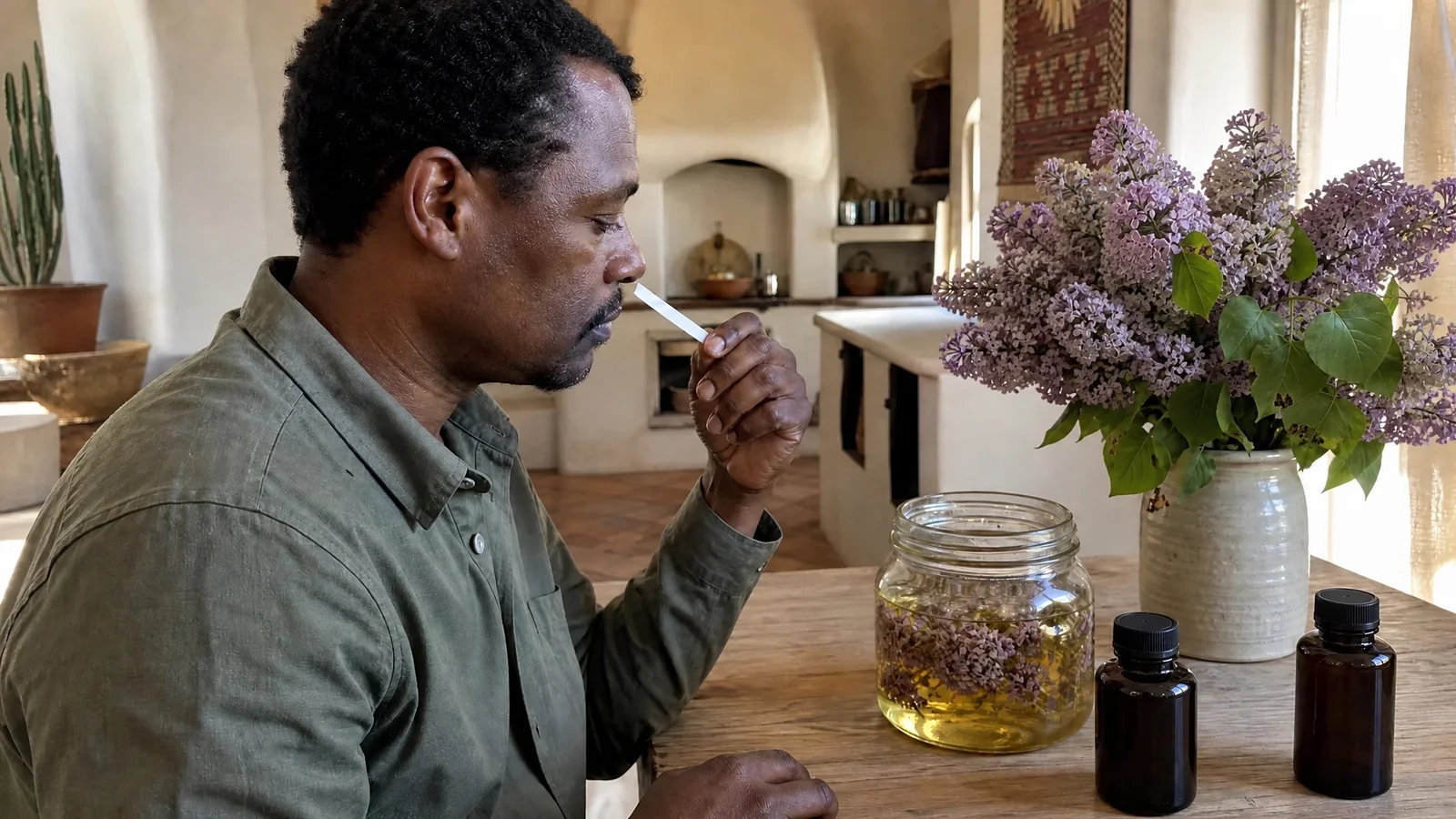
When you work with the oil, take out only what you need, cap the bottle straight away, and wipe the neck so the cap does not stick. Smell the bottle fresh on day one and make a note of it, since that first impression is your reference for later.
How to tell when to retire a bottle
Trust your nose first. We describe the aroma as soft, powdery and springlike, with green stems and a musky base. If a bottle smells sharp, flat or sour next to that description, or next to a fresh bottle, compare them before using it on skin. A marked change in color or clarity from when you opened it is another reason to stop, as is a stretch somewhere hot. And if an oil you have used before suddenly stings or itches, stop using it and see a dermatologist or allergist if the reaction persists.
This post is about keeping the oil, not about how to apply it. For skin, our guidance is to dilute to 0.5% to 2% in a carrier oil, patch test first, start at the low end and keep it away from eyes, children and pets. Our post on skin and body products covers that side. If fading is your worry, our posts on making the scent last longer and testing before you buy bulk pick up from here.
It comes down to this: cap it, keep it cool and dark, decant bulk into small bottles, date what you mix, and let your nose be the final judge.
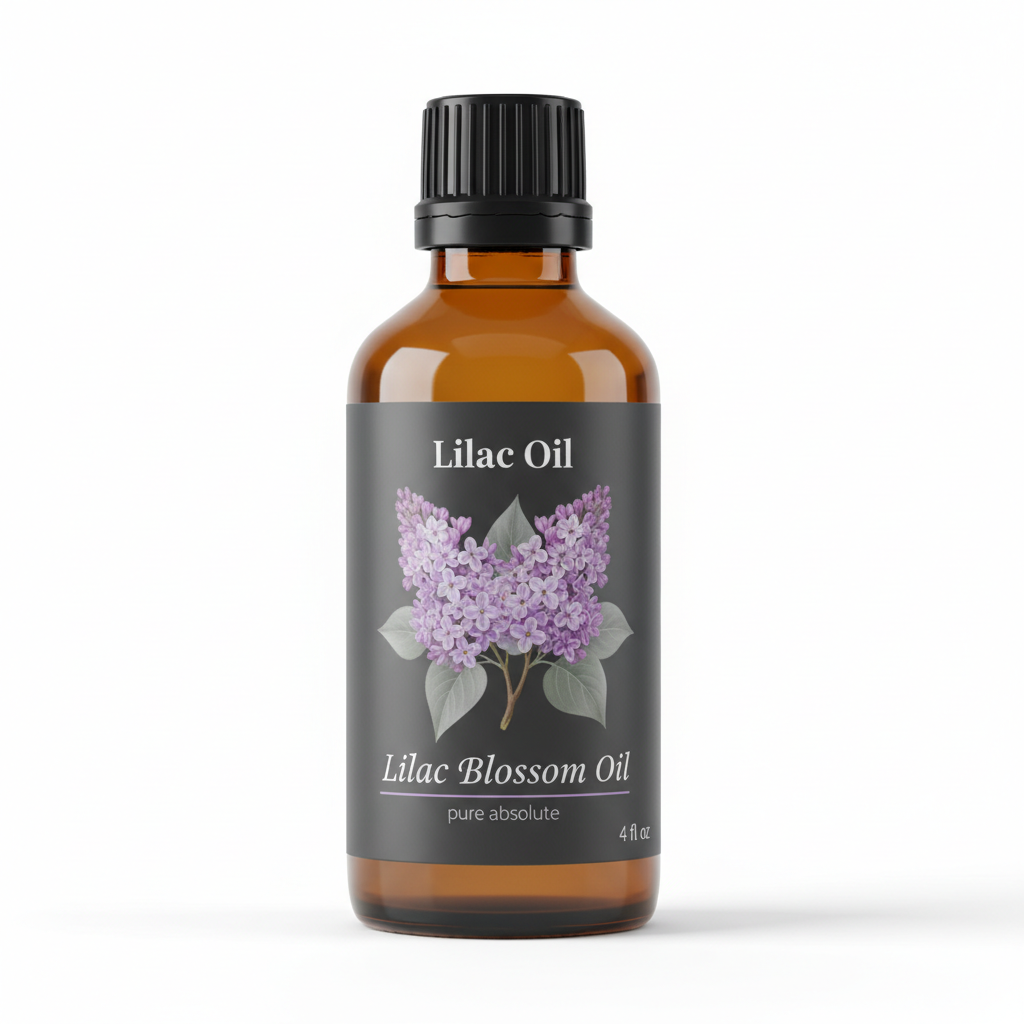
Lilac Blossom Oil
Lilac Blossom Oil from our own shop, in sizes from 0.5 oz to bulk.
From $15.99
Shop Now →Sources & Further Reading
- Hagvall L., Christensson J.B., 2016, Patch Testing with Main Sensitizers Does Not Detect All Cases of Contact Allergy to Oxidized Lavender Oil, Acta Derm Venereol
- Peng X. et al., 2026, Evaluation of Quality Changes in Huajiao Seed Oil During Different Storage Conditions, Foods