Syringa Vulgaris: What the Name Means on a Label
When a lilac product names Syringa vulgaris, it is telling you which flower the scent is modeled on. That is a lovely thing to know, and it also does not, on its own, tell you what is in the bottle. We sell a lilac composition, and the Certificate of Analysis we publish carries that botanical name at the top, so it seemed worth explaining the plant and how to read the name.
The shrub itself
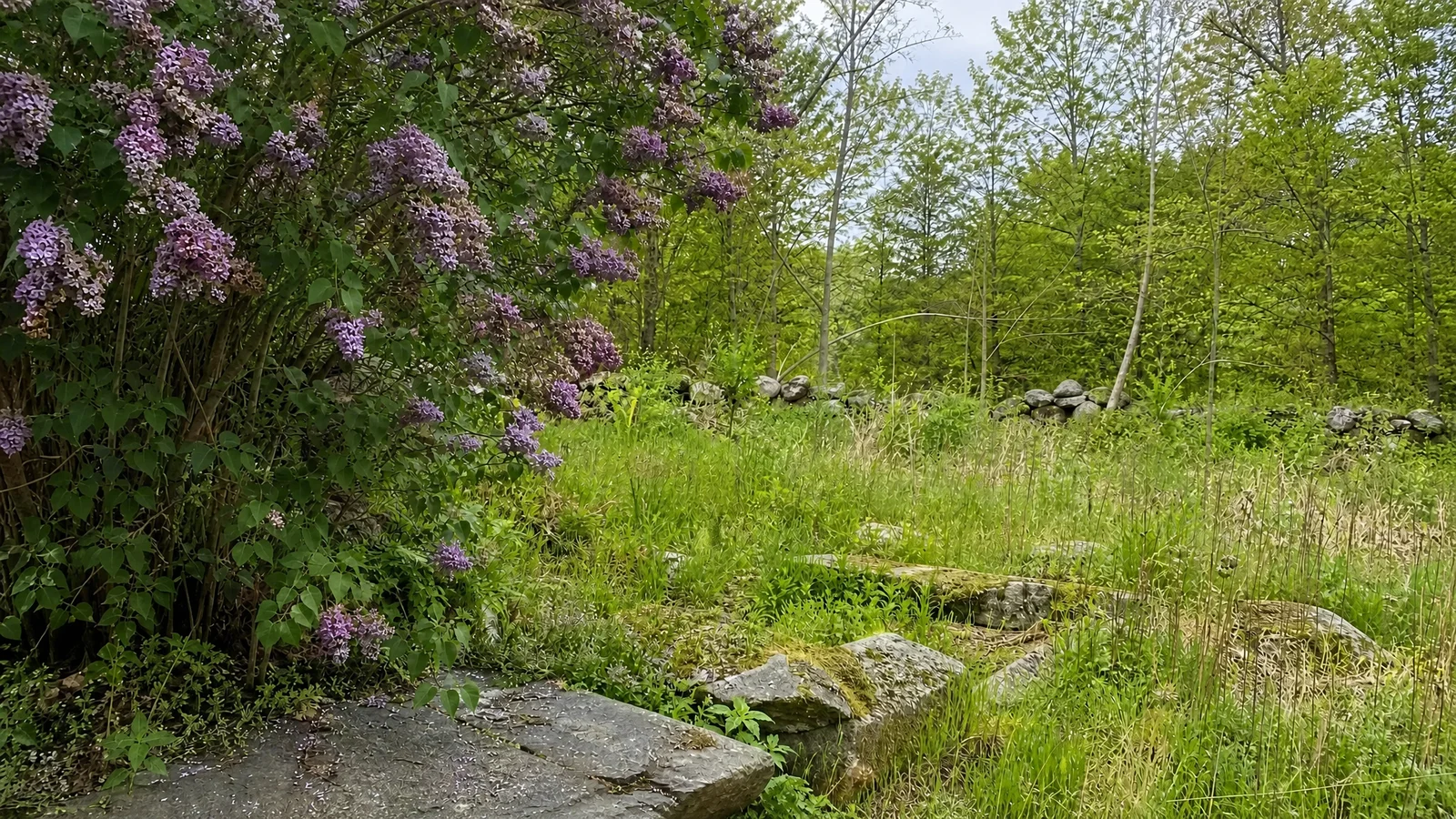
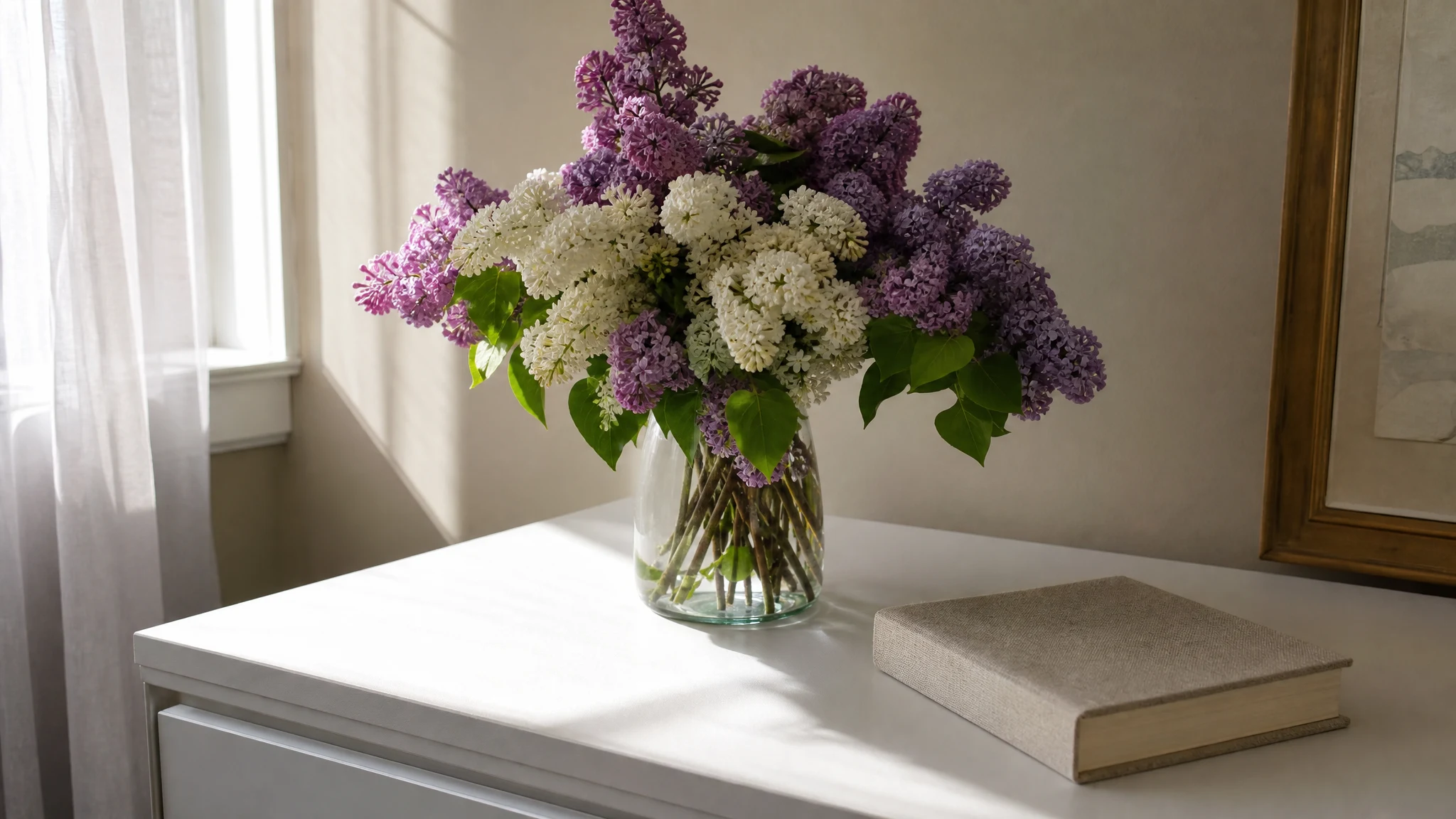
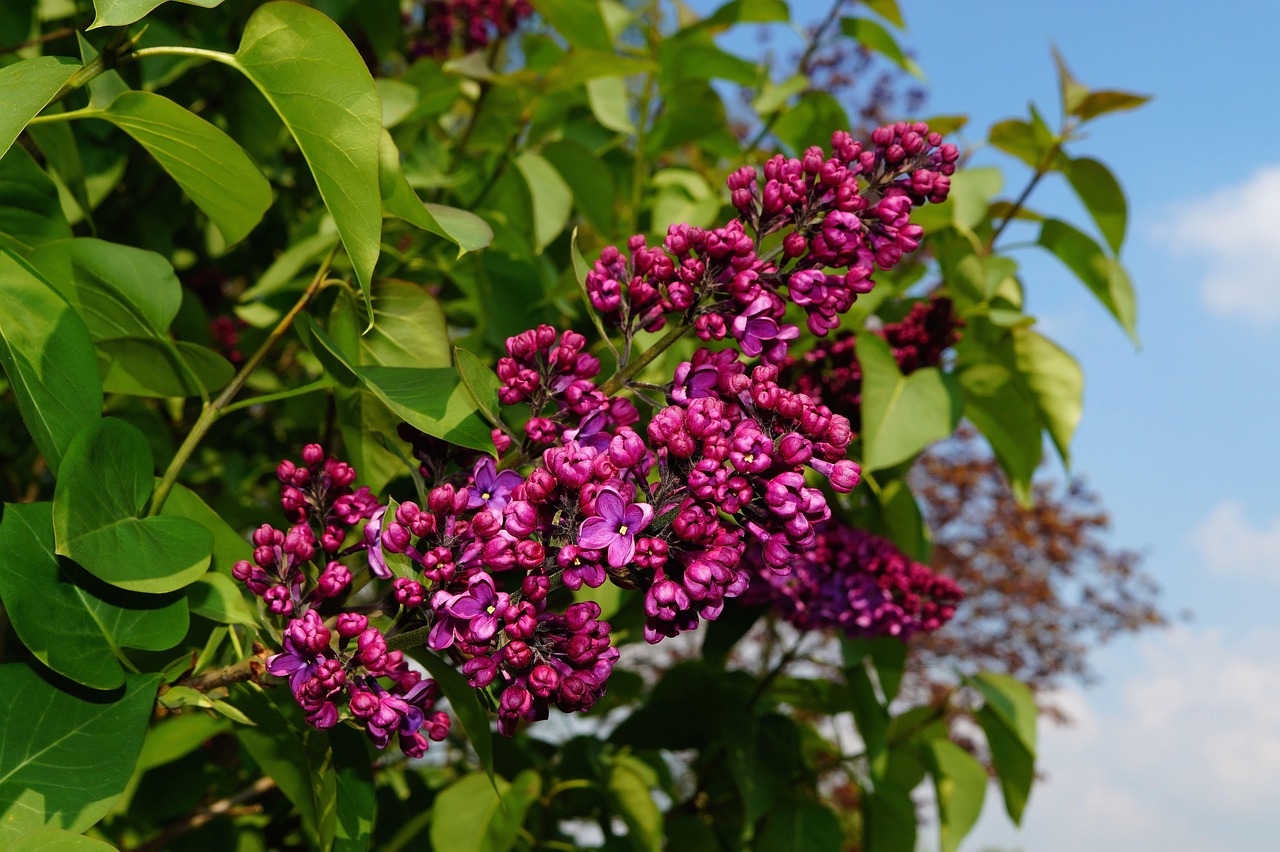
NC State Extension places common lilac in the olive family, Oleaceae, gives the Balkan Peninsula as its origin and describes it as a shrub 8 to 16 feet tall, hardy in zones 3a to 7a, with highly fragrant flowers. University of Minnesota Extension adds that it belongs to the mid-spring group that blooms in mid to late May, with flowers lasting 10 to 14 days. It is a woody shrub with a lot of named cultivars, so "lilac scent" is already a family of scents before anyone builds a bottle. The same NC State page notes that it is a favorite of hummingbirds and butterflies, and that it makes an excellent cut flower, which is how most of us meet it.
What has been measured in the flowers
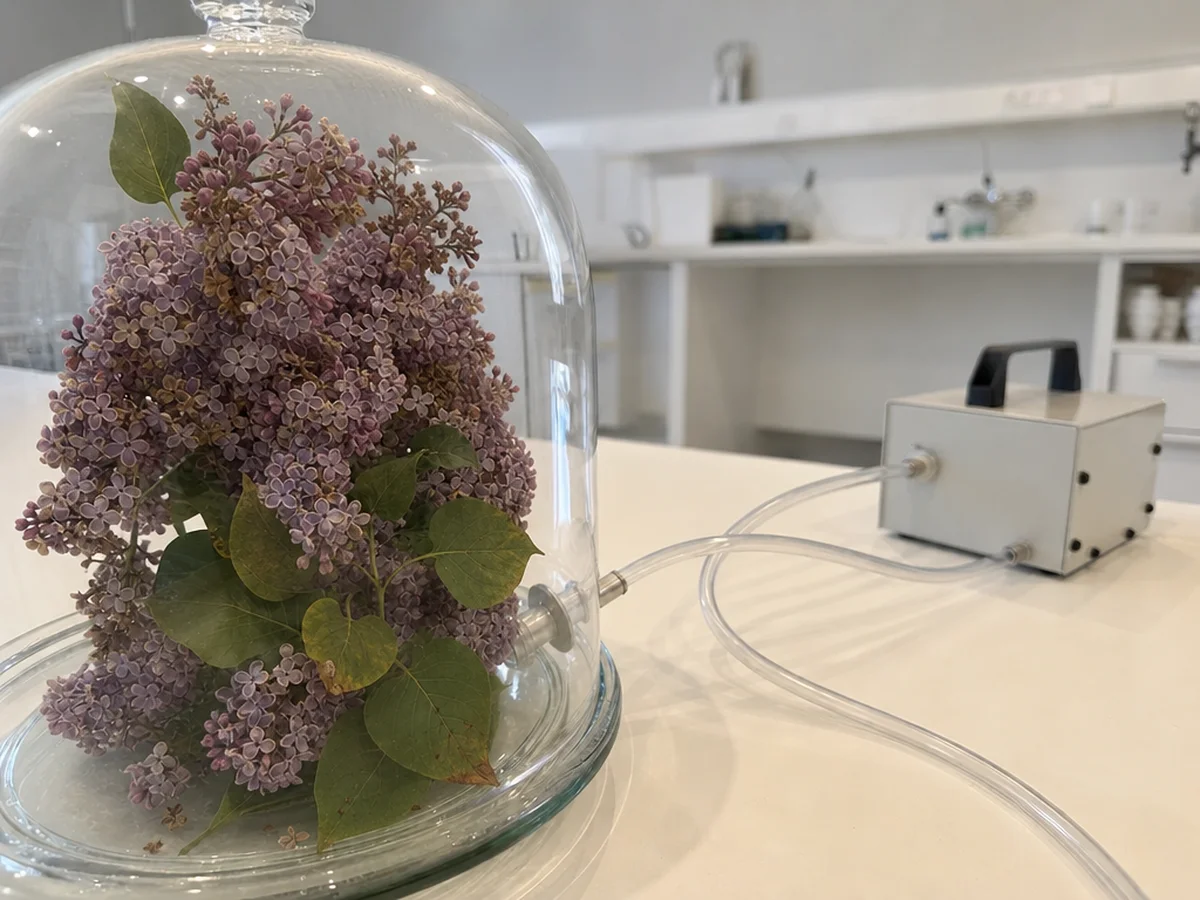
The closest study to the common lilac is a 2016 headspace analysis of nine lilac species and varieties, several of them common lilac cultivars. Scent composition differed significantly from one kind to another, and in the cultivar 'Bright Centennial' one compound, beta-ocimene, made up more than 70 percent of the floral scent. Flowers cut and left to dry gave off a mostly different mixture, largely alcohols.
The molecule most often tied to lilac comes from a different line of work. A 2021 review in Molecules calls the lilac aldehydes the principal olfactory molecules of lilac flowers, reports that they were first isolated in 1974 from an oil of lilac flowers (Syringa vulgaris), and says synthetically prepared lilac aldehydes are used almost exclusively in perfumery. Putting those together, the next step is our own reasoning: the plant has a documented scent chemistry that varies with cultivar and condition, and its best-known molecule is usually supplied from a laboratory rather than a flower. That is ordinary practice in perfumery, and it is why a species name on a label should not be read as "made from this plant". Our post on the aroma molecules explores the detail.
Reading a Latin name on a label
A botanical name can be doing different jobs, and the name alone does not say which. It may identify a material taken from the plant, which would normally come with a plant part and a method. It may name the flower a scent imitates, describing the target rather than the contents. Or it may simply fill a field on a form. The way to tell is to read the fields around it.
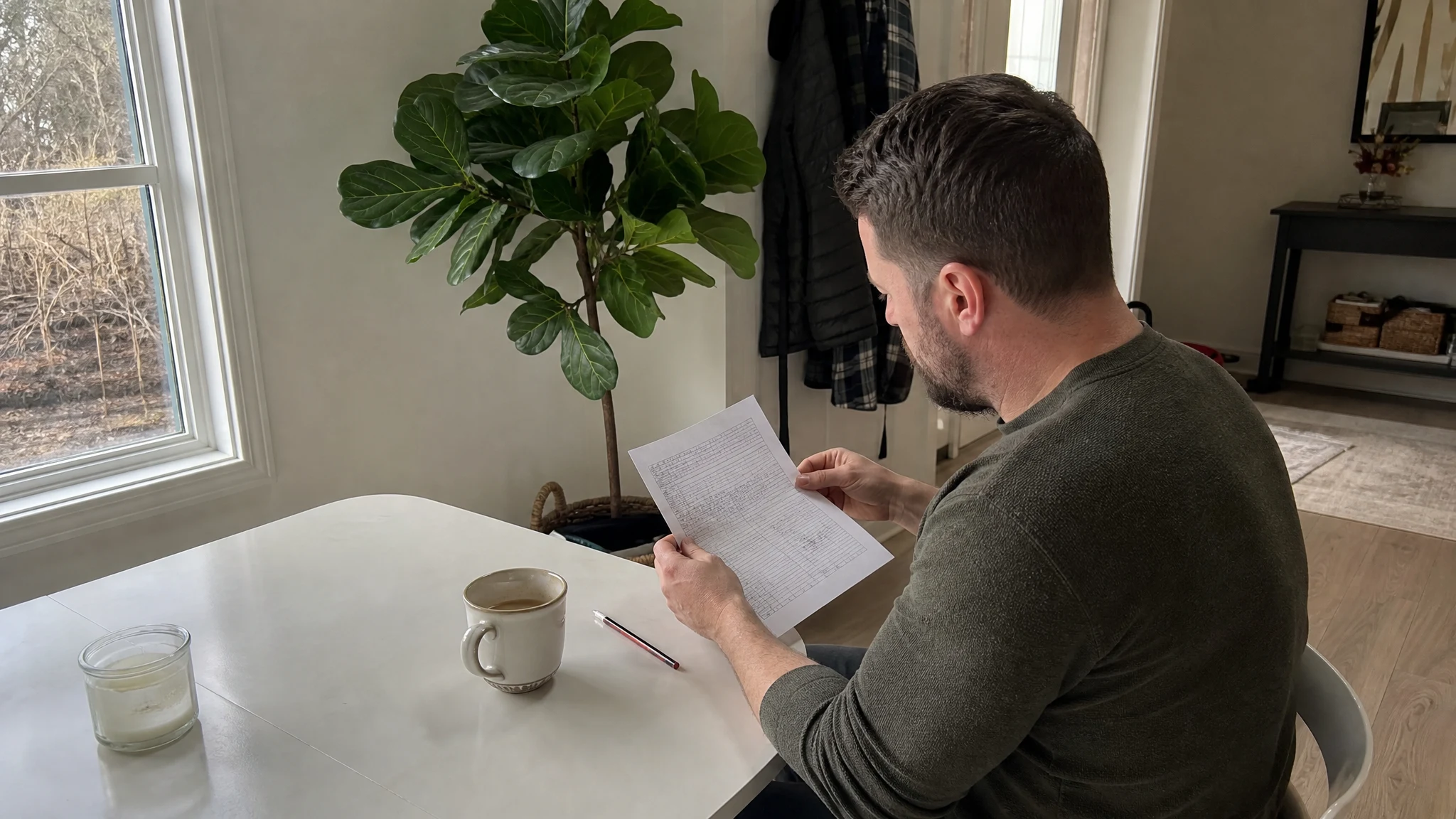
On the Certificate of Analysis we publish for one batch of our oil, the botanical name reads Syringa vulgaris, parts used reads "N/A" and extraction method reads "Blended". Read together, those fields say the oil is modeled on the common lilac and is a blend. That matches how we describe it: a composition of botanical extracts and infused aromatics, built to be faithful to the common lilac in bloom, not a distillate and not an extract of lilac blossoms. The certificate also lists appearance, smell, relative density (0.973), refractive index (1.501) and optical rotation (-0.72 degrees), with no ingredient list. If you need more for a formula or a label, ask us in writing through the contact page before you order. For a worked tour of reading such paperwork, see how to read a fragrance oil COA and SDS and reading a lilac oil label.
A name worth learning in the garden
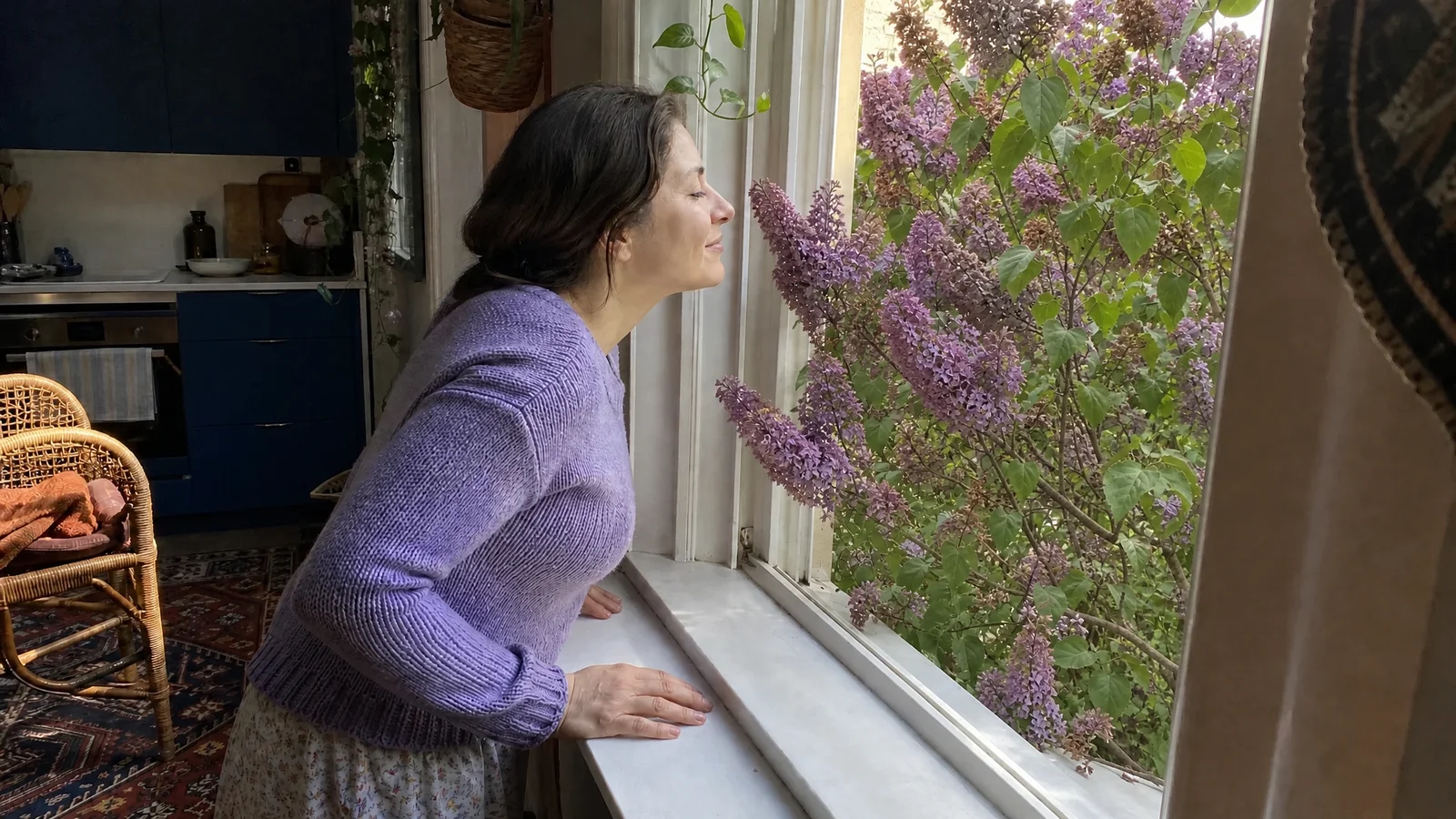
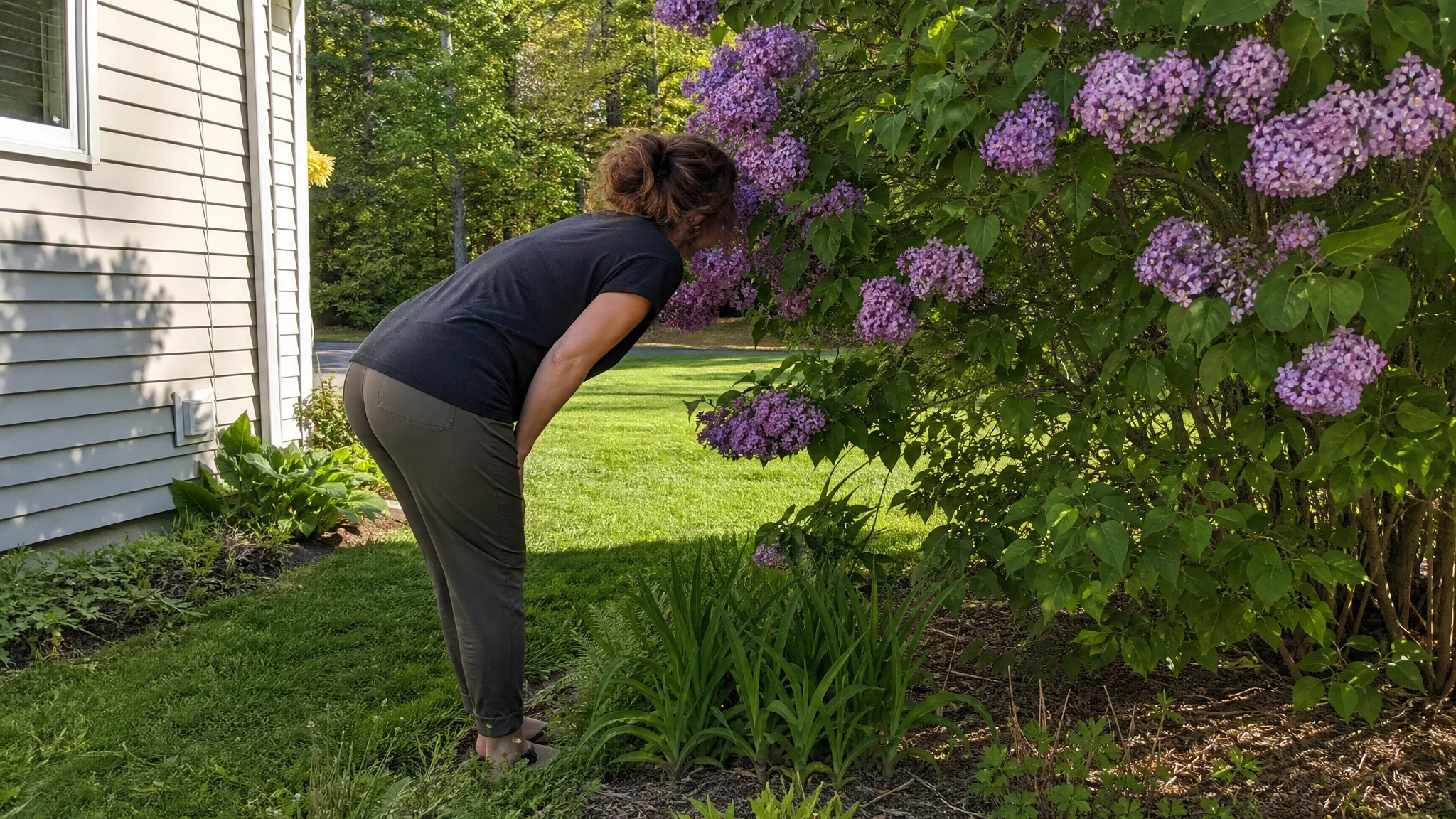
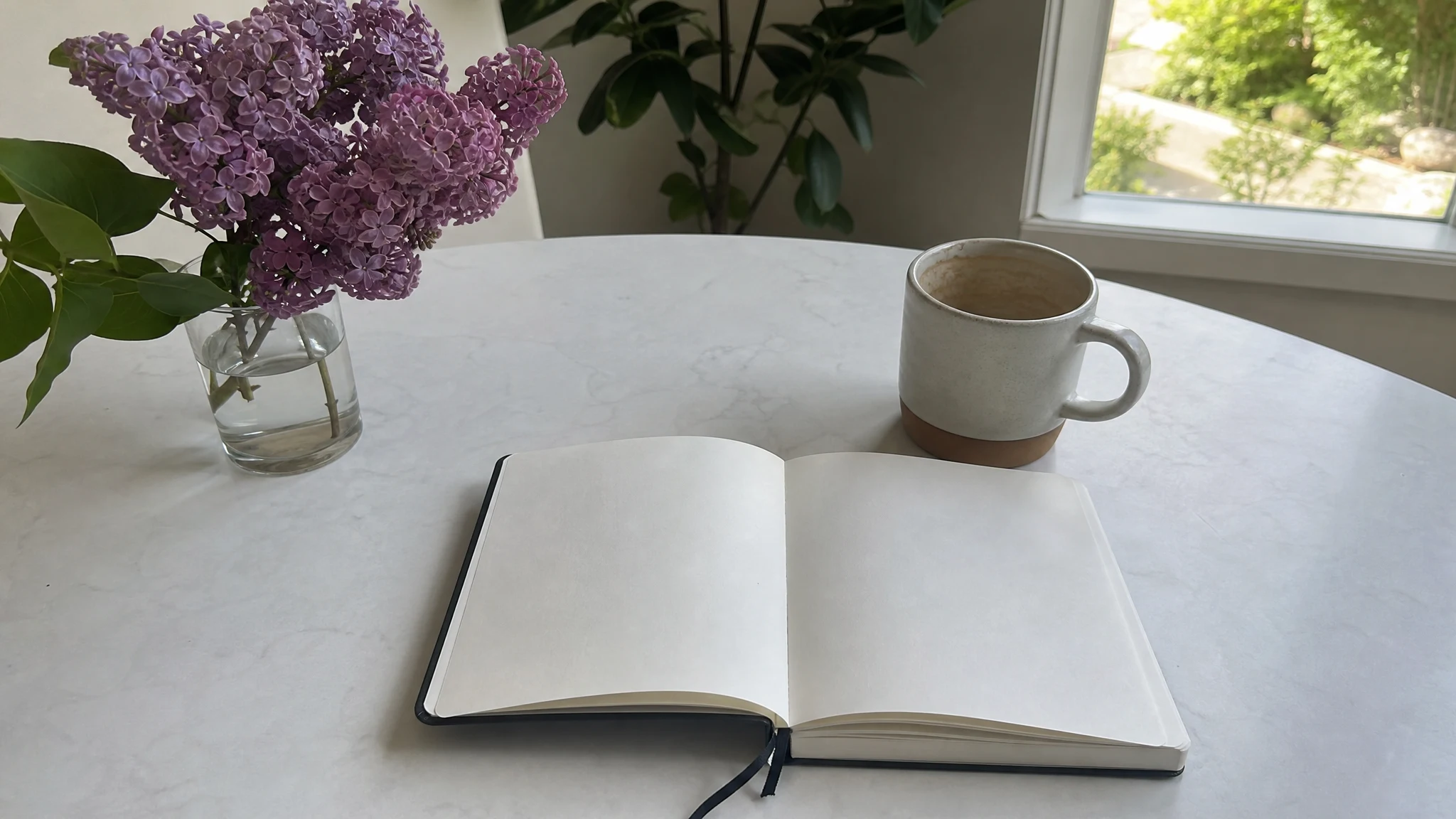
If the Latin name has you curious, the best classroom is a garden. Visit a nursery or public garden in bloom and read the tags: you will find that "common lilac" covers many named varieties, with different colors and slightly different fragrances. Smell a few in a row, with a pause in fresh air between each, and you will see why one name can stand for a whole family of scents. Take a notebook and jot down which one you liked best, because the tag name is the detail you will forget.
That small walk also teaches the lesson of this post. The flower is a living thing with its own variety. A bottle is a deliberate composition that aims at one beloved version of it. Both are worth loving, and neither needs to pretend to be the other.
Using a lilac scent with care
A plant name does not tell you whether a scented product suits your skin. Our suggestion for skin is to dilute to 0.5% to 2% in a carrier oil, start at the low end, patch test first and keep it away from eyes, children and pets. Anyone with a known fragrance allergy should check with a dermatologist before using any scented product.
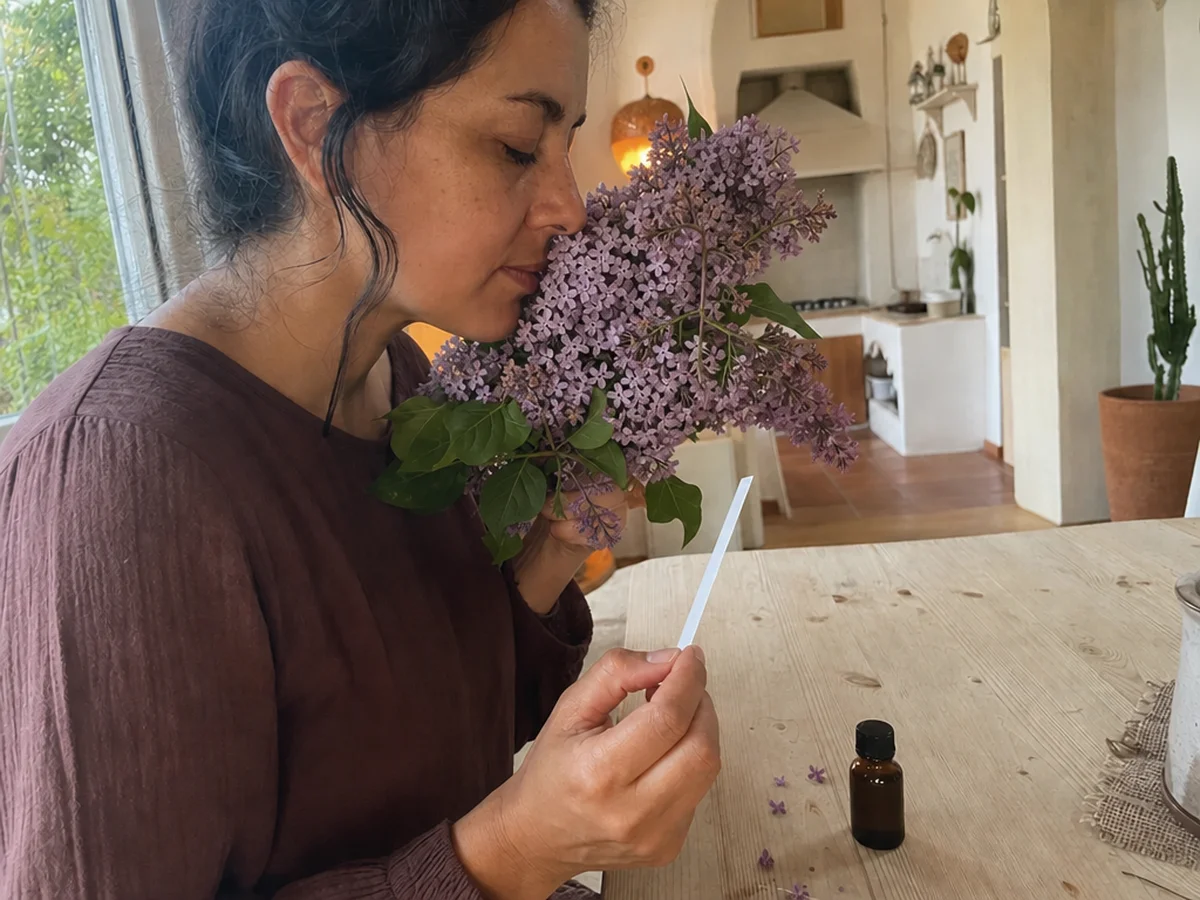
If what you love is the shrub, buy it from a nursery, and choose the cultivar by its scent description, as our guide to choosing lilacs explains. If you love the scent, a composed lilac is a graceful way to carry it through the year.
A Latin name is a good starting point for a conversation, and it is the surrounding details that tell the whole story. Those details for our own bottle are on its page in the shop, larger sizes are on our bulk page, and our guide to buying lilac blossom oil in bulk shows what to ask any seller.

Lilac Blossom Oil
Lilac Blossom Oil from our own shop, in sizes from 0.5 oz to bulk.
From $15.99
Shop Now →Sources & Further Reading
- North Carolina Extension Gardener Plant Toolbox, Syringa vulgaris (Common Lilac)
- University of Minnesota Extension, Lilacs
- Yang et al., Analysis of floral scent emitted from Syringa plants, Journal of Forestry Research (2016)
- Dacho and Szolcsányi, Synthesis and Olfactory Properties of Seco-Analogues of Lilac Aldehydes, Molecules (2021)