Lilac Perfume History: Why Perfumers Rebuild the Flower
Rose gives up its oil to a still. Lilac does not. For all the affection people have for the scent of a lilac hedge in May, perfumers have always had to build it, working from the outside in, listening to the flower and then assembling something that sounds like it. That makes lilac a story about craft rather than harvest, and it is the story our own Lilac Blossom Oil belongs to: a composition built to be faithful to the common lilac in bloom.
A flower that stays quiet
The perfume trade has a name for flowers like this. Tendance Parfums calls lilac one of the so-called "mute" flowers: its clusters do not release enough essence to be distilled cost-effectively. Perfumers therefore recreate it by blending natural materials with synthetic molecules, and the same page describes the result as fresh, powdery and slightly green, most often used as a heart note. If you have ever wondered why lilac scents are everywhere but lilac essential oil is nowhere, that is the short answer. We cover the longer version in why there is no true lilac essential oil.
What a lilac hedge teaches your nose
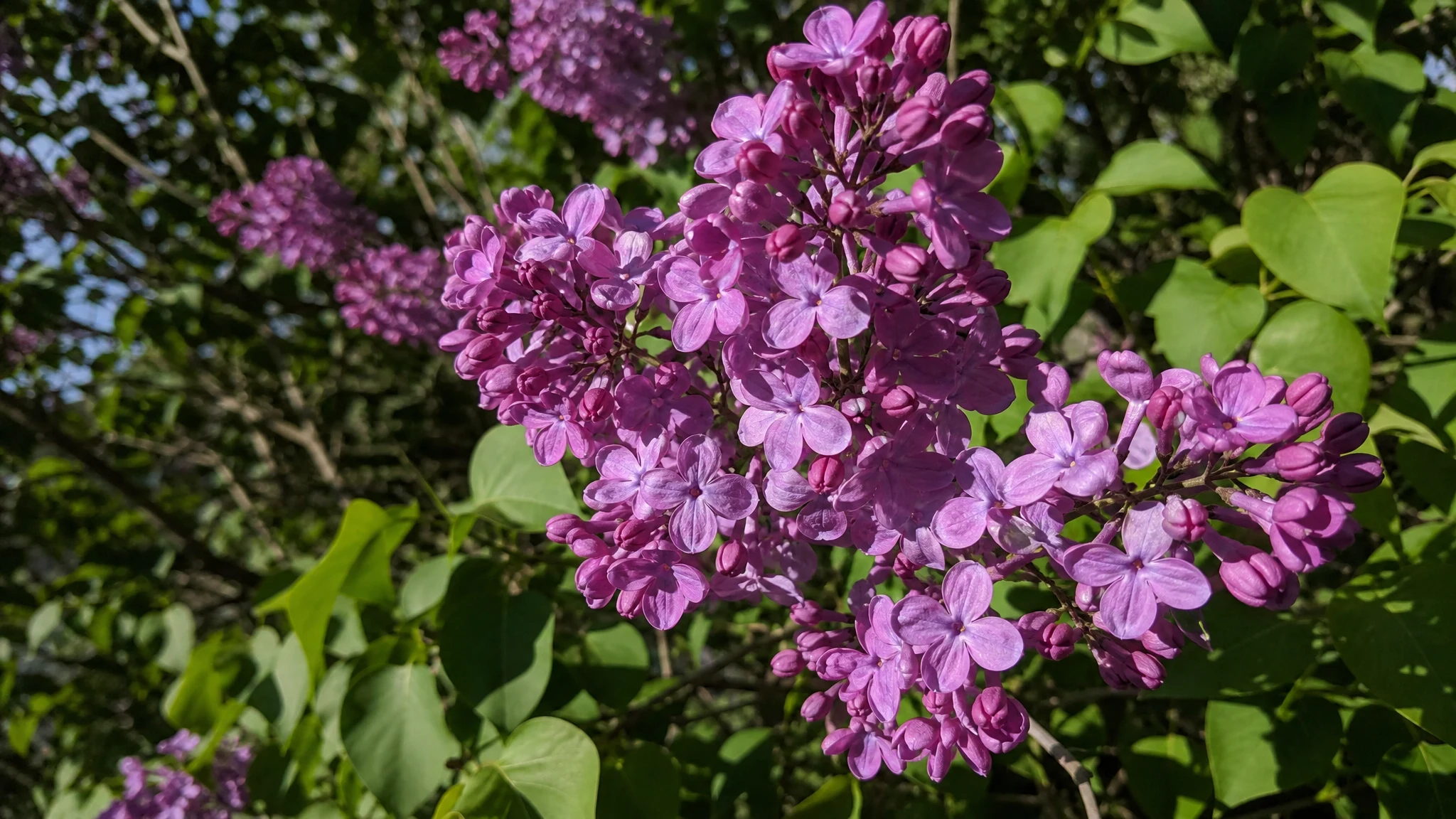
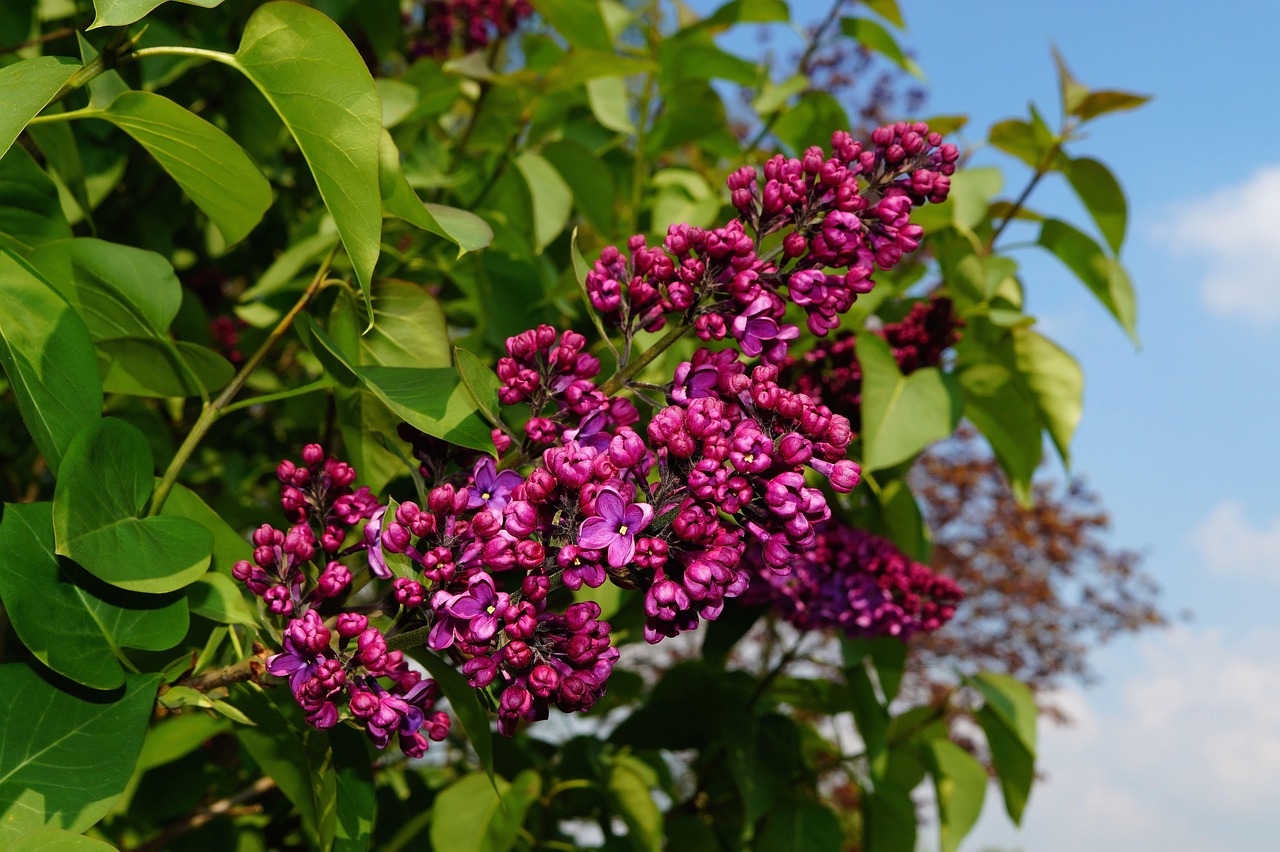
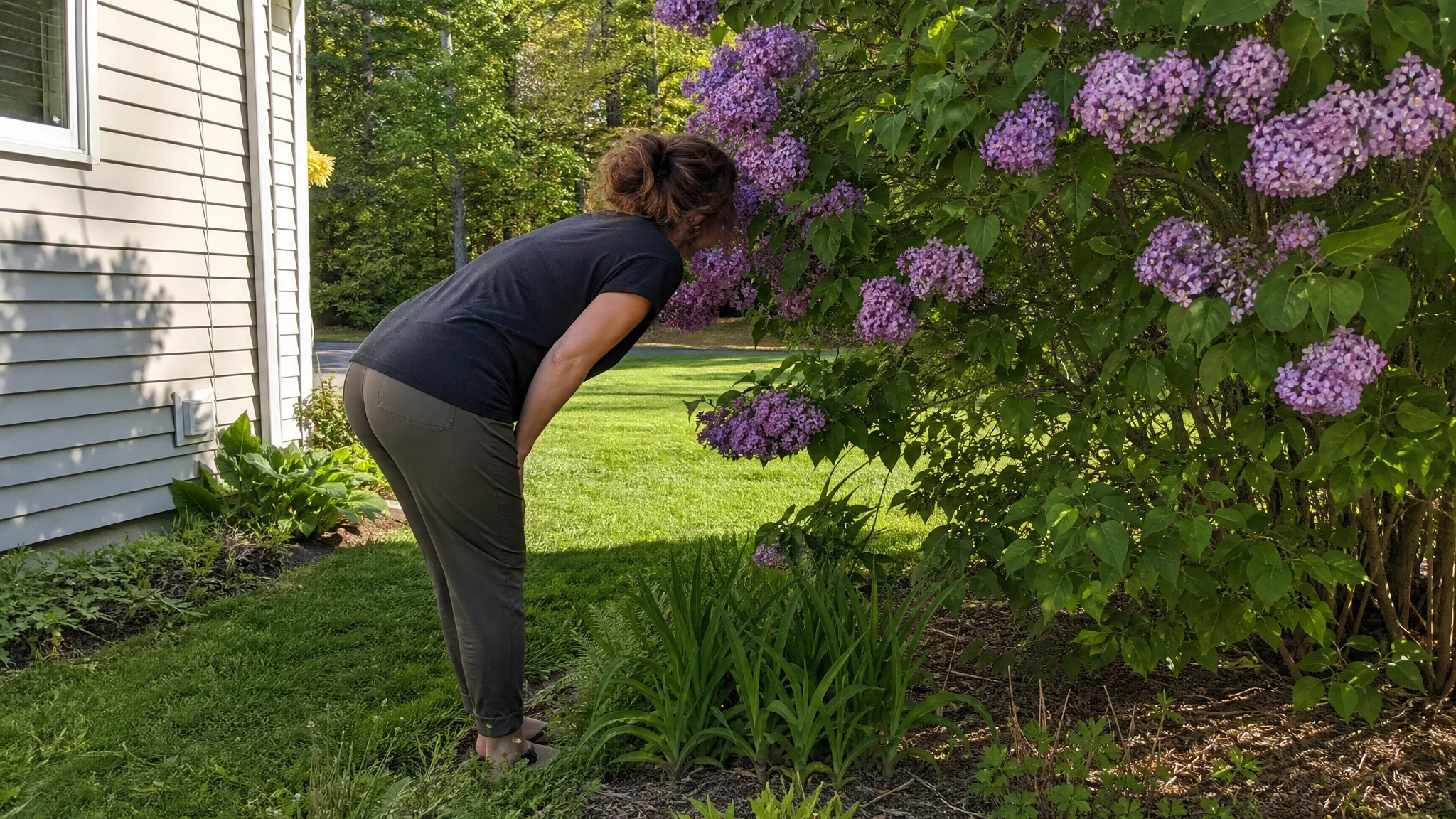
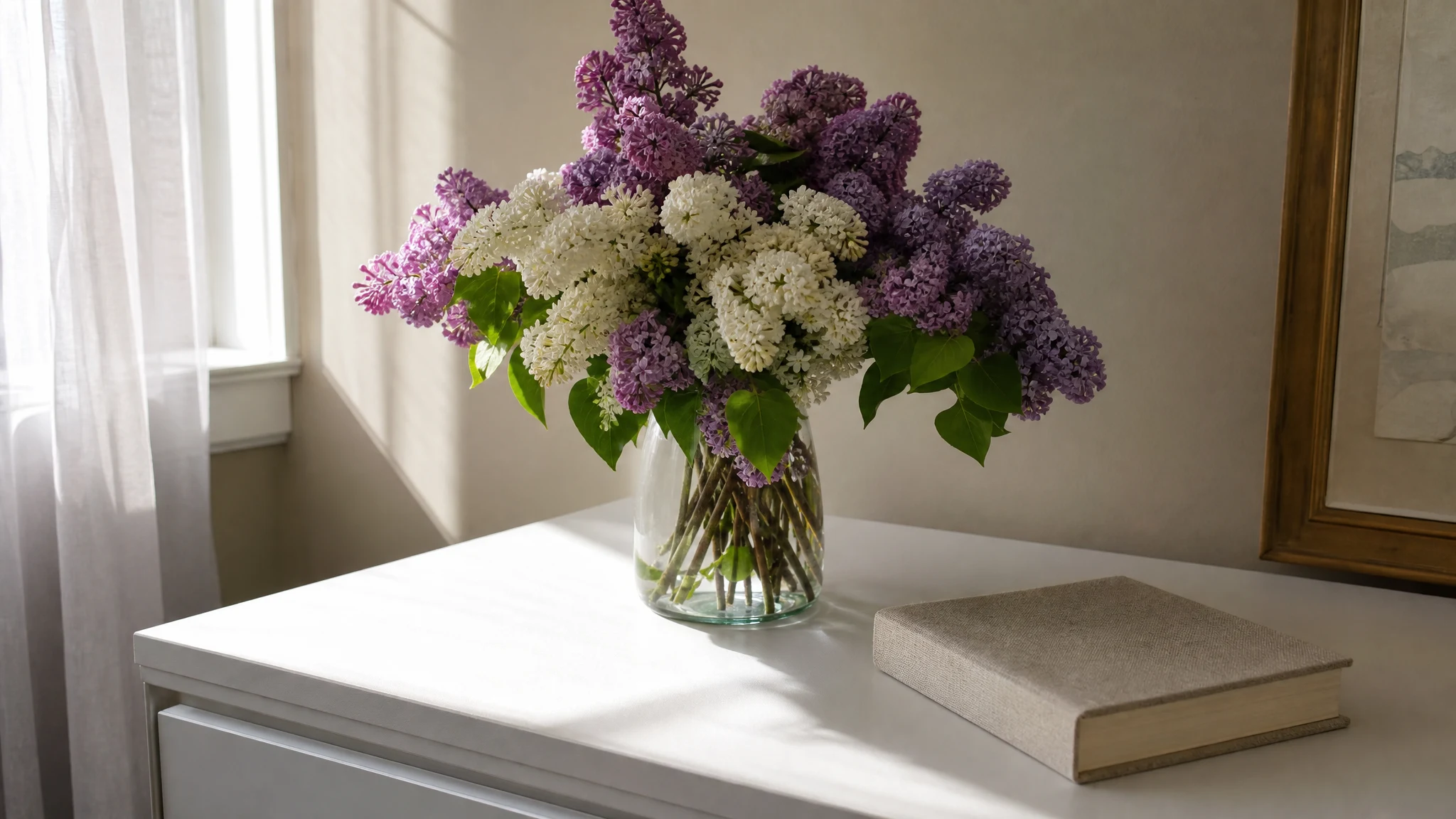
If you have a lilac shrub nearby, or a neighbor who does, the flower teaches you something no description can. Stand beside it in the cool of the morning and the scent may seem soft and almost shy. Walk past in warm afternoon air and you may find it rounder and heavier. Cut a few stems and bring them indoors, and the room fills quickly, though the smell is a little different from the one outside. Paying attention to those shifts is exactly what a perfumer does, only with more patience and better tools.
Listening to the living flower
What changed the craft in the twentieth century was the ability to analyze the air around an intact flower rather than a crushed one. The Associated Press described the technique in a 2004 article about International Flavors and Fragrances: a glass globe goes over a blooming flower, a retractable needle sits close without touching, the scented air immediately around the flower is collected for about 30 minutes, and a computer builds a profile that perfumers can recreate with synthetic molecules that match those found in nature. That article is about roses and does not mention lilac, so it shows how reconstruction works rather than how any particular lilac perfume was made. Still, it explains the logic well: you smell what the flower actually releases, not what its petals contain.
The target turns out to be moving. A 2016 study sampled the scent of nine lilac species and varieties and found real differences between them, with beta-ocimene above 70 percent of the floral scent in three, including the common lilac cultivar 'Bright Centennial'. Detached flowers left to dry gave off mostly alcohols. So a perfumer rebuilding lilac is choosing a target, which lilac, fresh or cut, at what hour, and then composing toward it. There is no single formula to copy.
The molecules everyone talks about
The compounds most tied to the lilac character are the lilac aldehydes. A 2021 review in Molecules calls them the principal olfactory molecules of lilac flowers, says they were first isolated in 1974 from an oil of lilac flowers (Syringa vulgaris), notes that the naturally occurring (5'S) forms have odor thresholds one to two orders of magnitude lower than their mirror-image (5'R) forms, and states that synthetically prepared lilac aldehydes are used almost exclusively in perfumery. In plain English, the key lilac molecule is usually made in a laboratory, and the natural version is far more potent per drop. Our post on the molecules behind the bloom goes further into that.
We have kept to what can be checked and left out the famous names, dates and perfume houses that float around many lilac histories. They make a good story, but a story is not a source.
Why we love a composed lilac
We are fond of the idea that a scent can be a careful reading of a flower instead of a copy of it. Think of a portrait painter and a photographer: both leave you with a likeness, but the painter chooses what to emphasize. A composed lilac does something similar. It keeps the parts that make you stop in the yard, the sweetness, the powdery softness and the green stem, and lets the rest go. When you open a bottle, we invite you to look for those parts one at a time before you decide whether the whole feels right.
Where our oil fits
Our Lilac Blossom Oil is a composition of botanical extracts and infused aromatics, built to be faithful to the common lilac, and we do not publish a formula. We describe the aroma as soft, powdery and springlike, with fresh purple florals, green stems, a hint of almond sweetness and a clean musky base. That places it squarely in the tradition above, a reading of lilac rather than a distillate of it. The Certificate of Analysis we publish for one batch lists appearance, smell, relative density, refractive index and optical rotation, and no ingredient list, so if you need more detail for a formula or a label, please ask us in writing through the contact page before you order.
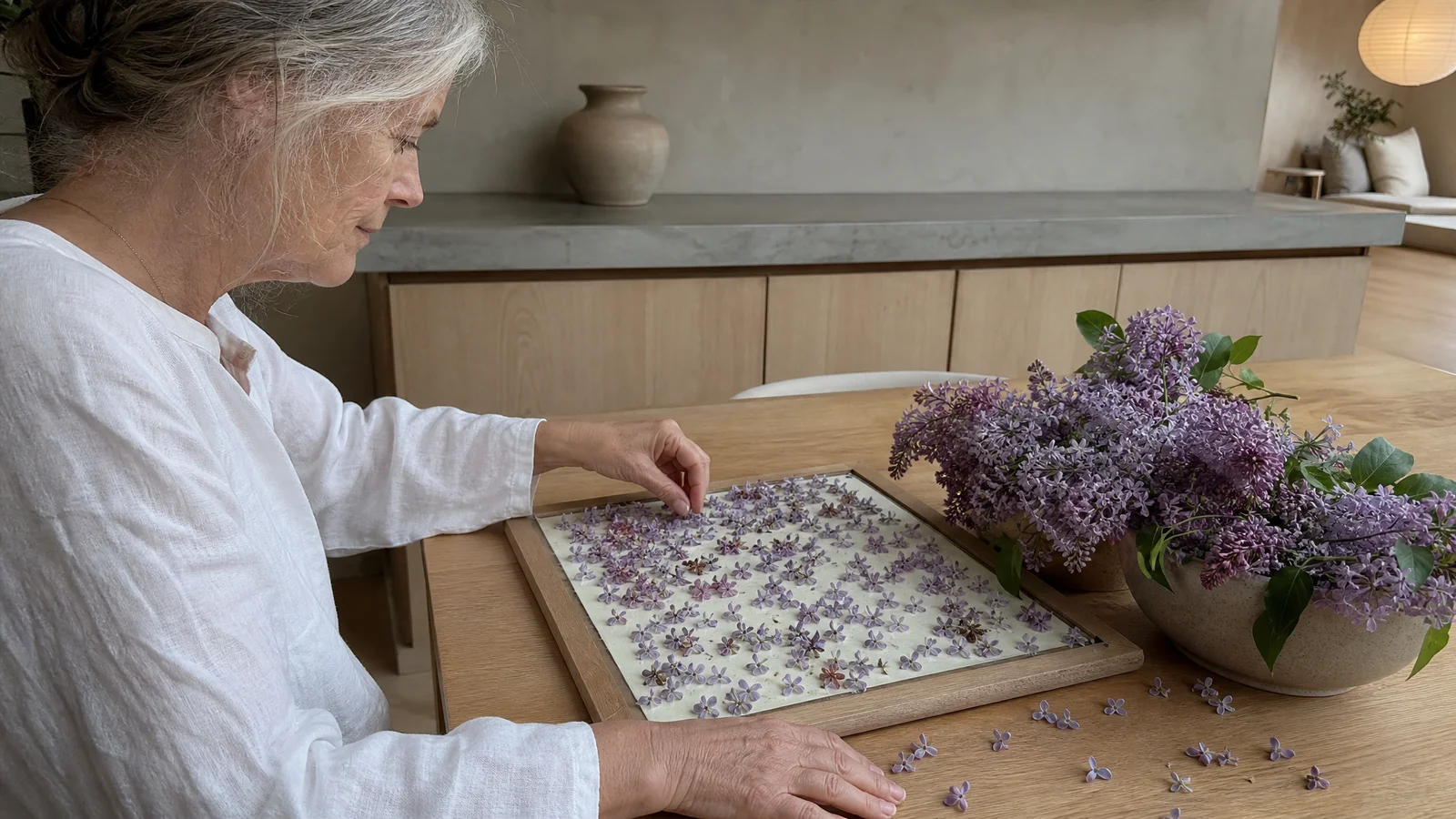
The best way to appreciate all this is to do it yourself: smell a cut lilac cluster in May, then smell a lilac scent from a strip a few minutes later. What does lilac smell like offers a plan for doing that properly, and lilac in memory and meaning explores why the scent means so much to people.
A small way to follow the story
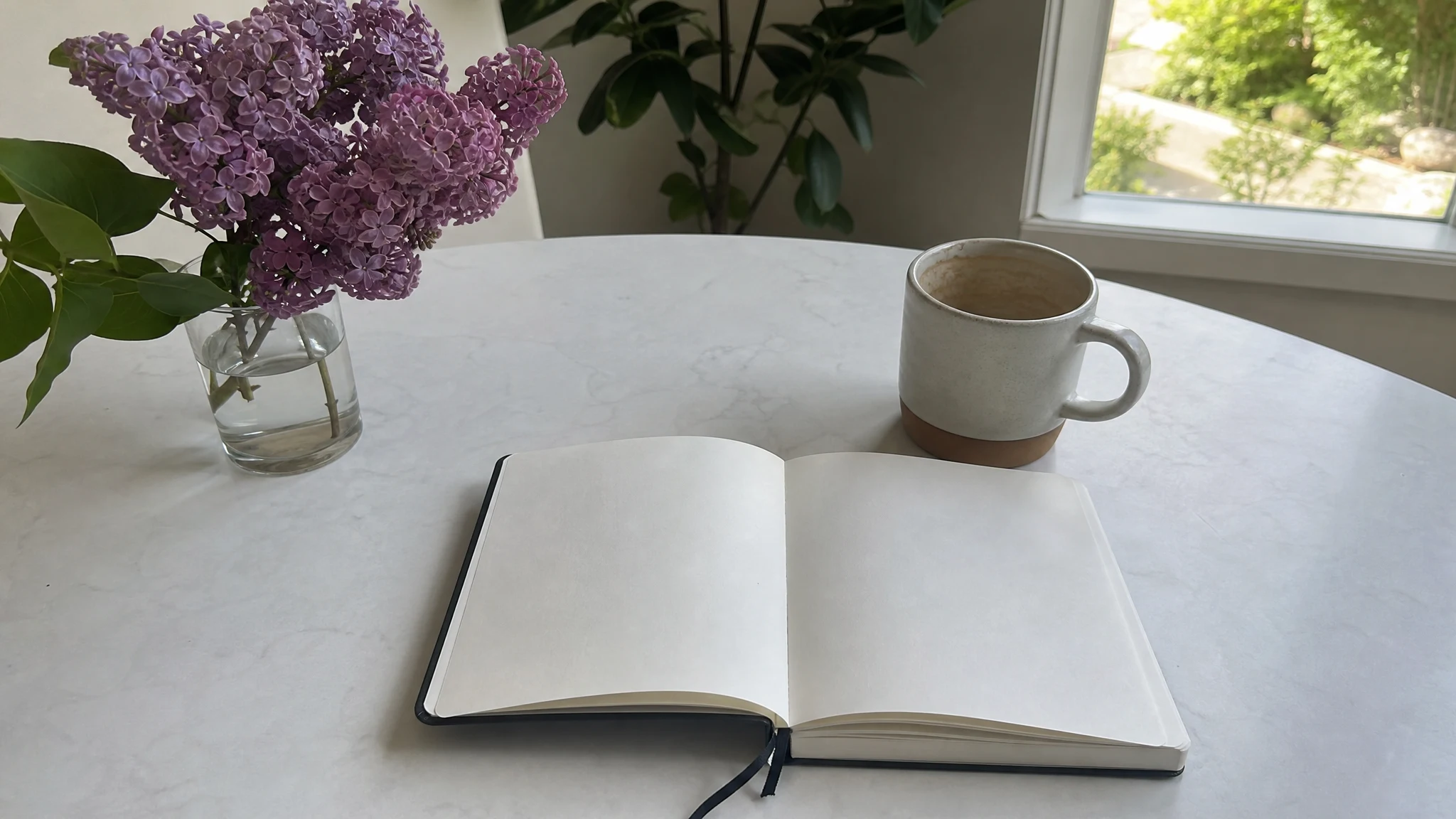
If this history has made you curious, try keeping a simple scent diary through lilac season. Each time you meet a lilac, in a garden, a florist's bucket or a bottle, write a line or two: where you were, how strong it was, and which words came to mind first, sweet, green, powdery or something else. After a few weeks you will notice that your own words begin to repeat, and those repeated words are your personal lilac profile.
Lilac has never been captured so much as translated, and the translations are still some of the loveliest things in perfumery.
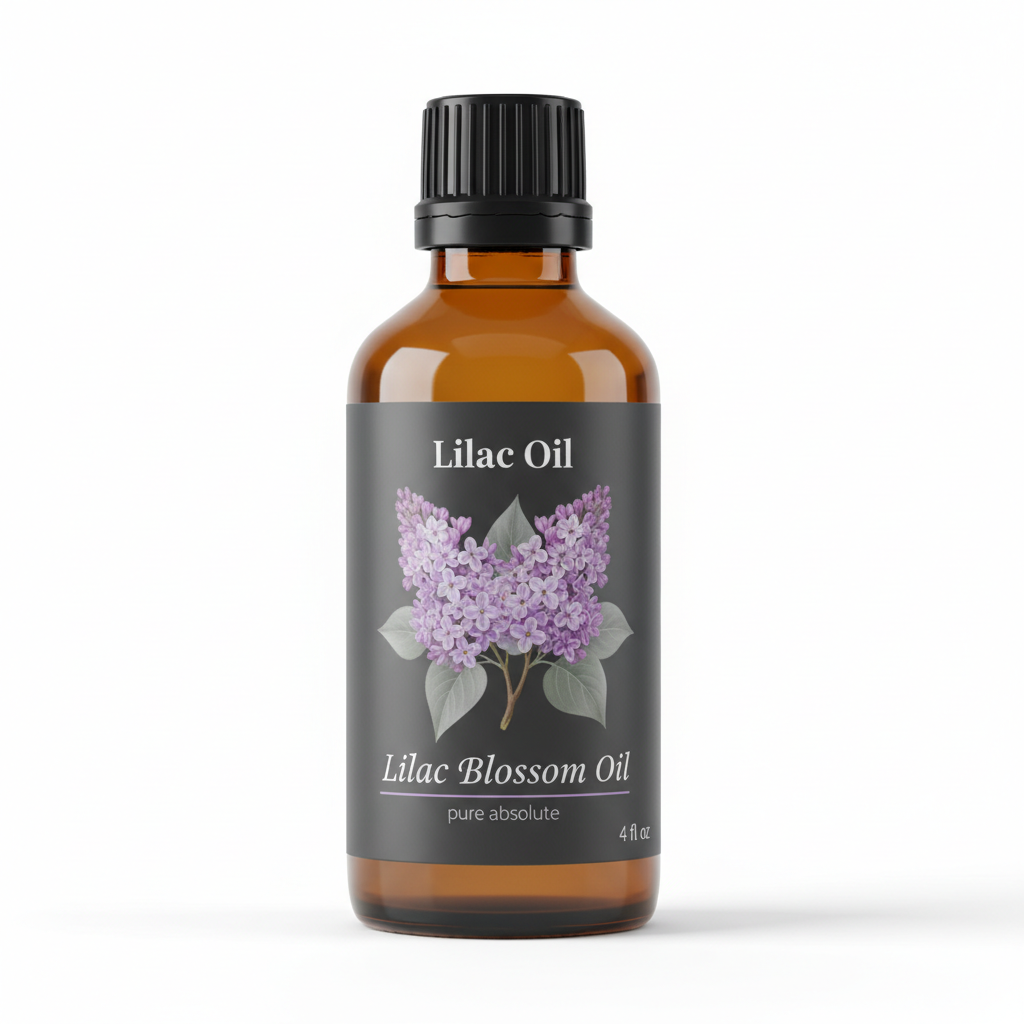
Lilac Blossom Oil
Lilac Blossom Oil from our own shop, in sizes from 0.5 oz to bulk.
From $15.99
Shop Now →Sources & Further Reading
- Tendance Parfums, Lilac perfume: guide and best picks
- Yang et al., Analysis of floral scent emitted from Syringa plants, Journal of Forestry Research (2016)
- Dacho and Szolcsányi, Synthesis and Olfactory Properties of Seco-Analogues of Lilac Aldehydes, Molecules (2021)
- Associated Press (Lawrence Journal-World), Living flower technology makes rose perfume actually smell like a rose