Short Lilac Season? Four Ways to Enjoy the Bloom
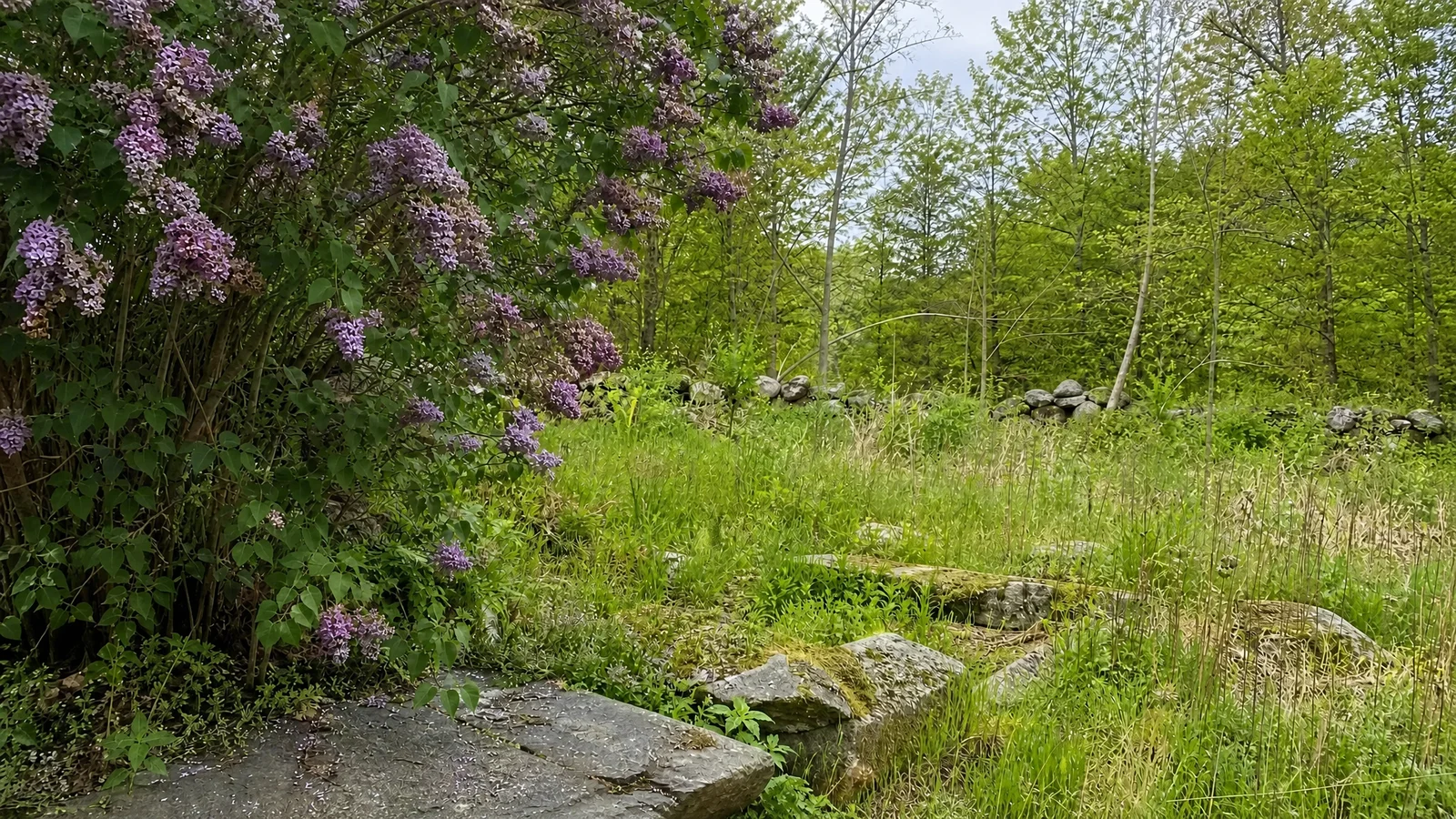
Lilac gives you a short, generous window and then it is gone. One week the shrub is a haze of purple and the whole yard smells of it, and not long after the clusters are brown. People have been trying to hold on to that window for as long as there have been lilacs, so it is worth knowing what is worth doing with it.
Your season depends on which lilac you have
"Lilac season" is not one date. The Central Experimental Farm in Ottawa sorts its lilacs by bloom time, and the spread is wide: early types usually start in the second week of May, mid-season ones in the last half of May, late ones in the first week of June and very late ones in the second week of June (Lilacs in the Ornamental Gardens - By Blooming Period). NC State's plant guide places common lilac, Syringa vulgaris, in a "spectacular mid- to late-spring bloom" and lists the flowers as highly fragrant (Syringa vulgaris (Common Lilac, English Lilac, French Lilac), North Carolina Extension Gardener Plant Toolbox).
The practical lesson is that a gardener who plants more than one type can stretch the pleasure over several weeks. Your local extension office will know when your own bushes usually open, because it shifts with latitude and with each year's weather. Our post on the most fragrant lilac varieties is a good companion for choosing.
Four things worth doing while it lasts
- Smell the bush more than once. The scent of a lilac is a changing mixture, and one study of nine Syringa species and varieties found that in S. pekinensis it shifted across the day (Analysis of floral scent emitted from Syringa plants). That is a different species, so treat it as a reason to try a morning and an evening sniff and decide for yourself. We go deeper in why lilacs seem to smell stronger on some days.
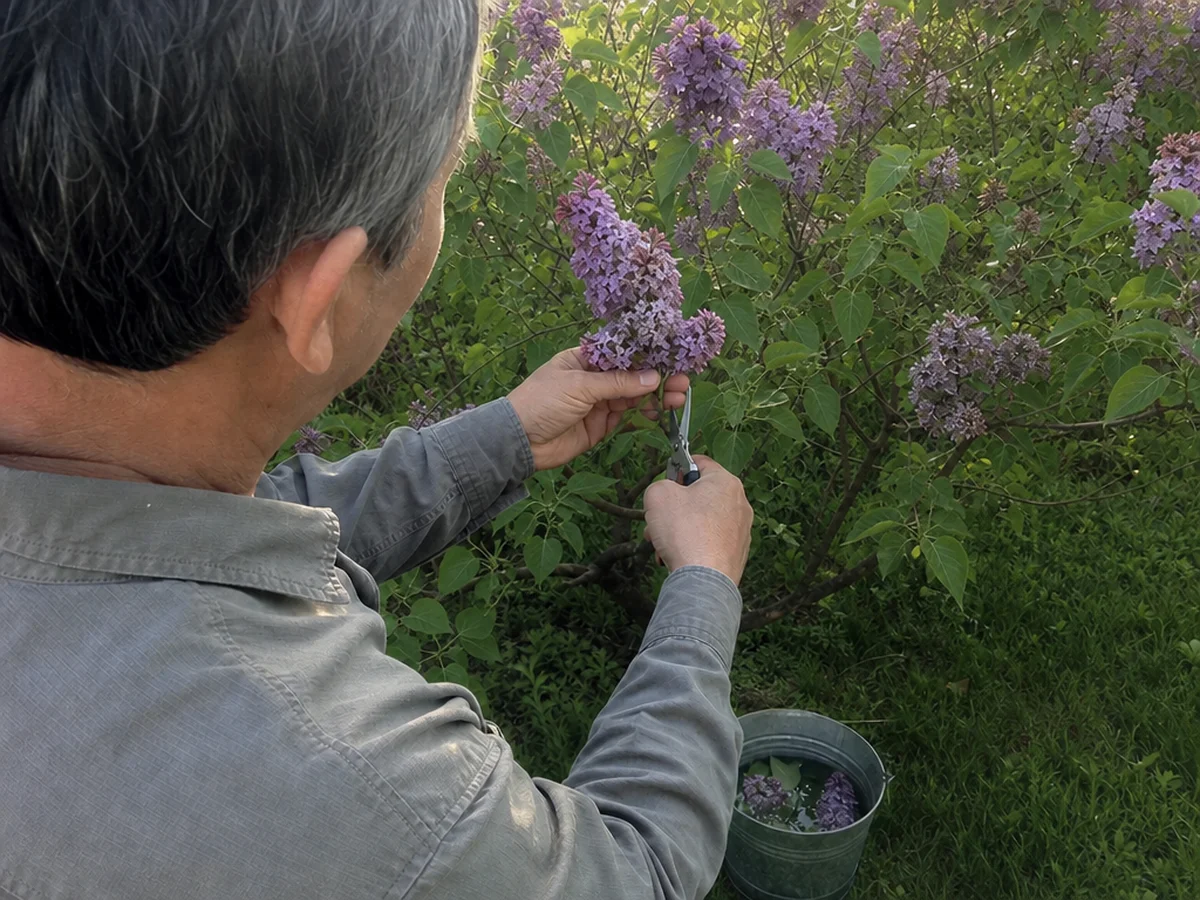
- Cut a few stems for the house. NC State says lilac makes excellent cut flowers. The same scent study followed detached 'President Lincoln' flowers as they dried, and what they gave off was dominated by alcohols, which is a hint that a drying cluster is not a preserved copy of a fresh one. Enjoy the vase while it is fresh.
- Note which clusters you love most. A few quick notes now (colour, height, how far the scent carries) are worth more next spring than any memory.
- Take your photographs early. Fresh clusters are at their fullest when the first florets have just opened, so a first morning of good light is worth a few minutes before anything else.
A little ritual for the first warm morning
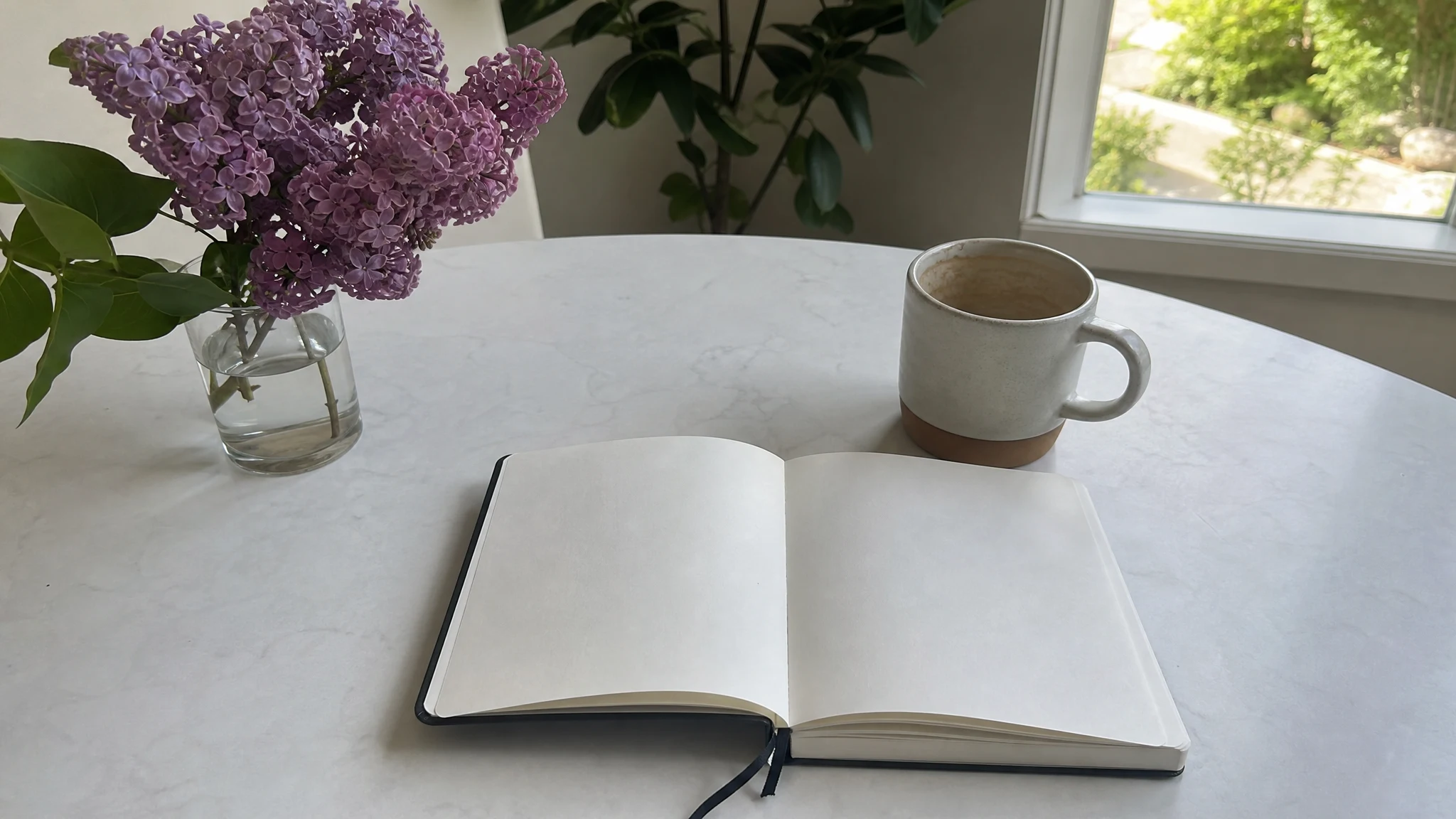
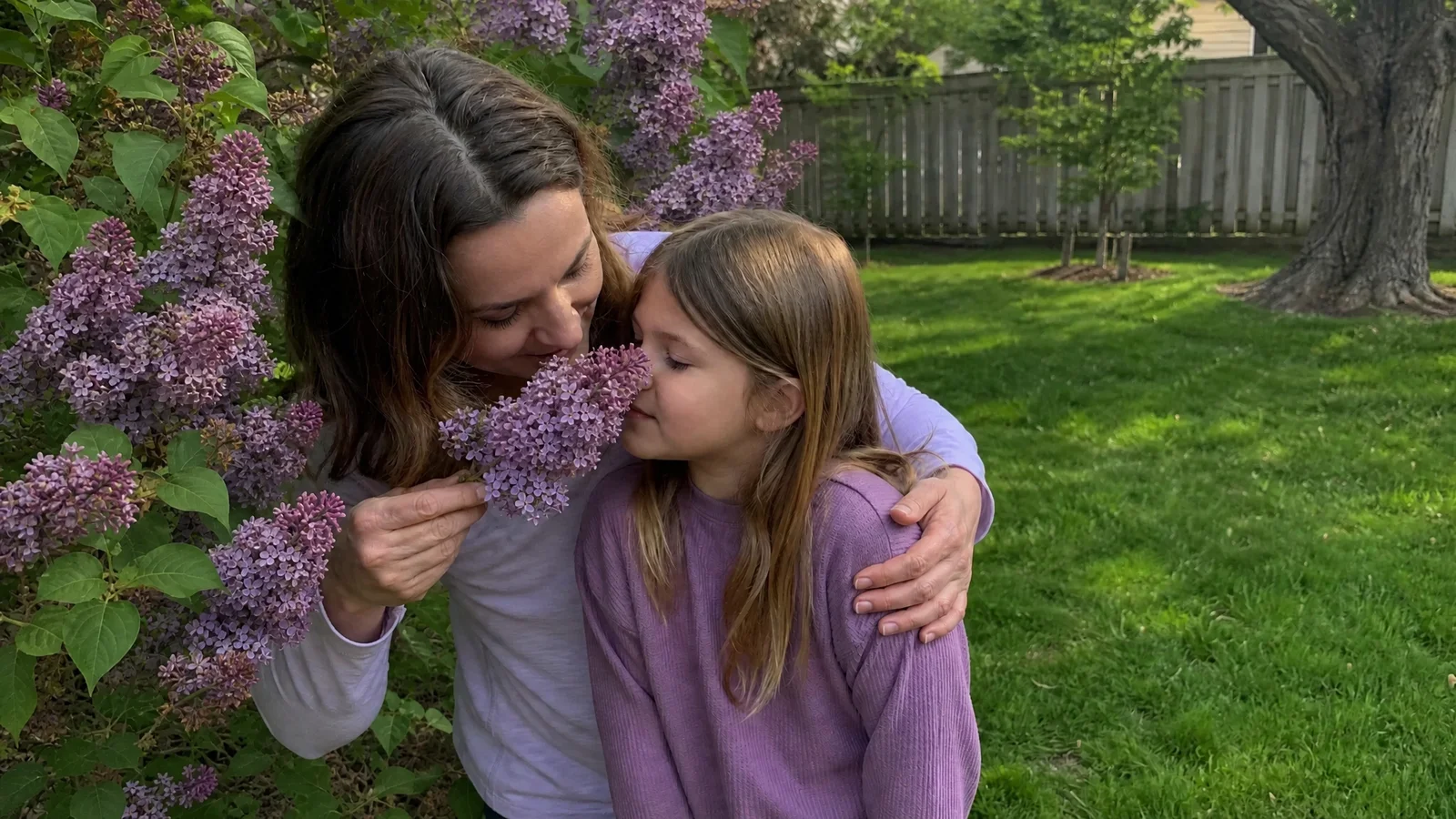
Pick a morning when you have nowhere to be. Walk to the bush with a cup of something warm, stand a step back and let the scent find you before you lean in. Then lean in. Notice whether it reads sweet, green or powdery to you, because everyone's nose files lilac under a slightly different heading.
If you do not have a bush of your own, ask a neighbor or find a public garden; lilacs are generous plants, and plenty of gardens have a hedge worth visiting. Go back in a week and see how far along the clusters are. You are collecting a memory, which is the real prize of a short season.
Why we do not suggest bottling the bloom at home
The urge to capture the bloom is understandable. But lilac is one of the flowers that does not give up an oil. A perfume guide from Tendance Parfums says lilac clusters do not release enough essence to be distilled cost-effectively, and that perfumers recreate the scent by blending natural and synthetic materials (Lilac perfume: guide and best picks). That is why there is no true lilac essential oil, a story we tell in why there is no true lilac essential oil.
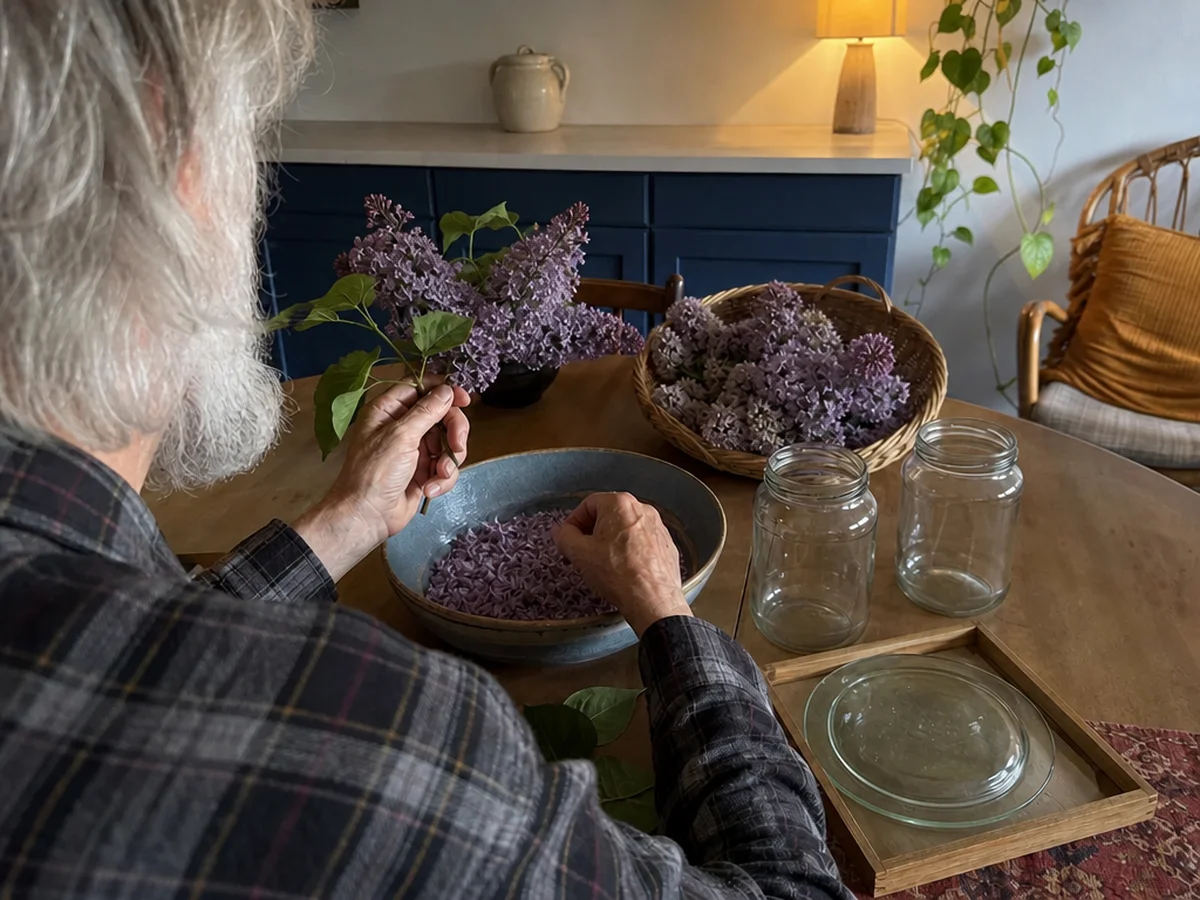
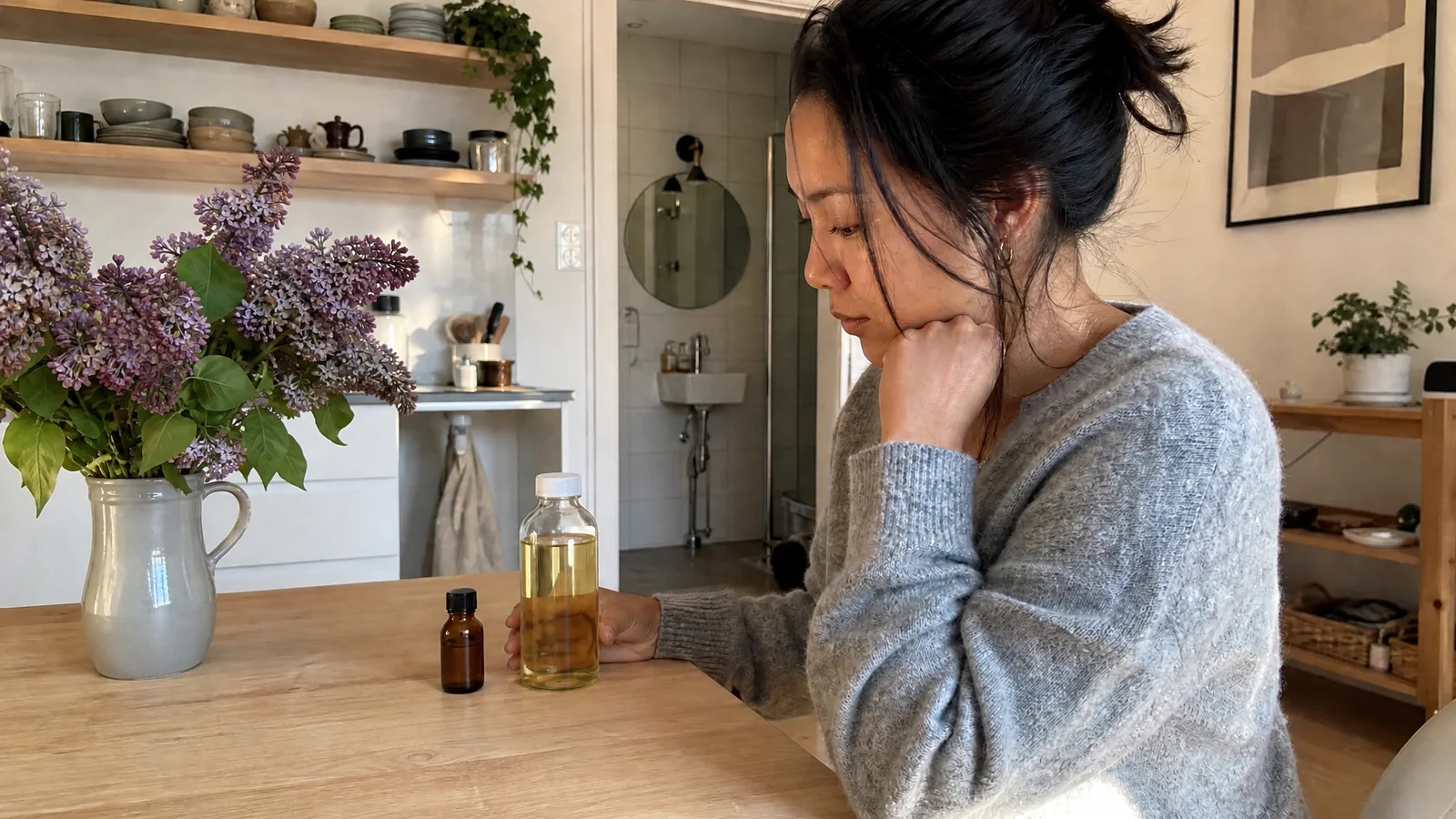
Steeping fresh blossoms in oil at home is the usual shortcut, and it needs care. The CDC's guidance is to refrigerate homemade oils made with garlic or herbs and to throw them away after 4 days (Botulism Prevention). The page names garlic and herbs, not lilac, so applying it to flowers is our reading of it, but it is a cautious one: if you try it, treat the oil as a short-lived kitchen project, not a perfume to keep on the shelf.
What a bottle gives you after the window closes
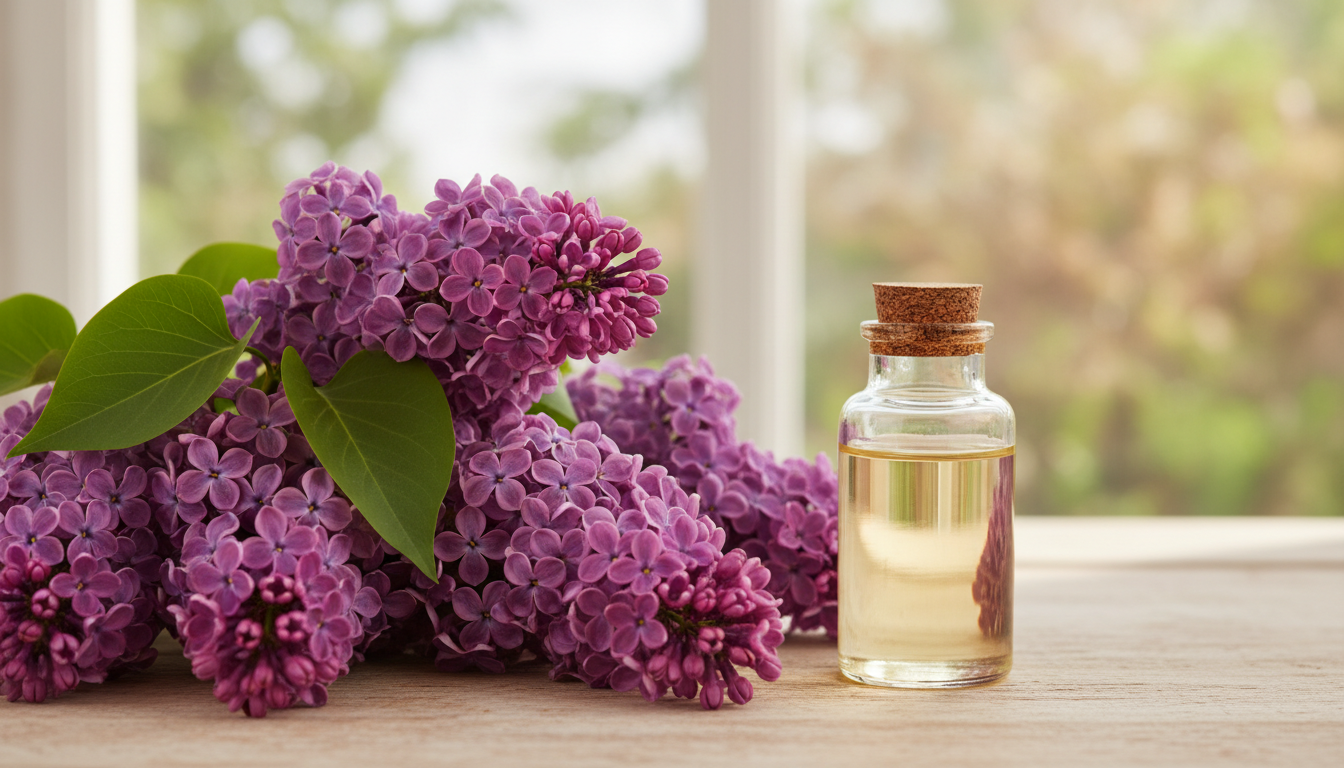
Our Lilac Blossom Oil is a composition of botanical extracts and infused aromatics, built to be faithful to the flower. We describe the aroma as soft, powdery and springlike, with fresh purple florals, green stems, a hint of almond sweetness and a clean musky base, and it sits as a heart note. It is an interpretation of the bush, not a recording of one morning, and that is how perfumers have always handled lilac. If you plan to make candles, sprays or other scented goods for the season, our post on planning a spring lilac collection works back from a launch date.
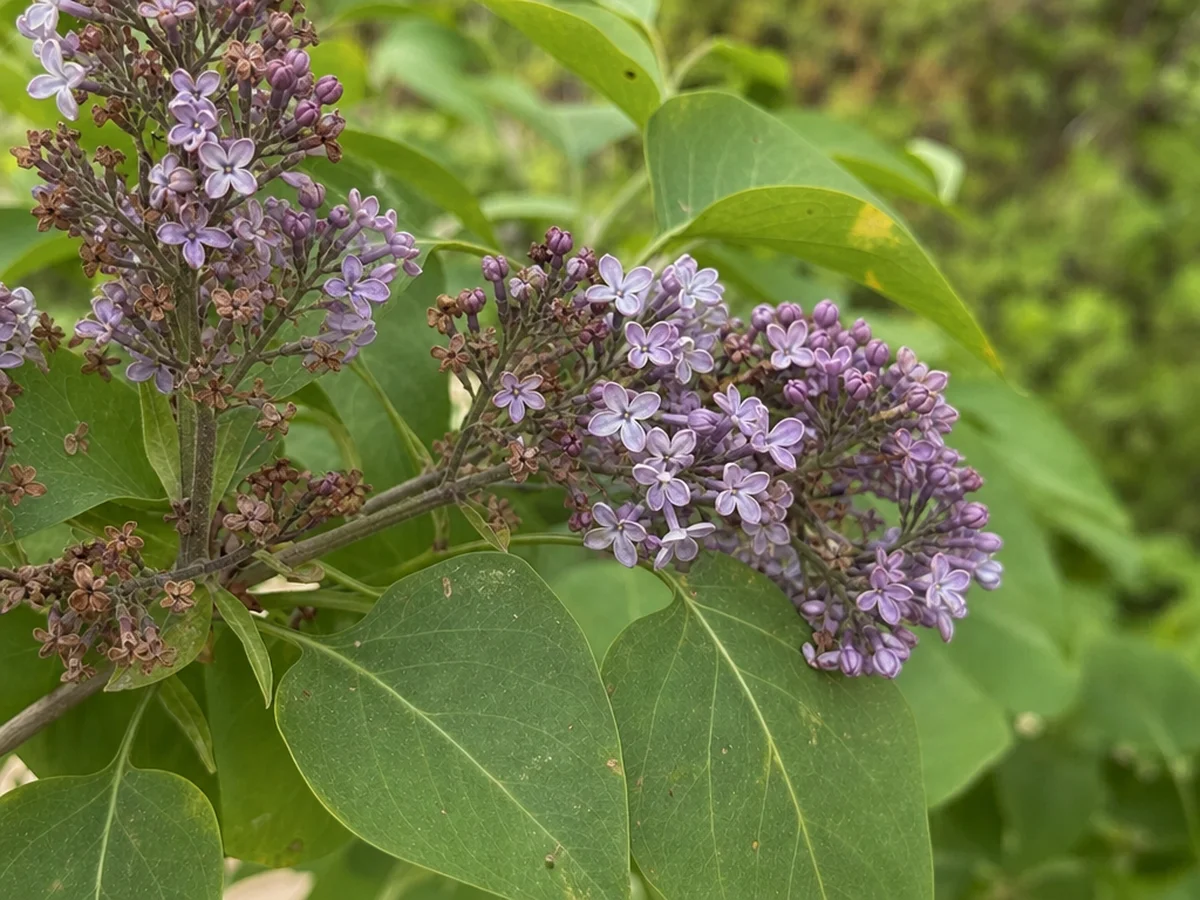
A word for sensitive noses: NC State notes that the common lilac's pungently sweet fragrance can be overpowering to some people, so a smaller vase in a bigger room is a gentle way to start.
So the plan is simple. Go out on a good morning, smell the bush properly, cut a few stems, take the photographs, and let the rest of the season be about looking forward to next year.

Lilac Blossom Oil
Lilac Blossom Oil from our own shop, in sizes from 0.5 oz to bulk.
From $15.99
Shop Now →Sources & Further Reading
- Lilacs in the Ornamental Gardens - By Blooming Period, Friends of the Central Experimental Farm. friendsofthefarm.ca
- Syringa vulgaris (Common Lilac, English Lilac, French Lilac), North Carolina Extension Gardener Plant Toolbox. plants.ces.ncsu.edu
- Yang X, et al. Analysis of floral scent emitted from Syringa plants. Journal of Forestry Research, 2016. journal.hep.com.cn
- Lilac perfume: guide and best picks, Tendance Parfums. tendance-parfums.com
- Botulism Prevention, CDC. cdc.gov