Lilac Scent for a Grandmillennial Home: Soft and Nostalgic
Picture a room where a floral chintz armchair sits beside a modern sofa, a blue and white ginger jar holds the lamp, and a grandmother's embroidered linens are folded in the cabinet. Now ask what that room should smell like. Lilac, soft and powdery and a little old-fashioned, is a very natural answer, and it is worth understanding why before you reach for a bottle.
What grandmillennial actually means
Livingetc defines grandmillennial style as "modern-day design co-existing with retro elements," a mix of inherited and secondhand pieces with newer furniture (2020 Interiors Trend: Grandmillenial Is A Modern Take on Granny Chic, Livingetc). House Digest describes it as embracing traditional design elements and presenting them in a fresh way, and lists large florals, blue and white porcelain, chinoiserie, toile and fringe as typical ingredients, a deliberate counterweight to sleek minimalism (Everything You Need To Know About Grandmillennial Home Design, House Digest).
Notice what is missing from those descriptions: scent. The florals are prints, wallpaper and china, things you look at. That leaves the nose free, and it is the opening for a fragrance that suits the mood without competing with the pattern.
Why lilac suits the room
We describe our Lilac Blossom Oil as soft, powdery and springlike, with fresh purple florals, green stems, a hint of almond sweetness and a clean musky base. That reads as an heirloom scent, the sort of thing that belongs in a drawer of folded linens, and it sits at a quiet volume. A perfume retailer places lilac most often in the heart of a fragrance, as a relatively volatile heart note (Lilac perfume: guide and best picks, Tendance Parfums). We call ours a heart note as well, so the pairing makes sense on paper: a gentle floral for a room full of visual florals.
Our oil is a composition of botanical extracts and infused aromatics, built to be faithful to the common lilac in bloom, not a distillate of the flower. Its job is to evoke the bloom, and an evocation is exactly what a style built on nostalgia asks for.
Start with the quietest corner
If you are new to scenting a room, resist the urge to do the whole house at once. Pick one corner, the hall table or the shelf by the armchair, and live with it for a few days. Lilac is gentle enough that you will notice it when you walk in and forget it when you settle down, which is exactly how a background scent should behave in a room that already has plenty to look at.
Walk past the spot a few times at different hours. Morning light and an open window change how a floral reads, and so does a freshly vacuumed rug. You will learn where the scent wants to sit before you commit to anything bigger.
Where it fits, format by format
This is reasoning from how the formats work, not a claim about any one room.
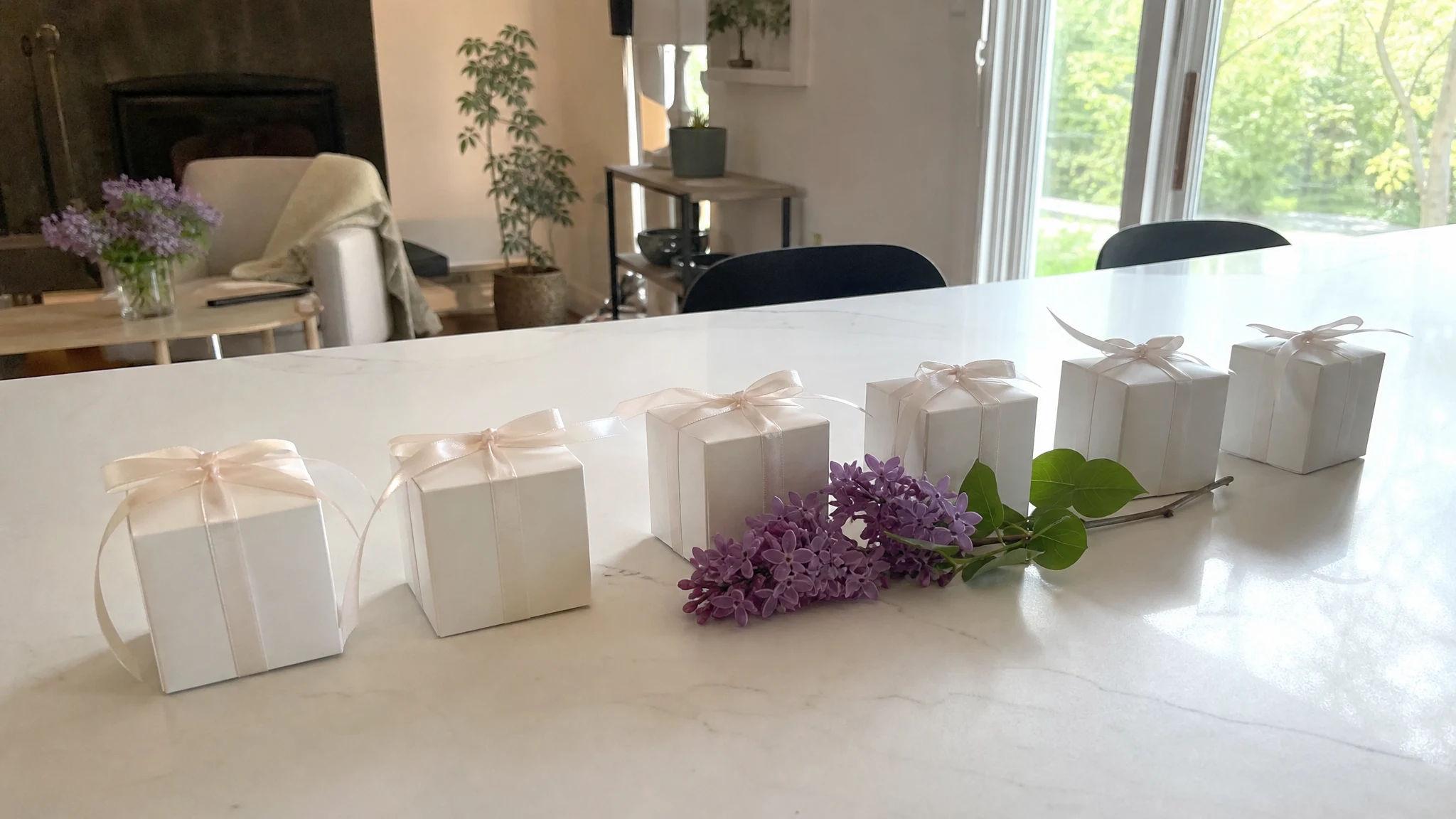
- Drawers and linen closets. A fabric-adjacent format suits a style built around heirloom cloth. Sachets put the oil on a dry carrier instead of on the cloth, which avoids oil marks, and our sachet and potpourri post walks through the idea. A water-based linen spray is another route, with a preservative and a test step.
- Shelves and side tables. A reed diffuser is the quiet option and pairs happily with a porcelain jar. Place it high, away from small children and pets, as our reed diffuser post explains.
- Candles and wax melts. Lovely in a vintage-leaning room, with a few documents to gather first. Our wax melt post covers them.
Because lilac is a soft floral, the trade-off is volume against delicacy. In a large open room it will sit politely in the background, so a smaller room, a hallway, a bedroom corner or a closed cabinet is where it shines. Rather than reaching for more oil, move the scent closer to where you will be.
Match the scent to the things you already love
Think about the objects in the room: the worn linen, the painted porcelain, the old books. Lilac sits comfortably beside them because it is soft and a little powdery, never loud. A good test is to ask whether you would be happy to smell it in a drawer of folded tablecloths. If the answer is yes, it will probably feel right on a shelf too.
Sizing it for a room, not a trend
Lilac is a seasonal flower with a long cultural memory, which is part of its charm in a nostalgic home. If your plan is to refresh a room each spring, a small bottle goes a long way, as our dilution chart shows for skin and craft projects. For a closer comparison with another old-fashioned spring floral, see lilac against hyacinth.
A few practical words. Our oil is for external aromatic and cosmetic use, never for internal use. Keep it away from eyes, children and pets, and dilute to 0.5 to 2 percent in a carrier oil before it touches skin, starting low and patch testing first. Someone with a known fragrance allergy, a household with pets or a nursery should check with a dermatologist, veterinarian or pediatrician before scenting a space, and our pets article gathers the veterinary evidence we found.
A small spring ritual
Many people like to change the scent of a home with the seasons, and lilac makes an easy spring marker. When the first real lilacs open in your neighbourhood, set out your scented drawer sachet or reed diffuser, open a window, and let the indoor and outdoor versions meet. Put it away when the bloom fades, and it will feel like an event again next year.
The best reason to scent a vintage-leaning room with lilac is the simplest one: it smells like the room looks, soft, familiar and a little bit loved.
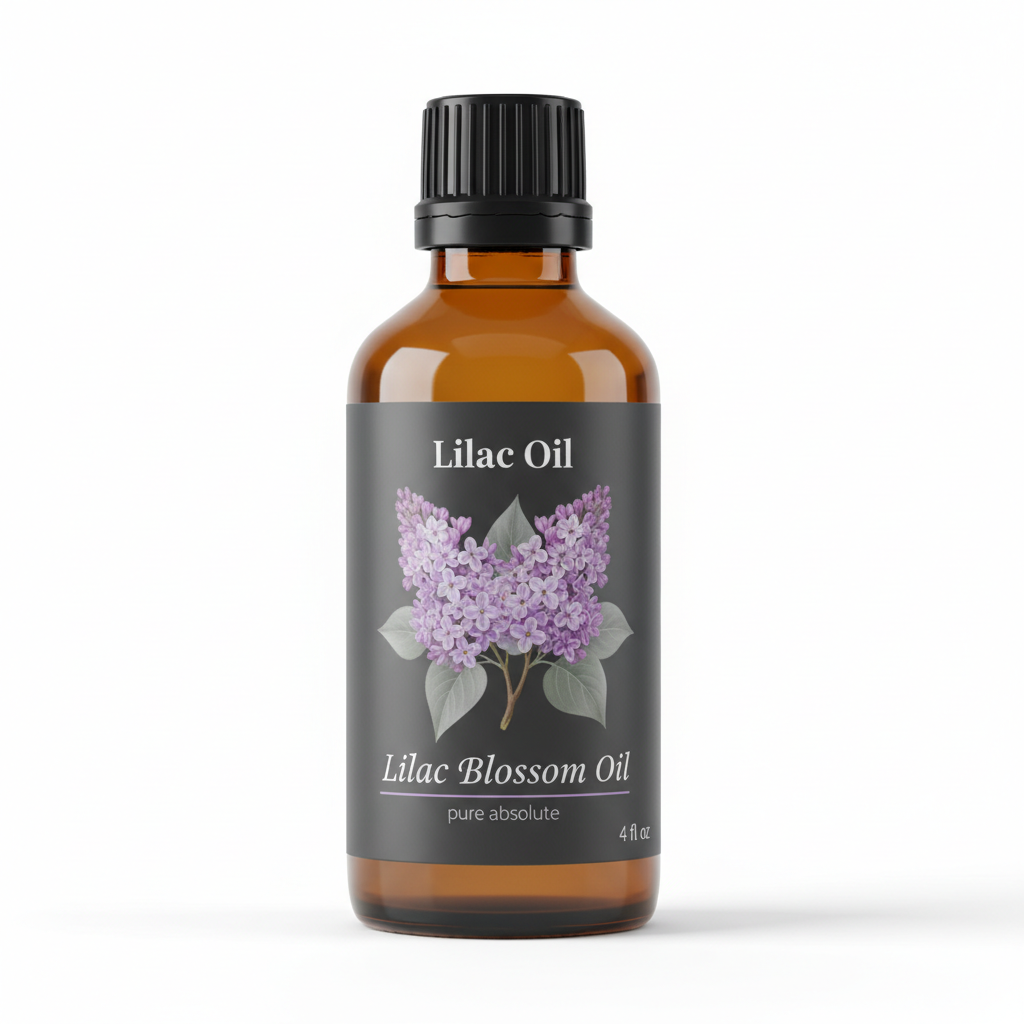
Lilac Blossom Oil
Lilac Blossom Oil from our own shop, in sizes from 0.5 oz to bulk.
From $15.99
Shop Now →Sources & Further Reading
- 2020 Interiors Trend: Grandmillenial Is A Modern Take on Granny Chic (Livingetc)
- Everything You Need To Know About Grandmillennial Home Design (House Digest)
- Lilac perfume: guide and best picks (Tendance Parfums)