Planning a Spring Lilac Collection: Start in Autumn
Order your lilac sample in autumn, not in March. A spring collection is really a chain of waits: the sample arriving, test batches, a cure, photography. Count backwards from a launch date and the chain is longer than it looks. Planning it early is what lets you enjoy the season instead of racing it.
Anchor on a calendar date, not the bloom
It is tempting to launch the day the lilacs open, but the bloom keeps moving. The EPA's leaf and bloom indicator, built from lilac and honeysuckle observations, reports large year-to-year variability, with dates generally earlier across the North and West and later in much of the South (Climate Change Indicators: Leaf and Bloom Dates). The Central Experimental Farm in Ottawa shows how wide the spread can be within one garden: early lilacs usually start in the second week of May, very late ones in the second week of June (Lilacs in the Ornamental Gardens - By Blooming Period). Even in one place, the same plant can be a few weeks early or late from year to year. The USA National Phenology Network noted that common lilac open flowers in 2012 averaged April 22, the third earliest in a record going back to 1957 (Lilacs showed very early activity in 2012).
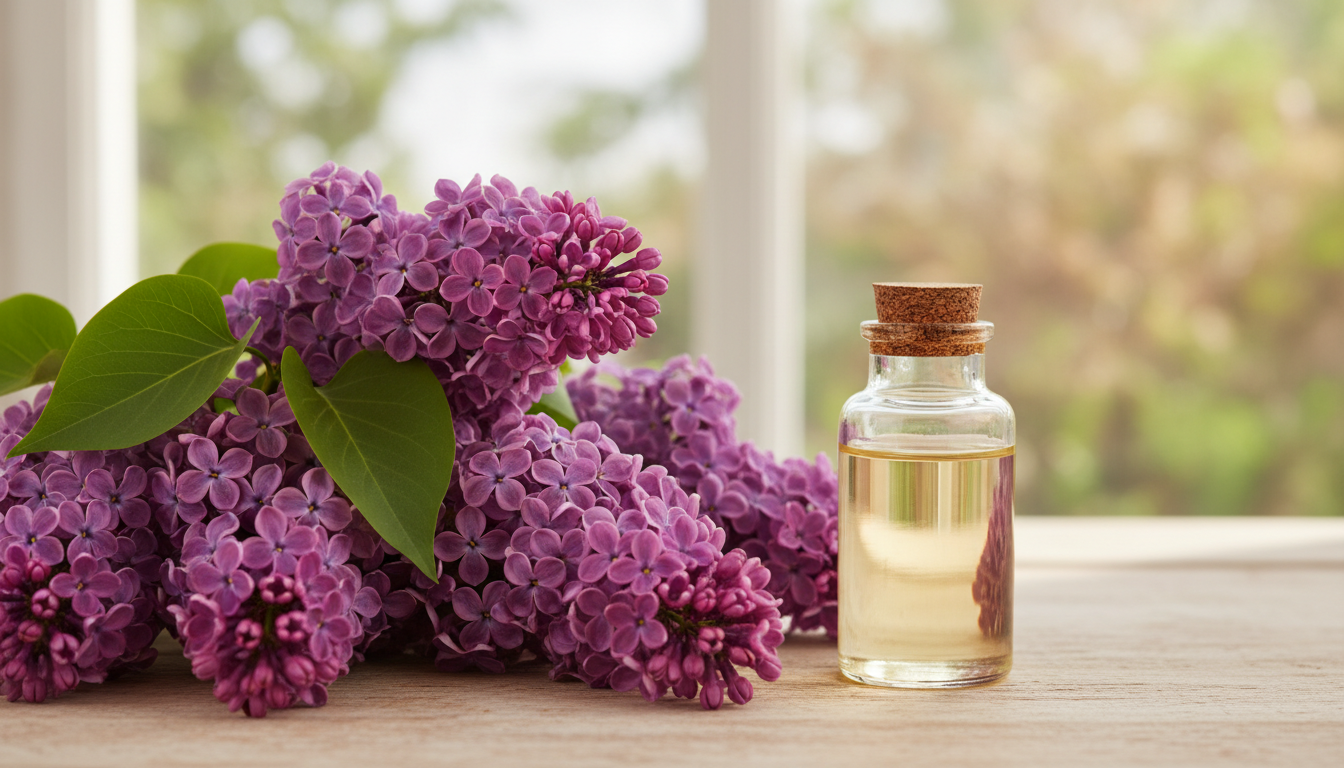
So pick a date you control and let the flowers be a pleasant coincidence. Our post on the most fragrant lilac varieties helps you decide which groups to feature if you want your launch photos to match the bloom.
A worked example: launching on 8 May 2027
The date is only for illustration. The one fixed number we can give is that our orders ship within one to two business days, and bulk orders may need extra handling. The rest is assumption you should replace with real answers: about a week for a sample to arrive, three weeks for a bulk order, and a two-week cure. For that last one, CandleScience reports a two-week cure for the best fragrance throw in Golden Brands 464 soy wax (Golden Brands 464 Soy Wax - CandleScience). That is one wax; use the figure on your own wax maker's sheet.
| Weeks before launch | Task |
|---|---|
| About 27 | Order a sample. Ask us in writing for any documents you will need. |
| 14 | Sample in hand, questions answered in writing. |
| 12 | First small test batch, one fragrance level, two-week cure begins. |
| 10 | Judge batch one, adjust, start batch two. |
| 8 | Judge batch two. Choose the bulk size and place the order. |
| 5 | Production pour or batch. |
| 3 | Cure ends. Photograph and finalize labels. |
| 1 | Listings live and inventory counted. |
| 0 | Launch. |
Why autumn works
Strip the table to the waits you cannot shorten: a week for the sample, two test rounds of two weeks each, a two-week production cure and two weeks for photos and listings. That is nine weeks if nothing goes wrong. Order on 1 March and you have about 9.7 weeks before 8 May, so roughly a few days of slack. Order on 27 October and you have around 27 weeks, which leaves about eighteen weeks to repeat a round, wait on an answer, or simply breathe.
The one cost of ordering early is time in the bottle. We say floral oils typically keep one to two years when tightly capped and stored somewhere cool and dark, so an autumn bottle used in May has spent about seven months of that. Ask us for the best-by on your own lot, since the batch on our published certificate of analysis is one batch.
Keep the collection small and soft
When you plan a spring range, resist the urge to fill every shelf. Lilac is a gentle, powdery floral, and a collection built around it is lovelier when it is edited: perhaps one candle, one melt, one room spray and a favor or two. A small range is easier to test, easier to photograph and easier to explain to someone seeing it for the first time.
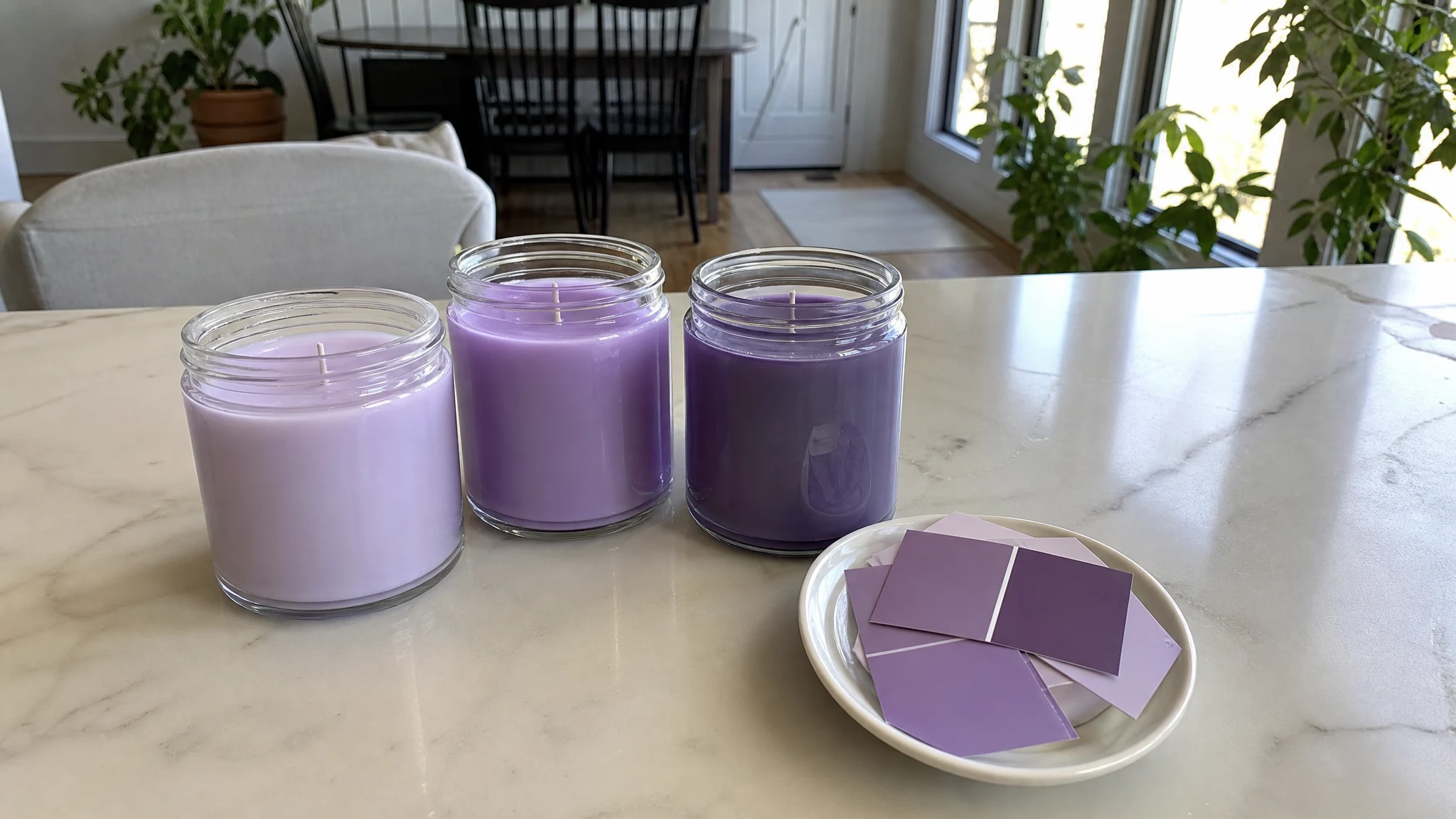
It also helps to decide on the look of the packaging early. Pale purples, soft greens and plenty of white space suit this scent, and choosing labels and jar colors while a test batch cures means nothing is rushed at the end.
Finally, leave one calm week at the end with nothing scheduled. Something always arrives late, and a spare week turns a crisis into an inconvenience.
Little things that save a launch
- Test small first. Florals read softer than heavier musks or woods, and a small test before committing bulk oil is always worth the extra step. Our guide to testing before you buy bulk covers what to look for.
- Ask for candle documents early. If you plan to sell candles, ask us in writing for a flash point, safety data sheet and IFRA statement before you pour for sale.
- Photograph after the cure. A candle photographed soft or wet gets reshot.
- Price while batch two cures. How to price lilac candles helps.
If you are planning wedding favors, the date is fixed by the event, so start from the favors guide. For wholesale quantities, our bulk page has the sizes, and the contact page reaches us for sample bottles.
Early autumn orders feel odd when the lilacs are bare twigs, but that is the point. By the time the first cluster opens, the work is done and you get to look at the flowers.
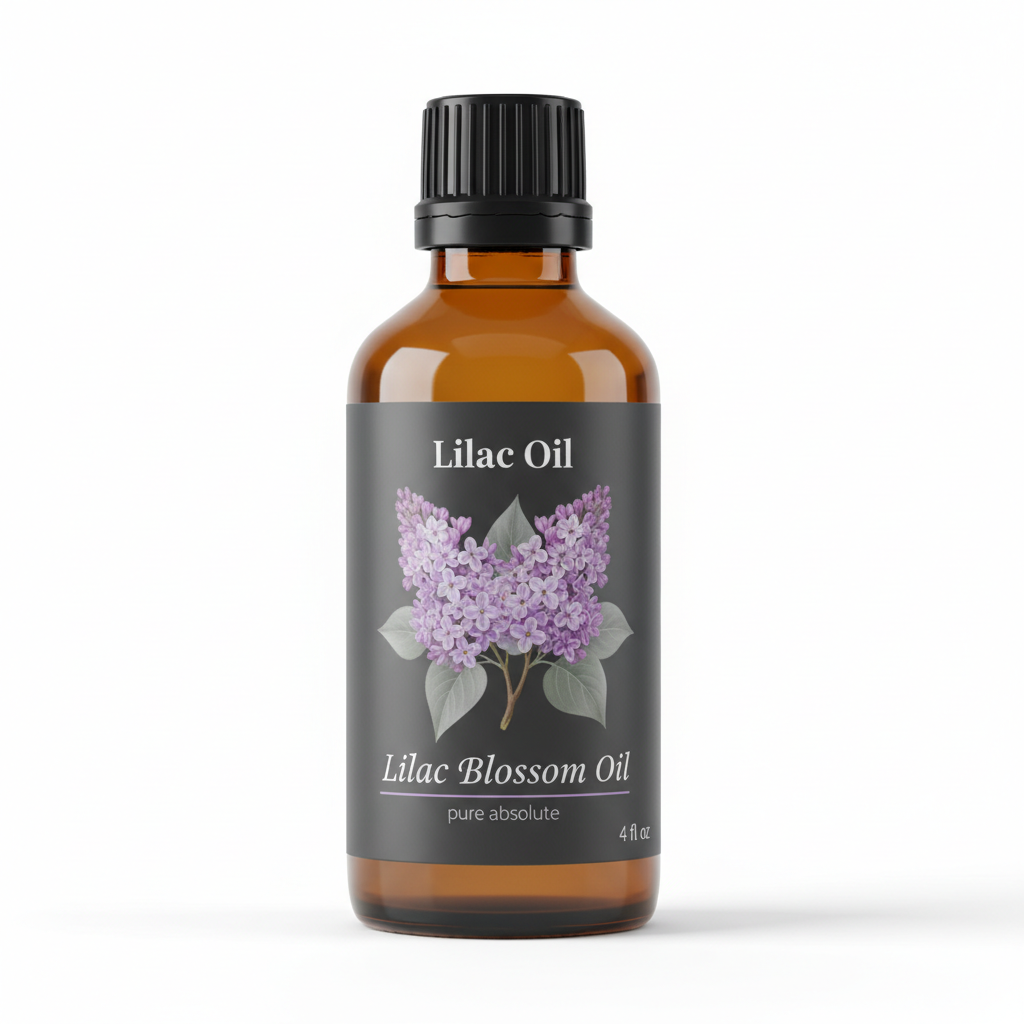
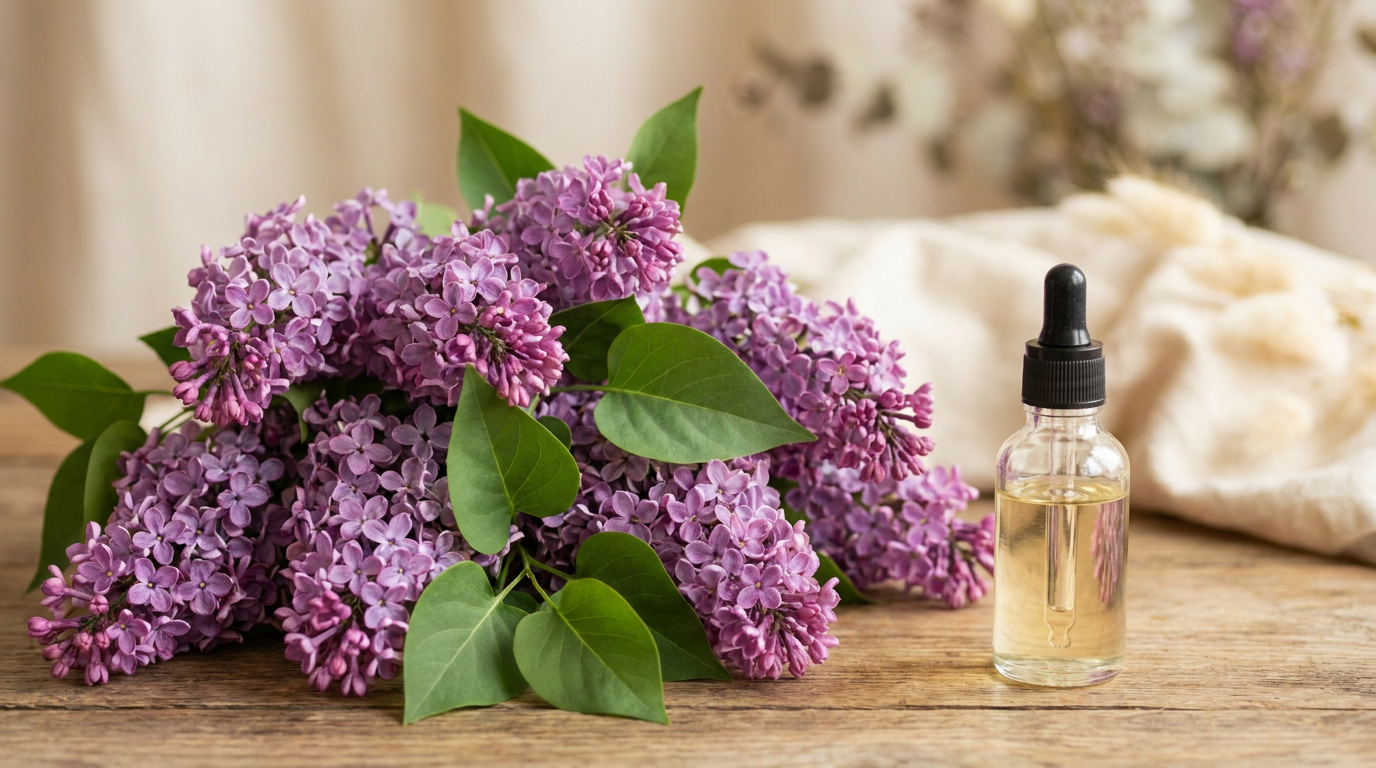
Lilac Blossom Oil
Lilac Blossom Oil from our own shop, in sizes from 0.5 oz to bulk.
From $15.99
Shop Now →Sources & Further Reading
- Climate Change Indicators: Leaf and Bloom Dates, US EPA (archived January 2021). epa.gov
- Lilacs in the Ornamental Gardens - By Blooming Period, Friends of the Central Experimental Farm. friendsofthefarm.ca
- Lilacs showed very early activity in 2012, USA National Phenology Network. usanpn.org
- Golden Brands 464 Soy Wax, CandleScience. candlescience.com