Lilac Candle Pricing: Markup, Margin and Oil Cost
The most common candle pricing mistake has nothing to do with candles. It is adding 50% to your cost and calling that a 50% margin. It is not, and the gap between the two is the difference between a hobby that pays for itself and one that quietly doesn't. Lilac is a good scent to work this through with, because the oil is the one cost line you can steer.
Markup and margin are not the same number
Markup is measured against your cost. Margin is measured against your selling price. Penn State Extension shows the trap with a simple example: add 30% to a 1.00 item, sell it at 1.30, and you have earned about a 23% margin, not 30% (What's the Difference Between Markup and Profit?). If you want a target margin, work backward: price equals cost divided by one minus the margin. A 50% margin means a price twice your cost. A 33% margin means a price one and a half times your cost, which is what a "50% markup" really gives you.
Count everything that goes into one candle
Wax, wick, jar, lid, label, fragrance, shipping carton and your own time all belong in the cost of a candle, along with a small share of what keeps the business running. Leaving out labor because the labor is yours is the second classic mistake. Your time is a real cost the moment you want to stop doing this for free.
Here is an illustration with made-up numbers in whatever currency you use. Say an 8 oz candle (226.8 g of wax) carries 1.00 of wax, 0.50 of wick, 3.00 of jar and lid, 0.50 of label, 5.00 of labor and 1.00 of overhead. Everything except the oil comes to 11.00.
The fragrance line, worked from grams
Fragrance load is a percentage of the wax weight, and the right figure comes from your wax maker. As one example, CandleScience recommends 6% to 9% for its EcoSoya CB-Advanced soy wax and a cure of at least three days (Lab Notes: EcoSoya CB-Advanced Soy Wax - CandleScience). On 226.8 g of wax that is 13.6 g of oil at 6% and 20.4 g at 9%.
To turn grams into money, one ounce of our oil is about 28.8 g (the density on the Certificate of Analysis we publish for one batch is 0.973, and an ounce is 29.57 ml). So the oil in one candle costs the load times the wax weight, divided by 28.8, times your price per ounce. Our shop page carries the current price for each size. For the sake of the illustration, suppose the oil costs 10.00 an ounce:
| Load | Oil per candle | Oil cost | Total cost | Price for a 50% margin |
|---|---|---|---|---|
| 6% | 13.6 g | 4.72 | 15.72 | 31.44 |
| 9% | 20.4 g | 7.08 | 18.08 | 36.16 |
Look at what moved. Going from 6% to 9% added a third to the oil bill and took the oil from under a third of the candle's cost to nearly two fifths. That is why the load matters so much to pricing. A candle that performs well at 6% is a better business than one that needs 9%, and the only way to learn which you have is to test, which is why we like the approach in testing before you buy bulk. Our post on wick sizing for lilac soy candles is the other half of that test, since wick choice changes how much fragrance a candle can carry.
From cost to a shelf price
Using the 6% row, a 50% margin puts the candle at 31.44. A 50% markup lands at 23.58, which is only a one third margin. A 30% margin comes to 22.46. The candle is identical in each case; only the arithmetic has changed. Pick the margin you need first, then see whether your market will pay the price it produces. If it will not, the useful levers are load, jar and labor, in that order, not a cheaper-smelling oil that throws less.
It also helps to work out how many candles you must sell to cover the fixed costs of selling at all, such as market fees, insurance and software. Divide those monthly fixed costs by what each candle contributes after its direct costs, and the answer is your break-even count. Remember that overhead belongs in the per-candle cost or in the fixed costs, not in both. Leave a little room for test pours and failed batches too, since they are real money.
A note on the shelf next to you
It is easy to price by glancing sideways at what other tables charge. We would rather you price from your own numbers, because a neighbor's candle may have a different jar, a different load and a different reason for its price. Keep a simple notebook with each pour's cost on one line and your chosen margin beside it, and you will always be able to explain a price to yourself, and to a customer who asks.
Paperwork before the first pour for sale
If you plan to sell candles made with our oil, ask us in writing through the contact page for the flash point, safety data sheet and IFRA statement before you pour, and keep our answers in your product file. Our guide to reading a COA and SDS covers what to look for in them. For a whole range of scents, planning a spring lilac collection is a good next step.
Price a candle on the numbers you can check, and the shelf next to you stops mattering. Your costs, your load and your margin are what you are really selling.
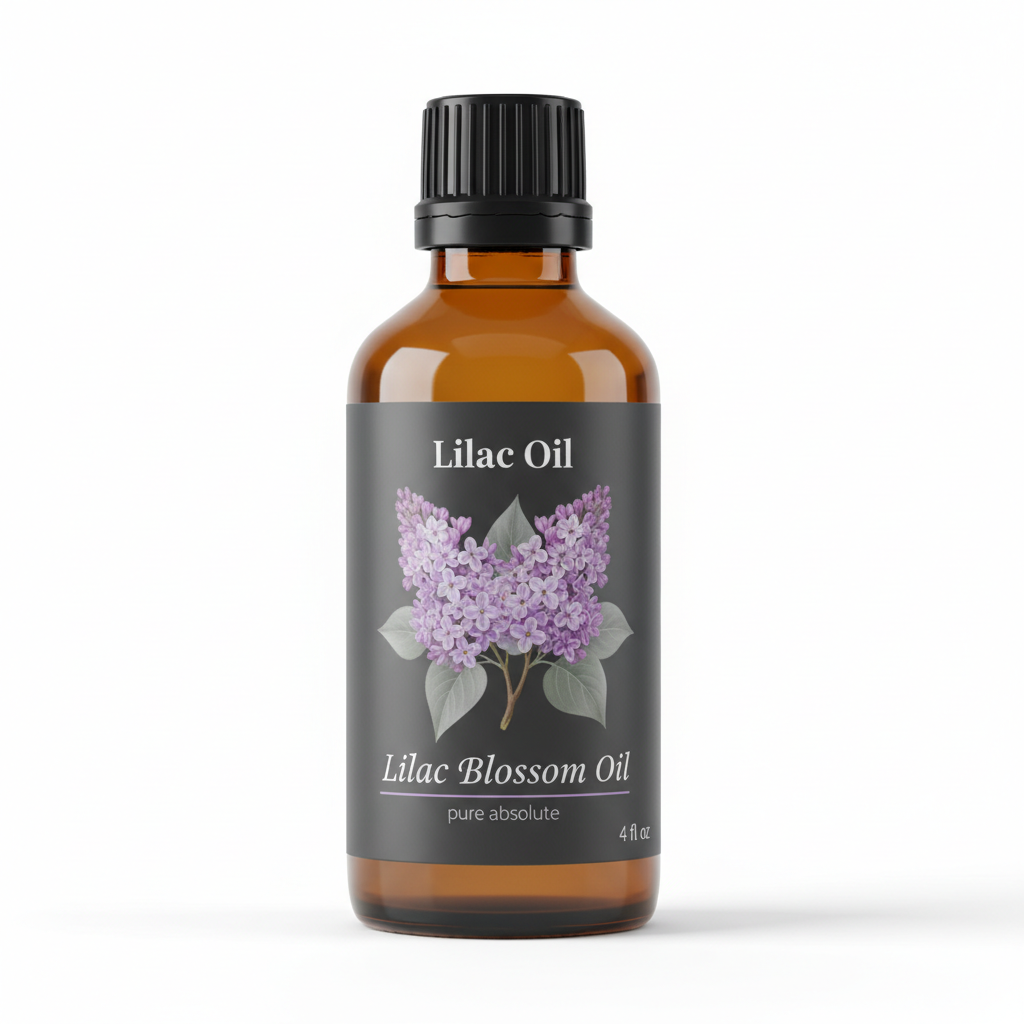
Lilac Blossom Oil
Lilac Blossom Oil from our own shop, in sizes from 0.5 oz to bulk.
From $15.99
Shop Now →