What Is Lilac Oil Used For? Room, Body and Craft Ideas
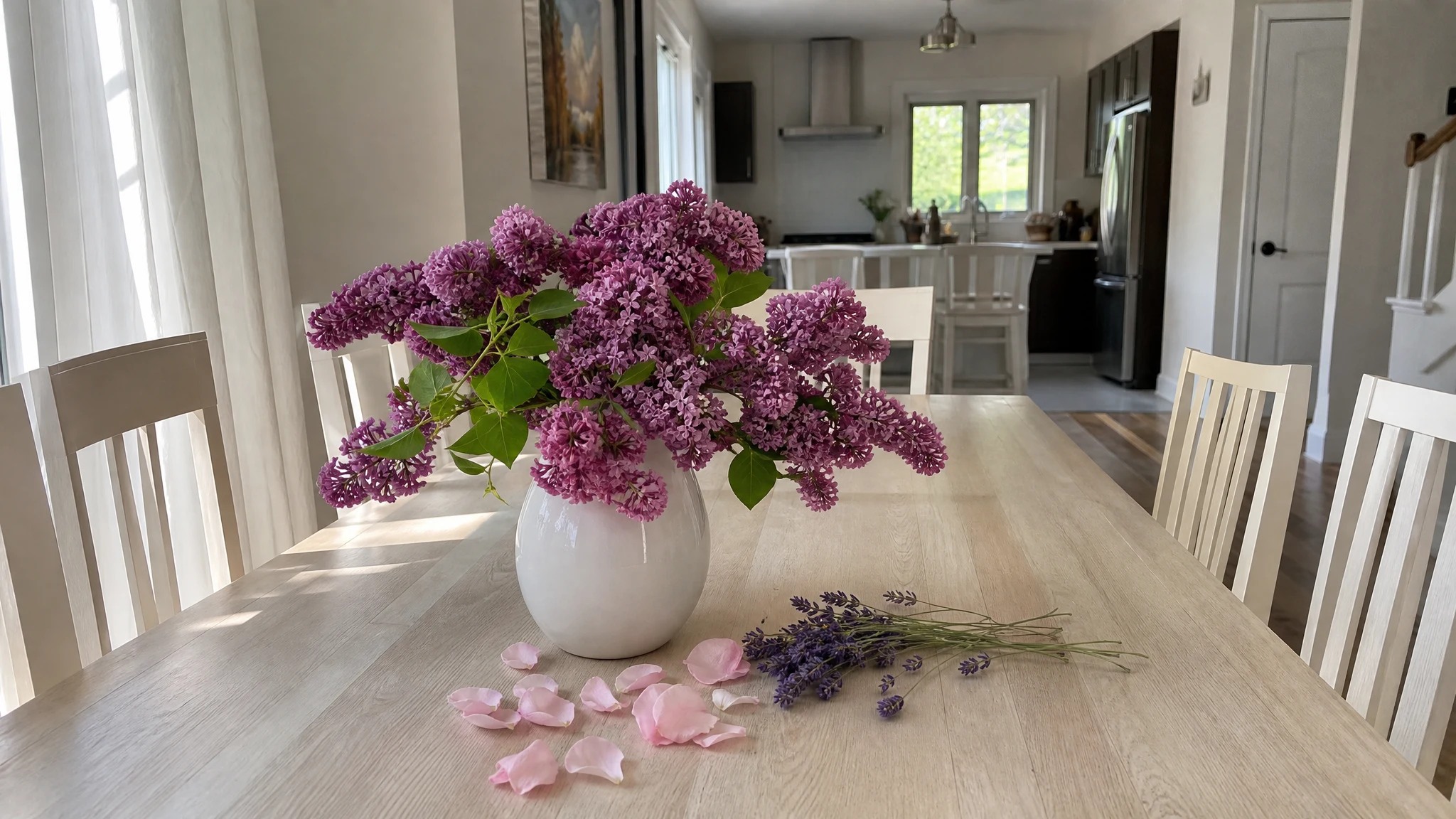
Open a bottle of lilac in January and the room changes: it is soft, powdery and springlike, with fresh purple florals, green stems, a hint of almond sweetness and a clean musky base. That is a lovely thing to have on a winter shelf, and the question people ask next is what to do with it. Here is how we think about the uses, sorted by how close each one gets to skin.
Scent in the air
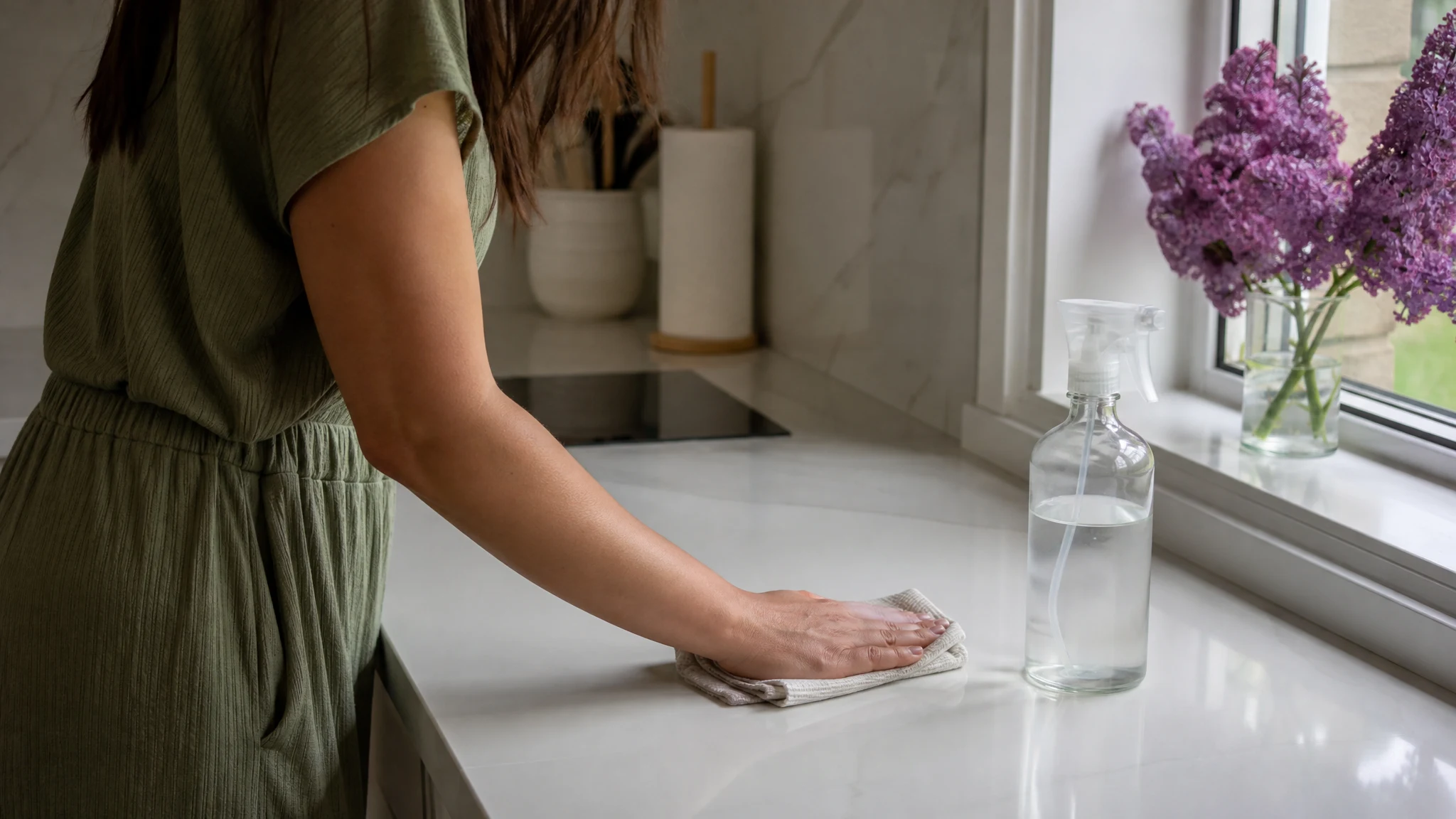
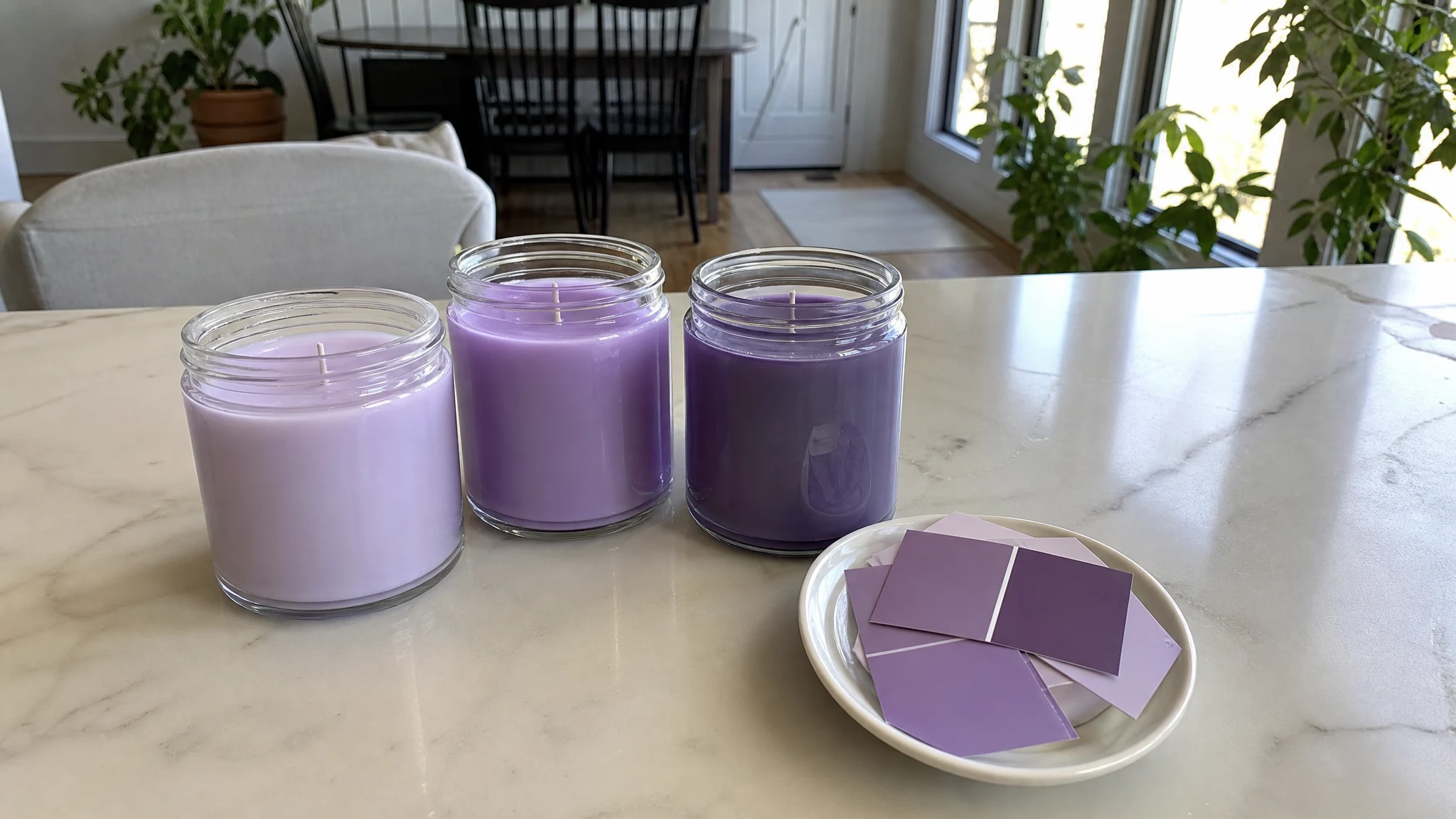
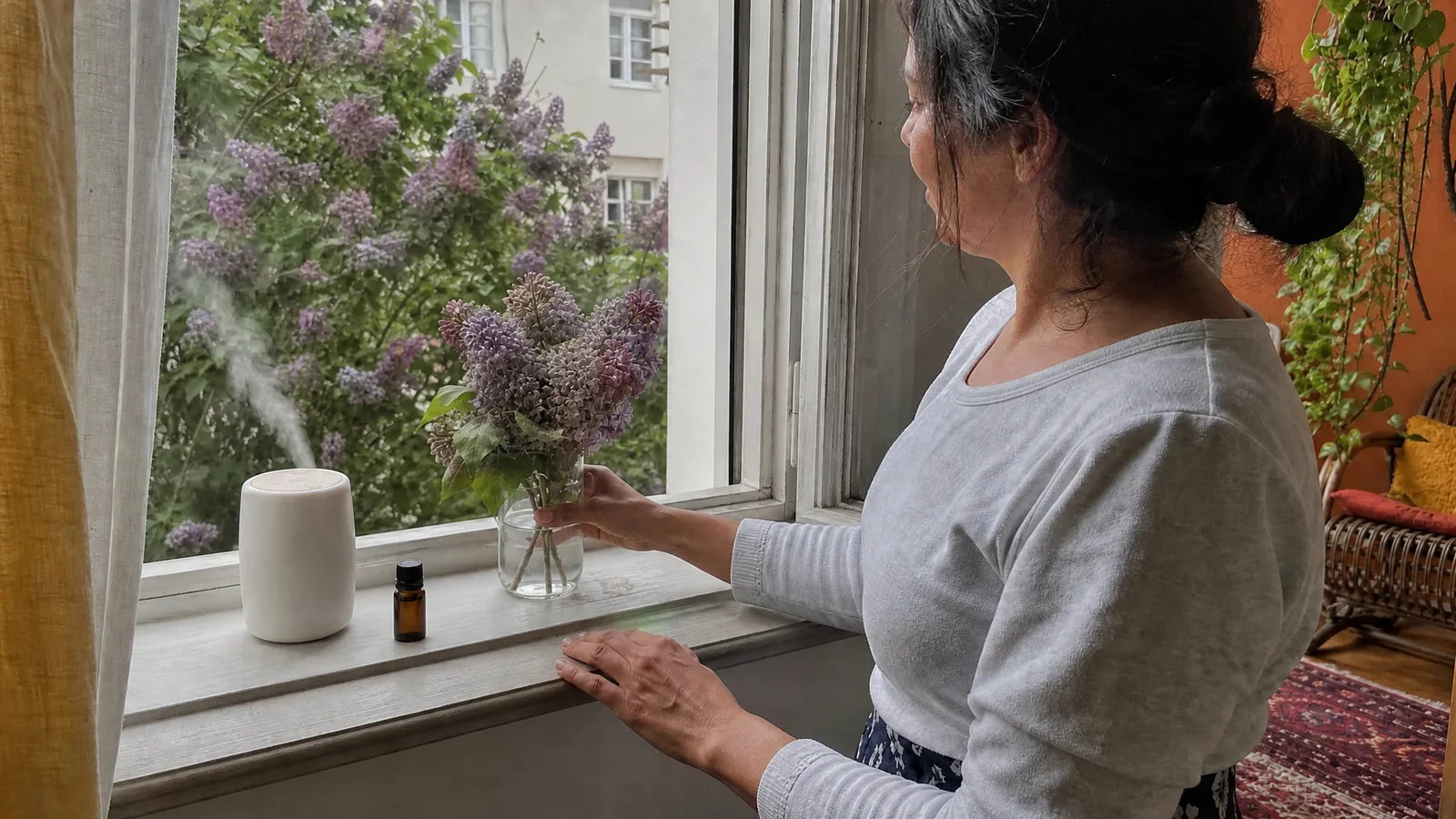
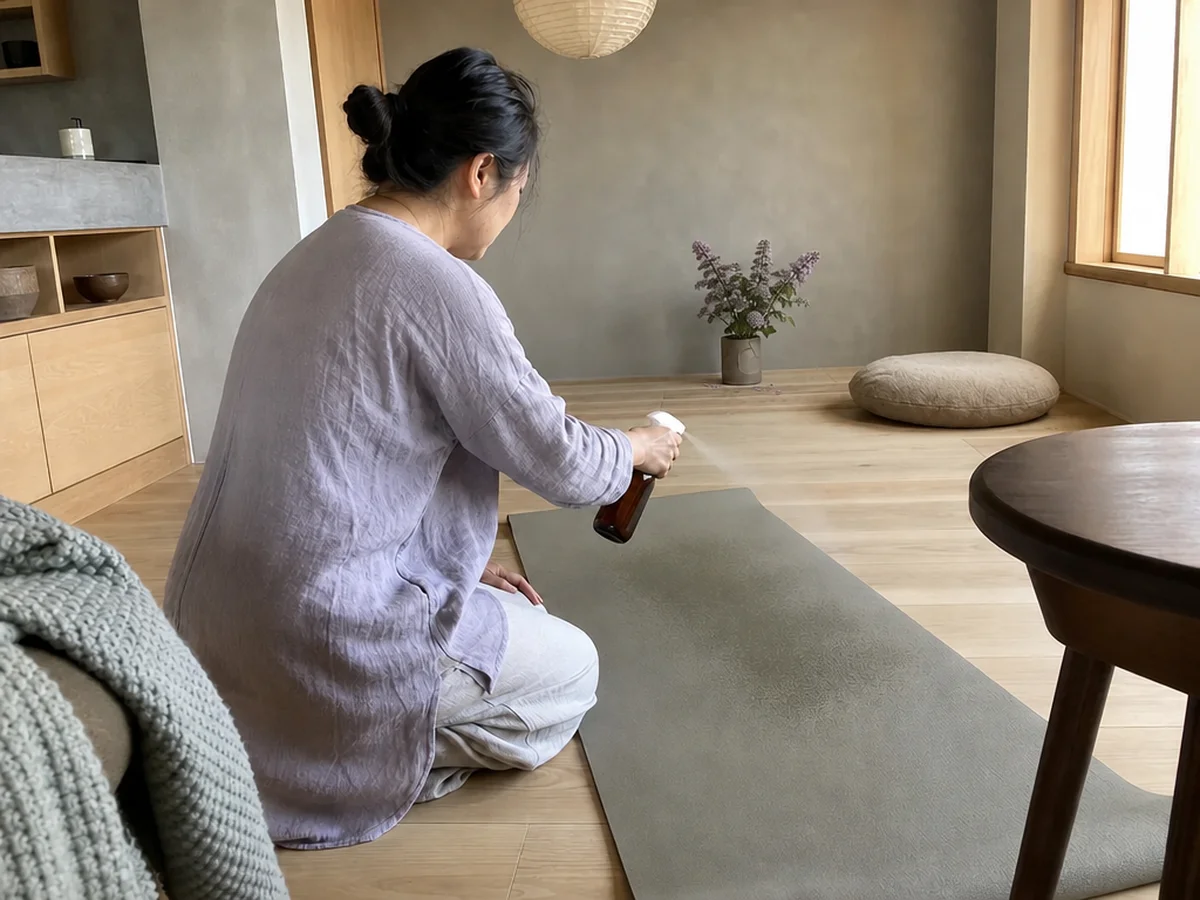
The simplest uses keep the oil away from skin. Our shop lists candles and wax melts, room and linen sprays, and our home page mentions diffusers. These are the uses where lilac's heart-note softness does its best work, filling a room quietly instead of announcing itself. Each has its own craft, and we have posts on them: lilac wax melts, linen and room spray, a reed diffuser and using lilac in an electric diffuser.
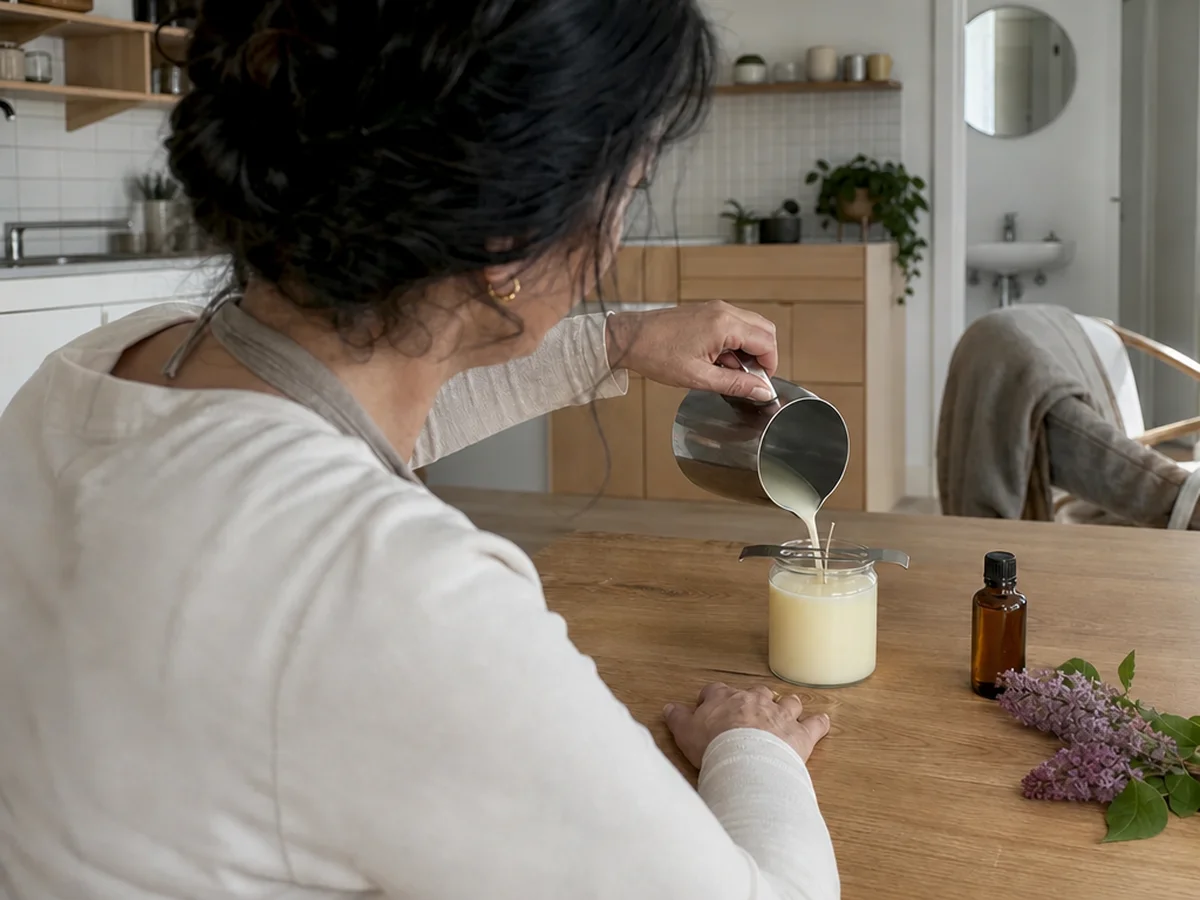
For anything you plan to burn, or to sell, we suggest asking us in writing for the flash point and safety data sheet before you start. We do not publish either for the oil, and the answer is worth having on paper. Test small first: florals read softer than heavier musks or woods, so the right load is found at a small scale before a full batch.
Choosing a spot in the room
Where you put a scent matters as much as what it is. Near an entryway it greets you; beside a chair it keeps you company; in a bathroom it competes with steam and soap. Lilac is a soft floral, so it suits places where you pause for a moment: a bedroom dresser, a desk corner, the top of a bookcase. Keep it up and out of reach of children and pets.
Scent on the body
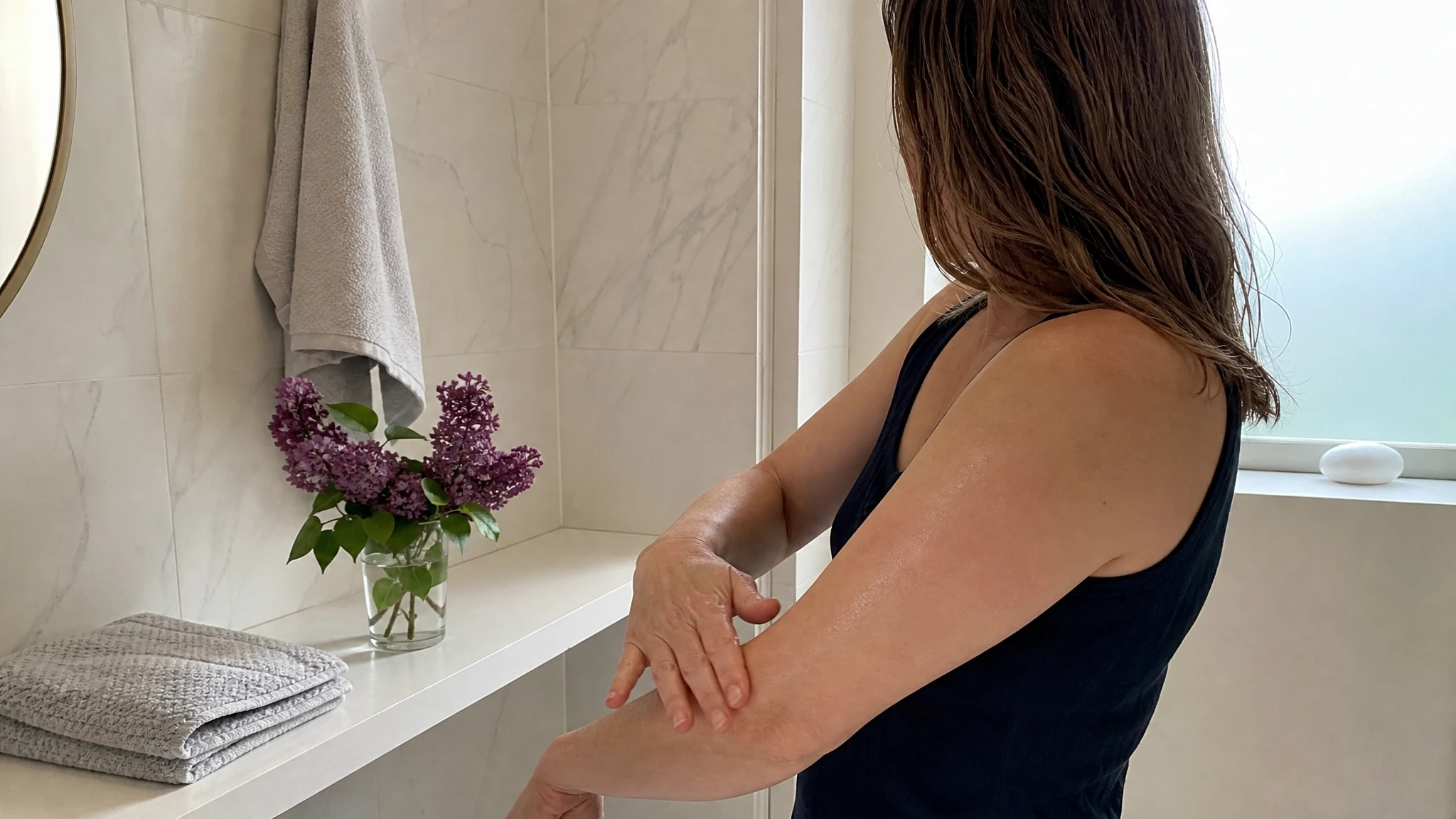
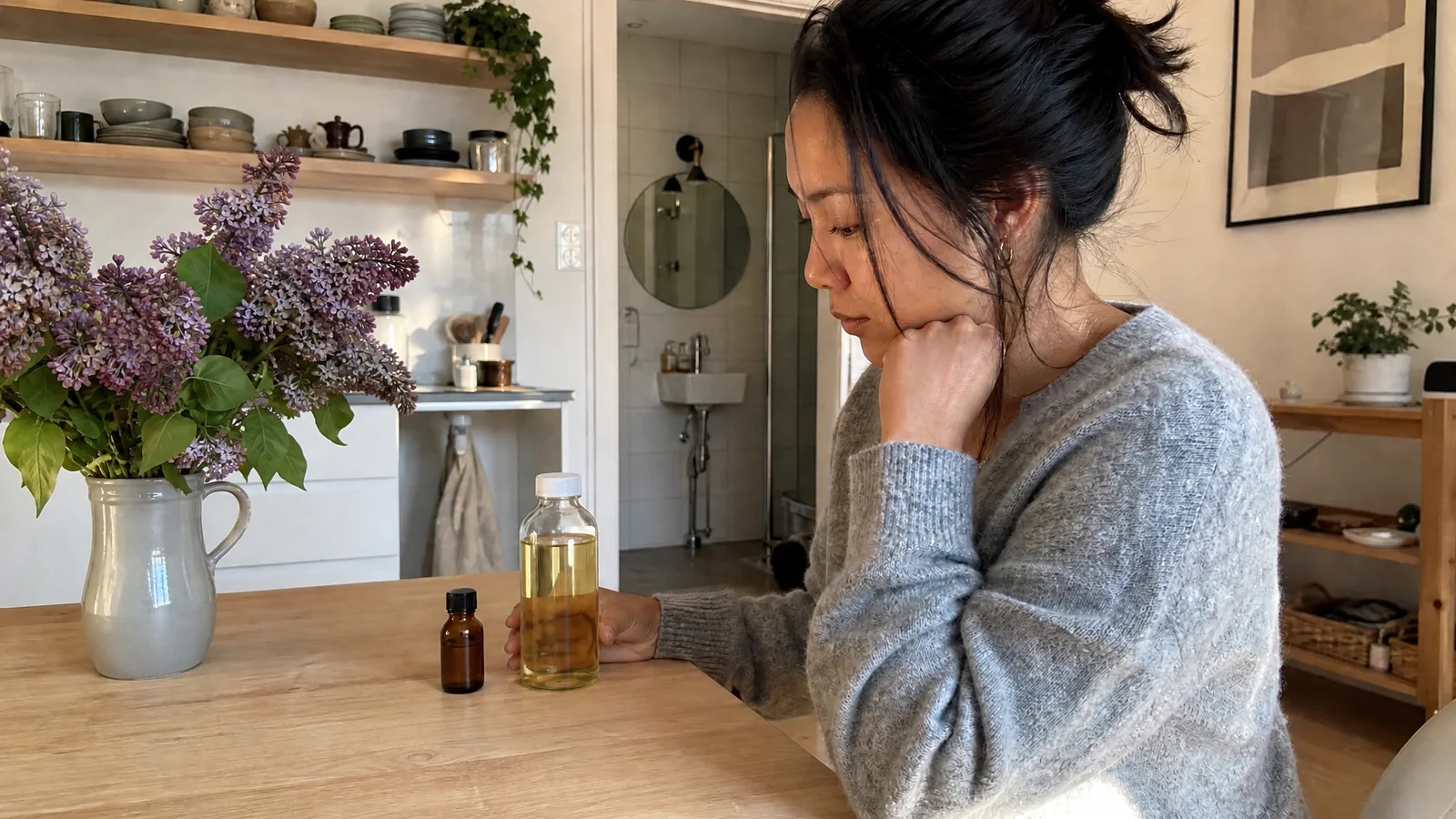
Perfume, solid perfume, body oil and lotion are where lilac feels most personal, and where a little care makes the difference. We recommend diluting the oil to 0.5% to 2% in a carrier oil, patch testing a small area first and starting at the low end. The Tisserand Institute's table, which is written for essential oils, gives 0.2% to 1% for sensitive or impaired skin, 0.5% to 1.2% for facial cosmetics, 1% to 3% for body oils and lotions and 2% to 4% for bath products, and it calls its figures useful guidelines (Dilution for essential oils). Ours is not an essential oil, so we take the lower of the two figures for the use at hand. Anyone with a fragrance allergy or a skin condition should check with a dermatologist first.
The arithmetic is gentle. A 1 oz bottle holds about 28.8 g of oil at the density on our published certificate of analysis (0.973). A 100 g body oil at 0.5% needs 0.5 g and at 2% needs 2 g, so a single bottle covers many small batches on paper. That is arithmetic, not a recipe, and it is the reason we suggest small first batches. Our dilution chart turns the percentages into drops, and the posts on solid perfume and body oil go further. Remember that carrier oils, beeswax and lotion bases come from a craft or supply shop, since we sell only the lilac oil.
Notes for the body
A touch of lilac on the wrist or in a body oil is the kind of detail that makes an ordinary morning better. Because it is a heart note, you will notice it settle in a few minutes after the first bright impression, with the green and musky parts becoming clearer. Keep your first batch very light, and judge it on a quiet day when you can pay attention to it.
Scent in things you make
Soap and bath products are the third group. Our bulk page lists soap and cosmetic makers among the people who buy the oil, and bath salts and bath bombs are a friendly place to begin. Because soap and bath products rinse off but still touch skin, ask us in writing for any documentation your formula needs, and keep the reply.

The best uses are often the simplest. A paper strip tucked in a drawer, a few drops on a sachet of dry material, or a single small candle you make for yourself: each gives lilac room to be itself. Once you know what you like, the other uses make more sense.
Seasonal ideas
Lilac feels most natural from April to June, and a bottle opens easily into a spring ritual. Refresh a linen cupboard, make a few small gifts, or simply set a scented drawer sachet beside your bed.
What we would leave out
A few boundaries keep the oil a pleasure. It is for external aromatic and cosmetic use only, never for internal use, and it should be kept away from eyes. We say to keep it away from children and pets, so for a nursery or a home with animals, ask a pediatrician or veterinarian first. We make no medical claim for lilac oil. Its purpose is scent.
Choosing where to begin
If you want a quiet room scent, start with a wax melt or reed diffuser. If you want something personal, a very dilute body oil or solid perfume is the natural first project. If you plan to make products to sell, treat the questions above as a list to put to us through the contact page, and try sample bottles through our wholesale page before ordering larger sizes.
The list is short because lilac does one thing exceptionally well: it smells like spring. Everything else is a way of putting that where you will notice it.
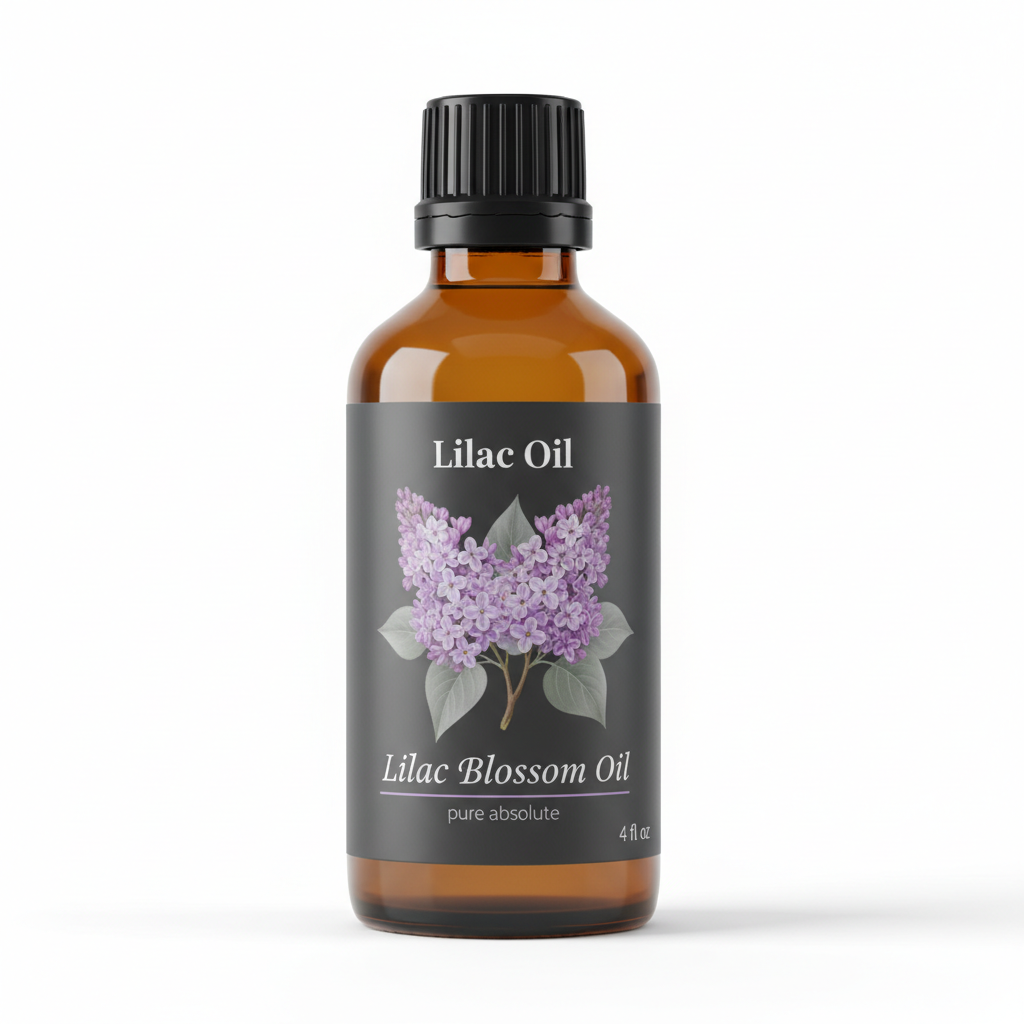
Lilac Blossom Oil
Lilac Blossom Oil from our own shop, in sizes from 0.5 oz to bulk.
From $15.99
Shop Now →Sources & Further Reading
- Dilution for essential oils, Tisserand Institute. tisserandinstitute.org