
How to Scent Soy Candles With Lilac Oil Without Losing the Top Note
Lilac is one of the hardest florals to carry in a soy candle. The bright, green, slightly powdery top note that makes fresh lilac so recognizable is also the most volatile part of the scent profile, and volatile means it evaporates fast when it meets warm wax. Anyone who has poured a lilac candle, cured it for two weeks, and lit it only to smell a flat, waxy nothing has run into this exact problem. The fix isn't a stronger oil. It's a different process. This guide walks through lilac oil candle making from a soy-wax perspective, covering the materials, the pour temperature, the cure time, and the fragrance load rate soy wax needs to hold onto that top note instead of cooking it off.
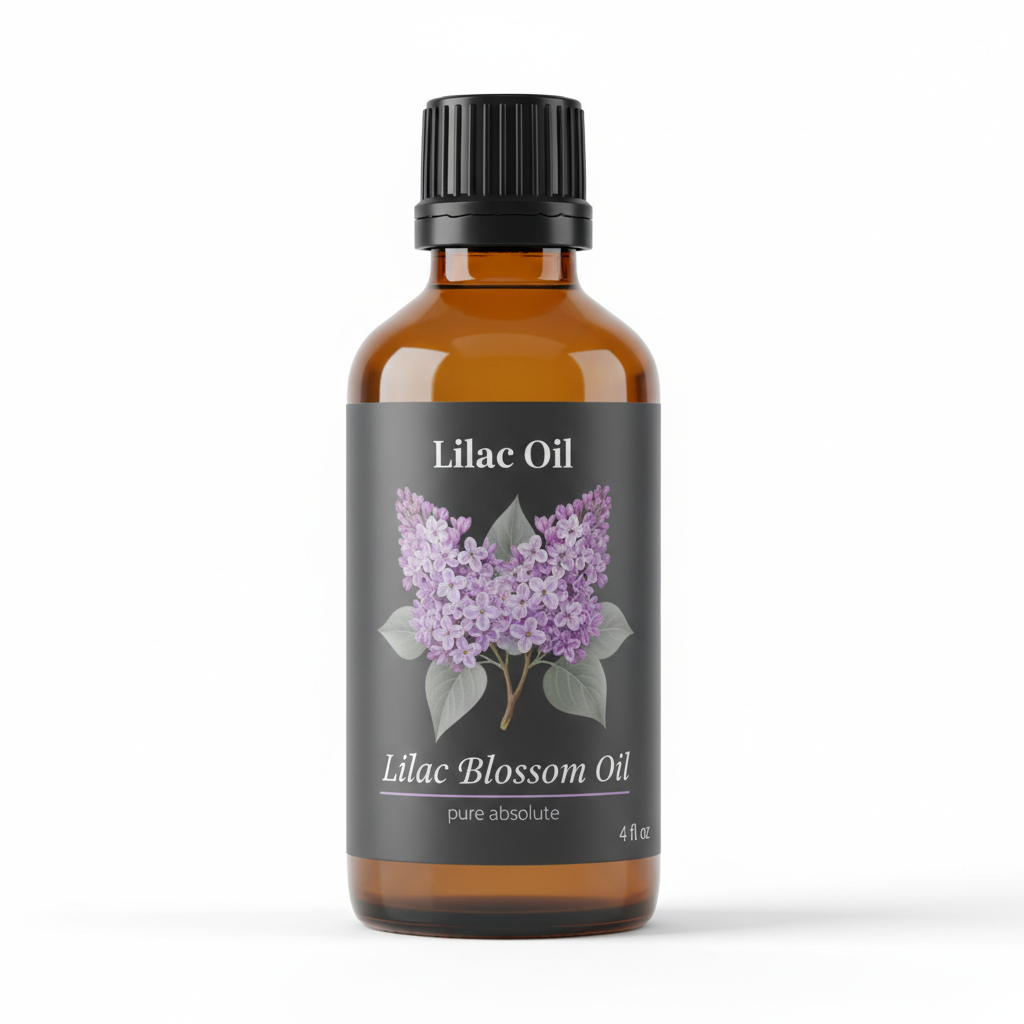
Why Lilac's Top Note Disappears in Soy Wax
Fragrance oils are blends of dozens of aromatic compounds, and each one has its own boiling point. Lilac blends lean heavily on green, dewy top notes with light floral heart notes underneath. Those green top notes are small, light molecules that flash off quickly at high heat. Soy wax melts and holds fragrance differently than paraffin or coconut blends. It's a softer wax with a lower melt point, which is generally good news for scent retention, but it also means the window for adding fragrance without scorching the delicate top note is narrower than most hobbyists expect.
Pour lilac oil into wax that's too hot, and the top note volatilizes into the air of your workshop instead of binding into the wax matrix. Pour it too cool, and the oil never fully disperses, leading to wet spots, oil rings on top of the candle, or a scent throw that fades within days. Getting soy wax to hold a floral top note is a balance of temperature, timing, and load rate, not just a matter of pouring in more oil.
What You'll Need
- Natural soy wax flakes (a single-pour soy blend rated for container candles works best for floral oils)
- Lilac fragrance oil formulated for candle making, ideally one labeled for cold or cool-pour use
- A digital thermometer with a clip, accurate to within a degree or two
- A pouring pitcher or double boiler setup
- A kitchen scale that measures in grams
- Cotton or wood wicks sized to your container's diameter
- Heat-safe glass jars or tins, cleaned and completely dry
- Wick stickers or hot glue dots, plus a wick centering tool or two clothespins
- A heat gun (optional, for smoothing the top surface after cure)
- A notebook for recording your load rate, pour temperature, and cure results
Step-by-Step: Scenting Soy Candles With Lilac Oil
Step 1: Weigh Your Wax First
Start by weighing the exact amount of soy wax you're melting, not estimating by volume. Fragrance load rate soy wax calculations are based on weight percentages, and eyeballing a cup of flakes will throw off every measurement that follows. Record the number in your notebook before you turn on the heat.
Step 2: Melt Wax Gently and Slowly
Melt the soy wax using a double boiler or a wax melter set to a moderate temperature, stirring occasionally. Resist the urge to rush this with high direct heat. Soy wax scorches easily, and overheated wax has a harder time holding onto light top notes even before the fragrance oil goes in.
Step 3: Calculate Your Lilac Fragrance Load Rate
Most soy waxes accept a fragrance load of 6 to 10 percent by weight, though always check the manufacturer's maximum for your specific wax blend. For lilac specifically, many candle makers find that sitting toward the middle of that range, around 7 to 8 percent, gives a fuller floral profile without overwhelming the wax's ability to bind the oil. Going above the wax's rated maximum doesn't intensify the throw. It usually just causes the excess oil to seep out as the candle sits, which shows up as sweating or a greasy film on the surface.
Step 4: Watch the Thermometer, Not the Clock
This is the step that makes or breaks a lilac pour. Let the melted wax cool to the fragrance oil's recommended addition temperature, which for most soy blends and floral oils falls somewhere in the 120 to 135 degree Fahrenheit range. Adding lilac oil while the wax is still hot from the melter is the single most common reason the top note vanishes by the time the candle cures. The oil's most volatile molecules simply cannot survive that heat exposure.
Step 5: Add the Oil and Stir Thoroughly but Briefly
Pour the weighed fragrance oil into the wax and stir for a full 60 seconds, scraping the sides and bottom of the pitcher so the oil doesn't pool. Over-stirring for several minutes can introduce excess air and reintroduce heat through friction, so aim for thorough rather than prolonged.
Step 6: Cool Slightly Before Pouring
Let the scented wax rest for a minute or two, then pour at the temperature recommended for your wax, typically somewhere around 115 to 130 degrees Fahrenheit. Pouring too hot right after adding fragrance compounds the heat exposure problem from Step 4.
Step 7: Set the Wick and Let It Rest Undisturbed
Center the wick, tape or clip it in place, and set the candle somewhere free of drafts and temperature swings. Moving a soy candle while it's setting can cause sink holes and uneven surfaces, and disturbing the surface while volatile compounds are still settling can affect how the final scent reads.
Step 8: Cure for at Least Two Weeks
This is where patience matters more than anything else on this list. Soy wax needs time for the fragrance oil to fully bind into the wax's crystal structure. Testing a lilac candle after a day or two will almost always disappoint, because the top note hasn't finished integrating yet. A two-week cure is a reasonable minimum; three weeks often reads noticeably fuller for floral blends specifically.
Step 9: Trim the Wick Before the First Burn
Trim the wick to about a quarter inch before lighting. An overly long wick produces a larger, hotter flame that can push the melt pool temperature up fast, which brings back the same top-note loss problem from the pouring stage, just at the burning stage instead.
Step 10: Do a Cold Throw and Hot Throw Check
Before lighting, smell the cured candle at room temperature (the cold throw). Then burn it for two to three hours and smell the melt pool (the hot throw). If the cold throw smells like lilac but the hot throw goes flat, the issue is usually pour temperature or load rate rather than the oil itself, and it's worth revisiting Steps 3 and 4 on your next batch.
Lilac Fragrance Load Rate by Wax Type
Load rate needs shift depending on the wax base, so if you're comparing soy against other options, this general range is a useful starting reference. Always defer to your specific supplier's published maximum.
| Wax Type | Typical Lilac Load Rate | Notes |
|---|---|---|
| Soy (single pour) | 6% to 10% | Middle of range preserves top note better than the max |
| Soy/coconut blend | 5% to 9% | Coconut can carry florals slightly more efficiently |
| Paraffin | 8% to 12% | Higher melt point tolerates more oil before sweating |
| Beeswax blend | 3% to 6% | Beeswax's natural scent competes with delicate florals |
Common Mistakes to Avoid
- Pouring fragrance oil into overheated wax. This is the number one cause of a missing top note in lilac candles. Always check the thermometer, not your memory of "about how hot it usually is."
- Skipping the cure time. Lighting a lilac candle within a few days of pouring almost guarantees disappointment, because the scent hasn't finished binding.
- Maxing out the fragrance load. More oil past the wax's limit doesn't mean more scent. It usually means sweating, wet spots, and a weaker sustained throw over the candle's life.
- Using a wick that's too large for the container. An oversized wick burns hot enough to volatilize the top note during use, which shows up as a candle that smells great unlit and disappointing while burning.
- Storing finished candles in direct sunlight or near heat vents. Floral top notes are sensitive to ambient heat even after the wax has fully cured, so store finished inventory somewhere cool and dark.
- Blending lilac with heavy, competing scents. Lilac's top note is soft. Pairing it with a strong, deep base note fragrance can bury it entirely, so if blending, lean toward light green or soft floral partners.
Scenting Candles With Floral Oil: What Sets Lilac Apart
Compared with heavier florals like rose or ylang ylang, lilac sits on the lighter, greener end of the floral spectrum, closer in character to lily of the valley or hyacinth. That means the general rules for scenting candles with floral oil still apply (moderate load rate, cool-ish pour temperature, generous cure time), but lilac rewards extra caution on the heat side specifically. If you already have a process dialed in for a heartier floral, expect to pour slightly cooler and cure slightly longer for lilac to get a comparable result.
What to Expect From the Finished Candle
A well-made lilac soy candle, cured properly and burned with a correctly trimmed wick, generally produces a cold throw that reads bright and green with a soft floral undertone, and a hot throw that some people describe as slightly softer and warmer than the cold scent, which is typical of how floral top notes read once warmed. Results vary by fragrance oil supplier, soy wax blend, and even ambient humidity during the cure, so it's worth keeping notes across a few batches to find the load rate and pour temperature that work best in your own workspace. A candle that fills a small to medium room with a light, recognizable lilac scent when burned for a couple of hours is a reasonable benchmark for a successful pour.
Final Tips for Preserving the Top Note
- Buy fragrance oil in small batches rather than large jugs. Fragrance oils degrade slowly over time, and a fresher oil holds its top note better than one that's sat opened for a year.
- Keep a dedicated candle-making thermometer rather than switching between kitchen tools. Consistency in temperature reading is half the battle.
- Test one jar from every batch at the two-week mark and again at the four-week mark. Comparing the two tells you whether your cure time is actually long enough for that specific oil and wax combination.
- Label test batches with the exact load rate and pour temperature used. It's easy to forget which variable you changed between attempts once a few weeks have passed.
Scenting soy candles with lilac oil comes down to respecting how fragile that green top note is at every stage: melting, pouring, curing, and burning. Slow down the heat, measure the load rate carefully, and give the wax the full cure time it needs, and the lilac scent that greeted you when you opened the bottle should still be the one that greets you when you strike the match.