Lilac Oil for Soap and Candle Makers: Frequently Asked Questions
If you make soap or candles by hand, you've probably typed some version of "lilac oil FAQ for soap making" or "lilac oil candle making questions" into a search bar at some point, usually while standing in your workshop mid-batch. This page pulls together the questions we hear most often from makers, organized by theme so you can jump straight to the section you need. Whether you're troubleshooting a scent that faded too fast or just starting to research using lilac oil in crafts, the answers below are written for people working with real batches, not just browsing.
Getting Started with Lilac Oil for Makers
These first few lilac oil for makers questions cover what's actually in the bottle, since "lilac oil" means different things depending on the supplier.
What is lilac oil, and is it natural or synthetic?
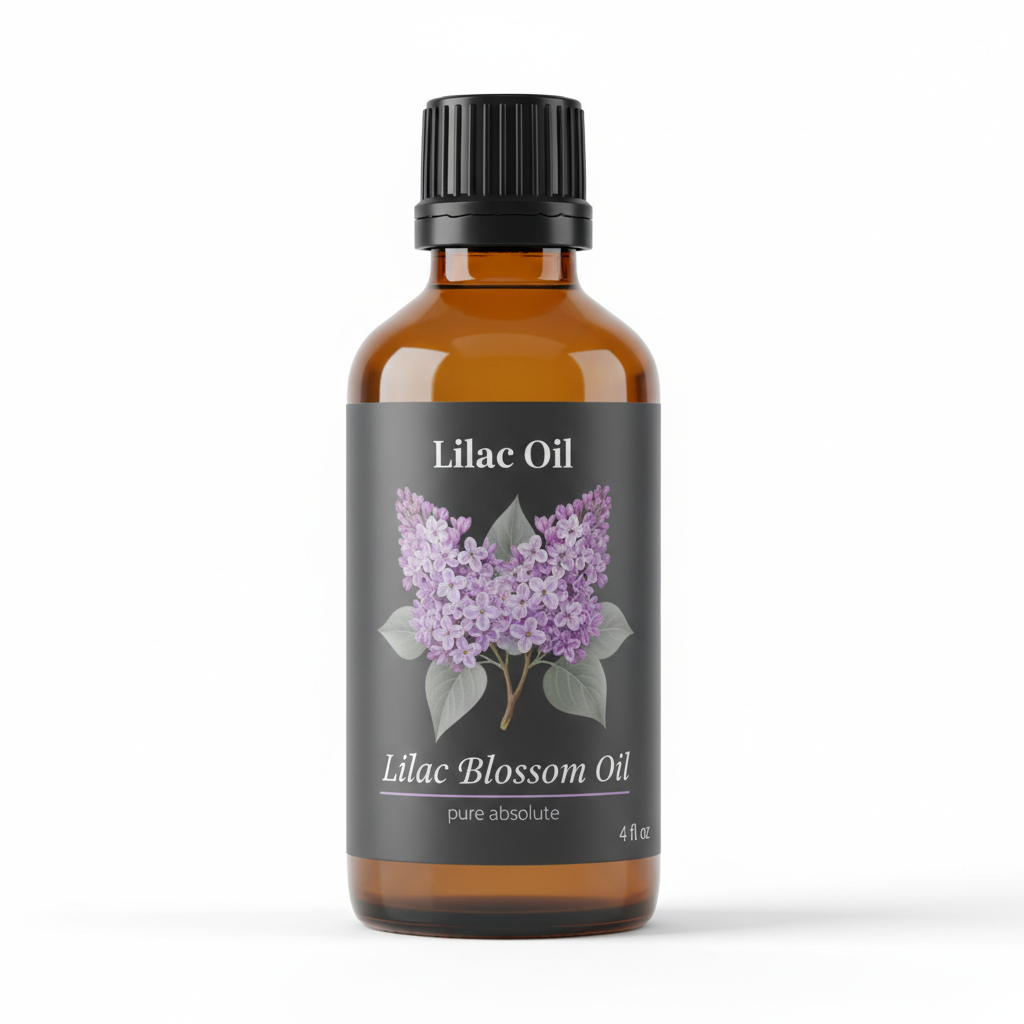
Most lilac oil on the market, including ours, is a fragrance oil rather than a plant-distilled essential oil. Lilac blossoms don't yield enough aromatic material through steam distillation to make a true essential oil commercially viable, so the fragrance is recreated using a blend of naturally derived and nature-identical aromatic compounds. A reputable supplier should tell you this plainly rather than let the word "oil" imply something it isn't.
Does true lilac essential oil exist?
Not in any meaningful commercial quantity. A handful of small-batch distillers have experimented with lilac, but yields are so low that the resulting oil is either unavailable to buy or priced far outside what a soap or candle maker would use per batch. If a listing claims to be pure steam-distilled lilac essential oil at a normal fragrance-oil price, that claim is worth questioning.
What's the difference between lilac fragrance oil and lilac essential oil for crafting?
Fragrance oil is formulated specifically to be strong, stable, and consistent from batch to batch, which matters when you're trying to match a scent across dozens of soap bars or candles. A true essential oil, where one exists, varies by harvest and distillation run. For lilac specifically, fragrance oil is the practical choice for almost every maker, since a genuine essential oil version isn't realistically available at scale.
Is lilac oil the same thing sold for skincare?
Not necessarily. Lilac oil sold for skincare use is typically formulated and tested at lower use rates appropriate for leave-on products, while fragrance oil marketed for soap and candle making is meant for rinse-off or non-skin applications. Always check the supplier's recommended usage rate for the specific product category you're making, since the same bottle isn't always approved for both.
How is May, in a Bottle's lilac oil made?
We work with fragrance houses that build the lilac profile from a blend of aromatic components chosen to mimic fresh-cut lilac blossoms as closely as possible, layering green top notes over a soft floral heart. Every batch comes with a safety data sheet and usage guidance for soap, candle, and lotion applications. We list this plainly on our product pages rather than let "lilac oil" sit ambiguous, since sourcing honesty is something makers specifically ask us about.
Lilac Oil FAQ for Soap Making
This is the section most soap makers come for. Lilac is a popular request but a genuinely tricky scent to work with, so here's what tends to trip people up.
Can I use lilac oil in cold process soap?
Yes, lilac fragrance oil is generally suitable for cold process soap, though results vary by supplier and formulation. Because cold process soap goes through a high-pH saponification reaction, always confirm the specific oil you're using is rated for cold process, since some fragrance blends behave unpredictably in raw soap batter.
Will lilac oil discolor my soap?
Some lilac fragrance blends contain vanillin or other components that can turn soap tan or brown over its resting period, even if the oil itself is clear. If color consistency matters for your line, ask your supplier for the vanillin content and consider a color stabilizer, or test a small batch and watch it over several weeks before committing to a full run.
How much lilac oil should I use per pound of soap?
A common starting range for cold process soap is around 0.5 to 1 ounce of fragrance oil per pound of oils, but this depends entirely on the specific product's recommended usage rate and any regulatory maximums (IFRA guidelines) that apply to your fragrance category. Start at the low end of your supplier's recommendation and adjust in your next batch based on scent strength once the soap has fully rested.
Does lilac scent survive saponification?
Lilac tends to be a lighter, more delicate fragrance profile, so some scent loss during saponification and the following weeks of air-drying is normal and expected. Many makers find lilac fades faster than heavier florals or musks, which is why testing your specific fragrance oil's soap performance before a large batch is worthwhile.
Can lilac oil cause soap to seize or accelerate trace?
It can, depending on the specific formulation and how much you add. If you notice your batter thickening unusually fast after adding lilac oil, work quickly, have your mold ready beforehand, and consider adding the fragrance at a thinner trace next time. Doing a small test batch before scaling up is the most reliable way to know how a given lilac oil behaves in your recipe.
Is lilac oil skin-safe in soap at typical usage rates?
When used within the supplier's recommended rate and any applicable IFRA limits, lilac fragrance oil is generally considered appropriate for rinse-off soap products. That said, everyone's skin responds differently to fragrance ingredients, so patch testing finished bars before selling or gifting them is a sensible habit, and anyone with known skin sensitivities should check with a qualified healthcare provider before regular use of any new fragranced product.
Lilac Oil Candle Making Questions
Candle makers ask a different set of lilac oil candle making questions than soap makers, mostly centered on throw and wax compatibility.
Can lilac oil be used in candle making?
Yes, as long as the fragrance oil you're using is specifically labeled candle-safe. Not every lilac oil formulated for soap or lotion is rated for the flashpoints and heat exposure involved in candle making, so double-check the product label or safety data sheet before pouring.
What's the difference between cold throw and hot throw with lilac oil?
Cold throw is how strong the candle smells unlit, sitting in a room; hot throw is how strong it smells once burning. Lilac is a scent that many makers report performs better on cold throw than hot throw, since the lighter floral notes can get overpowered by the heat of the flame, so testing both before finalizing a recipe matters.
How much lilac oil should I add per pound of wax?
Most candle-safe fragrance oils are recommended at 6 to 10 percent of the total wax weight, roughly 1 to 1.6 ounces per pound, though this varies by wax type and the specific oil's flashpoint. Follow your supplier's maximum usage rate rather than a general rule of thumb, since exceeding it can affect burn safety.
Does lilac oil work in soy wax, or only paraffin?
Lilac fragrance oil formulated for candles generally works across soy, paraffin, and coconut wax blends, but scent throw and how well the oil binds can differ noticeably between wax types. Soy wax in particular tends to hold fragrance oil less aggressively than paraffin, so some makers add slightly more lilac oil (within the supplier's maximum) or blend in a small percentage of coconut wax to help improve throw.
Will lilac oil affect my candle's flame or burn?
Adding fragrance oil beyond the recommended usage rate can cause sooting, a smaller flame, or wax that mushrooms at the wick. Stick to your supplier's tested maximum, use the wick sizing recommended for your fragrance load, and always burn test a new batch before offering it for sale.
Can I blend lilac oil with other scents for candles?
Lilac pairs well with green, powdery, and light floral notes such as violet, muguet (lily of the valley), or a touch of vanilla for warmth. Start with small test blends, keep detailed notes on your ratios, and always confirm the combined fragrance load stays within your wax's total recommended percentage.
Using Lilac Oil in Crafts: Storage, Sourcing, and Safety
These questions come up across both soap and candle making, and cover the practical side of using lilac oil in crafts responsibly.
How should I store lilac oil to keep it fresh?
Keep lilac oil in its original amber or opaque bottle, tightly capped, in a cool, dark place away from direct sunlight and temperature swings. Light and heat are the main causes of fragrance oils degrading or shifting in scent over time, so a closet or cabinet works better than a windowsill or a hot workshop shelf.
How long does an opened bottle of lilac oil last?
Most fragrance oils, lilac included, hold up well for around one to two years after opening when stored properly, though scent strength can gradually soften over that time. If a bottle smells noticeably different or weaker than when you bought it, do a small test batch before using it in a full production run.
Do I need to dilute lilac oil before adding it to melted wax or soap batter?
No, fragrance oils formulated for candle and soap making are designed to be added directly at the recommended percentage; they aren't meant to be pre-diluted the way some essential oils are for topical blends. If you're using lilac oil in a leave-on skin product outside of soap, however, follow a proper dilution ratio (commonly 1 to 2 percent for body products) and always patch test a small area first.
Is patch testing necessary for finished products?
Yes, especially if you plan to sell or gift your soap or lotion products. Apply a small amount of the finished product to a small area of skin and wait 24 to 48 hours before regular use, and stop use if any sensitivity develops. Anyone with known skin sensitivities or specific health concerns should check with a qualified healthcare provider before trying a new fragranced product.
What should I look for when sourcing lilac oil as a maker?
Ask for a current safety data sheet, IFRA certificate, and clear usage guidance broken out by product category (soap, candle, lotion). A supplier who's upfront that lilac oil is a fragrance blend rather than a true essential oil, and who publishes batch-specific documentation, is generally more trustworthy than one who lets the sourcing stay vague.
Troubleshooting Common Lilac Oil Questions
Last, a few troubleshooting questions we hear repeatedly once makers get further into a batch.
My lilac scent faded within a few weeks. What happened?
Lilac is naturally a lighter, more delicate fragrance profile, so some fade over the weeks after unmolding or pouring is normal, particularly in cold process soap that airs out during its resting period. If the fade seems unusually fast, check whether you're using the full recommended usage rate and whether the soap or candles are stored somewhere warm or sunny, both of which accelerate scent loss.
My soap smells more "green" than floral. Why?
Lilac fragrance blends often lead with a sharp green top note that mellows into the floral heart over the first several days to weeks of resting. If the green note never softens, it may be worth trying a different lilac formulation, since blends vary noticeably between fragrance houses even when both are labeled "lilac."
Can I mix lilac oil into melt-and-pour soap base?
Yes, melt-and-pour is actually a forgiving base for testing lilac oil since it skips the saponification variables of cold process. Add fragrance oil after the base has melted and cooled slightly, staying within the recommended usage rate, and stir gently rather than vigorously to avoid introducing excess air bubbles.