A Gift Buyer's Guide to Lilac Oil: Matching Bottle, Strength, and Occasion
Buying lilac oil for someone else is trickier than it looks. Type "lilac oil gift guide" into a search bar and you will get a wall of near-identical bottles, all claiming purity, all vague about what is actually inside. If you are shopping for a friend who loves spring florals, a coworker's housewarming, or a wedding favor table, the label alone will not tell you whether you are choosing well.
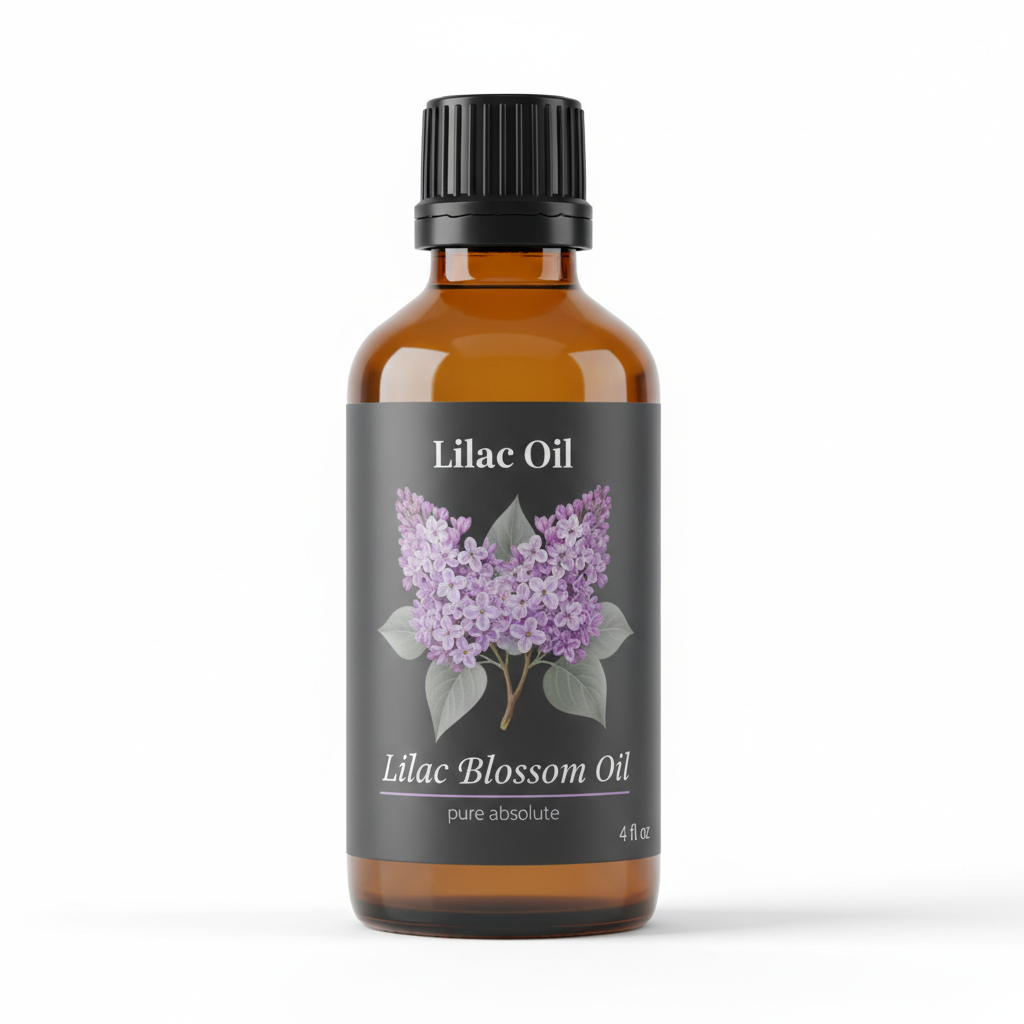
This guide covers what actually matters when buying lilac oil for someone else: the quality signals worth checking, the features to compare side by side, real picks at different price points, and the mistakes that turn a thoughtful gift into an awkward one. Along the way, we will also cover the practical question everyone eventually asks: what bottle size actually makes sense for a gift, and how does that change depending on who you are buying for.
What to Look For: Quality Indicators in a Gift-Worthy Lilac Oil
Before comparing bottles, it helps to understand what you are actually choosing between. Lilac blossoms do not yield a true steam-distilled essential oil the way lavender or peppermint do. The flower's aromatic compounds are too delicate to survive the process. So every bottle labeled "lilac oil" is one of a few honest categories: a carrier oil infused with real lilac blossoms, a composed fragrance accord built from aromatic materials that recreate lilac's character, or some blend of both. Our piece on why there is no true lilac essential oil covers the full explanation, and it is worth a skim before you shop, because it reframes what "quality" even means in this category.
Once you accept that starting point, quality becomes easier to judge. Look for these signals:
- Clear labeling. A trustworthy seller states plainly whether the product is an infused oil, a fragrance blend, or an absolute. Vague language like "pure lilac essence" with no further detail is a shrug, not a description.
- Named carrier oil. If the product is a diluted or infused oil, the base should be identified: jojoba, fractionated coconut, sweet almond, and so on. This matters for gift recipients with skin sensitivities, and it tells you something about shelf stability too.
- Dark glass packaging. Light degrades floral aromatics over time. A bottle in clear plastic, no matter how pretty the label, is not built to protect what is inside it.
- Scent that actually reads as lilac. Genuine lilac has a soft, slightly green opening, a powdery floral heart, and a faint honeyed warmth underneath. If a sample or a store tester smells generically sweet or sharply synthetic, the formulation is cutting corners.
- Realistic pricing for the category. A tiny bottle claiming rare "absolute" status for a few dollars is not what it says it is. A well-made infused or accord-based lilac oil in a half-ounce to one-ounce bottle typically runs somewhere in the teens to twenties, with premium and bulk sizes scaling up from there.
If you want a deeper read on how bottle price should map to what is inside, the lilac oil price guide breaks down cost by product type, which is useful context before you commit to a gift budget.
Key Features to Compare Before You Buy
Once you have narrowed down a few trustworthy sellers, the real decision comes down to comparing specific features against the person you are buying for. Here is what actually moves the needle.
Lilac Oil Bottle Sizes for Gifting
Size is the single most consequential choice in a lilac oil gift guide, and it is where a lot of well-meaning gift shoppers get it wrong. Bigger is not automatically better. A half-ounce or one-ounce bottle is often the right call for someone you do not know intimately, or for a first introduction to the scent. A larger four-ounce or eight-ounce bottle makes more sense for a close friend or family member who already uses lilac oil regularly and will go through it steadily rather than let it sit unopened on a shelf.
| Bottle Size | Best Gift Context | Why It Works |
|---|---|---|
| 0.5 oz | Stocking stuffers, party favors, "just because" notes | Low commitment, easy to pair with a card or small gift set |
| 1 oz | Birthdays, thank-you gifts, coworker gifts | The most common full-size gift bottle; substantial without being excessive |
| 2 oz | Close friends, housewarmings, thoughtful milestones | Enough for regular use over several months |
| 4 oz | Someone who already loves lilac and uses it often | Signals genuine familiarity with their habits, not a generic pick |
| 8 oz and up | Shared households, crafters, someone making their own candles or soaps | Practical bulk for a hobbyist, not really a gift-wrap size |
A general rule: if you are unsure how someone will use the oil, start smaller. A well-loved half-ounce bottle that gets used up and requested again is a better outcome than a large bottle that sits half full for two years.
Strength and Concentration
Not all lilac oils are formulated at the same intensity, and this matters more for gifting than most shoppers expect. A lightly infused carrier oil will have a soft, close-to-skin scent, appropriate for someone who prefers subtlety or who wears the oil directly. A more concentrated fragrance accord will project further and suit diffuser use, candle-making, or someone who likes a bolder presence. If you know the recipient dilutes their own blends or works with essential oils regularly, a more concentrated product gives them flexibility. If they are new to floral oils or prefer a gentle scent, a pre-diluted, milder infusion is the safer, more considerate choice.
Packaging and Presentation
For a gift specifically, presentation carries real weight. Look at whether the bottle comes with a proper dropper or rollerball, since that affects how the recipient will actually use it, whether the box or sleeve is gift-ready without extra wrapping, and whether the label includes basic use guidance. A beautifully sourced oil in flimsy packaging undercuts the gift. A mediocre oil in elegant packaging overpromises. The sweet spot is a seller who gets both right.
Documentation and Sourcing Transparency
This feels like a detail for serious hobbyists, but it matters for gifting too, especially at higher price points. A seller who can describe where their lilac blossoms come from, what carrier oil they use, and how the product is formulated is simply more trustworthy than one who leans on marketing language alone. If you are spending real money on a gift, that transparency is part of what you are paying for.
Matching Bottle and Occasion
Buying lilac oil for someone else works best when the bottle size and presentation actually fit the relationship and the moment, not just the recipient's general taste. A few common scenarios:
- Birthdays and thank-you gifts: A one-ounce bottle with a rollerball top hits the right note. Substantial enough to feel considered, not so large that it reads as excessive for a casual relationship.
- Housewarmings: Consider pairing a small lilac oil bottle with a diffuser or a set of unscented candles the recipient can scent themselves. Our lilac diffuser blend recipes make a nice printed card to tuck in alongside the bottle.
- Wedding or shower favors: Half-ounce bottles in matching packaging work well as a set. Buying in a slightly larger multi-bottle order from a supplier who offers bulk pricing usually brings the per-unit cost down meaningfully compared to buying favors individually.
- For the candle or soap maker in your life: Skip the delicate gift bottle entirely and go straight to a four-ounce or larger size. Someone who scents their own products will get far more use out of volume than presentation. Pair it with our guide on scenting soy candles with lilac oil so they have a starting reference.
- Self-gifting or a personal treat: If you are the one buying for yourself, this is the moment to go a size up from what you would normally buy someone else, and to consider a more concentrated formulation if you already know you like the scent.
Top Picks at Different Price Points
Rather than naming specific brands, here is how to think about what "good" looks like at each budget tier, since the honest answer depends heavily on formulation type rather than sticker price alone.
Under $15: Entry-Level Gifting
At this price, expect a half-ounce bottle of a well-formulated infused oil or a modest fragrance blend. This tier is appropriate for casual gifts: a small thank-you, a party favor, an add-on to a larger present. Look for clear labeling and a scent that smells recognizably like lilac rather than generic "spring floral." Skip anything at this price claiming to be a rare absolute. The math does not work out honestly.
$15 to $30: The Standard Gift Range
This is where most one-ounce and two-ounce bottles land, and it is the sweet spot for most gifting occasions. At this range, you should expect a named carrier oil, dark glass packaging, and ideally some sourcing detail from the seller. This tier covers birthdays, coworker gifts, and most general "thinking of you" purchases comfortably.
$30 to $65: Considered, Generous Gifts
Here you are typically looking at four-ounce to eight-ounce bottles, or smaller bottles of a more elaborately composed accord with a richer, more complex scent profile. This range suits close friends, family, or a gift meant to signal real thoughtfulness. It is also where you start finding sellers who provide fuller documentation on sourcing and formulation, which is worth asking about directly if it is not listed on the product page.
$65 and Above: Premium and Bulk
At this level you are either buying a genuinely large bottle for someone who goes through lilac oil regularly, or you are stepping into premium small-batch territory where craftsmanship and rare formulation drive the price. For a gift, this tier only makes sense if you know the recipient well enough to be certain they will use that much product, or if you are buying for a shared purpose like a favor order or a maker's supply restock.
Red Flags to Avoid When Buying Lilac Oil for Someone Else
A gift that turns out to be mislabeled or low quality is worse than no gift at all, because it comes with an implied endorsement from you. Watch for these warning signs before you check out:
- "100% pure essential oil" claims. As covered earlier, a true steam-distilled lilac essential oil is not commercially available. Any listing making this exact claim, with no mention of infusion, accord, or absolute, is either confused about its own product or being dishonest about it.
- No ingredient list at all. If a product page will not tell you what carrier oil or aromatic materials are used, you cannot make an informed choice for a recipient, especially one with sensitive skin.
- Suspiciously low prices on "rare" claims. A tiny bottle marketed as a rare absolute for under ten dollars is not what it says it is.
- Generic, unbranded stock photography. A seller with no distinct packaging, no brand story, and identical product photos to a dozen other listings has usually not invested much in the actual product either.
- Overly sweet or synthetic scent on arrival. If you can smell the product before gifting, whether through a sample, a store visit, or a friend's bottle, trust your nose. A scent that reads more like candy or air freshener than an actual flower is not going to impress anyone.
- No return or satisfaction policy. Fragrance is subjective. A seller confident in their formulation usually stands behind it with some kind of return or exchange option, particularly for higher-priced bottles.
For a closer look at how these red flags show up in real listings, our guide to spotting fake lilac essential oil listings walks through specific examples worth recognizing before you buy.
Where to Buy
A few channels consistently work well for gift purchases:
Direct From the Brand
Buying straight from a lilac-focused brand's own site typically gets you the clearest sourcing information, the freshest stock, and often gift-appropriate packaging options built in. You can also usually reach someone directly with questions about scent strength or bottle recommendations before you buy, which is hard to replicate on a large marketplace.
Specialty Botanical and Fragrance Suppliers
Sellers who focus specifically on natural perfumery or botanical oils tend to have stronger documentation habits and more consistent formulation quality. This is a good route for a higher-budget gift where craftsmanship matters.
Artisan and Small-Batch Sellers
Small-batch makers, particularly ones who are transparent about their process, can offer some of the most distinctive gift options, especially for someone who already has a few mass-market floral oils and would appreciate something less common.
Large Online Marketplaces
These offer convenience and quick shipping, but the quality range is wide. If you shop here, filter carefully: read detailed reviews rather than star ratings alone, check for an actual ingredient list, and be skeptical of listings that stack multiple superlative claims into the title.
Choosing With Confidence
The best lilac oil to buy as a gift is not necessarily the most expensive one or the largest bottle on the shelf. It is the one where the size fits the relationship, the strength matches how the recipient actually likes to use fragrance, and the seller has been honest about what is inside the bottle. A half-ounce bottle from a transparent small-batch maker will often make a better gift than a large bottle of vaguely labeled fragrance oil bought purely because it looked impressive.
Take the extra few minutes to check labeling, ask about sourcing if it is not listed, and think about how this specific person will actually use what you give them. That is what turns a bottle of lilac oil from a generic purchase into a gift someone genuinely wants to open.