
Lilac Oil FAQ: Your Questions Answered
Lilac oil attracts a devoted following, and for good reason. The scent is distinctive, the botanical history is rich, and the ingredient landscape is genuinely complex. But that complexity also generates a lot of confusion. This page collects the most common lilac oil questions we hear, organized by topic, so you can find what you need without wading through a wall of text.
The Basics: What Lilac Oil Actually Is
What is lilac oil?
Lilac oil is a fragrant botanical product derived from the blossoms of Syringa vulgaris, the common lilac shrub. It is used primarily in perfumery, cosmetics, and home fragrance. For a thorough breakdown of its origins and forms, see our guide on what lilac oil is and how it's made.
Is there a true lilac essential oil?
This is the most important lilac oil question to understand before you buy anything. True steam-distilled lilac essential oil does not exist in any commercially viable form. The delicate volatile compounds in lilac blossoms do not survive the heat of steam distillation. Our full explanation is here: why there is no true lilac essential oil, and what actually exists.
Then what am I actually buying when I buy "lilac essential oil"?
Most products labeled "lilac essential oil" are one of three things: a fragrance oil blended to mimic the scent, a carrier oil infused with lilac blossoms, or a CO2-extracted or solvent-extracted botanical absolute. Each has legitimate uses. The key is honest labeling so you know what you are getting.
What is a lilac absolute?
An absolute is produced through solvent extraction, a gentler process than steam distillation that preserves more of the flower's aromatic complexity. Lilac absolutes are rare and expensive, used mostly in high-end perfumery. They carry a scent profile much closer to the living flower than any fragrance oil blend can achieve.
What is a lilac-infused oil?
A lilac-infused oil is made by steeping dried or fresh lilac blossoms in a carrier oil (such as jojoba or sweet almond oil) over several days or weeks. The carrier oil picks up some of the plant's aromatic compounds and, depending on the blossom quality, a faint floral character. These are the most accessible DIY-friendly form of lilac oil.
Scent, Quality, and Sourcing
What does lilac oil smell like?
At its best, lilac oil has a green, powdery floral character with soft indolic depth (that slightly honeyed, almost animalic quality that many lilac lovers find compelling). A good fragrance oil or absolute will feel rounded and a little dewy. Synthetic versions that are too sharp or overtly sweet are usually lower-quality blends.
How can I tell if a lilac oil is high quality?
Look for transparent labeling that tells you exactly what the product is: an absolute, a fragrance oil, or an infused oil. Reputable sellers disclose the carrier or solvent used, the country of origin for the blossoms, and whether any fixatives or synthetic extenders have been added. Vague language like "pure lilac oil" with no further explanation is a red flag.
Where do the best lilac blossoms come from?
France (particularly Grasse, the historic center of the perfume industry) has long been associated with premium floral absolutes. Eastern European varieties, especially from Bulgaria and Ukraine, are also prized for their strong fragrance output. For domestic sourcing, some small-batch North American producers craft infused oils from locally grown cultivars during the brief spring bloom window.
Why does lilac oil vary so much in scent from brand to brand?
Because most commercial lilac oils are fragrance blends, each perfumer formulates their version differently. The ratio of floral to green to powdery notes shifts based on the intended market. Two bottles both labeled "lilac oil" may smell nothing alike. Reading customer reviews that specifically describe the scent is more useful than relying on the label alone.
Does lilac oil have a shelf life?
Yes, and it varies by type. Fragrance oils generally stay stable for two to three years when stored away from heat and direct light. Carrier-oil infusions have a shorter window, typically six to twelve months, limited by the shelf life of the base oil. Absolutes, stored correctly in dark glass, can last considerably longer. Always check for rancidity by scent before using an older product.
Using Lilac Oil in Your Daily Routine
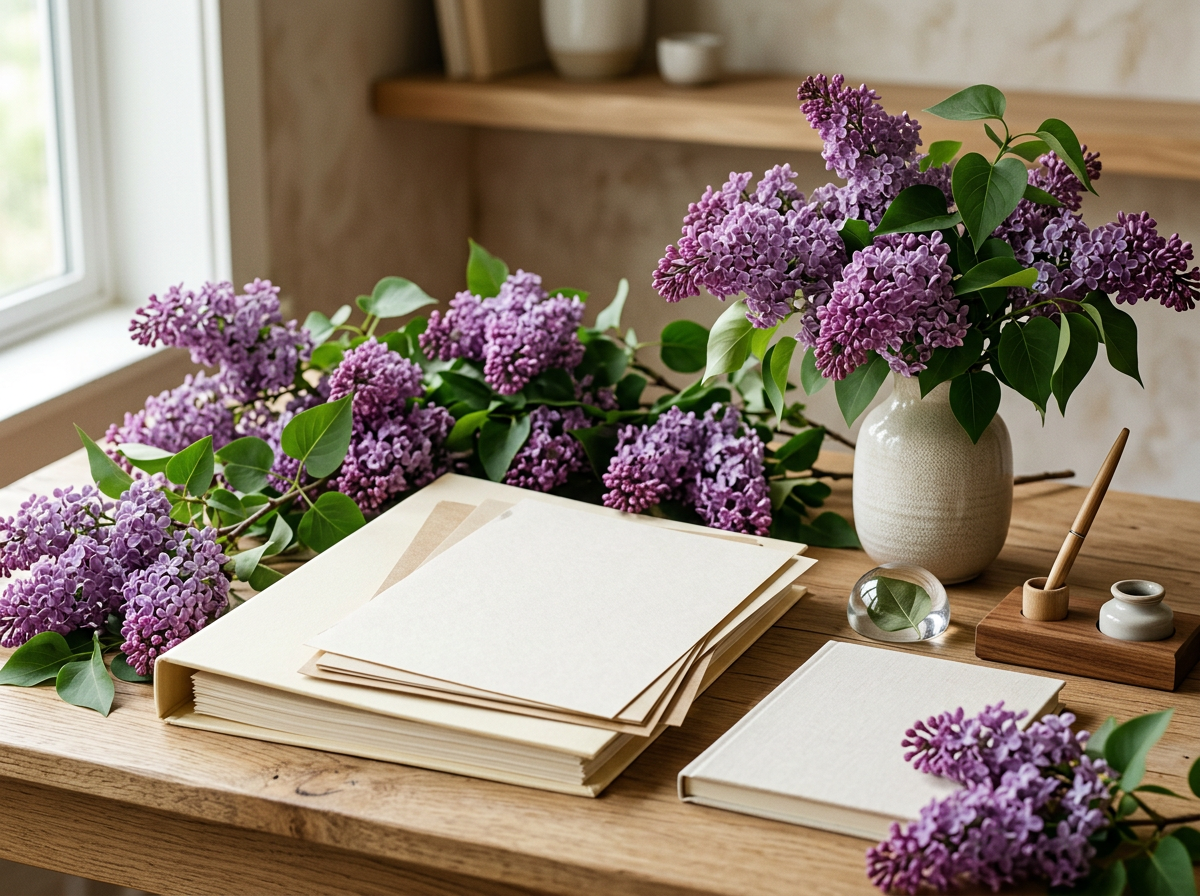
What are the main uses of lilac oil?
The benefits of lilac essential oil center primarily on its aromatic and cosmetic applications. People commonly use it in diffusers for atmosphere, in bath and body products for fragrance, in homemade perfumes and room sprays, and as a skin-care accent in properly diluted serums or lotions.
Can I apply lilac oil directly to my skin?
Not without dilution. Any concentrated oil, whether a fragrance oil, an absolute, or a potent infused oil, should be diluted in a carrier oil before skin contact. A standard dilution for body use is 1 to 2 percent (roughly 6 to 12 drops per ounce of carrier oil). Perform a patch test on the inner forearm and wait 24 hours before broader application.
How do I use lilac oil in a diffuser?
This depends on what type of lilac oil you have. A true fragrance oil will diffuse readily in most ultrasonic diffusers at 3 to 5 drops per 100 ml of water. Infused carrier oils are too heavy for most diffusers and work better in a reed diffuser setup. Absolutes can be used sparingly in diffusers but are usually reserved for fine fragrance work given their cost.
Can I add lilac oil to a bath?
Yes, with care. Oils do not disperse in water on their own, which means undiluted droplets can sit on the surface and contact sensitive skin directly. Always blend your lilac oil into a dispersant first: a tablespoon of full-fat milk, a small amount of unscented castile soap, or a ready-made bath oil base all work well. Keep the total fragrance concentration modest.
Is lilac oil suitable for a bedtime wind-down routine?
Many people find floral, powdery scents like lilac well-suited to quiet evening rituals. Diffusing it during a bath, applying a diluted lotion before bed, or spritzing a light linen spray are all popular approaches. Scent has a strong connection to memory and atmosphere, which is part of why lilac carries such a distinctive emotional resonance. You can explore more of that history in our piece on lilac in memory and meaning.
Can I use lilac oil in homemade candles or soaps?
Fragrance oils formulated for cosmetic use are generally appropriate for candle and cold-process soap making, though you should confirm the supplier's flash point and usage rate for each application. Infused oils and absolutes are less common choices for candles but can work in small-batch soap. Always follow established safety guidelines for the specific craft and check your fragrance oil's technical data sheet.
Safety and Skin Considerations
Are there people who should avoid lilac oil?
Anyone with known sensitivities to fragrances or to plants in the Oleaceae family should use caution and consult a qualified healthcare provider before using lilac oil on skin. Fragrance oils contain complex chemical blends that can occasionally trigger sensitivities in susceptible individuals. Pregnant or nursing people should check with their healthcare provider before using any new aromatic product.
Can children use lilac oil?
Use extra caution with children, particularly infants and toddlers. Young children are more sensitive to concentrated aromatic compounds. Diffusion in well-ventilated spaces at low concentrations is generally considered lower risk than topical application, but consulting a pediatric healthcare provider before introducing any aromatic product into a child's environment is the sensible approach.
Is lilac oil safe for pets?
Cats and dogs process aromatic compounds differently than humans, and some fragrance constituents that are well-tolerated by people can be problematic for animals. Diffusing oils around pets, especially cats, warrants caution. Consult a veterinarian before using any aromatic product in spaces shared with animals.
What should I do if I have a skin reaction?
Discontinue use immediately. Rinse the affected area thoroughly with cool water. If the reaction is mild, a plain unscented moisturizer may help soothe the skin. If you experience significant or spreading reactions, seek guidance from a healthcare professional promptly. Keeping the product label and ingredient list on hand will assist any provider you consult.
Buying and Storing Lilac Oil
What should I look for on the label?
A credible label will identify the product type clearly (fragrance oil, absolute, infused oil), list ingredients or components, state the botanical source where relevant, and include dilution guidance or usage recommendations. Third-party quality testing or batch certification is a positive sign for any brand positioning itself at the premium end of the market.
How should I store lilac oil to preserve its scent?
Store all lilac oil products in dark glass bottles away from heat, humidity, and direct sunlight. A cool cabinet or drawer is ideal. Avoid bathroom storage if your bathroom runs hot and steamy during showers. Keeping the cap tightly closed between uses reduces oxidation and extends the product's life.
Is a more expensive lilac oil always better?
Price reflects production method and ingredient quality, not just marketing. A genuine lilac absolute will always cost significantly more than a mass-market fragrance oil, and that difference is real. Within the fragrance oil category, though, price is a less reliable guide: some mid-range options outperform pricier alternatives in terms of scent accuracy and longevity. Reading ingredient lists and reviews matters more than price alone.
Can I make my own lilac oil at home?
A cold-infusion is the most practical DIY method. Fill a clean jar with fresh lilac blossoms (avoid any that have been sprayed with pesticides), cover them completely with a carrier oil like jojoba or sunflower oil, seal the jar, and leave it in a warm sunny spot for one to two weeks. Strain thoroughly and store in dark glass. The scent will be subtle compared to a commercial absolute, but the process itself is satisfying and the result is genuinely yours.
Where does lilac oil fit into the broader world of floral botanicals?
Lilac occupies an interesting niche: more complex and less sweet than many commercial florals, more personal and memory-laden than polished rose or jasmine formulas. Its history in gardens and in literature gives it a cultural weight that most fragrance ingredients simply do not carry. If you want to understand that context more fully, our piece on lilac in memory and meaning is worth a read alongside the complete guide to what lilac oil is.