
Lilac Oil Uses: 15 Ways to Enjoy the Spring Floral Year-Round
Lilac season lasts maybe three weeks. The blooms appear, fill the air with something almost impossibly beautiful, and then they're gone until next May. If you've ever stood under a lilac bush at peak bloom and wished you could bottle that moment, the good news is: someone already did.
Lilac oil (whether a true absolute, a botanical infusion, or a high-quality fragrance composition) opens the door to that scent whenever you want it. But the question most people have after they buy their first bottle is simple: what do I actually do with this? Below you'll find 15 genuine lilac oil uses, organized around real routines and rituals. Each one includes practical guidance so you can put that bottle to work right away.
New to lilac oil? Start with our complete and honest guide to what lilac oil actually is before diving in. It covers sourcing, extraction methods, and what to look for on a label.
1. Diffuse It as a Room Scent
The most straightforward of all lilac oil uses is also one of the most satisfying. Add four to six drops of lilac oil to an ultrasonic or nebulizing diffuser and let it run for 30 to 60 minutes at a time. The result is a soft floral atmosphere that reads as fresh and natural rather than synthetic or heavy.
Lilac pairs beautifully with other spring florals like rose and hyacinth, but it also holds its own without any blending. For a slightly greener, more outdoorsy character, try combining it with a drop of violet leaf or oakmoss. For warmth, a touch of sandalwood or light musk rounds it out without overpowering the floral top notes.
Practical takeaway: Start with four drops and adjust from there. Lilac can feel heady in a small room, so give yourself room to calibrate before committing to a longer diffusion session.
2. Add It to a Warm Bath
A lilac-scented bath is one of the most indulgent ways to use this oil, and it requires almost no prep. Add five to eight drops of lilac oil to a tablespoon of full-fat milk, unscented liquid soap, or a neutral carrier oil (such as jojoba or sweet almond) before adding the mixture to running water. This dispersal step matters: oil and water don't mix on their own, and skipping it means the undiluted oil sits on the surface and contacts skin directly.
The steam from a warm bath carries the scent beautifully upward, turning your bathroom into something close to a spring garden. Many people find this kind of fragrant, sensory wind-down ritual a pleasant way to transition into a quieter evening. The scent of lilac is widely described as romantic and nostalgic, which makes it particularly well-suited to bathtime as a moment of unhurried self-care.
Practical takeaway: Always dilute before adding to bathwater. Five drops in a carrier is a good starting point for most adults. If you have sensitive skin, do a patch test first and keep the drop count on the lower end.
3. Create a Linen and Pillow Mist
A linen spray is one of the easiest DIY applications in the lilac oil world. Combine distilled water, a small amount of witch hazel or high-proof alcohol (to help the oil disperse), and 20 to 30 drops of lilac oil per 100 ml of liquid. Shake well before each use and mist lightly over pillowcases, duvet covers, or curtains.
The scent fades within a few hours on fabric, which keeps things subtle rather than overwhelming. It's a particularly nice addition to a bedtime wind-down routine, where the act of spritzing your pillow becomes a small, intentional signal that the day is over.
Practical takeaway: Always shake the bottle before spraying, and test on a discreet patch of fabric first to check for any discoloration, especially on delicate or light-colored linens.
4. Blend It into an Unscented Body Lotion
If you have an unscented body lotion you already love, lilac oil can transform it into a personalized spring fragrance product without much effort. Add approximately 10 to 12 drops per 100 ml of lotion, which works out to roughly a 0.5 to 0.6 percent dilution. Blend thoroughly and apply as usual.
This approach keeps the dilution rate low and safe for most adults while still delivering a noticeable, skin-warmed scent that lingers pleasantly through the morning. Because body lotion is left on the skin, dilution accuracy matters more here than in a diffuser or bath, where the oil is more dispersed.
Practical takeaway: Keep leave-on skin applications at or below 1 percent dilution and always patch test a new blend on the inner forearm before wider use. If irritation occurs, discontinue use.
5. Scent a Homemade Candle

Candle making is a natural fit for lilac oil, and the finished product makes a thoughtful, personal gift. When adding fragrance to soy or coconut wax, the typical fragrance load runs between six and ten percent of the wax weight. Lilac oil (especially an absolute or fragrance oil with genuine lilac character) performs well in this range and throws well when the candle is lit.
Add your lilac oil to the melted wax once it has cooled to around 65 degrees Celsius (150 degrees Fahrenheit). Adding fragrance to wax that is too hot can cause the aromatic compounds to evaporate before the wax sets, weakening the finished scent. Stir slowly and thoroughly for two minutes before pouring into your mold or jar.
Practical takeaway: Keep notes on your fragrance load percentage and wax temperature so you can replicate a batch you love. Small variables in candle making make a significant difference in scent throw.
6. Use It in a Roller Bottle Perfume
Roller bottle perfumes are one of the most practical ways to carry a favorite scent. Fill a 10 ml roller bottle with a carrier oil (fractionated coconut oil works especially well because it's lightweight and largely odorless) and add 15 to 18 drops of lilac oil. That gives you a dilution of roughly three percent, which is a standard starting point for a personal fragrance blend.
Apply to pulse points: wrists, inner elbows, the base of the throat. Body heat activates the scent gradually rather than releasing it all at once the way a spray perfume does. The result is a quieter, closer-to-the-skin fragrance that feels genuinely personal.
Practical takeaway: Lilac's soft character pairs well with a base of sandalwood or a middle note of rose. Experiment with a few drops of each before committing to a large batch.
7. Add It to Drawer Sachets
Scented drawer sachets are a classic, and lilac gives them a light, spring-garden quality that works especially well in linen closets and clothing drawers. The simplest version: add five to eight drops of lilac oil to a cotton wool ball or a small piece of unfinished wood (cedar chips work perfectly), tuck it into a small muslin bag, and place it in the drawer.
The scent releases slowly over days and weeks as the carrier material off-gasses the aromatic compounds. Refresh with a few new drops when the scent fades. This method is far less expensive than buying pre-scented sachets, and it lets you control the intensity precisely.
Practical takeaway: Keep sachets away from direct contact with delicate fabrics to avoid any potential staining from undiluted oil.
8. Blend It into a Room Spray
A room spray offers more immediate scent than a diffuser and more control than a candle. The basic formula is similar to the linen mist described earlier: distilled water, a dispersant like polysorbate 20 or high-proof alcohol, and lilac oil. For a room spray intended for general use (not on fabrics or skin), you can go slightly higher with the fragrance load, around 30 to 40 drops per 100 ml.
Spray into the center of the room and let the mist fall naturally. Avoid spraying directly onto furniture surfaces, particularly wood, as the alcohol content can sometimes affect finishes. A few spritzes go a long way with a well-formulated lilac oil.
Practical takeaway: Label your spray bottle with the formula and date. Homemade sprays without a preservative are best used within four to six weeks.
9. Incorporate It into a Morning Skincare Ritual
Adding a single drop of lilac oil to your morning moisturizer or facial oil is a subtle way to carry the scent into your day without wearing a perfume. Because facial skin tends to be more sensitive than body skin, keep the dilution conservative. One drop in a full pump of moisturizer is a sensible starting point.
This is purely a sensory ritual. The act of applying your usual skincare products, now carrying a spring floral note, can make an ordinary morning routine feel a little more considered and intentional. Scent has a well-documented connection to mood and memory, so choosing one you genuinely love is worth the small extra step.
Practical takeaway: Always patch test new additions to your facial routine, even at very low dilutions. The face is not the place to discover a sensitivity.
10. Use It to Scent Homemade Soap
Cold-process and melt-and-pour soap making both welcome lilac oil as a fragrance addition. In melt-and-pour soap, add your lilac oil once the base has melted and cooled slightly, just before pouring. A typical usage rate is one percent of the total soap weight, which translates to roughly ten grams of oil per kilogram of soap base.
One important note: lilac oil does not always survive the alkaline environment of cold-process soap as reliably as some other fragrances. If you're working with a true cold-process formula, consider a fragrance oil version of lilac rather than an absolute or botanical infusion, as fragrance oils are typically formulated with soap performance in mind.
Practical takeaway: Do a small test batch before committing to a large soap-making project with a new fragrance. Scent behavior in soap can surprise even experienced makers.
11. Create a Botanical Wax Melt
Wax melts are a flameless alternative to candles and work with the same basic principles. Melt a small amount of soy or paraffin wax, add your lilac oil at around eight to ten percent of the wax weight, pour into a silicone mold, and allow to set completely. Place a finished melt in a wax warmer and enjoy the slow, steady scent release.
Wax melts are an excellent format for experimenting with lilac blends because you can make small batches quickly. Try lilac with a drop of bergamot for a slightly citrusy lift, or with jasmine for a richer floral composition. You can swap and experiment without any major commitment of time or materials.
Practical takeaway: Never leave a wax warmer unattended, and keep it out of reach of children and pets. For pet safety considerations with lilac oil specifically, see our guide on lilac oil safety around dogs and cats.
12. Add It to a Foot Soak
A lilac foot soak is a low-effort ritual that feels genuinely restorative after a long day. Fill a basin with warm water, add a tablespoon of Epsom salts, and then mix five to eight drops of lilac oil into the salts before adding them to the water. The salts help disperse the oil more evenly than adding it directly to water.
Soak for 15 to 20 minutes. The warmth of the water activates the scent in a way that feels enveloping and immediate. It's a particularly pleasant ritual during cooler months, when a spring floral scent feels like a deliberate contrast to gray weather outside.
Practical takeaway: Even in a foot soak, dilution matters. Keep the drop count at or below eight drops for a standard foot basin, and never soak broken or irritated skin in an oil-infused bath.
13. Freshen a Yoga Mat or Meditation Space

A clean, pleasantly scented practice space can make a real difference to how settled and focused a session feels. Mix a small amount of lilac oil (around 10 drops) with 100 ml of distilled water and a splash of witch hazel, and use it to mist your yoga mat lightly before wiping down with a clean cloth. Allow the mat to dry fully before rolling it up.
For a meditation corner or quiet reading space, a few drops on a diffuser or a scented candle placed safely nearby creates an ambient floral note that signals a shift in the quality of attention. Many people find that a consistent scent in a dedicated space helps them settle into a calm, focused state more quickly over time.
Practical takeaway: Check your mat's care instructions before applying any liquid. Some mat materials don't take well to moisture or oil, even in diluted form.
14. Make a Pressed Flower Card with Scent
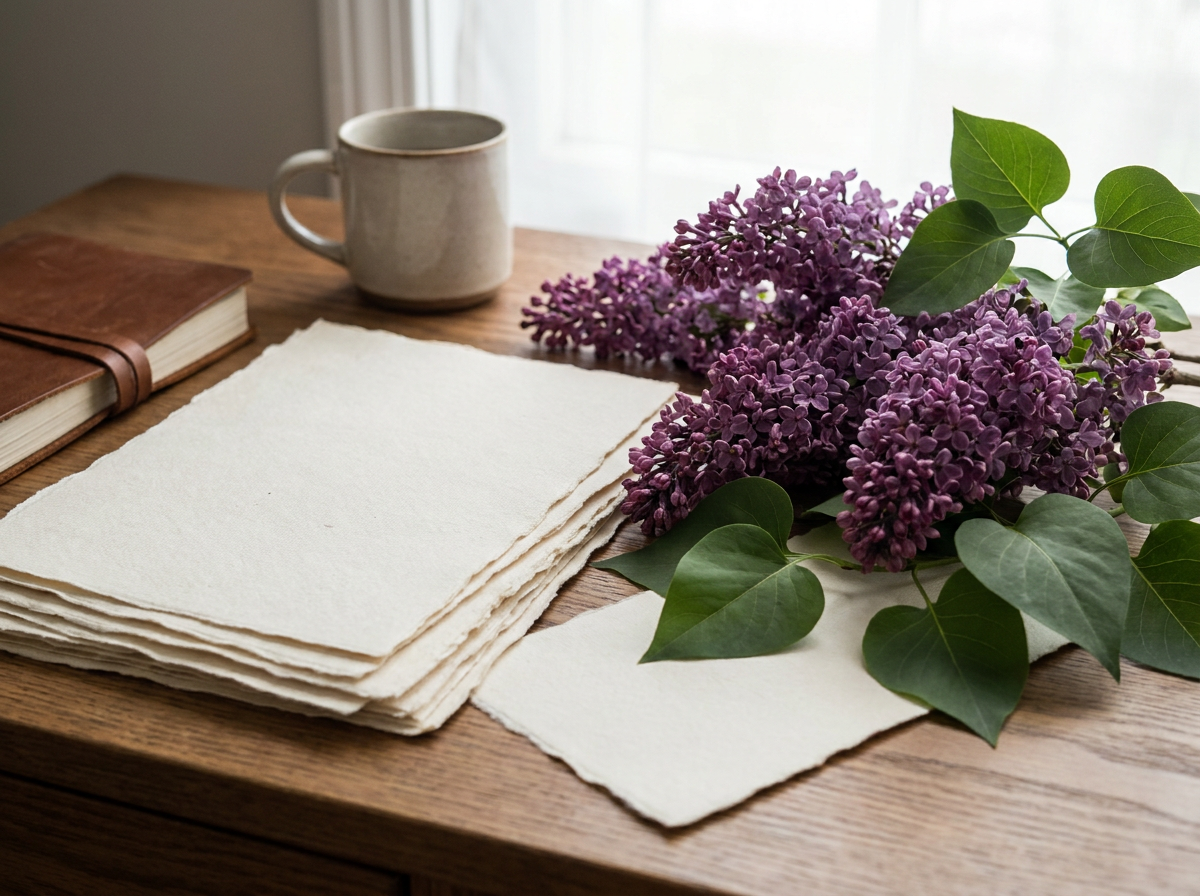
This is a quieter, more craft-oriented use that tends to surprise people. If you make cards, gift tags, or botanical art with pressed flowers, a single drop of lilac oil applied to the back of a finished card (on a small piece of tissue paper or a cotton pad, not directly on the paper) gives it a faint, evocative scent that lasts for days to weeks.
The scent fades on paper, but when the recipient opens an envelope and catches that brief spring-garden note, it adds a layer of sensory experience that a purely visual card can't replicate. It's a small touch that tends to be remembered.
Practical takeaway: Apply the oil to a separate material tucked inside the envelope, not directly to paper or ink, to avoid staining or bleeding.
15. Use It to Anchor a Seasonal Scent Memory
This last use is less a practical recipe and more a philosophy of how to get the most from lilac oil over time. Scent is one of the most powerful triggers for memory and atmosphere. If you use your lilac oil consistently during a particular time, season, or ritual, it builds an association that compounds over years.
Some people choose lilac as their spring oil: they diffuse it from March through May and then put it away. When they open the bottle again the following March, the scent carries the accumulated pleasure of every previous spring. Others use it as a constant year-round signature, finding comfort in its consistency. Neither approach is wrong. The right one is whichever fits how you actually live.
Proper storage makes all of this possible. If you're investing in a quality bottle, take a few minutes to understand how to keep it fresh. Our guide on storing lilac oil and keeping a floral composition fresh covers everything you need to know about light, temperature, and shelf life.
Practical takeaway: Keep a small notebook with dates, drop counts, and brief notes on each lilac blend you try. Over time, this becomes a genuinely useful reference, and a personal record of how your relationship with this particular scent has evolved.
A Few Notes Before You Start
Before experimenting with any of the uses above, a few foundational points are worth keeping in mind. Lilac oil products vary significantly in quality, composition, and concentration depending on the source. A high-quality absolute, a botanical infusion in a carrier oil, and a fragrance oil will all behave differently in DIY applications. Knowing what you have matters.
Always dilute properly, patch test new blends on skin, and keep oils stored away from heat, light, and air. If you share your home with pets, check our pet safety resource before diffusing or using lilac oil in shared spaces. And if you have any underlying health considerations or are pregnant, consult a qualified healthcare provider before adding new aromatic products to your routine.
Spring doesn't have to be seasonal. With a good bottle and a little creativity, lilac can become part of how you experience every month of the year.