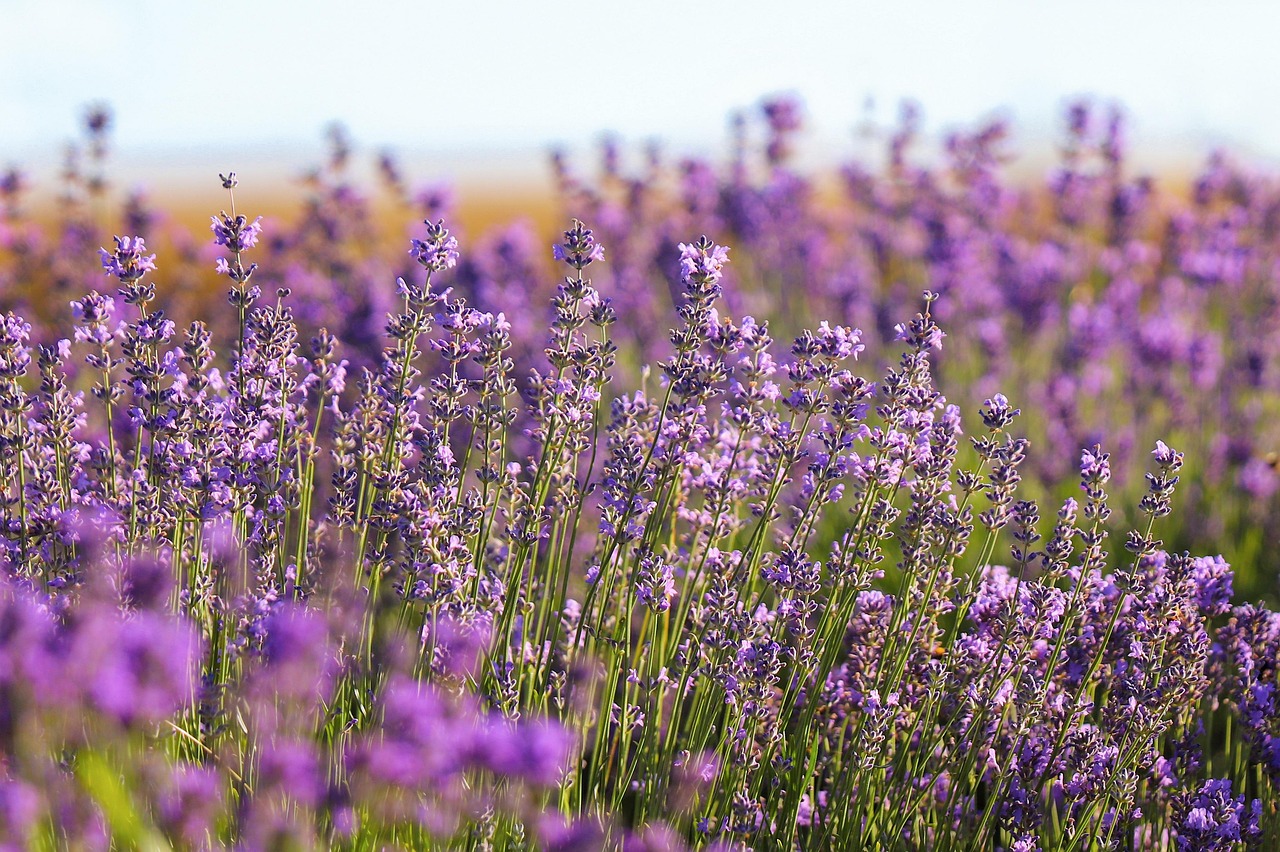
Lilac vs Lavender Oil: Two Purple Blooms, Two Different Bottles
They share a color family and a season. Both have loyal followings in the fragrance and botanical worlds. But lilac oil and lavender oil are genuinely different products, made through different processes, sourced from different places, and suited to different moments. If you are trying to decide between them, or wondering whether you need both, this comparison will give you a clear picture.
This is a floral oil comparison built for people who want honest information, not marketing poetry. We will look at scent character, sourcing realities, price points, and practical use cases, so you can spend your money on the right bottle.
First, a Sourcing Reality Check
Before comparing lilac vs lavender oil on any other basis, it is worth being direct about one fundamental difference: how these oils are made.
Lavender essential oil is steam-distilled from Lavandula angustifolia and related species. The process is well-established, scalable, and produces a genuine essential oil with documented chemical constituents. Lavender farms operate commercially across France, Bulgaria, England, and beyond. Supply is relatively stable.
Lilac oil is a different matter. True lilac (Syringa vulgaris) does not yield commercially viable quantities of essential oil through standard distillation. The blossoms are delicate, and the aromatic compounds are largely destroyed by heat. This means that most products sold as "lilac oil" in the retail market are one of the following:
- Fragrance oils: synthetic or blended aroma compounds in a carrier base
- Enfleurage or solvent-extracted absolutes: rare, expensive, and produced in very small quantities
- Infused oils: carrier oils that have been macerated with lilac blossoms to capture lighter aromatic and botanical properties
None of these options is inherently dishonest. But the label matters enormously. A well-made lilac fragrance oil can be a beautiful product. A poorly labeled one can mislead buyers into thinking they are purchasing something they are not. Our complete guide to buying lilac oil covers exactly what to look for on labels before you commit to a purchase.
Scent Profile: How They Actually Smell
This is where the two purple flower oils diverge most sharply, and where personal preference will drive most buying decisions.
Lavender
Lavender essential oil has a clean, slightly herbaceous floral scent with distinct camphoraceous and woody undertones. It reads as familiar and grounding. The scent opens relatively quickly and has good staying power when properly diluted. Different varieties (fine lavender, lavandin, spike lavender) each carry their own nuances, but the family is recognizable.
Lilac
Lilac fragrance is lusher and more overtly floral. It has a powdery, almost honeyed quality that lavender does not share. Where lavender can feel crisp and linear, lilac feels rounded and a little nostalgic. A good lilac oil should evoke the specific sweetness of standing next to a blooming lilac bush in late spring. It is a more complex and harder-to-replicate scent, which is part of why the sourcing story above is so relevant: capturing that character authentically requires skilled formulation.
For perfumery and home fragrance applications, this distinction matters a great deal. For skincare-focused uses where scent is secondary, it matters less.
Side-by-Side Comparison Table

| Attribute | Lilac Oil | Lavender Oil |
|---|---|---|
| Oil type | Fragrance oil, absolute, or infused oil (most retail) | Essential oil (steam-distilled) |
| Primary scent notes | Sweet, powdery, honeyed floral | Herbaceous, clean floral with camphor undertones |
| Scent longevity | Variable by formulation; fragrance oils tend to last well | Moderate to good; depends on dilution and application |
| Sourcing transparency | Requires careful label reading; category is less standardized | Well-documented supply chains; GC/MS testing widely available |
| Price range (retail) | Wide range; authentic absolutes are significantly more expensive | Moderate and relatively consistent for quality grades |
| Skin application (diluted) | Yes, with appropriate carrier; patch test strongly advised | Yes, with appropriate carrier; some varieties used at low concentrations |
| Diffuser use | Yes, though check formulation suitability first | Yes, widely used |
| Candle and soap making | Excellent; fragrance oils perform well in these formats | Good; essential oil may require higher loading for strong scent throw |
| Organic certification availability | Limited and complex; see our sourcing guide for context | Available from several certified producers |
| Availability | Specialty retailers, some mass market with variable quality | Widely available across most retail channels |
Pros and Cons
Lilac Oil: Pros
- Distinctive, lush scent that lavender simply cannot replicate
- Creates a strong seasonal and emotional association (late spring, nostalgia, garden atmosphere)
- Fragrance oil formulations offer good batch consistency and scent throw in candles and soaps
- Less saturated in the market than lavender, making products feel more distinctive
- A high-quality lilac absolute, when you can find it, is a genuinely rare aromatic experience
Lilac Oil: Cons
- Category lacks standardization; quality varies widely between sellers
- Label language can be misleading if buyers do not know what to look for
- True absolutes are expensive and hard to source reliably
- Organic certification claims require scrutiny; the category is not well-regulated
- Some lower-quality fragrance oils can smell sharp or synthetic rather than true-to-flower
Lavender Oil: Pros
- Genuine essential oil with well-documented composition
- Widely available from certified organic producers
- Consistent supply and stable pricing compared to specialty florals
- Familiar, versatile scent that works across many applications
- Extensive community knowledge around dilution, blending, and use
Lavender Oil: Cons
- Extremely common; products using lavender do not stand out on a crowded shelf
- Scent fatigue is real for people who encounter it constantly in commercial products
- Quality still varies between grades; not all lavender essential oils smell the same
- The camphoraceous notes in lavandin (a hybrid often sold as lavender) can disappoint buyers expecting a purely soft floral
- Adulteration with synthetic linalool is documented in lower-cost products
Best For: Use Case Recommendations

Candle and Soap Making
Lilac oil wins here, particularly for makers who want a signature scent that reads as fresh and distinctive. A well-formulated lilac fragrance oil holds up well in soy and paraffin wax and performs reliably in cold-process soap. Lavender is a solid option, but it is so prevalent in handmade goods that it rarely creates a memorable impression on its own.
Diffuser and Room Atmosphere
This depends on what you want the space to feel like. For a clean, grounding atmosphere during evening wind-down routines, lavender essential oil diffuses predictably and smells consistent batch to batch. For a lush, floral spring-garden atmosphere, a lilac fragrance oil designed for diffuser use can be genuinely lovely. Check your lilac product's suitability for ultrasonic diffusers before using it, since not all fragrance oil formulations are designed for this purpose.
Perfumery and Blending
Both oils have a place in a blender's cabinet. Lavender is a classic middle-note anchor. Lilac adds a powdery sweetness that works beautifully with rose, jasmine, and light musks. For complex floral compositions, having both available is genuinely useful. A lilac absolute, if you can source a quality one, is a rare and rewarding ingredient. Our lilac oil price guide can help you understand what to expect to pay for different grades.
Skincare and Body Products
Lavender essential oil has a longer track record in skincare formulations, and the community knowledge around safe dilution ratios (typically 1-2% for most adults in leave-on products) is well-established. Lilac infused oils, where a carrier like jojoba or sweet almond has been macerated with blossoms, carry gentle botanical properties from the carrier itself and may be a good choice for people who want a lighter floral scent in a body oil or lotion. Always patch test. Always dilute properly. People with sensitive skin should introduce any new oil slowly.
Gift Giving and Seasonal Collections
Lilac has a strong seasonal identity that lavender, used year-round, does not always carry. A lilac-scented oil or body product reads as a spring gift in a way that lavender rarely does. For spring retail collections or seasonal gift sets, lilac creates a more specific and evocative impression.
What About Organic Options?
Lavender essential oil from certified organic farms is widely available and relatively straightforward to source. The certification pathways are established, and reputable suppliers carry documentation.
Lilac is more complicated. Given that most lilac oil sold at retail is a fragrance oil or an infused oil rather than a true essential oil, organic certification claims require careful reading. Our article on what organic certification can and cannot mean for lilac oil breaks down exactly what those labels are certifying and where the gaps exist. It is worth reading before you pay a premium for an organic claim you cannot verify.
The Verdict
Lavender is the more straightforward purchase. The product category is better regulated, quality signals are easier to read, and the scent is dependable. If you are new to floral oils, or if you want something that works across a wide range of applications without much research, a quality lavender essential oil is a reliable starting point.
Lilac is the more rewarding purchase when you find the right product. The scent is genuinely beautiful and harder to replicate with anything else. It creates an atmosphere that lavender simply does not. The catch is that the category requires more buyer education. You need to know what type of lilac oil you are buying, who made it, and whether the price reflects actual quality or just good packaging. Do that research, and a well-made lilac oil earns its place in your collection alongside lavender rather than instead of it.
These two purple flower oils are not really competitors. They answer different needs. The better question is not which one wins, but which one fits what you are making, or what atmosphere you are trying to create, right now.