Your First Bottle of Lilac Oil: Which Size and Style to Order
Your first lilac oil order can feel surprisingly complicated. Sizes range from 5 ml sample vials to 16-ounce bulk bottles. Labels use terms like "absolute," "enfleurage," and "fragrance oil" that nobody explains. And prices swing wildly, from a few dollars to well over a hundred, often with no obvious reason why.
This guide cuts through the noise. It covers what the different sizes actually get you, which quality markers matter before you click "add to cart," and which red flags should send you looking elsewhere. By the end, you will know exactly which lilac oil bottle to order first.

Start Here: What Kind of Lilac Oil Are You Actually Buying?
Before comparing lilac oil sizes, you need to understand what is in the bottle. This is the most important step for any first-time buyer, and most product pages skip it entirely.
Lilac does not yield a true steam-distilled essential oil. The blossoms are too delicate, and their volatile compounds break down under heat. What you find on the market falls into a few distinct categories, each suited to different uses.
- Lilac fragrance oil: A synthetic or blended aroma compound designed to replicate the scent of lilac. Widely available, consistent batch to batch, and excellent for candle making, soap, and home fragrance. Not appropriate for skin unless specifically formulated and tested for cosmetic use.
- Crafted lilac blossom oil: Typically a carrier oil (such as jojoba or sweet almond) infused with actual lilac blossoms through cold maceration or enfleurage-style extraction. These carry a softer, more natural lilac note and are suitable for skin-focused applications when properly formulated.
- Lilac absolute: A solvent-extracted concentrate that captures a richer, more complex scent profile. Expensive, used primarily in fine perfumery, and sold in small quantities.
Knowing which type you are buying changes everything about how you evaluate price, size, and label claims. For a full breakdown of the differences, see our honest comparison of lilac fragrance oil versus crafted lilac blossom oil.
Lilac Oil Sizes Explained: Which Is Right for a First Order?
5 ml and 10 ml (Sample or Trial Size)
These small vials are the smartest entry point for any first lilac order. A 5 ml bottle gives you enough to evaluate the scent, test it in a small batch of a project, or try it in a personal fragrance blend before committing to a larger purchase.
Reputable sellers offer these intentionally. If a brand does not offer any trial size at all, that is worth noting. It suggests they would rather lock you into a larger purchase than let the product speak for itself.
Use a sample size when: you have not smelled this particular formulation before, you are comparing two or more blends, or you are new to working with lilac oil in any format.
1 oz (30 ml)
The 1-ounce bottle is the most practical size for a first full purchase. It gives you enough product to use meaningfully in a home fragrance project, a small candle batch, or a few weeks of personal use, without overcommitting budget on a product you have not fully evaluated yet.
For crafted lilac blossom oils used in skin-focused applications, a 1-ounce bottle at a proper dilution goes a considerable distance. This is the size most buyers should order first.
4 oz and 8 oz (Mid-Range)
These sizes make sense once you know a product well. If you have already worked through a smaller bottle and liked the scent, performance, and quality, stepping up to 4 or 8 ounces often brings a noticeably lower per-unit cost.
Fragrance oils for candle making move through larger volumes quickly. If you are producing candles regularly, a 4-ounce bottle of a tested fragrance oil is a reasonable second or third purchase.
16 oz and Larger (Bulk)
Bulk sizing is for established makers who have locked in a formula and verified that a specific product performs consistently across batches. It is not a first-order size for anyone. Even experienced formulators typically retest a fragrance oil at small scale when buying from a new supplier, before investing in bulk.
What to Look for in a Quality Lilac Oil Bottle
Packaging and Container Material
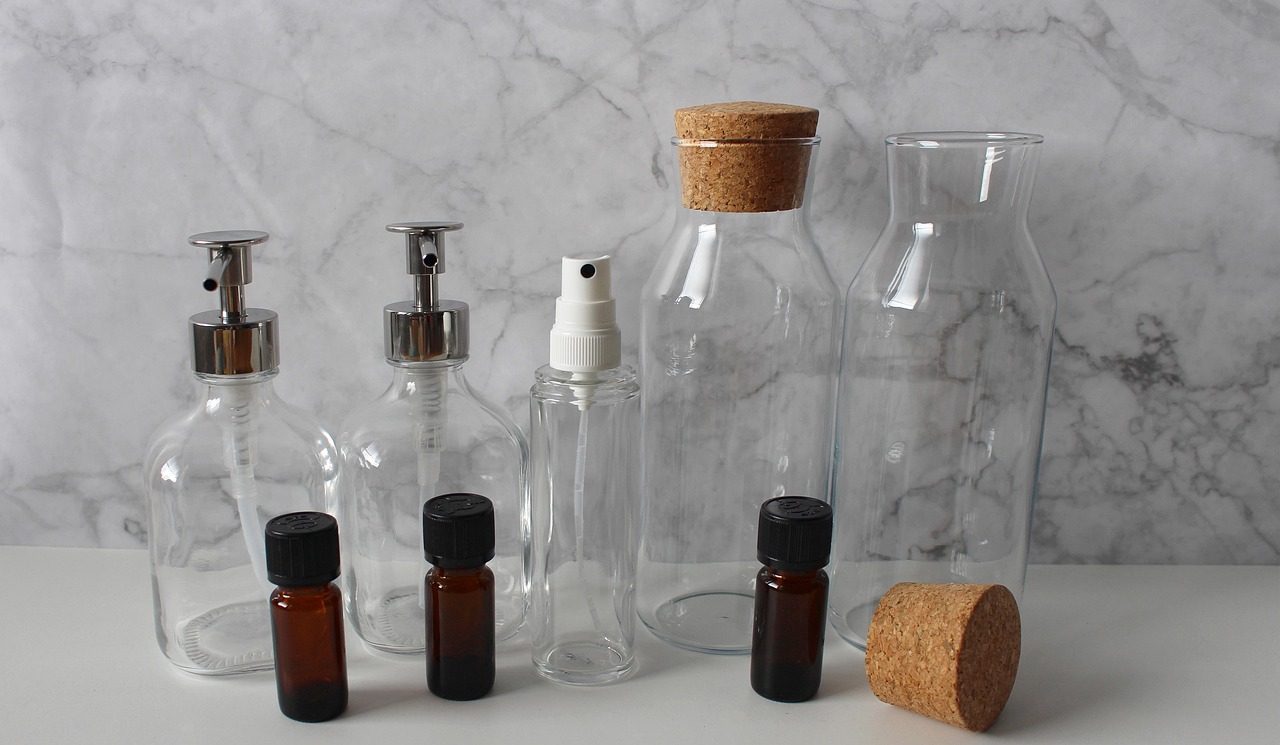
Quality lilac oils, particularly fragrance concentrates and any oil-based infusions, should be stored in amber or cobalt glass. Both protect contents from UV light degradation. Clear glass is a warning sign for any product intended for long-term storage.
The dropper or cap should seal completely. Leaking caps indicate poor quality control at the packaging stage, and that same inattention likely extends to the product itself.
Label Transparency
A trustworthy lilac oil label will tell you the type of product (fragrance oil, infused oil, absolute), the carrier base if applicable, the country of origin, and any relevant usage guidance. Vague labels that list only "lilac oil" with no further detail are a red flag.
For a detailed walkthrough of how to read a lilac oil label before purchasing, see our guide to reading a lilac oil label. Understanding what the label says (and what it is not saying) is one of the fastest ways to separate quality products from low-effort ones.
Scent Accuracy and Complexity
A high-quality lilac oil should smell like actual lilac blossoms: light, powdery, slightly green, with a soft floral heart. Cheap fragrance oils often skew too sweet, too synthetic, or too sharp.
If a seller provides scent descriptions, look for nuanced language. "Freshly bloomed lilac with a soft powdery base" tells you more than "lilac scent." Some sellers offer sample packs specifically for scent evaluation, which is worth the small cost before a larger investment.
Batch and Sourcing Information
Reputable suppliers disclose where their raw materials come from and provide batch numbers for traceability. For crafted blossom oils, look for information about the maceration process and the base carrier oil used. This level of transparency signals a seller who stands behind their product.
Key Features to Compare Across Products
| Feature | Why It Matters | What to Look For |
|---|---|---|
| Container material | Protects scent and shelf life | Amber or cobalt glass |
| Label detail | Confirms product type and ingredients | Full ingredient list, product type stated clearly |
| Scent description | Helps you predict suitability for your use | Specific, nuanced language |
| Batch information | Indicates quality control | Batch number or lot code present |
| Usage guidance | Confirms appropriate applications | Dilution recommendations, skin vs. craft use noted |
| Return or sample policy | Shows seller confidence in the product | Sample sizes offered, clear return terms |
Price Points: What to Expect at Each Level

Budget Range (Under $10 for 1 oz)
At this price point, you are almost certainly buying a synthetic fragrance oil. That is not inherently a problem. Fragrance oils serve real purposes in candle making, soap crafting, and home diffusion. The issue is that budget fragrance oils often use lower-grade aroma compounds that produce flat, one-dimensional scent. They may also lack usage guidance, which creates problems if you apply them incorrectly.
Budget picks can work for craft projects where scent accuracy matters less than economy. They are a poor choice if your goal is a refined personal fragrance or a skin-use product.
Mid-Range ($10 to $35 for 1 oz)
This is where most buyers find the best balance of quality and value. Mid-range products include well-formulated fragrance oils from established craft suppliers and properly made lilac blossom infusions in quality carrier bases. Labels tend to be more transparent, scent profiles more accurate, and packaging more thoughtfully done.
For a first lilac order where skin or personal fragrance use is the goal, spending in this range is a sound decision.
Premium ($35 and Up for Small Quantities)
Premium pricing usually reflects one of two things: a lilac absolute (which involves expensive solvent extraction and is used in small amounts in perfumery) or a high-end crafted infusion using a luxury carrier base such as jojoba or rosehip. Both can be worth the cost for specific applications. Neither is necessary for a first purchase unless you have a specific perfumery or formulation goal in mind.
Red Flags to Avoid on Your First Lilac Order
- "100% pure lilac essential oil": Lilac cannot be steam distilled into a pure essential oil. Any product making this claim is either mislabeled or misleading. Walk away.
- No ingredient list: In the US, cosmetic products are required to list ingredients. A seller who omits this information is not complying with labeling standards.
- Clear glass packaging with no UV protection claims: Fragrance compounds and botanical oils degrade with light exposure. Clear glass indicates either poor formulation knowledge or cost-cutting.
- Unrealistically low prices on large sizes: A 4-ounce "lilac absolute" for $8 is not a deal. It is a signal that the product is not what it claims to be.
- No usage guidance whatsoever: Responsible sellers provide at minimum a note on whether the product is for cosmetic, craft, or aromatic use. Absent any guidance suggests the seller is not thinking carefully about the product.
- Vague origin information: "Imported" with no country listed, or no sourcing information at all, makes quality verification impossible.
Where to Buy Lilac Oil
Specialty Botanical and Fragrance Suppliers
The most reliable source for your first lilac oil purchase is a supplier who specializes in botanical ingredients or fine fragrance materials. These sellers typically provide detailed product information, offer sample sizes, and have real expertise in the products they stock.
Craft Supply Retailers
Large craft supply platforms carry a wide range of fragrance oils, including lilac, and generally offer consistent quality for candle and soap making applications. They are a practical choice if your primary use is craft-focused.
Marketplaces (with Caution)
General online marketplaces can yield good products, but they require more careful vetting. Apply every quality indicator in this guide before purchasing. Check seller reviews carefully, look for detailed product descriptions, and start with a small size until you have verified quality for yourself.
For a broader look at how to evaluate any lilac oil seller before purchasing, our complete honest quality guide to buying lilac oil walks through the full process.
The Practical First Order
Here is the simplest approach for most new buyers. Order a 5 ml or 10 ml sample of one or two products you are genuinely curious about. Evaluate the scent against real lilac blossom if you can. Check the label against the criteria in this guide. If the product holds up, order a 1-ounce bottle and use it properly for your intended application.
That sequence costs less than a single poor-quality bulk purchase and teaches you far more about what you actually want from a lilac oil. The right lilac oil bottle for you is the one that delivers on its label, suits your use, and earns a repeat order.