How Crafted Lilac Oil Is Built: Infusion, Extracts, and Accord Work
Lilac has one of the most beloved scents in the floral world, yet it stubbornly refuses to yield its fragrance through conventional steam distillation. The blossoms are simply too delicate. Their aromatic compounds collapse under heat before a true essential oil can form. This is the central challenge behind every bottle of crafted lilac oil, and it explains why the making of this scent is genuinely fascinating to explore.
If you have ever wondered how do you make lilac oil that actually smells like the real flower, the honest answer is: through one of three distinct crafting routes, or a careful combination of them. You can work with a carrier-oil infusion, pursue an enfleurage or solvent-based extract, or build a lilac accord from individual aromatic materials. Each method has its own character, its own materials list, and its own realistic results. This guide walks through all three.
For broader context on what lilac oil actually is and where it sits in the world of botanical fragrance, the complete and honest guide to lilac oil is a good starting point before diving into the craft.
Method One: Cold-Oil Infusion
Cold infusion is the most accessible route for home crafters. It does not require specialized equipment, and it works with materials that are easy to source. The resulting product is an infused carrier oil with a soft, green-floral character. It will not be an intense perfume-grade extract, but it carries a genuine botanical impression of the flower.
What You Will Need
- Fresh lilac blossoms (roughly 2 cups, loosely packed, petals only)
- A light, odor-neutral carrier oil: fractionated coconut oil, jojoba oil, or sweet almond oil work well
- One clean, dry glass jar with a tight-fitting lid (16-ounce capacity is practical)
- Cheesecloth or a fine mesh strainer
- Dark glass storage bottles for the finished oil
- Labels with the date and batch details
Step-by-Step Instructions
- Harvest at peak bloom. Collect lilac clusters in the mid-morning, after dew has dried but before the afternoon sun has started pulling volatile compounds from the petals. Choose fully open blooms. Avoid any clusters showing brown edges or signs of wilting, as deteriorating petals can introduce off-notes and speed up rancidity in the finished oil.
- Prepare the blossoms. Remove individual florets from the central stem. You want the small star-shaped flowers, not the woody green stalk. Spread them on a clean paper towel for 15 to 20 minutes to allow any surface moisture to evaporate. Moisture in the jar invites mold.
- Fill the jar. Layer the dried florets into your glass jar, pressing gently but not crushing. Pour your chosen carrier oil over the blossoms until they are fully submerged, with at least half an inch of oil above the petals. Seal the jar.
- Infuse in a cool, dark place. Place the sealed jar away from direct sunlight and heat. A pantry shelf or a closed cabinet works well. Leave it for 48 to 72 hours. Longer infusion times do not reliably increase scent intensity with fresh botanicals; they are more likely to introduce green or slightly fermented notes.
- Strain and repeat. After 48 to 72 hours, strain out the spent blossoms using cheesecloth. Squeeze gently to recover the oil. Then, if you have a second batch of fresh blossoms, repeat the process using the same oil. This double-infusion technique meaningfully deepens the scent profile.
- Bottle and label immediately. Transfer the finished infusion into dark glass bottles. Label each bottle with the carrier oil used, the infusion dates, and the expected use-by date (typically within 6 to 12 months, depending on your carrier oil's shelf life).
Tips and Common Mistakes
The most frequent mistake in cold infusion is using wet blossoms. Even a small amount of trapped water can cause the oil to cloud and eventually go rancid. Patience with the drying step pays off. Another common error is infusing for too long in warm conditions. Heat speeds extraction but also encourages microbial growth and off-odors. Keep it cool and dark.
Expected results: a subtly floral, lightly green carrier oil with a soft lilac impression. It performs beautifully in body oils and hair serums. For practical inspiration on how to use the finished product, the article on 15 ways to enjoy lilac oil year-round offers plenty of ideas.
Method Two: Enfleurage (A Brief Overview) and Solvent Extraction
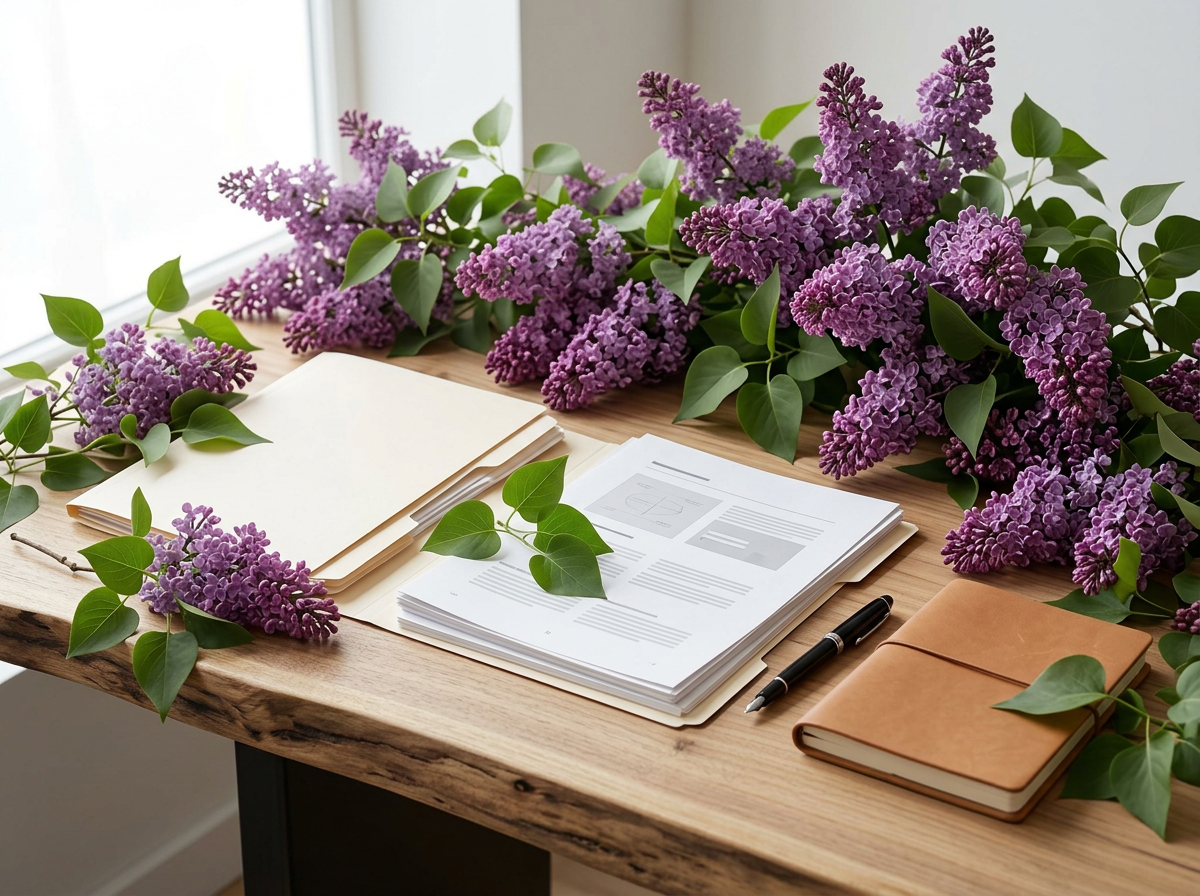
Enfleurage is the classical technique for capturing delicate floral absolutes. It was widely used in the Grasse perfume tradition for flowers like jasmine and tuberose, and it applies equally to lilac. It is labor-intensive and slow, which is precisely why it largely disappeared from commercial production. For small-batch artisan work, though, it remains a compelling approach.
Enfleurage: Core Process
The principle is simple. A neutral fat (traditionally lard or vegetable shortening) is spread onto glass frames. Fresh blossoms are laid onto the fat surface, then left for 24 to 48 hours. The fat absorbs the aromatic compounds from the petals. Spent blossoms are removed, and fresh ones replace them. This cycle repeats over many days, sometimes weeks, until the fat is saturated with fragrance. The resulting product is called a pommade. The pommade is then washed with food-grade alcohol to separate the aromatic compounds from the fat, yielding a lilac absolute.
For home crafters, a simplified version uses coconut oil or shea butter as the fat base. The yield is modest, and the process requires fresh blossoms over an extended period. It is a genuine seasonal commitment.
Cold Solvent Extraction
A more modern approach uses a non-polar solvent, typically food-grade ethanol or a cosmetic-grade carrier, to pull aromatic compounds directly from the blossoms. Fresh florets are submerged in the solvent, agitated gently, and allowed to macerate for a defined period. The plant material is then filtered out. The solvent is carefully evaporated under low heat or through vacuum, leaving behind a concentrated floral extract or absolute.
This method produces a richer, more complex scent profile than cold infusion. The tradeoff is that it requires careful sourcing of appropriate solvents, attention to evaporation safety, and a clear understanding of what residue levels are acceptable in a finished cosmetic product. If you plan to use this extract in anything applied to skin, research solvent residue thresholds and relevant cosmetic safety standards for your region before proceeding.
Method Three: Building a Lilac Accord
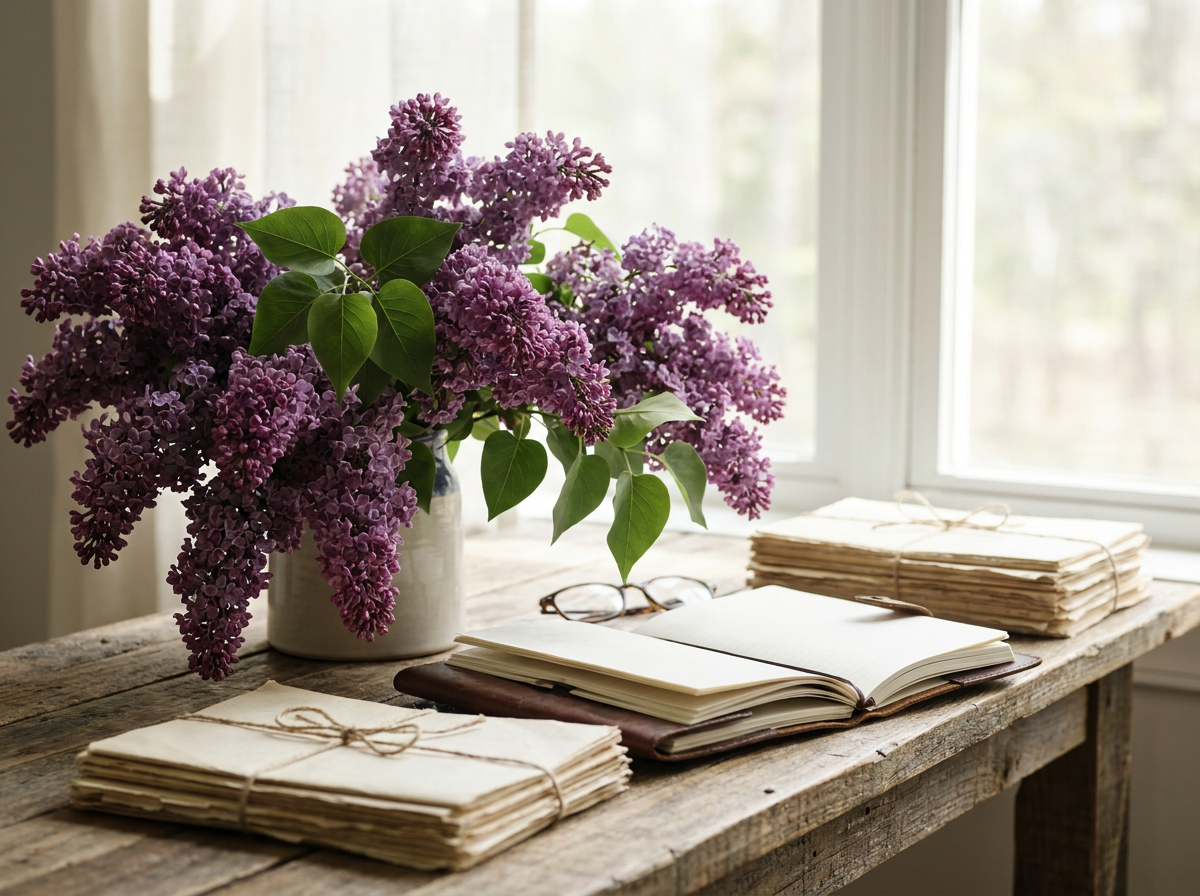
This is where crafted lilac oil reaches its most sophisticated expression. A lilac accord is a composed fragrance that reconstructs the scent profile of lilac using a combination of aromatic materials, none of which smell precisely like lilac on their own. When blended with care and proportion, they converge into something that reads unmistakably as lilac to the nose.
Professional perfumers build lilac accords because no single captive or natural material captures the full complexity of the live flower. The scent of living lilac includes green facets, powdery depth, an almost aldehydic brightness, and a cool floral core. Reconstructing that requires layers.
What You Will Need
- Hedione or methyl dihydrojasmonate (adds a soft, diffusive floral warmth)
- Linalool (clean floral freshness, found in many natural essential oils including lavender)
- Benzyl acetate (fruity-floral facet, adds sweetness without heaviness)
- Alpha-terpineol (lilac-characteristic note, slightly cool and floral-green)
- Cis-3-hexenyl acetate or a green leaf accord (adds the dewy, fresh-cut stem quality)
- A small amount of phenylethyl alcohol (rosy, soft, rounds the composition)
- Dipropylene glycol or a cosmetic-grade carrier (as a dilution and blending base)
- A precision scale accurate to 0.01 grams
- Small glass beakers or sample vials
- Scent strips for evaluation
- A notebook for documenting every formula
Step-by-Step Accord Construction
- Start with a target profile. Before touching a single material, write down what qualities you want the finished accord to emphasize. Cool and fresh? Powdery and nostalgic? Green and dewy? Your target guides every blending decision. Reference fresh lilac blossoms if they are in season, or a trusted reference fragrance.
- Build the core first. Alpha-terpineol is the structural center of most lilac accords. Begin with a simple dilution: 10% alpha-terpineol in your carrier. Evaluate on a scent strip. Note what is missing. You will find it is cool and vaguely floral but thin and one-dimensional.
- Add the floral body. Introduce linalool at a ratio of roughly 1.5 to 2 parts for every 1 part alpha-terpineol. This adds softness and a recognizable floral roundness. Evaluate again. The composition should now read more clearly as a floral.
- Layer in sweetness and diffusion. Add benzyl acetate (start at around 0.5 to 1 part relative to your alpha-terpineol quantity) and hedione (a similar small proportion). These materials open up the accord, add lift, and give it the kind of diffusive quality that makes lilac smell like it is floating in the air rather than sitting flat.
- Introduce the green dimension. A small proportion of cis-3-hexenyl acetate or a green accord material brings in the stem-and-leaf freshness that distinguishes lilac from purely powdery florals. Use this with restraint. Green materials can quickly dominate and make a composition smell more like cut grass than flowers.
- Refine and rest. Once you have a working formula, let the blend sit sealed for at least 24 hours. Aromatic materials interact and evolve as they marry together. What smells sharp or unbalanced immediately after mixing often smooths out after resting. Evaluate again on a fresh scent strip after the rest period.
- Document your formula precisely. Record every material, every proportion, every adjustment. Perfumery is reproducible only when documentation is meticulous. A beautiful accord you cannot recreate is just a happy accident.
Tips and Common Mistakes in Accord Work
The most consistent mistake beginners make is over-blending in one session. The nose fatigues quickly, especially around floral materials. Work in short evaluation sessions with breaks in between. Step outside for a few minutes between rounds of evaluation. Fresh air resets your perception.
A second common error is scaling up too quickly. Test at small quantities (1 to 5 gram batches) before committing to larger volumes. Proportional changes that seem minor can shift the entire character of the accord at larger scales.
Finally, keep safety data sheets for every aromatic material you use. Many fragrance materials carry usage limits in finished cosmetic products. Check the International Fragrance Association (IFRA) standards for any material you plan to apply to skin.
Combining Methods: How Artisan Producers Work
The most compelling crafted lilac oils on the market today are rarely the result of a single method. A skilled artisan might use a cold-infused jojoba base, add a small proportion of a season-captured enfleurage pommade dissolved in alcohol, and then finish with a custom lilac accord that fills in the facets the natural extracts cannot deliver on their own.
This layered approach explains why two bottles labeled "lilac oil" can smell dramatically different from each other. One might be a pure accord (consistent and bright). Another might lean on infusion (soft and subtle). A third might be a carefully weighted blend of all three routes. None is inherently superior. They serve different purposes and different preferences.
Proper storage is the final piece of the craft. A beautifully constructed lilac oil can deteriorate quickly if it is stored incorrectly. The guide on how to store lilac oil and keep a floral composition fresh covers everything you need to know about light, heat, and container choice.
What to Expect From Your Finished Product
Realistic expectations matter here. A home cold infusion will yield a delicate, wearable floral oil suited to body care and linen sprays. It will not replicate a high-end perfume absolute. An enfleurage extract, done with patience through a full bloom season, may produce something remarkably close to the live flower. A well-built lilac accord can be bright, clear, and surprisingly nuanced, particularly when anchored by even a small proportion of real botanical extract.
People who work through all three methods often report that the accord route gives the most consistent, repeatable results, while the infusion route gives the most personal, seasonal connection to the flower itself. Both observations make sense given the nature of the methods.
Whichever route you choose, the craft of building lilac oil rewards patience, careful documentation, and a willingness to evaluate honestly at every stage. The flower sets a high bar. Working methodically is the only reliable way to meet it.