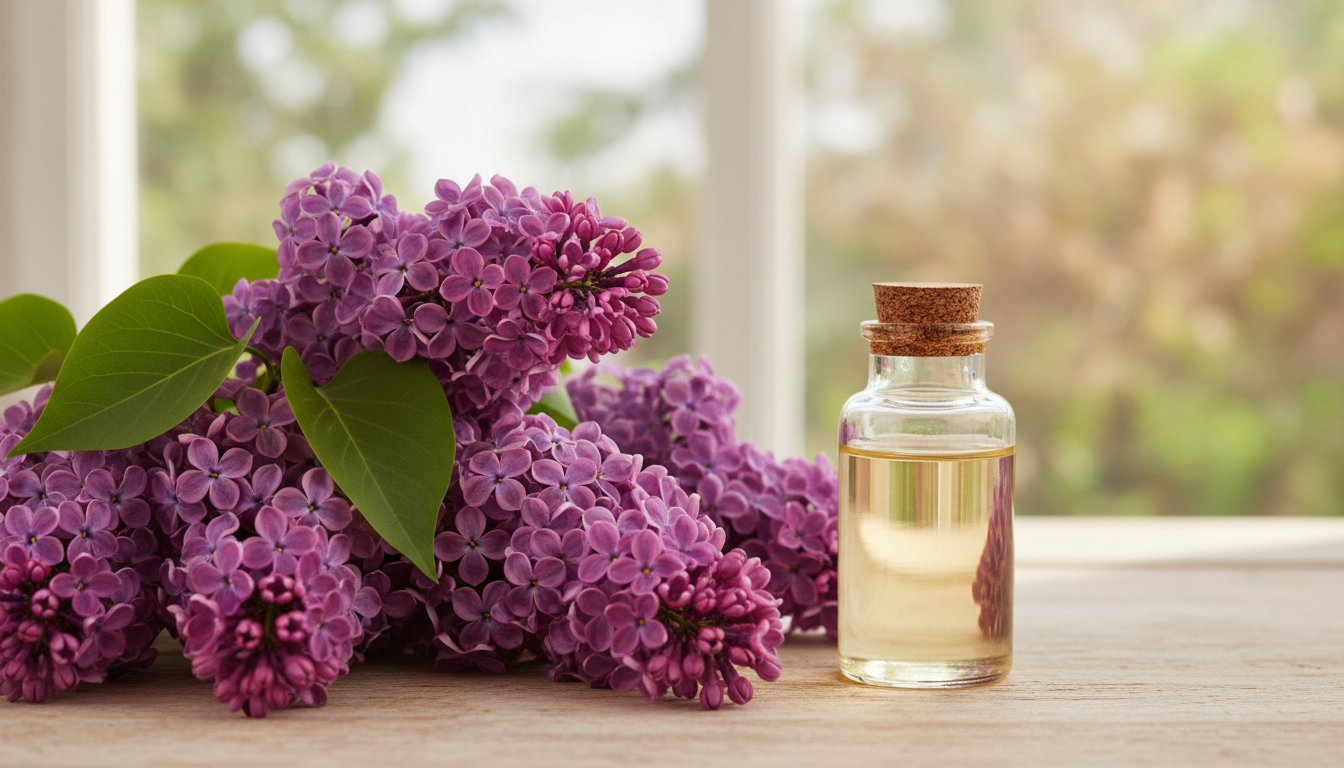
Lilac Oil and the Grandmillennial Bloom Trend: Why This Spring Floral Is Back
If your feed has suddenly filled up with chintz sofas, scalloped lampshades, and grandmother's china displayed like art, you've already met the grandmillennial floral trend. It's the aesthetic that took the minimalist, all-white 2010s living room and asked: what if we brought the flowers back? Ruffled curtains, needlepoint pillows, and yes, the scents that used to fill a real grandmother's hallway are having a full-circle moment. Lilac sits right at the center of it, and searches for lilac oil trending scent 2026 have been climbing right alongside the decor tag.
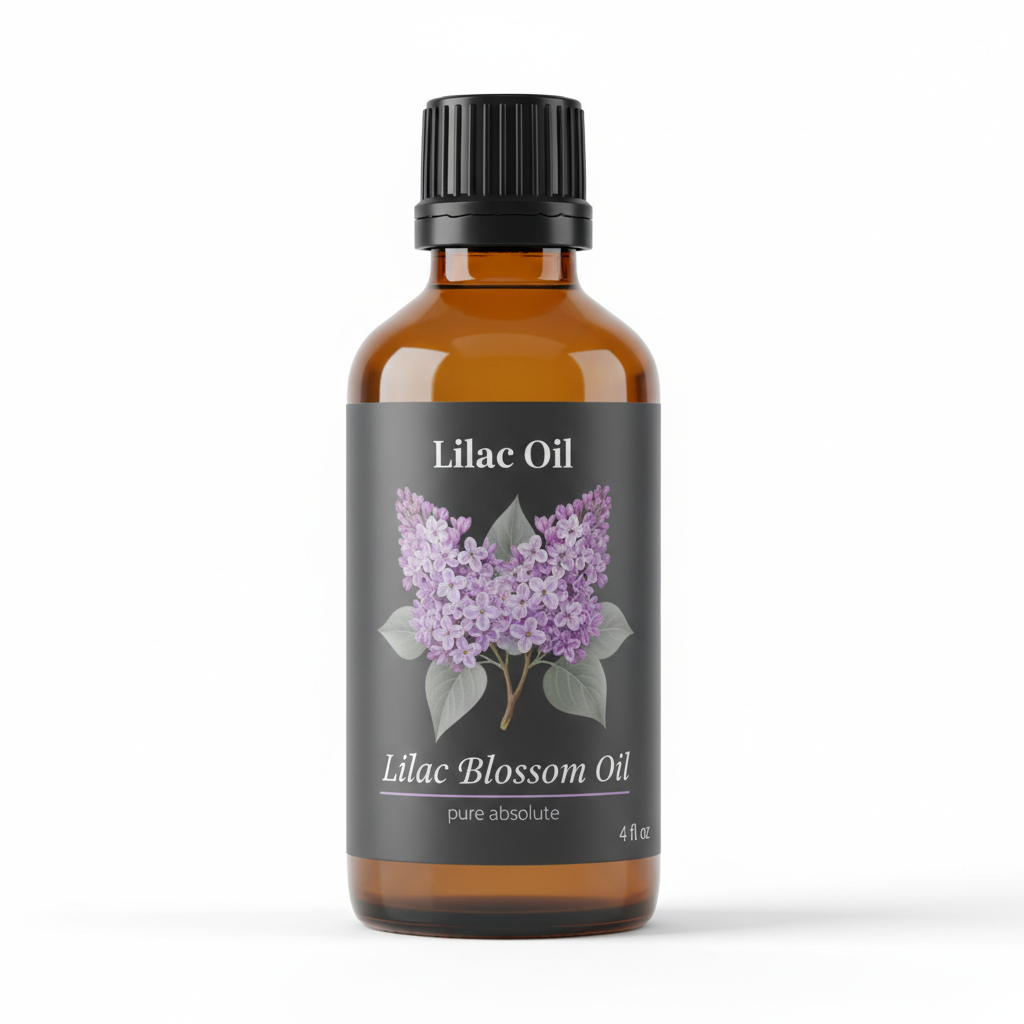
This isn't a coincidence. Scent and decor trends move together more than people realize. When a visual style comes back, the fragrances associated with it tend to follow within a season or two, and lilac has a particularly strong claim on the grandmillennial mood board.
Why This Trend Is Relevant Right Now
Spring is when lilac shrubs actually bloom, usually a short window in April and May depending on your region, so search interest and home fragrance shopping both spike this time of year regardless of decor trends. But 2026 has an added layer: the grandmillennial look, which built momentum on Pinterest and home decor accounts over the past couple of years, has crossed over into fragrance shopping in a way it hadn't before. People aren't just buying floral wallpaper. They're asking what their grandmother's house actually smelled like, and lilac keeps coming up as the answer.
Part of it is generational nostalgia. A lot of people furnishing their first real home right now grew up visiting a grandparent's house that had a lilac bush by the porch or a bowl of lilac-scented sachets in a linen closet. That specific, slightly powdery, unmistakably floral note reads as comfort and memory rather than as anything trendy or manufactured. It's the opposite of a lab-clean, single-note "clean linen" candle. It smells like a particular kind of house.
What the Grandmillennial Floral Trend Actually Looks Like
Grandmillennial decor mixes traditional, slightly formal pieces (think chinoiserie, needlepoint, brass) with a more relaxed, lived-in sensibility. It's not a museum recreation of a 1980s dining room. It's selective: pull the pieces that feel warm and personal, skip the ones that feel dated in the wrong way. Applied to fragrance, that means people want florals that feel real and a little old-fashioned, but not heavy or old-lady-perfume in the negative sense. Lilac threads that needle well. It's floral without being cloying, soft without disappearing, and it carries genuine botanical history rather than reading like a synthetic trend flavor invented last month.
If you're new to the plant itself, our complete guide to lilac oil is a good starting point before you shop, since lilac is one of those florals where knowing what you're actually buying matters more than usual.
Lilac Oil Trending Scent 2026: What's Driving the Search Spike
A few things are converging this year. First, home fragrance spending overall keeps climbing as people invest more in how their space feels rather than just how it looks in photos. Second, "grandma-core" and grandmillennial content has moved from a niche decor tag into mainstream lifestyle content, which pulls fragrance along with it. Third, lilac has a natural seasonal hook: it's genuinely, briefly in bloom right now, so there's an authentic reason to be thinking about it beyond the trend cycle.
Worth knowing before you shop: true lilac essential oil, in the strict steam-distilled sense, doesn't really exist at commercial scale. The blossoms don't yield enough oil through distillation to make it viable, which is a common point of confusion. What you'll find labeled as lilac oil is typically a crafted composition, an infusion, or a well-built accord designed to capture the scent honestly. That's not a downside, it's just useful to understand going in, and we cover the full explanation in why there's no true lilac essential oil, and what exists instead.
Cottagecore Lilac Scent: A Softer, Wilder Cousin
Grandmillennial and cottagecore overlap but aren't identical. Where grandmillennial leans formal-with-a-twist (think inherited silver and chintz), cottagecore leans wild-with-structure (think gathered wildflowers in a mismatched jug, linen curtains, a slightly overgrown garden). A cottagecore lilac scent tends to be styled looser: lilac paired with green, dewy notes rather than powder and rose, meant to evoke a hedge at the edge of a garden rather than a formal parlor.
If you're leaning cottagecore rather than grandmillennial proper, look for lilac blends that include a green or leafy top note alongside the floral heart. It reads less like a vanity table and more like a walk past a blooming shrub with the windows open.
Bringing the Vintage Floral Home Fragrance Trend Into Your Space
You don't need a full decor overhaul to try this. Scent is one of the lowest-commitment ways to test a trend before you invest in furniture. Here's how to work lilac in room by room.
Entryway
This is the classic spot for a first-impression floral, echoing the old tradition of a scented sachet by the door. A simple reed diffuser or a few drops of lilac oil on an unglazed clay disc tucked into a decorative bowl works well here, since entryways tend to be short on outlets but long on surface space.
Living Room
Where most of the grandmillennial styling energy goes, so it makes sense to layer scent here too. An ultrasonic diffuser lets you control intensity, and pairing lilac with a light green or woody note keeps it from feeling like a single-note air freshener. Our lilac diffuser blends roundup has eight combinations built for exactly this kind of room.
Bedroom and Linens
This is where the nostalgia hits hardest for a lot of people, since a scented linen closet is a very specific childhood memory. A lightly diluted linen spray on sheets or in a closet sachet brings that back without overwhelming a small room. If you want to make your own, our DIY lilac linen and room spray recipe walks through it step by step, including proper dilution.
Dining Table
A light lilac note near a table setting, whether from a diffused blend nearby or a scented candle at a safe distance from place settings, complements the chinoiserie-and-china styling without competing with food.
A Quick, Safe DIY Lilac Blend for the Season
If you want to try mixing your own vintage floral home fragrance trend blend at home, keep it simple and keep it safe. A basic room spray:
- 2 ounces distilled water
- 1 ounce witch hazel or high-proof vodka (helps disperse the oil in water)
- 10 to 15 drops lilac oil, adjusted to your preferred strength
- Optional: 2 to 3 drops of a green or woody complementary note
Combine in a glass spray bottle, shake before each use, and mist lightly onto fabric from a distance rather than saturating it. Always do a small patch test on an inconspicuous area of any fabric first and wait 24 hours before wider use, since floral compositions can vary in how they interact with different materials and skin sensitivities vary from person to person. Keep any blended oil out of reach of children and pets, and if you have cats in the home, do some reading first: our guide on lilac oil around dogs and cats covers what pet owners should know before diffusing.
Seasonal Variations: Spring Into Summer
Lilac reads as unmistakably spring, but you don't have to retire it the moment the shrubs finish blooming. As the season shifts toward summer, try lightening the blend rather than dropping it entirely. Pair lilac with a citrus or light green top note to keep it feeling fresh rather than heavy as temperatures climb, and scale back the concentration in a diffuser blend so it reads as a whisper rather than the main event. Curious what actually pairs well? Our guide to what blends well with lilac covers twelve options across different moods, from powdery-classic to green-and-wild.
And if you want to make the most of the actual bloom while it lasts (real lilac shrubs typically flower for only a few weeks), our piece on lilac season has tips for capturing the scent, from cut stems to fresh infusions, while the real thing is available.
Why Lilac Feels Different From Other Trending Florals
Rose and peony get a lot of attention in home fragrance, and both are lovely, but lilac carries a specific kind of sentimentality that fits the grandmillennial mood particularly well. It's tied to a season rather than available year-round, it's associated with older homes and gardens rather than modern florist arrangements, and it has a slightly powdery, nostalgic quality that newer synthetic florals don't replicate easily. If you're curious about the cultural and personal associations that give lilac this staying power, we've written about it in lilac in memory and meaning.
A Note on Sourcing and Quality
As lilac oil trends upward, expect more listings labeled "lilac" to show up from sellers who haven't necessarily thought carefully about how the composition was built. Since true steam-distilled lilac essential oil isn't commercially available, look for sellers who are transparent about how their lilac oil is made, whether that's a botanical infusion, a carefully built accord, or a blend of natural aromatic materials. A seller who's upfront about their process is generally a better sign than one who markets a suspiciously cheap bottle as "100% pure lilac essential oil," since that claim doesn't hold up to how the plant actually behaves.
The grandmillennial and cottagecore moment will keep evolving, and other trending florals will have their turn. But lilac's appeal isn't really about the trend cycle. It's about a scent that's been quietly showing up in gardens and hallways for generations, waiting for decor to catch back up to it. This spring is simply a good excuse to bring it inside.