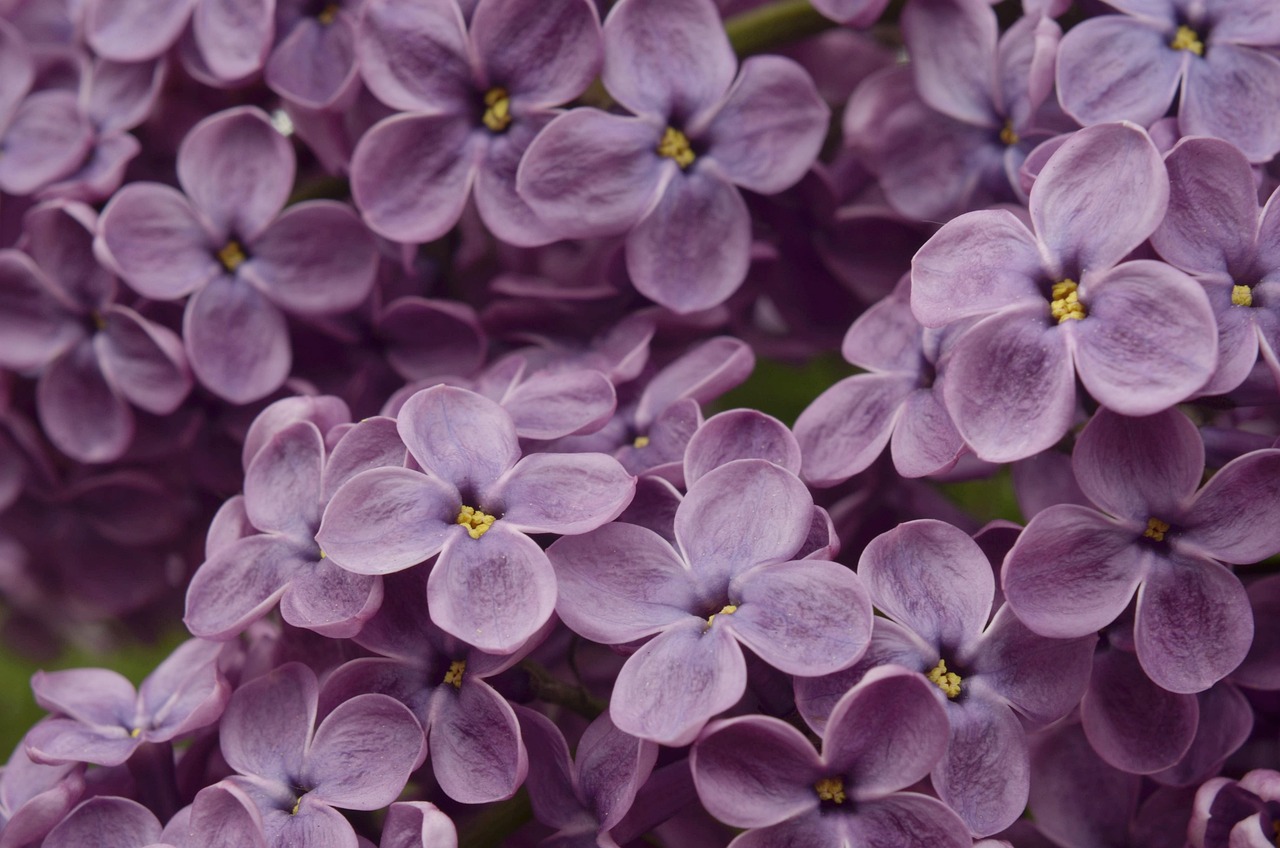
DIY Lilac Body Oil: A Softly Floral After-Shower Blend
There is something quietly indulgent about stepping out of a warm shower and smoothing a handmade oil over your skin. This lilac body oil recipe was built for exactly that moment: a skin-softening, beautifully scented blend you can mix yourself in under fifteen minutes, using ingredients that are easy to source and straightforward to work with.
Lilac has a scent profile that is both green and powdery, with a soft floral depth that layers beautifully into carrier oils. Because true lilac essential oil is not commercially available (the flowers simply do not yield oil through standard distillation), this recipe works with high-quality lilac fragrance oil or a carefully sourced lilac absolute. If you want to understand why that distinction matters, our guide on making and blending with lilac covers the full picture.
This recipe is approachable for first-time blenders and satisfying for those with more experience. Read through the full article before you begin, particularly the safety section.
At a Glance
| Detail | Info |
|---|---|
| Difficulty | Beginner-friendly |
| Prep time | 10 to 15 minutes |
| Yield | Approximately 100 ml (about 3.4 oz) |
| Shelf life | 4 to 6 months (see storage notes) |
| Scent family | Floral, soft green, lightly powdery |
Ingredients
Carrier Oil Base (total 100 ml)
- 60 ml sweet almond oil: lightweight, absorbs well, gentle on most skin types, adds a faint nutty warmth that complements floral notes
- 25 ml jojoba oil: technically a liquid wax, extremely stable, extends shelf life, and gives the blend a silky slip
- 15 ml rosehip seed oil: adds a slightly richer texture and a light golden colour. Use cold-pressed for best quality.
Scent Components
- 1.5 ml (approximately 30 drops) lilac fragrance oil or lilac absolute: this keeps the blend at roughly a 1.5% dilution, appropriate for a leave-on body product
- 0.5 ml (approximately 10 drops) rose geranium essential oil: bridges the lilac with a soft rosy-green note
- 0.25 ml (approximately 5 drops) benzyl acetate-free ylang ylang essential oil (optional): adds a creamy floral depth. Use sparingly, as ylang ylang is potent.
Antioxidant Additive
- 5 drops vitamin E oil (tocopherol, not tocopheryl acetate): helps slow oxidation of the carrier oils. This is a preservative for the oil blend, not a skin claim.
Equipment
- One 100 ml amber or cobalt glass bottle with a pump or dropper cap
- A small measuring cup or graduated cylinder (glass preferred)
- A clean glass stirring rod or chopstick
- A funnel (optional but helpful)
- Labels and a marker for dating your batch
Step-by-Step Instructions
- Sanitize your equipment. Wipe down your glass bottle, stirring rod, and measuring cup with isopropyl alcohol (91% or higher). Let everything air-dry completely before you begin. This step matters: water contamination in an anhydrous (water-free) oil blend can accelerate spoilage.
- Measure your carrier oils. Pour the sweet almond oil in first, then the jojoba, then the rosehip seed oil. If you are working with a graduated cylinder, measure each one individually for accuracy. Combine them in your glass bottle or a small mixing beaker.
- Add the vitamin E. Drop in your 5 drops of tocopherol and give the blend a gentle swirl or stir. This helps distribute it evenly before you add the aromatic components.
- Add the scent components. Start with the lilac fragrance oil or absolute. Count your drops carefully. Next, add the rose geranium. If you are using ylang ylang, add it last. Fewer drops of a strong note is always easier to correct than too many.
- Stir gently. Use your glass rod or a clean utensil to stir the blend slowly for about 30 seconds. Do not shake vigorously. This can introduce air bubbles and does not improve blending.
- Cap, label, and rest. Seal your bottle, write the date and contents on the label, and set it aside in a cool, dark spot for 24 to 48 hours. Aromatic blends often smell slightly different after the components have had time to marry together.
- Perform a patch test before first use. See the safety section below.
How to Use Your Lilac Body Oil
Apply 3 to 5 pumps (or a few drops from a dropper) to damp skin immediately after a shower, before fully toweling off. The residual moisture helps the oil spread more easily and absorb more quickly. Focus on areas that tend toward dryness: shins, elbows, upper arms, and the backs of your hands.
A little goes a long way. If your skin feels greasy after a few minutes, you have likely applied too much. Reduce the amount next time, or let it absorb for a full two minutes before dressing.
This blend also works well as a bedtime wind-down ritual. Massaging a small amount into your hands and forearms before you settle in for the evening can make the whole routine feel more intentional and calming.
Safety Warnings and Contraindications
Please read this section fully before making or using this blend.
Dilution Ratios
This recipe is formulated at approximately 2% total aromatic dilution, which falls within widely accepted guidelines for leave-on body products in healthy adults. The International Fragrance Association (IFRA) and the National Association for Holistic Aromatherapy (NAHA) both provide dilution guidance you can reference. Do not increase the fragrance or essential oil quantities without recalculating your dilution percentage.
Patch Testing
Before applying this oil to a large area of your body, perform a patch test. Apply a small amount (2 to 3 drops) to the inside of your forearm. Wait 24 hours. If you notice redness, itching, raised skin, or any other reaction, discontinue use. Do not apply the product to broken or irritated skin.
Nut Allergy Note
Sweet almond oil is derived from tree nuts. If you have a known tree nut sensitivity, substitute with sunflower seed oil or fractionated coconut oil in the same quantity. See the substitutions section below for more options.
Pregnancy and Nursing
Some essential oils are not recommended during pregnancy or while nursing. Rose geranium and ylang ylang both fall into categories that are frequently flagged. If you are pregnant, nursing, or planning to become pregnant, consult a qualified healthcare provider before using any essential oil-containing product.
Children and Sensitive Populations
This recipe is formulated for adults. Do not use it on infants or young children without guidance from a qualified healthcare provider. Individuals with highly reactive or compromised skin should also seek professional advice before introducing new topical products.
Eye and Mucous Membrane Contact
Keep this oil away from your eyes. If contact occurs, flush with clean water. Do not apply near the eyes or on mucous membranes.
Fragrance Oil Sourcing Note
Not all fragrance oils are skin-safe. Use only fragrance oils that are explicitly labeled as body-safe and compliant with IFRA standards. When in doubt, contact your supplier directly and ask for a Safety Data Sheet (SDS).
Storage Instructions and Shelf Life
Store your finished lilac skin oil in a cool, dark location away from direct sunlight and heat. A bathroom cabinet or a drawer is fine. A windowsill is not.
Rosehip seed oil is the most perishable component in this blend. Its natural shelf life is typically 6 to 12 months when unopened. Once incorporated into your blend and opened regularly, plan to use it within 4 to 6 months. The vitamin E addition helps, but it does not extend shelf life indefinitely.
Signs that your oil has turned: a rancid, crayony, or sour smell; a change in colour; cloudiness in a blend that was previously clear. If any of these appear, discard the batch and start fresh.
If you want a longer-lasting blend, swap the rosehip seed oil for more jojoba, which has an exceptionally long shelf life of up to two years.
Variations and Substitutions
Carrier Oil Swaps
- Nut-free base: Replace sweet almond oil with high-oleic sunflower oil. The texture and absorption rate are comparable.
- Richer blend: Add 10 ml of meadowfoam seed oil in place of some of the sweet almond. It has a luxurious feel and excellent stability.
- Lighter blend: Use 100% jojoba for a very fast-absorbing, non-greasy result. This works well in warmer months or for oilier skin types.
Scent Variations
If you are curious about which aromatic partners work best with lilac, our article on what blends well with lilac covers twelve complementary notes in depth. A few ideas based on that guide:
- Musky floral: Add 5 drops of sandalwood essential oil alongside the rose geranium. The result is warmer and more lingering.
- Fresh green: Substitute the ylang ylang with violet leaf absolute for a greener, more true-to-nature lilac profile.
- Citrus lift: Add 8 drops of bergamot essential oil for a brighter, airier top note. Note that bergamot can increase sun sensitivity. Use a bergapten-free (furanocoumarin-free) variety for a leave-on product.
Making a Lilac-Infused Base
If you are interested in working with actual lilac blossoms rather than purchased fragrance or absolute, cold-process infusion is possible at home. The scent captured this way is subtle and different from a commercial absolute. Our article on enfleurage at home explains the old-world method in full, including realistic expectations for intensity and yield.
Frequently Asked Questions
Can I use this on my face?
This recipe is formulated as a body oil. The dilution is appropriate for body use, but facial skin is more reactive for many people. If you want a facial oil, reduce the total aromatic dilution to 1% or lower and choose non-comedogenic carriers. Consult a skincare professional if you have reactive or acne-prone facial skin.
My batch smells strongly of the carrier oils and not much of lilac. What went wrong?
Nothing went wrong. Carrier oils, especially rosehip seed oil, have their own natural scent. Let the blend rest for 48 hours and smell again. If the lilac is still faint, you can cautiously add 5 more drops of your lilac fragrance, stir, and allow another 24-hour rest period. Avoid the urge to add large amounts at once.
Can I add a preservative to make it last longer?
Anhydrous (water-free) oil blends do not require a broad-spectrum preservative in the same way that water-containing emulsions do. The vitamin E serves as an antioxidant for the oils themselves. As long as your blend contains no water and you keep water out during use (do not dip wet hands into your bottle), the shelf life guidelines above apply.
Can I make a larger batch?
Yes. Scale all measurements proportionally. If doubling, use 200 ml total carrier oil and double all aromatic components. Store in two separate 100 ml bottles rather than one large bottle. Smaller bottles mean less air contact per use, which helps preserve the blend.
A Note on Sourcing Quality Ingredients
The finished quality of your DIY floral body oil depends almost entirely on your starting materials. Cold-pressed, unrefined carrier oils will have more natural character than refined versions, though refined oils sometimes have a more neutral scent if you want the lilac to take centre stage.
For the lilac component, look for suppliers who provide IFRA compliance documentation and clear ingredient lists. A lilac absolute, if you can source a reputable one, will behave differently than a synthetic fragrance oil: it tends to be deeper, slightly greener, and more complex. Neither is inherently better for this recipe. They simply produce different results, and both are worth exploring.
Making your own lilac body oil is one of the most accessible entry points into botanical blending. The ingredients are affordable, the process is low-risk, and the result is something genuinely personal: a scent you mixed, in proportions you chose, that no product on a shelf quite replicates.