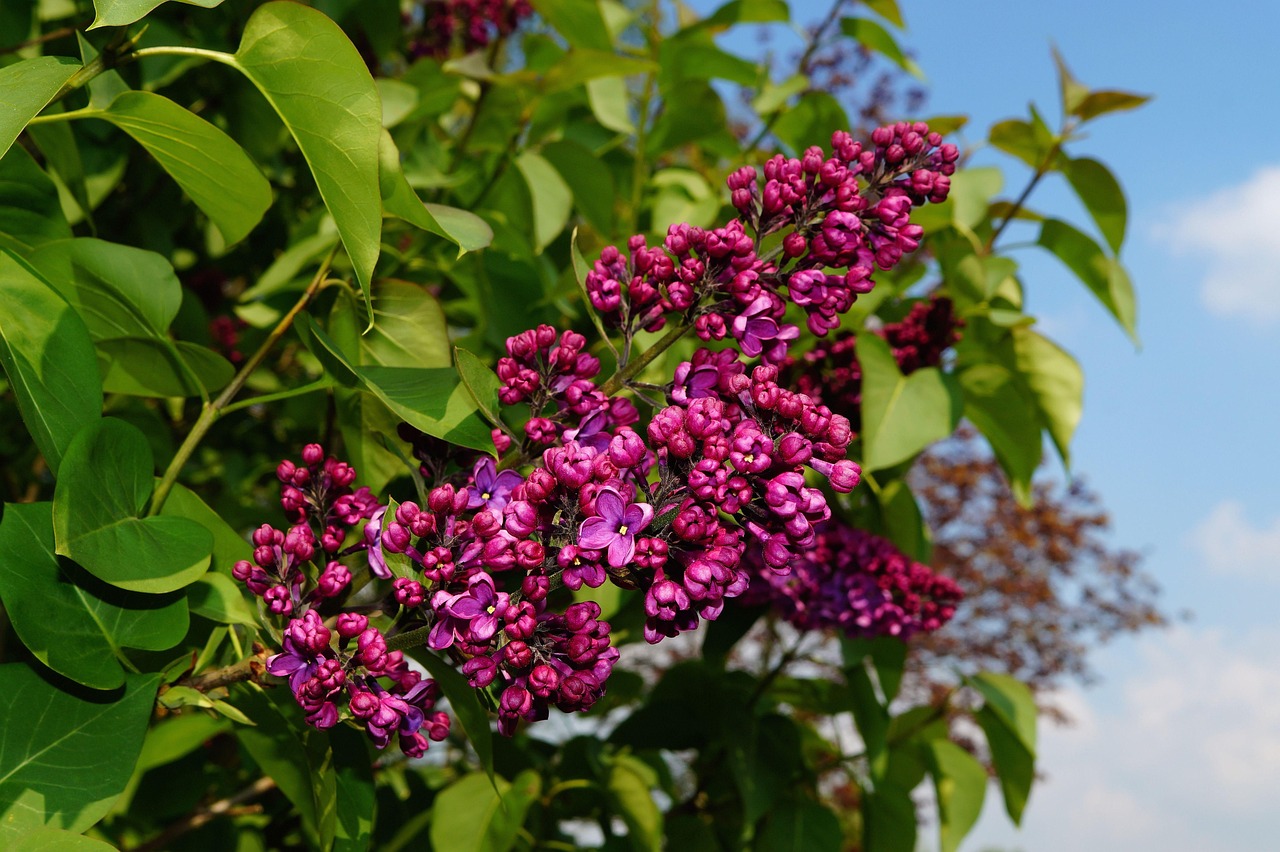
Syringa Vulgaris: The Beloved Shrub Behind the Lilac Obsession
Every spring, the appearance of lilac blossoms triggers something almost involuntary in people who grew up near them. The scent arrives before you see the clusters, drifting through open windows and across garden paths with a sweetness that feels particular to its season. That scent comes from one plant: Syringa vulgaris, the common lilac. For those of us who work with lilac oil, understanding this shrub at a botanical and chemical level is not just interesting background. It shapes every sourcing decision, every quality assessment, and every honest conversation about what lilac oil actually is.
Botanical Profile: What Kind of Plant Is This?
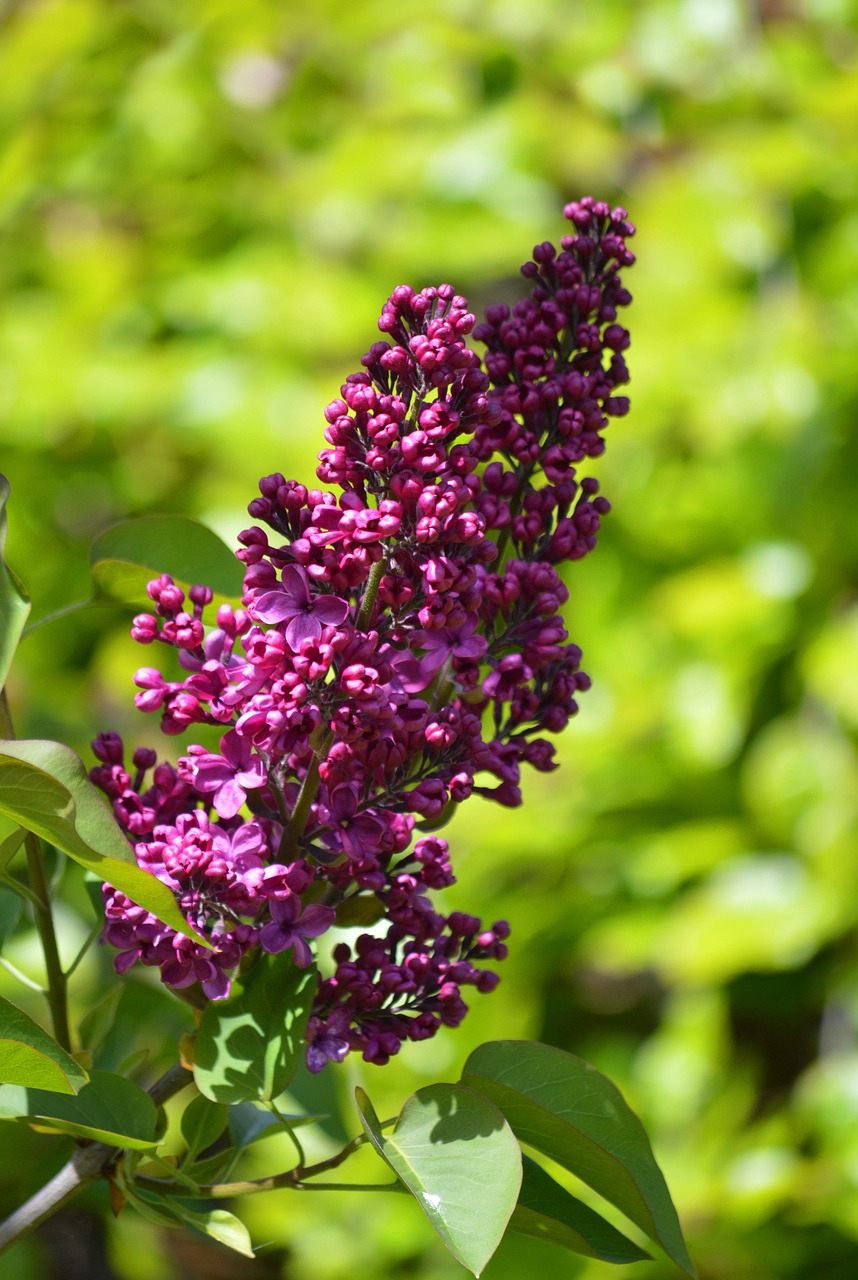
Syringa vulgaris belongs to the Oleaceae family, the same family that includes olive trees, jasmine, and ash. Native to the rocky hills of the Balkan Peninsula, the lilac plant has been cultivated in European and North American gardens for centuries. It is a deciduous shrub, meaning it drops its leaves in winter, and it can reach heights of six to seven meters under the right conditions. Gardeners know it as a slow-reward plant: it takes several years to establish before producing generous blooms.
The name Syringa comes from the Greek word syrinx, meaning pipe or tube, a reference to the hollow stems of the young branches. Vulgaris simply means common, though there is nothing ordinary about what the plant produces chemically. Over 200 cultivars now exist, ranging from deep violet-purple to white and pale pink. For aromatic work, the classic purple-flowering varieties are most prized, and they remain the reference point for what we recognize as an authentic lilac scent.
The Chemistry of Lilac Blossoms
This is where the story gets genuinely fascinating, and also where it gets complicated for those hoping to find a simple essential oil on the shelf.
Syringa vulgaris produces a volatile fragrance profile that researchers have studied using gas chromatography-mass spectrometry (GC-MS). The findings consistently identify a complex mixture of compounds, with no single dominant molecule. That complexity is part of what makes the scent so compelling and so difficult to replicate faithfully.
Key Aromatic Compounds
- Linalool: A widely occurring terpene alcohol found across many floral plants. Research suggests linalool contributes the soft, slightly powdery quality that runs through the lilac blossom's scent profile. It is also present in lavender, coriander, and bergamot.
- Benzyl alcohol: Adds a sweet, faintly balsamic character. It is a common constituent in floral absolutes and helps round out sharper aromatic edges.
- Farnesol: A sesquiterpene alcohol associated with the musky, depth-giving dimension of lilac. It appears in many high-quality floral materials and contributes to how a scent evolves on the skin over time.
- Eugenol: More commonly associated with clove, eugenol appears in trace amounts in some Syringa vulgaris samples and contributes a subtle spicy warmth underneath the dominant sweetness.
- Lilac aldehyde and lilac alcohol: These are the compounds most specifically associated with the characteristic lilac scent. They occur in four stereoisomeric forms, meaning slight structural variations that each carry subtly different olfactory impressions. Research suggests this isomeric complexity is a major reason the lilac scent is so difficult to pin down with a single synthetic molecule.
- Indole: Present in small amounts, indole gives lilac blossoms a faint animalic, almost narcotic undertone that prevents the scent from reading as flat or purely green-sweet.
- Terpineol and ocimene: These lighter terpenes carry the bright, airy top notes that give fresh lilac blossoms their immediate impact.
Why No True Essential Oil Exists
The lilac plant presents a practical challenge: steam distillation, the method used to produce most essential oils, does not work well with Syringa vulgaris blossoms. The delicate volatile compounds degrade under heat before they can be captured meaningfully. The yield is also extremely low relative to the plant material required. This is why you will not find a genuine steam-distilled lilac essential oil in reputable catalogues. If you see one, it warrants careful scrutiny of the label and sourcing documentation.
What does exist, in limited and costly form, is a lilac absolute, produced through solvent extraction. A concrete (a waxy aromatic solid) is first obtained from the blossoms, then processed with alcohol to yield the absolute. Even this is rare in commerce. For a clear breakdown of how aromatic lilac products are actually built, see our guide to how crafted lilac oil is built: infusion, extracts, and accord.
Research Observations on Syringa Vulgaris
Scientific attention to Syringa vulgaris has grown over the past two decades, particularly in Eastern European countries where the lilac plant grows abundantly. Most published studies focus on chemical characterization of leaf, bark, and flower extracts. It is important to frame these findings accurately: observations made in laboratory settings do not automatically translate to effects in everyday aromatic use.
Some research suggests that extracts from Syringa vulgaris leaves contain iridoid glycosides, including syringin (also called eleutheroside B). Syringin is a phenylpropanoid glycoside that has attracted interest in phytochemistry research, though its relevance to the aromatic use of lilac blossoms is limited. The leaves and bark are chemically distinct from the flowers, and most aromatic products work exclusively with floral material.
Regarding the floral volatiles specifically, some olfactory research suggests that linalool, one of the prominent compounds in lilac blossoms, may support a sense of calm atmosphere when diffused in a room. These are observational, context-dependent findings. They are interesting. They are not a basis for health claims.
Research into farnesol has noted its presence as a component in many fine fragrance formulations and its role in fragrance substantivity, meaning how long a scent persists on a surface or skin. From a perfumery standpoint, this is practically relevant when evaluating how a lilac-based product wears over time.
Safety Profile and Contraindications
Any responsible look at Syringa vulgaris in an aromatic context has to address safety clearly. The good news is that well-sourced lilac-based products, used as directed, have a reasonable safety profile for most adults. The details matter, though.
Skin Sensitization
Several of the compounds found in lilac blossoms and lilac-based products, including linalool, benzyl alcohol, eugenol, and farnesol, are recognized contact sensitizers by the International Fragrance Association (IFRA). Farnesol in particular appears on restricted ingredient lists and requires adherence to usage limits in leave-on products. Eugenol is similarly restricted in certain application categories.
What this means in practice: patch testing before applying any lilac-based product to skin is not optional advice. It is a genuine precaution. Apply a small amount to the inner forearm, allow 24 hours, and check for any redness or irritation before broader use.
Dilution Guidance
For any lilac-based oil or accord intended for skin application, appropriate dilution matters. A general guideline for leave-on products is 1 to 2 percent dilution in a carrier oil for most adults. Products formulated for the face or for sensitive skin should sit at the lower end of that range. Undiluted application of concentrated aromatic materials is not recommended.
Populations Requiring Extra Caution
- Pregnant individuals: Some aromatic compounds warrant caution during pregnancy. Consult a qualified healthcare provider before using any concentrated aromatic product during pregnancy or while nursing.
- Children: Aromatic products formulated for adults are not automatically suitable for children. Seek age-appropriate formulations and professional guidance.
- Known fragrance sensitivities: Individuals with documented fragrance sensitivities or those who react to other floral products should approach lilac-based materials carefully and consider avoiding them entirely if reactions have been significant in the past.
Always consult a qualified healthcare provider if you have specific concerns or pre-existing conditions before introducing new aromatic products into your routine.
Sourcing and Quality Indicators
Because genuine Syringa vulgaris absolute is rare and expensive, the lilac oil market contains a wide spectrum of product quality. Knowing what to look for protects your investment and your nose.
What to Ask About Provenance
Reputable lilac-based products should have traceable sourcing information. Eastern Europe (particularly Bulgaria, Ukraine, and parts of Russia) and the northeastern United States represent the primary growing regions where Syringa vulgaris is cultivated at scale. Flowers harvested at peak bloom, in the early morning when volatile concentration is highest, yield the most aromatic material. Ask suppliers whether they can speak to harvest timing and geographic origin.
Reading Labels Honestly
A lilac product label should clearly indicate whether it contains a natural absolute, a crafted accord, an infused carrier oil, or a blend of these approaches. Products that list only vague terms like "lilac fragrance" without further specification warrant more questions. Transparency about composition is a meaningful quality signal. For a fuller picture of what different product types actually contain, our complete and honest guide to lilac oil is a good starting point.
Olfactory Quality Markers
A high-quality lilac product should open with bright, airy top notes (the terpene-driven freshness), then settle into the characteristic sweet-powdery heart, and finally carry a subtle, slightly musky dry-down. Products that smell one-dimensional or that lean heavily synthetic in their top note without development often indicate heavy use of isolated aroma chemicals without supporting the complexity that Syringa vulgaris provides in nature.
Color can also be informative. Genuine lilac absolutes tend toward yellow to amber tones. Perfectly clear or unnaturally colored products usually signal a fully synthetic composition, which is not inherently a problem, but it should be labeled accordingly.
GC-MS Testing
For buyers who work with lilac materials professionally or who want high confidence in composition, requesting GC-MS analysis data from suppliers is reasonable. Reputable producers can provide this. The presence of lilac aldehyde isomers and farnesol in the profile is a positive indicator of botanical origin or well-constructed accord quality.
Bringing It Together
The lilac plant is not a simple subject. Syringa vulgaris produces one of the most chemically intricate floral scents in the garden, built from an interplay of linalool, lilac aldehydes, farnesol, indole, and dozens of supporting molecules. That complexity is exactly why working with lilac materials requires honesty about what each product actually is and what it can realistically deliver.
Understanding the chemistry helps you evaluate quality more confidently. Understanding the safety profile helps you use these products responsibly. And understanding the sourcing landscape helps you find products worth the attention lilac blossoms deserve. For practical ideas on putting a quality lilac oil to use throughout the year, explore our roundup of 15 ways to enjoy the spring floral year-round.
The obsession, it turns out, is well-grounded. This shrub has earned it.