
Plan a Spring Lilac Collection: A Launch Calendar
Order the lilac sample in autumn, not in March. A spring collection is a chain of waiting periods (sample shipping, test batches, wax cure, photography), and the chain is longer than it looks when you count backwards from a launch date. This guide does that arithmetic for one example date, shows where the slack goes, and explains why the lilac bloom itself is a poor thing to anchor the calendar to.
Start from a calendar date, not from the bloom
It is tempting to launch "when the lilacs open." The sources that track this do not support planning that tightly. The USA National Phenology Network defines the flowering stage as at least 50% of flower clusters having one open, fresh flower, and it asks observers to record it because the date moves (USA-NPN, Syringa vulgaris species page). The EPA's leaf and bloom indicator, built from USA-NPN lilac and honeysuckle observations and NOAA temperature records, says first leaf and bloom dates show large year-to-year variability, are generally earlier across the North and West, and are later in much of the South (EPA indicator page, archived January 2021). The underlying dataset is a cloned purple common lilac observed across the continental United States from 1956 to 2014 (USA-NPN, Dryad dataset), so it describes one plant lineage, not every lilac a customer will see.
Two garden sources show how wide the window is. The Central Experimental Farm in Ottawa groups its lilac collection by bloom time: early cultivars usually start in the second week of May, mid-season in the last half of May, late in the first week of June, very late in the second week of June (Friends of the Central Experimental Farm). The University of Minnesota Extension lilac table lists early-spring types as blooming from April to mid-May and mid-spring types in mid to late May (University of Minnesota Extension). Those are two different places and two different ways of grouping, so they do not contradict each other. They do show that "lilac season" can mean April in one yard and June in another, depending on the lilac group, which is why our varieties article takes up which groups bloom when.
Two things we looked for and did not find in a primary source: a measured seasonal peak in demand for lilac products, and a standard lead time for a seasonal craft launch. Plans that quote "the April to May rush" are asserting something we cannot cite, so this guide does not use it. The reasoning below is only about your own calendar.
Worked example: a Saturday 8 May 2027 launch
The date is illustrative arithmetic, chosen because it falls in the window the Ottawa and Minnesota sources give for early to mid-spring lilacs. Swap in yours. The one hard number from our side is that orders typically ship in one to two business days, and that bulk orders can need longer (the shop's shipping copy). Transit time to your door, and any bulk lead time, are not published, so the table assumes about a week for a sample to arrive and three weeks for a bulk order, both labelled as assumptions you should replace with written answers.
The wax cure figure comes from one retailer's guide to one soy wax: it reports a two-week cure as ideal for that wax, based on the retailer's own testing, and gives no test design (candle-supply retailer guide to AAK 464 soy wax). That is a retailer's statement about one wax, not a manufacturer specification, and not a number for our oil. Use the cure time on your own wax maker's data sheet. Soap and lotion have their own timelines, covered in the soap and lotion posts rather than here.
| Weeks before launch | Week of | Task | Why it sits there |
|---|---|---|---|
| About 27 (now) | 27 Oct 2026 | Order a sample. Ask in writing for any safety documents you will need. | Sets the oil's best-by clock and starts the document request, which has no published turnaround. |
| 14 | 30 Jan 2027 | Sample in hand, with a written answer to your document questions. | A late answer here moves everything after it. |
| 12 | 13 Feb | Test batch 1: small pours or a small batch, one load level. | Starts a two-week cure. |
| 10 | 27 Feb | Judge batch 1 after cure. Adjust. Start batch 2. | Cure of batch 2 starts. |
| 8 | 13 Mar | Judge batch 2. Decide the bulk size and order. | Bulk lead time (assumed three weeks) runs into the buffer. |
| 5 | 3 Apr | Production pour or batch. | Production cure of two weeks, per your wax sheet. |
| 3 | 17 Apr | Cure ends. Photograph. Finalize labels. | Photos of cured product, not of a wet pour. |
| 1 | 1 May | Listings live. Count inventory. | One week for corrections. |
| 0 | 8 May | Launch. |
Why autumn: the slack arithmetic
Strip the table to the waits that cannot be compressed: about one week for the sample to arrive, two test rounds of two weeks each (four weeks), a two-week production cure, and two weeks for photos and listings. That is nine weeks with nothing going wrong. Ordering the sample on 1 March leaves 68 days, or about 9.7 weeks, before 8 May: roughly 0.7 weeks of slack, and no room for a failed round, a slow written answer about documents, or a bulk order that takes its full lead time.
Ordering on 27 October leaves about 27 weeks. The same nine-week chain leaves about 18 weeks of slack, which is enough to repeat a test round twice, wait for a documentation answer, and still hold the launch. The cost of ordering early is shelf life: the shop's copy says floral oils typically keep one to two years in a tightly capped, cool, dark place, so an autumn bottle used in May has spent roughly seven months of that window. Ask for the best-by on your own lot, because the batch on our published COA (best by 05/31/2027) is one batch, and we do not promise that later ones match it.
What goes wrong most often in the schedule
- The test batch is treated as a formality. The shop's own bulk guidance says testing the fragrance load at small scale before committing bulk oil to a full candle or soap batch is worth the extra step, and notes that florals read softer than heavier musks or woods. A two-round test is that advice turned into dates. Our guide on testing before you buy bulk covers what to judge.
- Candle documents are asked for after pouring. The site publishes no flash point, SDS or IFRA certificate for the oil. If you intend to sell candles, ask in writing before the first sale pour and get the answer in writing. Nothing in this schedule replaces that; the oil is not the answer to a safety-data question, your wax and wick suppliers and, where needed, a product-safety attorney are.
- Photography happens before the cure ends. Candles photographed wet or soft are re-shot. Put photos after the cure line.
- Pricing is decided last. Work it out while round 2 cures; see how to price lilac candles.
Where this plan does not apply
If you are making wedding or event favors, the clock is the event date and the people attending have no bloom to wait for; start from the favors guide instead. If you only want a gift-sized bottle for yourself, none of this is needed. And we have no customer launch timelines to report: every date above is arithmetic from the cited waits and the assumptions labelled in the text.
Our oil is a composition built to be faithful to the scent of the common lilac, sold neat in nine sizes from 0.5 oz to 400 lb; see the shop page for current prices and the sizes that suit a first test.
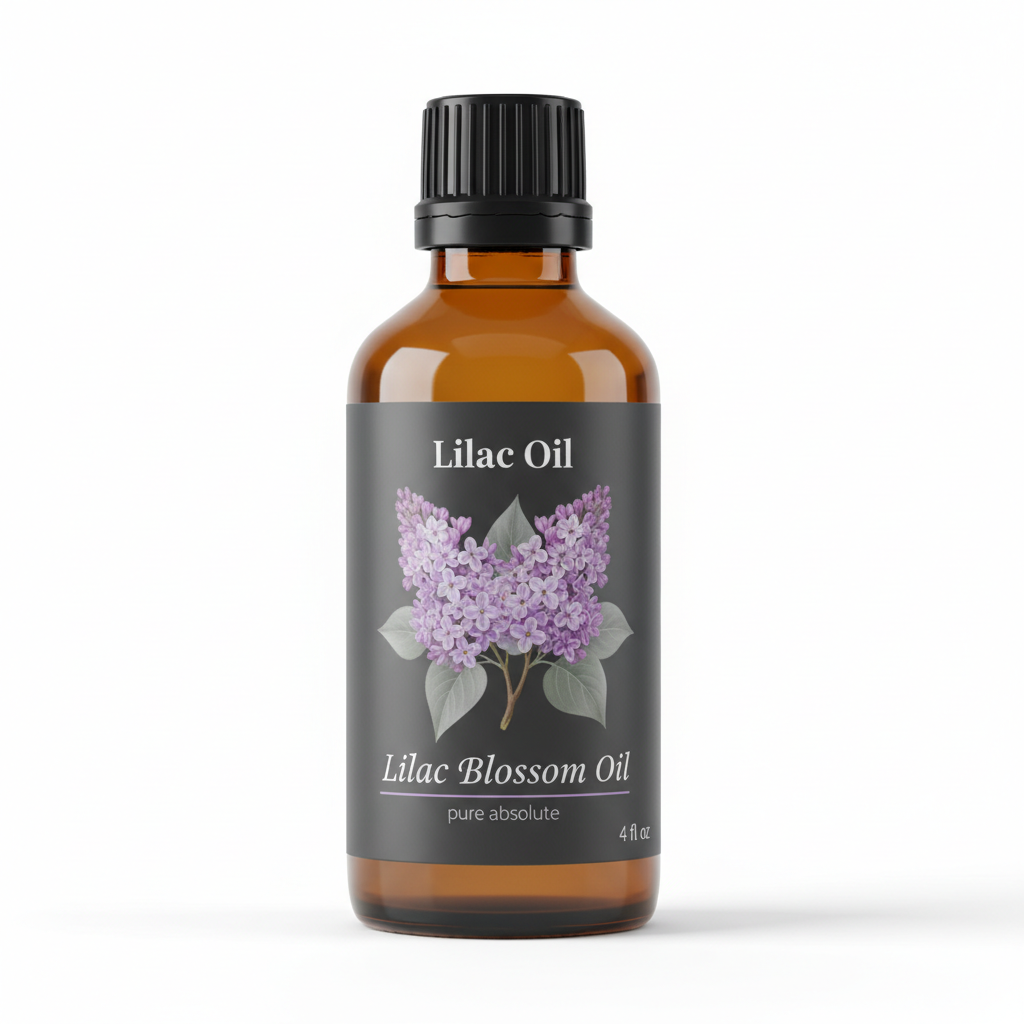
Lilac Blossom Oil
Lilac Blossom Oil from our own shop, in sizes from 0.5 oz to bulk.
From $15.99
Shop Now →Sources & Further Reading
- USA National Phenology Network. Syringa vulgaris species page (phenophase definitions). mynpn.usanpn.org/npnapps/species/Syringa/vulgaris
- U.S. EPA, archived January 2021. Climate Change Indicators: Leaf and Bloom Dates. 19january2021snapshot.epa.gov
- USA National Phenology Network, 2016. Lilac and honeysuckle phenology data 1956-2014 (Dryad). datadryad.org/dataset/10.5061/dryad.0262m
- Friends of the Central Experimental Farm, Ottawa. Lilacs: rows by bloom time. friendsofthefarm.ca/lilacs
- University of Minnesota Extension. Lilacs. extension.umn.edu/trees-and-shrubs/lilacs
- Candle-supply retailer guide to AAK 464 soy wax (retailer statement, not a manufacturer specification). candlescience.com/getting-started-with-aak-464-soy-wax